
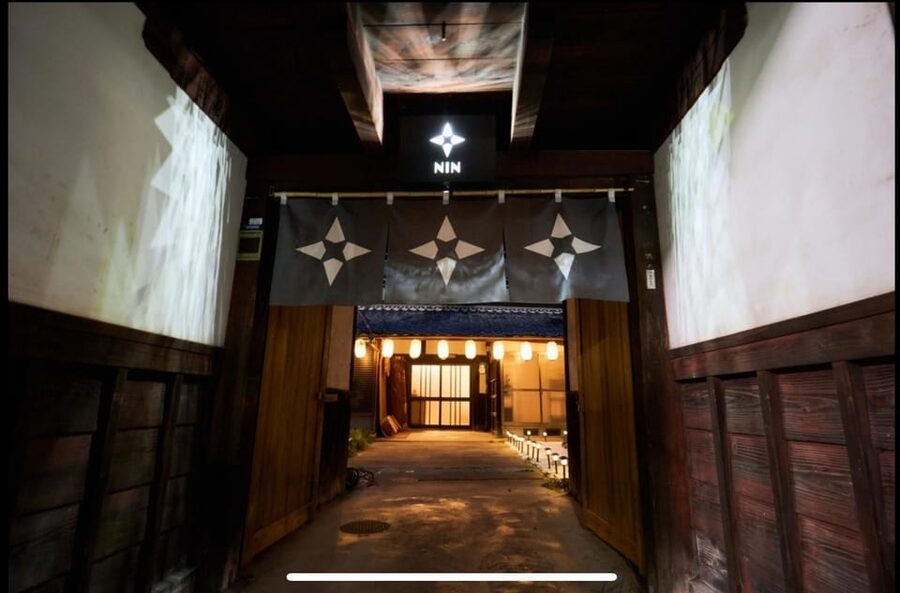
Review · SAMURAI SWORD & NINJA TRAINING
Kyoto: Ninja Weapon Forging Experience
One sentence that sums it up: you hammer real steel into a ninja weapon. This Kyoto class turns a simple souvenir into a working craft project, from suiting up in traditional blacksmith attire to engraving your own kanji.
I especially like how hands-on the whole process is, not just watching. I also love that you leave with your own finished piece, placed in a take-home box, plus photo and video moments during the build.
One consideration: if you want a specific weapon like the kunai, it can cost extra (¥3,000), and the tool is a real metal item you must pack correctly for flights (checked luggage only).
In This Review
- Key points to know
- A real craft session in Kyoto, steps from Hieizanguchi Station
- Suit up in samue, then switch into blacksmith mode
- Pick your ninja weapon: shuriken styles or the kunai option
- The 800°C furnace moment is where the class earns its keep
- Belt-sander shaping, sharpening choices, and precision work
- Add your kanji: engraving turns the souvenir into a personal piece
- Ninja history session, blackening for rust protection, then final polish
- Take-home box, photos and videos, and how to fly with your weapon
- Price and value: is $148 worth 150 minutes of real forging?
- Who this is best for, and who might want to choose differently
- Should you book the Kyoto ninja weapon forging experience?
- FAQ
- What weapons can I make in this Kyoto class?
- How long is the ninja weapon forging experience?
- Is the instructor teaching in English?
- What is included in the price?
- What might cost extra?
- Where do I meet for the class?
- Can I take my weapon home and bring it on a flight?
- Is it helpful for families or kids?
- Is there free cancellation?
Key points to know
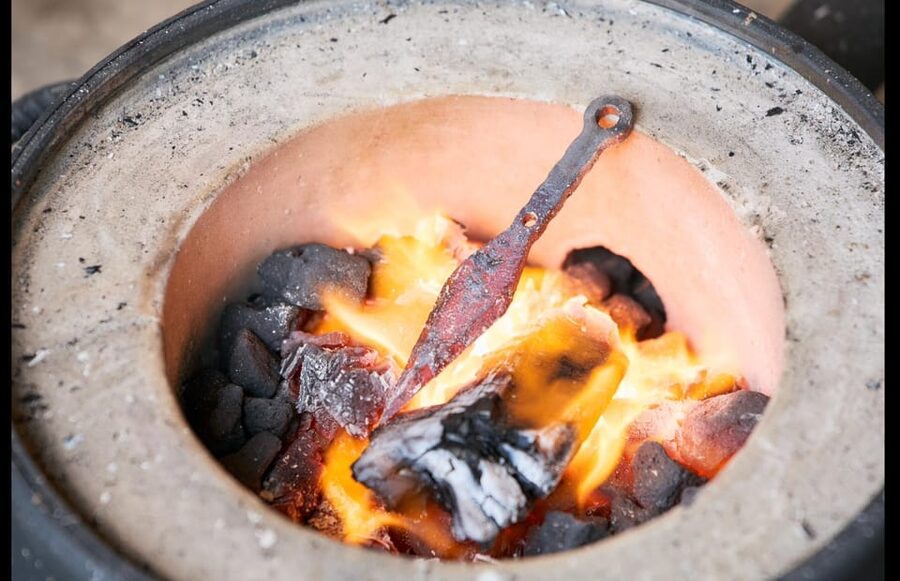
- Real steel, heated to about 800°C, so you get the true feel of traditional forging.
- Choose your weapon shape, either shuriken styles or a kunai option (kunai has an extra fee).
- Kanji engraving becomes your personal signature, not just a factory label.
- You do the work, including hammering, belt-sander shaping, and final polishing.
- A blackening solution helps protect the metal from rust for a dramatic finish.
- English instruction and staff support with photos and filming help the experience feel smooth.
A real craft session in Kyoto, steps from Hieizanguchi Station
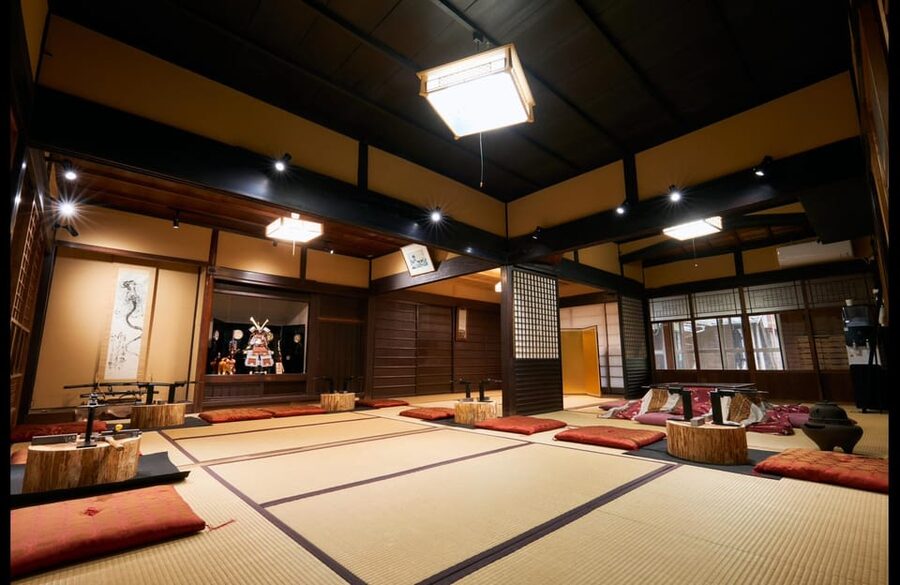
This is the kind of Kyoto activity I like because it feels like you’ve walked into a working studio, not a performance. The meeting point is easy to find: it’s a one-minute walk from Hieizanguchi Station, and you go uphill where there is a red postbox in front of the station.
The class runs about 150 minutes, so it is long enough to matter. You will actually go through a sequence: outfit, selection, heating, shaping, sharpening and finishing, then the cultural context that helps the whole thing click.
Logistics are simple, but do plan for the short uphill approach. Some people handle that with a taxi, especially if they are carrying bags or traveling in a small group, but the station walk is still the designed route.
If you like getting out of central Kyoto and spending time in a quieter neighborhood, you will probably enjoy the change of pace.
More Samurai & Ninja Sessions in Kyoto
- Kyoto Samurai Experience
★ 5.0 · 1,294 reviews - Kyoto: Kendo and Samurai Experience with Uniform and Gear
★ 4.9 · 815 reviews - Kyoto: Samurai Sword Class by Experts in Traditional Arts
★ 4.9 · 657 reviews
Suit up in samue, then switch into blacksmith mode
The first step is a costume change that is more than a gimmick. You put on samue, the traditional work clothes worn by Japanese blacksmiths, and you wrap a tenugui around your head. The effect is immediate. You stop thinking of this as an activity and start thinking of it as a craft session.
Why that matters: forging is physical and focused. When you are dressed for the work and the studio sets a disciplined rhythm, it is easier to concentrate on the metal in front of you instead of worrying about what to do next.
You also get an atmosphere that feels respectful of the process. Multiple instructors help guide each step, so even if your Japanese is limited, you’re not left guessing.
And because this is a hands-on workshop, you’ll likely get more natural photos than you would at a typical sightseeing stop. You’re doing something real, and the staff can help with filming while you work.
Pick your ninja weapon: shuriken styles or the kunai option
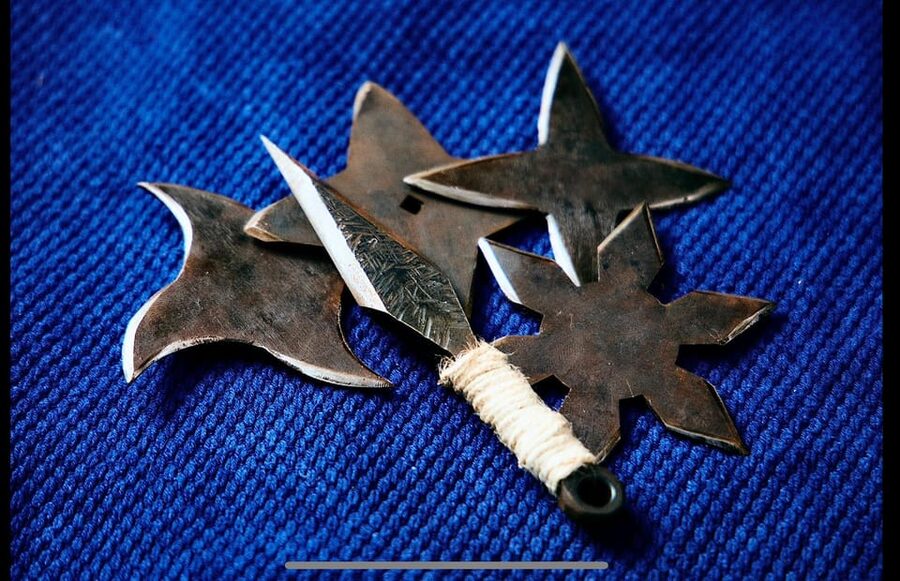
Your first real choice is the weapon. You can select among three shuriken styles or choose a kunai option. Each shape has its own personality in how it balances and finishes, which makes the decision feel personal rather than cosmetic.
If you want the kunai, there’s an extra charge of ¥3,000, and that fee covers processing and material costs. The general rule is simple: some weapon types require additional fees beyond the base price.
One practical tip: decide based on what you want to carry home visually. Shuriken pieces are small and graphic, while a kunai has a stronger, more iconic silhouette. If you’re planning to display it, you’ll probably gravitate toward the style that fits your space better.
Also, there’s a studio option to purchase replica swords if you want something bigger for photos, but your main workshop product is the one you make yourself.
The 800°C furnace moment is where the class earns its keep
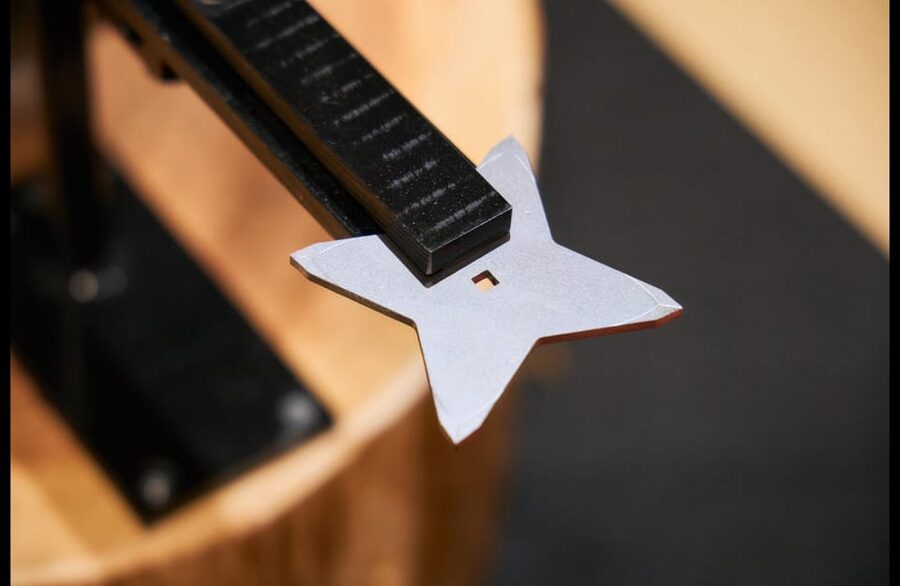
The forging step is the highlight because it turns a concept into a physical skill. You watch the steel glow as it heats inside an 800°C furnace, then you hammer the heated metal under expert guidance.
This is the moment where I think the value really shows. Many “craft” experiences involve soft tools or pre-made shapes. Here, the workshop emphasizes true shaping, blow by blow, so you feel how metal responds when it’s ready.
What to expect in practice:
- The staff explains the steps before you do them.
- You’re not just holding a hammer for show. You participate in the core shaping.
- Sparks and heat are part of the visual experience, and the guided flow keeps it safe and controlled.
Multiple families and solo travelers note that it feels well managed, with clear instructions and helpful staff. If you are bringing kids, this is one of those activities that can work because you can actually see progress as the metal takes form.
If you’re the kind of traveler who loves getting your hands dirty, you’ll likely remember this moment long after you’ve returned home.
More Samurai and Ninja sessions in Kyoto:
- Skip the lines Basic Ticket at SAMURAI NINJA MUSEUM KYOTO
★ 4.5 · 632 reviews - Ninja 1-hour Hands-on Lesson by Japanese master in Kyoto -Entry
★ 5.0 · 489 reviews - Kyoto: Samurai Kenbu Traditional Sword Dancing Show
★ 4.5 · 426 reviews - Samurai Training with Modern day Musashi in Kyoto
★ 5.0 · 256 reviews
Belt-sander shaping, sharpening choices, and precision work
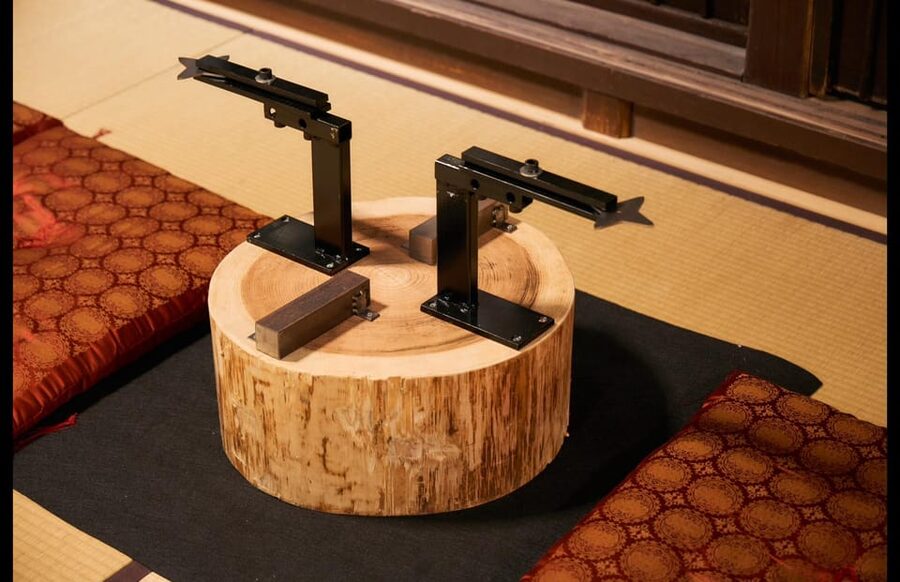
After the forge, the work shifts from dramatic heat to careful control. You use a professional belt sander to refine the blade and clean up the shape. This step is where you go from a rough form to something that looks intentional.
Then comes sharpening and finishing. Some participants mention you can choose how sharp to make your weapon, which can matter if you have practical concerns about handling it back home or bringing it into specific environments.
Why this sequence is smart: hammering teaches force and timing, while sanding teaches patience and detail. The class design gives you both kinds of satisfaction, the sudden change from hammering and the slow refinement of edges and lines.
You will also get the finished look through polishing and final steps later, but the belt-sander stage is where the silhouette improves fast. It is also where people tend to start filming more, because you can visibly see the transformation.
Add your kanji: engraving turns the souvenir into a personal piece
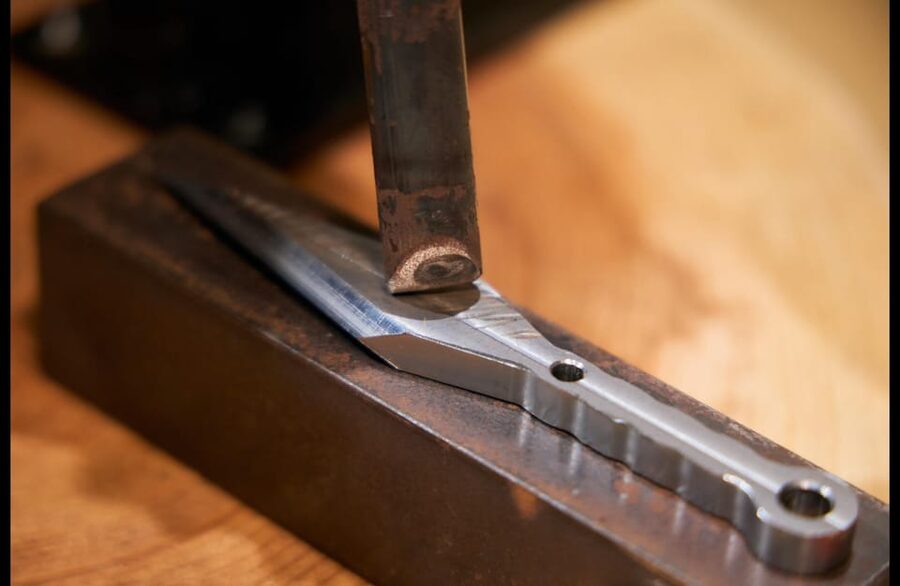
The class doesn’t stop at making a cool shape. It helps you personalize it with a kanji engraving. You choose a kanji character that inspires you, then the staff engraves it with careful precision.
This is one of those details that feels small until you hold the finished piece. A random logo souvenir is easy to forget. A character you picked yourself becomes a story you can explain at home.
Some participants also mention that staff can help with filming during key steps, which is helpful if you want a record of your process. Watching your own chosen character appear on the weapon makes the final minutes feel meaningful, not rushed.
One thing to keep in mind: since you are selecting a character, double-check that you genuinely understand the meaning you want. The staff can guide the process, but your choice is still yours.
Ninja history session, blackening for rust protection, then final polish
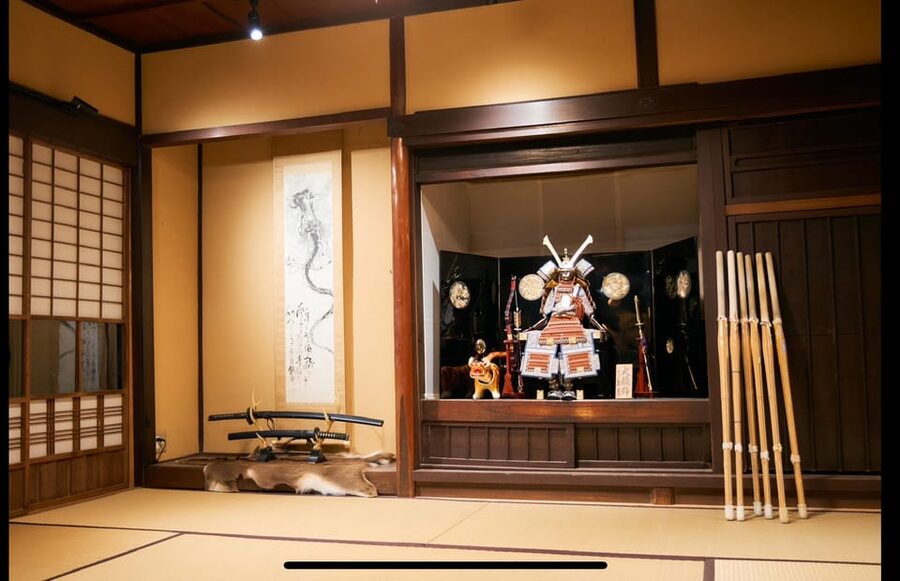
Right after the hands-on making portion, you get a ninja knowledge session. It covers history, symbolism, and hidden techniques connected to ninja lore. Even if you already know a bit, this part helps you connect the shapes you made to the ideas behind them.
Then comes blackening. A special solution darkens the steel and helps protect it from rust. This step changes the look dramatically, turning a bright metal surface into something that looks more like an old tool with a dramatic, shadowy finish.
Finally, you do the last polish. That last phase matters because it makes the piece feel finished, not just functional. Your weapon ends sleek and refined, ready to display.
If you like cultural context but don’t want a lecture-heavy museum vibe, this format is a good middle ground: facts come right when the object is becoming real in your hands.
Take-home box, photos and videos, and how to fly with your weapon
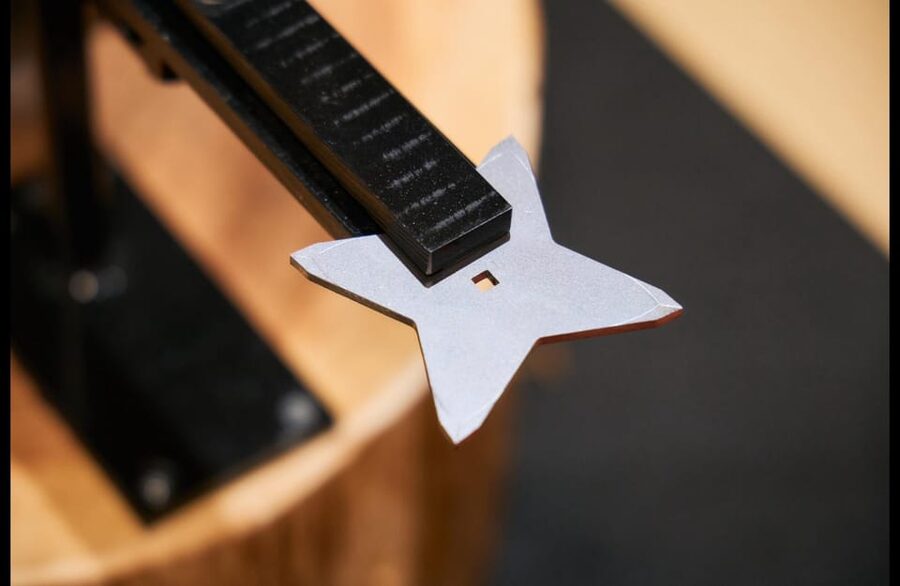
You don’t just leave with a metal piece. You take it home in a beautiful box, which makes storage and gifting easier. That box is part of why this feels like a real craft souvenir instead of a disposable item.
For memories, there’s a photo and video element. Staff can help you capture moments of the crafting process, which is great because the forging and shaping steps are visual.
Now, the practical part if you are leaving Japan by air. You can bring your weapon home, but only in checked luggage, not as carry-on luggage. That means you should plan how you will pack it so it is secure and protected.
Also, plan to handle declaration at customs. One traveler reported bringing their weapon through customs without issues as long as they declare it. That’s a good reminder: follow the rules where you land, not just what feels convenient.
Price and value: is $148 worth 150 minutes of real forging?
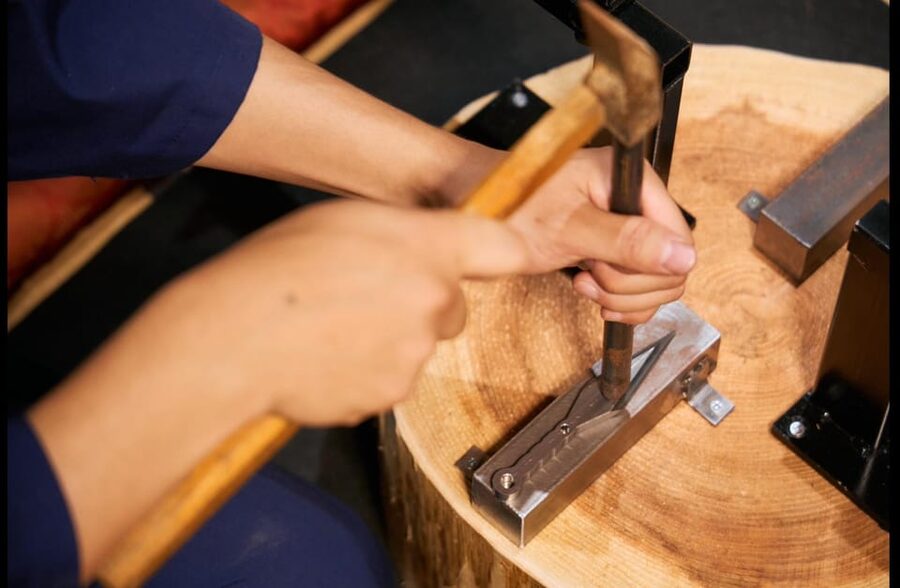
At $148 per person for about 150 minutes, the price is basically buying three things at once:
1) a guided studio experience,
2) the materials and tools used to forge,
3) and a take-home product you personally shaped and personalized.
When you factor in that you use real steel and go through genuine forming and finishing steps, it starts to make sense. This is not a low-effort photo op. The time investment is also decent. A shorter workshop might teach one step, but here the class walks through forging, shaping, engraving, blackening, and polishing.
Be aware of potential extra costs:
- Kunai option costs ¥3,000 beyond the base price.
- Some weapon types may cost additional fees.
- The studio sells replica swords for a fee, which is optional.
So I’d call the base price solid, but I’d budget a little extra if you want a specific weapon choice.
If your goal is a craft memory you can actually use as a conversation starter back home, this is one of the better value categories in Kyoto because you leave with the evidence.
Who this is best for, and who might want to choose differently
This experience is a great fit if you:
- want a hands-on Kyoto activity with real tools and real metal,
- like making something with your own decisions, especially the kanji,
- enjoy cultural context without sitting through a long lecture,
- are traveling with kids or a mixed-age group and want an organized, supervised environment.
It may be less ideal if you:
- want a purely sightseeing day with minimal physical effort,
- dislike the idea of extra charges for certain weapons,
- need carry-on luggage friendly souvenirs, because this requires checked baggage.
If you’re a solo traveler, it can also be a confidence boost. The class is structured, and staff guidance helps you participate even if you’ve never done anything like it.
Should you book the Kyoto ninja weapon forging experience?
I’d book it if you want one Kyoto activity that is both fun and tactile. The forged-steel process, the ability to choose your weapon, and the personal kanji engraving combine into something you will remember because your hands helped make it.
If you are budget-conscious, choose your weapon option carefully. The kunai fee is an easy surprise to avoid if you plan for it. And if you are flying soon, plan early for packing in checked luggage.
If you want a small, meaningful break from temples and crowds, this studio workshop is a strong choice.
FAQ
What weapons can I make in this Kyoto class?
You can choose among three shuriken styles or a kunai option. Selecting the kunai option includes an additional fee.
How long is the ninja weapon forging experience?
The class lasts about 150 minutes.
Is the instructor teaching in English?
Yes. The instruction is listed as English.
What is included in the price?
Included items are the instructor, the weapon-making class, the uniform, the tools, and the weapon you make to take home.
What might cost extra?
Some weapon types may have an additional fee. The kunai option has an extra charge of ¥3,000. The studio also sells replica swords for a fee.
Where do I meet for the class?
Meet at a one-minute walk from Hieizanguchi Station. Go uphill where there is a red postbox in front of the station.
Can I take my weapon home and bring it on a flight?
You can take it home, but on a flight it must go in checked luggage, not carry-on.
Is it helpful for families or kids?
The experience is described as guided step by step, and it is noted as enjoyable for kids by families who attended.
Is there free cancellation?
Yes. You can cancel up to 24 hours in advance for a full refund.
Newly listed around Kyoto
- Taste of Nishiki Market Walking Food Tour with Local guide★ 5.0 · 17 reviews
- Kyoto: Sushi Making Class with Sushi Chef★ 4.8 · 64 reviews
- Simple Plan with Maiko★ 4.4 · 10 reviews
- Shibori Furoshiki Course at Kyoto Shibori Museum★ 5.0 · 21 reviews
- Kyoto: City Secrets eBike Tour★ 4.9 · 196 reviews
- Sacred Pathways: Discover the Philosopher’s Path of Kyoto★ 4.9 · 20 reviews
- Private Tour to Monkey Park and Arashiyama Highlights★ 5.0 · 22 reviews
- Private Nara Tour from Osaka – Meet at Your Hotel★ 5.0 · 22 reviews
Samurai Sword & Ninja Training, compared.

Samurai Ninja Museum Guided tour and Experience
Read our review →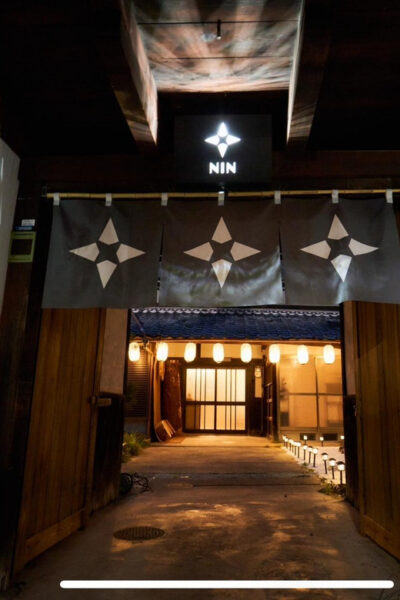
Kendo and Samurai Experience with Uniform and Gear
Read our review →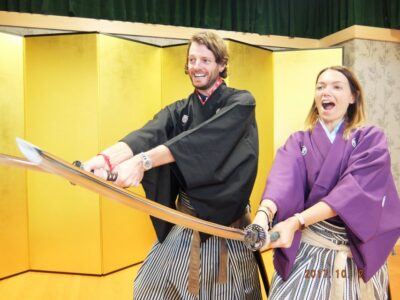
Samurai Sword Class by Experts in Traditional Arts
Read our review →
Skip the lines Basic Ticket at SAMURAI NINJA MUSEUM KYOTO
Read our review →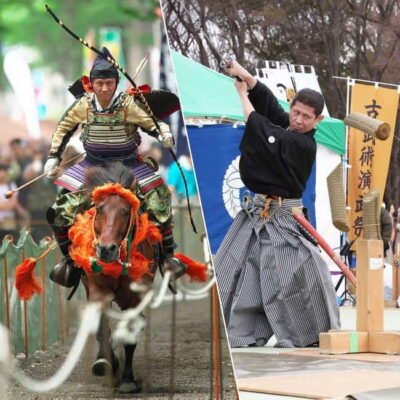
Samurai Sword & Archery Class from Samurai Descendant
Read our review →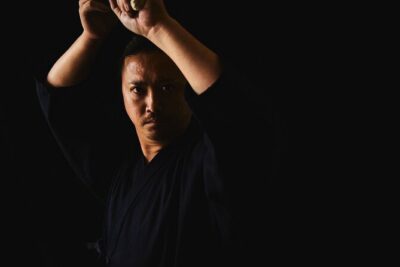
Browse the lists this tour appears in