Review · GUIDED
Kyoto Highlights & Hidden Gems in Nature (Private Van Eng-Guide)
Kyoto gets crowded fast. This 6-hour private minivan plan helps you see the big hits like Kinkakuji and Fushimi Inari, then shifts to calmer temples and viewpoints far from the main scramble. I especially like the way the route uses car time to cover long distances, and how stops are grouped so you are not zigzagging across town on your own. One thing to consider: a few temple visits involve walking and stairs, so you should ask your guide if you want to reduce that.
I also like that the guide is English-speaking and focused on Buddhism and Kyoto history, not just giving a checklist. When I look at the itinerary design, the best value is that you get both famous sights and “quieter corners” where you can actually slow down and pay attention.
In This Review
- Key reasons this private van Kyoto tour makes sense
- Why this 6-hour Kyoto route feels faster than doing it alone
- Price and what your private minivan includes
- Stop by stop: Kinkakuji, Arashiyama bamboo, and calmer temple corners
- Mountain viewpoints near Ogura and Hozukyo Gorge
- Shinto cedar tree stops at Nakagawa-hachimangū and Kitayama Big Daisugi
- Heian Jingu to Fushimi Inari, with a later-day crowd advantage
- Practical tips for stairs, photos, and timing
- Should you book this private van Kyoto highlights tour from WadaF Tours?
- FAQ
- What time does the Kyoto tour start?
- How long is the tour?
- Is pickup and drop-off included?
- What is included in the tour price?
- Are temple or shrine admission fees included?
- Can I cancel and get a full refund?
Key reasons this private van Kyoto tour makes sense
- Private pickup and drop-off anywhere in Kyoto city: You avoid transit stress and lost time.
- Car-first touring across town: You can see a lot without burning energy moving between distant areas.
- Quieter temple stops around Arashiyama: Short visits to smaller sites help you feel the mood, not just the crowds.
- Mountain and gorge viewpoints: Ogura Observatory and Hozukyo Observatory give you big city views and nature breaks.
- Shinto flavor with cedar trees: Nakagawa-hachimangū and Kitayama Big Daisugi add a local belief angle.
- Built-in photo strategy for geisha streets: You can view from the car, and you will need permission for geisha photos.
Why this 6-hour Kyoto route feels faster than doing it alone
This tour is built around one simple idea: Kyoto is spread out. With a private Japanese minivan, you spend less time commuting, and more time at each stop. Starting at 1:00 pm also helps, because you are less dependent on the early morning crush for the day’s top sights.
You also get a guide who can explain what you are looking at while you are moving. That matters at Kinkakuji and Fushimi Inari, where the details are easy to miss if you are only trying to “see the place.” On a private day, you can ask follow-up questions and adjust if weather or timing gets weird.
The other big plus is pace. Several stops are intentionally short, which keeps the day from turning into a blur. The trade-off is that you are not doing long, deep stays at every temple. If you prefer slow wandering for hours at a single site, you may want a more temple-heavy day instead.
A few more Kyoto days to weigh up
- PERFECT KYOTO 1-Day Bus Tour
★ 5.0 · 13,518 reviews - Kyoto: Fushimi Inari, Kinkakuji, Bamboo Grove 1 Day Bus Tour
★ 4.8 · 4,316 reviews - Kyoto: Tea Ceremony in a Traditional Tea House in Kiyomizu
★ 4.9 · 3,519 reviews
Price and what your private minivan includes
The tour price is $230.61 per group (listed up to 1), for about 6 hours. That sounds like a lot until you look at what is included and what usually adds up in Kyoto. Your fee covers the comfortable private van, pickup and drop-off anywhere in Kyoto city, plus fuel, parking fees, and toll fees.
Temple entry is extra. The total entry-fee estimate is about ¥1,400 per person, and at least Kinkakuji is specifically noted as not included. Arashiyama-Takao Parkway includes its ticket, but many other stops are free. So your real cost is partly about whether you are paying only for the major paid sites, or if your day includes extra paid areas.
Another value point: this is a private tour, meaning it is only your group. That makes it easier to keep timing flexible and to avoid losing time waiting for strangers.
Stop by stop: Kinkakuji, Arashiyama bamboo, and calmer temple corners
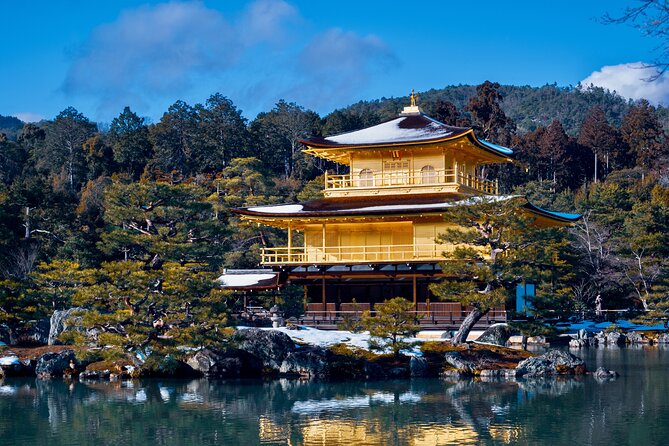
The day often starts with Kinkakuji, also called the Golden Pavilion. Even if you have seen photos, the real impact is the setting and reflections around the pavilion area. The visit is listed for about 45 minutes, and it is one of the stops where you should plan for the entry fee, since it is not included.
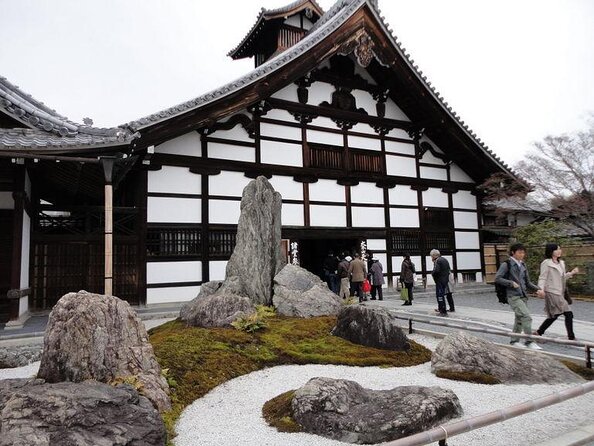
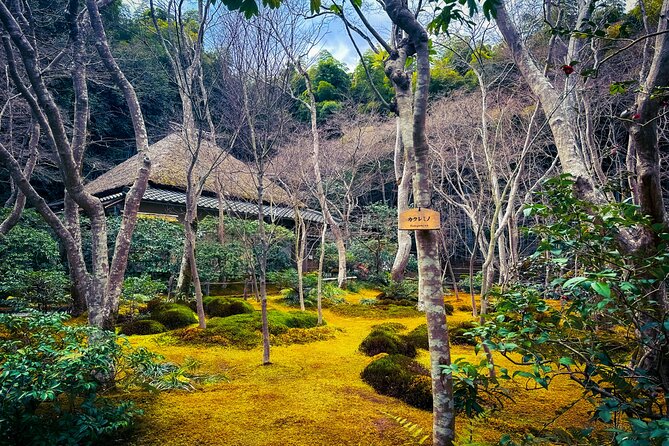
Next comes Gio-ji Temple in the Arashiyama area. This one is shorter, around 15 minutes, and it is described as mossy garden scenery with a modest thatched hut and surrounding bamboo. This is the kind of stop that feels more like a reset button than a checklist item, especially if Arashiyama is busy.
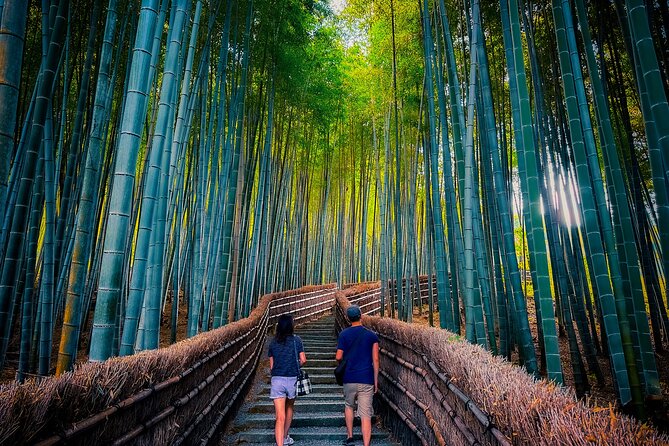
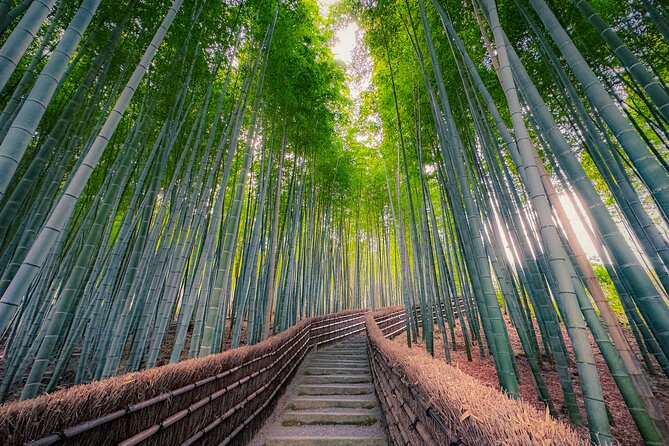
Then you hit the Arashiyama Bamboo Forest for another 15 minutes. The route keeps you moving through the iconic bamboo path, and your guide shares bamboo background, including how bamboo is tied to Edison’s work on lights. You will get the classic sounds and atmosphere, without needing a whole afternoon just for bamboo.
After bamboo, Otagi Nenbutsu-ji Temple is next, again about 15 minutes. This stop is known for being in a well-maintained older Arashiyama view area with less crowd pressure than the main tourist zones. It is a short visit, so you get the vibe quickly, then roll into nature and viewpoints.
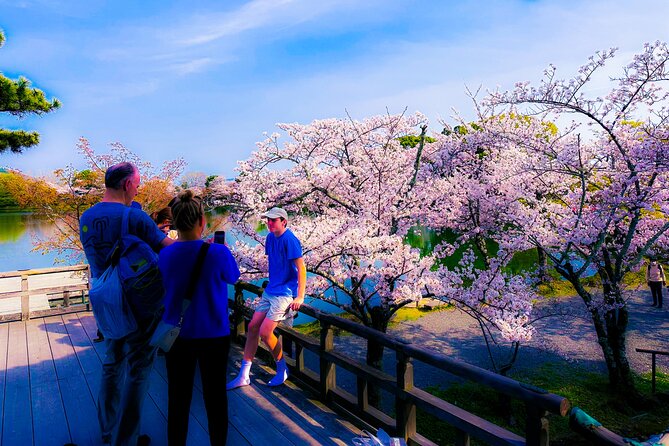
From there, you transition to the Arashiyama-Takao Parkway for about 45 minutes, with the admission ticket included. The description highlights seasonal color, with cherry blossoms in April and maple trees in November, plus mountain and road views. If you are visiting in those seasons, this is likely where you notice the Kyoto countryside most.
One practical note: several stops are brief by design, and some involve walking. If you want fewer stairs, ask your guide before you start moving between sites so the plan can be adjusted.
Mountain viewpoints near Ogura and Hozukyo Gorge
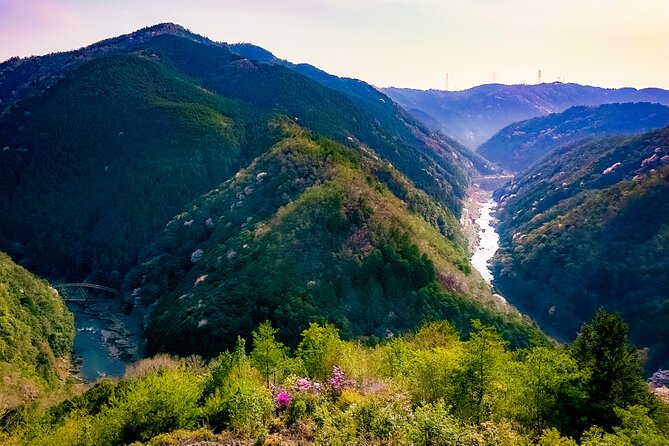
Once the itinerary turns toward the mountains, it gives your brain a break. Mount Ogura Observatory is a quick stop, about 5 minutes, but the payoff is big: you get a whole-city view from above Kyoto. Even at a glance, this helps you understand where everything is, especially if you have been trying to map Kyoto in your head.
Then you go to Hozukyo Observatory, also around 5 minutes. This viewpoint is tied to the Hozu Gorge scene, and it is associated with traditional hard-stream boat rafting. You are not stuck on a long activity here, which keeps the energy level up while you still get that signature nature angle.
Why this matters: Kyoto’s temples are stunning, but they can start to blur when you only see built spaces all day. These two stops reset the senses and help you appreciate the setting Kyoto sits in, mountains and valleys shaping everything.
If weather is bad, viewpoints can be less dramatic. Still, even in cloudy conditions you usually get a sense of the terrain and the way people built temples and shrines around the natural features.
A different sort of day in Japan:
- Kyoto Geisha Walking Tour: Gion District & Hidden Gems
★ 4.7 · 3,273 reviews - Kyoto: Tea Ceremony Ju-An at Jotokuji Temple
★ 4.9 · 3,207 reviews - Kyoto: 45-Minute Tea Ceremony Lesson Experience
★ 4.3 · 2,378 reviews - Kyoto: Gion Geisha District Walking Tour – Stories of Geisha
★ 4.7 · 2,187 reviews
Shinto cedar tree stops at Nakagawa-hachimangū and Kitayama Big Daisugi
This part of the day brings in a different spiritual tone. At Nakagawa-hachimangū Shrine, the focus is a very old cedar tree that locals worship, and the stop is about 5 minutes. The itinerary notes you can touch the tree and receive what people describe as spiritual power. If you are comfortable with shrine customs, this is a meaningful, hands-on moment.
Then you reach Kitayama Big Daisugi, described as a secret-feeling stop reached by a narrow cliff road that fewer people go to. The visit is short, about 10 minutes, but the point is the scale and the unusual feel of the cedar platform area. This is the kind of place where the quiet becomes part of the experience, and it breaks up the more crowded Kyoto icons.
These two shrines also add something most self-guided days miss: Shinto belief is not only about buildings. It is also about nature objects people keep returning to. If you like small, intentional stops over constant photo time, this section is where the itinerary earns its keep.
The downside is simple: the time is short, so come ready to notice details quickly. If you want a long spiritual walk, you might feel slightly rushed.
Heian Jingu to Fushimi Inari, with a later-day crowd advantage
After the cedar-tree stops, the itinerary shifts toward iconic architecture again. There is also a stop for a 600-year-old geisha street experience by car, where you avoid walking through crowds. You can view from the vehicle, and the guidance also notes that geisha photos require permission. That is a respectful rule, and it also keeps the experience from turning awkward.
Next is Heian Jingu Shrine’s big torii gate, the Otorii. The gate is listed as about 24.4 meters tall and one of the biggest in Japan. It is a quick, about 5 minutes stop, but it is a strong visual moment. Even if you are not a torii-spotter, this one is hard to ignore.
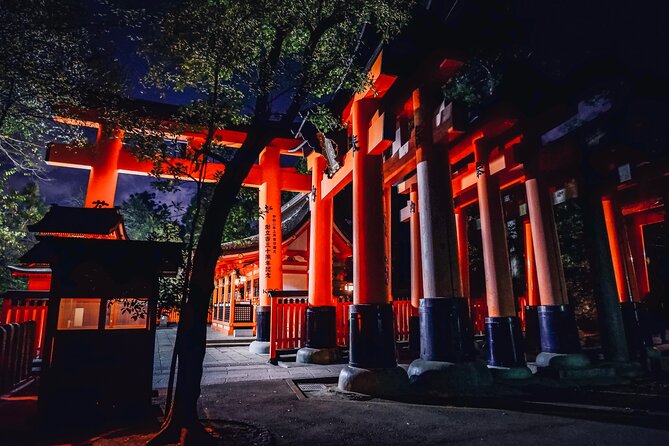
Finally comes Fushimi Inari-taisha Shrine. The visit is about 40 minutes, and it is free entry. You are looking at the famous path of Senbon torii, with the description noting more than 10,000 gates dedicated over time. If you can time it well, arriving later in the day can feel easier than early peak hours.
Why the order works: finishing with Fushimi Inari keeps the day’s biggest, most dramatic Kyoto scene for the end. And because the route has already done the city-spanning work, you arrive without the fatigue of navigating buses and trains.
If you want to linger at Fushimi Inari, you might feel like 40 minutes goes fast. On the other hand, this is a tour with multiple stops, so 40 minutes is a practical compromise.
Practical tips for stairs, photos, and timing
A few notes will help you keep the day comfortable. First, some temple stops include walking and stairs. The tour states you can participate for most people, but you should ask the guide if you need to avoid stairs so the route can be adjusted.
Second, photo etiquette matters in Kyoto. The geisha street portion has an explicit reminder about permission for geisha photography, and Fushimi Inari is also a place where you will be sharing space. Bring a normal-city mindset: move politely, step aside when needed, and keep your photos quick.
Third, wear shoes you can trust. Even when visits are short, surfaces and steps add up, especially with multiple temple areas packed into one afternoon.
Lastly, if rain hits, do not panic. The day is designed to keep moving between regions by car, so you are not stuck waiting between distant locations.
Should you book this private van Kyoto highlights tour from WadaF Tours?
Book it if you want maximum Kyoto coverage in one day without wrestling transit, and if you like a mix of famous sights plus quieter stops in nature and shrines. It is also a strong choice when you have limited time in Kyoto, since the car time helps you cross the city efficiently.
Skip it if you want a slow, deep temple retreat with hours of wandering at each site. This plan is structured for pace, and several stops are intentionally brief.
If you value an English-speaking guide who explains what you are seeing, and you enjoy viewpoints as much as shrines, this is a very solid way to spend an afternoon in Kyoto.
FAQ
What time does the Kyoto tour start?
The tour start time is listed as 1:00 pm.
How long is the tour?
The duration is approximately 6 hours.
Is pickup and drop-off included?
Yes. Pickup and dropping off are offered at anywhere in Kyoto City.
What is included in the tour price?
Included features are the comfortable private van, pickup and drop-off, an English-speaking guide, fuel and toll fees, and parking fees.
Are temple or shrine admission fees included?
No. Admission fees are not included, and the total is estimated at about ¥1,400 per person.
Can I cancel and get a full refund?
Yes. You can cancel for a full refund if you cancel at least 24 hours before the experience start time.
Newly listed around Kyoto
- Gion Night Walking Tour★ 5.0 · 142 reviews
- Kyoto: Descending Arashiyama (Private)★ 5.0 · 24 reviews
- Private Art Sushi Roll Class in Kyoto★ 5.0 · 13 reviews
- Start from Kyoto Station: Early Morning E-Bike Tour with Kyotoite★ 5.0 · 15 reviews
- Kyoto Private Tour with Customized Itinerary★ 5.0 · 7 reviews
- Osaka Day Trip from Kyoto with a Local: Private & Personalized★ 4.0 · 6 reviews
- Nara Day Trip from Kyoto with a Licensed Guide★ 4.5 · 6 reviews
- Kyoto Day Trip to Nara with a Local – Private & Personalized★ 5.0 · 10 reviews
Guided, compared.
Tokyo 6hr Private Tour with Government-Licensed Guide
Read our review →
Shinjuku Local Bar and Izakaya Guided Walking Tour
Read our review →
Private City Highlights Tour with Local Guide
Read our review →
Kyoto Early Morning Tour with English-Speaking Guide
Read our review →
Tokyo 4hr Private Tour with Government-Licensed Guide
Read our review →
Kyoto 6hr Private Tour with Government-Licensed Guide
Read our review →