
Review · LICENSED GUIDES & PRIVATE DRIVERS
Kyoto Japanese Garden Lover’s Private Tour with Government-Licensed Guide
Kyoto’s gardens can feel like a puzzle.
This private, government-licensed guide day helps you see the right Zen gardens and classic Kyoto sights in a smart walking route. I like that you can customize your garden mix from a set of options, and the guide helps you read what you’re looking at, from rocks and sand to plants and design. The pacing is built around a ~6 hour visit, so you do not feel stuck sprinting between far-flung stops.
My favorite part is the licensed multilingual guidance, which matters when you want meaning, not just photos. A second big plus is the flexibility shown by the guides, including Kaeko and Shun, who are praised for adapting when plans shift. One drawback to plan for: it is a walking tour with no private vehicle, and entrance fees are not included, so your total day cost can rise depending on which gardens you select.
In This Review
- Key highlights you will care about
- Kyoto gardens without guesswork: a guided walking day that stays readable
- How to pick your 3 to 4 gardens for the day you want
- Northern Kyoto classics: Kinkakuji, Ginkakuji, and Honen-in’s mossy approach
- Kinkakuji (Golden Pavilion)
- Ginkakuji (Silver Pavilion)
- Honen-in
- Zen quiet near the Higashiyama foothills: Nanzenji Suirokaku, Kyoto Imperial Palace, and Shugakuin
- Nanzenji Suirokaku
- Kyoto Imperial Palace
- Shugakuin Imperial Villa
- Ryoan-ji rock garden and other must-see Zen designs: Taizo-in and Daitoku-ji
- Ryoan-ji Temple
- Taizo-in
- Daitoku-ji temple complex
- Arashiyama day plan: Togetsukyo Bridge, bamboo paths, and Katsura Imperial Villa
- Togetsukyo Bridge
- Bamboo Forest Street
- Katsura Imperial Villa
- City-temple gardens when you want variety: Okochi Sanso, Gio-ji, Kyoto Botanical Garden, and Kennin-ji
- Okochi Sanso Garden
- Gio-ji
- Kyoto Botanical Garden
- Kennin-ji
- If you add Uji: Byodoin Temple and the Phoenix Hall timing reality
- Price and what $153.11 buys when entrance fees are separate
- Who this private Kyoto Japanese garden tour fits best
- Should you book this Kyoto Japanese garden private tour
- FAQ
- How long is the Kyoto Japanese Garden Lover’s private tour?
- Is this tour private, or will I join other groups?
- Can I customize which sites I visit?
- Are entrance fees included?
- Is pickup included?
- Does the tour include a guide?
- Can I cancel for a full refund?
Key highlights you will care about
- Government-licensed guide: National certification for interpreting, with strong culture and history context
- Choose 3 to 4 sites: Build a day around your garden style, not a fixed checklist
- Iconic Zen hits: Kinkakuji and Ginkakuji, plus rock-and-sand favorites like Ryoan-ji
- Moss and quiet moments: Honen-in, Gio-ji, and other smaller temple gardens when timing works
- Arashiyama without the headache: Togetsukyo Bridge, bamboo paths, and Katsura Imperial Villa options
- Entrance fees are separate: Many stops list tickets not included, so budget for that
Kyoto gardens without guesswork: a guided walking day that stays readable
A Kyoto garden day can go two ways. You either rush, or you wander without really knowing what you are seeing. This tour is built to avoid both problems by pairing your choices with a government-licensed local guide who can explain what is going on, and help you move efficiently on foot.
You also get a real private format. Only your group participates, so you can go at your pace, ask questions, and adjust when weather, timing, or energy changes. It is also designed as a meeting-on-foot experience within a designated area, and pickup is offered, but this is still not a “ride around town by van” setup.
That walking factor is not bad, but it is central. You will want good shoes and a plan for comfort, especially if you choose a route that includes Arashiyama plus other Kyoto areas.
More Private Guides in Kyoto
- Kyoto Early Morning Tour with English-Speaking Guide
★ 5.0 · 1,427 reviews - Kyoto 6hr Private Tour with Government-Licensed Guide
★ 5.0 · 1,369 reviews - Kyoto: Early Morning Tour with English-Speaking Guide
★ 4.9 · 1,128 reviews
How to pick your 3 to 4 gardens for the day you want
The tour is customizable, and that is the real power here. Instead of forcing you through every famous name, you pick your must-sees from the options. That means you can aim for one theme, like Golden and Silver Pavilion aesthetics, or Zen rock-and-sand minimalism, or the imperial villa garden style.
Here is a simple way to choose based on mood:
- If you want iconic photos with meaning, start with Kinkakuji and Ginkakuji, then add one “quiet garden” stop like Honen-in.
- If you want Zen design you can understand, build around Ryoan-ji, Taizo-in, and Daitoku-ji, where the experience is about arrangement and perspective.
- If you want garden architecture and controlled beauty, choose Katsura Imperial Villa, Shugakuin Imperial Villa, or pair one imperial site with a temple garden.
One practical note: entrance fees are not included. So the more ticketed sites you choose, the more your day cost will likely rise. Your guide can cover entry for the sights that are part of the selected options, but you still need to plan on paying the listed temple or garden admission yourself for many stops.
Northern Kyoto classics: Kinkakuji, Ginkakuji, and Honen-in’s mossy approach
Start with Kinkakuji and Ginkakuji when your energy is fresh. These two are Kyoto’s most recognizable Zen landmark temples, and they also work well as contrast: one dazzles, one whispers.
Kinkakuji (Golden Pavilion)
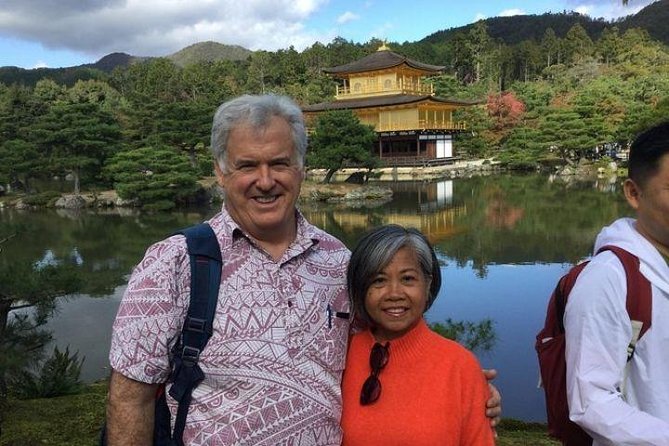
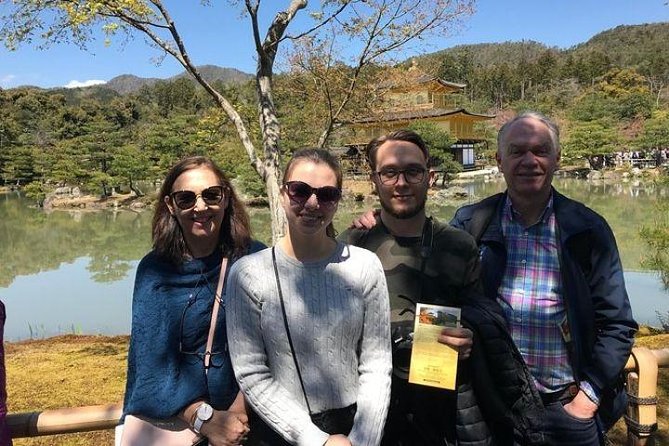
Kinkakuji, also called Rokuonji, is a Zen temple in northern Kyoto. The top two floors are covered in gold leaf, and that means the mood is instantly different from the typical stone-and-sand Zen vibe. It is a “look up, then look around” kind of stop: the gold draws your attention, then the setting helps you slow down.
Practical consideration: the time on this stop can be short, so if gold reflections and views are what you want, focus your time and do not rush the surrounding areas your guide points out.
A different sort of day in Japan:
- PERFECT KYOTO 1-Day Bus Tour
★ 5.0 · 13,518 reviews - Kyoto: Fushimi Inari, Kinkakuji, Bamboo Grove 1 Day Bus Tour
★ 4.8 · 4,316 reviews - Kyoto: Tea Ceremony in a Traditional Tea House in Kiyomizu
★ 4.9 · 3,519 reviews - Kyoto Geisha Walking Tour: Gion District & Hidden Gems
★ 4.7 · 3,273 reviews
Ginkakuji (Silver Pavilion)
Ginkakuji, or Ginkakuji Temple, is along Kyoto’s eastern mountains. It is associated with Ashikaga Yoshimasa, built as a retirement villa and modeled after Kinkakuji. Even though it is called Silver Pavilion, the point is not a literal silver show. The atmosphere is about refinement, proportion, and the calm of a designed space.
How to enjoy it: let your guide explain the design idea, not just the nickname. When you understand the intention, the garden feels less like a postcard.
Honen-in
Honen-in is where the day can shift from landmark spectacle to quiet immersion. You approach through a scenic route that culminates in a moss-covered gate. Inside, you pass between two sand mounds, and the experience is about seeing how space, sand forms, and framing work together.
Possible drawback: this kind of stop rewards patience. If you feel rushed, ask your guide for the pace that lets you actually look.
Zen quiet near the Higashiyama foothills: Nanzenji Suirokaku, Kyoto Imperial Palace, and Shugakuin
After the first iconic pair, you can shift into broader grounds and slower walking. This section is for people who want the “temple as a whole place” feeling, not just one must-see frame.
Nanzenji Suirokaku
Nanzenji Temple has spacious grounds at the base of the Higashiyama mountains. It is described as one of Japan’s most important Zen temples and the head temple of a Zen lineage. Suirokaku is part of this experience, and even if you only catch it briefly, it signals a bigger theme at Nanzenji: Zen sites here are often about scale and atmosphere.
Practical note: grounds can take time. In a 3 to 4 stop plan, this is great if your guide groups it efficiently with nearby options.
Kyoto Imperial Palace
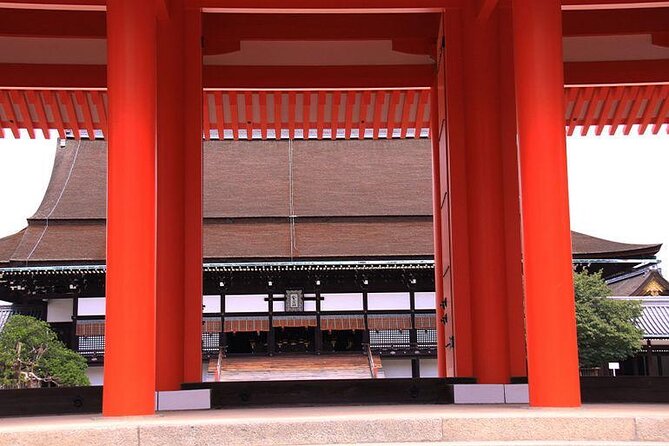
The Kyoto Imperial Palace, Kyoto Gosho, used to be the residence of Japan’s Imperial Family until 1868, when the emperor and capital moved to Tokyo. This is not a Zen rock garden, but it is a powerful way to see how Japanese aesthetics shaped official spaces.
Why it pairs well: if you are choosing both Zen and imperial-style garden spaces, this adds context for why design looks the way it does.
Shugakuin Imperial Villa
Shugakuin Imperial Villa, built in the 17th century by Emperor Gomizuno, is managed by the Imperial Household Agency. It is divided into Upper, Middle, and Lower Villa sections, which matters because you are not just visiting one room or one view. You are experiencing a designed sequence.
If you like controlled garden scenes, Shugakuin is a strong pick. If you are short on time, ask your guide to match your energy, since imperial villas can feel more “walk and observe” than “snap and go.”
Ryoan-ji rock garden and other must-see Zen designs: Taizo-in and Daitoku-ji
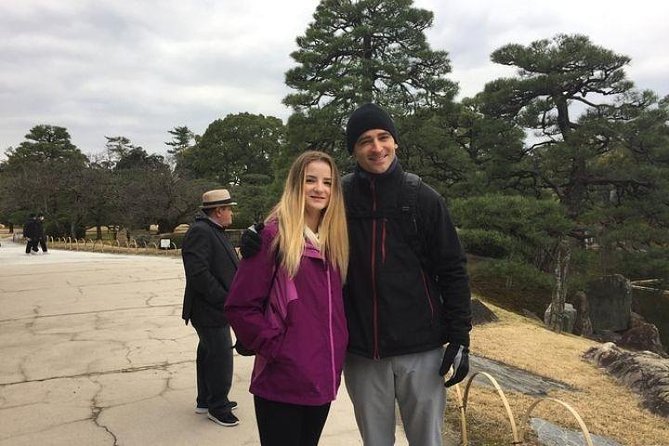
If your favorite part of Kyoto is the mental clarity of rock-and-sand Zen design, this is your zone. Ryoan-ji is the anchor.
Ryoan-ji Temple
Ryoanji is the site of Japan’s most famous rock garden, with hundreds of visitors each day. That fact changes the vibe. It can still be worth it, but you will enjoy it more if you slow down and let your guide explain what to notice.
What to focus on: the garden is famous, so let the guide shift you from “famous photo” mode to “visual logic” mode.
Taizo-in
Taizo-in is a subtemple of Myoshin-ji. The garden here is among Kyoto’s most famous and is recommended in any season. That makes it a great choice if you want something timeless, not dependent on one color moment like autumn-only temples.
Daitoku-ji temple complex
Daitoku-ji is a Zen temple complex in northern Kyoto, described as temples within temples. It is known for meditative gardens, and the guide experience matters because the value is in interpretation. If your group likes to understand how Zen spaces guide your eyes and thoughts, Daitoku-ji is a standout choice among the options.
Practical drawback: complexes can be spread out. If you pick Daitoku-ji, consider keeping your other stops closer together so your day stays enjoyable, not just efficient.
Arashiyama day plan: Togetsukyo Bridge, bamboo paths, and Katsura Imperial Villa
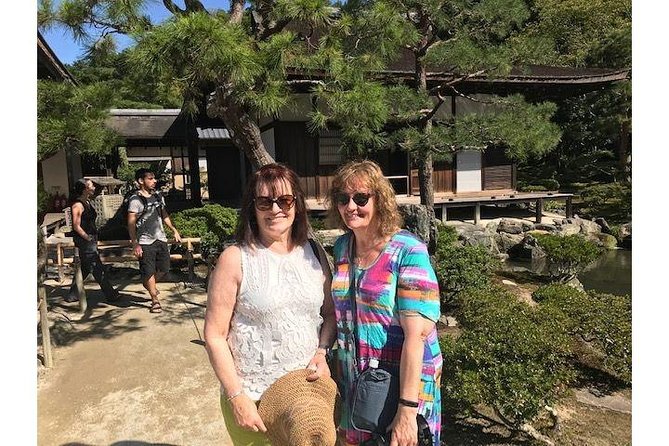
Arashiyama is the Kyoto area most people associate with a single dramatic image: bamboo and bridges. This tour gives you the famous landmarks, but also lets you choose how much time you want in the garden layers of that area.
Togetsukyo Bridge
Togetsukyo Bridge is Arashiyama’s iconic landmark, originally built during the Heian Period. It was reconstructed in the 1930s. The practical meaning of this for you is simple: the view is classic, and the bridge itself is part of the story, not just a background element.
Bamboo Forest Street
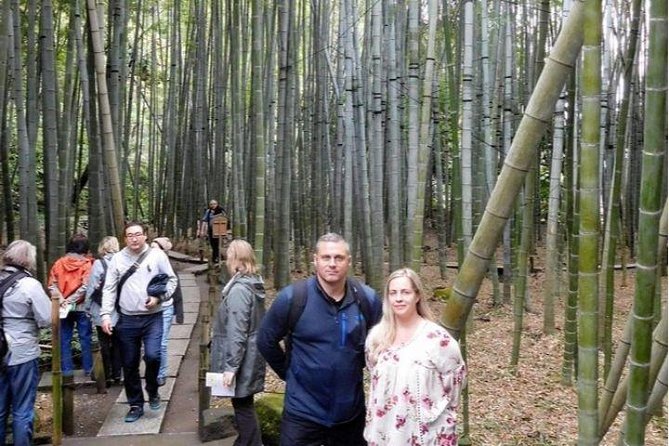
The bamboo grove walking paths are one of the easiest ways to change the pace of your whole day. The groves look best when there is a light wind and the stalks sway gently, which is exactly what makes bamboo feel alive rather than staged.
If you are sensitive to crowds, this is still a good stop, but build it into the time of day your guide thinks is best.
Katsura Imperial Villa
Katsura Imperial Villa is one of Japan’s finest examples of Japanese architecture and garden design. It was completed in its present form in 1645 and served as a residence. This is the stop for people who want garden design treated like art and craft.
If you love how buildings frame views, Katsura should be near the top of your list.
City-temple gardens when you want variety: Okochi Sanso, Gio-ji, Kyoto Botanical Garden, and Kennin-ji

Not every Kyoto garden moment has to be “big famous postcard.” The options here add variety, including forest-feeling moss gardens and a less crowded city-side stop.
Okochi Sanso Garden
Okochi Sanso is the former villa of actor Okochi Denjiro, located behind Arashiyama’s bamboo groves. It includes multiple gardens and buildings. This helps if you like variety in a single area, because you can move between scenes rather than only one signature view.
Gio-ji
Gio-ji is known for a moss garden punctuated with tall maple trees. You also get that “forest deeper than expected” feeling compared to other nearby temple locations (Jojakkoji and Nisonin are mentioned in the description). The entrance gate and small main hall have thatched roofs, which adds a rustic, intimate tone.
Kyoto Botanical Garden
The Kyoto Botanical Garden is described as overlooked and affordable, and it is recommended for both visitors and locals. If your itinerary is heavy on temple ticket stops, this can balance the day with something calmer and more flexible.
Kennin-ji
Kennin-ji is close to busy streets like Hanamikoji and Shijo. The grounds are expansive, and it includes two karesansui dry rock-and-sand gardens. Because it is in central Kyoto, it can work well as a “reset” stop between other areas if your guide can place it with good timing.
If you add Uji: Byodoin Temple and the Phoenix Hall timing reality
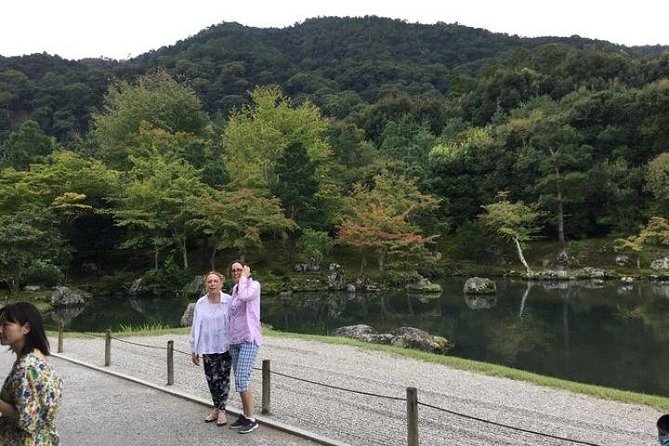
Some days do better with one extra move outside central Kyoto, and this is where Uji comes in. Byodoin Temple is known for its Phoenix Hall, a National Treasure of Japan and a UNESCO World Heritage Site.
The key practical detail is the one you should not ignore: extra travel time is expected because Byodoin Temple is in Uji city in Kyoto prefecture. If your day is already packed, your guide might recommend a different mix. If you do want Byodoin, plan your other choices around it so your afternoon does not feel like a sprint.
Price and what $153.11 buys when entrance fees are separate
At $153.11 per person, you are paying for the big value levers: a private licensed guide and a custom walking route built around garden interpretation. You are not paying for temple admissions, lunch, or transportation fees, which are listed as not included.
So how do you judge value? Look at what you skip. Without a guide, you might spend time figuring out which stops make sense together, and you might miss what makes each garden design work. With this format, you are buying someone to help you see the design choices: rocks, sand forms, plant selection, and why the space is arranged the way it is.
Also, many stops list admission tickets not included. That does not make the tour “expensive,” it makes it transparent. Your guide day is priced for your guide time and coordination, and you add entrance tickets based on what you select.
Who this private Kyoto Japanese garden tour fits best
This fits you if you want Kyoto gardens with explanations and you prefer less guesswork. It also fits well if you like variety across styles, because you can choose among gold-leaf spectacle, famous rock gardens, moss-focused Zen, and imperial villa garden design.
It is also a good match if your group wants flexibility. The praise for guides like Kaeko and Shun points to adaptability, including itinerary changes. If your day depends on weather mood or your group’s energy, that matters.
A simple fit check:
- You enjoy walking and can handle a walking tour pace
- You want a private experience rather than joining a group bus
- You care about meaning behind design elements, not only seeing famous names
- You can budget for entrance fees on top of the tour price
Should you book this Kyoto Japanese garden private tour
I would book it if your main goal is to understand Kyoto gardens and not just collect sights. The combination of government-licensed interpretation and a private, customizable format makes it a strong value, especially when you pick 3 to 4 stops that match your interests.
I would think twice if you want a full “transported everywhere” day, because it is a walking tour and transportation fees are not included. Also, if your budget cannot stretch for admission tickets at multiple temples, pick fewer ticketed stops so the day stays comfortable.
If you want, tell me the month you plan to go and which garden style you like most, Zen rock-and-sand, moss and quiet, or imperial villa design, and I will suggest a balanced 3 to 4 stop mix.
FAQ
How long is the Kyoto Japanese Garden Lover’s private tour?
The tour is about 6 hours.
Is this tour private, or will I join other groups?
This is a private tour/activity. Only your group will participate.
Can I customize which sites I visit?
Yes. You can create your customized itinerary by selecting 3 to 4 sites from the available options, and you may also choose any famous site in Kyoto for a memorable experience.
Are entrance fees included?
No. Entrance fees are not included, and several listed stops note admission tickets are not included.
Is pickup included?
Pickup is offered, and the experience is a walking tour, with pickup on foot and meeting on foot within a designated area of Kyoto.
Does the tour include a guide?
Yes. You get a licensed local English speaking guide with government-licensed interpreter certification.
Can I cancel for a full refund?
Yes. You can cancel up to 24 hours in advance for a full refund.
Newly listed around Kyoto
- Kyoto Samurai Discovery Samurai Sword Test Cutting Training★ 5.0 · 132 reviews
- Kyoto Sake Brewery Tour with Lunch★ 4.5 · 12 reviews
- Kyoto Sagano Insider: Rickshaw and Walking Tour★ 5.0 · 15 reviews
- Private Food & Sake Tour in Central Kyoto with Sake Sommelier★ 5.0 · 24 reviews
- Ramen Gyoza Onigiri Japanese Cooking Class in Kyoto★ 5.0 · 44 reviews
- Kyoto Rickshaw Tour★ 5.0 · 210 reviews
- Kyoto Ramen Tour★ 5.0 · 22 reviews
- Kyoto Portrait Tour with Kimono★ 5.0 · 48 reviews
Licensed Guides & Private Drivers, compared.
Tokyo 6hr Private Tour with Government-Licensed Guide
Read our review →
Kyoto Early Morning Tour with English-Speaking Guide
Read our review →
Tokyo 4hr Private Tour with Government-Licensed Guide
Read our review →
Kyoto 6hr Private Tour with Government-Licensed Guide
Read our review →
Hiroshima / Miyajima Full-day Private Tour with Government Licensed Guide
Read our review →Early Morning Tour with English-Speaking Guide
Read our review →
Tokyo Private Sightseeing Tour by Car- English speaking chauffeur
Read our review →
Mt Fuji Private Tour with English Speaking Driver
Read our review →Browse the lists this tour appears in