
Review · NARA DEER PARK TRIPS
KYOTO-NARA: Giant Buddha Deer Pagoda “Geisya” (Italian, full day)
Kyoto to Nara, then Kyoto again, all in one day. This tour strings together Todai-ji, Nara’s deer park moments, and Kyoto’s classic temple streets, with an Italian guide who keeps the cultural story clear and the pace practical. I especially like that it stays small-group sized and includes hands-on help when you need it.
Two things I really like: first, the Italian explanations for major monuments, plus extra context about Buddhist devotion and what people historically practiced there. Second, you get real time in the neighborhoods, not just photo stops, so the Nara-to-Kyoto flow feels like a journey rather than a checklist.
One possible drawback to consider is timing. You’re moving by train and bus, then walking between sights, and the day can feel full if you like long, slow browsing. If you get easily tired by crowds and stairs, you’ll want to plan rest into the day.
In This Review
- Key highlights worth your attention
- A Full Day That Connects Todai-ji to Gion-Kobu
- Meeting at Kyoto Station, the exact spot you should look for
- Todai-ji and Nara Deer Park, the scale you feel immediately
- How the travel timing shapes your day, train, bus, walking, then breathing room
- Kiyomizu-dera and the pilgrimage street feel like Kyoto at street level
- Gion-kobu and the Geisya world, plus the easy finish in Pontocho
- The guide experience that really makes this tour work
- Is $176 good value for Todai-ji, Kiyomizu-dera, and guided time?
- Who should book KYOTO-NARA: Giant Buddha Deer Pagoda Geisya
- Should you book this full-day Kyoto-Nara-Geisya tour?
- FAQ
- What language is the live tour guide?
- How long is the tour?
- What is the group size?
- Where exactly is the meeting point at Kyoto Station?
- Is the tour wheelchair accessible?
- What major places are included?
- What does the price include?
- Can the schedule be changed during the tour?
- Do I have to pay upfront, and can I cancel for a refund?
Key highlights worth your attention
- Italian guide plus question time: guided explanations in Italian, with support for questions in English.
- Small group, capped at 15: easier navigation and more chance to ask real questions.
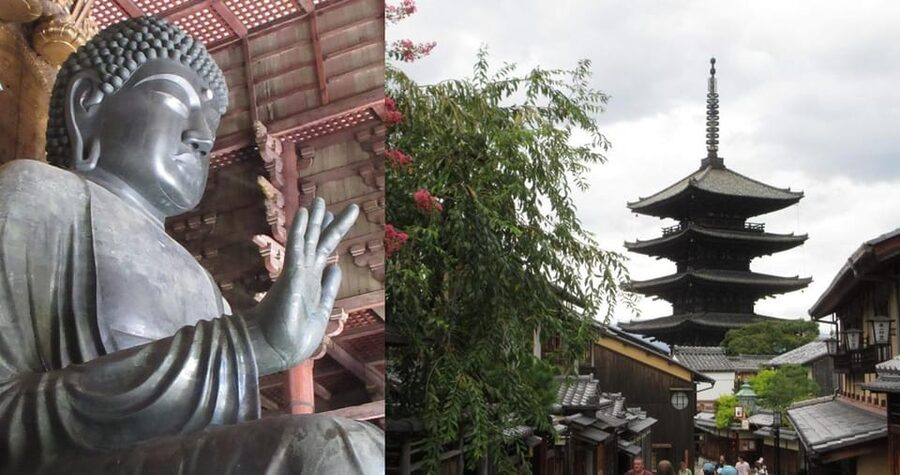
- Todai-ji and its giant Buddha scale: a standout national treasure experience.
- Deer park interaction: tame deer roaming the park, with cookie feeding available at stalls.
- Kiyomizu-dera and pilgrimage streets: temple visit plus time on the historic street scene.
- Finish in Pontocho: you end in a famous Kyoto atmosphere zone, not back at a starting platform.
A Full Day That Connects Todai-ji to Gion-Kobu
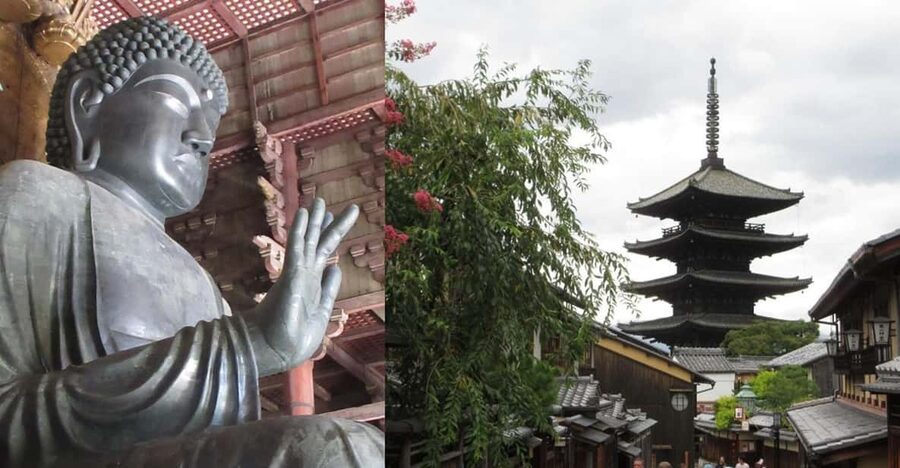
This is the kind of day that works if you want Kyoto and Nara’s “big hitters” without planning two separate trips. You start in Kyoto Station, travel out to Nara for Todai-ji, then come back to Kyoto for Kiyomizu-dera and the Gion-kobu area tied to Maiko and Geiko work. The theme also makes sense: “Geisya” points you toward that Gion world, not just the pretty street postcard version.
What makes it feel satisfying is the balance. You get a major temple where size and devotion matter, then you get the small, human-scale details like deer feeding and street-level browsing around pilgrimage routes. It’s a culture-heavy day, but it doesn’t forget that you’re also traveling in a place where people shop, snack, and wander.
Because the group is limited to 15, you’re not wrestling for position at the main sights. And with assistance available during the itinerary, it’s calmer if you run into confusion with transit, meeting points, or your own pace.
A few more Nara Deer Park trips around Kyoto:
- Kyoto: Nara, Todaiji, Kasuga Taisha Shrine Private Full Day
★ 4.9 · 18 reviews - Kyoto & Nara Private Luxury Car Tour: Encounter with Deer
★ 4.8 · 13 reviews - Kyoto/Osaka: Kinkakuji, Bamboo Forest, and Nara Deer Park
★ 4.4 · 265 reviews
Meeting at Kyoto Station, the exact spot you should look for
Kyoto Station can feel like a maze if you arrive stressed. This tour is specific about where to meet, which is a big deal for a full-day outing.
Meet in the space between the four escalators in front of the cab (not bus) terminal. It’s east just outside the north central entrance to Kyoto Station. You should be able to see Kyoto Tower in front of the station, at the top left of your position. You’ll get the detailed location by email the day before.
Practical tip: arrive a few minutes early. Kyoto Station has people moving in every direction, and you do not want to spend your first 10 minutes sprinting with a growling stomach. If you need a quick reset, use the break time later in the day rather than trying to do everything at the start.
Todai-ji and Nara Deer Park, the scale you feel immediately
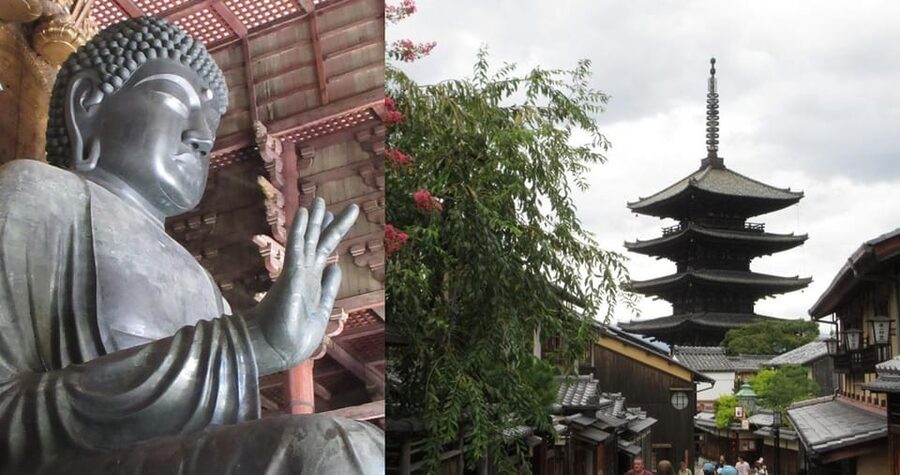
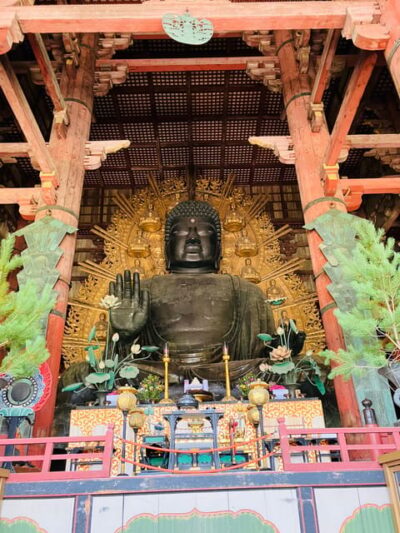
Nara is Japan’s older imperial capital, and the tour leans into that idea right away. The main event is Tōdai-ji, famous for its enormous Buddha statue. When you’re there, you quickly understand why this is a “must” temple, even if you’re not a hardcore religion buff.
The guide explains the monument details, with emphasis on pieces designated as national treasures of Japan. That matters because Todai-ji is not just impressive because it’s big. It’s impressive because of what it represents, and why it became a touchstone for devotion.
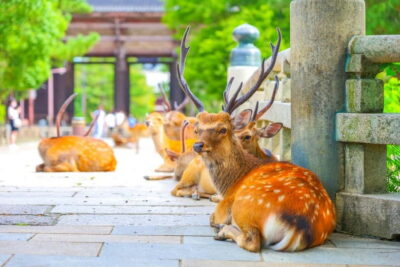
Then comes the Nara park reality check: you’re surrounded by tame deer. This is one of the most memorable parts of the day because it’s not staged. You’ll see deer roaming freely in the huge park and locals treat the scene as normal. Cookies are sold at stalls for feeding, and the guide helps you navigate that moment safely and respectfully.
Also, don’t miss the short stop at Ukimido. Even with limited time, it’s the kind of “pause” stop that gives texture to the morning beyond the single headline attraction. The tour includes time to walk and pass by nearby points, so it doesn’t feel like you’re only rushing between train connections.
How the travel timing shapes your day, train, bus, walking, then breathing room
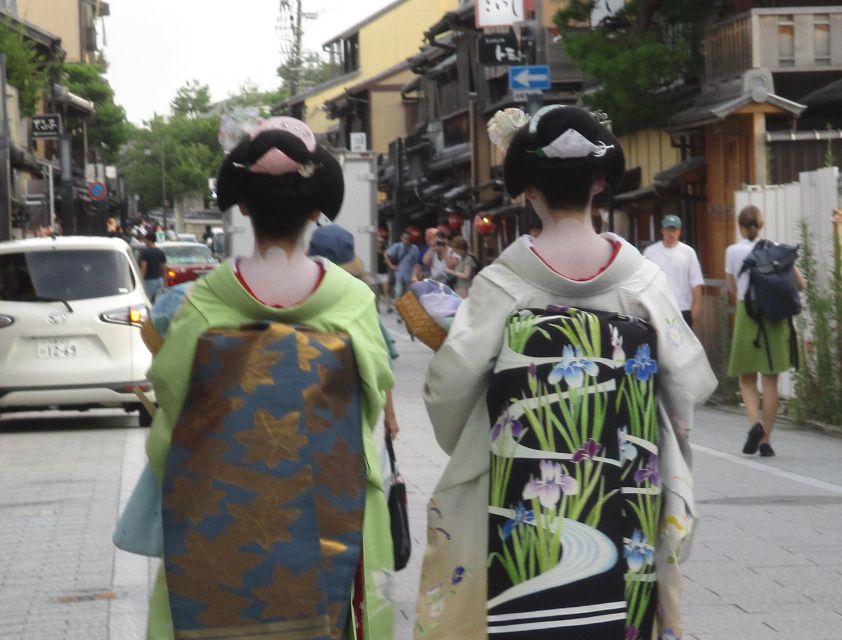
A lot of full-day tours fail by being unpredictable. Here, the day is structured, which makes it easier to manage your energy.
In the morning you head from Kyoto by train, then you switch to a bus/coach for the last stretch to Todai-ji. After the temple visit, you’re back on the move for the return trip to Kyoto with more train time. There’s also a proper break back at Kyoto Station, about an hour. That matters because you can eat, use facilities, and regroup before the afternoon shift into temple streets and Gion.
After the break, you take another bus/coach and then walk on foot through the Kyoto sights. The Kiyomizu-dera visit is guided, and then you transition toward the Gion area with another guided segment.
The walking is not extreme, but it’s enough that you should wear comfortable shoes. If you’re the type who wants to linger for 30 minutes at every storefront, you might feel slightly rushed. If you like seeing the highlights and then choosing where to slow down, the schedule usually works well.
A few more Kyoto days to weigh up
- PERFECT KYOTO 1-Day Bus Tour
★ 5.0 · 13,518 reviews - Kyoto: Fushimi Inari, Kinkakuji, Bamboo Grove 1 Day Bus Tour
★ 4.8 · 4,316 reviews - Kyoto: Tea Ceremony in a Traditional Tea House in Kiyomizu
★ 4.9 · 3,519 reviews - Kyoto Geisha Walking Tour: Gion District & Hidden Gems
★ 4.7 · 3,273 reviews
Kiyomizu-dera and the pilgrimage street feel like Kyoto at street level
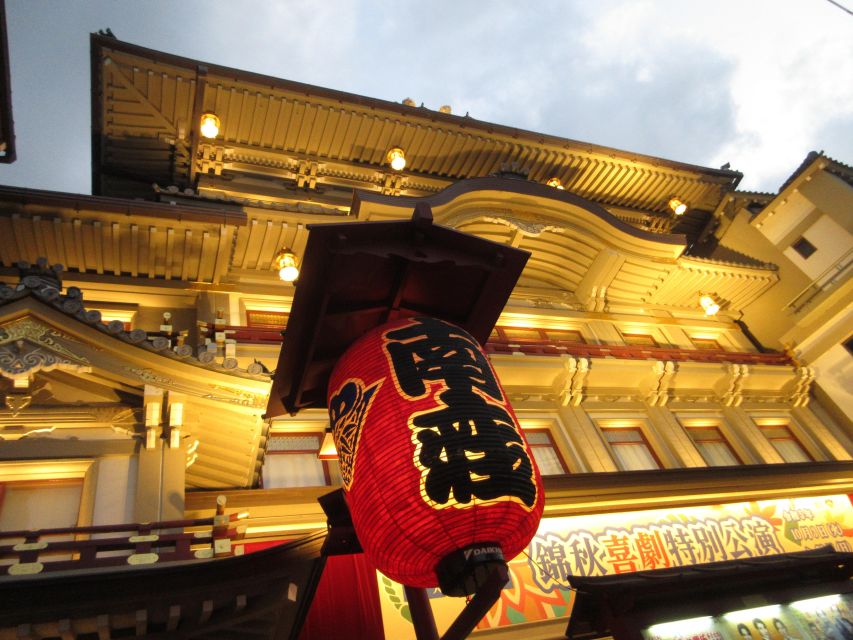
In the afternoon, you go to Kiyomizu-dera, one of the most famous Kyoto temples. You’ll have guided time there, and the tour connects it to the pilgrimage routes and the way this area developed from the 8th century to the present.
This is where the tour becomes more than temple sightseeing. Between the temple and the surrounding area, you spend time on streets lined with souvenir shops, sweet shops, and bars, plus a constant mix of visitors from all over Japan and abroad. It’s fun, but it also teaches you how Kyoto works as a living city. You’re not only looking at old buildings, you’re watching the modern street rhythm that grew around them.
A practical way to enjoy this section: pick one category to focus on while you wander. For example, sweets only, or small crafts only. Otherwise, the sheer number of stops can make you feel like you’re shopping under pressure.
The guided portion also helps you make sense of what you’re seeing. Temple buildings can look similar if you’re just scanning. With guidance, you start noticing differences in layout, devotion practices, and why certain elements matter.
Gion-kobu and the Geisya world, plus the easy finish in Pontocho
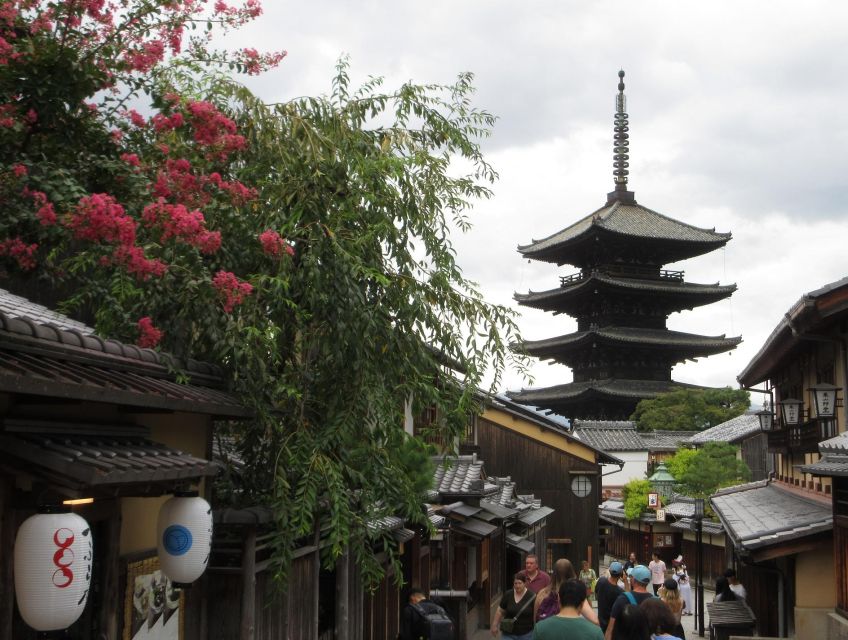
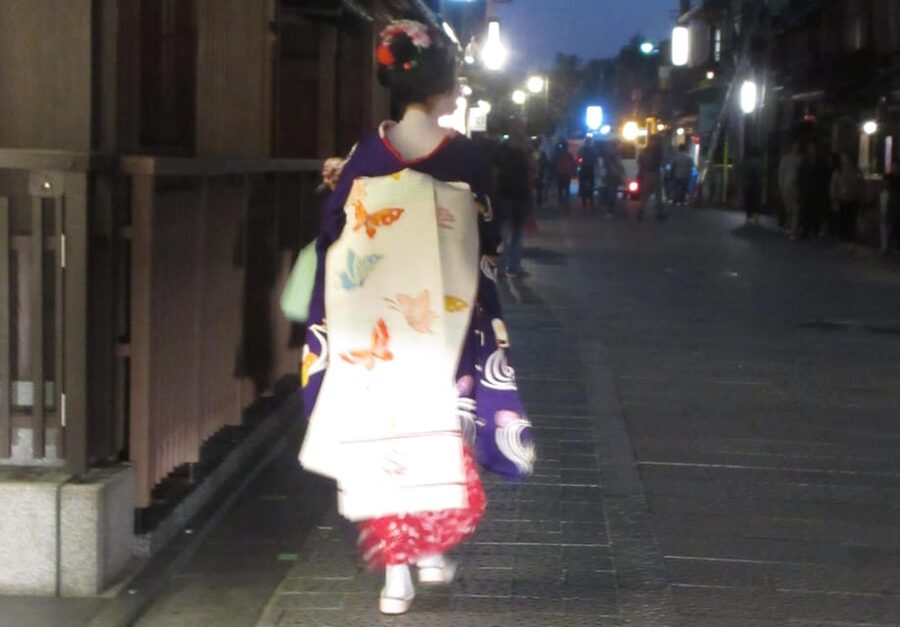
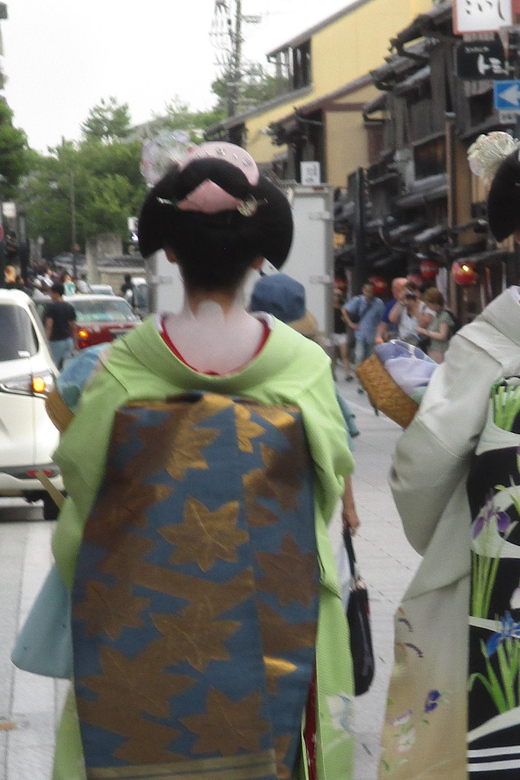
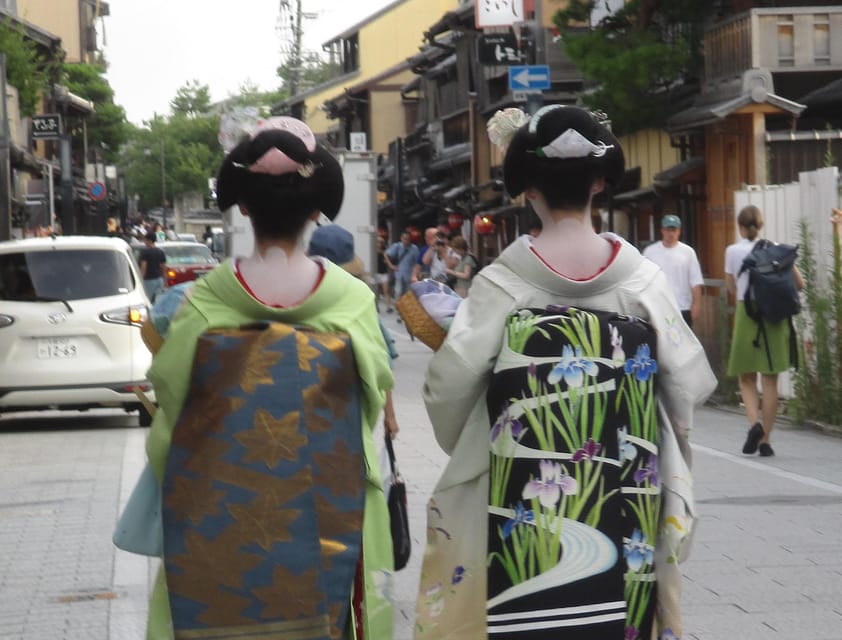
The tour’s Kyoto finale targets the Gion-kobu area, where professional Maiko and Geiko artists work, often referred to in casual English as Geisya. You get guided time in this area, which is useful because Gion can feel mysterious if you don’t know what you’re looking for. With a guide, you understand the cultural roles and why certain traditions exist in this specific neighborhood.
Then the tour continues on foot and ends in Pontocho. This is a smart finish, because Pontocho is known for that atmospheric Kyoto evening feeling. Even if your night plans include dinner, this ending location gives you immediate access to that vibe without extra transit.
One note: Gion and Pontocho are popular. Expect crowds and keep your phone ready, but also keep it put away when crossing tight lanes. The tour gives you structured time, but you still share the space with other pedestrians.
The guide experience that really makes this tour work
This kind of day lives or dies by the guide. The descriptions and feedback point to guides who can explain complex ideas clearly, then handle questions without brushing you off.
Italian is the main language, and the guide also responds to questions in English. That’s important if your Italian is basic but you still want to ask about what a statue represents, how devotion works, or how the city’s older layers connect to today.
Guides like Omae have been highlighted for strong Italian skills, including humor and a deep cultural grasp. What I value about that style is how it turns monuments into stories you can actually remember later. And you also get room for your own pace, including time for exploring and photographing without constant handholding.
Also, the tour includes practical assistance. If something goes sideways, you’re not stuck figuring it out alone. For a long full day with multiple modes of transport, that’s not small.
Is $176 good value for Todai-ji, Kiyomizu-dera, and guided time?
At $176 per person, this isn’t a budget impulse buy. So the question is what you get for the money.
Here’s what’s included in the tour price:
- train and bus/coach fares
- entrance fees for the listed monuments
- guided explanations in Italian for the historical sites
- explanatory illustration of the historical monuments visited
- practical Japan travel information available upon request
Given that you’re visiting major sites in both Nara and Kyoto with guided time at Todai-ji and Kiyomizu-dera plus a segment in Gion-kobu, $176 starts to look like “pay for convenience and context.” You’re not only buying tickets, you’re paying for a guide to connect the dots, translate key parts of significance, and keep the day moving without wasting time on confusion.
The small-group cap also adds value. A group of up to 15 usually means less crowd friction and fewer logistics issues than larger buses.
One thing to keep in mind: one experience note suggests the tour might feel less complete than expected given the time and price. That’s a fair consideration if you want lots of free time at each stop. If you treat this as a highlights tour with guided context, it tends to feel like solid value.
Who should book KYOTO-NARA: Giant Buddha Deer Pagoda Geisya
This tour is a good match if:
- you want Todai-ji and Kiyomizu-dera in one day
- you prefer guided explanations in Italian
- you like a small-group pace rather than a crowd chase
- you want the deer park moment and Gion cultural context, not just photos
- you appreciate a guide who answers questions and offers practical help
It may be less ideal if:
- you want long, slow museum-level exploration at each location
- you dislike group schedules or multiple transport changes
- you struggle with a full day of walking and city crowds
It also suits families who can keep up with light walking and enjoy the street environment around pilgrimage routes. The tour’s structure and assistance can make it easier for mixed-age groups.
Should you book this full-day Kyoto-Nara-Geisya tour?
If you want a confident, guided way to cover Nara’s giant Buddha and Kyoto’s temple streets and Gion-kobu area, I think this is a strong booking. The biggest reasons are the Italian-guided monument focus, the deer park experience that adds a real sensory moment, and the small-group size that keeps things human-scale.
Book it if you:
- want a structured day with transportation and entrance fees handled
- value explanations that make the sights easier to understand
- like finishing in Pontocho rather than back at a transit hub
Skip it or consider a different option if:
- you’re the type who needs lots of unscheduled time to wander
- you’re expecting a slow, in-depth deep dive at each site (the day is full, by design)
- you can only handle very light walking during crowded periods
FAQ
What language is the live tour guide?
The tour guide is Italian, and the guide answers questions in English.
How long is the tour?
The experience lasts 1 day.
What is the group size?
The tour is a small group, limited to 15 participants.
Where exactly is the meeting point at Kyoto Station?
Meet in the space between the four escalators in front of the cab (not bus) terminal, east just outside the north central entrance to Kyoto Station. You should be able to see Kyoto Tower at the top left from that spot.
Is the tour wheelchair accessible?
Yes, the tour is listed as wheelchair accessible.
What major places are included?
You visit Todai-ji in Nara, see deer in the park area, include a stop at Ukimido, then go to Kiyomizu-dera in Kyoto and the Gion-kobu area. The tour finishes in Pontocho.
What does the price include?
It includes train and bus/coach fares, entrance fees for the monuments, and Italian explanatory guidance plus an illustrated explanation of the historical monuments. Practical Japan travel information is also available upon request.
Can the schedule be changed during the tour?
The tour offers flexible itineraries and schedules upon request, as far as possible and within reason.
Do I have to pay upfront, and can I cancel for a refund?
You can reserve now and pay later, meaning you can book without paying today. You can cancel up to 24 hours in advance for a full refund.
Newly listed around Kyoto
- One Day Private Customized Self-Guided Tour in Kyoto★ 4.2 · 11 reviews
- Kyoto: Mindful Tea Ceremony in 100-Year-Old Teahouse★ 4.8 · 160 reviews
- Nishiki Market Food Tour with Cooking Class★ 4.9 · 42 reviews
- Nara Optional:Kyoto Private Car Tour with Japanese Navigator★ 4.8 · 17 reviews
- Half Day Matcha Tour in Uji, home of culture, with a local★ 4.8 · 14 reviews
- Making Fresh To-fu from soybeans in Kyoto★ 5.0 · 8 reviews
- Let’s make only one original onigawara in the world!!★ 4.9 · 21 reviews
- Kyoto:Private Tour/Luxury Vehicle with Guide & photographer★ 4.8 · 35 reviews
Nara Deer Park Trips, compared.
Kyoto/Osaka: Kinkakuji, Bamboo Forest, and Nara Deer Park
Read our review →
E-Bike Nara Highlights – Todaiji, Knives, Deer, Shrine
Read our review →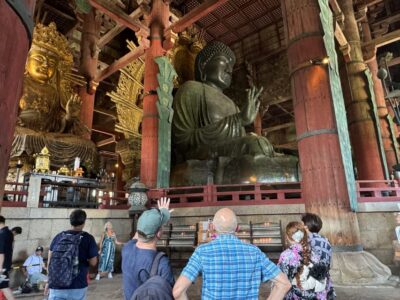
E-Bike Nara Highlights – Todaiji, Knives, Deer, Shrine, and Gems
Read our review →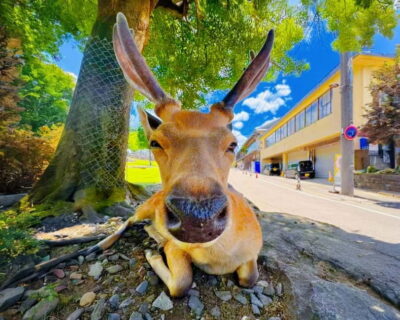
Essential Private Tour with Deer Park and Temples
Read our review →
Nara Deer Park, Uji Matcha, & Hot Spring Full-Day Tour from Osaka
Read our review →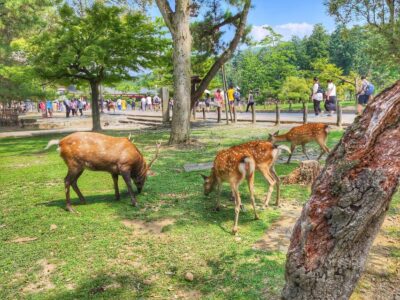
Nara, Todaiji, Kasuga Taisha Shrine Private Full Day
Read our review →Browse the lists this tour appears in