
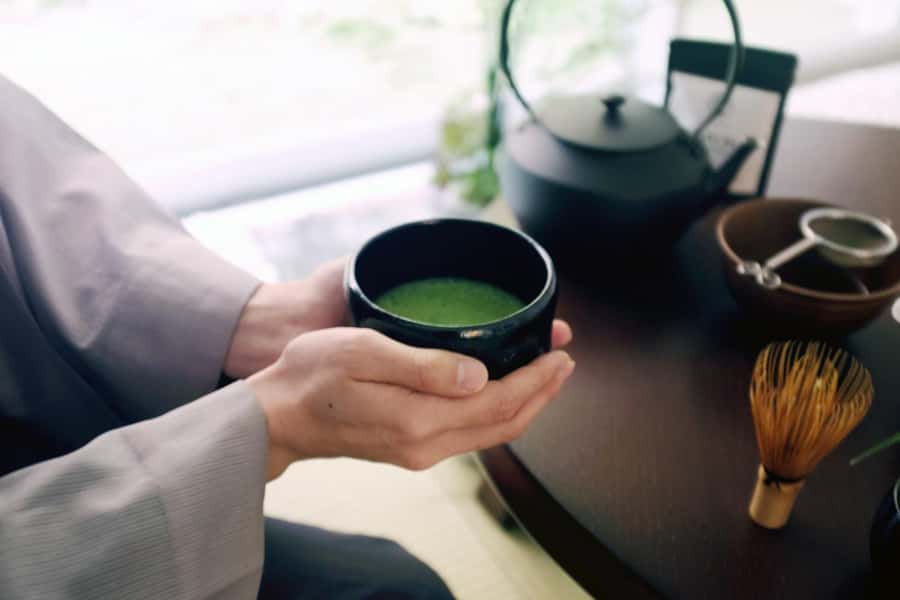
Review · MATCHA & TEA CEREMONY SESSIONS
Tokyo: Matcha and Kimono Experience
Matcha tastes better when you understand the ritual. Near Shinjuku, this workshop pairs an easy kimono with a guided lesson on first flush matcha and Teaism, plus a hands-on matcha making session. I like the way you taste from an in-house lineup and get guided through what makes Japanese matcha different from overseas styles. You even compare real matcha vs fake matcha, so you leave with sharper instincts, not just a souvenir. One possible drawback: if your main goal is maximum time making matcha, the kimono portion may feel like a tradeoff, since dressing and etiquette get real focus.
The setting is convenient for Tokyo planning, with the meeting point near Yotsuya/Shinjuku access and a walking start right from public transport. You’ll use rental tea ceremony tools, get sweets and a welcome drink, and learn basic manners for drinking matcha properly. Bring socks and keep fragrances and noise in check, because you’ll be on traditional flooring and you’re sharing a calm cultural space.
In This Review
- Key things that make this matcha and kimono experience work
- Why a matcha and kimono workshop near Shinjuku is a smart Tokyo use of time
- Getting to the meeting point by Yotsuya Station, then finding the workshop sign
- Wearing an easy-to-wear kimono without losing your whole afternoon
- The socks rule is not optional, so plan for it
- Tasting first flush matcha and learning what makes Japanese matcha different
- Teaism and tea ceremony, taught as culture you can use
- The matcha making lesson: how to create that beautiful bowl at home
- Tea tools rental, sweets, and the welcome drink that make it feel complete
- Who this experience is best for, and who should skip it
- Price and value: is $57 actually worth it?
- The practical call: should you book this Matchaful experience?
- FAQ
- Where is the meeting point?
- How far is Yotsuya Station from the workshop?
- What should I bring?
- What is included in the price?
- Are alcohol or strong fragrances allowed?
- What languages is the experience offered in?
- Is the kimono difficult to put on?
- What age is it suitable for?
- Do I get to taste more than one matcha?
- What is the cancellation policy?
- Does it include tools and a tea ceremony component?
Key things that make this matcha and kimono experience work
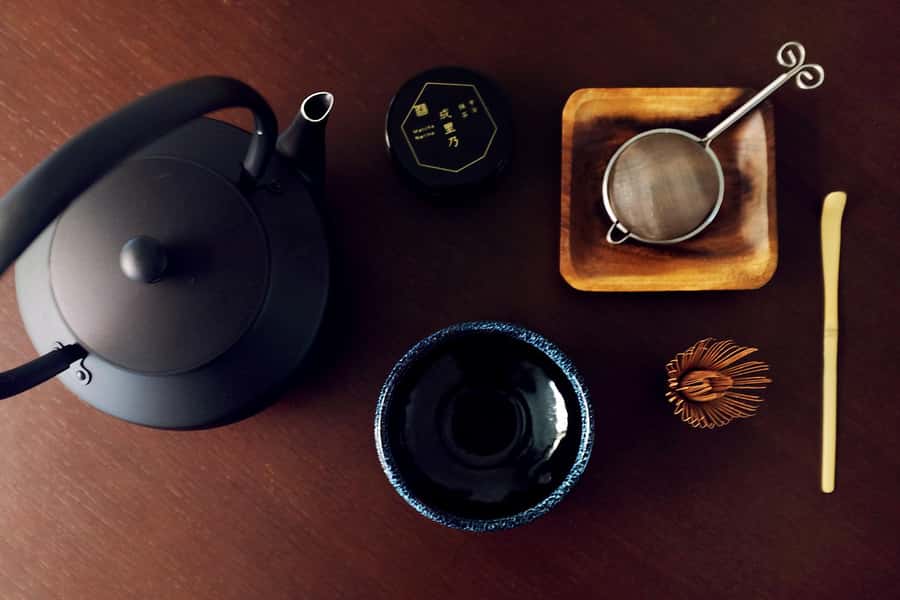
- Exclusive first flush matcha from a 100+ collection to find your favorites by sight, smell, and taste
- Kimono without the long struggle, using an easy-to-wear style designed for speed
- Teaism plus tea ceremony basics taught as practical philosophy, not just steps
- Real vs fake matcha comparison to build your tasting confidence
- A structured method for making beautiful matcha at home, with keypoints you can repeat
Why a matcha and kimono workshop near Shinjuku is a smart Tokyo use of time
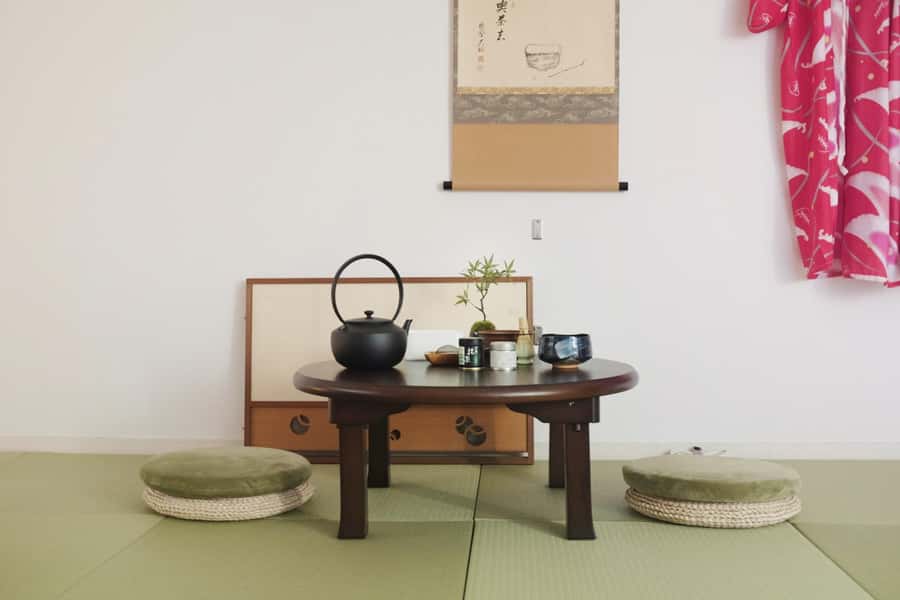
Tokyo is packed. You can easily spend a whole afternoon just moving between neighborhoods and standing in lines. This experience is set up for travelers who want one focused cultural block, starting near the Shinjuku area and moving from dressing to tasting to technique.
You’re not only getting the romance of a kimono photo. You’re also learning how matcha behaves, how it differs across regions and styles, and what tools and motions matter. For me, that is the real value: the workshop turns an iconic drink into something you can reproduce.
More Kimono Rentals in Tokyo
- Kimono Tea Ceremony at Tokyo, Asakusa Maikoya
★ 5.0 · 638 reviews - Tokyo: Kimono Dressing, Walking, and Photography Session
★ 4.9 · 427 reviews - Let’s make kimono !(Kimono is a gift for you
★ 5.0 · 252 reviews
Getting to the meeting point by Yotsuya Station, then finding the workshop sign
Your guide meets you in front of the LUUP scooter stand next to the ACN Yotsuya Building, with a workshop sign. It’s about a 6-minute walk from Yotsuya Station, close to the Shinjuku area. That’s the kind of location that makes sense on a city trip, because you can connect from multiple routes without a long commute.
If you’re coming from a morning walk around Shinjuku, you’ll find the start is straightforward. Still, give yourself a little buffer. The booking is automatically canceled after 10 minutes late from your appointment time, and there’s no refund in that situation. In plain terms, show up on time so your calm tea afternoon stays calm.
Wearing an easy-to-wear kimono without losing your whole afternoon
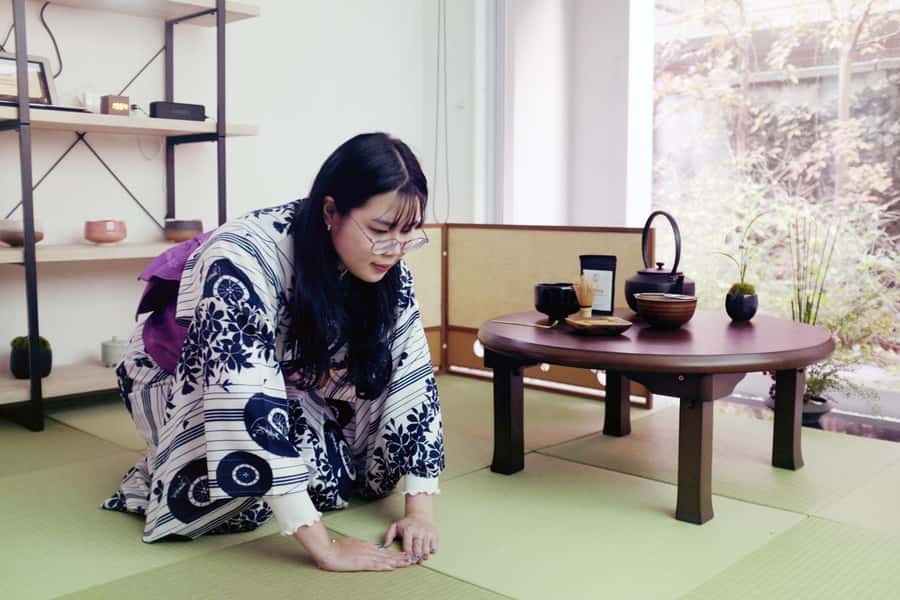
Before the lecture starts, you wear your chosen easy-to-wear kimono. Traditional kimono can take a while to get into, but this one is designed to be put on easily and quickly, not the typical 30-minute fuss. One of the best parts, based on what people repeatedly highlight, is that it feels like an actual cultural activity, not a rushed costume change.
You’ll also get guidance on proper wearing and basic manners during the experience. One review specifically called out learning how to wear the kimono correctly, and that’s a big deal if you care about doing things the right way, not just looking good for photos.
The socks rule is not optional, so plan for it
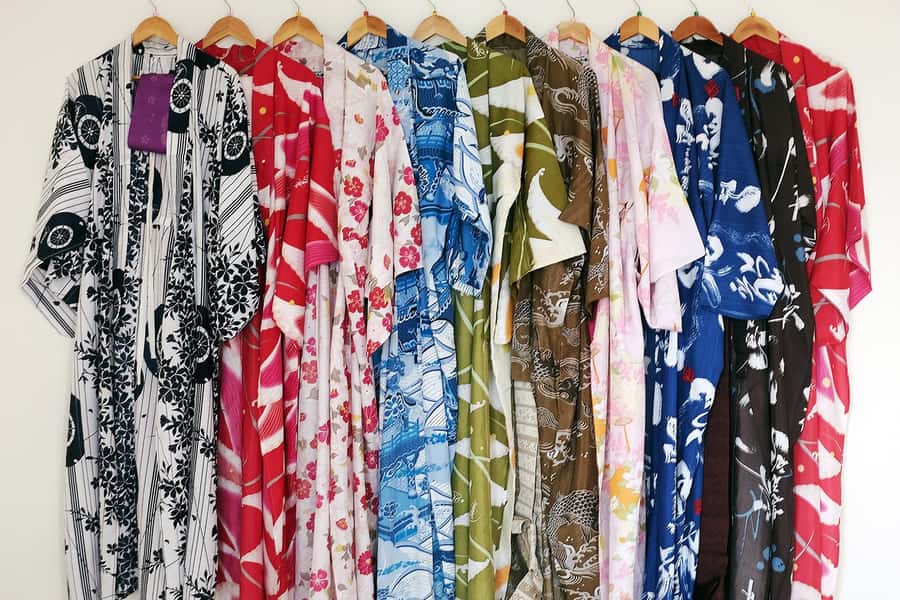
Here’s one practical Tokyo detail that matters: you must bring socks. You wear them to protect the traditional flooring. If you forget, you’re asked to buy them at the workshop place.
This is one of those small rules that prevents everyone from feeling awkward. You’ll be in a space where cleanliness and respect for the room are part of the experience. Pack socks anyway, even if you’re traveling light. It’s cheap insurance against a stressful start.
More Tea Ceremonies in Tokyo
- Matcha Making Class in Tokyo with Authentic Japanese Sweets Set
★ 5.0 · 744 reviews - Tokyo: Traditional Tea Ceremony with a Tea Master
★ 5.0 · 528 reviews - Tokyo: Matcha Making Experience with Mochi Sweets in Asakusa
★ 4.9 · 388 reviews - Asakusa Cultural Walk & Matcha Making Tour
★ 5.0 · 245 reviews
Tasting first flush matcha and learning what makes Japanese matcha different
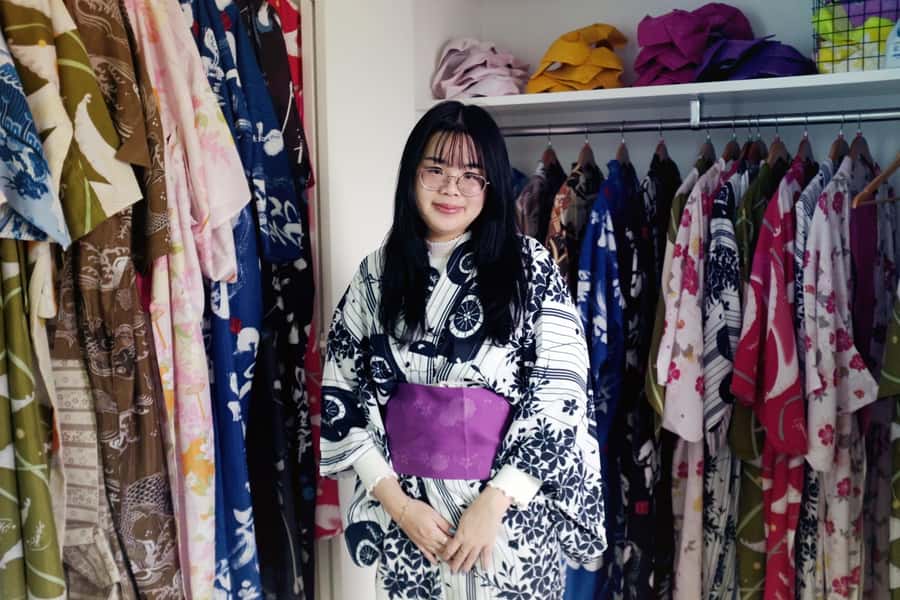
The matcha component is the heart of the program. You’ll start with a selection from an in-house range of 100+ matcha. The standout claim here is that you taste an exclusive first flush matcha, described as the highest-quality grade.
You don’t just drink one bowl and call it a day. You look, smell, and taste to find your favorites. That matters because matcha quality often shows up in the aroma and bitterness balance as much as the color. You also learn the differences between Japanese matcha and overseas matcha, which is important because the word matcha gets used loosely worldwide.
A unique part of the lesson is the explicit comparison of real match vs fake matcha. That conversation is worth your attention. It’s not about fear. It’s about learning how to read what’s in the cup, so you stop treating matcha like a generic powdered drink.
Teaism and tea ceremony, taught as culture you can use
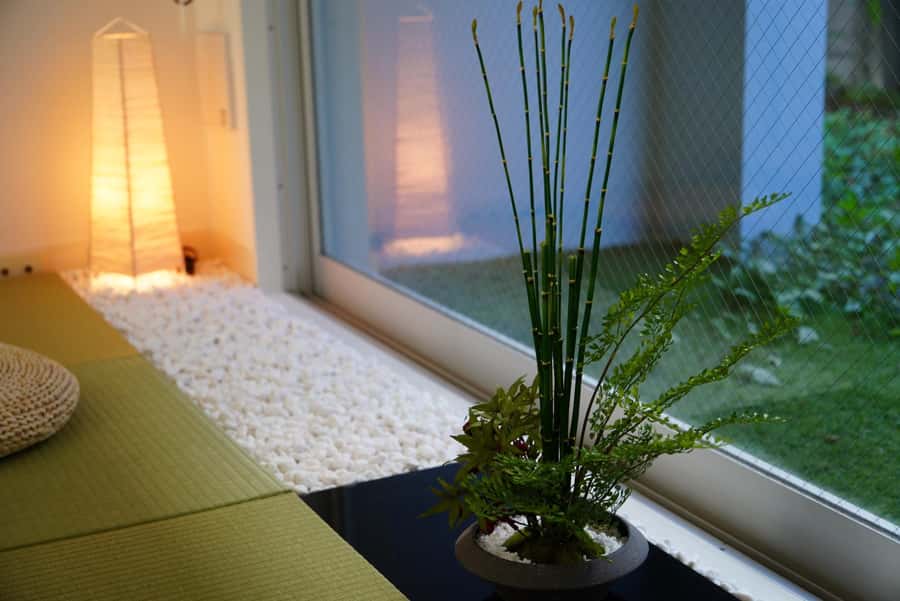
The workshop isn’t just practical technique. It also builds context through Teaism and tea ceremony teachings. Expect a lecture that connects philosophy and etiquette to the gestures you’ll later use when making and drinking matcha.
One repeated theme in the experience feedback is that the guide explains meaning behind movements, tools, and rules of a tea ceremony. People also mention learning the history of tea and matcha culture, plus how tea ceremony fits into Japanese life.
This is where you’ll likely notice the difference between a casual coffee-style tasting and a structured ritual. Tea ceremony is slow on purpose. You’re learning to notice texture, foam, and the way a bowl should be presented and shared. Even if you don’t become a tea monk, you’ll probably walk away with a calmer, more intentional way to drink matcha.
The matcha making lesson: how to create that beautiful bowl at home
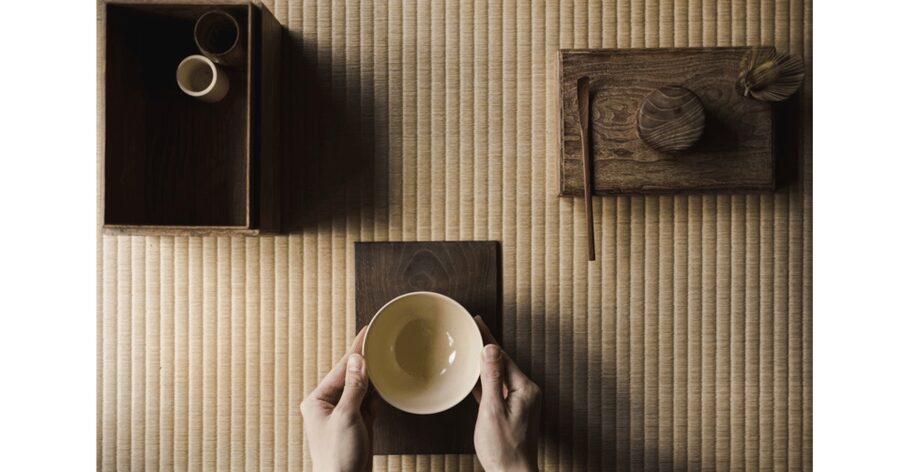
After the lecture, you make matcha using tea tools. The goal is not just drinking it, but mastering a repeatable process. The experience focuses on 4 keypoints for preparing a beautiful bowl of matcha at home.
Even if you forget the exact phrasing, the technique sticks because it’s hands-on. You’ll learn how to prepare the bowl, use the tools properly, and practice the motions that create a smooth texture. The workshop also covers basic manners for how to drink the bowl of matcha.
For your future self, this is the real takeaway. Tokyo can make you feel like everything is a one-time event. This lesson tries to stop that feeling. You leave with a method you can use at your kitchen table, including how to adjust your approach based on what you’re tasting.
Tea tools rental, sweets, and the welcome drink that make it feel complete
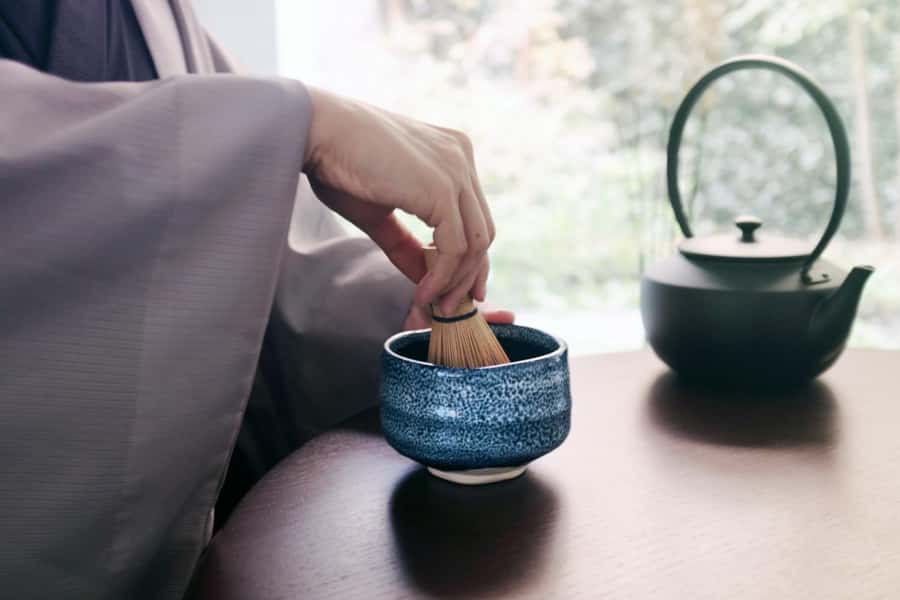
You get tea ceremony tools rental included. That’s a quiet convenience that matters. If you’ve ever tried to buy matcha gear in Tokyo only to realize you needed a specific whisk or bowl style, you already know the value of being taught with the correct setup.
You’ll also have Japanese traditional sweets and a welcome drink. That pairing helps you experience matcha in context, not in isolation. Sweets also help balance sweetness and bitterness so your palate learns the matcha flavor range instead of being overwhelmed by one note.
And yes, photos happen. Multiple people mention kimono as a standout photo opportunity, and the guided experience makes it easier to get those pictures without disrupting others.
Who this experience is best for, and who should skip it
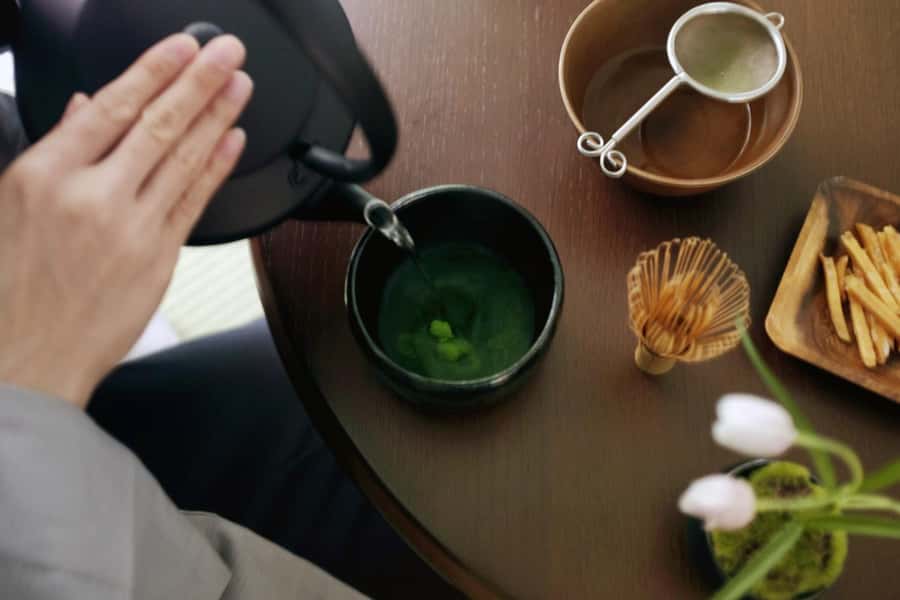
This is a strong fit if you want a guided cultural experience with a practical outcome. If you love matcha already, you’ll enjoy the structured tasting and the “real vs fake” education. If you don’t know matcha well, the pacing makes it learnable, and the tasting-first approach keeps it fun.
It’s also a good choice if you want something more meaningful than a quick souvenir shop moment. Wearing the kimono, learning etiquette, and making the matcha connects the visuals to a real skill.
It’s not suitable for children under 5 years. If you’re traveling with little kids, plan a different activity where the pace and rules are more flexible.
Also, respect the space rules. Alcohol and drugs aren’t allowed, strong fragrances are not allowed, and making noise is discouraged. If you’re the type who needs constant background music or you travel with perfume-heavy habits, this might feel restrictive.
Price and value: is $57 actually worth it?
At $57 per person, you’re paying for more than a drink. You’re paying for:
- an easy kimono experience (not just a quick outfit change),
- a guided lecture covering multiple cultural angles (Tea ceremony, Teaism, Matcha, and Kimono),
- a tasting session with a claimed exclusive first flush matcha from a large collection,
- tools rental,
- sweets and a welcome drink,
- and a hands-on matcha making lesson with a method you can take home.
In Tokyo, you can spend a similar amount and get one class that’s mostly tasting or mostly presentation with no repeatable technique. Here, the structure is designed so you leave knowing how to make a bowl, not only how it should look.
If your budget is tight, make sure matcha is truly your thing. If you only want a kimono photo and don’t care about learning how matcha is prepared, you may feel like the time allocation is more than you need.
The practical call: should you book this Matchaful experience?
I’d book it if you want a compact Tokyo cultural win: kimono, tea philosophy, matcha tasting, and a real technique lesson. The location near Yotsuya and the clear meeting point make it easy to plan. The focus on first flush matcha plus the “real vs fake” comparison gives you knowledge that extends beyond the cup.
I’d think twice if you mainly want the fastest possible matcha making time and you prefer minimal ritual. Since kimono dressing and etiquette are part of the flow, the experience is not strictly a kitchen workshop only.
If you’re curious, this is the kind of activity that turns curiosity into a skill. You’ll come away with a better eye for matcha quality and a bowl you can make at home without guesswork.
FAQ
Where is the meeting point?
The guide waits in front of the LUUP scooter stand next to the ACN Yotsuya Building, with a workshop sign. It is about a 6-minute walk from Yotsuya station. The activity ends back at the meeting point.
How far is Yotsuya Station from the workshop?
It’s about a 6-minute walk from Yotsuya Station.
What should I bring?
You need to bring your own socks to protect the traditional flooring. If you forget them, you are asked to buy them at the workshop place.
What is included in the price?
The experience includes a matcha experience, kimono to wear during the experience, Teaism and matcha lecture, a matcha making lesson, an exclusive first flush matcha, Japanese traditional sweets, a welcome drink, and tea ceremony tools rental.
Are alcohol or strong fragrances allowed?
No. Alcohol and drugs are not allowed, strong fragrances are not allowed, and making noise is also not allowed.
What languages is the experience offered in?
The experience is offered in English and Japanese.
Is the kimono difficult to put on?
It uses an easy-to-wear kimono designed to be worn easily and quickly, instead of taking about 30 minutes like a normal kimono can.
What age is it suitable for?
It is not suitable for children under 5 years.
Do I get to taste more than one matcha?
Yes. You use your eyes, nose, and tongue to find your favorite matcha from a collection described as 100+ matcha options, including the exclusive first flush matcha.
What is the cancellation policy?
You can cancel up to 24 hours in advance for a full refund. Your booking is automatically canceled after 10 minutes of delay from the appointment time, and no refund is accepted in that case.
Does it include tools and a tea ceremony component?
Yes. Tea ceremony tools rental is included, and the program covers tea ceremony and Teaism as part of the lesson.
Newly listed around Tokyo
- Tokyo private transfer for Yokohama Port★ 4.5 · 63 reviews
- Luxury Kimono Photoshoot at Ginza Tokyo★ 5.0 · 7 reviews
- Tokyo Allstar Food Tour★ 4.5 · 206 reviews
- Tokyo Art Aquarium Museum E-Ticket with optional Tokyo Metro Pass★ 5.0 · 17 reviews
- Tokyo: Best Ginza Food Tour at 3 Local Eateries★ 5.0 · 83 reviews
- Private One Day Nikko Tour with Bilingual driver★ 3.5 · 11 reviews
- PRIVATE tour in 180SX to Daikoku+++++★ 5.0 · 6 reviews
- Kabuki Talk★ 5.0 · 10 reviews
Matcha & Tea Ceremony Sessions, compared.
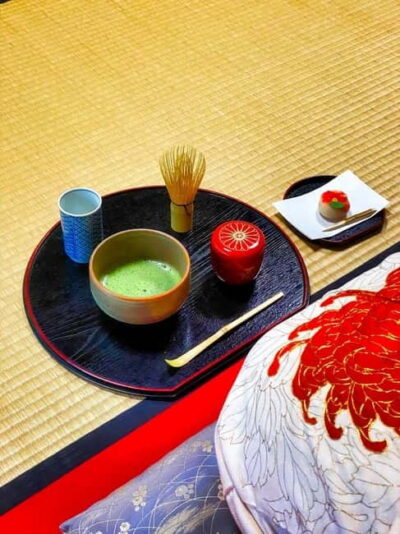
Tea Ceremony in a Traditional Tea House in Kiyomizu
Read our review →
World Heritage Kyoto & Nara Uji Authentic Matcha Experience
Read our review →
Browse the lists this tour appears in