
Review · JAPANESE COOKING WORKSHOPS
Mochi and Nerikiri Wagashi Combination Cooking Class
A quiet Tokyo home kitchen is a nice change of pace. In this mochi and nerikiri wagashi class, I love how hands-on it feels and how Satoko-san keeps things friendly and patient. The one thing to consider is logistics, you’ll need to get yourself to the meeting point since private transportation is not included.
You’ll spend about 2.5 hours making three types of Japanese sweets, with guidance that’s beginner-friendly. You’ll also shape seasonal nerikiri motifs, then enjoy the fruits of your work with matcha, or pack them to go in a special box.
In This Review
- Key things to know before you book this mochi and nerikiri class
- Tokyo Quiet Time: An In-Home Mochi and Nerikiri Workshop
- The Three Mochi and Wagashi You’ll Make (Including Seasonal Daifuku)
- Nerikiri Wagashi Motifs, Coloring Ahead, and the Video Tutorial
- Matcha Tea With Your Host, Then Eat or Take Away
- Beginner-Friendly Kitchen Skills You Can Reuse Back Home
- Price, What You Get, and How to Judge Value at $85.66
- Cats, Directions, and Other Practical Stuff
- Who Should Book This Class, and Who Might Skip It?
- Should You Book This Mochi and Nerikiri Class?
- FAQ
- Is this mochi and wagashi cooking class beginner-friendly?
- What sweets will I learn to make in this class?
- Will I be able to take the sweets home?
- Do I make the matcha myself?
- Is the class vegetarian-friendly?
- Are there cats at the meeting location?
- What is included in the price?
- How does cancellation and refund work?
Key things to know before you book this mochi and nerikiri class
- Private, in-home setting in Ota City, so it feels local and personal rather than staged
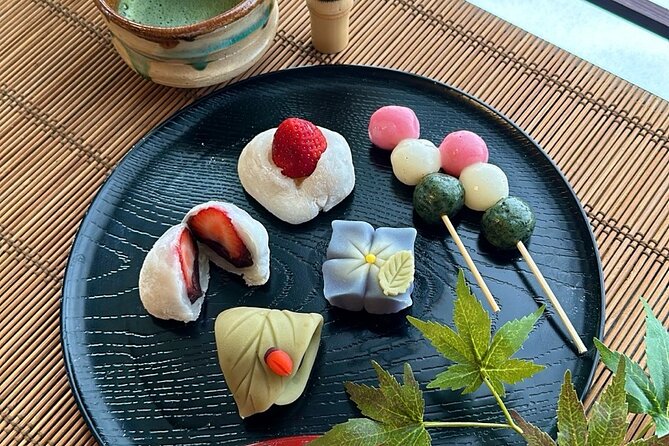
- You make three styles of sweets including strawberry-style daifuku (with pineapple or kiwi when strawberry is out of season)
- Seasonal nerikiri wagashi motifs shaped with support from a tutorial video, even though some dough work is prepped
- Matcha isn’t just served, you make it too, then eat your creations right there
- Presentation help and photos are part of the experience, so your sweets look good for gifting
Tokyo Quiet Time: An In-Home Mochi and Nerikiri Workshop
Tokyo cooking classes can be loud, crowded, and rushed. This one trades the usual commute energy for a calmer setup, because it’s held in a local home in Ota City. The meeting point is at 20-15 Kitaminemachi, Ota City, Tokyo, and the class ends back where you start.
What makes it work so well is the scale. It’s a private activity, so only your group participates, which usually means you get more time for questions and slower, more careful instruction. That matters a lot when you’re learning delicate mochi textures and nerikiri shaping.
I also appreciate that the class is designed for beginners. Mochi and wagashi can look tricky in photos, but the lesson focuses on simple, easy-to-follow recipes you can recreate later.
One practical note before you go: there are two short hair cats in the home. They stay in the bedroom during the lesson, but if you have a strong cat allergy, you should probably choose a different experience.
More Cooking Classes in Tokyo
- Ramen & Gyoza Cooking Class in Tokyo with Local Supermarket Visit
★ 5.0 · 823 reviews - Tokyo: Easy Ramen Cooking Experience in Kabukicho, Shinjuku
★ 4.6 · 321 reviews - Ramen and Sushi Cooking Class with Sake Pairing Set in Tokyo
★ 5.0 · 291 reviews
The Three Mochi and Wagashi You’ll Make (Including Seasonal Daifuku)
You start with mochi basics using glutinous rice flour. Expect real hands-on work, not just watching someone else do it. Since mochi texture is the whole game, you’ll get guided practice early so you know what you’re aiming for as the dough comes together.
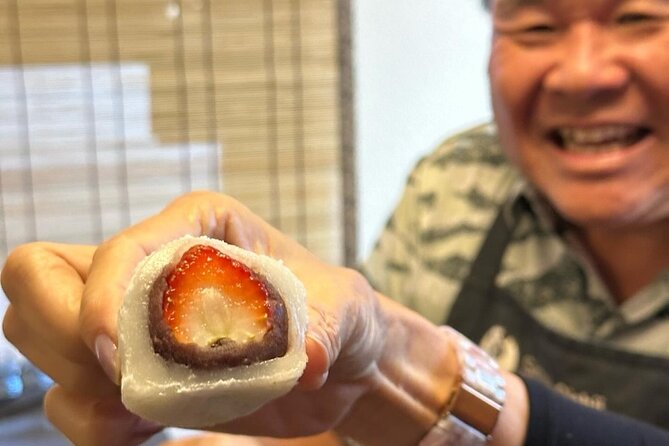
Next, you make strawberry-style daifuku. Here’s a key seasonal detail: when strawberry is out of season, the class switches to pineapple or kiwi. That way you still get the daifuku experience, even if the specific fruit isn’t available.
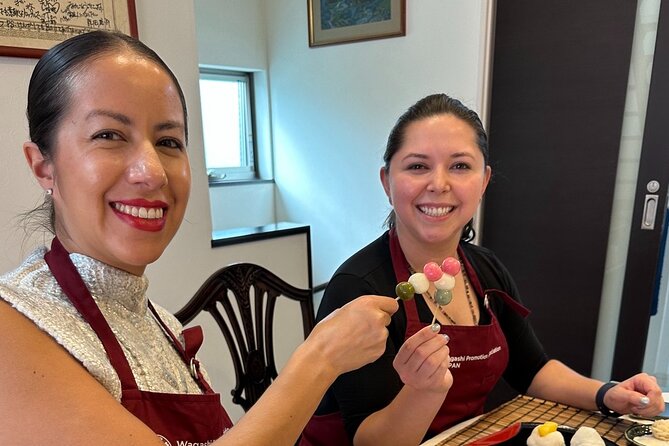
Then you’ll make dango, mochi balls on skewers. This is a great skill because it teaches portioning and shaping consistently, two things that help your results look professional even after you leave the class.
Finally, you make two types of nerikiri wagashi. These are the traditional sweets where you shape the dough into a seasonal motif. In other words, you’re not just making something sweet, you’re learning a method for turning dough into a themed piece.
And throughout, you get context. The class includes a discussion of mochi history and the many ways mochi can be prepared and eaten, so you’re not doing crafts with zero background.
Nerikiri Wagashi Motifs, Coloring Ahead, and the Video Tutorial
Nerikiri wagashi look like tiny art projects. The good news is the class sets you up to succeed without needing advanced practice.
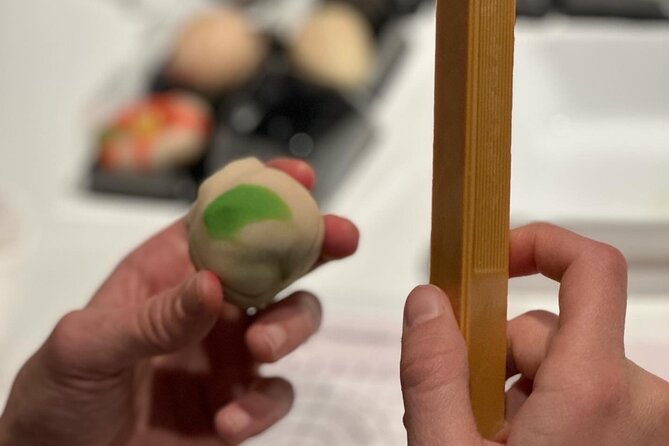
In your session, the dough and coloring are made in advance. That means you’re not racing to dye or prep the ingredients at the last minute. Instead, you get access to a tutorial video to guide you through shaping and motif steps at your own pace.
Motifs change by season, so what you’ll make depends on timing. The important part for you is that the class teaches the general approach: how to shape the dough into a seasonal form and how to refine the look as you work.
Also, because you’re working in a private setting, you can get hands-on feedback when something doesn’t look right. In the experience, the difference between a passable wagashi and one that looks like the examples often comes down to small shaping corrections, and you’ll have the chance to ask.
This is one of the most rewarding parts for me, because you end up with a sweet that feels personal. It’s not just dessert, it’s something you can show and gift because it looks intentional.
Matcha Tea With Your Host, Then Eat or Take Away
Once the sweets are made, you’re not forced to choose between learning and eating. After shaping and assembling, you’ll enjoy a bowl of matcha green tea with your creations.
The matcha is part of the experience too. You’ll make the tea with guidance, so you get the full rhythm of the lesson, from dough handling to the final tasting moment.
When you finish eating, you can also take your sweets with you in a special box. If you’re the type who likes to share results with friends or enjoy dessert later, this is a big deal. The box also makes gifting much easier because your sweets have somewhere safe to go.
There’s also mention of a Japanese gift as a souvenir. It’s not spelled out in detail, but you can expect some kind of take-home item tied to the class.
And yes, there’s real help with making things look good. In at least one experience, the instructor took photos during the process, helped plate the sweets, and made sure everything came out looking photogenic. That kind of care changes the vibe, because it turns the class into a memory you can actually keep.
More Cooking Workshops in Tokyo
- Tokyo: Wagyu and 7 Japanese Dishes Cooking Class
★ 4.9 · 273 reviews - Tokyo Washoku 4-hour Cooking Class: From Market to Table
★ 5.0 · 253 reviews - Tokyo Cute Bento Cooking Class – Make a Kawaii Character Lunchbox
★ 5.0 · 126 reviews - Tokyo: Tsukiji Market Walking Tour & Sushi Cooking Class
★ 4.6 · 122 reviews
Beginner-Friendly Kitchen Skills You Can Reuse Back Home
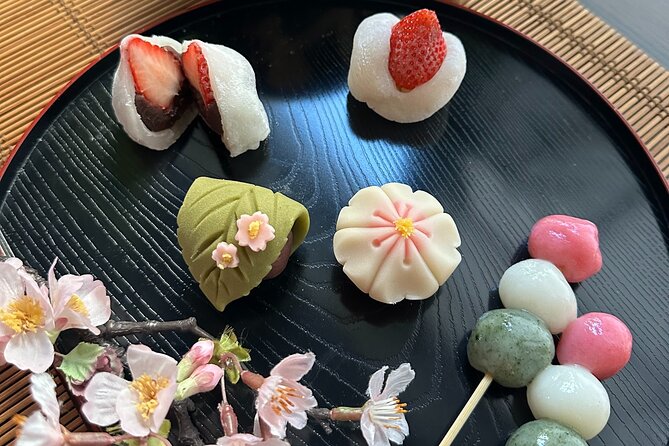
A mochi and wagashi class has two goals. One is the fun of making sweets. The other is making sure you leave with skills you can repeat at home.
This class is built around the idea that recipes are simple and easy to recreate. You’ll use ingredients that are made from plant-based products, and the session is described as appropriate for vegetarians. In practice, that means you’re getting a method that aligns with common dietary preferences, not a one-off dish you can’t safely repeat.
You’ll also learn multiple ways to eat mochi, not just one serving style. That matters because once you’ve made the mochi dough and you know how it behaves, you’ll want to apply it in different forms.
As for practical takeaway value, you’ll have your own tutorial support for the nerikiri motifs. The dough gets prepped in advance, but the video tutorial helps you understand the shaping method, which is what usually stops people from recreating wagashi after the fact.
If you like edible souvenirs, you’ll probably keep the special box method in mind too. You can pack and share your own sweets later, and you’ll know how to plan portioning so things travel better.
Price, What You Get, and How to Judge Value at $85.66
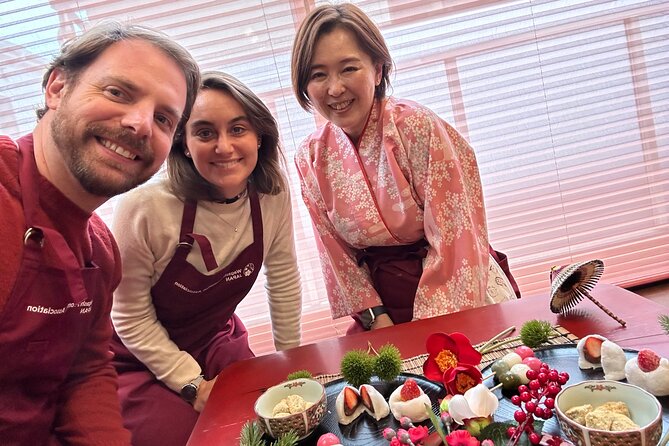
At $85.66 per person, this class sits in the “serious fun” category. The best way to judge value here is to look at what’s included, not just the price tag.
Your cost covers:
- hands-on instruction in an in-home Tokyo setting
- mochi and wagashi making for three different styles
- matcha green tea, plus guidance for making it
- a special box for takeaway
- a free rental apron and hand towel
- special tools for wagashi making
- drinking water
There are no extra ingredient lists to buy during the class, because everything needed for the session is handled within the lesson format. You’re also getting the private group setup, which is a big part of what you’re paying for. When instruction time is limited in public classes, quality can drop. Here, it’s designed around personal attention.
The group discounts and mobile ticket are nice extras, especially if you’re coming with a friend or planning around dates. And since it’s booked on average about 51 days in advance, if you see a time that works, it’s smart to lock it in rather than wait.
Finally, the plant-based and vegetarian-friendly note adds value if that matters in your travel plans. Even if you eat everything normally, it’s useful to know you won’t be surprised by ingredients you can’t or won’t eat.
Cats, Directions, and Other Practical Stuff
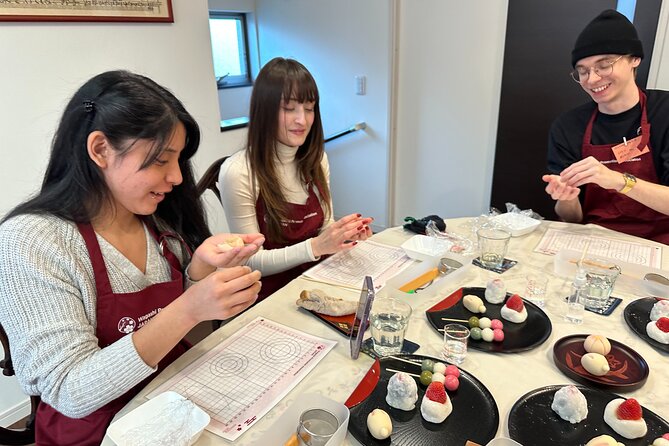
This is a straightforward class, but there are a few details worth putting on your radar.
First, the meeting point is in Ota City, at 20-15 Kitaminemachi. The class is said to be about 15 minutes from the city, but you should still plan your own transit time, since private transportation is not included.
Second, the home has two short hair cats that stay in the bedroom during the lesson. That’s helpful if you’re just mildly uncomfortable around animals. It’s a bigger deal if you have strong allergies, so check your comfort level honestly.
Third, some prep work is done ahead of time, especially for nerikiri dough coloring. That’s not a downside, it’s actually a smart trade-off. It reduces stress, keeps your shaping practice focused, and helps ensure your motifs come out with better texture.
If you want your photos to look good, arrive with a calm mindset. Wagashi is best when you focus on the shaping steps, then the finished pieces will naturally look more intentional.
Who Should Book This Class, and Who Might Skip It?
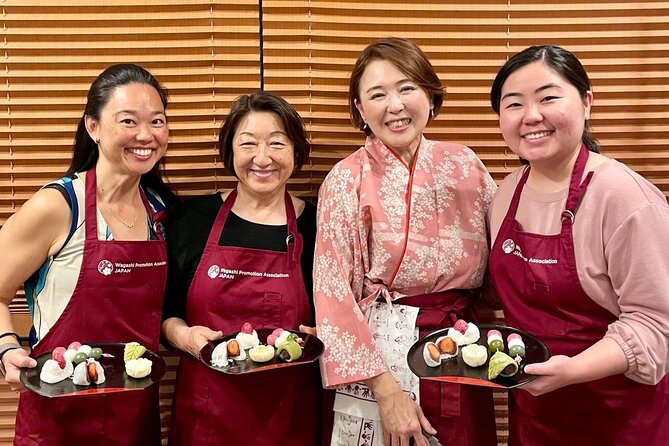
This experience is a great fit if you want hands-on Japanese food craft in an intimate setting. If you like matcha, enjoy shaping and decorating food, or want a practical souvenir you can eat later, you’ll likely have a strong time.
It’s also a good choice for beginners because the recipes are described as simple and easy, and the class is built to be beginner-friendly. The private format helps too, because you can ask questions and adjust without worrying about holding up a bigger group.
You might skip it if you need a fully public, high-energy activity, because this is designed as a quiet in-home lesson. And if cats are a serious allergy concern for you, you should probably choose something else.
One more point: if you want to maximize take-home value, think about how you’ll store and share sweets after the class. The takeaway box is provided, but you’ll still want a plan for eating them soon or bringing them to someone who can enjoy them.
Should You Book This Mochi and Nerikiri Class?
If you want a Tokyo experience that feels personal and focused, I think you should book it. The combination of learning mochi, making daifuku and dango, and shaping nerikiri motifs gives you variety in just 2 hours 30 minutes. Add matcha you make yourself, plus a takeaway box and included tools, and the value starts to make sense fast.
Choose this class especially if you care about the details. The teaching approach is clearly patient, and the help with plating and photos means you leave with sweets that look like real wagashi, not just a learning project.
If cats could be a problem, or you don’t like anything in a private home setting, then look for another option. But for most people, this hits a sweet spot between craft, food, and a genuinely local vibe.
FAQ
Is this mochi and wagashi cooking class beginner-friendly?
Yes. The class is described as beginner-friendly with hands-on instruction, so you are not expected to already know how to make mochi or wagashi.
What sweets will I learn to make in this class?
You will learn how to make mochi using glutinous rice flour, and then you’ll make three types of Japanese sweets: strawberry daifuku (with pineapple or kiwi when strawberry is out of season), dango (mochi balls on skewers), and two kinds of nerikiri wagashi.
Will I be able to take the sweets home?
Yes. After the class, you can taste your creations with matcha, or take them with you in a special box.
Do I make the matcha myself?
Yes. The experience includes matcha green tea, and you make it along with your host’s guidance.
Is the class vegetarian-friendly?
The class says the ingredients are plant-based and that it is appropriate for vegetarians.
Are there cats at the meeting location?
Yes. There are two short hair cats in the home, and they stay in the bedroom during the lesson. The class notes it is not recommended for people with strong cat allergies.
What is included in the price?
Included items are an apron, hand towel, special tools for wagashi making, a special box for takeaway, and drinking water. The class itself also includes instruction and matcha.
How does cancellation and refund work?
Free cancellation is available. You can cancel up to 24 hours in advance for a full refund, and changes less than 24 hours before start time are not accepted.
Newly listed around Tokyo
- Private Tokyo Food Tour – A Journey Through Time Through Food★ 5.0 · 36 reviews
- Private Tokyo Tour with Licensed Guide & Vehicle (Max 15 persons)★ 5.0 · 107 reviews
- Private Tokyo Custom Full-Day Tour by Chartered Vehicle★ 5.0 · 16 reviews
- Private Tokyo Custom Half-Day Tour by Chartered Vehicle★ 4.5 · 13 reviews
- Private Outstanding Nikko Tour with English Speaking Driver★ 4.0 · 11 reviews
- Private Sightseeing to Mt Fuji and Hakone with English Driver★ 5.0 · 51 reviews
- Private Snow Monkeys park Day Trip From Tokyo or Nagano★ 4.5 · 26 reviews
- 4 Day Tour – Mount. Fuji, Tokyo, Hakone, Kamakura and Yokohama★ 5.0 · 19 reviews
Japanese Cooking Workshops, compared.

Ramen Cooking Class at Ramen Factory in Kyoto
Read our review →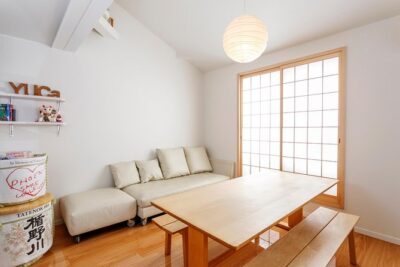
Ramen & Gyoza Cooking Class in Tokyo with Local Supermarket Visit
Read our review →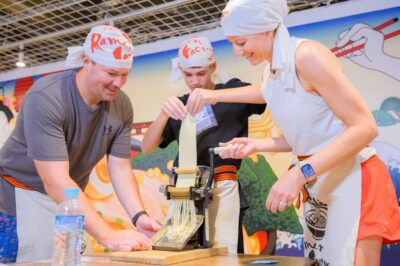
Ramen Cooking Class at a Ramen Factory with Souvenir
Read our review →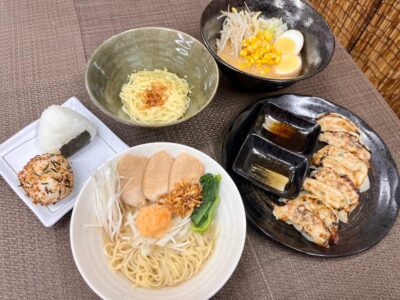
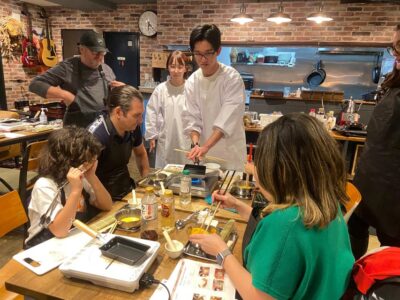
Japanese Washoku Bento Small Group Cooking Class
Read our review →
Sumo Stage Show with Bento or Snack + Fight & Photo
Read our review →
Ramen and Sushi Cooking Class with Sake Pairing Set in Tokyo
Read our review →Browse the lists this tour appears in