
Review · NAGASAKI TOURS
Nagasaki: Private Tour with Local Guide
Nagasaki’s story is impossible to skim. This private walking tour with a licensed local guide helps you connect the city’s biggest sites with a real person’s context, at your pace, rain or shine.
I especially like the route flexibility. You can pick your start time and interests, and your guide builds the day around you instead of forcing a one-size-fits-all loop. I also like the personal context, especially with guides like Kuribayashi-san, Rikako, and Yoshi, who explain not just what happened, but how Nagasaki residents talk about it now.
One thing to consider: English level can vary. I saw a case where a guide’s English was difficult enough that it felt unclear at some stops. If English is critical for you, message your preferences ahead of time and ask for the clearest, step-by-step explanations possible.
In This Review
- Key Things That Make This Nagasaki Tour Worth It
- Nagasaki on Foot: Why Private Beats Rushing
- Peace Park and the Atomic Bomb Museum: Where the Day Takes Meaning
- Chinatown and the Port Story: How East and West Mixed in Real Life
- Oura Church: A National Treasure You Can Feel in Context
- Glover Garden: Western Homes Rebuilt Around a Pioneer’s House
- How the 4 or 6 Hours Actually Play Out
- Price and Logistics: What $109 Buys You in Nagasaki
- English Fit and the Best Way to Get Clarity
- Who Should Book This Private Nagasaki Walking Tour
- Should You Book This Private Nagasaki Tour?
- FAQ
- How long is the Nagasaki private walking tour?
- Is this tour private?
- What languages does the guide speak?
- Where do we meet the guide?
- Is the tour wheelchair accessible?
- Does the tour run in the rain?
- Are entrance fees and meals included?
- How is transportation handled during the tour?
- When will I know the guide is confirmed?
Key Things That Make This Nagasaki Tour Worth It
- Licensed local guide, not a generic script with the chance to ask questions as you walk
- Peace Park plus the Atomic Bomb Museum in a logical order, so the memorial theme keeps flowing
- Chinatown time that feels practical, including an easy lunch plan with local noodle choices
- Oura Church visit at a key historical site, described in a way you can actually follow
- Glover Garden and western-era buildings arranged around Thomas Blake Glover’s home
- 4 or 6 hours that you can tailor, which matters when Nagasaki is already emotionally heavy
Nagasaki on Foot: Why Private Beats Rushing
Nagasaki can hit you in two ways at once. There’s the deep weight of its modern history, and then there’s the day-to-day city texture, the hills, the port connections, the mix of cultures that shows up in streets and buildings.
A private guide helps because you are not trying to “do” Nagasaki like a checklist. You’re learning how the pieces fit together. When you meet your guide at your hotel lobby, then start walking and moving through the sights, you get a cleaner sense of where everything sits and why it matters.
This tour is priced at $109 per person, lasts 4 to 6 hours, and stays private the whole time. You also get a real planning advantage. You can customize your route and start time, or let the guide handle the itinerary planning. That flexibility is the value, because it prevents two common problems on city tours: wasted time going to the wrong place, or missing the one stop that you actually care about.
Pickup is included, with the guide waiting about 10 minutes before your scheduled time in the hotel lobby, and walking pickup is only for hotels within reasonable distance. Once you are moving, the tour is primarily a walking experience, and other transport can be arranged at extra cost if you need it.
A few more Nagasaki days to weigh up
- Nagasaki: Private Walking Tour with a Local
★ 4.7 · 79 reviews - Nagasaki Full-Day Private Tour with Government-Licensed Guide
★ 5.0 · 66 reviews - Nagasaki Half-Day Private Tour with Government-Licensed Guide
★ 5.0 · 53 reviews
Peace Park and the Atomic Bomb Museum: Where the Day Takes Meaning
If you want the core Nagasaki experience, you start with the memorial area. A typical 6-hour route begins at Nagasaki Peace Park, then continues to the Nagasaki Atomic Bomb Museum. The order matters.
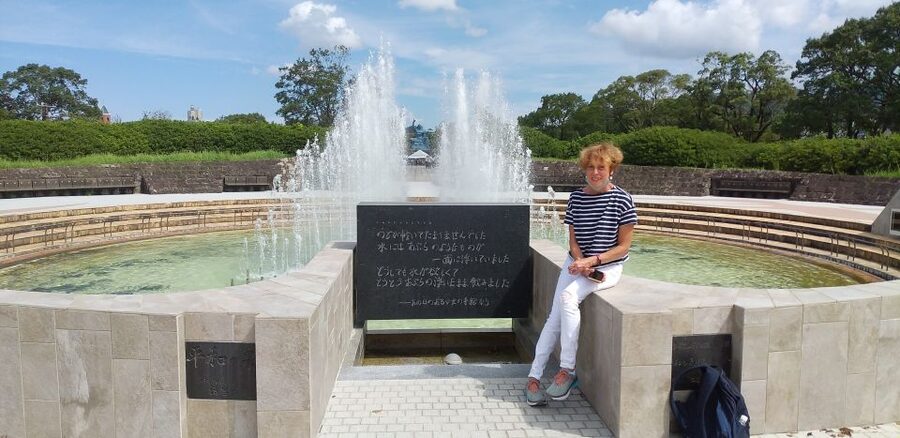
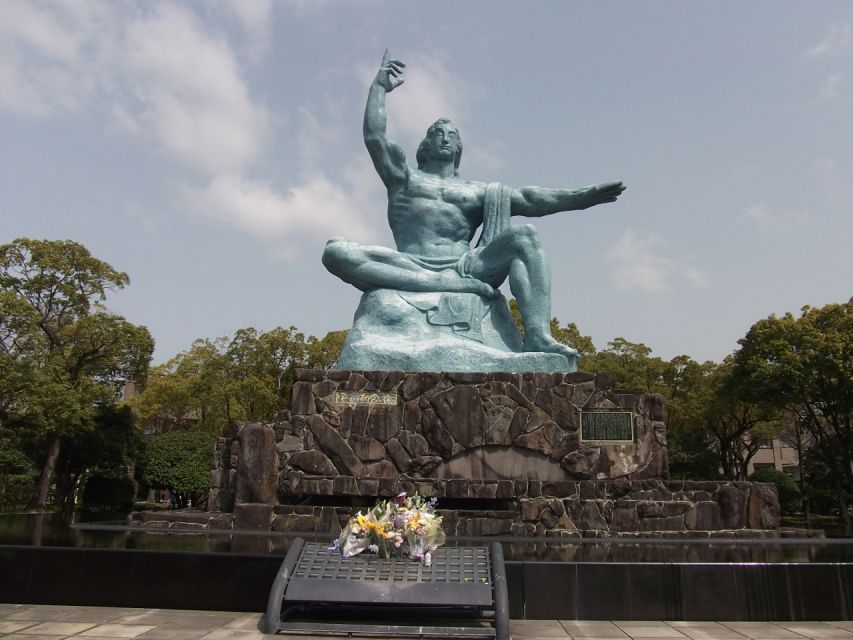
At Peace Park, you’ll see the Peace Statue, which is designed as a symbol of the city’s hope for world peace. Then you walk through Nagasaki Hypocenter Park, built on the epicenter site of the blast. The guide can point out the poignant cenotaph and the surviving wall of Urakami Cathedral. Those aren’t just “photo stops.” They are anchors for understanding what was lost and what remained.
From there, you head to the Atomic Bomb Museum. This is where the story becomes specific. You’ll see historic exhibits and poignant artifacts that were recovered in later years. Even if you have read about the event before, a guided visit helps you connect objects to a human timeline. The museum tends to be the part of Nagasaki that people remember most, because it does not treat history like a distant lesson.
A practical note: entrance fees are not included. So if you’re budgeting, plan for museum admission separately. Also, because this tour runs rain or shine, wear shoes that can handle wet stone and uneven paths. If you’re visiting in bad weather, your guide can often help you keep the day efficient without skipping the key places.
Chinatown and the Port Story: How East and West Mixed in Real Life
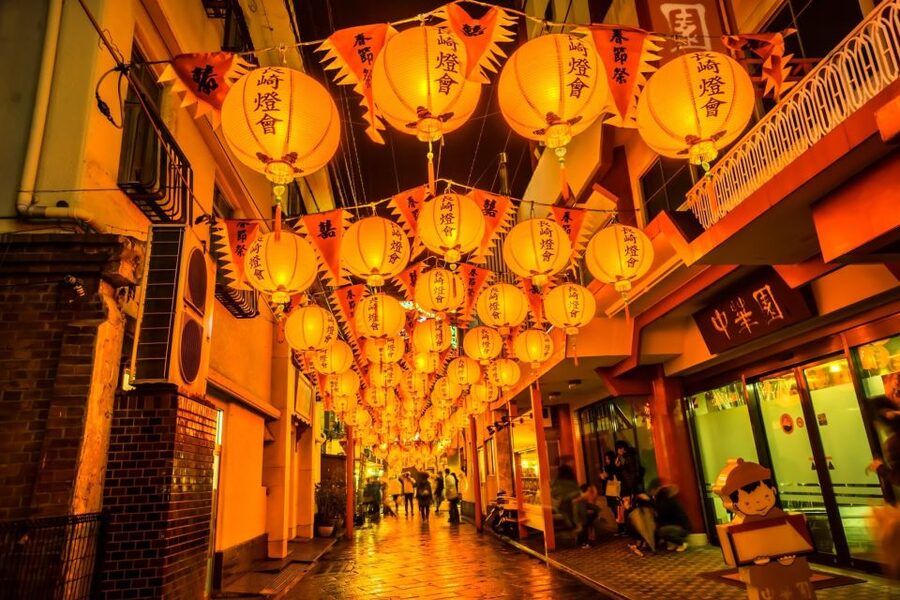
After the memorial stops, Nagasaki shifts into something calmer. The Chinatown district is a good next step because it changes the tone from tragedy-focused to daily-life focused.
This part of town helps explain why Nagasaki became a port where cultural exchange between East and West happened for centuries. On your walking route, you’re not just looking at streets. You’re learning how trade and contact shaped food, names, and local identity. A guide can also point out details you would likely miss on your own.
Then comes lunch. In the sample 6-hour plan, you stop at a local restaurant and eat noodle dishes such as chanpon and sara udon. Food and drinks are not included on the tour price, so treat lunch as your own budget line. That said, having the guide suggest a place and timing is a real convenience, especially when you want lunch without spending time hunting.
If you’re deciding between the 4-hour and 6-hour version, this is one reason to consider the longer option. You have time to slow down after the memorial area and actually enjoy the city’s food culture.
Oura Church: A National Treasure You Can Feel in Context
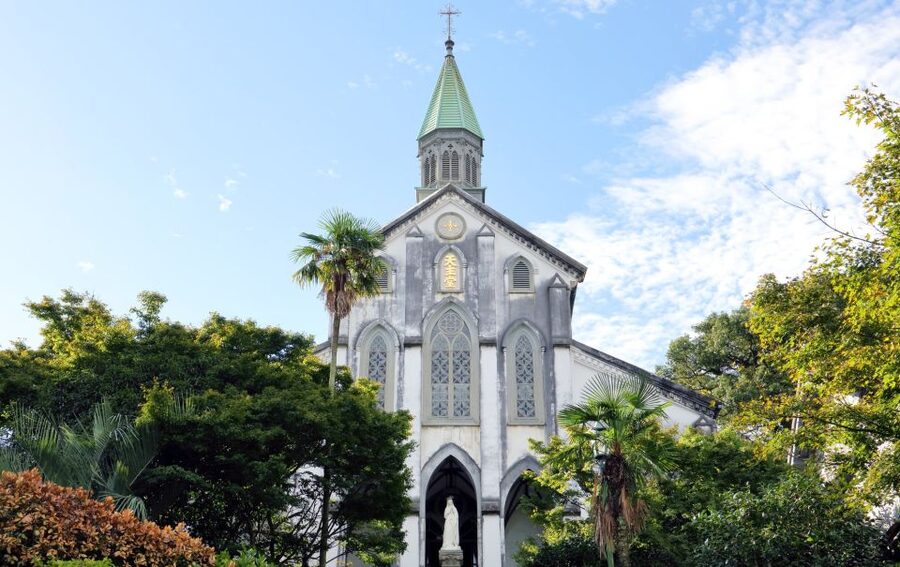
Next up is Oura Church, one of the most significant Christian sites in Nagasaki’s history. It served as a place of worship for Nagasaki’s Christian residents starting in the mid-1800s, and it is designated as a National Treasure and noted as Japan’s oldest surviving church.
What makes this stop strong on a guided walking tour is context. Without guidance, you might see a historic building and move on. With a good guide, you understand why the church matters in Nagasaki’s story, including the role of western contact and the long presence of Christian communities in the region.
Guides I’ve seen are also good at linking what you saw earlier to what you see now. Nagasaki isn’t only a single narrative. It’s layers, and Oura Church is one of the layers that helps you see the city beyond the memorial theme.
Also, the tour is wheelchair accessible. So if mobility is a concern, this is one of the stops where you can ask your guide how to handle your route on the day.
A different sort of day in Japan:
- Visit Gunkanjima Island (Battleship Island) in Nagasaki
★ 4.0 · 32 reviews - Nagasaki like a local: Private Guided Walking Tour
★ 4.4 · 12 reviews - Nagasaki: Explore Japanese Teas on a Tea Tour
★ 5.0 · 7 reviews
Glover Garden: Western Homes Rebuilt Around a Pioneer’s House
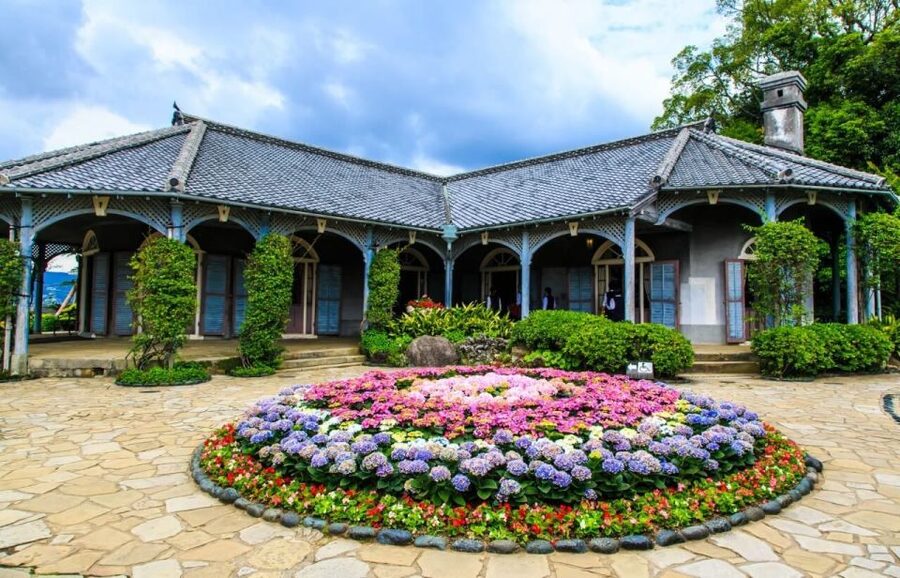
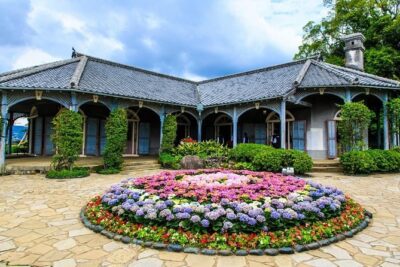
After Oura Church, many itineraries continue to Glover Garden. This area is a collection of western homes and buildings that were reassembled around the house of the Scottish entrepreneur Thomas Blake Glover.
For me, the value here is in the contrast. The memorial sites are heavy, and Chinatown is lively. Then Glover Garden brings you into architectural and historical curiosity: how western-era influence showed up in Nagasaki’s physical spaces.
Because this is a walking tour, your guide can pace the route so you don’t feel rushed at the top of the hill or stuck waiting while everyone else catches up. And if you have questions about why these buildings were moved or how Nagasaki’s port role shaped who lived there, a local guide can often connect the dots in plain language.
If your time is short, Glover Garden is also a good “capstone” stop. It gives you a sense of what Nagasaki looked like through the eyes of people tied to international trade.
How the 4 or 6 Hours Actually Play Out
This is a customizable private tour, so your exact flow depends on what you choose. But here is how I’d think about the timing.
A 4-hour tour usually works best if:
- You want the highlights and a guided orientation.
- You prefer shorter walking segments and less time in any one area.
- You are on a cruise stop or a tight schedule.
A 6-hour tour is ideal if you want:
- The Peace Park area plus the Atomic Bomb Museum without feeling frantic.
- Chinatown time plus a real lunch stop.
- Oura Church and Glover Garden in the same day, with time for questions.
Your guide can adjust the itinerary, and you can also request route changes. If you’d rather reduce walking, the tour can use public transportation or a taxi, with the understanding that extra transport may cost more. The tour is designed to be carried out by public transportation or taxi if you wish, but the base plan is still a walking experience.
One smart move: tell your guide up front what you want most. If you care most about the memorial history, you’ll naturally give that part more time. If you care more about cultural mixing and architecture, you can spend longer around Chinatown, Oura Church, and Glover Garden.
Price and Logistics: What $109 Buys You in Nagasaki
At $109 per person for a private 4 to 6 hour tour, the question is not just whether it sounds expensive. It’s whether it saves you effort and adds understanding.
Here’s what you get baked in:
- A private, personalized tour length of 4 or 6 hours
- A licensed local guide
- Pickup from your accommodation on foot if it’s within a reasonable distance, with the guide waiting about 10 minutes before your scheduled time
- A walking tour, with other transport possible for additional cost
What is not included:
- Food and drinks
- Any entrance fees
- Transportation to or from the meeting point
- Public or private transportation fees during the tour
So the value comes from three places. First, you pay for a licensed guide, not just someone speaking. Second, you pay for convenience, especially that hotel-area meetup and the private route planning. Third, you pay for a smoother day. When you’re in a city with hills, memorial sites, and multiple zones, “just figure it out” can turn into wasted time fast.
If you are traveling solo or with one other person, private tours can feel like a splurge, but here the flexibility and guidance can genuinely improve the day. If you’d rather spend money on food and transit instead, you could do it cheaper on your own, but you won’t get the same ability to ask questions while you walk between landmarks.
English Fit and the Best Way to Get Clarity
This tour runs with English and Japanese. In practice, the experience quality depends a lot on your guide’s ability to explain clearly.
I saw a review where English was difficult for one guide, and the traveler felt like they had to figure out locations after the fact. That’s not the norm in my eyes, but it is a real possibility.
If you want to reduce that risk, do this before you go:
- Message your preferred pace and interests in advance.
- Ask for step-by-step explanations at the major sites.
- If you’re comfortable with simple phrases, use them to confirm directions and stop purposes.
A little prep helps, especially at emotionally intense places like the Peace Park and museum areas, where you want the meaning to land, not just the facts.
Who Should Book This Private Nagasaki Walking Tour
This is a strong choice if you:
- Want a guided introduction to Nagasaki fast, without feeling like you are rushing.
- Like asking questions and hearing local explanations while you walk.
- Care about connecting the memorial sites to the city’s broader cultural story.
- Need a tour that can be customized around your start time and priorities.
It’s also a good match if Nagasaki is your first stop in Japan, or if you’re arriving with limited time and want a guided overview before you move on.
And because it’s wheelchair accessible, it can work for travelers who need an accessible route plan. You’ll still want to communicate needs so your guide can choose the best path and transport options if necessary.
Should You Book This Private Nagasaki Tour?
Book it if you want the best shot at understanding Nagasaki, not just checking sights. The combination of Peace Park, the Atomic Bomb Museum, Chinatown, Oura Church, and Glover Garden gives you a day that makes the city feel connected.
Skip it, or at least reconsider, if you:
- Have a very limited interest in memorial history and want lighter sightseeing only.
- Are extremely sensitive to language clarity and don’t have any way to communicate preferences in advance.
- Don’t want to plan around entrance fees and meals you pay separately.
My decision rule is simple. If Nagasaki is one of your main ports or you want to go beyond surface tourism, a licensed local guide for 4 to 6 hours is a smart use of time and money.
FAQ
How long is the Nagasaki private walking tour?
The tour runs for 4 to 6 hours, depending on the option you choose. You can check availability for starting times.
Is this tour private?
Yes. It is a private group experience.
What languages does the guide speak?
The live guide speaks English and Japanese.
Where do we meet the guide?
Your guide will meet you at your hotel lobby you request, and they will be waiting about 10 minutes before the scheduled pickup time on foot if your hotel is within reasonable distance.
Is the tour wheelchair accessible?
Yes, the tour is wheelchair accessible.
Does the tour run in the rain?
Yes. This experience takes place rain or shine.
Are entrance fees and meals included?
No. Food and drinks are not included, and entrance fees are also not included.
How is transportation handled during the tour?
The tour is a walking tour, and other transport can be arranged for an additional cost. The experience can be conducted by public transportation or by taking a taxi if you wish.
When will I know the guide is confirmed?
The tour is not confirmed until the guide contacts you. Most guides contact you within 7 days, and updates continue until 24 hours before your tour.
Newly listed around Nagasaki
- Nagasaki: Explore Japanese Teas on a Tea Tour★ 5.0 · 7 reviews
- Nagasaki like a local: Private Guided Walking Tour★ 4.4 · 12 reviews
- Nagasaki: Private Walking Tour with a Local★ 4.7 · 79 reviews
- Nagasaki Full-Day Private Tour with Government-Licensed Guide★ 5.0 · 66 reviews
- Nagasaki Half-Day Private Tour with Government-Licensed Guide★ 5.0 · 53 reviews
- Visit Gunkanjima Island (Battleship Island) in Nagasaki★ 4.0 · 32 reviews
Nagasaki Tours, compared.
Nagasaki Full-Day Private Tour with Government-Licensed Guide
Read our review →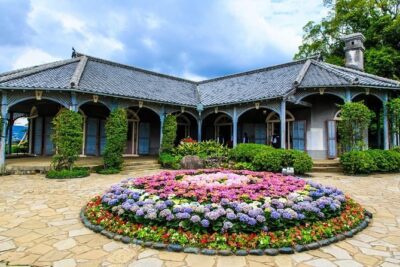
Nagasaki Half-Day Private Tour with Government-Licensed Guide
Read our review →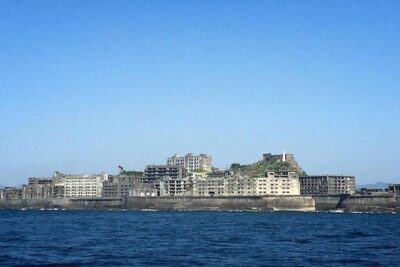
Visit Gunkanjima Island (Battleship Island) in Nagasaki
Read our review →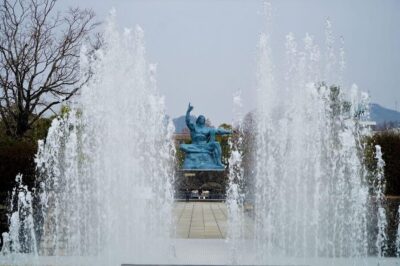
Nagasaki like a local: Private Guided Walking Tour
Read our review →
Browse the lists this tour appears in