
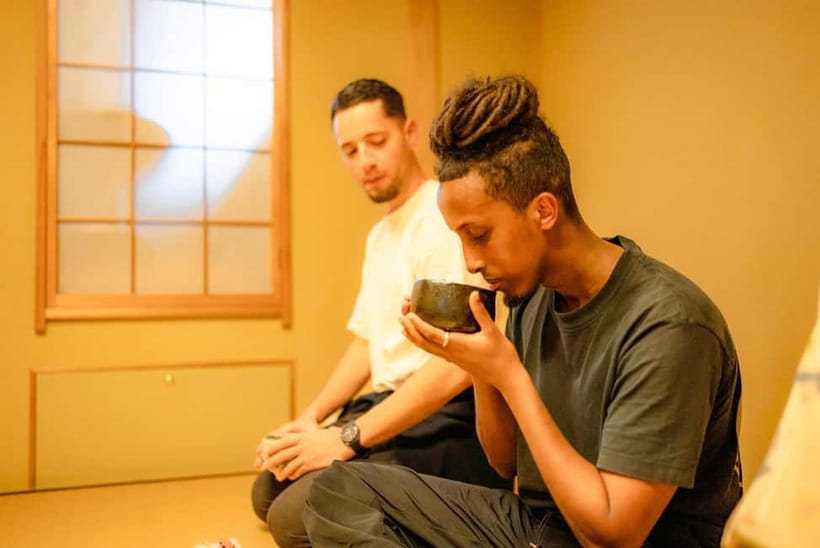
Review · MATCHA & TEA CEREMONY SESSIONS
Nara:Authentic Tea Ceremony(Max 5 ppl) -Master Matcha Making
A quiet tea room is a fast way to reset your day. In Nara, you get a calm, hands-on matcha making lesson in a 120-year-old farmhouse, with time to learn the why behind the ritual, not just the steps. I especially like the small group feel and the way the tea master adjusts instruction while you whisk.
The other big win for me is the tasting part, where you sample and compare single-origin matcha from Nara so you can actually find a favorite style. One possible drawback: it is a short one-hour experience, so if you want a long, full ceremonial program with lots of formal parts, you might feel slightly time-limited.
In This Review
- Key things to know before you go
- A 120-Year-Old Farmhouse That Changes Your Pace in Nara
- Tea Master First: Etiquette and Tools Before the Whisk
- Whisk Your Own Matcha, Then Get Fixes in Real Time
- Single-Origin Comparison: Find Your Favorite Nara Style
- Seasonal Wagashi Pairing That Completes the Cup
- Price and What You Truly Get for $46
- Timing, Group Size, and How the Session Feels
- Finding the Place in Town, and Getting Better Local Help
- Who This Nara Matcha Ceremony Is Best For
- Should You Book This Nara Matcha Making Class?
- FAQ
- How long is the Nara Authentic Tea Ceremony with matcha making?
- How many people are in the group?
- Is it one-on-one or a group experience?
- What is the cost per person?
- What languages are the instructors?
- Do I get to make and drink matcha?
- Do you taste different matcha types?
- What food is included?
- Is free cancellation available?
- Is there a reserve and pay later option?
Key things to know before you go
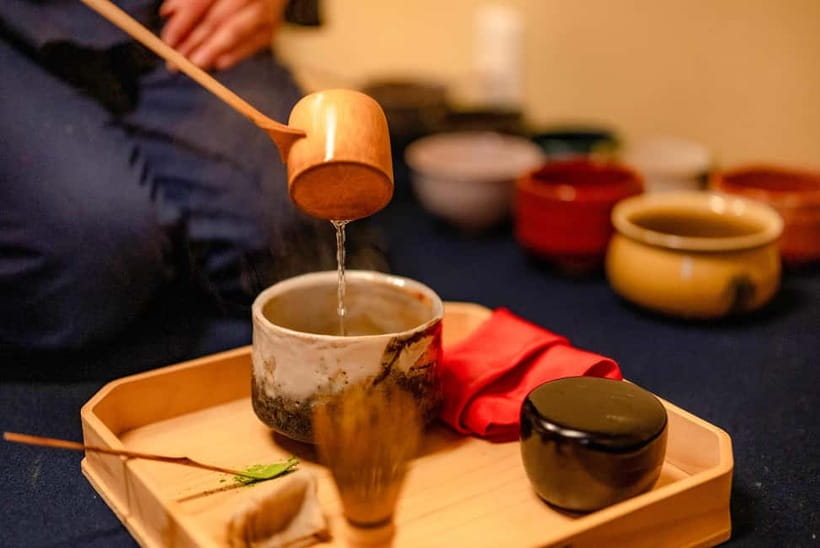
- One-on-one style instruction in a traditional Japanese house, limited to a very small group
- Hands-on matcha coaching, including technique tips for a smoother whisk
- Nara single-origin matcha tasting, so you learn what you personally like
- Seasonal wagashi pairing, served to match the tea flavor
- Tea ceremony etiquette and tools, explained in a way you can use right away
A 120-Year-Old Farmhouse That Changes Your Pace in Nara
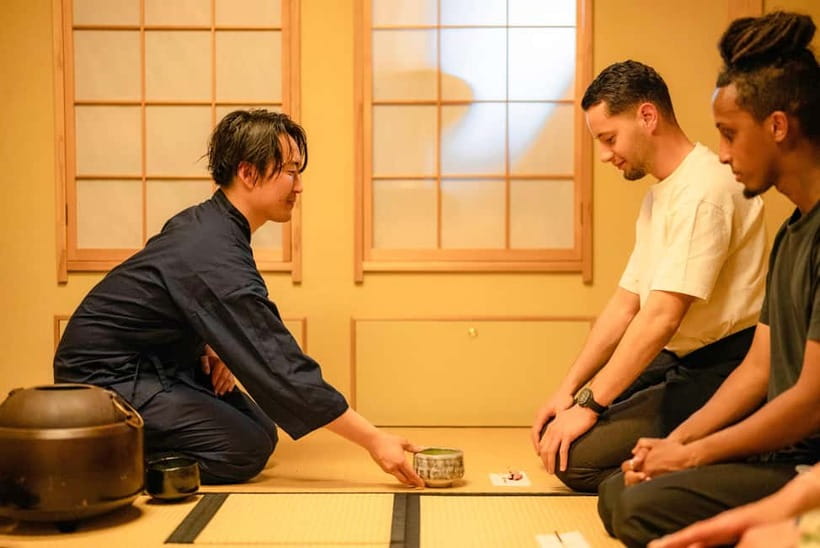
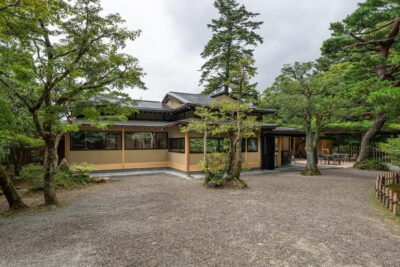
The setting is half the experience. You step into a traditional Japanese house, described as a 120-year-old farmhouse, where everything feels built for slow attention. The space makes the ceremony feel like something people used to do every day, not a performance for tourists.
Your session lasts 1 hour, which is a sweet spot. Long enough to learn matcha basics and whisk your own, short enough that you are not rushed out. I like that it stays focused on what matters: calm procedure, correct tools, and the practical technique of making matcha that tastes right.
More Tea ceremonies in Nara:
- World Heritage Kyoto & Nara Uji Authentic Matcha Experience
★ 5.0 · 1,573 reviews - Nara:5 Type of Tea Tasting & Mindful Tea Ceremony
★ 5.0 · 28 reviews - Kyoto: Tea Ceremony in a Traditional Tea House in Kiyomizu
★ 4.9 · 3,519 reviews
Tea Master First: Etiquette and Tools Before the Whisk
Before you start whisking, you get the foundation. The tea master explains tea ceremony history, etiquette, and traditional utensils, so the ritual makes sense instead of feeling like a set of rules you have to memorize.
This is also where your experience becomes personal. In past sessions, hosts such as Kurabi and Mike were praised for breaking down each step clearly and answering questions with real patience. Some guides, like Hasumi and Mark, were also highlighted for welcoming guests and walking through the process and its meaning.
A good way to get the most out of this part: come in ready to watch, then copy. If you treat it like a cooking class, you will do great. If you treat it like a performance, you will miss the point.
Whisk Your Own Matcha, Then Get Fixes in Real Time
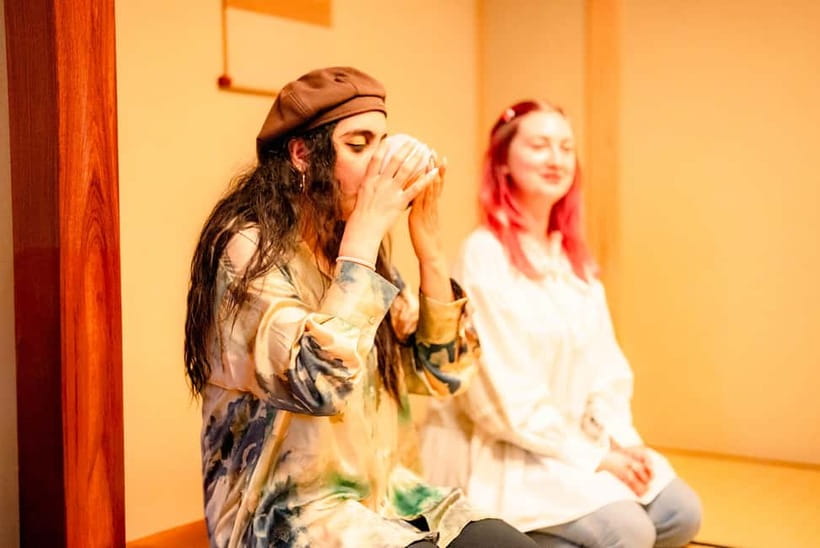
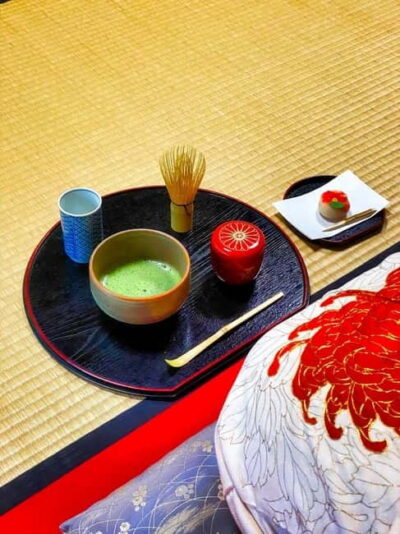
Now the main event: you whisk matcha. You will follow the master’s guidance while you prepare your own cup, and you get feedback meant to improve your technique. Multiple guests described learning practical tips that made their whisking smoother, with the goal of getting the matcha creamy and well-blended.
This is where the session earns its value. With matcha, small changes show up fast. Even when the ingredients are the same, your whisking method affects how the tea feels in the mouth. You are not just drinking tea, you are learning the mechanics behind the flavor.
You are also tasting what you make, so it is not abstract. The goal is simple: learn how to make a cup you actually enjoy, then bring that skill home.
Single-Origin Comparison: Find Your Favorite Nara Style
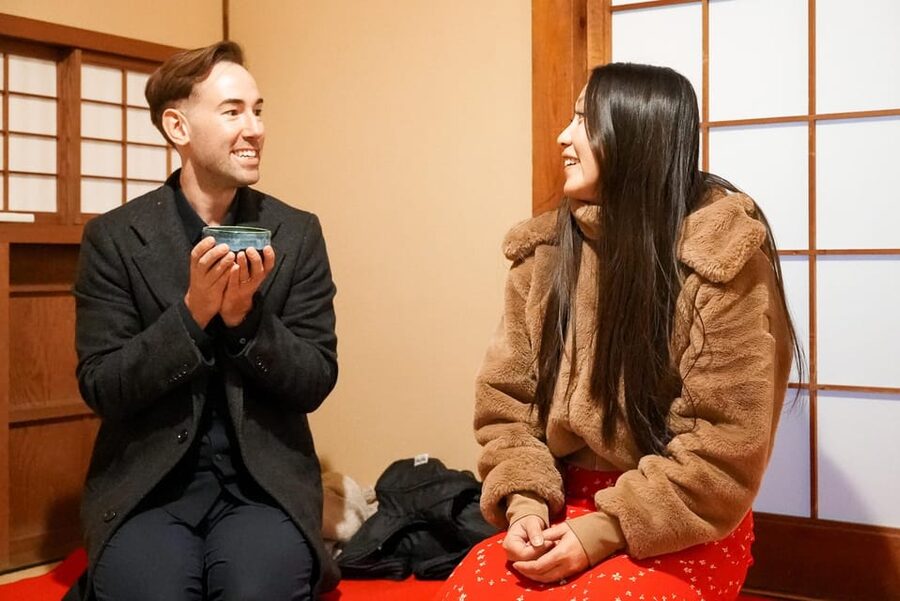
One of the best parts is the tasting and comparison. You will sample and compare single-origin matcha from Nara to discover what you like best. That turns the class from a one-cup lesson into a mini flavor education.
Here is how to think about it while you sip. Start with aroma, then the first swallow. Notice whether it feels more mellow, more grassy, or more direct. Then compare that against the next cup you try. The class is built to help you form an opinion, not just remember details.
This tasting angle is also why the one-hour format works. You learn enough to make sense of what you taste. And you leave with a clearer idea of what to buy later, instead of guessing at matcha brands.
A few more Nara days to weigh up
- Nara Half Day Trip Walking Tour (Private Option Available)
★ 5.0 · 937 reviews - Nara Early Morning Tour (Kyoto or Osaka Departure Available)
★ 5.0 · 676 reviews - Kyoto/Osaka: Kinkakuji, Bamboo Forest, and Nara Deer Park
★ 4.4 · 265 reviews - Nara: Half-Day UNESCO Heritage & Local Culture Walking Tour
★ 4.8 · 250 reviews
Seasonal Wagashi Pairing That Completes the Cup
Matcha alone is only part of the experience. You finish by enjoying seasonal wagashi, traditional Japanese sweets made to complement the tea.
The pairing matters because wagashi changes the whole feel of the matcha. If the sweetness and texture align well, matcha tastes rounder and more balanced. If the pairing is slightly different, you notice how the tea shifts across sips. This is a big part of why the ceremony feels calm and satisfying, not just educational.
In a few sessions, guests also mentioned extra sweets shared by the host, which shows the tea master sometimes personalizes the moment based on what you enjoy.
Price and What You Truly Get for $46
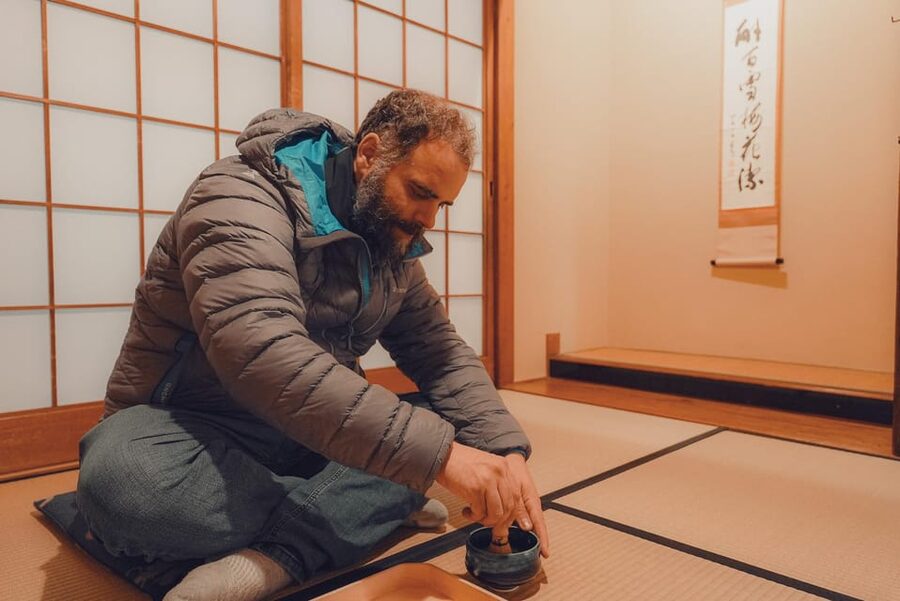
At $46 per person for 1 hour, the price can look high until you break down what is included. This is not a basic tasting where you stand and listen. You get:
- One-on-one instruction from a skilled tea master
- Guided preparation and serving of matcha
- Explanation of tea ceremony history, etiquette, and utensils
- Hands-on whisking practice with personalized feedback
- Seasonal wagashi
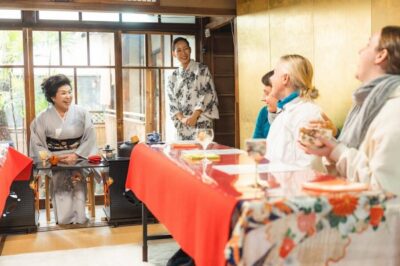
For many people, the standout value is the coaching. Small group limits and the one-on-one style teaching mean you are not stuck waiting your turn. You get the kind of feedback that helps you improve your whisking technique right then, which is hard to replicate with a larger class.
Also, you are paying for more than matcha. You are buying context. That is why guests repeatedly mentioned leaving with better understanding and better questions answered.
Timing, Group Size, and How the Session Feels
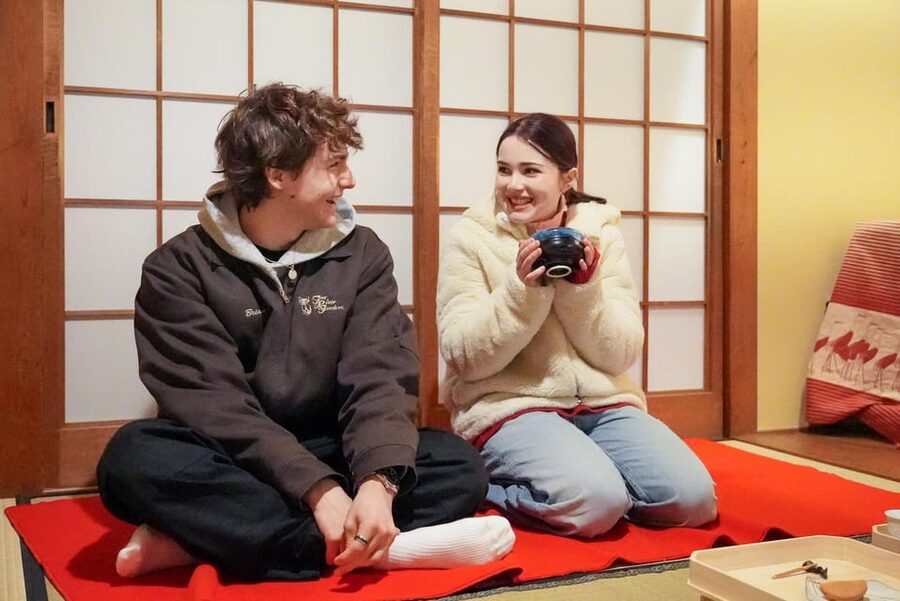
The experience is designed for a small group. The cap is stated as limited to 6 participants, and the concept is described as max 5 people. In practice, some bookings were described as 1 on 1, which is exactly the kind of format that makes the instruction feel gentle and highly focused.
Because it is short, timing matters. Check availability for starting times and pick a slot when you will not feel rushed by the rest of your day. If you already plan to visit Nara’s main sights right after, give yourself a buffer. Matcha makes you slow down, then your brain wants a quieter rhythm for a bit.
Finding the Place in Town, and Getting Better Local Help
Nara is easy to explore on foot, and this experience often starts with a short walk. One guest described a walk of about 10 minutes from the station through older parts of town, which sounds like a nice way to shift from sightseeing mode to calm mode.
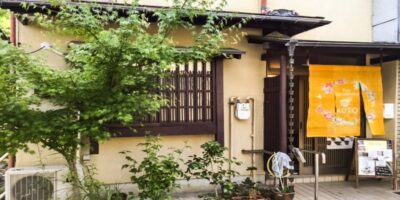
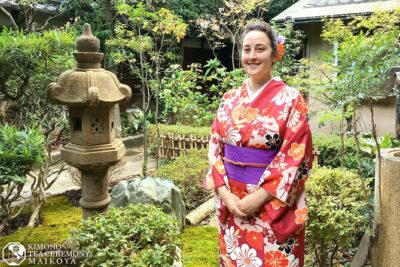
Still, do yourself a favor and plan for a meeting point moment. One guest mentioned the host was in a blue kimono and used WhatsApp to help them locate the right person. If you worry about finding the tea master quickly, message in advance and confirm the meeting details.
One more practical perk: many tea masters add local recommendations. Guests mentioned suggestions for restaurants, sake stores, matcha cafés, and places to visit in Nara and even Kyoto. Some hosts were even willing to help with small practical needs, like pointing you toward the next bus stop. That sort of local knowledge can save time once you leave the house.
Who This Nara Matcha Ceremony Is Best For
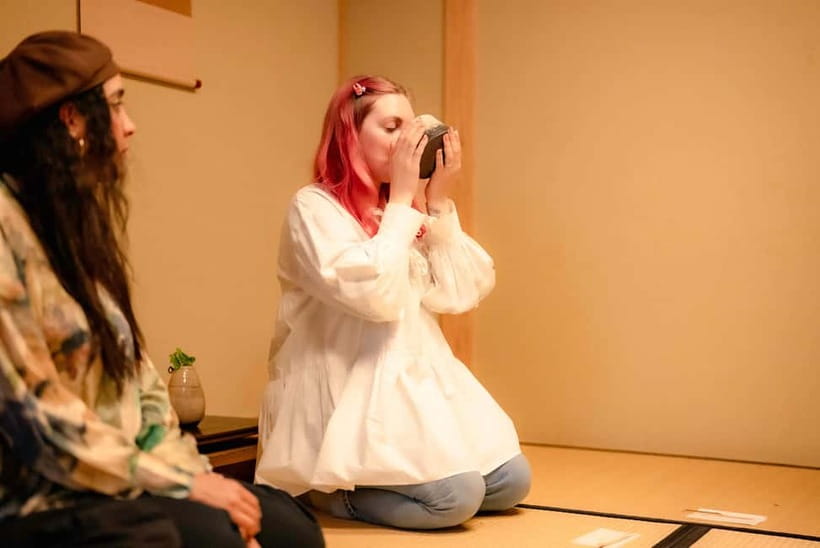
This is a great fit if you want culture you can touch. If you like hands-on workshops, quiet settings, or learning a craft step by step, this one-hour format is made for you.
It also works well as a first tea ceremony. Guests repeatedly said it was their first time, and the hosts were praised for explaining basics carefully, including the why behind the etiquette. If you have no idea what a tea utensil does, you will be brought up to speed.
It may not be the best choice if you want a longer, more theatrical formal ceremony with lots of additional segments. This experience is designed to teach matcha making and etiquette basics in a compact, friendly session.
Should You Book This Nara Matcha Making Class?
If you are deciding between a generic tasting and real technique training, I would book this one. The value is strongest in the combination of hands-on matcha preparation, small group instruction, and the tasting comparison that helps you figure out what you like.
Book it if:
- you want a calm, traditional setting in Nara, inside a very old farmhouse
- you want to learn to whisk matcha with feedback, not just watch
- you care about finding a matcha style you can buy later
Skip it if:
- you want a longer, multi-part formal ceremony
- you are mainly looking for photos and do not want a hands-on component
If you want a serious skill, delivered gently, in a quiet room, this is one of the easiest wins in Nara.
FAQ
How long is the Nara Authentic Tea Ceremony with matcha making?
It lasts 1 hour.
How many people are in the group?
The experience is limited to a small group, with a cap listed as up to 6 participants.
Is it one-on-one or a group experience?
It is described as small group with limits, and some bookings were described as 1 on 1 based on availability.
What is the cost per person?
The price is $46 per person.
What languages are the instructors?
The instructor is listed as English and Japanese.
Do I get to make and drink matcha?
Yes. You will prepare and serve matcha with guidance from the tea master, then enjoy it during the ceremony.
Do you taste different matcha types?
Yes. You taste and compare single-origin matcha from Nara to find your favorite.
What food is included?
Seasonal wagashi (traditional Japanese sweets) is included.
Is free cancellation available?
Yes, you can cancel up to 24 hours in advance for a full refund.
Is there a reserve and pay later option?
Yes. You can reserve and pay later, keeping your travel plans flexible.
Newly listed around Nara
- Nara:5 Type of Tea Tasting & Mindful Tea Ceremony★ 5.0 · 28 reviews
- Nara: UNESCO Heritage Sites & Deer Park Tour with Pro guide★ 4.5 · 10 reviews
- Nara: Todai-ji y parque de Nara (Spanish Guide)★ 5.0 · 16 reviews
- Nara: Sake Tasting Tour at the Birthplace of Japanese Sake★ 4.9 · 8 reviews
- Nara: Private City Tour With A Local Guide★ 4.2 · 8 reviews
- Nara: Private Tour with Private Guide★ 4.8 · 66 reviews
- Nara Like a Local: Customized Guided Tour★ 4.2 · 36 reviews
- Nara Early Bird Tour (Kyoto Departure Option Available)★ 4.9 · 142 reviews
Matcha & Tea Ceremony Sessions, compared.
Tea Ceremony in a Traditional Tea House in Kiyomizu
Read our review →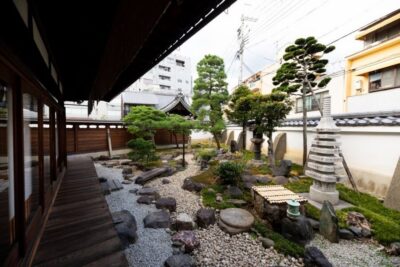
World Heritage Kyoto & Nara Uji Authentic Matcha Experience
Read our review →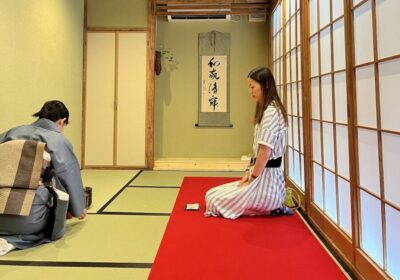
Browse the lists this tour appears in