Review · KYOTO TOURS
Scenic Green Tea Fields of Hidden Kyoto & Local Tea Exp (Private)
Kyoto tea country feels like another world. I love the way this private pickup pulls you out to Wazuka and Ujitawara without rail hassle, and I also love the matcha tastings paired with farm photo stops. Biggest heads up, temple entry fees and what you buy at tea cafes are extra, and there are short walks plus some stairs.
What makes this day work is the mix of world-famous landmark and off-the-beaten-path tea fields. You get real tea culture stories tied to monks, samurai, and even ninjas, not just a checklist. And yes, the scenery is designed for cameras in every season, even winter.
You should also know the tour runs about 5 hours 30 minutes starting at 1:00 pm. If you prefer big city momentum all day, this is more about slowing down, looking closely, and sampling slowly.
In This Review
- Key highlights to look for
- Getting pulled into Kyoto’s tea country, the smart way
- Byodo-in Phoenix Hall: the temple that doubles as a time machine
- Wazuka-cha Cafe: matcha tasting that makes you rethink Uji
- Ishitera Tea Plantation: the photo stop that feels like a movie scene
- Ujitawara-cho: the tea production heartland and a practical photo walk
- Shoju-in: the countryside temple with a heart-shaped window
- Ride details that matter: van comfort or an open-air Mini Cooper
- Daiki as your guide: why people rate this tour so high
- Tea shopping value: how to think about what you will actually buy
- Price and value for a private group up to 6
- Should you book this hidden Kyoto tea tour?
Key highlights to look for
- Wazuka matcha quality at local farmer-style cafes, with desserts and tea shopping for less than city prices
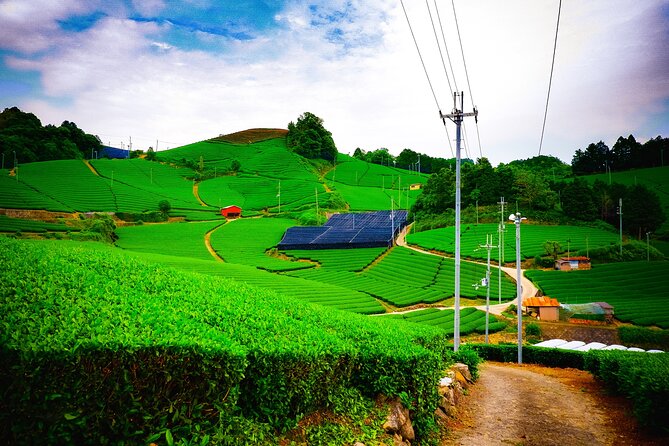
- Sky-high tea field views at Ishitera, famous for those perfectly planted rows
- A farm walk photo stop around Ujitawara-cho in Kyoto’s tea-producing heartland
- Byodo-in Phoenix Hall symbolism tied to the Buddhist Pure Land (Paradise) and featured on the 10-yen coin
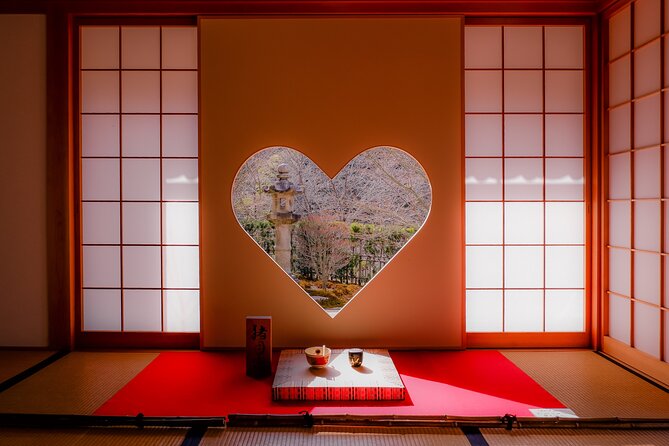
- Shoju-in’s heart-shaped window moment inside a tea room setting
Getting pulled into Kyoto’s tea country, the smart way
This is the kind of private outing that saves you from planning stress. Instead of piecing together buses and transfers, you start with pickup and end with drop-off. That matters here because tea villages around Wazuka and Ujitawara are not the kind of places you just wander into between shrine visits.
Timing also helps. With a 1:00 pm start and roughly 5 hours 30 minutes on the clock, you can still keep your evening open for dinner. It also means you are not stuck waiting around at the crack of dawn for the best light on your tea-field photos. In my book, afternoon is a strong compromise for both temples and countryside views.
The other reason this tour is a good fit is that it is built for real viewing, not frantic passing. The stops are short enough to stay energetic, but long enough to sit, taste tea, and actually take photos without feeling rushed.
A few more Kyoto days to weigh up
- PERFECT KYOTO 1-Day Bus Tour
★ 5.0 · 13,518 reviews - Kyoto: Fushimi Inari, Kinkakuji, Bamboo Grove 1 Day Bus Tour
★ 4.8 · 4,316 reviews - Kyoto: Tea Ceremony in a Traditional Tea House in Kiyomizu
★ 4.9 · 3,519 reviews
Byodo-in Phoenix Hall: the temple that doubles as a time machine
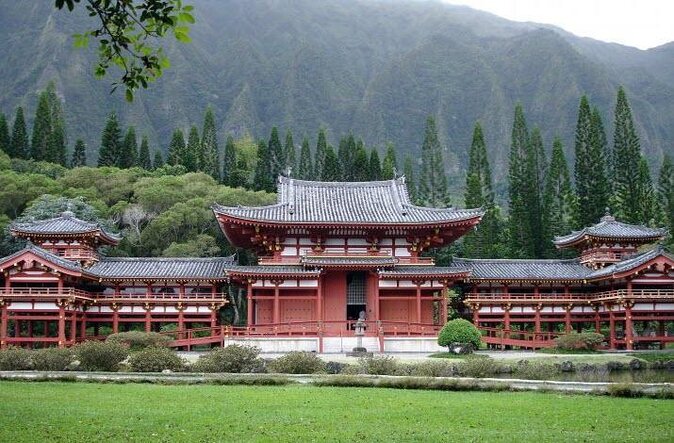
You begin at Byodo-in, and the headliner is the Phoenix Hall. It is one of the most beautiful temple sights in Japan, and it even shows up on the 10-yen coin. That coin detail is not a gimmick. The hall’s design is all about the Buddhist Pure Land (Paradise) idea, the belief in a heavenly realm on earth.
You get about 2 hours here, which is plenty to walk the grounds and settle into the atmosphere instead of just snapping and sprinting. It also gives you time to understand why this place mattered to people long ago, and how today’s visitors still experience that sense of calm.
One practical note: the Byodo-in admission fee is not included. You should budget ¥600 per person. If you are trying to keep spending tight, factor that in early so you do not get surprised later.
Wazuka-cha Cafe: matcha tasting that makes you rethink Uji
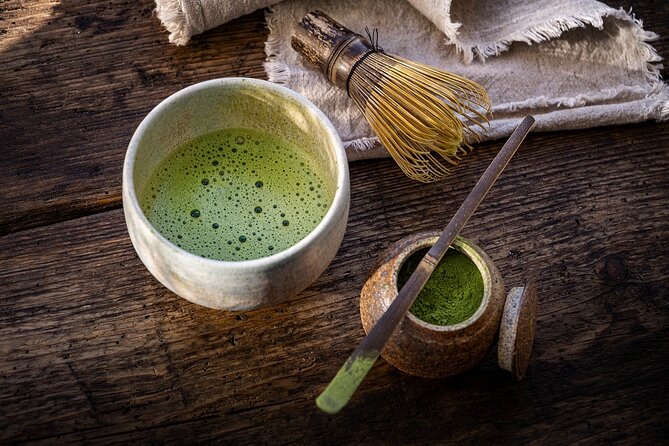
Next comes Wazuka-cha Cafe, and this is where the day turns from sightseeing into a food and flavor experience. You taste green tea and matcha, and the focus is on the idea that Wazuka tea is purer and more authentic than what you commonly associate with top-tier Uji matcha.
This stop is also set up for pleasure, not just sampling. You can expect matcha desserts alongside tea, and you get time to shop. The pricing is part of the appeal: tea here is advertised as around half to one third of city prices. Even if you only buy one small item, that can be a meaningful value, especially if matcha is a souvenir you will actually use at home.
Important caution, the cost of coffee and or tea for your own drink is not included. So you can enjoy the tasting, but if you order extras, plan on paying those directly at the cafe.
Also, this is one of the stops most likely to reward people who like to take their time. If you enjoy slow food moments and asking questions, it fits you well.
Ishitera Tea Plantation: the photo stop that feels like a movie scene
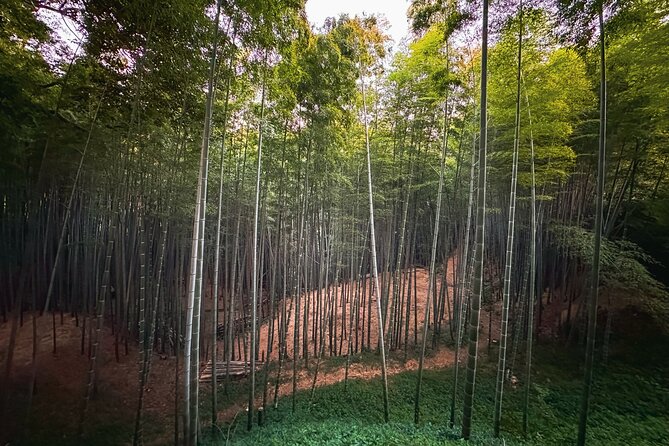
Then you go to Ishitera Tea Plantation. This is the part that sells itself with visuals, the green tea fields often described as reaching toward the sky. The appeal is how the rows and planting patterns create those bold, geometric waves of evergreen.
You spend about 30 minutes here. That is a good length for field photos without burning the whole day. If your goal is Instagram-style shots, you have just enough time to pick viewpoints and experiment with angles, including a walk area that lets you step into the scene.
There is also a bigger reason this stop works beyond photography. Tea fields like this show how agriculture shapes daily life. You can look at the neat planting and immediately understand why tea growers are proud of their product. It is easy to connect what you learned in the cafe to what you are seeing in the fields.
A different sort of day in Japan:
- Kyoto Geisha Walking Tour: Gion District & Hidden Gems
★ 4.7 · 3,273 reviews - Kyoto: Tea Ceremony Ju-An at Jotokuji Temple
★ 4.9 · 3,207 reviews - Kyoto: 45-Minute Tea Ceremony Lesson Experience
★ 4.3 · 2,378 reviews - Kyoto: Gion Geisha District Walking Tour – Stories of Geisha
★ 4.7 · 2,187 reviews
Ujitawara-cho: the tea production heartland and a practical photo walk
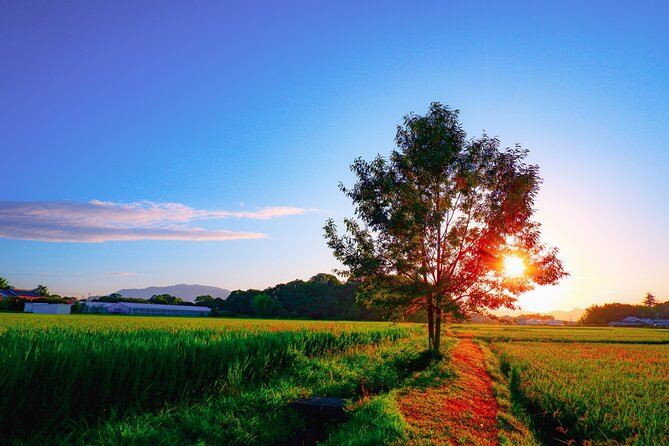
After Ishitera, the tour shifts to Ujitawara-cho, one of the best-known areas for green tea production in Japan. The day’s theme stays consistent here, because the stop is still about tea itself, not just temples.
You get about 30 minutes, and the schedule includes a walk in one farm area for a magical photo moment. The view is the point, but you also get that feeling of being in the place where tea culture becomes everyday work, not a packaged souvenir.
One specific story angle here: the area is described as where Japanese green tea and matcha were invented. That is a bold claim, but it gives your visit context. Even if you do not go deep into research, you will likely find yourself noticing how the tea fields, the techniques, and the tasting experience all connect.
Shoju-in: the countryside temple with a heart-shaped window
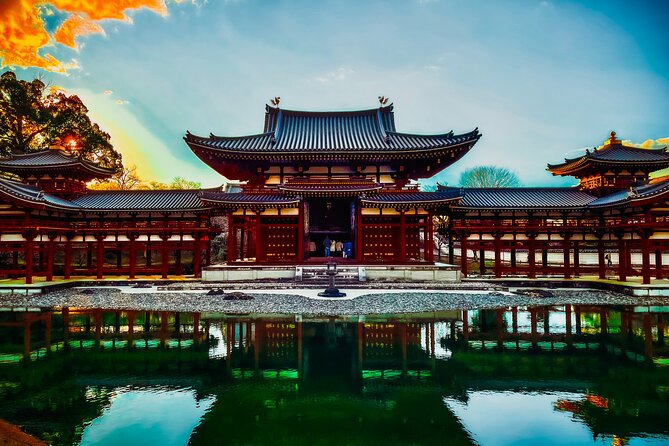
The last major temple stop is Shoju-in, located in the south countryside outside central Kyoto. The drive takes about an hour from downtown, so you feel like you truly left the city behind.
The standout feature is the love-heart window in the tea room. It is the kind of detail that turns a temple visit into a specific memory. You can also use this stop to slow down, because it is about 1 hour 30 minutes here, which is longer than many “quick temple” visits.
Shoju-in admission is not included, and it is listed as ¥1,000 per person. If you are comparing overall value, treat it as the second temple payment on top of Byodo-in’s ¥600.
This stop also ties in nicely with the day’s culture angle. One of the tour’s strengths is that it connects tea culture to the people who lived around it, including historical references to monks and samurai, and even ninja stories. If you like learning while you look, this is where that storytelling clicks.
Ride details that matter: van comfort or an open-air Mini Cooper

The transportation is not just a way to get from A to B. It sets the tone for the day.
If you are traveling as 2 to 6 people, you ride in an air-conditioned Nissan van. If you are solo, the tour offers an open-air convertible Mini Cooper. Either way, you get comfortable door-to-door pickup and drop-off, with pinpoint service for your start and goal.
That flexibility is useful. You can often set a different start and goal, which means you might end closer to your next plan instead of back at the beginning. And in the notes I saw, the guide did not just drive and disappear, he helped with the flow at the end of the day too, including dropping people near a nearby place to continue their evening.
One more practical point: the tour includes short walks and stairs. Plan on comfy shoes. This is not a full hiking day, but temples plus field paths do add up.
Daiki as your guide: why people rate this tour so high
The biggest reason this trip earns such strong marks is the guide experience. Daiki is described as energetic, enthusiastic, patient with picture taking, and strong on history and culture explanations.
That matters because tea country is one of those places where the details make the difference. If you learn what you are looking at, those perfectly planted rows stop being just scenery. You start to see why tea culture developed where it did, and how the stories around monks, samurai, and ninjas connect back to tea.
Daiki is also praised for staying flexible during the day. Picture breaks can slow a schedule, and not every guide handles that well. Here, the feedback is that he handled it calmly and with patience, even when people wanted extra time to shoot the fields.
Also, one charming detail to know: some people specifically mention Daiki’s dad being involved in the day. Even if you do not meet him directly, it hints at a family-run care behind the scenes, which often shows up as smoother, more thoughtful service.
Tea shopping value: how to think about what you will actually buy
Tea shopping is a real part of this tour, not an afterthought. The cafe stops are built so you can taste, then buy something you can bring home.
The pricing claim is clear: premium tea at these stops is described as about half to one third of city prices. That is the kind of value that can justify a private day trip even if you do not buy much.
To keep it practical, decide what you want before you start shopping:
- If you are a daily matcha drinker, plan for one or two items you can use right away
- If you want gifts, buy smaller packs so you can distribute without feeling guilty
- If you want variety, ask what tastes different from what you tasted earlier in the day
And again, remember the tea shop costs are not listed as included. The tour covers the experience and tasting time, but any drinks beyond what is part of the stop are extra.
Price and value for a private group up to 6
The tour price is $250.38 per group, up to 6 people. That is the key math.
- If you fill 6 seats, your cost works out to roughly $41 per person for a full private half-day with pickup, guide time, and countryside transportation.
- If you travel as a smaller group, the per-person price rises, but you are still paying for privacy, which is the real value here.
On top of the base price, you should budget admission fees for the two paid temples. Shoju-in is ¥1,000 per person, Byodo-in is ¥600 per person. Total temple admission adds up fast, so it helps to think of that as part of your final trip cost, not a surprise add-on.
Why this is good value: this is a countryside route that is hard to copy on your own in a smooth way. You are paying to remove friction, and that friction is what makes these “hidden tea country” plans usually take hours more than they should.
Should you book this hidden Kyoto tea tour?
Book it if you want a real tea-country day with scenic field views, matcha tastings, and a guide who will explain what you see. It is also a strong choice if you dislike squeezing countryside stops into train schedules.
Pass or reconsider if you are strict about all-in pricing, because temple entry fees and tea shop purchases can add up. Also, if you need a totally step-free day, keep in mind there are short walks and stairs.
If you want a Kyoto day that feels calm, photogenic, and genuinely different from the usual shrine circuit, this one is an easy yes.
Newly listed around Kyoto
- SHIRAKAWA Japanese Culture Experiences with private English staff★ 5.0 · 16 reviews
- A Privately Guided Photoshoot in Beautiful Kyoto by a Pro★ 5.0 · 18 reviews
- Roketsu dyeing experience: M course Roketsu Dyeing Experience★ 5.0 · 163 reviews
- Pedal Adventure Kyoto’s iconic landmarks on an e-bike tour★ 5.0 · 189 reviews
- Kyoto: Geisha Dinner & Gion Cultural Walk★ 5.0 · 14 reviews
- Private departure transfer from Kyoto city to Osaka Itami International airport★ 4.5 · 33 reviews
- Kyoto tour with English Speaking Chauffeur★ 5.0 · 29 reviews
- Kyoto&Nara Private Highlights Tour with English driver Pickup★ 4.0 · 6 reviews
Kyoto Tours, compared.
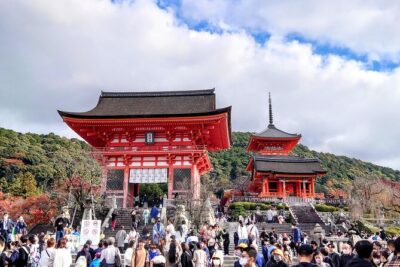
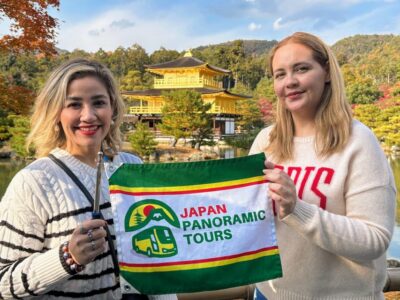
Fushimi Inari, Kinkakuji, Bamboo Grove 1 Day Bus Tour
Read our review →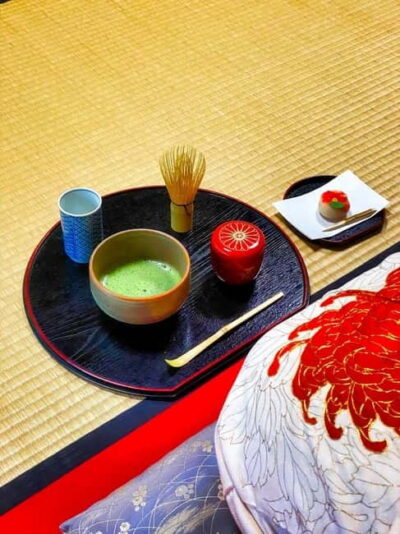
Tea Ceremony in a Traditional Tea House in Kiyomizu
Read our review →
Kyoto Geisha Walking Tour: Gion District & Hidden Gems
Read our review →
Gion Geisha District Walking Tour – Stories of Geisha
Read our review →