
Review · SOBA & UDON MAKING CLASSES
Japanese Cooking and Udon Making Class in Tokyo with Masako
Cooking with Masako feels personal fast. In her Tokyo home, you get one-to-one teaching and a full meal after making udon noodles and more, plus a name keepsake written in Kanji. It is part cooking class, part local evening, and it all happens without the usual ingredient run-around.
One thing to consider: no children are accepted, and Masako speaks limited English, so you should expect a translator to help keep everything clear. If you are okay with those two points, this is a great way to learn Japanese technique, not just eat Japanese food.
In This Review
- Key highlights to know before you go
- Why this cooking class works in Tokyo
- Arriving at Masako’s home, tea first, Kanji second
- The meal plan: four menu choices, and why you should pick yours carefully
- Udon from scratch: knead, rest, cut, cook, and the small tricks you’ll keep
- Tamagoyaki and Japanese omelet skills you can repeat at home
- Tempura and the joy of frying with guidance
- Dashi and how the soup ties the whole meal together
- Drinks, conversation, and the cultural extras that make it memorable
- Language support: what to expect with limited English and a translator
- Price and value: what $142 buys you and why it can be worth it
- Who should book this class, and who might not love it
- Quick practical tips before you go
- Should you book Japanese Cooking and Udon Making with Masako?
- FAQ
- What dishes will we make?
- Do we need to buy ingredients?
- Are drinks included?
- Where does the class meet?
- Is hotel pickup provided?
- Is there a translator?
Key highlights to know before you go
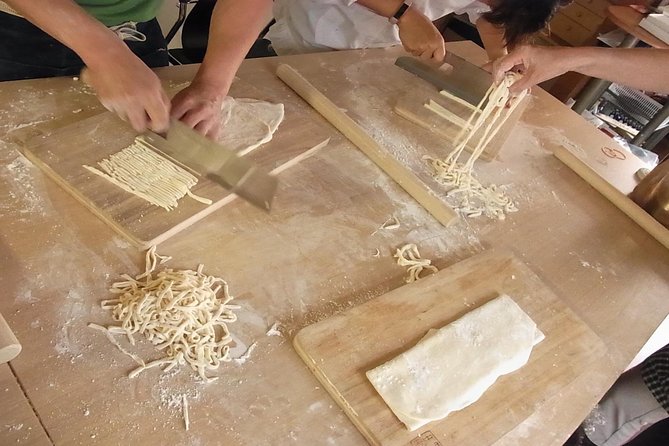
- Private, hands-on instruction so you can actually practice kneading, shaping, and frying steps.
- No shopping required since ingredients and everything you need are included.
- Kanji calligraphy souvenir with your name, written by Masako in a professional style.
- A multi-course meal with drinks so you leave full, not just entertained.
- Udon made from scratch including the knead, rest, cut, and cook steps that change your results at home.
Why this cooking class works in Tokyo
If your Tokyo plan is packed with temples and trains, this class is a clean break. You trade lines and maps for flour on your hands, warm tea in your cup, and a real home kitchen where technique matters.
Masako teaches simple, nutritious family-style cooking that you can recreate later. The class is also structured to keep it fun even if you are not a confident cook, because she walks you through each stage and expects questions. You are not just watching. You are making the food, eating what you make, and learning the small choices that improve texture and flavor.
And that calligraphy moment? It is not just a cute extra. In Japan, it is a visible sign of welcome and respect. Getting your name written in Kanji adds a personal link to the experience that outlives the meal.
More Cooking Classes in Tokyo
- Ramen & Gyoza Cooking Class in Tokyo with Local Supermarket Visit
★ 5.0 · 823 reviews - Tokyo: Easy Ramen Cooking Experience in Kabukicho, Shinjuku
★ 4.6 · 321 reviews - Ramen and Sushi Cooking Class with Sake Pairing Set in Tokyo
★ 5.0 · 291 reviews
Arriving at Masako’s home, tea first, Kanji second
The class meets in Adachi City, Senju, at an address near public transportation. You will start back at the meeting point and end there too, since there is no hotel pickup or drop-off included. Plan on using local transit and then navigating the last stretch at a calm pace.
When you arrive, Masako welcomes you with a cup of green tea. Then she writes your name in Kanji using calligraphy, and she is qualified in the art. This sets the tone right away. It feels like you are being treated as a person, not a ticket number.
One practical tip: be ready to show up on time. A cooking class moves fast, and dough and frying steps do not pause for late arrivals.
The meal plan: four menu choices, and why you should pick yours carefully
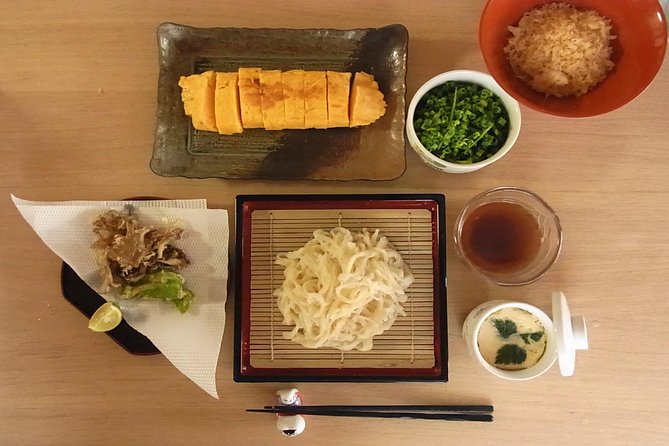
You get to choose among four menu options, and you are asked to message Masako with your preferred meal. The core of the experience centers on Japanese udon noodle making, and most classes also include items like Japanese omelet, tamagoyaki, and tempura.
From what you see in the final spread, the class is designed like a meal. You start with prep and technique, then transition into cooking, then sit down together. You also get the chance to taste alcohol if you choose, since alcoholic beverages are included.
Because you can select a menu, you can tailor the class toward your taste and your comfort level. If you are more comfortable with egg dishes or frying, pick something that matches that. If you want the most udon-focused experience, choose the option that leans hardest into noodle making.
Udon from scratch: knead, rest, cut, cook, and the small tricks you’ll keep
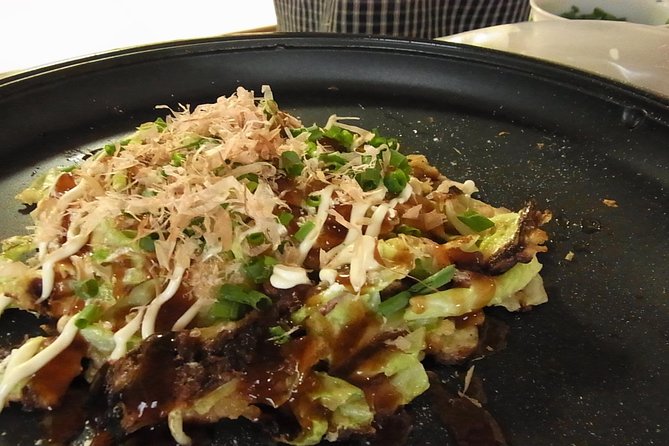
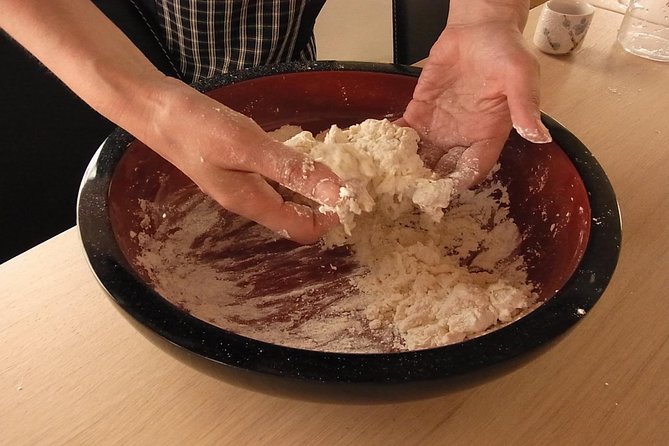
The udon part is the star of the show. You learn how to knead dough and how water ratios and mixing choices affect how the noodles feel after boiling. The hands-on time is a big reason this class gets such strong reactions. You do not just hear about the process, you build the dough yourself.
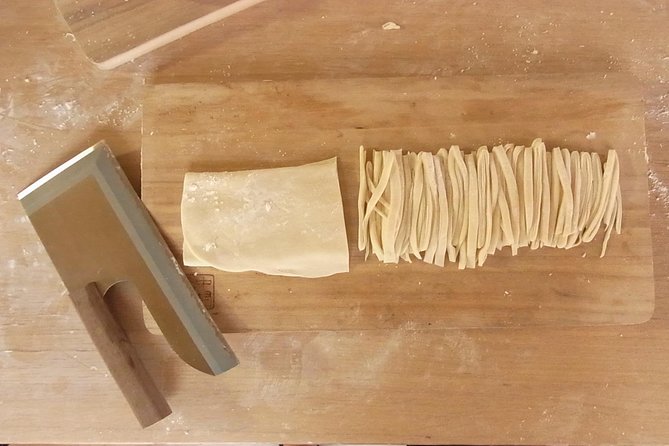
Expect multiple stages. You begin with dough work, then there is resting time, then flattening and cutting so the noodles cook evenly. When you finally boil and serve, it is a real payoff moment because you can compare the texture to store-bought noodles in your head.
The best takeaway here is not one recipe. It is technique. Once you understand kneading and the logic behind resting, you can adapt the approach in your own kitchen later. And if you are bringing back home skills, udon is one of the most practical wins, since it scales well for different broths and toppings.
Soba and Udon Making classes readers book most in Tokyo:
- Experience Big soba knife Soba Making Class in Tokyo Kappabashi
★ 5.0 · 71 reviews - RAMEN Noodle Making Experience! Made from flour in 30min!
★ 5.0 · 49 reviews - Made from flour in 30min! Ramen-noodle Making Experience!
★ 4.8 · 24 reviews - ///Soba Making Experience///Use The BIG Soba-Knife!!
★ 5.0 · 7 reviews
Tamagoyaki and Japanese omelet skills you can repeat at home
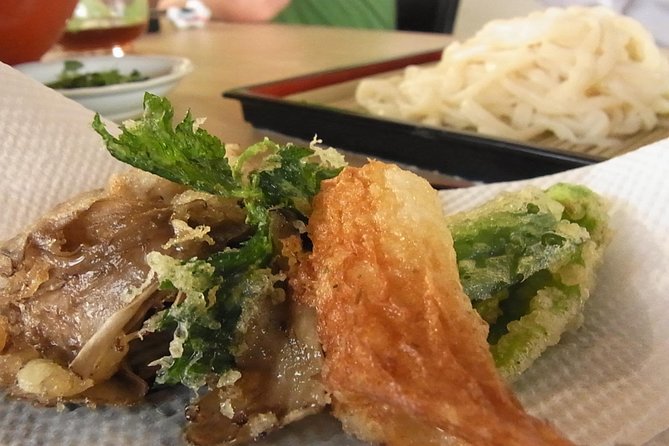
Many classes include a rolled Japanese omelet, often tamagoyaki. The process is fiddly if you have never done it, but that is exactly why a teacher helps. You learn how to manage heat, pour in layers, and roll cleanly without panicking.
A big positive from the experience is how much step-by-step detail Masako gives. Even if your pan skills are rusty, she shows how to move through the sequence. The goal is not perfection on day one, it is understanding what each stage should look and feel like.
Afterward, you eat what you made, so you get immediate feedback. You can taste whether your layers were tender enough, and whether the seasoning balanced well. That is the fastest way to learn.
Tempura and the joy of frying with guidance
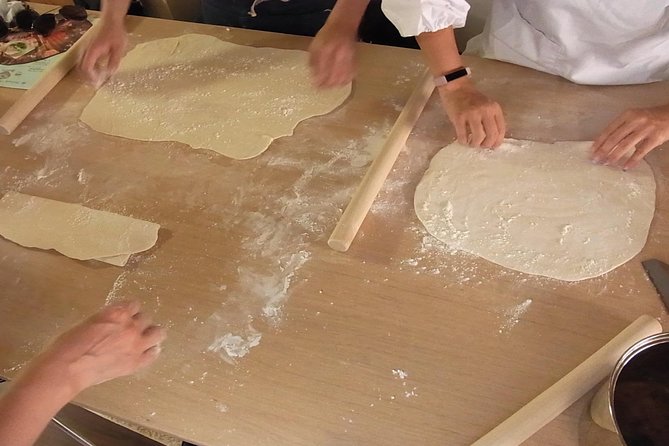
Tempura shows up as another common highlight. You fry vegetables and sometimes shrimp, depending on the menu choice. Tempura can be intimidating because timing and oil behavior matter, but the teaching pace keeps it manageable.
In a home setup like this, you focus on the basics that actually matter: handling batter, working in small batches, and watching for doneness. You also learn what to do if your breading looks off, because you are not left alone with a complicated technique.
Tempura also pairs well with learning because it teaches you contrast. Udon and tamagoyaki rely on dough and eggs, but tempura relies on frying control. That variety keeps the evening interesting, and you end up with multiple dishes that feel like real Japanese comfort food.
Dashi and how the soup ties the whole meal together
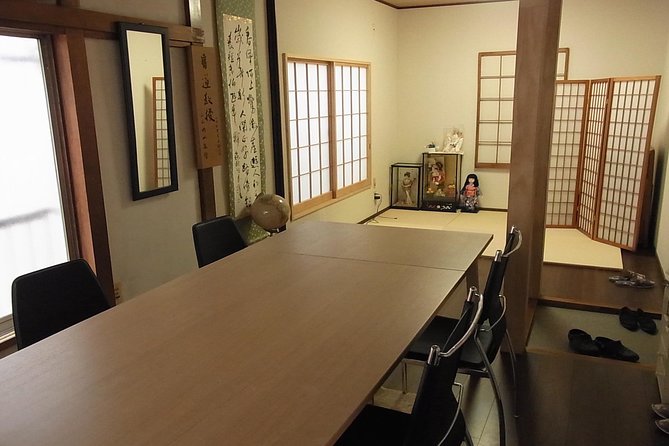
Most udon experiences like this include learning about dashi, the broth used in Japanese cooking. Even if your menu details differ, you should expect that the meal is built around balancing savory base flavors.
This is where Masako’s home-cooking approach shines. She teaches simple and nutritious dishes for family meals, so the flavors are not showy. They are grounded. That makes it easier to repeat at home, because you can aim for the same flavor logic without copying a long list of ingredients.
When you eat the noodles with broth right after cooking them, you quickly understand the purpose of the work you did. The dough and broth become one experience, not separate courses.
Drinks, conversation, and the cultural extras that make it memorable
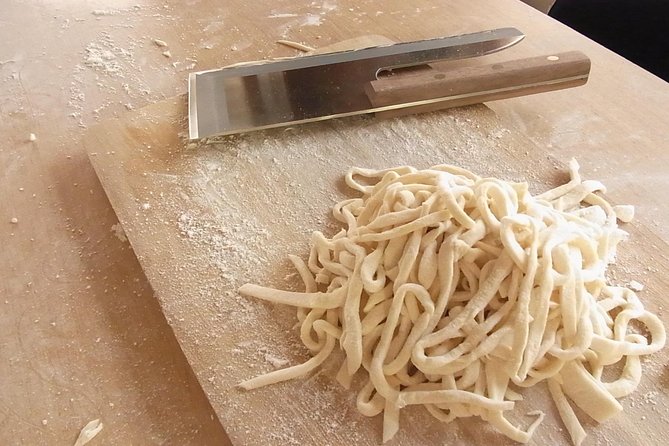
The class includes drinks, including alcoholic beverages. That does not mean it is a party. It is more like a casual evening meal, where conversation and tasting happen while you work.
One of the most appreciated parts is how warm and welcoming the whole setup feels. Masako creates a relaxed environment, and she has a gift for making people comfortable while she teaches. She is also able to handle dietary restrictions, so if you need adjustments, it is worth messaging ahead.
Then come the cultural touches that go beyond the standard souvenir. In multiple accounts, Masako has shared calligraphy beyond the name writing, like making fans with symbols associated with the group. Some classes also include small extras such as origami gifts, and on rainy days she has been known to offer an umbrella so you can get home comfortably.
Those details are not guaranteed for every session, but the overall theme is consistent. You feel cared for, not rushed.
Language support: what to expect with limited English and a translator
Masako speaks limited English, and a translator is listed as part of the experience. In practice, that means you should expect smoother communication on steps, timing cues, and any questions about flavors and ingredients.
At the same time, you might find that she can communicate key points clearly during hands-on cooking. Cooking has a universal language: show, do, correct, taste. Still, if you want to ask lots of questions, count on the translator being your bridge for the discussion parts.
Bring curiosity. If you ask about how to knead, why rest time matters, or how to judge doneness, you will get the most out of the class.
Price and value: what $142 buys you and why it can be worth it
At $142 per person for about 2 hours 30 minutes, this is not a budget activity. But in Tokyo, private, hands-on cooking with an excellent host and a full meal is rarely cheap.
The value comes from three places. First, everything is included, including ingredients and fees, so you are paying for the whole experience rather than adding costs later. Second, you get private teaching support for your group, so you spend the time learning instead of waiting your turn. Third, you leave with both food and a calligraphy souvenir, plus practical technique you can use back home.
If you compare it to a typical market tour plus a restaurant meal, this class gives you more active learning time per dollar. You also get a home-kitchen feel that many city meals simply cannot replicate.
Who should book this class, and who might not love it
This class is ideal if you want an authentic evening in a local home, not a staged demo. It is also a great choice for couples or friends because it is private and you can work together without a larger group slowing things down.
You might love it even if you are a beginner. The teaching pace is built for people who are not expert cooks, and the steps are manageable with guidance. The most important requirement is willingness to get involved, because the class centers on doing the work yourself.
One clear mismatch: if you are traveling with children, Masako does not accept children for safety reasons. So this is an adults-only-style experience.
Quick practical tips before you go
- Plan how you will reach the Senju meeting point, since there is no hotel pickup.
- Message Masako in advance about your menu choice so she can prepare the right flow.
- Go hungry, since you will cook and eat a multi-course meal with drinks.
- Wear something you can move in. Dough work is messy in a fun way.
Should you book Japanese Cooking and Udon Making with Masako?
Book it if you want a hands-on Tokyo experience with real technique, personal hospitality, and a keepsake you will actually bring home. The strongest reasons are the udon from scratch, the step-by-step instruction, and the warm home setting with calligraphy as a meaningful finale.
Skip it only if you need child-friendly programming or you prefer passive sightseeing where you just watch from the side. Otherwise, this is a very solid value for what you get: private teaching, included ingredients, drinks, and the kind of skills that stick.
FAQ
What dishes will we make?
You will learn udon noodle making and you may also prepare Japanese dishes such as tempura and a Japanese omelet, like tamagoyaki. Masako offers four menu choices, and you should message her with your preferred option.
Do we need to buy ingredients?
No. Ingredients are included, and there is no need to shop before the class.
Are drinks included?
Yes. Alcoholic beverages are included, along with the tea welcome.
Where does the class meet?
The meeting point is in Adachi City, Senju, at Japan, 120-0034 Tokyo, Adachi City, Senju, 4-chōme27۵ 長円寺. The activity ends back at the meeting point.
Is hotel pickup provided?
No. Hotel pick up and drop off are not included.
Is there a translator?
Masako speaks limited English, and a translator will be present during your experience.
Newly listed around Tokyo
- Private Tokyo Tour with Licensed Guide & Vehicle (Max 15 persons)★ 5.0 · 107 reviews
- Private Tokyo Food Tour – A Journey Through Time Through Food★ 5.0 · 36 reviews
- Private Tokyo Custom Full-Day Tour by Chartered Vehicle★ 5.0 · 16 reviews
- Private Tokyo Custom Half-Day Tour by Chartered Vehicle★ 4.5 · 13 reviews
- Private Outstanding Nikko Tour with English Speaking Driver★ 4.0 · 11 reviews
- Private Sightseeing to Mt Fuji and Hakone with English Driver★ 5.0 · 51 reviews
- Private Snow Monkeys park Day Trip From Tokyo or Nagano★ 4.5 · 26 reviews
- 4 Day Tour – Mount. Fuji, Tokyo, Hakone, Kamakura and Yokohama★ 5.0 · 19 reviews
Soba & Udon Making Classes, compared.
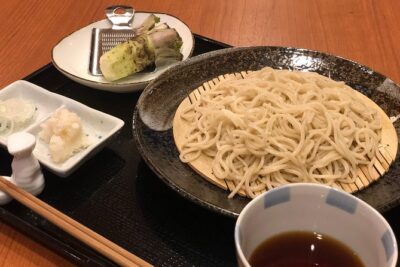
Popular in SapporoExperience authentic hand-made soba at a real soba shop!
Read our review →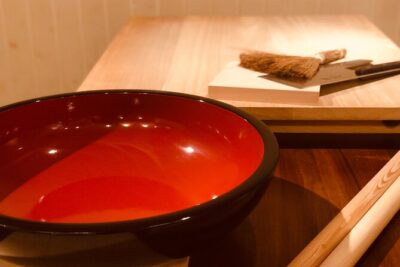
Mondo’s most popular plan! Experience making soba noodles and the king of Japanese cuisine, tempura, in Sapporo!
Read our review →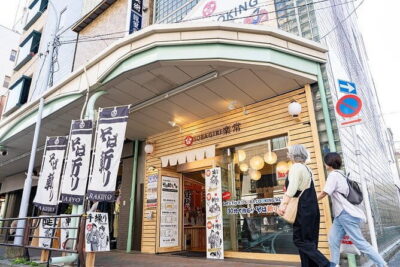
Experience Big soba knife Soba Making Class in Tokyo Kappabashi
Read our review →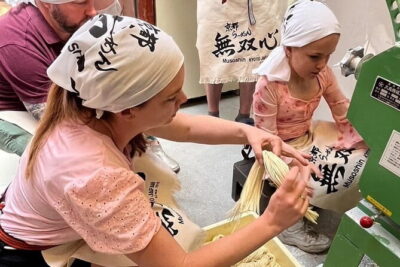
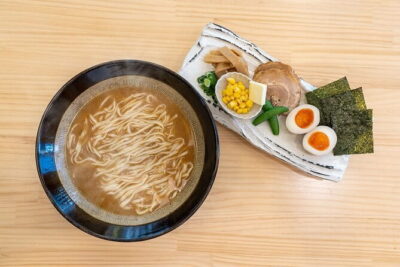
RAMEN Noodle Making Experience! Made from flour in 30min!
Read our review →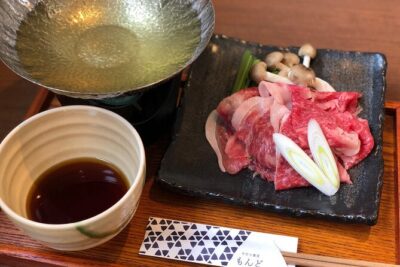
in Sapporo! Hand-made soba experience and shabu-shabu experience plan of Yezo deer meat (Gibier meat) from Hokkaido
Read our review →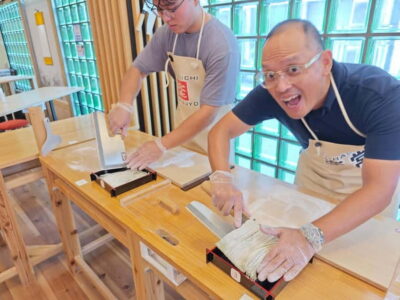
Made from flour in 30min! Ramen-noodle Making Experience!
Read our review →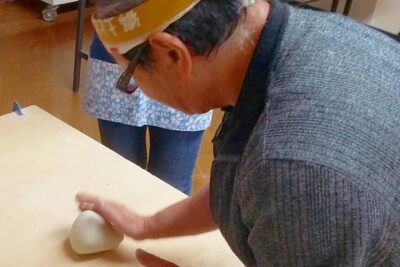
Browse the lists this tour appears in