
Review · WALKING TOURS
Private Ginza Architecture Walking Tour
Ginza looks polished from the street, but it changes when someone points out why. This private walk pairs architecture and culture in a way that feels made for you, and you move at your pace. I liked the small-group feel and the free-entry stops, though one thing to watch is that a few parts are more about viewpoints than full building time.
You get a licensed guide who teaches in English and can tailor the route to your interests and knowledge base. That matters in Ginza, where modern glass towers sit next to older landmarks, and the most interesting details are often high up or hidden behind facades. The tour also includes a cozy drink pause along the way, which helps keep a 3.5-hour walk from feeling like a slog.
Here’s the practical catch: you cover ground on foot with a moderate fitness level, and the schedule includes a mix of inside visits and outside viewing (for example, some brand areas are “view from outside”). If you only want nonstop modern-architecture interiors, tell your guide what you want early and be ready to do some looking up.
In This Review
- Key things I’d zero in on
- Why Ginza architecture feels different up close
- Private, licensed, English-speaking, max 5 people
- From Tsukiji station area to Ginza 4-chome: how the route flows
- Stop-by-stop: what you’ll actually do and why it matters
- Ginza streets to the first architectural viewpoint
- Tsukiji Hongwanji Temple: inside for context
- Kabukiza Theater: features inside, short and focused
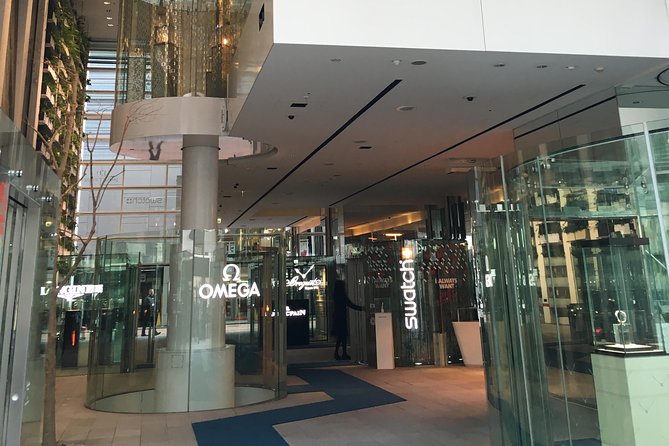
- Nicolas G. Hayek Center: a modern interior stop
- Toyoiwa Inari Shrine: quick stop, meaningful detail
- Ginza Maison Hermes Le Forum: inside with brand architecture
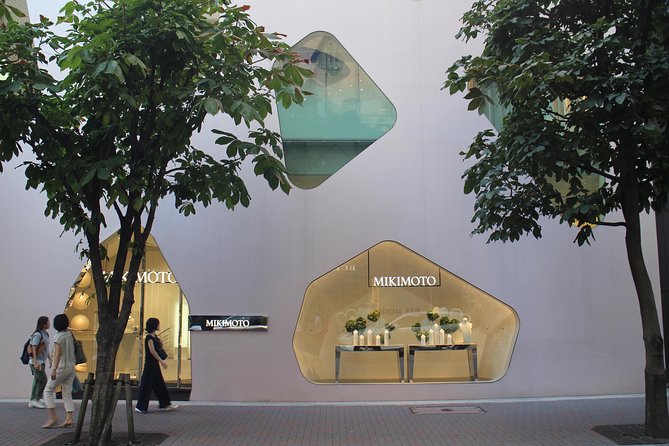
- Mikimoto Boutique Ginza 2chome: very short, if time allows
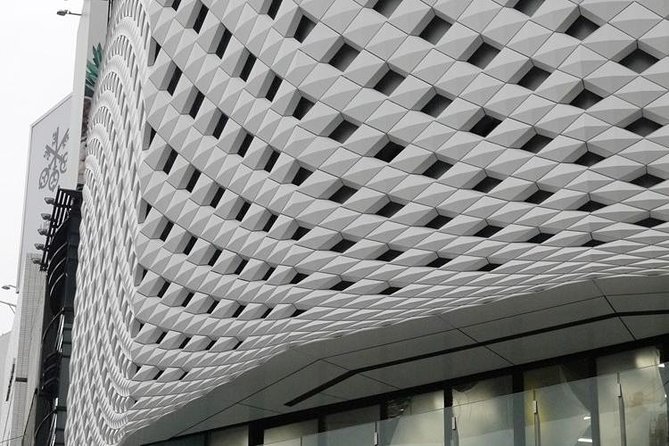
- UNIQLO Tokyo: view from outside
- Mikimoto Ginza 4chome Honten and Wako Ginza: outside views with character
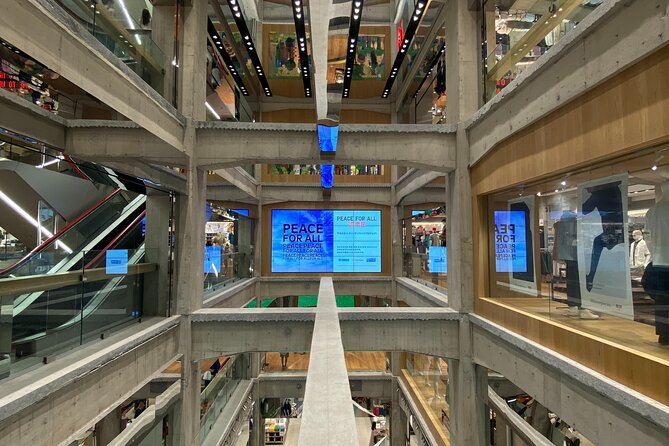
- Okuno Building: inside for a final architectural payoff
- The drink pause: small break, big payoff
- Price and value: what $132.10 buys you
- What to expect from the guide experience
- Who this tour suits best
- Should you book this Ginza architecture walking tour?
- FAQ
- How long is the private Ginza architecture walking tour?
- Is this tour private or shared with strangers?
- What language is the tour offered in?
- Do I need to pay for admission tickets at the stops?
- Where do we meet for the tour?
- Where does the tour end?
- Is hotel pickup and drop-off included?
- Can I cancel for a full refund?
Key things I’d zero in on
- Private and customizable: Your guide adjusts the walk to your interests and comfort with the topic.
- Up close, not just at eye level: Guides steer your attention to facades and details you might otherwise miss.
- Free entry at the listed stops: Temple, theater, center, shrine, and multiple Ginza buildings are listed as admission ticket free.
- Two departure times: You can choose what fits your day better in Tokyo.
- Max 5 people: Small enough for questions without constantly waiting for the group.
- Ends in central Ginza: You finish at Ginza 4-chome in front of Mitsukoshi, easy to keep exploring after.
Why Ginza architecture feels different up close
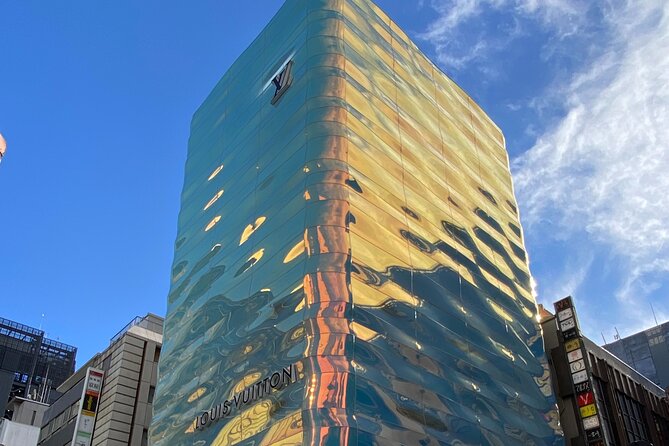
Ginza is Tokyo at full volume. It’s famous for luxury shopping, but the architecture is doing more than showing off brands. On this tour, you see how the district mixes newer, statement-building design with historic cultural anchors, then you connect those choices to the streets and public spaces around them.
The biggest shift for me is how your eyes learn a new habit. Instead of just walking forward, you’re encouraged to notice what’s happening vertically and at street corners, where building shapes, entrances, and materials create a story. That is exactly the sort of thing a guide can translate in plain English, without making it feel like a lecture.
Also, Ginza can be intimidating if you try to plan it alone. This tour reduces that stress by taking you from one cultural landmark to the next, then adding the “why” behind what you’re seeing.
More Walking Tours in Tokyo
- Tokyo Tsukiji Fish Market Food and Culture Walking Tour
★ 5.0 · 3,184 reviews - Tokyo: Shinjuku Local Bar and Izakaya Guided Walking Tour
★ 4.9 · 1,794 reviews - Tokyo: Tsukiji Fish Market Food and Walking tour
★ 5.0 · 1,724 reviews
Private, licensed, English-speaking, max 5 people
This is a private tour, limited to a maximum of 5 people per booking. That small size is a real value, because you can ask questions, ask for slower pacing, or steer the guide toward the type of architecture you care about most.
You also get English-language guidance focused on architectural, cultural, and historical context. It’s not just a route with facts dumped at you. The guide is there to personalize, so if you’re new to architecture, you’ll get the basics in a way that makes sense, and if you already travel with an architectural eye, you can push for deeper explanations.
Two departure times are offered, which helps if your Tokyo day is already tight. It also means you can avoid the feeling of rushing through Ginza just to make one fixed slot.
One more practical detail: there’s no hotel pickup or drop-off. You’ll start at a specific meeting spot in Tsukiji and finish in Ginza, so plan to arrive on your own via public transportation.
From Tsukiji station area to Ginza 4-chome: how the route flows
The tour begins at the Tsukiji meeting place near Tsukiji Station, 3-chōme, with the exact note pointing to Exit 1. The address listed is Tsukiji, Chuo City, Tokyo, 104-0045, 3-chōme, and it’s described as near that exit.
You end in central Ginza, at the Ginza 4-chōme intersection, in front of Mitsukoshi department store. That end point is convenient because it puts you back in the thick of shopping streets and major cross streets. Even if you don’t plan to buy anything, it’s an easy area to navigate afterward.
The walking time adds up to about 40 minutes between sites, inside a total tour length of roughly 3 hours 30 minutes. You’re not sprinting. The schedule is built around short segments, plus time to go inside and look around.
If you’re doing this on a day with lots of transit hops, I’d treat it like a focused half-day experience. You’ll get the most out of it when you’re not trying to cram another distant neighborhood immediately after.
Stop-by-stop: what you’ll actually do and why it matters
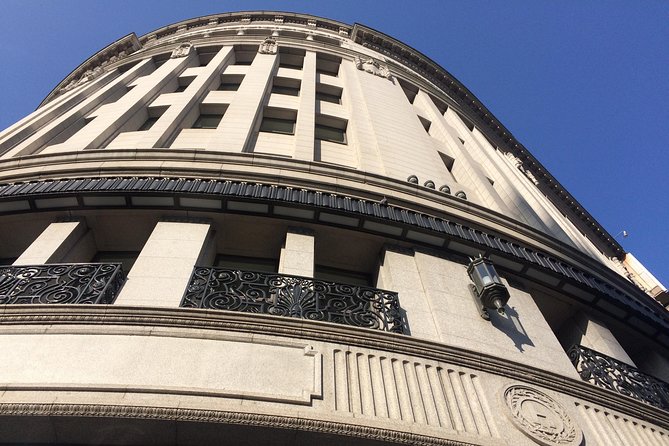
This walk is structured as a sequence of short visits with free entry at each listed indoor stop, plus a few “view from outside” segments for certain shopping buildings. That mix is useful because it keeps the tour from feeling like only museums, only temples, or only brand-heavy streets.
Also, the guide can personalize emphasis. So even within the same stops, the story you hear can shift based on your interests.
A few more Tokyo days to weigh up
- Tokyo: Asakusa Walking Tour with Sensoji Temple Visit
★ 4.8 · 1,583 reviews - Tokyo: Tsukiji Fish Market Guided Walking Tour
★ 4.9 · 1,397 reviews - Tokyo Castle & Imperial PalaceーShogun Walking Tour
★ 4.7 · 1,068 reviews - Tokyo: Imperial Palace Japanese History Walking Tour
★ 4.9 · 987 reviews
Ginza streets to the first architectural viewpoint
You start in Ginza, then move from site to site. Because the early segment sets the tone, I’d be ready to look up and slow down mentally right away. This is where a good guide helps you connect street layout to building design, so later stops click faster.
Tsukiji Hongwanji Temple: inside for context
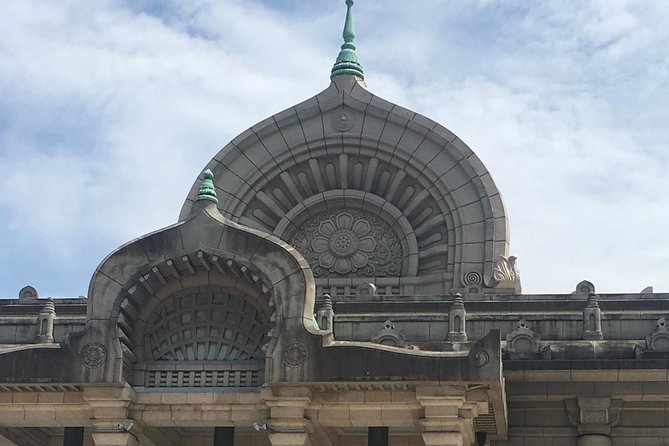
Next you visit Tsukiji Hongwanji Temple. The tour description says you will go inside to see and learn about the temple, with about 10 minutes planned.
Even with only 10 minutes, the value is the contrast. Ginza is often read as modern and commercial, but stepping into a temple space adds cultural context and a different pace of atmosphere. It also gives your guide a chance to frame how Tokyo’s built environment carries layers of meaning.
Practical tip: temples and quiet interiors can mean fewer places to linger for photos. Keep your expectations about pictures realistic and focus on understanding what the guide points out.
Kabukiza Theater: features inside, short and focused
After that comes Kabukiza Theater. You’ll go inside to enjoy its features for about 20 minutes, also listed with admission ticket free.
This stop is a strong reminder that “architecture” in Tokyo isn’t only about skyscrapers and shopping facades. Cultural buildings have their own design logic, and the guide’s architectural and historical framing can help you see the building as a space meant for a specific kind of experience.
Nicolas G. Hayek Center: a modern interior stop
Then you move to the Nicolas G. Hayek Center, with around 15 minutes planned and an inside visit. This is one of the stops that keeps the tour grounded in contemporary design.
For many people, the most enjoyable part of a neighborhood architecture walk is the rhythm of old-meets-new. Temple, theater, then a design-focused center gives you that beat pattern without making any single stop feel too long.
Toyoiwa Inari Shrine: quick stop, meaningful detail
You’ll spend about 5 minutes at Toyoiwa Inari Shrine, going to enjoy it. With such a short visit, the goal is not a deep research outing. It’s a fast hit of local religious architecture within the overall Ginza framework.
If you like your tours to be dense with different building types, this quick shrine stop is a good fit. If you’d rather linger, just ask your guide if there’s time to slow down around this particular site.
Ginza Maison Hermes Le Forum: inside with brand architecture
Next is Ginza Maison Hermes Le Forum, planned at about 15 minutes, and you will go inside to enjoy its features. This is clearly a luxury-architecture moment, tied to Ginza’s identity.
This stop is helpful even if you don’t shop. It’s a chance to see how big brands and high-end designers shape public-facing design language, and how that language changes when you step from street glare into interior spaces.
Mikimoto Boutique Ginza 2chome: very short, if time allows
You then have a brief segment at Mikimoto Boutique Ginza 2chome, about 5 minutes, and the plan says you will go inside if there is time. That “if we have time” detail means you should treat it as a bonus, not a guaranteed feature of your day.
If this stop is a must for you, tell the guide at the start. A good guide can sometimes adjust emphasis earlier if the group keeps good pacing.
UNIQLO Tokyo: view from outside
You’ll spend about 10 minutes at UNIQLO Tokyo, but the description says you view from outside. This one works as a reality check. Not every architectural story in Ginza is about private interiors or high-ticket entry points.
Outside viewing also means you’ll be more dependent on what your guide can point out quickly. If you like visual analysis, this stop can still be fun, but you won’t get the same inside-explanation depth as the temple or theater.
Mikimoto Ginza 4chome Honten and Wako Ginza: outside views with character
Two more outside-view segments follow: Mikimoto Ginza 4chome Honten (about 5 minutes) and Wako Ginza (about 10 minutes). Both are described as view from outside to enjoy features.
This part of the walk is where you’ll likely notice signage, building frontage, and how entrances connect to foot traffic. It’s a good time to slow your steps and let the guide do the “look up here” work.
If you’re traveling with someone who wants maximum interior access, you might feel less satisfied here. For most architecture lovers, though, frontage detail is half the point.
Okuno Building: inside for a final architectural payoff
You finish the main cluster with Okuno Building, planned for about 10 minutes, going inside to enjoy its features. This last interior stop helps close the loop by returning to the “step inside and see” experience.
A final indoor visit is smart for a walking tour, because it lets the guide wrap up themes and point out what you should take away from the whole district, instead of ending on a simple photo-op street view.
The drink pause: small break, big payoff
One included feature is a cozy pause with drinks along the way. You’ll likely appreciate it more than you think, because 3 hours 30 minutes is just enough time for walking fatigue to creep in.
This break also keeps your attention fresh for the next few stops. Instead of rushing into an interior visit, you reset your energy, then come back ready to take in details.
If you’re sensitive to pace, ask your guide to plan your timing around the drink pause. The tour is at your own pace, which usually means you can find a comfortable rhythm for your group.
Price and value: what $132.10 buys you
At $132.10 per person, this tour is not a bargain-basement activity, but it also isn’t priced like a premium-only luxury day. The value comes from a few specific things you’re actually getting.
First, it’s private with a licensed local guide, and the group size is capped at 5. That means you’re paying for time with a person who can tailor the walk, answer questions, and steer you to details that matter.
Second, multiple stops are listed as admission ticket free. That matters because it reduces the mental load of adding extra costs mid-day.
Third, it’s roughly 3.5 hours with two departure times, so you’re buying a focused half-day in one of Tokyo’s most design-heavy neighborhoods. If you were to do the same mix of cultural sites plus shopping-area architecture on your own, you’d spend a lot more time figuring out what to prioritize.
What might make it feel expensive to some people is the walking element, plus some outside viewing segments. If you want a tour that is mostly inside time at every stop, you may not feel the cost matches the time you spend behind doors.
What to expect from the guide experience
You should expect a guide who can explain architecture, culture, and history in English, and who personalizes the walk to your interests and knowledge base. That personalization is what turns a simple route into a real learning experience.
From the names associated with this tour, you might see guides like Yoko, Yuki, Taka Yamamura-San, Yoshi, Mari, Eriko, Makoto, and Haruka. The common theme behind the praise is clear communication, friendliness, and tailoring the discussion so it fits the group.
One more thing: if English is important to you, this is a good tour to use as an opportunity to ask for clarity early. Even strong guides can vary in how they choose depth and pace, so your best move is to tell them what you want to hear, right at the start.
Who this tour suits best
This is a strong fit if you want an organized way to see Ginza’s mix of modern and historic architecture without getting lost or overwhelmed. It’s also great if you like asking questions and comparing building styles in a neighborhood context.
It’s a good match for first-time Tokyo visitors who want a more interpretive way to see Ginza, and for repeat visitors who have already seen the big sights but want a better lens on the city.
If your group has very limited mobility, keep in mind the tour includes walking and requires a moderate physical fitness level. And if your definition of architecture tour is only interiors and deep museum-style explanations, you may need to ask the guide to emphasize what you prefer during the outside viewing portions.
Should you book this Ginza architecture walking tour?
Book it if you want a private, small-group way to understand Ginza as more than shopping streets. The mix of temple, theater, shrines, and major Ginza buildings, paired with a customizable English guide and free-entry stops, makes it a smart value for people who like architecture with cultural context.
Skip it or reconsider if you hate walking, need hotel pickup, or only enjoy long inside visits. This tour is built as a balanced neighborhood walk, so you get both interiors and outside viewpoints.
If you decide to go, do one simple thing that makes the biggest difference: tell your guide what you care about most before the first stop. That’s when personalization stops being marketing and starts shaping the whole experience.
FAQ
How long is the private Ginza architecture walking tour?
It is approximately 3 hours 30 minutes, including walking between sites and time at each stop.
Is this tour private or shared with strangers?
It is a private tour/activity. Only your group participates, with a maximum of 5 people per booking.
What language is the tour offered in?
The tour is in English.
Do I need to pay for admission tickets at the stops?
The listed stops show admission ticket free for each site on the route.
Where do we meet for the tour?
The start meeting place is near Tsukiji Station, 3-chōme, Exit 1. The address is Tsukiji, Chuo City, Tokyo, 104-0045, 3-chōme, 151 築 地 駅 1番出口付近.
Where does the tour end?
The tour finishes at the Ginza 4-chome intersection in front of Mitsukoshi department store.
Is hotel pickup and drop-off included?
No. Hotel pickup and drop-off are not included.
Can I cancel for a full refund?
Yes. You can cancel up to 24 hours in advance for a full refund. If you cancel less than 24 hours before the start time, the amount paid will not be refunded.
Newly listed around Tokyo
- Ramen and Gyoza Cooking Class in Tokyo★ 5.0 · 21 reviews
- Real-Life Anime Pilgrimage Tour Shibuya Incident★ 5.0 · 7 reviews
- Get Unique Insights into Tokyo – Private Tour with local Guide★ 5.0 · 195 reviews
- Ramen Tasting – Mini Bowl Ramen Tour★ 5.0 · 127 reviews
- Cozy Tokyo Class: Ramen, Sushi, Sake Pairing & Cultural Exchange★ 5.0 · 74 reviews
- Private Tokyo City tour With English Speaking guide★ 4.5 · 26 reviews
- REAL, All-Inclusive Tokyo Food and Drink Adventure (leave the tourists behind)★ 5.0 · 25 reviews
- Private tour Tokyo – The Harmony of Modernity and Tradition★ 5.0 · 24 reviews
Walking Tours, compared.
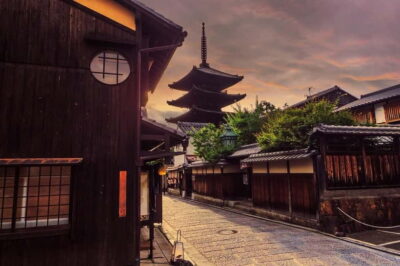
Kyoto Geisha Walking Tour: Gion District & Hidden Gems
Read our review →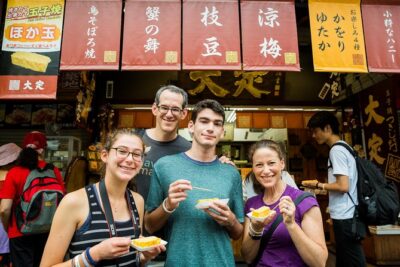
Tokyo Tsukiji Fish Market Food and Culture Walking Tour
Read our review →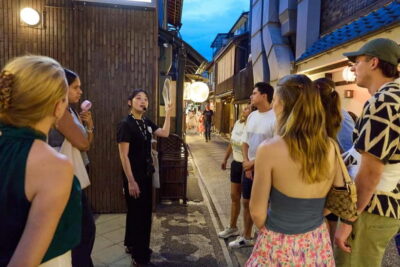
Gion Geisha District Walking Tour – Stories of Geisha
Read our review →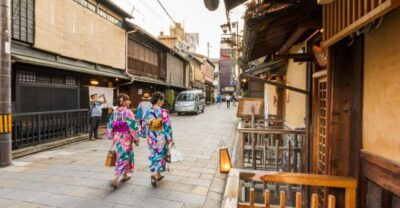
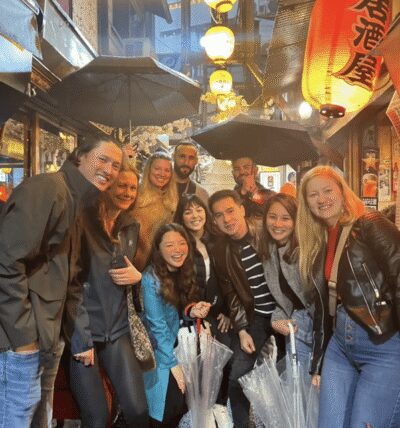
Shinjuku Local Bar and Izakaya Guided Walking Tour
Read our review →
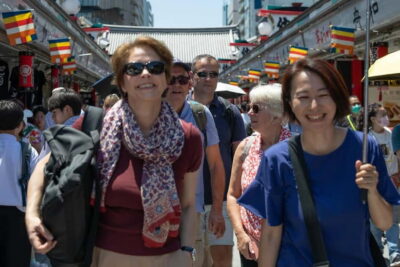
Asakusa Walking Tour with Sensoji Temple Visit
Read our review →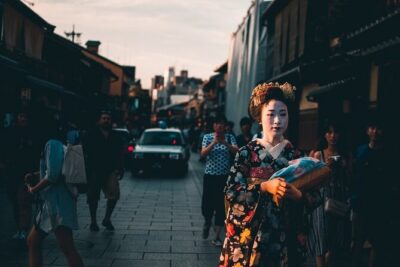
Kyoto Gion Geisha District Walking Tour – The Stories of Geisha
Read our review →Browse the lists this tour appears in