
Review · RAMEN TASTING TRIPS
Kyoto Michelin Ramen Workshop or Painting Ramen Essentials
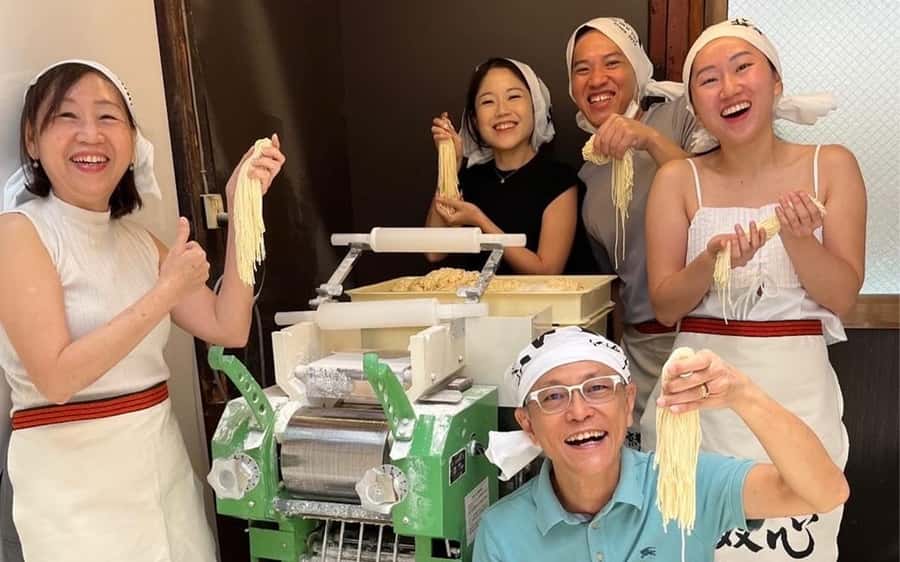
Kyoto ramen gets real when you make it yourself. This Musoshin Ramen workshop is tied to a Michelin-nominated operation, and the class is built around the same core method the brand uses in Kyoto and Toronto. I love that you get hands-on noodle making plus a clear path to recreating the basics later, and I also love that the long soup process and handmade components are part of the story.
One thing to consider, the room is described as very small, so if your group size is on the bigger side, you may feel a bit cramped during the busiest moments.
In This Review
- Key highlights worth planning around
- Michelin-minded Musoshin in the heart of Kyoto
- What you do during the class: paint first, then build ramen
- Inside the Musoshin method: overnight noodles and 12-hour soup
- Classroom energy with guides like Shin, Koki, and Makoto
- Ramen bowl painting and the free kiln-baked souvenir
- Eating right after: why the restaurant connection matters
- Vegetarian and vegan options, plus celiac support in real life
- Family-friendly in practice, with one real space warning
- Price, value, and what’s included in the $54
- Timing your Kyoto day: how to fit this without stress
- Should you book Musoshin’s ramen workshop in Kyoto?
Key highlights worth planning around
- Noodles and broth are made with serious timing: noodles sit overnight, soup is made for 12 hours.
- Optional kiln-baked souvenir: design a bowl and pick it up the next day (free option).
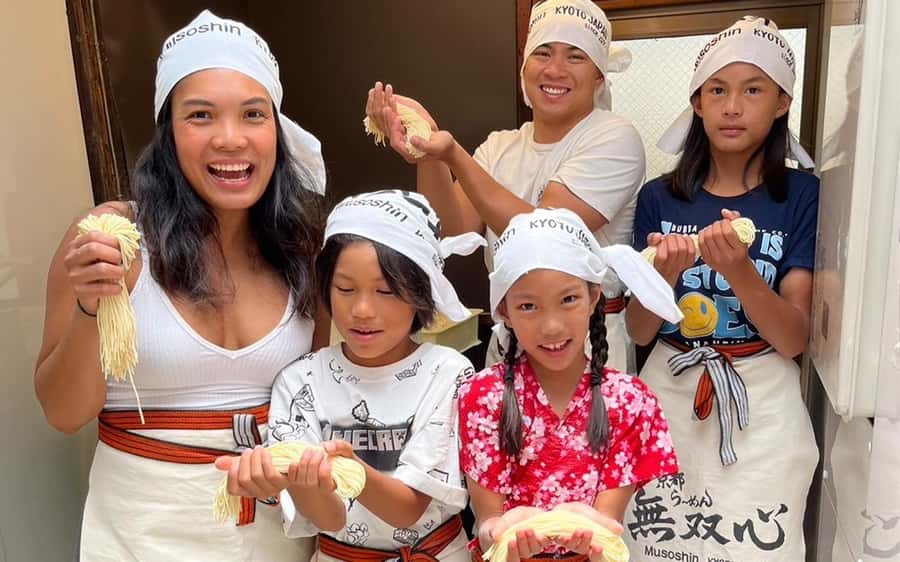
- Family-friendly, hands-on focus: about an hour of noodle making, plus a relaxed painting element depending on your option.
- Dietary accommodations show up in real life: one review notes celiac support with gluten-free noodles and a separate soup.
- You’re not just learning, you’re eating: the workshop works with the brand’s ramen restaurant setup.
Michelin-minded Musoshin in the heart of Kyoto
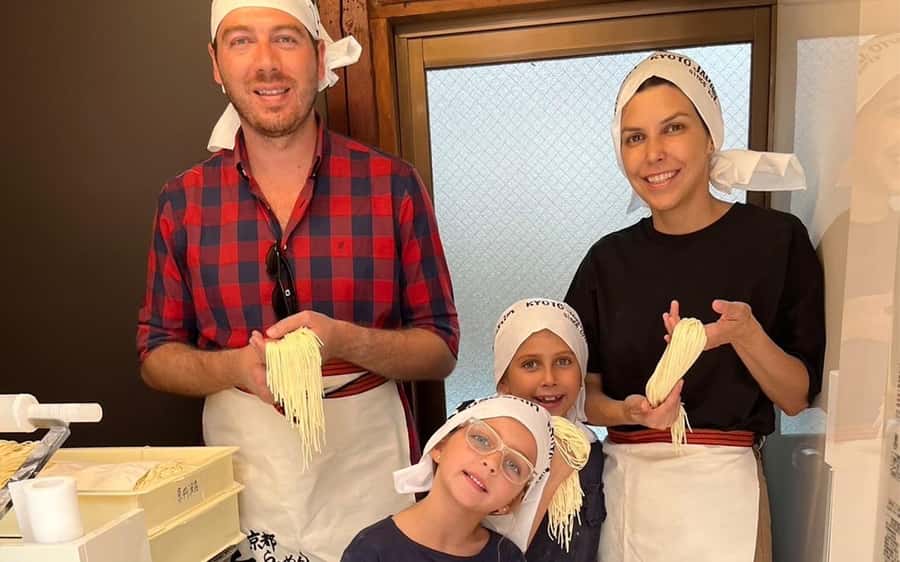
This class is run by Musoshin Ramen, a Kyoto-born brand that started in 2022. Today it has six restaurants across Kyoto and Toronto, and the Toronto location has been nominated for Michelin for three straight years. That matters because it signals the kitchen standards behind what you taste and what you learn.
Also, this workshop is positioned as uniquely connected to the restaurant itself. You’re not only getting a classroom style demo. You’re learning inside a ramen workflow, then eating ramen made with the same deep-focus approach the team follows. That rhythm is why this works so well for couples and families, and why it tends to be a standout stop during a Kyoto food day.
The cost is $54 per person, and you should think of it as more than a cooking class fee. You’re paying for access to a Michelin-nominated kitchen mindset, the instructor support, the ingredients and tools for making, and a meal at the restaurant with a drink included. For many people, that makes the class feel like excellent value, not just a novelty.
More Ramen Trips in Kyoto
- Ramen Cooking Class at Ramen Factory in Kyoto
★ 5.0 · 1,937 reviews - Kyoto: Ramen Cooking Class at a Ramen Factory with Souvenir
★ 4.9 · 532 reviews - Kyoto: Ramen, Gyoza, and Onigiri Cooking Class
★ 5.0 · 445 reviews
What you do during the class: paint first, then build ramen
Your exact flow depends on which option you book, but the experience has a consistent core. You’ll spend time making ramen noodles with staff guidance, and you’ll also get a creative painting element in the “Ramen Essentials” style. One review describes a 50/50 split between painting and ramen assembly time, so expect a balanced, not-too-long session.
Here’s what the workshop is aiming for in practical terms:
- Hands-on noodles: You will work through multiple steps. Reviews mention rolling out dough and using a noodle machine, with guides explaining each stage and helping you stay involved.
- Painting to personalize: People talk about painting bowls and also painting spoons. If your option includes spoon or bowl decoration, you’ll get a chance to make your own look before you eat.
- Ramen assembly and tasting: After the hands-on work, you get to enjoy ramen at the Musoshin restaurant. Multiple reviews call it the best ramen they had during their trip.
One useful detail: the brand uses real recipes and real timing behind the scenes. That means you’re not just mixing ingredients. You’re learning why the process is built that way, which is what helps if you want to actually make ramen later at home.
Inside the Musoshin method: overnight noodles and 12-hour soup
If you want a reason this tastes like more than a class meal, it’s the method. Musoshin insists on making ingredients in-house, and the workshop explains that approach directly.
Key parts of their method include:
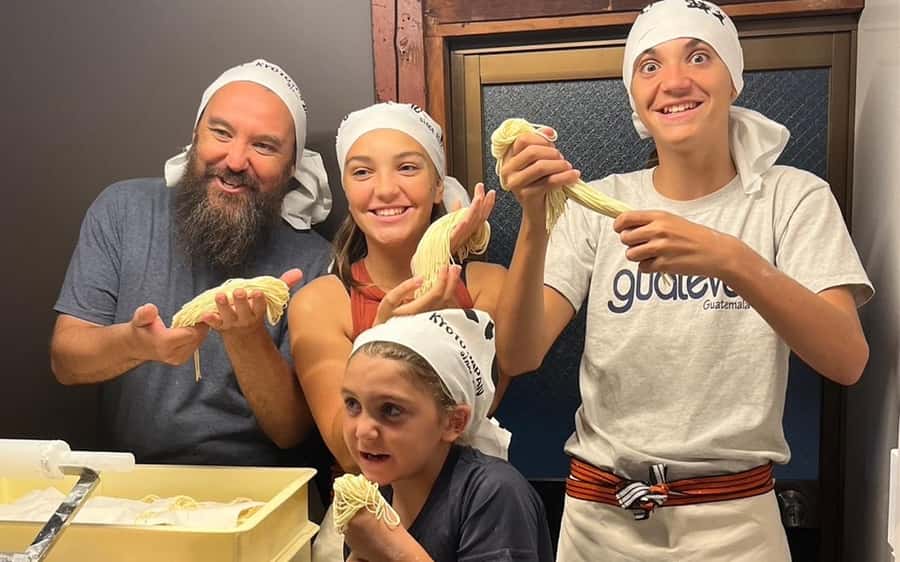
- Noodles made daily: Noodles are made every morning in the shop.
- Overnight resting: The noodles are then left to sit overnight to use the next day. That resting step matters because it helps the noodles develop texture and consistency, so they cook up with better bite.
- Soup simmered for 12 hours: The ramen soup is made for 12 hours. Long cooking time is where flavor depth comes from, especially for brothy styles where you want layered taste rather than a quick stock.
- Handmade components: Their ramen soy sauce and roast pork are handmade.
What I like about how the workshop frames this is that it turns ramen from something you order into something you can understand. When you know the noodles rest and the broth takes half a day, your taste buds start reading the dish differently. You can taste effort in the texture and the aroma, not just saltiness.
It also helps the workshop feel consistent across locations. The brand says the recipe is the same between Kyoto and Toronto, so if your trip includes both cities, the learning won’t feel disconnected.
Classroom energy with guides like Shin, Koki, and Makoto
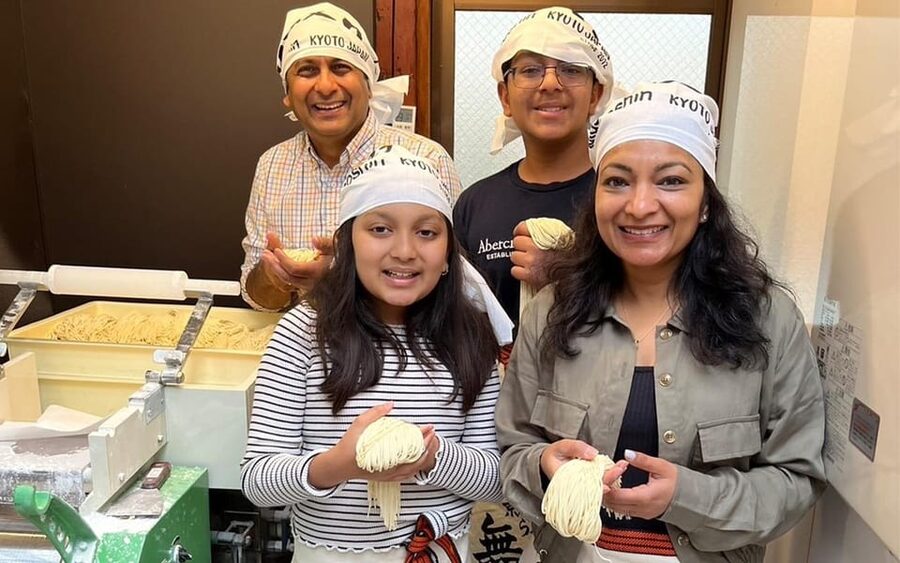
One big reason people rave about this workshop is the teaching style. The instructors are repeatedly described as kind, patient, and supportive, with an emphasis on keeping you involved instead of watching from a distance.
Names that show up in reviews include Shin, Koki, Makoto, Momo, Shima, Yaya, Pati, and Patti. Different guides bring different humor and pacing, but the through-line is the same: clear step-by-step help and a friendly vibe.
You’ll also likely get photo attention. Reviews mention that guides took lots of photos, and Shin in particular took a picture of participants with their finished product. That’s a small thing, but in practice it makes a memorable meal even more shareable, especially if you’re traveling with family.
A different sort of day in Japan:
- PERFECT KYOTO 1-Day Bus Tour
★ 5.0 · 13,518 reviews - Kyoto: Fushimi Inari, Kinkakuji, Bamboo Grove 1 Day Bus Tour
★ 4.8 · 4,316 reviews - Kyoto: Tea Ceremony in a Traditional Tea House in Kiyomizu
★ 4.9 · 3,519 reviews - Kyoto Geisha Walking Tour: Gion District & Hidden Gems
★ 4.7 · 3,273 reviews
Ramen bowl painting and the free kiln-baked souvenir
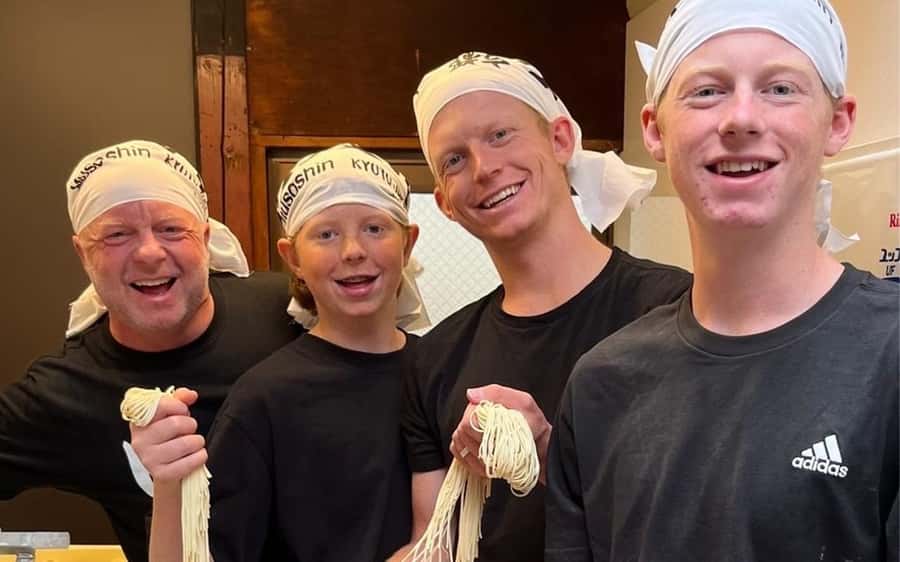
The painting part is not just decoration. It gives you something tangible to take home from Kyoto, and the workshop adds a real upgrade if you choose the bowl option.
If your package includes bowl design, you can bake your custom-designed bowl in a kiln for free, then pick it up the next day. That turns your artwork into an actual usable souvenir, not just a temporary craft item.
A few practical tips from the experience descriptions:
- If you use pink, apply it thickly so it shows up properly on the finished piece.
- If you like a calm break from cooking, painting is often described as relaxing, especially for kids and anyone who enjoys a slower task.
People also mention painting spoons as part of the workshop. When that’s included in your option, you’ll get a chance to make a personalized set piece before you move on to ramen prep.
And yes, there are branded items you can use or purchase. The class includes a Musoshin bandana used in the workshop. There are also options like a Musoshin ramen spoon, bowl, and apron. One review notes that buying an apron costs 3,000 yen, which can help you budget if you want the full set.
Eating right after: why the restaurant connection matters
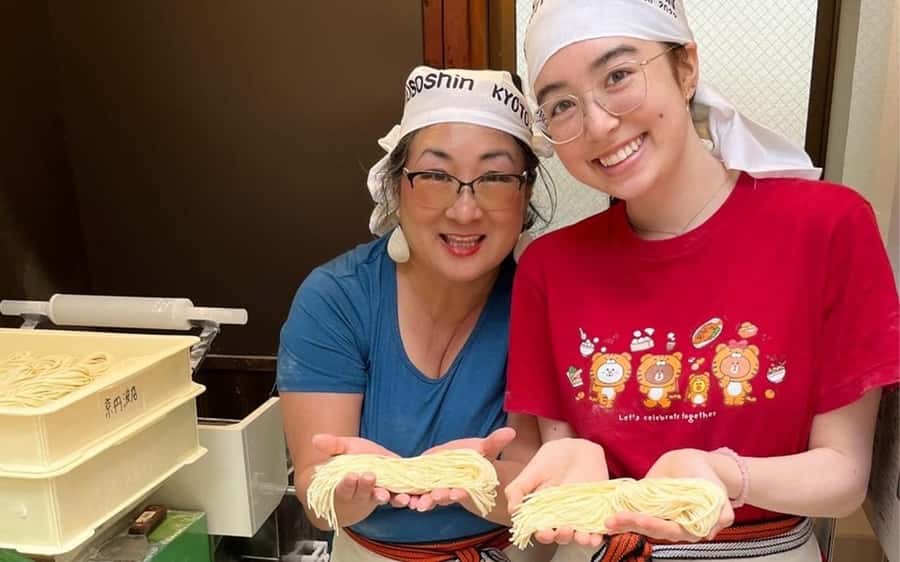
A lot of food classes end with you cooking, then leaving to find dinner elsewhere. This one keeps the timing tight and the location relationship close.
Reviews describe a very short walk to the small restaurant where the ramen soup is served after class. That makes the experience flow smoothly. You’re hands-on working with noodles, then you eat the payoff without losing momentum.
The included meal also makes the class feel more complete. Your drink comes with the restaurant portion, and you get to compare what you learned with how the final bowl tastes.
What you might order depends on preferences, but the consistent message is that the ramen is excellent. People specifically mention different styles like black ramen and even add-ons like fried chicken at the restaurant, but the main point is the same. Your work ends with a bowl that delivers on flavor, not just a “class tasting portion.”
Vegetarian and vegan options, plus celiac support in real life
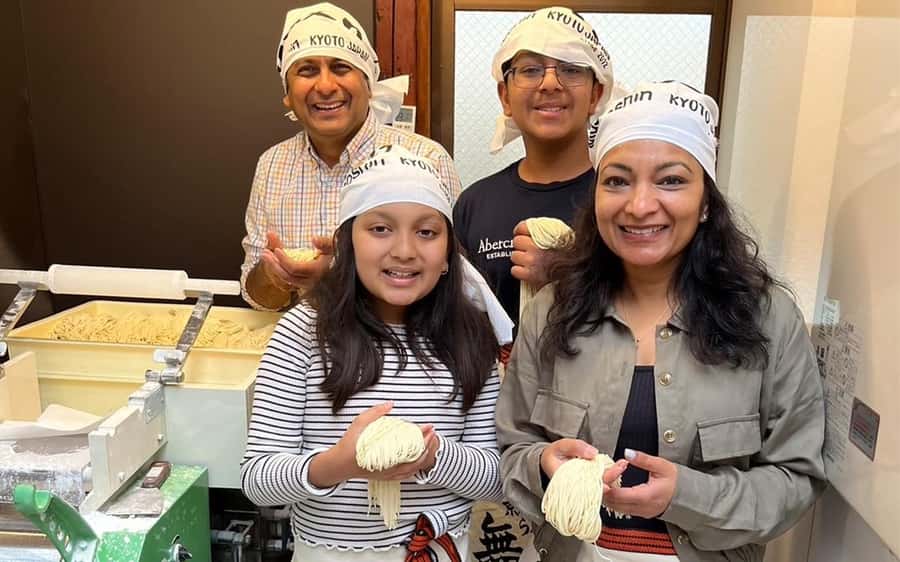
If you eat differently, this workshop is unusually considerate for a hands-on class.
The workshop offers vegetarian and vegan ramen options. That’s a major plus for families traveling with different diets, because everyone can participate and still eat what’s being served.
Gluten needs can be tricky in cooking classes, but one review gives a helpful signal. A participant with a child who has celiac disease had special gluten-free noodles prepared, and the soup was also handled separately so the child could enjoy the meal. That’s encouraging, but because it’s based on a review, I’d still email ahead to confirm how they handle gluten-free details for your group.
Bottom line: there’s evidence of real accommodations, not just a vague menu note. That’s the kind of detail that can save a stressful meal during a trip.
Family-friendly in practice, with one real space warning
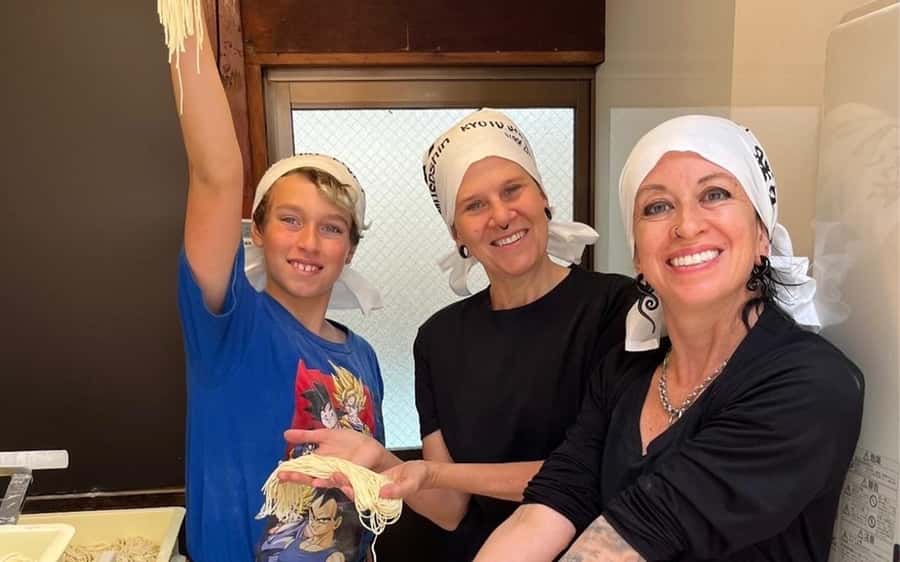
This is one of the strongest “family day” activities in Kyoto that focuses on actual cooking steps. Reviews repeatedly describe it as good for kids and teens, and one person says a 9-year-old wanted to rate it 1,000 stars. Another mentions a 4-year-old joining, and several talk about sisters, brothers, and multi-age groups enjoying both the noodle work and the painting.
The reason it works for families is simple: the class is hands-on, but it’s structured. Instructors support you carefully, and you can have an activity that’s engaging without requiring advanced cooking skills.
Now the caution. One review calls out that the space is extremely small, and when an extra pair joined the group, it felt cramped. If you’re sensitive to tight quarters, consider aiming for a smaller-group time slot if you can, and expect that the busiest moments might feel close.
If you’re traveling with very young kids, you may want to plan extra patience, not because the staff is unkind, but because the physical space is tight during noodle-machine steps.
Price, value, and what’s included in the $54
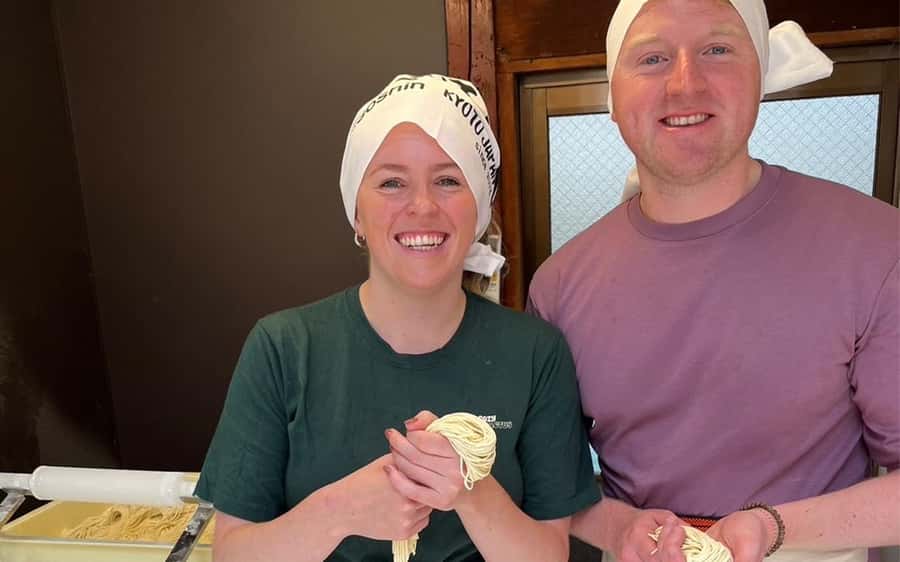
At $54 per person, you’re paying for a lot more than a single bowl of ramen. Here’s what’s included and why it matters for value:
- Musoshin Ramen workshop access under a Michelin-nominated brand
- A bandana used in the workshop
- A drink at the Musoshin Ramen restaurant
- Ramen prep and eating connected to the restaurant meal
There are also optional upgrades:
- Free kiln bake for a designed bowl (if your option includes it)
- Optional branded items like a ramen spoon, ramen bowl, and an apron
If you compare it to doing only restaurant ramen, the class adds three “extras” you can feel:
- You get the noodle-making workflow, including why the noodles rest overnight.
- You get a taste of long-simmer soup logic, rather than just the final flavor.
- You get a personalized souvenir option that is baked and picked up later.
In other words, the price makes sense when you want an experience, not just dinner.
Timing your Kyoto day: how to fit this without stress
You’ll start at a meeting point that varies depending on the option booked, and you’ll end back at the meeting point. The workshop itself includes noodle making for about an hour, plus painting and ramen assembly time depending on the format you choose.
Because it ends with a restaurant meal, you can treat it like both activity and dinner. That’s a rare convenience in Kyoto planning, where meal times and reservations can get messy.
If you’re choosing this as your main food activity, I’d plan it earlier in the evening. That leaves you time to walk off the noodles in the surrounding Kyoto streets afterward, instead of rushing into another reservation right away. Also, having your souvenir bowl baked for next day can be useful, because you can focus on exploring the rest of your itinerary today.
Should you book Musoshin’s ramen workshop in Kyoto?
Book it if you want hands-on cooking, real ramen technique, and a meal that tastes like it has Michelin-nominated standards behind it. It’s especially strong for families, because it’s structured, friendly, and includes options for vegetarian and vegan diets. It also looks like a good choice for couples who want something different from temples and shopping, but still want a Kyoto-centered activity.
Consider a different option if you dislike tight spaces. The room size is a real factor during the noodle steps, and it can feel cramped when the group is larger.
If you do book, one smart move is to bring a short note about dietary needs, especially gluten, so the team can match your situation. And if you’re doing the painting portion, think about color choices ahead of time, thick paint helps, and you’ll enjoy the souvenir more.
If you’re in Kyoto and you want one meal you’ll remember for longer than the next restaurant stop, this is a strong bet.
Newly listed around Kyoto
- Taste of Nishiki Market Walking Food Tour with Local guide★ 5.0 · 17 reviews
- Kyoto: Sushi Making Class with Sushi Chef★ 4.8 · 64 reviews
- Simple Plan with Maiko★ 4.4 · 10 reviews
- Shibori Furoshiki Course at Kyoto Shibori Museum★ 5.0 · 21 reviews
- Kyoto: City Secrets eBike Tour★ 4.9 · 196 reviews
- Sacred Pathways: Discover the Philosopher’s Path of Kyoto★ 4.9 · 20 reviews
- Private Tour to Monkey Park and Arashiyama Highlights★ 5.0 · 22 reviews
- Private Nara Tour from Osaka – Meet at Your Hotel★ 5.0 · 22 reviews
Ramen Tasting Trips, compared.
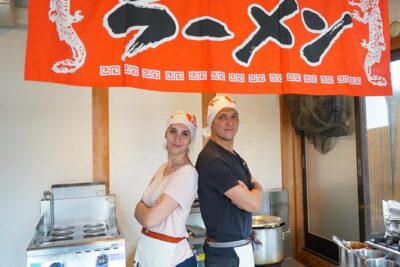
Ramen Cooking Class at Ramen Factory in Kyoto
Read our review →
Eat and Drink Like a Local: Tokyo Ueno Food Tour-Taverns&Ramen
Read our review →
Ramen & Gyoza Cooking Class in Tokyo with Local Supermarket Visit
Read our review →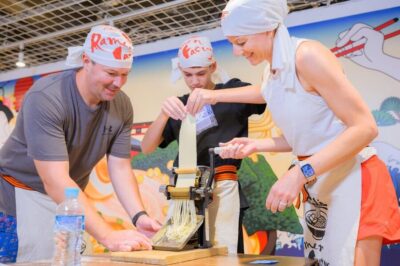
Ramen Cooking Class at a Ramen Factory with Souvenir
Read our review →
Mount Fuji and Hakone Full Day Tour with Ramen Making
Read our review →

Five Must-See Highlights Walking Tour & Ramen Lunch
Read our review →Browse the lists this tour appears in