Review · JAPANESE COOKING WORKSHOPS
Izakaya Style Cooking Class
Dashi lessons beat another Kyoto dinner. This izakaya-style cooking class is interesting because you learn Japanese seasoning and how to build dashi (soup stock), then you turn those skills into a real group dinner in a traditional wood studio. I also liked the small-group feel, with hands-on attention from the instructor, so it does not turn into a sit-and-watch show.
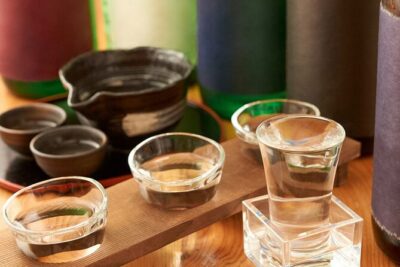
You should just plan for one possible snag: the menu can vary by seasonal ingredients, and if sake is offered, it may not be included in the price. One review even mentioned an extra cost per glass, so it is smart to ask what is included before you order.
In This Review
- Key highlights
- Why Izakaya-Style Cooking Feels Like Real Japan
- Your 2pm Kitchen at Cooking Sun Kyoto
- Dashi, Seasoning, and Sauce Control: The Skills That Stick
- What You’ll Cook, Cook Well, and Eat for Dinner
- The izakaya menu logic
- Stop 1 at Cooking Sun: How the Class Runs in Real Time
- Dietary Needs and Family-Friendly Cooking
- Dinner Is Part of the Lesson, Not an Afterthought
- Price and Value: What $71.63 Really Buys
- The One Thing to Watch Before You Go
- Who Should Book This Class, and Who Might Skip It
- Should You Book Cooking Sun’s Izakaya Cooking Class?
- FAQ
- What time does the class start and how long does it last?
- How many people are in a booking?
- Is dinner included?
- Is there an English-speaking instructor?
- Can the class accommodate dietary requirements?
- What is included in the price, and what is not?
- What is the cancellation policy?
Key highlights
- Hands-on dashi and seasoning practice you can repeat at home
- Small group (up to 8) so you get real help, not generic instructions
- Dinner you cook yourself, so you can taste and adjust your technique
- Recipes to take home, built for follow-up cooking with friends and family
- Izakaya culture talk that explains why these casual dishes exist
- Flexible dietary support if you advise needs in advance
Why Izakaya-Style Cooking Feels Like Real Japan
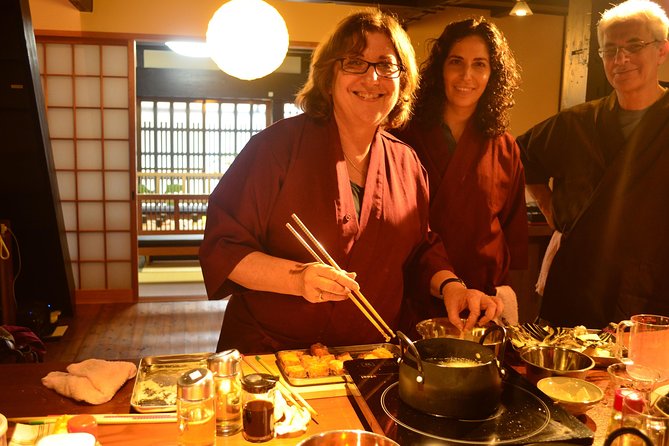
Kyoto can make you think cuisine is all about formal kaiseki and perfect plating. This class nudges you toward a different side: izakaya, the Japanese version of tapas, where people snack, sip, and share while talking over the table. That casual goal shapes everything you learn. The dishes are designed to be flavorful, approachable, and practical, not showy.
The best part for me is that you are not just eating restaurant favorites. You learn the “why” behind the taste. If you cook dashi correctly, seasoning gets easier. If you understand how sauces and condiments behave, you can stop guessing at home. In short, you are building the few core skills that make a bunch of dishes click.
You also get cultural context. The class covers the origins of izakaya, including the idea that it evolved around serving food to go with sake, especially as rice tax rules pushed sake brewing. Even if you forget the exact timeline, you come away with the key takeaway: izakaya is built for reasonable budgets, small get-togethers, and everyday comfort cooking.
More Bar Crawls in Kyoto
- Kyoto: Izakaya Bars Guided Walking Tour
★ 4.9 · 815 reviews - Kyoto Bar Hopping Night Tour
★ 5.0 · 613 reviews - Kyoto Local Bar Crawl in Kawaramachi Area
★ 5.0 · 378 reviews
Your 2pm Kitchen at Cooking Sun Kyoto
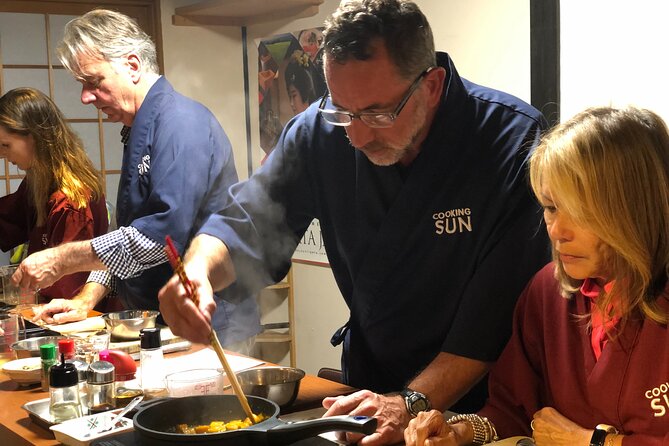
The class runs about three hours, starting at 2:00 pm at Cooking Sun in Kyoto. The location is Cooking Sun, 679 Funayachō, Shimogyo Ward, Kyoto, 600-8466, Japan, and the activity ends back at the meeting point. If you like to plan your day tightly, this time slot is useful, because it gives you a late afternoon that ends early enough to still explore afterwards.
Logistics are handled in a traveler-friendly way. You are in a studio setting, close to public transportation, and the class size is capped at a maximum of 8 people. That matters more than it sounds. With fewer students, the instructor can watch how you chop, stir, and taste, and correct small mistakes before they ruin a dish.
You also get an apron and you cook with all ingredients provided. That takes stress off your shopping list. You only need to show up ready to work at a cutting board, not hunt for obscure packets.
And from the reviews, the vibe is very organized. People specifically praised teamwork, smooth pacing, and instructors who keep things moving without rushing you out the door. Some mentioned that ingredients were prepped for efficiency, which means you spend more time actually cooking and less time stuck on chopping.
Dashi, Seasoning, and Sauce Control: The Skills That Stick
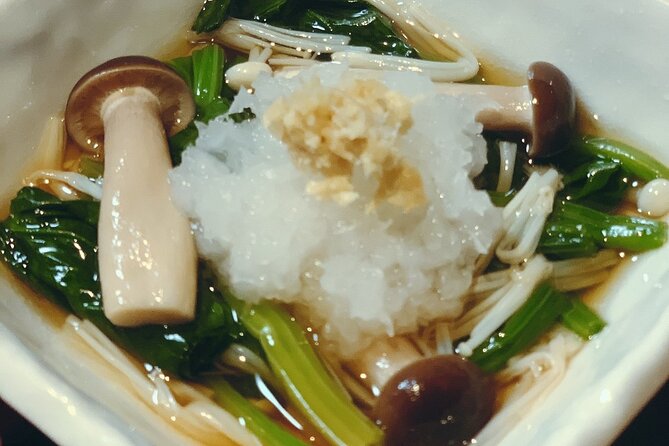
This is the class’s backbone. You learn how to prepare dashi, Japanese soup stock, plus Japanese seasoning techniques that affect everything from simmered dishes to quick sauces.
Why is dashi such a big deal? Because it is the flavor foundation for a lot of Japanese home cooking. When dashi is right, you do not need to overpower with salt or sugar. You get a balanced savory base that lets the other ingredients speak.
In a good cooking class, you leave with recipes. In this one, you also leave with a framework for tasting. Reviews repeatedly point out that instructors explained differences between sauces and condiments clearly. That is exactly what you want, because Japanese dishes often rely on small adjustments. A tablespoon too much of the wrong component can throw off the whole plate.
You also get practice by doing, not just listening. The structure is demo first, then you grab a knife and start cooking your own dishes. For beginners, this is confidence-building. For more experienced home cooks, it is a chance to learn the flavor mechanics behind Japanese technique.
What You’ll Cook, Cook Well, and Eat for Dinner
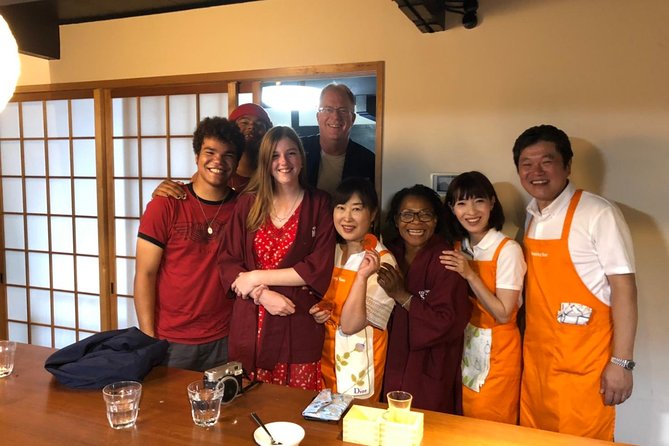
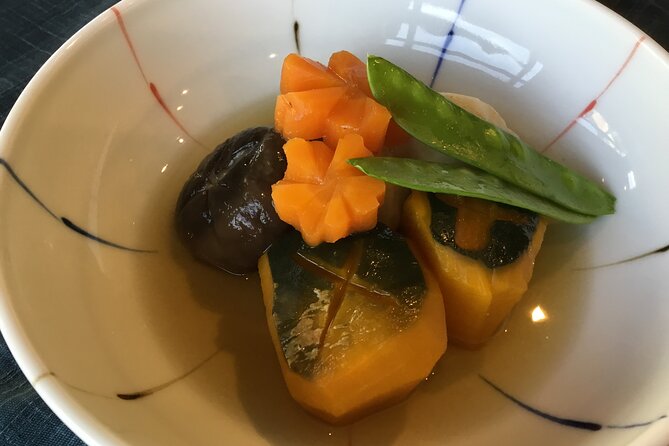
You will start with a guided introduction to ingredients and methods tied to izakaya cooking, then you prepare several favorites, and finally you sit down to eat your own work as dinner.
Typical options listed include:
- Spinach with sesame sauce
- Teriyaki yellowtail
- Vegetable chowder
- Mushroom tempura
- Rice with vegetables
One key note: your class menu can change based on seasonal ingredients. That is not a downside, it is how you get fresher food and more variety in technique. But it does mean you should not book expecting a single guaranteed dish.
Past classes, according to reviews, have also included items like cucumber salad, pumpkin soup, mochi dessert, and even pasta in at least one menu. So if you are hoping for a certain type of dish, remember that variations happen. One person did mention wanting Japanese noodles instead of a pasta dish, which is a good reminder to check what your specific session will cook if that detail matters to you.
More Cooking Classes in Kyoto
- Ramen Cooking Class at Ramen Factory in Kyoto
★ 5.0 · 1,937 reviews - Kyoto: Ramen Cooking Class at a Ramen Factory with Souvenir
★ 4.9 · 532 reviews - Kyoto: Ramen, Gyoza, and Onigiri Cooking Class
★ 5.0 · 445 reviews - Kyoto: Japanese Washoku Bento Small Group Cooking Class
★ 5.0 · 380 reviews
The izakaya menu logic
Even when the dishes change, the lesson pattern stays useful. You usually get a mix of:
- Something quick and sauce-driven (like teriyaki or sesame sauce)
- Something warming and stock-based (like soup)
- Something fried or crisp (like tempura)
- Something that rounds it out (rice and a side, plus dessert)
That mix helps you take a few core skills home and apply them across different categories of cooking.
Stop 1 at Cooking Sun: How the Class Runs in Real Time
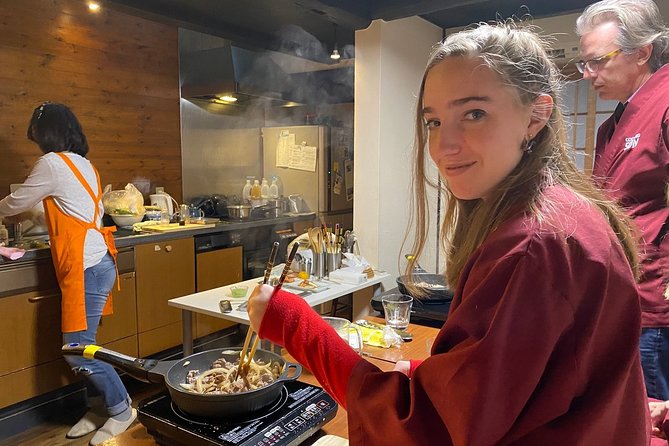
There is just one main stop, and it is at Cooking Sun. In other words, the whole experience happens in one focused place, which makes it easier to relax. No bouncing around the city mid-lesson.
A lot of praise in the feedback focuses on organization and personal help. People describe smooth, organized sessions and instructors who answer questions patiently. One review even credits Keiko and her team specifically, calling out that they explained clearly in a relaxed, fun way and that the space and equipment were clean and easy to use.
You can expect an English-speaking instructor, plus an environment where you can ask for tips. The tour also encourages you to ask your guide for recommendations after the class ends, which is helpful if you want to continue eating like a local rather than defaulting back to familiar tourist staples.
Timing is also handled well. Several reviews mention efficiency with prep so you can cook more dishes within the 3-hour window, and you get help with moving between recipes without losing your place.
Dietary Needs and Family-Friendly Cooking
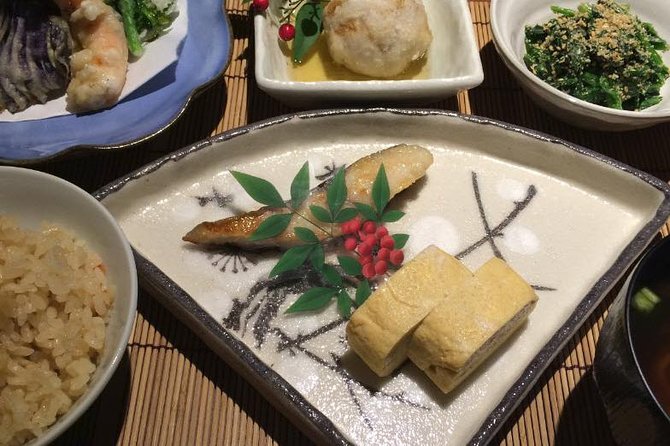
If you have food restrictions, this class is not an afterthought. You are asked to advise dietary requirements at booking, and reviews back that up. One review mentioned accommodation for allergies (including celiac), and another mentioned vegetarian adjustments being handled easily without making it a big production.
That is a big deal for safety and comfort. Japanese cooking can involve hidden ingredients, especially in dressings, sauces, and soup bases. When a class is prepared for dietary needs, you can focus on learning technique instead of worrying about what is actually in your bowl.
It is also friendly for mixed groups. One review described cooking with children around 10 to 12 years old, and the family all enjoyed it. The tasks are hands-on, but they are structured, and with a small group you are more likely to get the help you need.
Dinner Is Part of the Lesson, Not an Afterthought
You do not just make food and then leave it behind. You sit with other participants and eat the dishes you cooked as dinner. That changes the whole learning experience.
When you taste what you cooked right after learning it, you can connect steps to outcomes. If your seasoning is slightly off, you taste it now, not weeks later when you are rebuilding the recipe from memory. You also get feedback from your own palate in a way that is hard to replicate from a recipe card alone.
It also helps you eat more of what you made. In some cooking classes, the best parts go to the teacher or the session ends before you truly dig in. Here, the dinner format is part of the structure, and people specifically described leaving satisfied after eating a lot.
Price and Value: What $71.63 Really Buys
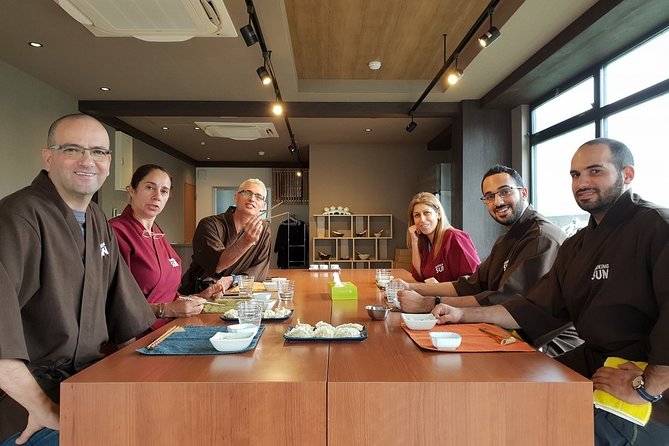
The price is $71.63 per person, and for that you get dinner, all ingredients, an English-speaking cooking instructor, and an apron. The duration is about three hours, and the group size is capped at 8.
If you try to recreate this at home from scratch, the math often surprises people. Japanese ingredients can add up quickly, and you also pay for skill transfer when you have an instructor guiding technique and tasting. Even if you only use a few dishes later, dashi plus seasoning know-how can carry you across multiple meals.
The “value” angle is not only cost. It is also what you leave with. You take recipes home, so this becomes more than one meal in Kyoto. You get a follow-up cooking project you can actually do.
And reviews repeatedly support that the class goes beyond theory. People mention learning new techniques, cooking multiple dishes in the session, and finding the food delicious and not overly difficult.
The One Thing to Watch Before You Go
Two practical cautions stand out from the details you have:
1) Menu can vary due to seasonal ingredients. If a specific dish matters a lot to you, treat that as an uncertainty and confirm what your session will cover.
2) Food and drinks are not automatically included beyond what you cook. One review mentioned a surprise cost for sake glasses. If alcohol is offered, ask what is included and what costs extra, so you can relax and enjoy dinner.
Also, come hungry. Some reviews point out that you end up eating a lot because dinner is part of the session, and you cook multiple dishes.
Who Should Book This Class, and Who Might Skip It
This experience is a great fit if you want more than sightseeing snacks and you like the idea of learning a few core techniques you can reuse. It works well for:
- Beginners who want guided structure and clear steps
- Intermediate cooks who want better understanding of Japanese seasoning and dashi
- Families, since it is hands-on and described as fun with kids
- People with dietary needs who want to cook with support by advising in advance
You might consider skipping if you mainly want a high-end dining experience and prefer a passive activity. This class is active. If you hate chopping or you want only restaurant-style tasting with zero cooking, it may feel like more work than you want.
Still, even if cooking is not your hobby, the small group and organized pace help most people find a rhythm quickly.
Should You Book Cooking Sun’s Izakaya Cooking Class?
I think it is a very smart choice for Kyoto. You get a real taste of everyday Japanese food culture through izakaya-style dishes, and you leave with usable technique, not just photos. The best reason to book is simple: dashi and seasoning are teachable skills, and this class is set up to teach them hands-on, with a small group and an English-speaking instructor.
If you want a dependable, memorable activity that combines cooking, dinner, and a cultural explanation you can actually use later, this is one of those bookings that pays off the same day and again at home.
If you want something slightly safer, ask what your exact menu will be for your date and whether any drinks like sake have an extra cost. Then you can plan your budget, focus on learning, and enjoy a Kyoto afternoon that ends with dinner you made yourself.
FAQ
What time does the class start and how long does it last?
The class starts at 2:00 pm and runs for about 3 hours (approx.).
How many people are in a booking?
The tour/activity has a maximum of 8 travelers per booking.
Is dinner included?
Yes. Dinner is included, and the class includes the ingredients for the dishes you cook.
Is there an English-speaking instructor?
Yes. An English-speaking cooking instructor is included.
Can the class accommodate dietary requirements?
You can advise specific dietary requirements at the time of booking, and the class is described as able to accommodate dietary needs.
What is included in the price, and what is not?
Included: dinner, all ingredients, an English-speaking cooking instructor, and an apron. Not included: food and drinks unless specified, and hotel pickup and drop-off.
What is the cancellation policy?
Free cancellation is available up to 24 hours in advance for a full refund. If you cancel less than 24 hours before the experience’s start time, the amount paid is not refunded.
More Drinking Tours in Kyoto
- Kyoto Night Foodie Tour in Gion (9+ dishes + 6 Sake tastings)
★ 5.0 · 1,762 reviews - 3-Hour Kyoto Insider Sake Brewery Tour with Tastings & Pairings
★ 5.0 · 917 reviews - Arashiyama Bamboo, Temple, Monkeys, or Secret Sake Brewery
★ 4.8 · 886 reviews - Kyoto: Insider Sake Brewery Tour with Sake and Food Pairing
★ 5.0 · 704 reviews
More Cooking Workshops in Kyoto
- Kyoto: Afternoon Japanese Izakaya Cooking Class
★ 4.9 · 241 reviews - Kyoto: Morning Japanese Bento Cooking Class
★ 5.0 · 149 reviews - Sushi – Authentic Japanese Cooking Class – the best souvenir from Kyoto!
★ 5.0 · 93 reviews - Private Kyoto Sushi Cooking Class & Tea Ceremony with Emika
★ 5.0 · 66 reviews
Newly listed around Kyoto
- Taste of Nishiki Market Walking Food Tour with Local guide★ 5.0 · 17 reviews
- Kyoto: Sushi Making Class with Sushi Chef★ 4.8 · 64 reviews
- Simple Plan with Maiko★ 4.4 · 10 reviews
- Shibori Furoshiki Course at Kyoto Shibori Museum★ 5.0 · 21 reviews
- Kyoto: City Secrets eBike Tour★ 4.9 · 196 reviews
- Sacred Pathways: Discover the Philosopher’s Path of Kyoto★ 4.9 · 20 reviews
- Private Tour to Monkey Park and Arashiyama Highlights★ 5.0 · 22 reviews
- Private Nara Tour from Osaka – Meet at Your Hotel★ 5.0 · 22 reviews
Japanese Cooking Workshops, compared.
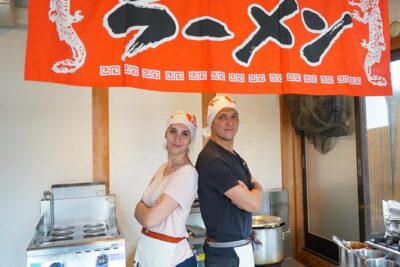
Ramen Cooking Class at Ramen Factory in Kyoto
Read our review →
Ramen & Gyoza Cooking Class in Tokyo with Local Supermarket Visit
Read our review →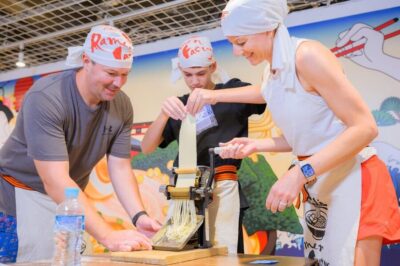
Ramen Cooking Class at a Ramen Factory with Souvenir
Read our review →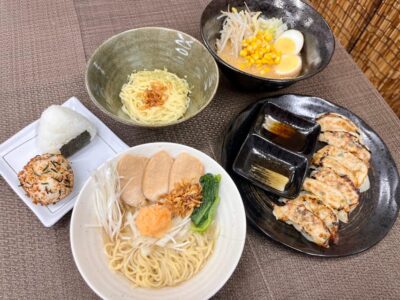
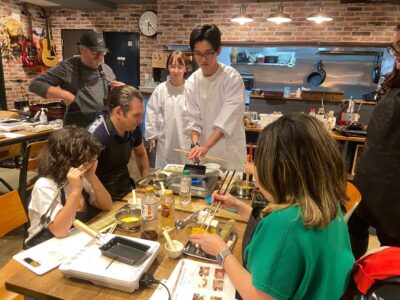
Japanese Washoku Bento Small Group Cooking Class
Read our review →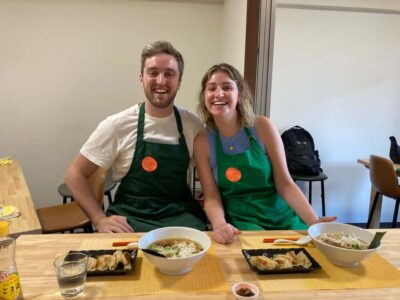
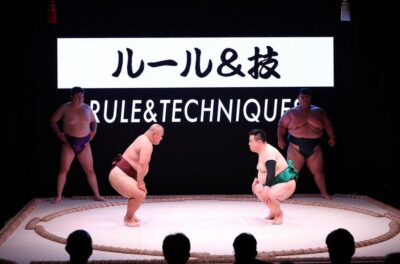
Sumo Stage Show with Bento or Snack + Fight & Photo
Read our review →