
Review · MUSEUMS
Shibori Furoshiki Course at Kyoto Shibori Museum
Snowflake dye, in Kyoto, in an hour. This Shibori Furoshiki Course at the Kyoto Shibori Museum is a hands-on way to learn folding and dyeing, then take home a finished cotton piece made with the Sekka-shibori technique. I like that the class is taught clearly, so you can follow along without guesswork.
Another thing I really like is what you do while your fabric dries. You get to walk the museum displays, see shibori samples and art pieces up close, and then check out the shop for Kyoto-made textiles that look like what you made. One consideration: the session is short, so you get one main project rather than a long, multi-step deep-dye experience.
In This Review
- Key things to notice before you go
- Kyoto Shibori Museum, close to Nijo Castle and built for fabric lovers
- The 1-hour flow: fold, dye, then enjoy the museum while it sets
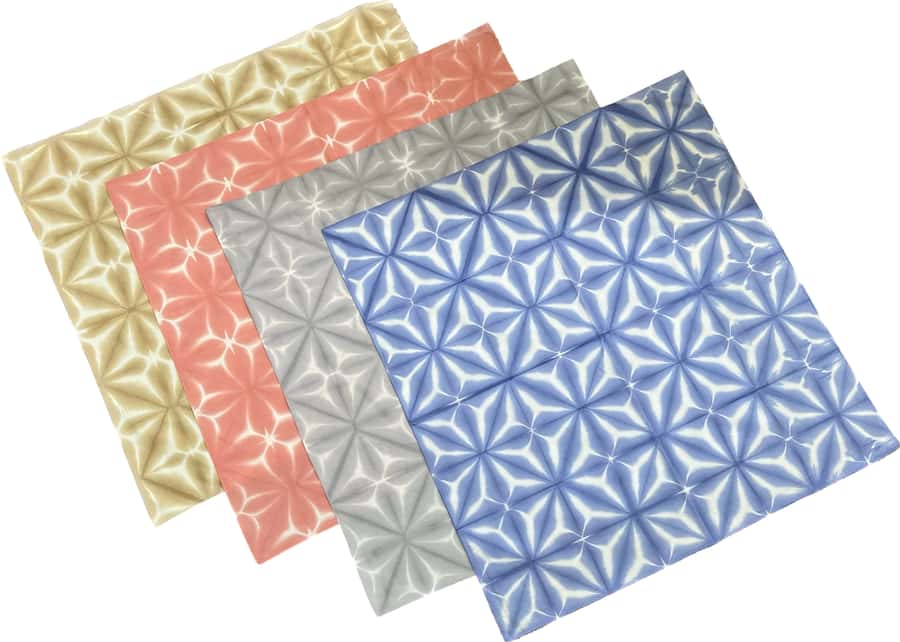
- What you make: a large 100% cotton furoshiki scarf with a snowflake pattern
- Museum walk-through: samples, exhibitions, and a shop you can browse guilt-free
- Small group, big support: why the class feels easy
- Price and value: $42 that includes museum admission
- Who this workshop is best for in Kyoto
- Practical tips so your class day goes smoothly
- Should you book the Shibori Furoshiki Course?
- FAQ
- How long is the Shibori Furoshiki Course?
- What will I make during the class?
- Is the class offered in English?
- How large is the group?
- Is museum admission included?
- Can I cancel and get a refund?
- Where is the Kyoto Shibori Museum located?
Key things to notice before you go
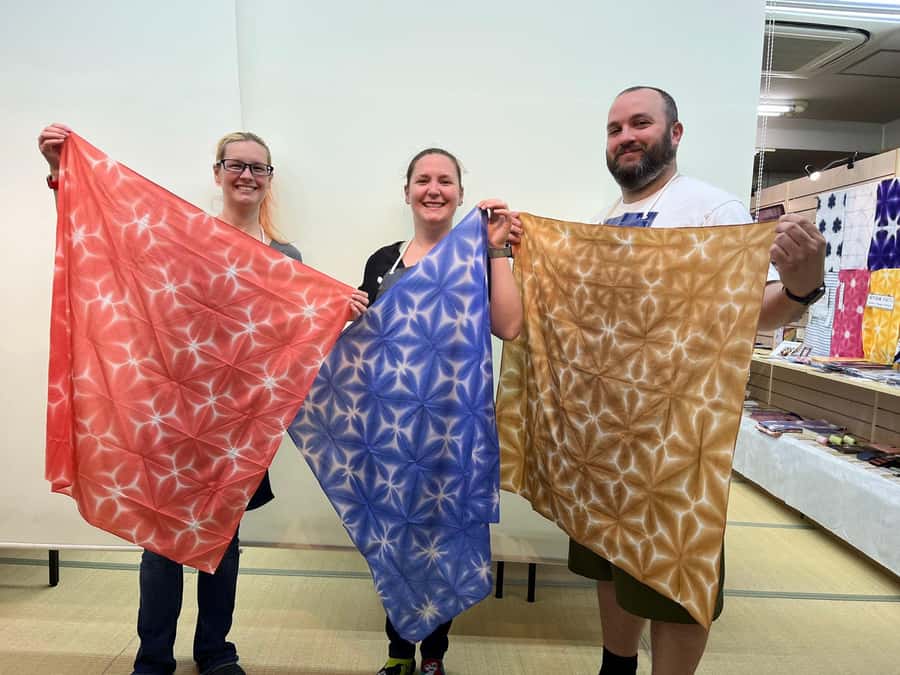
- Sekka-shibori snowflake pattern: You dye a large cotton furoshiki using this distinctive folding style.
- Small group pacing: Limited to 8 participants, so you can get help when you need it.
- Museum time while it dries: Your piece dries as you explore exhibitions and samples.
- A shop that matches your project: You can compare what you made with items sold in the museum store.
- Clear instruction style: The teaching approach is step-by-step, similar in feel to tie-dye for many people.
- Included museum admission: Workshop participants get free admission, which is a meaningful value add.
Kyoto Shibori Museum, close to Nijo Castle and built for fabric lovers
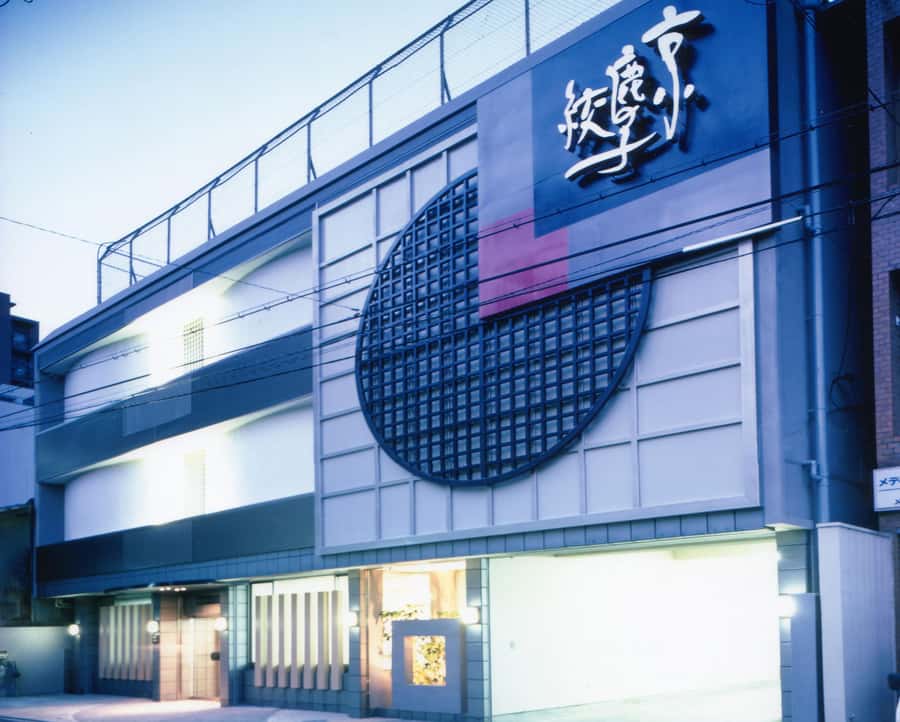
The Kyoto Shibori Museum sits about a 5-minute walk from Nijo Castle, which makes it easy to drop into a Kyoto day without complicated transfers. If you are already touring Nijo Castle, this course is a natural next stop, because both connect to Kyoto’s craft culture.
This museum has focused on shibori since it opened in 2001, and its goal is to spread shibori technique and appreciation to a wider audience. When you step inside, the space feels like it is designed for learning: you are not just taking a class, you are also surrounded by examples that help you understand what the technique is supposed to do.
More Museum Tours in Kyoto
- Kyoto: Tea Museum Tickets and Matcha Grinding Experience
★ 4.9 · 739 reviews - Skip the lines Basic Ticket at SAMURAI NINJA MUSEUM KYOTO
★ 4.5 · 632 reviews - Kyoto : Geiko Maiko Dance of Kyoto & Visits of Gion Museum
★ 4.6 · 415 reviews
The 1-hour flow: fold, dye, then enjoy the museum while it sets
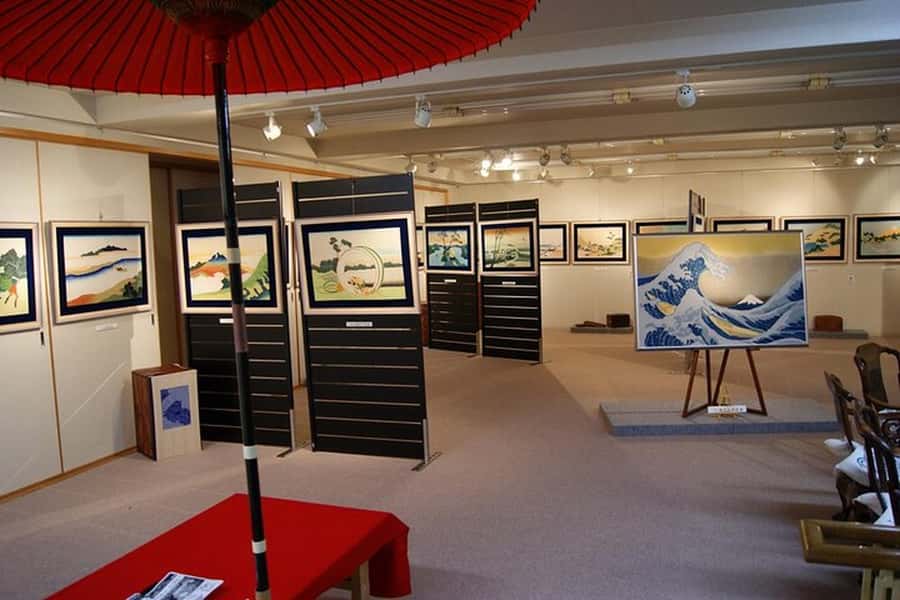
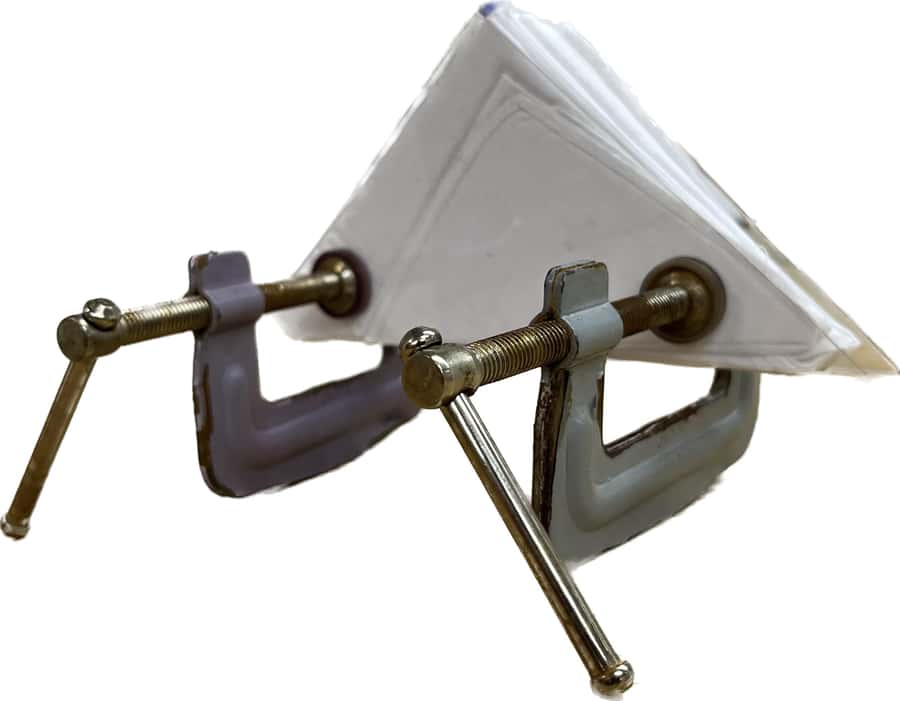
The class runs about 1 hour, and the core work centers on making a large cotton piece with a Sekka-shibori look. The museum teaches the folding and dying approach, and you end up with a dyed fabric result that follows the snowflake-like pattern style.
Here is the practical order of what you will do. First, you receive guidance on the technique and how to handle the fabric so the pattern emerges correctly. Then you spend your class time working on the folding and dyeing steps. After that, your piece needs time to dry, and this is where the course becomes more than a quick activity.
The museum uses your drying time well. You can move around at your own pace to see art pieces, textile samples, and exhibition displays while your fabric finishes setting. It is a smart way to make the hour feel less rushed, because you are not just waiting, you are actively looking, comparing, and learning.
One small caution: since dye needs time to develop, you should treat this as a “make it and take it home later” style workshop in spirit. The day-of experience is about the process and learning, not endless hands-on repeat practice.
What you make: a large 100% cotton furoshiki scarf with a snowflake pattern
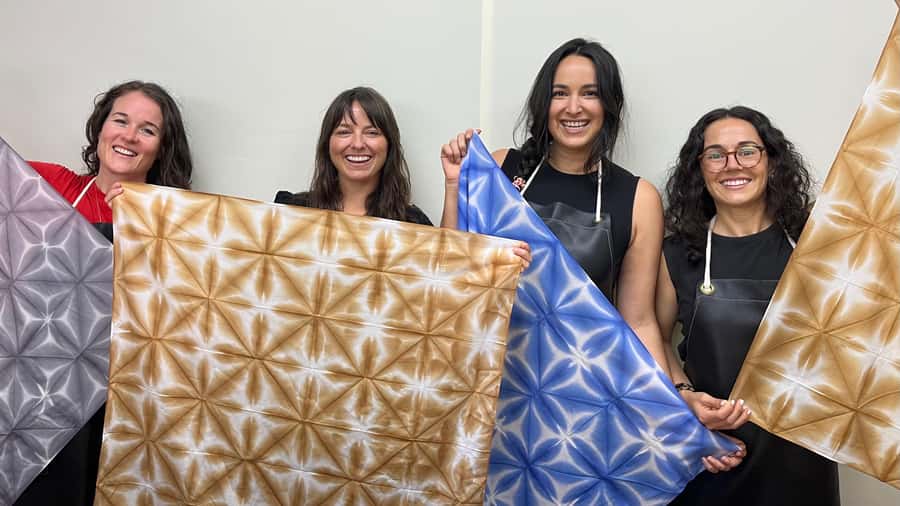
Your finished item is a large 100% cotton wrapping cloth sized at 86 cm by 89 cm, dyed with the Sekka-shibori technique. The visual goal is a snowflake-like pattern, and the furoshiki format matters, because it is a very useful textile shape in real life.
It also gives you a souvenir that feels personal. You are not buying a pre-made fabric. You are making the pattern, so when you look at it later, you will know exactly how the folds influenced the design.
In the class description, you may also hear the word scarf used alongside the wrapping cloth. Either way, the takeaway for you is the same: you will leave with a textile you can use and gift, not just a small craft token. One reason this is popular as a gift is simple. The size is big enough to be meaningful, and the look is distinctive enough to feel special.
Museum walk-through: samples, exhibitions, and a shop you can browse guilt-free
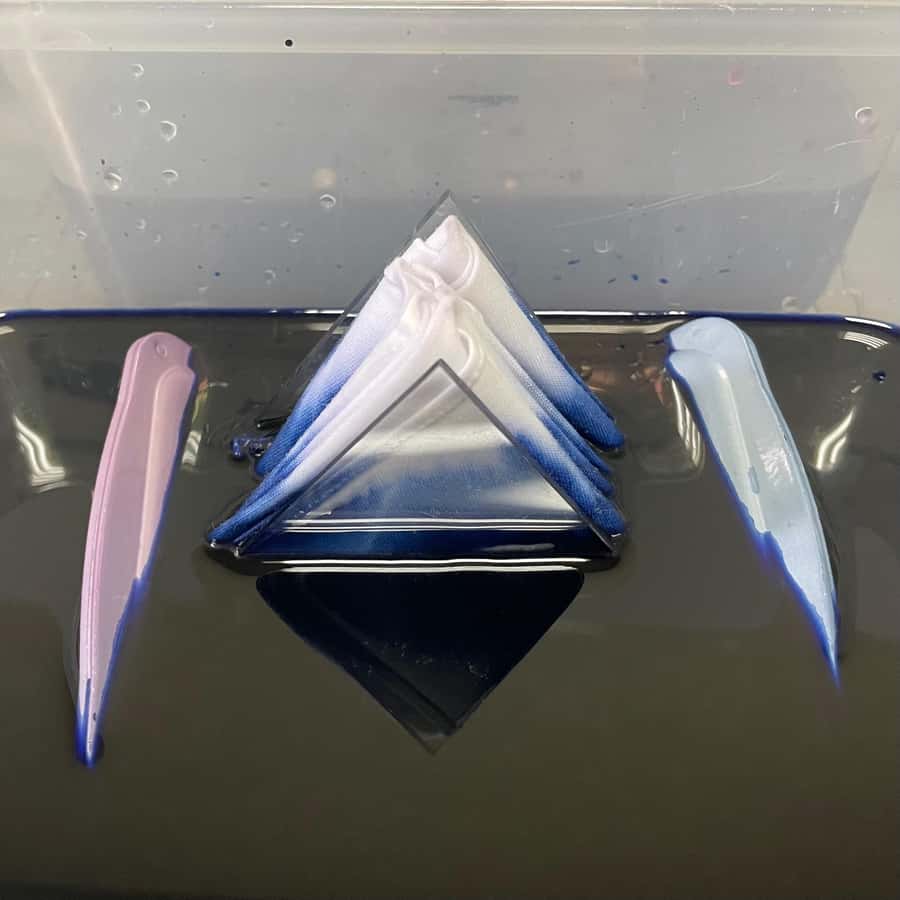
While your fabric dries, the museum lets you turn waiting time into real sightseeing. You can view shibori art pieces and samples that show different dye effects and folding outcomes, which makes it easier to understand what you just did in class.
This matters more than it sounds. When people do tie-dye, they often focus on the fun of dyeing. Here, the displays help you connect the technique to the result. You start to see why certain folds create certain shapes, which makes your own finished piece feel even more satisfying when you pick it up.
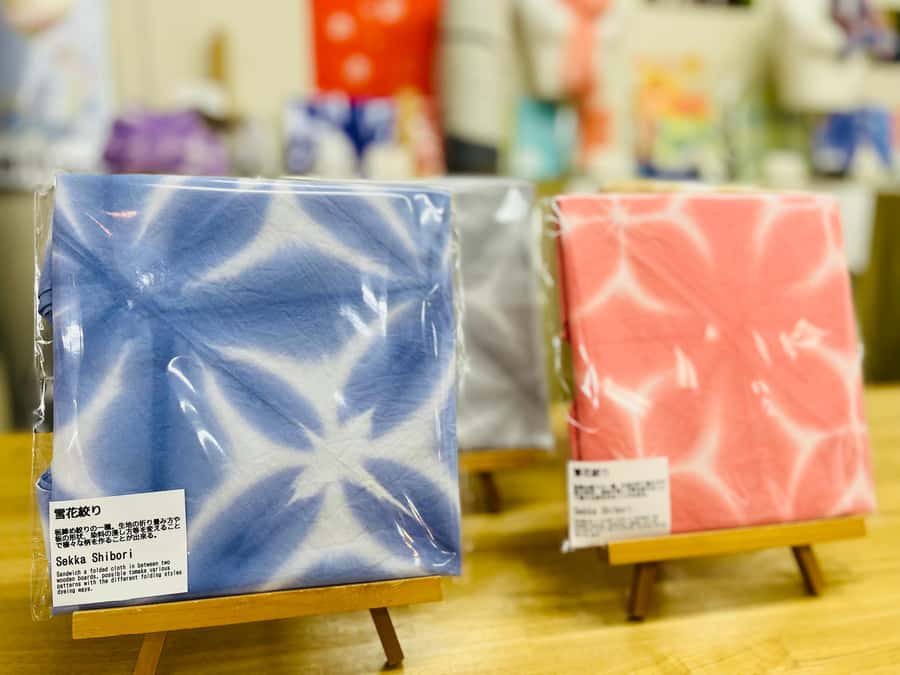
Then there is the museum shop. You can admire a range of original items, souvenirs, and fabrics. I like this part because it is not a random gift shop tacked onto a workshop. You are browsing in the same craft universe you just learned, so you can make smarter choices and spot what actually reflects Kyoto shibori culture.
A few more Kyoto days to weigh up
- Kyoto Sword Experience – includes Museum Ticket/Ninja Experience
★ 4.5 · 149 reviews - Kyoto: Samurai Ninja Museum guided tour
★ 4.8 · 145 reviews - Itajime Shibori Scarf Class at Kyoto Shibori Museum
★ 4.9 · 24 reviews - Kyoto Railway Museum Admission Ticket
★ 4.3 · 23 reviews
Small group, big support: why the class feels easy
This is a small group experience, limited to 8 participants. That small number shows up in how the class feels. You are not stuck watching a demo from far away. You can get help, and you can move through the steps without feeling like you are performing under pressure.
In the reviews, a clear theme is how supportive and enthusiastic the staff are. People specifically call out that instructions are very clear, and that the process feels similar to tie-dye in terms of learning feel. If you have never done shibori before, that comparison can be reassuring.
The course is also offered in English and Japanese, and there is an instructor on hand. If you are traveling with a mix of language comfort levels, that dual-language setup is a helpful detail.
A fun cultural note to look out for is an opening ceremony that some classes include. Even if you are not an expert in the art, those little moments make the workshop feel grounded in the craft tradition, not just a tourist activity.
Price and value: $42 that includes museum admission
The price is $42 per person for about 1 hour of workshop time. On its face, that can feel a bit steep for a single textile. But when you factor in what you receive, the value becomes clearer.
First, workshop participants receive free admission to the Kyoto Shibori Museum. Normal museum admission is listed as 1,000 yen, so your workshop effectively bundles the museum visit into the cost. Second, you are not just paying to watch, you are paying to make a large dyed textile yourself.
Is it still short? Yes. But “short” does not automatically mean low value. Here, the hour is structured so you can finish the key technique steps, then use drying time to get the educational payoff. If you want a lot of repetition and multiple finished items, you may feel you want more time in the dyeing studio. If you want a high-impact craft experience with a takeaway you can gift or use, the time works well.
If you care about where your money goes, this is another reason it can be worth it. The museum supports ongoing preservation and promotion of shibori, and people who love this craft tend to appreciate that.
Who this workshop is best for in Kyoto
This course is a great fit if you want a hands-on craft activity that still feels cultural and educational. It is also a strong choice for couples and friends because the group stays small and the process is visual, so everyone gets engaged.
It is described as relaxing, and it is also mentioned as suitable for teenagers or older children. If you have a teenager who likes arts and making things, this is one of those Kyoto activities that does not feel like homework.
If you are a fabric or textile person, you will probably enjoy the museum context as much as the workshop itself. The technique focus is real, and the museum displays help you connect the dots between folding, dye, and pattern formation.
If you are not into crafts at all, you might not love it. This is not a quick photo stop. You will be working with a specific shibori technique and making a textile, so your interest in process matters.
Practical tips so your class day goes smoothly
Bring a mindset that is part craft project, part museum visit. You will learn the steps for Sekka-shibori, then you will look around while your piece dries. Plan your Kyoto day so you are not sprinting between attractions.
Wear comfortable clothes and plan for the possibility of dye marks on fabric you care about. Since the workshop involves dyeing, it is smart to dress like you might get a little messy.
Finally, take your time in the museum shop after class. The best way to shop well is to compare what you made with what you are seeing on display. This helps you notice differences in patterns, fabric feel, and how items are finished, so you can pick souvenirs that actually match your taste.
Should you book the Shibori Furoshiki Course?
Book it if you want a small-group Kyoto craft experience, a clear introduction to Sekka-shibori, and a take-home piece that feels personal and gift-ready. The combination of making a large cotton furoshiki-style textile, getting museum admission included, and using the drying time to explore exhibitions makes this a strong value for an hour.
Skip it if you are looking for a long, multi-day workshop where you repeat techniques many times. This class is structured for a single major result, and that is exactly what it does well.
FAQ
How long is the Shibori Furoshiki Course?
The workshop lasts about 1 hour, with starting times based on availability.
What will I make during the class?
You will make a large 100% cotton wrapping cloth (86 cm by 89 cm) using the Sekka-shibori technique, creating a snowflake-like pattern.
Is the class offered in English?
Yes. Instruction is available in English and Japanese.
How large is the group?
The class is limited to 8 participants, so it stays small.
Is museum admission included?
Yes. Workshop participants receive free admission to the Kyoto Shibori Museum, which is normally 1,000 yen.
Can I cancel and get a refund?
You can cancel up to 24 hours in advance for a full refund.
Where is the Kyoto Shibori Museum located?
It is about a 5-minute walk from Nijo Castle.
Newly listed around Kyoto
- Taste of Nishiki Market Walking Food Tour with Local guide★ 5.0 · 17 reviews
- Kyoto: Sushi Making Class with Sushi Chef★ 4.8 · 64 reviews
- Simple Plan with Maiko★ 4.4 · 10 reviews
- Kyoto: City Secrets eBike Tour★ 4.9 · 196 reviews
- Sacred Pathways: Discover the Philosopher’s Path of Kyoto★ 4.9 · 20 reviews
- Private Tour to Monkey Park and Arashiyama Highlights★ 5.0 · 22 reviews
- Private Nara Tour from Osaka – Meet at Your Hotel★ 5.0 · 22 reviews
- Private Sake Tasting in Central Kyoto — 1 Group Only★ 5.0 · 11 reviews
Museums, compared.
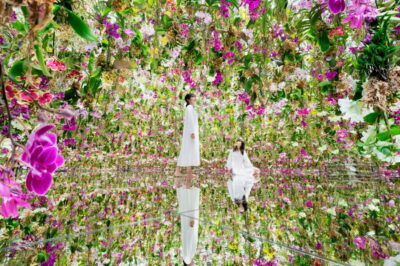
teamLab Planets TOKYO Digital Art Museum Entry Ticket
Read our review →
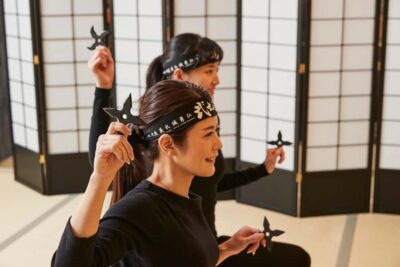
Samurai Ninja Museum Guided tour and Experience
Read our review →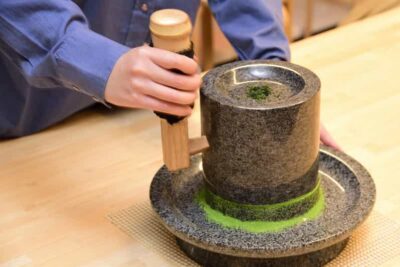
Tea Museum Tickets and Matcha Grinding Experience
Read our review →
Skip the lines Basic Ticket at SAMURAI NINJA MUSEUM KYOTO
Read our review →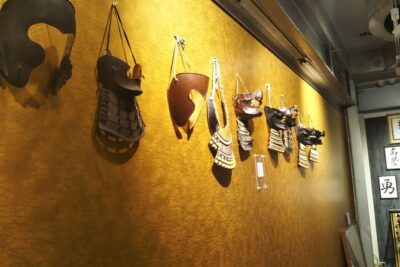
Skip the lines Basic Ticket at SAMURAI NINJA MUSEUM TOKYO
Read our review →
Tokyo Studio Ghibli Museum and Ghibli Film Appreciation Tour
Read our review →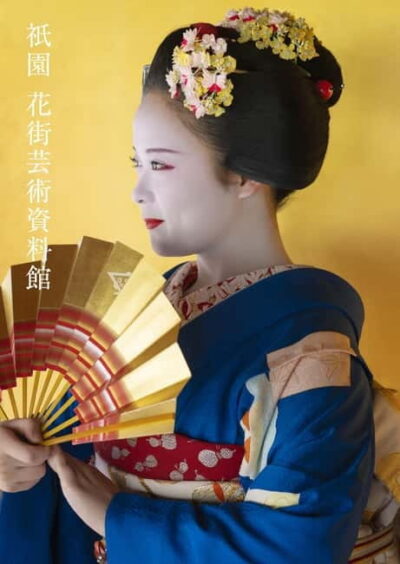
Geiko Maiko Dance of Kyoto & Visits of Gion Museum
Read our review →Browse the lists this tour appears in