
Review · WALKING TOURS
Takayama: Edo-Period Old Town Walking Tour
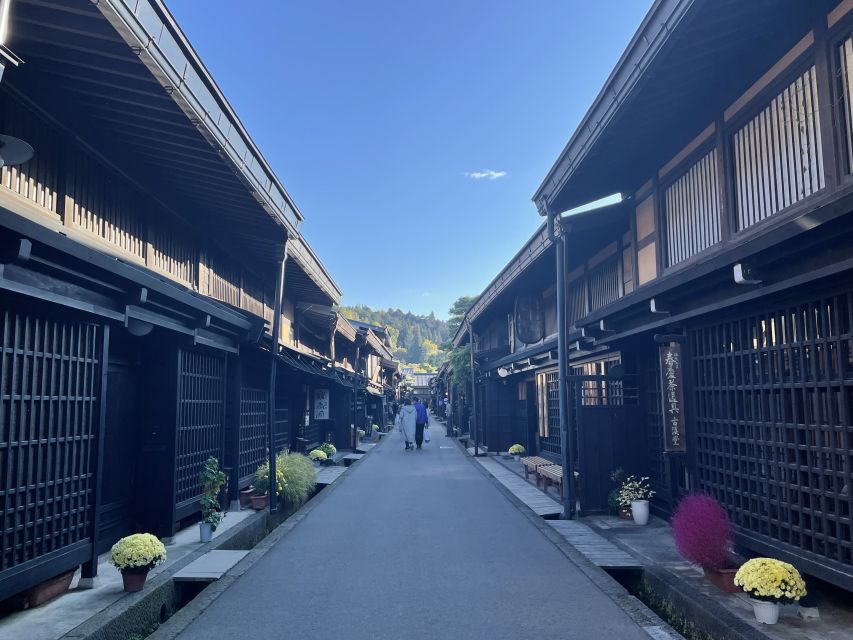
Takayama’s streets explain themselves. This Edo-period old town walking tour gives you the missing context for why the town looks the way it does, and how daily life, trade, and town planning worked together. I especially like the focus on everyday details you might otherwise ignore, like how the street layout and ordinary buildings fit the merchant town’s rhythm.
Second, I like the way the guide keeps it well-paced and readable, so you finish feeling oriented for the rest of Takayama. You get a clear introduction to how Takayama developed as a commercial center, not a castle-based world. One possible drawback to consider is that the tour is short, listed at about 45 minutes, so if you’re hoping for a lot of slow sightseeing stops or deep archaeology, you may want extra free time afterward.
In This Review
- Key Highlights You Will Actually Feel On The Walk
- Why This Edo Merchant Town Tour Works So Well
- The 45-Minute Walking Plan, And What You Get From It
- Streets, Layouts, and the “Why” Behind Everyday Sights
- What Makes Takayama Different From Other Historic Towns
- English Guidance, Names You Might Hear, and Pace Expectations
- Price and Value: Is $43 Fair for 45 Minutes?
- Logistics That Matter On a Rainy Day (Because Japan Will Be Japan)
- How This Tour Sets You Up For Better Time In Takayama
- Who Should Book This Walk, And Who Might Want Another Option
- Should You Book Takayama: Edo-Period Old Town Walking Tour?
- FAQ
- How long is the Takayama Edo-Period Old Town Walking Tour?
- Where is the meeting point?
- Is the tour conducted in English?
- Does the tour run in bad weather?
- What is included in the price?
- Is the tour wheelchair accessible?
- Is there free cancellation?
Key Highlights You Will Actually Feel On The Walk
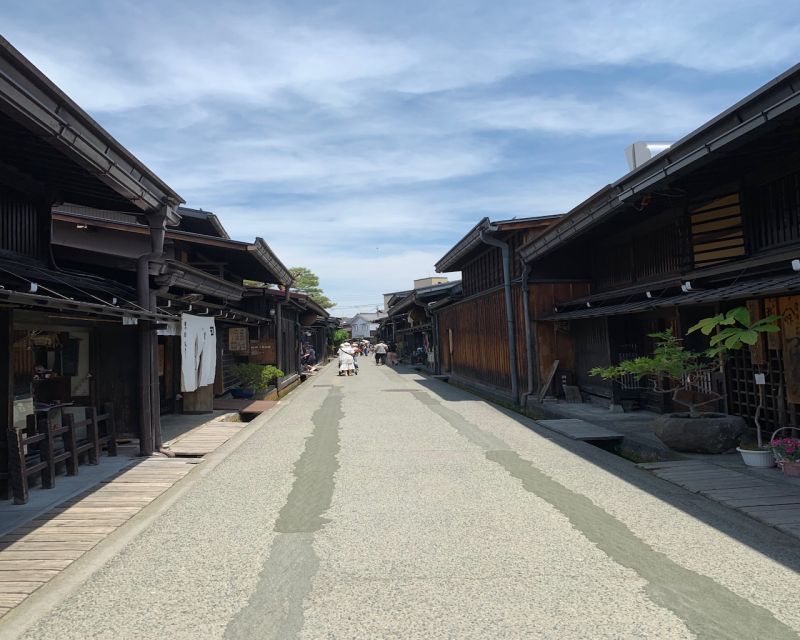
- Edo-period focus without feeling trapped in dates, so it connects to what you see outside your window
- Meaning behind ordinary sights, from town layouts to building features and local customs
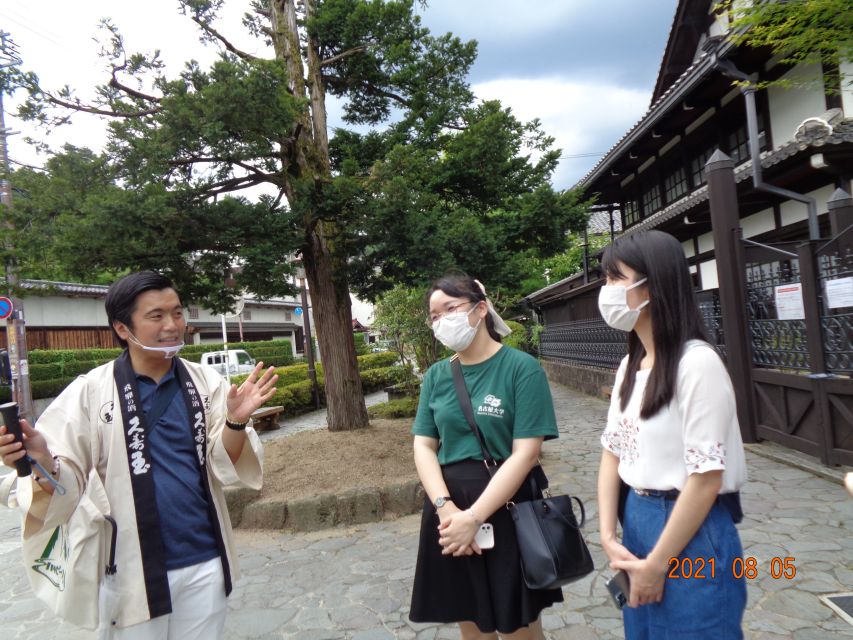
- A guide who stays understandable, with English tours most of the time and a name you may hear as Yamma
- A route designed as an intro, helping you get bearings fast before you roam on your own
- Short, timed format, usually about 45 minutes, which means you should plan to explore more after
Why This Edo Merchant Town Tour Works So Well
Takayama can feel like one of those places where everything looks old, and you assume that is the whole story. This walk changes that. The tour frames Takayama as an Edo-period merchant town, shaped by commerce, craftsmanship, and daily life. That single shift is what makes the streets more interesting, because you start noticing practical choices instead of only “pretty old architecture.”
You learn that Takayama flourished through work and trade, not through being dominated by castles or samurai life. That matters, because it explains why the town’s feel is different from other historic Japanese settings you may have seen. It also gives you an easier mental model: people needed workable streets, walkable routines, and a town structure that made trade and movement practical.
Another smart touch is that the guide does not act like the Edo period existed in a vacuum. You get brief context about what came before and after, just enough to help you understand what makes Takayama’s old town distinct. It is a “put it on the map in time” approach, not a lecture.
More Walking Tours in Takayama
- Takayama Old Town Walking Tour with Local Guide
★ 4.5 · 50 reviews - Explore Kiso Valley : Magome – Tsumago Mountain Trail Walk
★ 5.0 · 33 reviews - Takayama: Takayama Jinya & Old Town Private Walking Tour
★ 4.5 · 32 reviews
The 45-Minute Walking Plan, And What You Get From It
The tour is listed at approximately 45 minutes. In real life, it may run a little longer depending on the flow of the walk and guest questions. That is a good sign, because it suggests the experience is designed to breathe, not just to march you from point A to point B.
Because the tour is short, it is best understood as a “setup act” for your day. You do not come away with every detail about Takayama. You come away with the right questions to ask while you wander on your own next. I think that is the most valuable way to use a walking tour in a compact old town, especially if you also plan museums, markets, or extra neighborhoods.
What you can expect during the walk is a steady mix of explanation and real-world observation:
- how Takayama developed as a merchant center
- how everyday work and movement shaped the old streets
- why certain everyday sights have meaning, even if they look ordinary at first glance
- light touch context about earlier and later periods so you can compare what you see
No matter how experienced you are with Japanese history, this style is friendly. It avoids overwhelming you with dates. It gives you enough grounding that you can recognize what you are looking at when you continue your exploration.
Streets, Layouts, and the “Why” Behind Everyday Sights
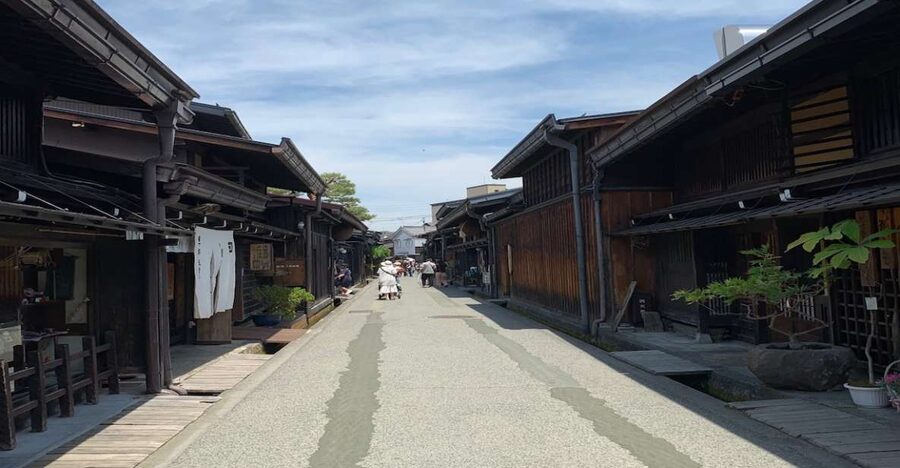
Here is what I find most useful about this kind of tour: it helps you stop treating old buildings like decorations. You start treating them like solutions.
As you walk, the guide explains how town layouts and building placement relate to how people lived and worked. Even if you do not catch every architectural term, you usually “get it” because the logic is practical. A merchant town needs circulation, regular routines, and spaces that support small business and daily errands. So the street design and the built environment become part of the story.
The tour also spotlights the significance of ordinary-looking features. Think of it this way: if a detail was common, it likely had a job. The guide helps you read that job, whether it is related to trade flow, neighborhood customs, or how people moved through their day. That is exactly the kind of information that is hard to Google in the moment, and easy to miss if you walk alone without context.
If you have ever visited a historic district and felt like you were staring at walls, this is the fix. You do not just see the old town. You understand what it was built to support.
What Makes Takayama Different From Other Historic Towns
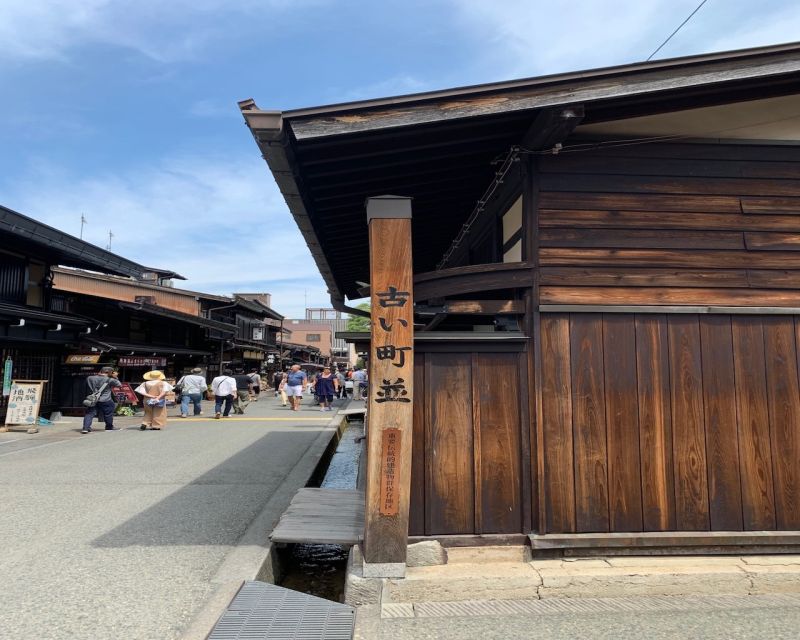
Many Japanese historic areas get described through one big theme: castles, samurai rule, or a major feudal power. Takayama gets described differently here, and that difference is the point.
This walk emphasizes that Takayama’s identity as a merchant town shaped how the town grew. It was a place of trade and craftsmanship, so the old town streets reflect commercial life. That can change how you interpret the “vibe” you feel on the ground. Instead of thinking only about power and politics, you pay attention to commerce and routine.
The guide also adds brief context about earlier and later periods. That is not just trivia. It helps you notice what you are seeing and what you are not. You start understanding why Takayama’s old town preservation feels the way it does, and why it can seem distinct compared with other preserved districts you might visit in Japan.
A few more Takayama days to weigh up
- Takayama: Private Walking Tour with a Local Guide
★ 4.6 · 29 reviews - Takayama: Private Night Walking Tour with Dinner
★ 4.5 · 13 reviews - Kyoto Geisha Walking Tour: Gion District & Hidden Gems
★ 4.7 · 3,273 reviews - Tokyo Tsukiji Fish Market Food and Culture Walking Tour
★ 5.0 · 3,184 reviews
English Guidance, Names You Might Hear, and Pace Expectations
Tours are usually conducted in English. Other languages may be available upon request, but the standard expectation is English guidance.
One of the best signs from past participants is that guides can be engaging and clearly explain local culture. Some accounts also mention an English style that stays active and connected, including switching between Japanese and English to keep the meaning clear. When that works, it makes the old town feel less like a movie set and more like a place with real social logic.
Still, pay attention to one practical consideration: this is not a two-hour stroll. The tour is listed at 45 minutes, and if your guide’s pacing runs fast, you can end up feeling like it moved quicker than you expected. There is at least one report where the tour lasted closer to 20 minutes and English communication was not up to par. That is not typical based on the overall rating, but it is worth knowing because at $43, you want value you can feel.
My practical advice: treat this as the first hour of your Takayama old town day. Before you book, set your expectation that you will get context, then you will do the slow sightseeing yourself right after.
Price and Value: Is $43 Fair for 45 Minutes?
The price is listed at $43 per person for about 45 minutes. On paper, that is not cheap, so the question is simple: do you come away with insight you could not easily get on your own?
In my view, this tour is worth it if:
- you want a fast orientation so your self-guided walking makes sense
- you enjoy learning what everyday features mean
- you like history that connects to how people lived, worked, and moved
- you are visiting Takayama primarily for the old town vibe and want to read it better
It is less worth it if your goal is long guided sightseeing with many stops and lots of time at each place. Since the tour is short, it is not trying to replace a full day.
Also, the quality of the guide matters a lot with a smaller time block. Where the tour seems to shine is in making the “why” click without turning it into a textbook. Where it can feel frustrating is when the tour runs short or the language delivery is weak. That is why I recommend it as an intro tour, not as your only historical learning time in Takayama.
Logistics That Matter On a Rainy Day (Because Japan Will Be Japan)
The tour runs rain or shine. So plan like a local: comfortable shoes, something to cover your camera and bag, and a light layer that does not get you chilled if the weather turns.
Meeting point is simple but specific. You are told to meet in front of the Tours & Activities sign board, and to search happyplus in Google Maps. Arrive a bit early so you can match the location before the group gets moving. In compact old towns, a few minutes of confusion can cost you a chunk of your 45-minute window.
Wheelchair access is listed as wheelchair accessible, which is helpful to know for mobility planning. As with any walking tour, the actual comfort level can vary with sidewalk conditions, so it is smart to bring that into your own assessment.
How This Tour Sets You Up For Better Time In Takayama
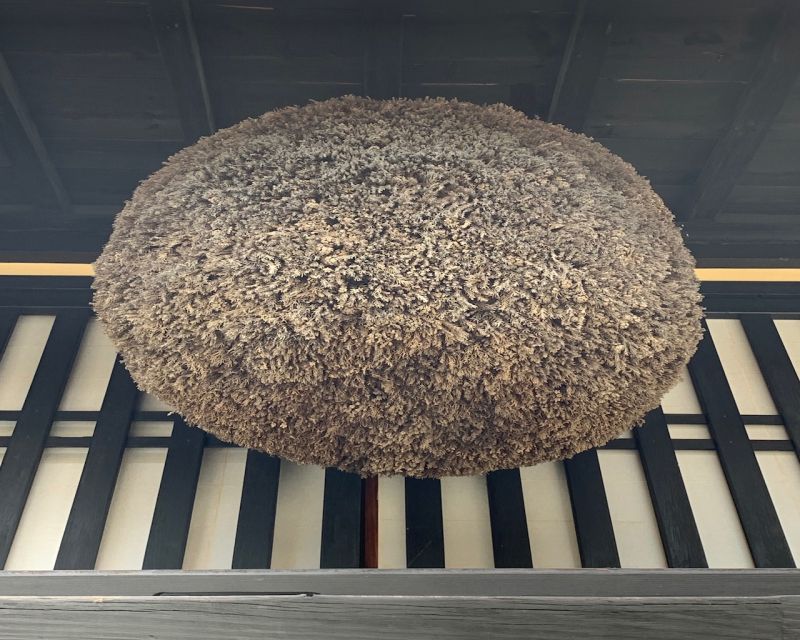
The best use of this experience is as a springboard. You start with the Edo-period merchant story, and then you walk the old town with a sharper eye. Instead of asking, “What is this building?” you start asking, “Why would that make sense for trade, daily life, or movement?”
That shift can improve everything that comes after:
- your photos get more meaningful because you notice the layout logic
- your conversations with shopkeepers and locals get easier because you understand the town’s commercial roots
- your walking becomes more efficient because you recognize what you should slow down for
Even if you already have some Japan history background, you still tend to enjoy this format. It is not about memorizing facts. It is about learning how to see.
Who Should Book This Walk, And Who Might Want Another Option
You should book if you:
- want a quick introduction to Takayama’s old town
- prefer practical explanations over heavy chronology
- like learning what everyday details mean
- want an English-led overview before you roam
You might skip it, or pair it with something longer, if you:
- need a long guided experience with lots of time at specific sites
- get disappointed when tours run quickly
- are looking for major landmark touring rather than context about streets and daily life
If you are traveling as a couple, this format is also good because you can both listen, then move together afterward with fewer questions. If you travel solo, a guided hour can quickly turn the old town from confusing to navigable.
Should You Book Takayama: Edo-Period Old Town Walking Tour?
My answer is yes, with a simple expectation check. This is a 45-minute context builder. If you use it that way, it is great value because it helps you interpret the streets you came to see. The overall ratings suggest guides often do well, and the tour’s structure aims to give clear, lasting understanding without turning into an overload of dates.
Book it if you want to understand Takayama quickly, then enjoy the freedom to linger on your own. Skip it if you want a long, stop-heavy guided day or if you tend to feel shortchanged by anything under an hour.
If you decide to go, go in with comfy shoes, arrive at the correct meeting point in front of the Tours & Activities board near happyplus, and treat the tour as your reading key. Then you will see more, faster, and with better stories in your head as you walk.
FAQ
How long is the Takayama Edo-Period Old Town Walking Tour?
It is listed at about 45 minutes. The tour may extend slightly depending on walk flow and guest questions.
Where is the meeting point?
Meet in front of the Tours & Activities sign board. You can search happyplus in Google Maps.
Is the tour conducted in English?
Yes, tours are usually conducted in English. Other languages may be available upon request.
Does the tour run in bad weather?
Yes. Tours take place rain or shine.
What is included in the price?
Included items are a local guide and the walking tour itself.
Is the tour wheelchair accessible?
The tour is listed as wheelchair accessible.
Is there free cancellation?
Yes, you can cancel up to 24 hours in advance for a full refund.
Newly listed around Takayama
- Private-group Morning Cycling Tour in Hida-Furukawa★ 5.0 · 105 reviews
- Short Morning Cycling Tour in Hida★ 5.0 · 17 reviews
- Private Afternoon Cycling Tour in Hida-Furukawa★ 5.0 · 109 reviews
- Shirakawago(UNESCO world heritage)/ Onsen / Hiking / 1day tour★ 5.0 · 6 reviews
- Shirakawa-go Half day tour (UNESCO World Heritage near Takayama)★ 5.0 · 9 reviews
- Gifu Samurai Sword Town;Japanese Damascus Knife Making Experience★ 5.0 · 27 reviews
- Magome & Tsumago Nakasendo Trail Day Hike with Government-Licensed Guide★ 5.0 · 38 reviews
- Magome & Tsumago Nakasendo Full-Day Private Trip with Government-Licensed Guide★ 5.0 · 20 reviews
Walking Tours, compared.

Kyoto Geisha Walking Tour: Gion District & Hidden Gems
Read our review →
Tokyo Tsukiji Fish Market Food and Culture Walking Tour
Read our review →
Gion Geisha District Walking Tour – Stories of Geisha
Read our review →

Shinjuku Local Bar and Izakaya Guided Walking Tour
Read our review →

Asakusa Walking Tour with Sensoji Temple Visit
Read our review →
Kyoto Gion Geisha District Walking Tour – The Stories of Geisha
Read our review →Browse the lists this tour appears in