
Review · DESSERT TOURS
Tokyo: Hama-rikyu Gardens tour with Japanese Tea & Sweets
A quiet garden, then matcha. That mix is exactly what makes this Hama-rikyu Gardens tour memorable, with an English guide helping you read the design instead of just wandering. I like that you get both calm walking time and clear context for what you are seeing.
Another thing I love: the tea ceremony room turns the experience into a slower, more sensory break, not just a photo stop. Matcha and Japanese sweets are included, so you can relax without hunting for snacks later.
One possible drawback to plan around: this is a walking tour, so you will want comfortable shoes, especially if your day in Tokyo already includes a lot of steps.
In This Review
- Key highlights you will actually feel
- Hama-rikyū Gardens: an Edo-era escape you can walk through
- Your 30 minutes with the guide: what to notice in a small group
- Karesansui and Kaiyushiki: the garden’s two “reading modes”
- Tea ceremony room: matcha and sweets as part of the design
- How the walking tour really works in 90 minutes
- Photo moments and seasonal color: plan for the light
- Getting there: Otemon Bridge to Shiodome Station
- Is $85 worth it? Small group, guide time, and tea
- Who should book this Hama-rikyū tea and garden tour
- Should you book it? My decision checklist
- FAQ
- How long is the Hama-rikyū Gardens tour with Japanese tea and sweets?
- What is the price per person?
- Is the tour guide available in English?
- What is included in the tour fee?
- How many people are in the group?
- What are the main parts of the garden you will see?
- Where does the tour start and where does it end?
- Is there a cancellation policy?
- Can I reserve now and pay later?
Key highlights you will actually feel
- Edo-period garden design, explained in plain English so you notice more
- Karesansui (dry landscape garden) and Kaiyushiki (circular garden), the two big highlights
- English live guide in a small group of up to 4, so questions do not get lost
- Matcha green tea and Japanese sweets included, served in a tea ceremony room
- Seasonal changes are part of the experience, not an afterthought
Hama-rikyū Gardens: an Edo-era escape you can walk through
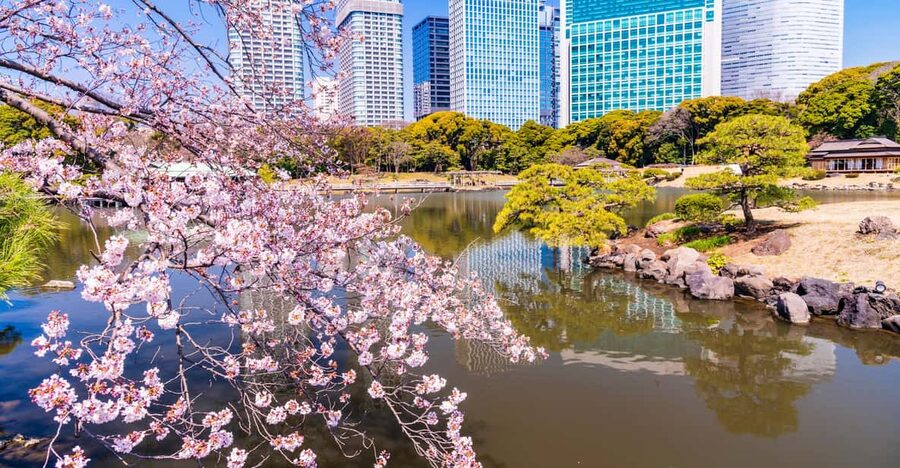
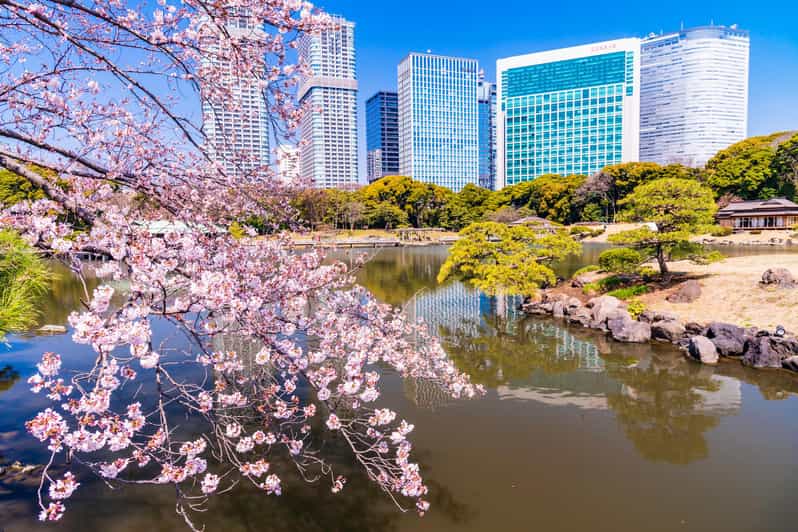
Hama-rikyū Gardens started in the Edo period, and that matters because the design is meant to be experienced step by step. You are not just looking at plants. You are reading how space, water, and seasonal changes guide your attention.
What I find most satisfying is how the garden’s highlights are built around classic Japanese garden ideas. Two names you will hear often are Karesansui, the dry landscape style, and Kaiyushiki, the circular garden layout. Together, they give you a sense of how different design principles can create calm and motion at the same time.
Also, this garden is about change. The plants and trees shift with the seasons, so the feel of the place changes as you move. Even if you have seen other Japanese gardens before, you will likely notice different details here depending on when you go.
A few more Tokyo days to weigh up
- Matcha Making Class in Tokyo with Authentic Japanese Sweets Set
★ 5.0 · 744 reviews - Tokyo: Matcha Making Experience with Mochi Sweets in Asakusa
★ 4.9 · 388 reviews - Japanese Traditional Sweets making and Tea Ceremony
★ 4.7 · 50 reviews
Your 30 minutes with the guide: what to notice in a small group
This tour includes a guided walkthrough of about 30 minutes, and the small group size (limited to 4) is a big deal. With fewer people, the guide can point things out without rushing, and you can ask for clarification when something feels confusing.
The guide’s job here is not just to recite dates. You get the background of the garden’s history and the thinking behind its design highlights. In feedback, guides including Ayaku, Hiro, and Mr. Ito show up as standouts because they explain clearly and keep the group engaged.
Since the tour is in English, you can focus on meaning instead of decoding translations. That is especially helpful in a garden, where the details can look subtle from a distance.
Karesansui and Kaiyushiki: the garden’s two “reading modes”
The highlights are where the tour earns its keep. Karesansui is the dry landscape style, and it often feels surprisingly structured, even without a lot of visible water. Instead of relying on bright features, it emphasizes composition. You tend to look longer, because your eye follows patterns and negative space.
Then there is Kaiyushiki, the circular garden concept. The circular layout is interesting because it helps you experience the space as a sequence, not a single view. As you shift position, the garden can feel like it is re-framing itself, giving you a different perspective without leaving your general area.
Here is how I suggest you approach these two sections while you are there:
- Slow down where the guide tells you to look, especially at transitions between views.
- Notice what changes when you walk a few steps. That is usually the point of the design.
- Ask one simple question in the moment, like what the layout is trying to suggest, so you leave with a mental map.
Tea ceremony room: matcha and sweets as part of the design
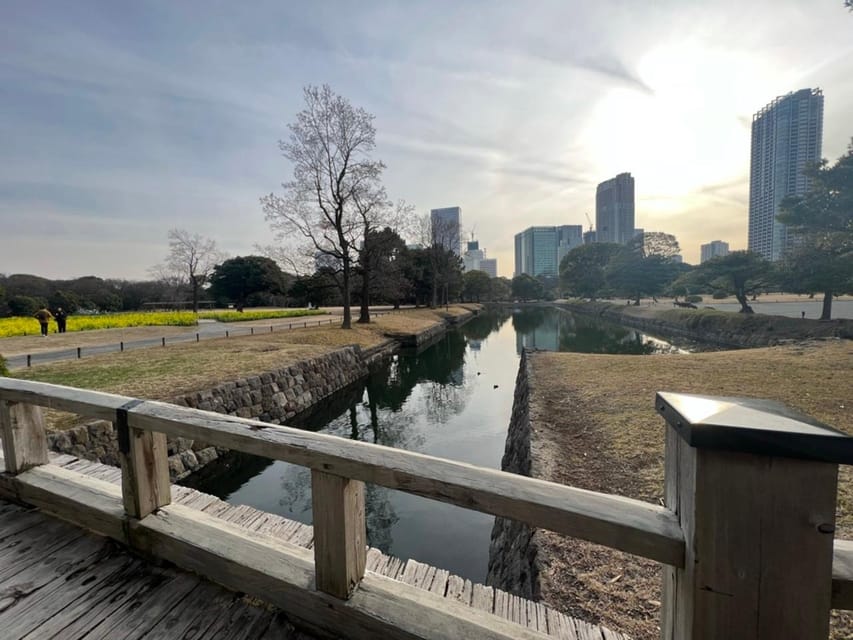
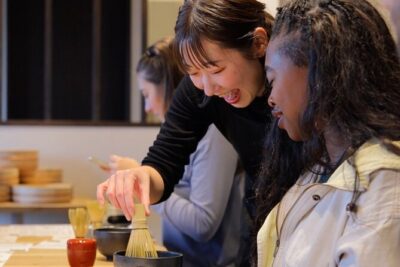
The second half of the tour is a tea ceremony experience, about 60 minutes, held in a tea ceremony room inside the garden. This is not a random add-on. It is timed to help you settle after walking and to turn the garden’s calm into something you can taste.
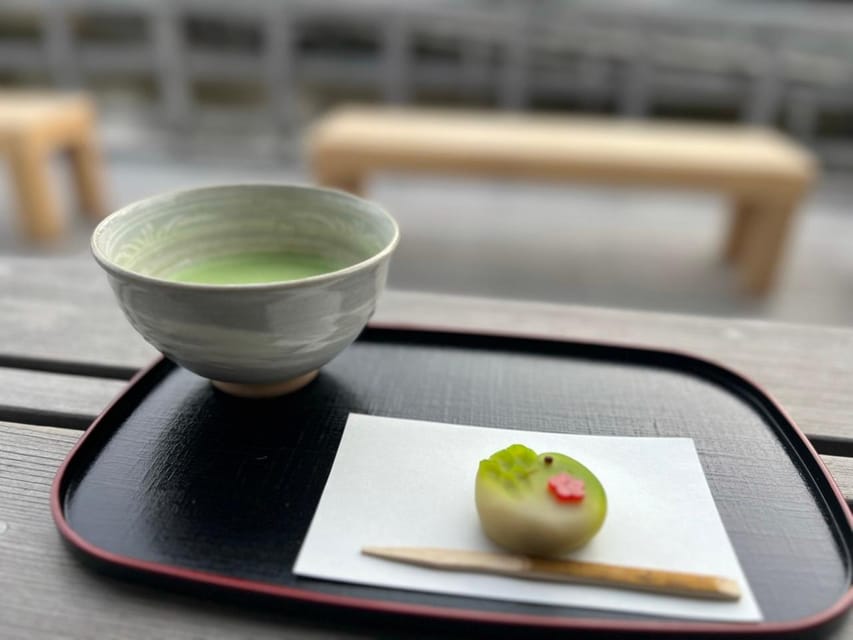
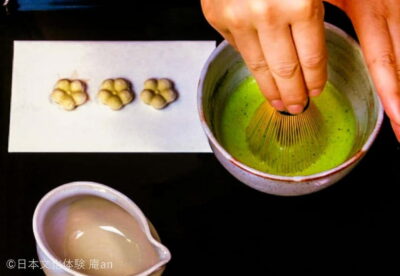
Matcha green tea and Japanese sweets are included in the tour fee. You are getting a complete break, not just a drink you can grab elsewhere. In one set of feedback, the pairing of matcha with traditional tea sweets like wagashi is remembered as a key moment, because it makes the tea feel connected to the setting.
I also like that this part of the experience is structured. Instead of spending time figuring out how the tea moment works, you can follow the guide and focus on the ritual. Even if you are not a “tea person,” matcha is a friendly entry point, and the included sweets help balance the flavors.
Practical note: because this is a guided experience, try not to treat the tea room like a quick restroom and photo stop. Give yourself time to slow down.
A different sort of day in Japan:
- Mt Fuji and Hakone 1-Day Bus Tour Return by Bullet Train
★ 5.0 · 26,383 reviews - 1-Day Tokyo Bus Tour
★ 5.0 · 14,250 reviews - Tokyo: TOKYO SKYTREE® Admission ticket
★ 4.5 · 11,192 reviews - Tokyo: teamLab Planets TOKYO Digital Art Museum Entry Ticket
★ 4.6 · 9,779 reviews
How the walking tour really works in 90 minutes
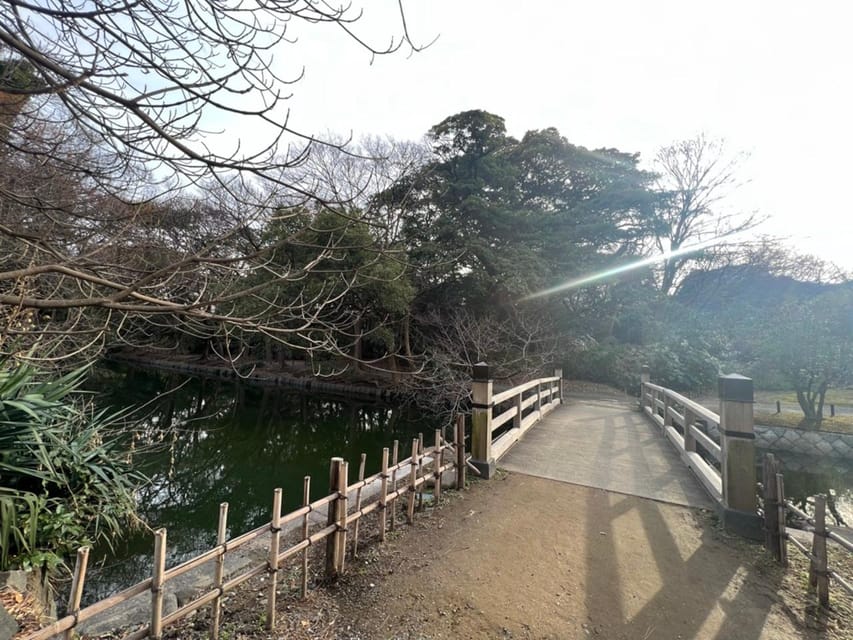
The full tour is listed at 90 minutes, with 30 minutes for the garden guidance and 1 hour for tea. That means you are not going to be wandering for hours. The schedule is tight enough to keep energy up, but not so rushed that you miss the point.
For you, that usually translates into a good fit when:
- You want culture without committing to a half-day plan.
- You prefer short, meaningful stops over long lines and long travel.
- You would rather learn a few things well than see 20 places without context.
The main thing to prepare for is your feet. Comfortable walking shoes are recommended for a reason. Tokyo sidewalks add up fast, and a garden walk is not flat-mannered every time.
Photo moments and seasonal color: plan for the light
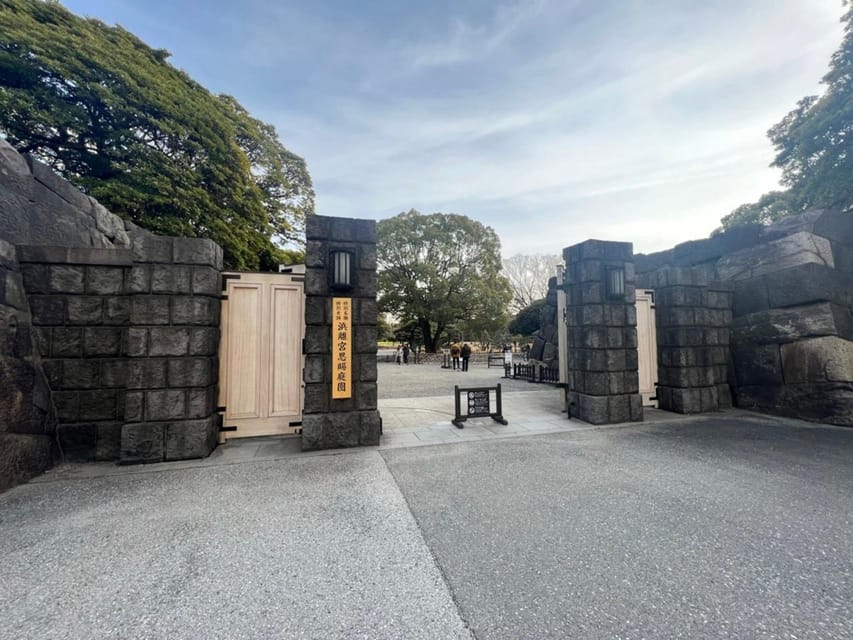
Hama-rikyū is great for photos, but it helps to understand that the best shots come from pacing, not from standing still and hoping. The design highlights are built for movement, especially with ideas like Karesansui and the circular Kaiyushiki layout.
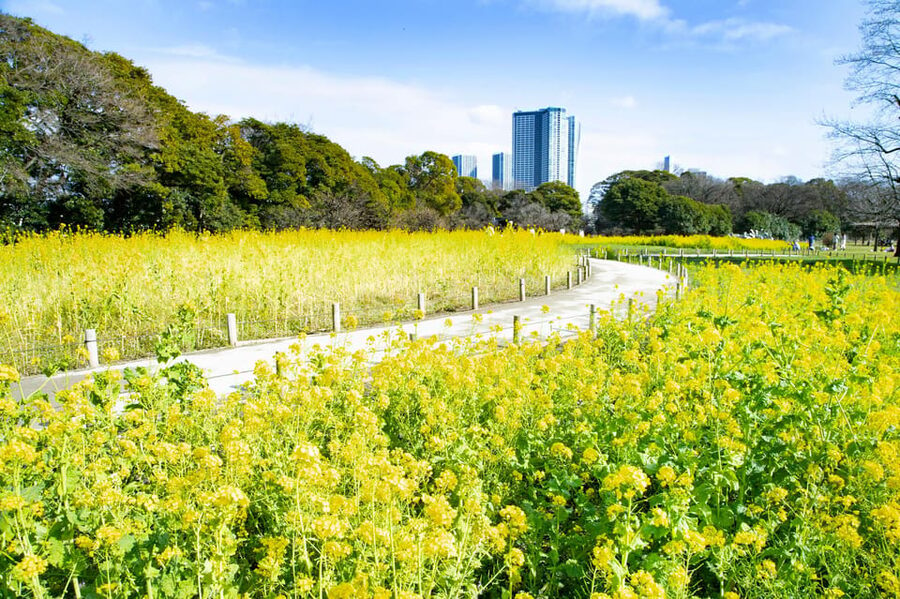
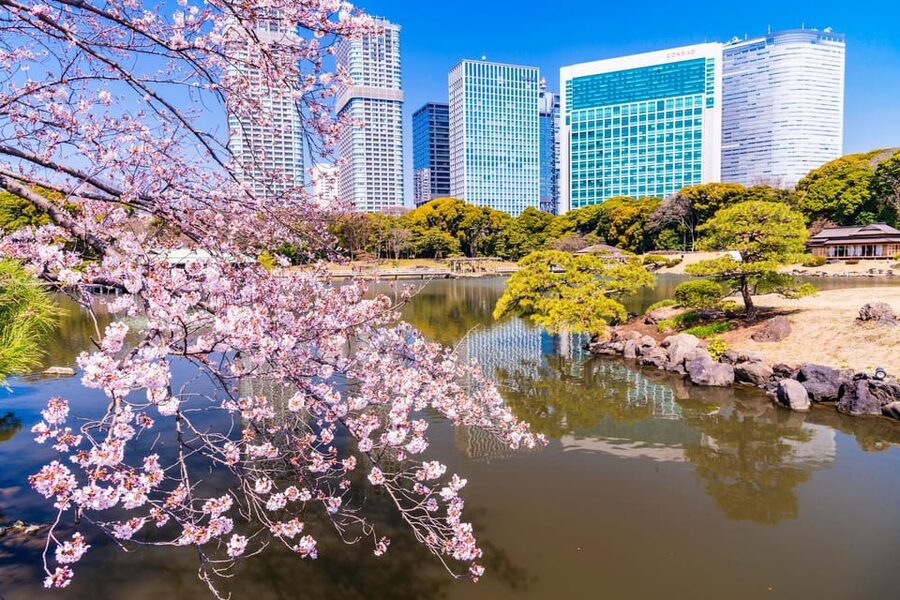
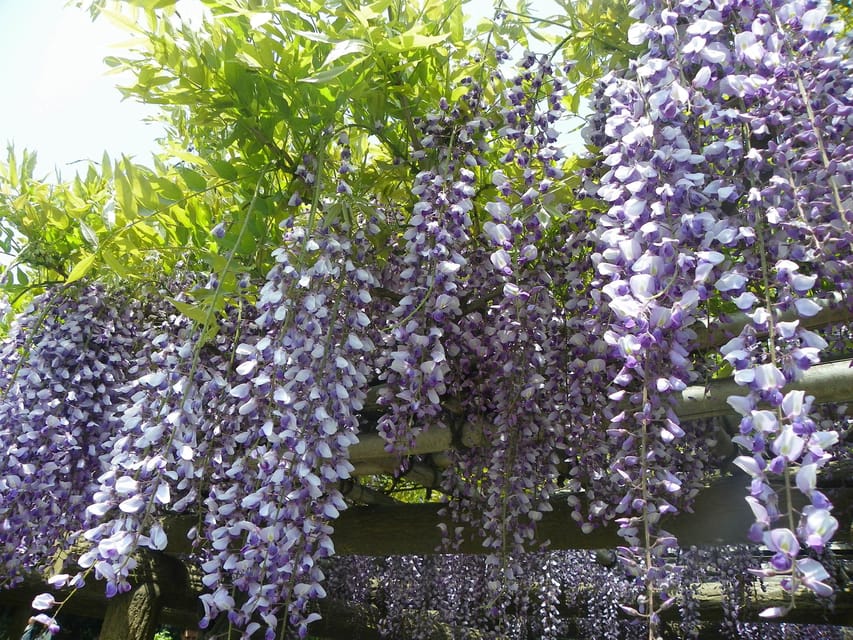
Seasonal changes can also shape what you photograph. If you visit in spring, you may catch blooming flowers, and in feedback, spring bloom details are part of what people loved. In other seasons, you may see a different kind of beauty, more about structure and texture than bright flowers.
My practical tip: if you care about photos, use the garden guidance time to learn where views change, then take your photos during the moments when the guide pauses. Trying to photograph while you are still trying to understand the design can slow you down.
Getting there: Otemon Bridge to Shiodome Station
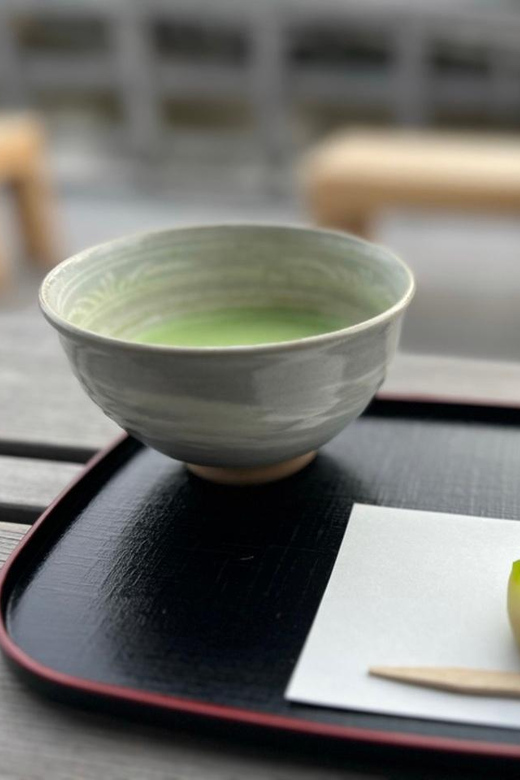
You have two start options for the tour, with one listed at 大手門橋 (Otemon Bridge). Your actual meeting point may vary based on what option you booked, so it is worth checking your confirmation closely before you head out.
The tour ends at one of two drop-off locations, including Shiodome Station. That is handy if you want your garden visit to plug directly into the rest of your day in central Tokyo.
If you are planning your Tokyo day around this, I would treat it as a connector. It pairs well with nearby sightseeing, because the end at Shiodome Station keeps you close to major transit.
Is $85 worth it? Small group, guide time, and tea
At $85 per person for 90 minutes, you are paying for three things that add up quickly in Tokyo: a live English guide, guided time in a historic garden, and a tea ceremony experience with matcha and Japanese sweets included.
If you only wanted to walk the garden by yourself, you could probably do it for less money. But the value here is learning what to look for. The guide’s role is the difference between scenic wandering and actually understanding why Karesansui and Kaiyushiki feel the way they do.
The small group limit of up to 4 also supports the price. In a larger group, you spend time waiting for explanations. Here, you are more likely to get direct attention and quicker answers to questions.
So for me, the “worth it” checklist looks like this:
- You want a guided interpretation, not just entry to a garden.
- You like tea culture and want matcha and sweets provided.
- You prefer small-group pacing so the tour feels personal.
Who should book this Hama-rikyū tea and garden tour
This tour is a strong match for you if you:
- Enjoy Japanese gardens and want to understand the design ideas behind them.
- Want a short cultural outing, 90 minutes, that does not take over your whole day.
- Appreciate an organized tea moment, with matcha and Japanese sweets included.
- Like asking questions, since the group is limited to 4.
It may be less ideal if:
- You strongly dislike walking.
- You only want a self-guided, at-your-own-pace visit without a structured tea experience.
- You are trying to squeeze in too many stops back-to-back, since you will want time to relax in the tea room.
Should you book it? My decision checklist
Book this tour if you want a focused experience: guided garden highlights plus a proper tea ceremony break. The pairing of Karesansui and Kaiyushiki with matcha and sweets is a smart way to experience Japanese garden culture in a single afternoon chunk.
If you are unsure, ask yourself one question: do you want to understand what you are seeing, or do you just want pretty scenery? This tour leans toward understanding. The guides named in feedback, like Ayaku, Hiro, and Mr. Ito, are remembered for turning the garden into something you can explain afterward, not just something you walk through.
And one last practical thing: wear comfortable walking shoes. That one choice makes the whole 90 minutes feel easier.
FAQ
How long is the Hama-rikyū Gardens tour with Japanese tea and sweets?
The tour duration is 90 minutes, with a guided garden segment of about 30 minutes and a tea ceremony experience of about 1 hour.
What is the price per person?
The price is $85 per person.
Is the tour guide available in English?
Yes. The live tour guide is provided in English.
What is included in the tour fee?
The tour includes a tour guide, plus matcha green tea and Japanese sweets.
How many people are in the group?
It is a small group limited to 4 participants.
What are the main parts of the garden you will see?
The garden highlights include Karesansui (dry landscape garden) and Kaiyushiki (circular garden).
Where does the tour start and where does it end?
There are two starting location options, including 大手門橋 (Otemon Bridge). Drop-off locations include Shiodome Station (汐留駅). Your exact meeting point may vary depending on the option booked.
Is there a cancellation policy?
Yes. You can cancel up to 24 hours in advance for a full refund.
Can I reserve now and pay later?
Yes, the experience offers Reserve now, pay later, so you can book your spot without paying immediately.
Newly listed around Tokyo
- Tokyo: Practicing Zen with a Japanese Tea Ceremony★ 4.7 · 105 reviews
- Tokyo: Japanese Massage – Kangfu Beauty & Body Care Salon★ 4.4 · 43 reviews
- Tokyo: Japanese Style Variety Show with Dance,Magic & Dinner★ 4.5 · 13 reviews
- Tokyo: Imperial Palace with Nostalgic Alley Kagurazaka tour★ 4.3 · 8 reviews
- Tokyo: Night Cooking Class: 5 Home-Cooked Japanese Dishes★ 4.9 · 13 reviews
- Tokyo: Full-Day Japanese Garden Private Guided Tour★ 4.6 · 13 reviews
- Tokyo: Imperial Palace East Gardens and Tokyo Station Tour★ 5.0 · 16 reviews
- Tokyo: Imperial Palace, the history of Japan (ENGLISH GUIDE)★ 5.0 · 77 reviews
Dessert Tours, compared.
Matcha Making Class in Tokyo with Authentic Japanese Sweets Set
Read our review →
Matcha Making Class in Osaka with Authentic Japanese Sweets Set
Read our review →
Matcha Making Experience with Mochi Sweets in Asakusa
Read our review →
Japanese Traditional Sweets Making and Tea Ceremony
Read our review →
Japanese Traditional Sweets Making and Tea Ceremony
Read our review →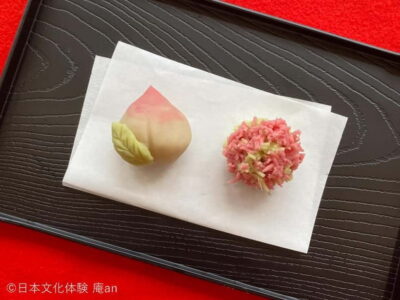
Japanese Traditional Sweets making and Tea Ceremony
Read our review →
Japanese Traditional Sweets making and Tea Ceremony
Read our review →Browse the lists this tour appears in