
Review · HISTORICAL TOURS
Tokyo: Imperial Palace, the history of Japan (ENGLISH GUIDE)
Imperial Tokyo has a quiet story. I love how the tour turns the eastern palace gardens into a clear timeline of Japan’s changes over centuries, and I love the chance to see the special koi and palace remnants up close. One catch to plan for: you do not visit the inner palace, so expect grounds and history, not interior rooms.
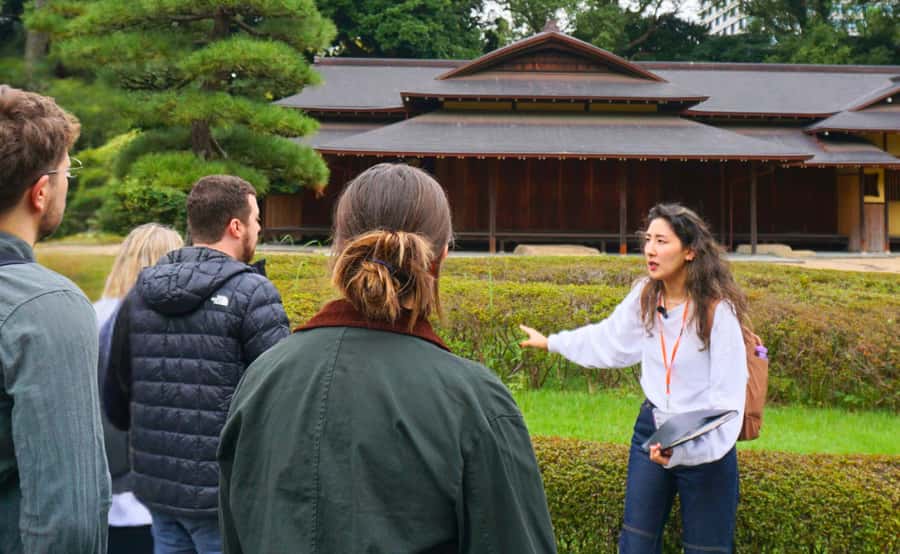
You start close to the action at Starbucks near the palace, then follow your guide through the main gate and across the serene grounds. The tone is friendly and talkable, especially with guides like Nicolas, a Franco-Japanese educator who answers questions about mythology, language, and life in Japan. It is also weather-proof in the sense that it runs in good or bad weather, so dress like you mean it.
In This Review
- Key highlights that make this palace history walk worth it
- Where you meet, and why this tour starts near Wadakuramon Fountain Park
- Through the otomon gate: what you will actually see (and what you won’t)
- Eastern gardens and palace ruins: serenity with a plot
- The koi moment: more than a cute photo stop
- Edo Castle foundations: how the story connects to more than 350 years ago
- Trees from different prefectures: noticing Japan one detail at a time
- Photo tips you can use immediately (without turning it into a photo tour)
- About the guide: what I’d look for, and how to get real answers
- Price and value: is $40 a good deal for this type of tour?
- Rules and weather: small things that prevent big headaches
- Who this experience is best for
- Should you book the Tokyo Imperial Palace history tour?
- FAQ
- Where do I meet the guide?
- Which train stations are closest?
- Is the inner palace included?
- What language is the guide?
- What activities are not allowed during the tour?
- Can I cancel for a full refund?
Key highlights that make this palace history walk worth it
- Main-gate entrance at otomon for a true sense of place before you even start walking
- Koi viewing at a spot tied to a unique local breed only found here
- Edo Castle connections through more than 350-year-old former base areas
- Ruins and miniature palace views where the guide explains why the original castle is gone
- Photo-friendly viewpoints guided so you do not just wander and hope
Where you meet, and why this tour starts near Wadakuramon Fountain Park
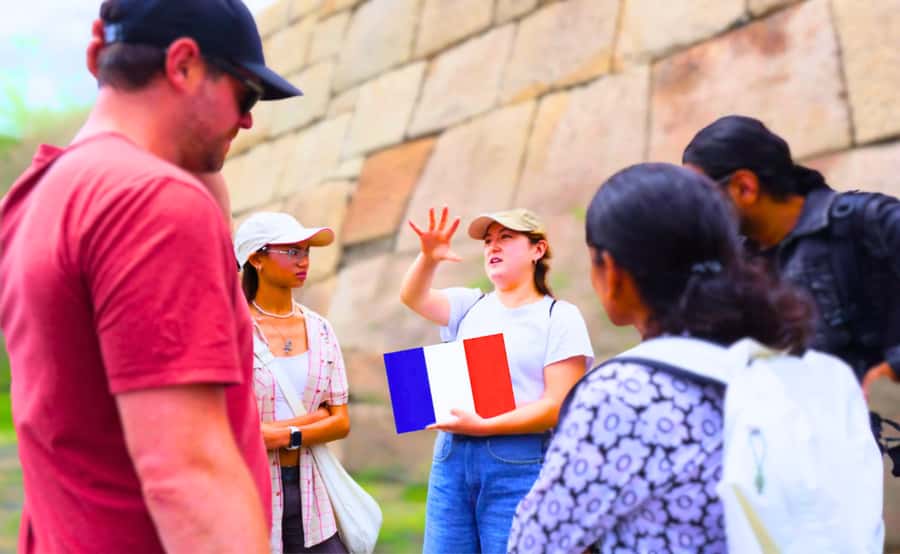
This tour is set up for convenience. You take the train to Tokyo Station or Otemachi Station, then walk about 5 to 10 minutes to Wadakuramon Fountain Park. Inside the park, you head toward the Starbucks and look for the guide standing near the fountain holding a sign with the Sunrise Adventure logo.
This is a smart start point because it gets you out of “where do I meet the group?” panic. You also arrive already near the palace approach, so your first minutes feel like you are moving into the story rather than figuring out logistics.
If you are even a few minutes late, be aware the tour starts without you after 10 minutes. Aim to arrive early and take a quick look around the fountain area, because it helps you orient yourself before the palace grounds begin.
More History Tours in Tokyo
- Tokyo: Imperial Palace Japanese History Walking Tour
★ 4.9 · 987 reviews - Yanaka Walking Tour: Historic and Traditional District of Tokyo
★ 5.0 · 530 reviews - Tokyo: Shinjuku Historical Walking Tour & Secret Backstreets
★ 5.0 · 530 reviews
Through the otomon gate: what you will actually see (and what you won’t)
After meeting your guide, you head to the large main gate, otomon. Walking through it is more than a photo moment. It is the moment the tour shifts from “Tokyo is modern” into “Tokyo is layered,” with centuries of political power written into the grounds.
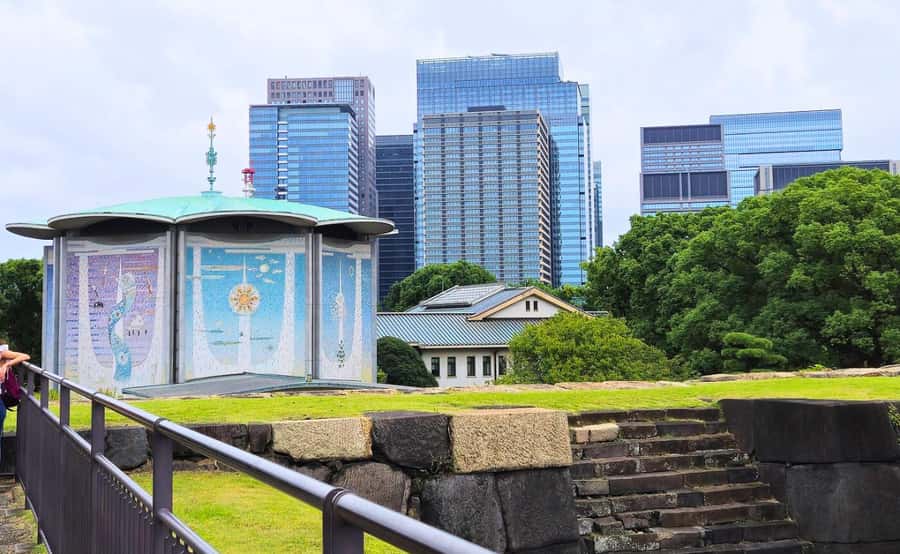
Once inside, you move along palace areas where the main castle no longer exists, and your guide explains the reason. You will also get a view of a miniature structure representing the former palace. That detail matters because it helps your brain picture scale. Without it, the grounds can feel like “pretty park with ruins.” With it, you can connect the dots between what was and what is.
You will not have access to the inner palace. That limitation is important because it changes what kind of trip this is. This is not an all-access palace visit. It is a historical walking tour that uses what you can see, plus strong explanation, to build understanding.
Eastern gardens and palace ruins: serenity with a plot
The big appeal here is the balance between calm and context. The eastern gardens are peaceful, and that quiet makes the history feel less like a lecture and more like discovery.
As you stroll, you see palace ruins and garden spaces linked to the Edo period and beyond. Your guide points out the details that most people miss when they are just sightseeing. The tour also includes stops tied to the former soldiers’ barracks, so you get a human angle on the space, not only the royal one.
One of the nicest parts is that you are not forced to read a bunch of plaques. You are walking. You turn corners. You get a narrative that helps you understand why certain areas were where they were, and how power and daily life shaped the layout.
The koi moment: more than a cute photo stop

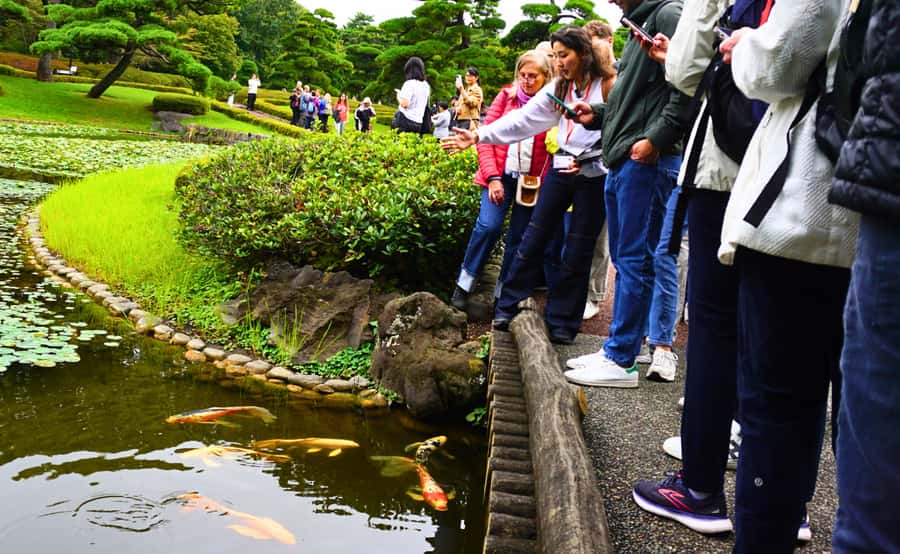
Yes, you will likely take pictures. But the koi stop is not just about beauty. The tour includes meeting a special breed of koi that can only be found here. That local exclusivity adds meaning to the garden water features, and it is the kind of detail that makes a palace tour feel specific to Tokyo instead of generic.
If you care about nature details, this is a fun pause in the historical flow. If you only care about history, the koi still earns its place because it connects the environment to the culture and time period your guide is talking about.
Practical tip: bring a phone with enough battery and keep an eye on your light angles. The guide will show you good spots for photos, so do not feel shy about asking where to stand.
A few more Tokyo days to weigh up
- Mt. Fuji Heritage Tour: Traditional Villages, Lakes & Shrine
★ 4.5 · 509 reviews - From Tokyo: Nikko World Heritage Site Private Full-Day Trip
★ 4.9 · 243 reviews - Tokyo: The Best of Izakaya in Shinjuku Food & Cultural Tour
★ 4.9 · 221 reviews - Asakusa: A Big-picture History Walk to Know Japan
★ 4.6 · 77 reviews
Edo Castle foundations: how the story connects to more than 350 years ago
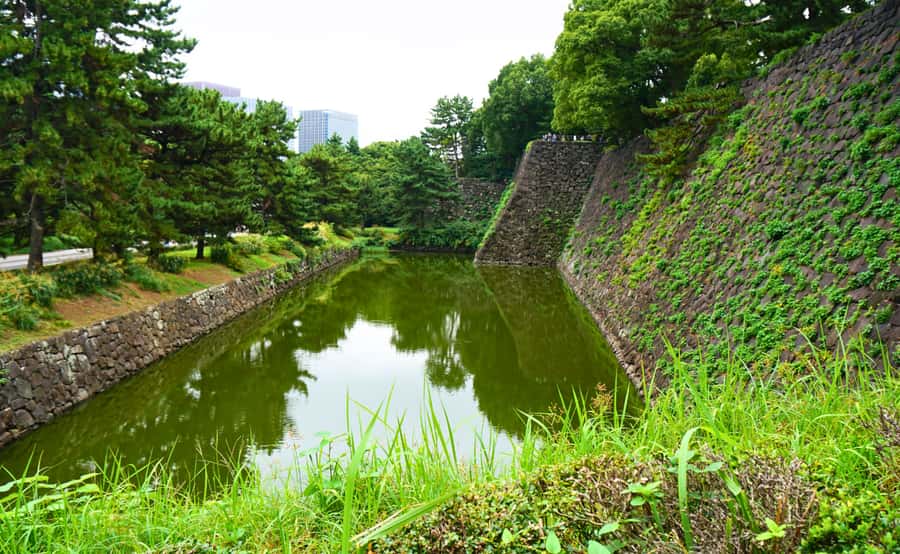
A highlight of the walk is the connection to the former base of Edo Castle, described as more than 350 years old. This matters because the Edo Castle era is the backbone for understanding how Japan shaped the identity it carried into later centuries.
What makes this part work is that the tour does not treat history like a list of dates. It treats it like a geography puzzle. You see areas tied to former structures, then your guide connects them to the bigger story of Japan evolving into the country it became.
This is also where the tour becomes especially valuable for visitors who have limited background knowledge. Even if you feel fuzzy on Edo versus Meiji versus the wider timeline, the guide’s explanations help you see cause and effect: how leadership changes, how society changes, and why the physical space still reflects those shifts.
Trees from different prefectures: noticing Japan one detail at a time
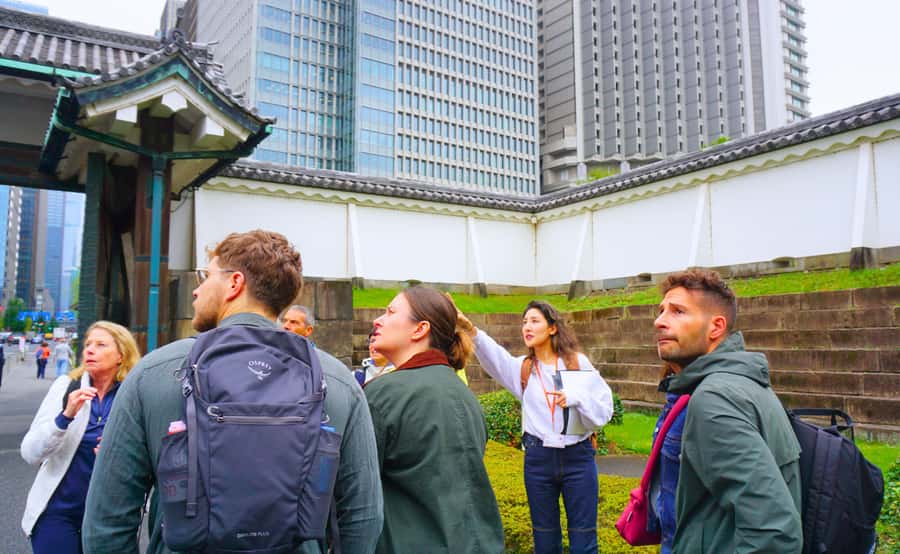
Another stop that adds depth is the chance to see trees from different prefectures of Japan. That sounds small, but it is exactly the kind of “quiet detail” that makes the gardens feel curated to a purpose.
This part gives you a more nationwide perspective. Instead of thinking of Tokyo as the only stage, you start seeing the grounds as a place that reflects wider Japan, not just the capital.
If you like travel that makes you look closer, this will land well. Your guide will likely point out what you should notice, rather than making you guess.
Photo tips you can use immediately (without turning it into a photo tour)
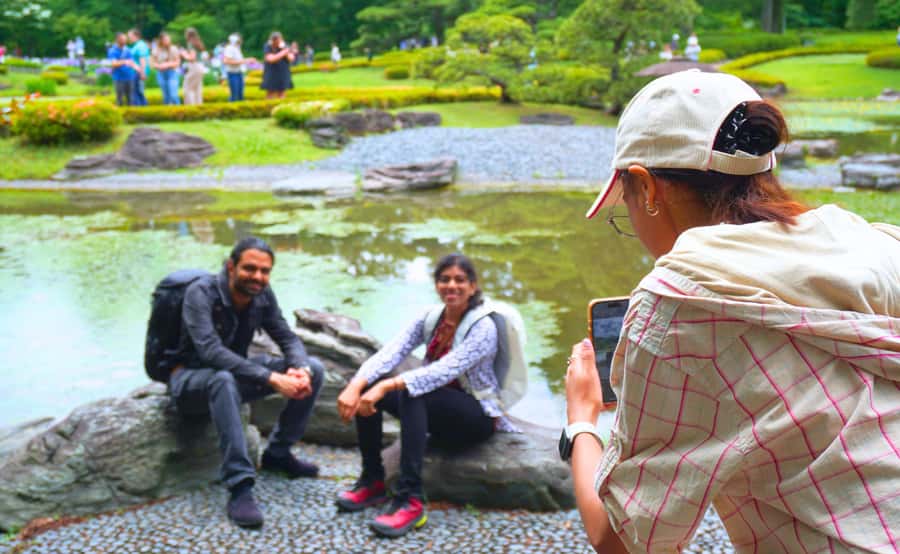
The tour includes the best spots for taking great photos, which is helpful because palace grounds can look similar if you are not sure where to stand.
Here is what you can do to get better pictures on the walk:
- Move when your guide tells you to, even if the current angle seems fine. Those “wrong” angles are usually what people settle for.
- Do not block walkways. The grounds are for strolling, and you will get better shots when you stand where others can pass.
- Take a quick moment for wide shots early, then return to close-ups for details like koi and ruins.
The guide’s recommendations are what make the photos easy. Without them, you spend your time searching. With them, you spend your time actually seeing.
About the guide: what I’d look for, and how to get real answers

The tour is led by a guide from Sunrise Adventure. The provided details list French as the language, but the title also references an English guide. That mismatch is worth checking before you go, especially if you want a full experience in English.
When the language works, the payoff is high. One of the strongest themes from the experience is how much knowledge the guide brings, including answers that go beyond the tour itself. Nicolas, for example, was described as a fountain of knowledge who could discuss mythology, Japan in general, and even language questions.
So, when you book, do yourself a favor. Come with one or two questions you genuinely want answered. It could be about the Edo period, why the main castle no longer exists, or what you should notice in Japanese palace gardens. That is where the tour turns from sightseeing into understanding.
Price and value: is $40 a good deal for this type of tour?
At $40 per person, this sits in the “worth it if you want guidance” range. You are paying for three things:
- A guided historical walk that explains what you are seeing.
- Access to the palace grounds in a structured way, with a route and context.
- Specific garden stops like the koi and photo locations, which can be harder to find and interpret on your own.
If your goal is to quickly wander the grounds alone, you might feel like you could do it without paying. But if you want the explanations that turn ruins into meaning, the guide is the value engine here.
Also remember what is not included. You do not get access to the inner palace. So this is best for people who are happy to focus on the grounds, gardens, and history storytelling rather than interior sights.
Rules and weather: small things that prevent big headaches
This tour has clear behavior rules. No smoking, no drones, no alcohol and drugs, no littering, and no skateboards. That is standard for many Tokyo sites, but it still helps to treat it seriously so you can enjoy the walk without stress.
Weather matters too. The tour runs in good weather or bad weather, and you are told to wear clothing appropriate for the conditions. Bring layers, use a light rain cover if you have one, and wear shoes that handle walking on garden paths.
Who this experience is best for
This is a great match if you:
- Like history but want it explained in a way that connects to what you see
- Want a calmer, respectful alternative to high-energy Tokyo sights
- Care about Japanese culture details like gardens, koi, and how eras shaped the country
It might be less ideal if you:
- Specifically want inner palace access (not included)
- Need a fully English-speaking guide and you cannot confirm the language in advance
- Expect a long stop-and-sit museum style experience rather than a walking tour
Should you book the Tokyo Imperial Palace history tour?
I think you should book this if you want a guided understanding of how Japan changed over centuries, without racing around. The combination of otomon entrance, garden serenity, koi, and Edo Castle connections gives you a clear, memorable route through a part of Tokyo that can otherwise feel oddly hard to interpret on your own.
If you do not care about explanations, or if inner palace access is your must-have, then you may want to skip it. But if you enjoy walking, asking questions, and learning why places look the way they do, this tour is a solid use of time.
FAQ
Where do I meet the guide?
Meet at the Starbucks near Wadakuramon Fountain Park. Your guide will be waiting there holding a sign with the Sunrise Adventure logo.
Which train stations are closest?
You can take the train to Tokyo Station or Otemachi Station, then walk about 5 to 10 minutes to the meeting point.
Is the inner palace included?
No. The tour does not include access to the inner palace.
What language is the guide?
The tour information lists French. The title mentions an English guide, so if English matters to you, confirm the guide language when you reserve.
What activities are not allowed during the tour?
Smoking, drones, alcohol and drugs, littering, and skateboards are not allowed.
Can I cancel for a full refund?
Yes. You can cancel up to 24 hours in advance for a full refund.
Newly listed around Tokyo
- Tokyo: Practicing Zen with a Japanese Tea Ceremony★ 4.7 · 105 reviews
- Tokyo: Japanese Massage – Kangfu Beauty & Body Care Salon★ 4.4 · 43 reviews
- Tokyo: Hama-rikyu Gardens tour with Japanese Tea & Sweets★ 4.7 · 14 reviews
- Tokyo: Japanese Style Variety Show with Dance,Magic & Dinner★ 4.5 · 13 reviews
- Tokyo: Imperial Palace with Nostalgic Alley Kagurazaka tour★ 4.3 · 8 reviews
- Tokyo: Night Cooking Class: 5 Home-Cooked Japanese Dishes★ 4.9 · 13 reviews
- Tokyo: Full-Day Japanese Garden Private Guided Tour★ 4.6 · 13 reviews
- Tokyo: Imperial Palace East Gardens and Tokyo Station Tour★ 5.0 · 16 reviews
Historical Tours, compared.
World Heritage Shirakawa-go and Experience Tours from Kanazawa
Read our review →
World Heritage Kyoto & Nara Uji Authentic Matcha Experience
Read our review →
World Heritage Shirakawa-go Morning Guided Tour
Read our review →
Hiroshima Historical Walking Tour – Why A-Bomb was Dropped
Read our review →
Hiroshima Peace (Heiwa) Walking Tour at World Heritage Sites
Read our review →
Yanaka Walking Tour: Historic and Traditional District of Tokyo
Read our review →
Shinjuku Historical Walking Tour & Secret Backstreets
Read our review →Browse the lists this tour appears in