
Review · JAPANESE COOKING WORKSHOPS
Tokyo: Kawaii Bento Cooking Class – Cute Character Lunchbox
Cute lunch art starts with real knife skills. In this 2-hour Tokyo class, you build a character bento, then snap photos and eat your creation. You meet in a basement near Tameike-Sanno, so it is easy to fit into a busy day.
I love the English instruction led by friendly hosts like Kenji and Mari, with clear step-by-step guidance. I also love the tool support, since you get more ways to shape faces and side dishes than you would if you tried it alone at home.
One possible drawback: the class involves knives and common allergens like seafood, soy, and sesame, so you need to flag dietary and safety concerns ahead of time.
In This Review
- Key things to know before you go
- Kawaii character bento, real hands-on fun with a cultural backbone
- Meeting in the B1 basement near Tameike-Sanno, Exit 7
- Choosing your character bento, panda, brown beer, or seasonal
- Inside the 2-hour flow, intro to eating, in a clear order
- The hands-on build, tools that make edible art easier
- Food safety and dietary requests, what you can count on
- Eating your character bento, and turning the skill into a Tokyo souvenir
- Value check, why $64 for 2 hours can actually make sense
- Optional add-ons, side dish prep and an Akasaka tour
- Should you book this kawaii bento class in Tokyo?
- FAQ
- Where is the meeting point?
- How long is the cooking class?
- Is the workshop taught in English?
- Do I need prior cooking experience?
- Are children allowed to join?
- What character bento can I choose?
- Can the class handle vegetarian, vegan, or allergy needs?
- Is the workshop indoors?
- Is there a photo session, and what do I take home?
- Is it wheelchair accessible, and can I cancel for a refund?
Key things to know before you go
- Character bento choices include panda, brown beer, or a seasonal limited-edition option (you confirm after booking by email).
- A simple 2-hour rhythm: intro, 60 minutes of hands-on making, a photo session, then a relaxed meal.
- Photo time is built in, so you can capture your lunchbox art before you eat.
- Dietary adjustments are possible, including vegetarian and vegan options, plus allergy requests with limits.
- Family-friendly with supervision, because kids can join, but knives and tools require parent or guardian oversight.
- Optional add-ons may be available with advance request, including side dish prep before the workshop and an Akasaka tour after.
Kawaii character bento, real hands-on fun with a cultural backbone
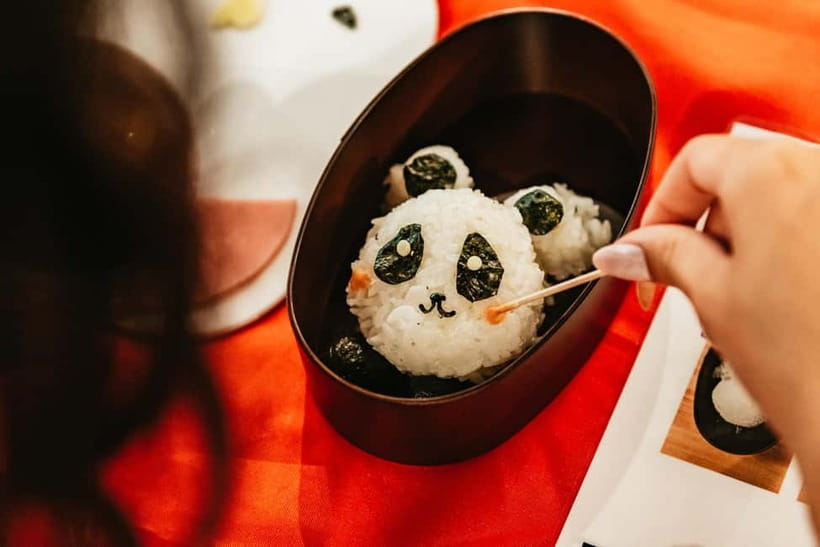
If you like Japanese pop culture, this is the class version of it. You are not just decorating rice for a minute, you are building a full lunchbox with a clear plan and guidance from an instructor in English. It is kawaii, yes, but it is also practical, since bento is meant to be packed, portioned, and eaten with care.
I like the balance. You get craft time, and you also get the why behind the food. In past sessions, instructors like Kenji have explained the importance of bento in an interactive way, so it feels more meaningful than a one-off art project.
There is also a good “confidence boost” here. You start with a blank lunchbox, then you end with something that looks like a character. Even if you worry you are not artsy, the process is designed to be doable with the tools and pacing provided.
More Cooking Classes in Tokyo
- Ramen & Gyoza Cooking Class in Tokyo with Local Supermarket Visit
★ 5.0 · 823 reviews - Tokyo: Easy Ramen Cooking Experience in Kabukicho, Shinjuku
★ 4.6 · 321 reviews - Ramen and Sushi Cooking Class with Sake Pairing Set in Tokyo
★ 5.0 · 291 reviews
Meeting in the B1 basement near Tameike-Sanno, Exit 7
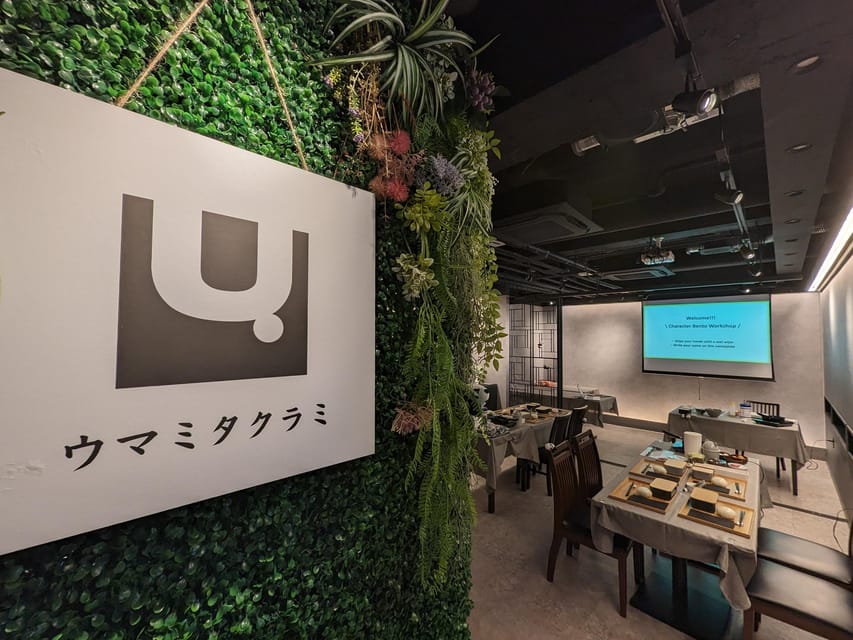
Logistics matter in Tokyo, especially if you are planning a busy day of trains and neighborhoods. This workshop has a straightforward meeting point: you exit Tameike-Sanno Station via Exit 7, walk straight ahead, cross the intersection, and go to the building directly in front of you. Look for the sign with the panda bento, since that is your landmark.
You will be in the basement (B1) under a ramen shop. Ticket redemption and the activity meet up at the same place, so you do not have to hunt around once you arrive. Indoors means it is also easier to manage timing if it is hot, cold, or raining.
Quick tip: if you are arriving during peak rush time, give yourself extra minutes. The station exits can feel like a maze when you are in a hurry, and you want to start relaxed, not frantic.
Choosing your character bento, panda, brown beer, or seasonal
The class centers on making a character bento, and you get to choose which character style you want. Your options include a panda bento, a brown beer bento, or a seasonal limited-edition bento. After booking, the specific choice is confirmed by email, so keep an eye on your inbox once you reserve.
How to choose? Pick based on what you think you will enjoy eating. The character style is part of the fun, but you still want food you are happy to finish during the meal portion. If you are traveling with someone who is picky, ask the instructor about substitutions early so you do not end up surprised on the day.
This is also a nice format for groups with mixed tastes. Even in a class that has one main “character idea,” the guidance and tool options help you make it feel personalized, not copy-paste.
Inside the 2-hour flow, intro to eating, in a clear order
The schedule is tight but not rushed, and the pacing is designed to keep you moving step by step. Expect an approximate flow like this:
First, there is a short introduction to Japan’s bento culture, around 15 minutes. This is where instructors set expectations for the lunchbox layout and explain why bento matters in day-to-day food culture.
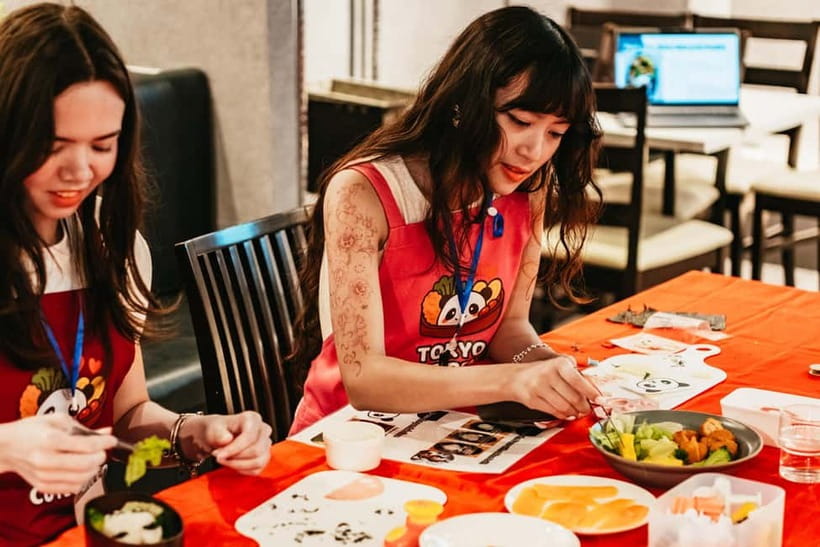
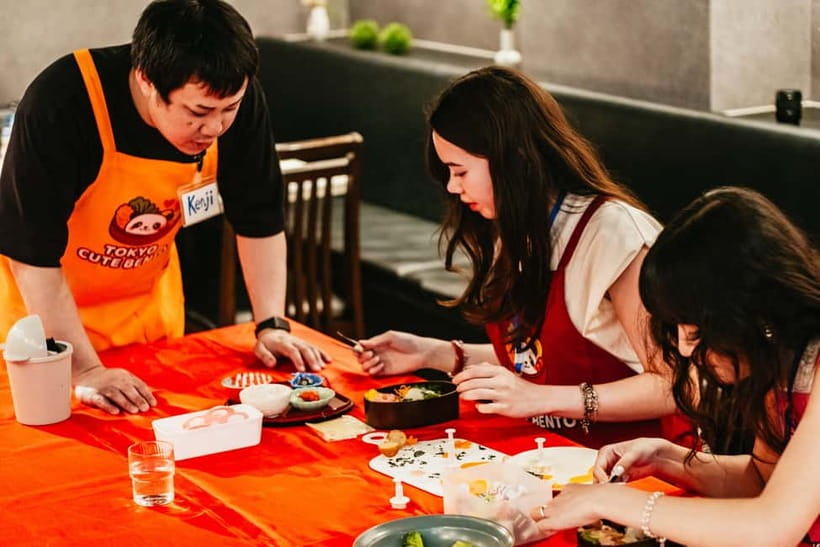
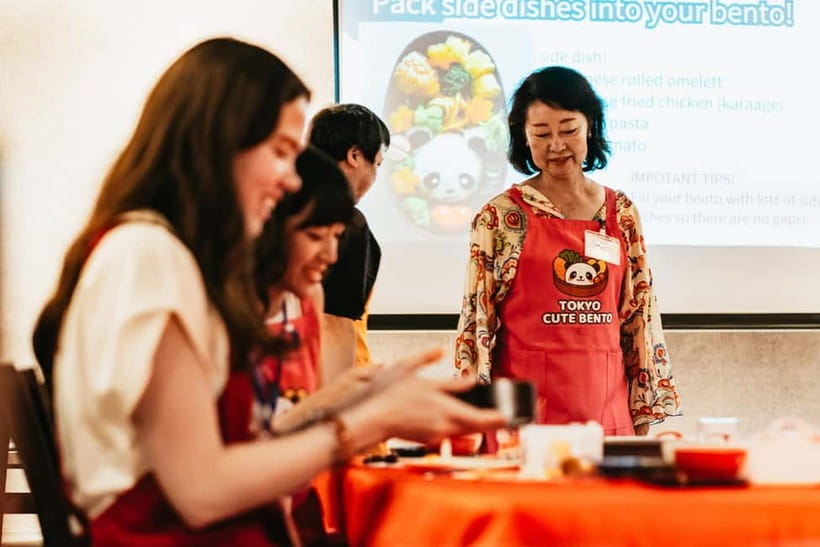
Next comes the main event, about 60 minutes of hands-on bento making. This is the part where you build your character face and add side dishes, using tools and prep steps you are walked through in English.
Then you get a photography session for about 15 minutes. This matters more than you might think, because it gives your bento time to look its best on display. If you have ever tried to take photos while your food is cooling or moving around, you know how annoying that can be.
Finally, you enjoy your meal for around 30 minutes. In other words, you do not just make it and rush off, you actually get to sit and eat what you made.
The class is indoor too, so you are not balancing against weather. For Tokyo sightseeing days, that is a real quality-of-life win.
More Cooking Workshops in Tokyo
- Tokyo: Wagyu and 7 Japanese Dishes Cooking Class
★ 4.9 · 273 reviews - Tokyo Washoku 4-hour Cooking Class: From Market to Table
★ 5.0 · 253 reviews - Tokyo: Private Japanese Cooking Class with a Local Chef
★ 5.0 · 81 reviews - Ramen Making from Scratch +Akihabara Tour –Cooking Class
★ 5.0 · 25 reviews
The hands-on build, tools that make edible art easier
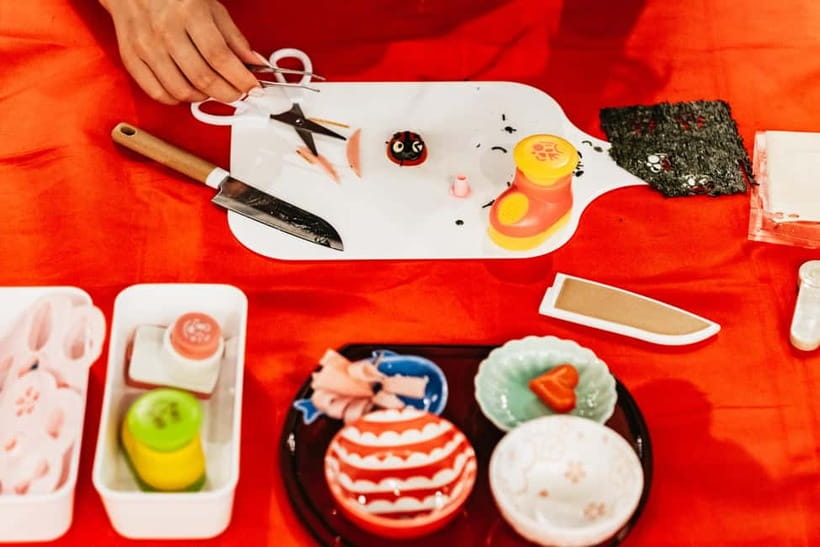
The most praised part is the way the instructors guide you through the process. Kenji comes up often as a host who is kind, informative, and helpful with each step. Mari also appears in some sessions as an instructor who, along with Kenji, keeps the class organized and patient.
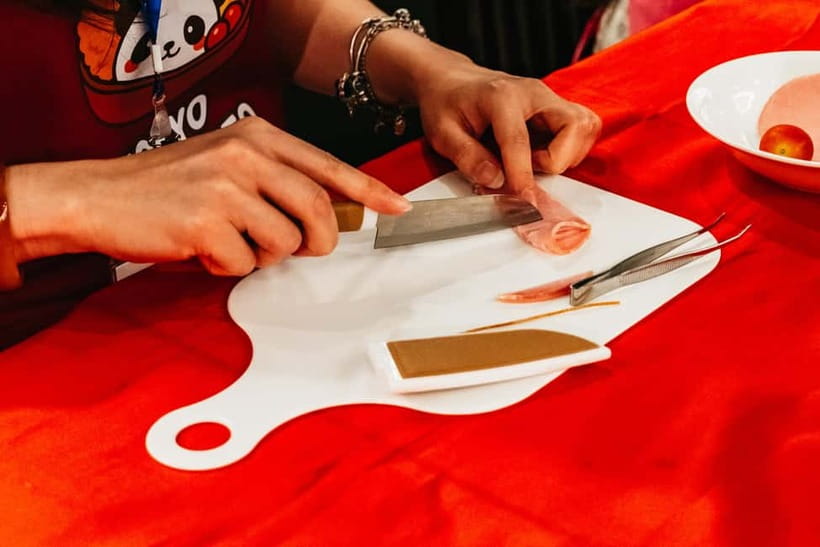
What you get that makes the difference is the tool setup. People mention having lots of tools for bento making and multiple craft-style ways to build details. That matters because character bentos are all about small shapes, placement, and texture. When you have the right tools, you spend less time fighting the materials.
You also get an intentional mix of skills. You are doing real cooking tasks and real assembly tasks, not just arranging pre-made items. And because everything is taught step by step with English instructions, you do not need prior cooking experience to join.
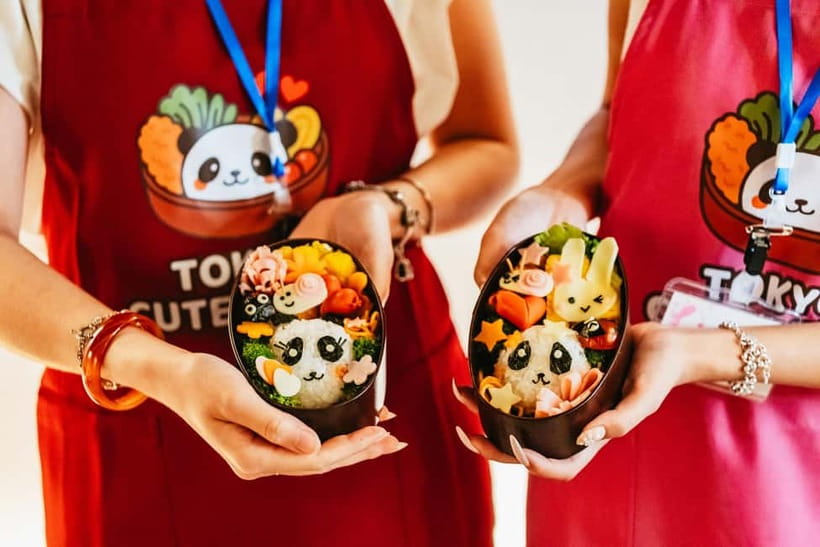
In the hands-on stage, you design your own character bento, including decorated faces and side dishes. A lot of the fun is taking the same core idea, panda or dog or whatever character you pick, and making it look like your version.
Food safety and dietary requests, what you can count on
If you have food allergies, treat this as a planning job, not an afterthought. This class involves common allergens such as seafood, soy, and sesame, and severe allergies may make the experience unsuitable. That said, the organizers may be able to accommodate with advance notice, and they do offer allergy-related adjustments in some cases.
For broader needs, you can request dietary adaptations. The class states that vegetarian and vegan options are available. It also says allergies can be accommodated with instructions like no nuts and no milk.
If you have strict dietary restrictions, you should message the organizer during booking. The info you have suggests they can adjust with advance notice, but they may not be able to meet every strict rule. If you are the type who hates uncertainty when it comes to food, contact them early and be very specific.
Also note the kid safety point: the workshop involves knives and other cooking tools. Children are welcome, but parents or guardians should supervise younger participants. If you are traveling with kids, plan on being actively involved during the hands-on portion.
Eating your character bento, and turning the skill into a Tokyo souvenir
Once you sit down, you get to experience the best part: tasting what you made. People highlight that the bento tastes great, and you also get a photo session so the lunchbox looks good on camera before you dig in.
You leave with more than a meal. You get English recipes, plus a souvenir after the class. That combination helps you carry the experience home in two ways: you can recreate similar bentos, and you can remember what you made without relying on memory alone.
One of the coolest outcomes is how quickly the process becomes learnable. Several people report that the bento is easy to do even if they have no experience, mostly because the class design reduces guesswork. The goal is not to make you a bento expert overnight. It is to make you confident enough to try again at home, using the same basic logic and assembly tricks.
Value check, why $64 for 2 hours can actually make sense
At $64 per person for about 2 hours, this is not the cheapest thing on a Tokyo day. But when you price it honestly, the value is easier to see.
You are paying for:
- English-speaking instruction and cultural explanation
- All ingredients and tools provided for the hands-on build
- The structured class flow, including a photography session
- English recipes plus a souvenir afterward
So you are not paying just for “some food.” You are paying for guidance plus materials plus a complete experience. For families, couples, and friends, it also doubles as a shared activity, where everyone makes their own edible keepsake.
If you are a solo traveler, it still works because the class is structured and guided. You are not stuck in a random workshop where you do not know what to do next.
If you are trying to decide between this and another food activity, use this filter: pick the class if you want a hands-on skill and a memorable object to bring home, not just a meal you eat and forget.
Optional add-ons, side dish prep and an Akasaka tour
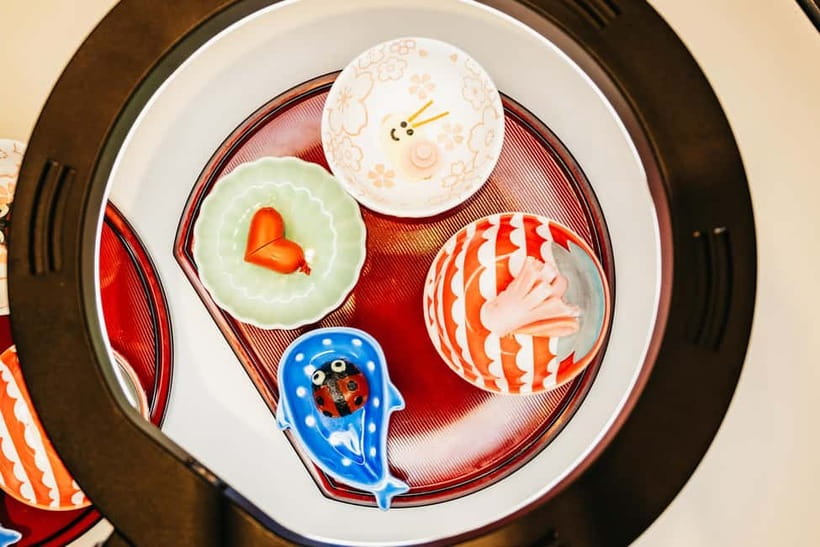
There are limited-time add-ons with advance request. One option is 30-minute advanced side dish preparation before the workshop. Another is a 30-minute Akasaka tour after the workshop.
These add-ons can be useful if you want more value in either direction. Side dish prep gives you more time with the building blocks of the bento. The Akasaka tour can help you connect the class to a real neighborhood experience, though you should confirm availability when you request it.
Because both are advance request items, do not wait until the last minute. If you are interested, decide early so you have a better chance of getting the slot you want.
Should you book this kawaii bento class in Tokyo?
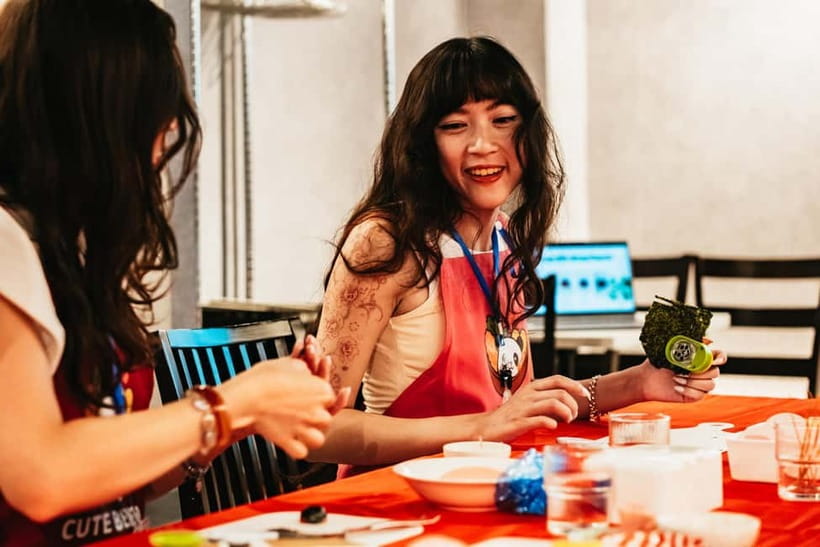
Book it if you want a fun, family-friendly activity with real hands-on cooking and a clear plan. It is a strong choice for couples and small groups who enjoy crafts, and it is also a good option for solo travelers who like guided activities where you leave with something tangible.
Skip it or ask extra questions first if you have severe allergies or strict dietary rules that require very specific ingredient exclusions. Also consider the knife-and-tool aspect if you are bringing very young kids. With the right supervision and careful planning, it should be manageable, but the tools are part of the design.
My bottom line: if you like kawaii culture and you want to learn something you can repeat, this class is a solid way to spend part of your Tokyo trip. It is creative, guided, and practical, and you leave with both a lunchbox you made and the instructions to try again.
FAQ
Where is the meeting point?
You meet at Tameike-Sanno Station Exit 7. Walk straight ahead, cross the intersection, and enter the building directly in front of you. The landmark is a sign with the panda bento. The class is in the basement (B1) under a ramen shop, and ticket redemption happens at the same location.
How long is the cooking class?
The class lasts about 2 hours.
Is the workshop taught in English?
Yes. Instruction is in English.
Do I need prior cooking experience?
No prior cooking experience is needed. Instructors guide you step by step.
Are children allowed to join?
Yes, children are welcome. The workshop involves knives and other cooking tools, so parents or guardians should supervise younger participants.
What character bento can I choose?
You can choose between a panda bento, a brown beer bento, or a seasonal limited-edition bento. Which one you get is confirmed after booking via email.
Can the class handle vegetarian, vegan, or allergy needs?
Vegetarian and vegan options are available. Allergies can be accommodated (with notes like no nuts, no milk), but the class also states that it involves common allergens such as seafood, soy, and sesame. For severe allergies, you should contact them in advance to see what can be adjusted.
Is the workshop indoors?
Yes. It is held indoors, so it is comfortable even in rain or heat.
Is there a photo session, and what do I take home?
Yes, there is a photography session. After the class, you also receive English recipes and a souvenir.
Is it wheelchair accessible, and can I cancel for a refund?
The workshop is wheelchair accessible. You also get free cancellation up to 24 hours in advance for a full refund, and there is a reserve now, pay later option to keep plans flexible.
Newly listed around Tokyo
- Tokyo: Daikoku: JDM and Tokyo Car Culture Experience★ 4.9 · 148 reviews
- Tokyo: Daikoku JDM Car Culture Tour★ 4.6 · 12 reviews
- Tokyo: Daikoku JDM Car Meet Tour + LibertyWalk & Autobacs!★ 5.0 · 63 reviews
- Tokyo: Daikoku Car Meet Tour at Night with JDM Guides★ 4.6 · 193 reviews
- Tokyo Customized Private Tour: See Top Attractions in 1 Day★ 4.8 · 67 reviews
- Tokyo: Customized Private Tour with a Local Guide★ 4.7 · 17 reviews
- Tokyo: Crazy Cute & Kawaii Harajuku Food Tour★ 4.4 · 15 reviews
- tokyo city walk tour visit Tokyo in one day★ 5.0 · 14 reviews
Japanese Cooking Workshops, compared.
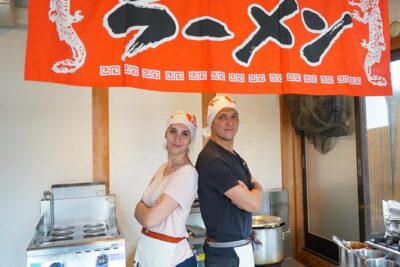
Ramen Cooking Class at Ramen Factory in Kyoto
Read our review →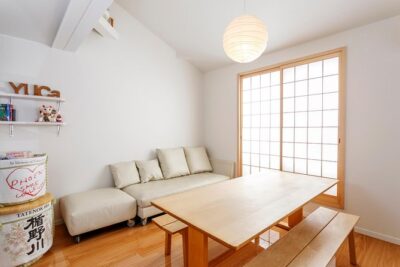
Ramen & Gyoza Cooking Class in Tokyo with Local Supermarket Visit
Read our review →
Ramen Cooking Class at a Ramen Factory with Souvenir
Read our review →
Japanese Washoku Bento Small Group Cooking Class
Read our review →
Sumo Stage Show with Bento or Snack + Fight & Photo
Read our review →
Ramen and Sushi Cooking Class with Sake Pairing Set in Tokyo
Read our review →Browse the lists this tour appears in