

Review · JAPANESE CRAFT WORKSHOPS
Tokyo: Learn Traditional Origami with a Local
Folding paper in Tokyo feels weirdly calming. In this 90-minute class, Manami Watanabe, an East Tokyo instructor who started making origami at age 3, walks you through classic shapes while sharing the meaning behind each fold. I especially love the patient, step-by-step guidance and the selection of traditional papers that make each finished piece feel personal, not like a craft you rush. One possible drawback: the designs are not customized, and the class is built mainly for beginners, so advanced folders may find some options a bit easy.
You meet at FEEP Shinjuku Higashi-guchi in the Shinjuku area, and you get English instruction with all the basics provided. Plan on making 3 to 5 origami shapes during the session, and yes, you can snap selfies with your creations before you take them home in the small bags provided.
In This Review
- Quick highlights for this Shinjuku origami class
- A calm Shinjuku workshop where the folds do the talking
- Meet Manami: an East Tokyo origami teacher who starts young
- Picking your designs: 3 to 5 pieces, with options at different levels
- The paper you choose changes the whole look
- What happens in the 90 minutes: a practical folding rhythm
- Stories and symbolism: why each shape matters
- Materials included, and why that boosts the value
- Logistics in Shinjuku: where FEEP is and how not to waste time
- Who this class suits best, and who should consider alternatives
- Should you book this Tokyo origami class with Manami?
- FAQ
- How long is the origami class in Tokyo?
- What is the price per person?
- How many origami pieces will I make?
- What language is the instruction?
- What is included in the price?
- Is pickup included from the train station?
Quick highlights for this Shinjuku origami class
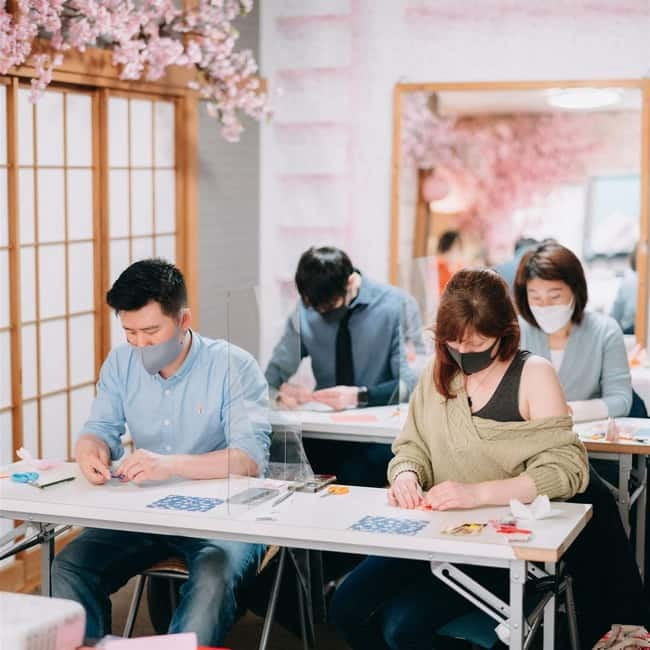
- Manami Watanabe (East Tokyo) has been folding since age 3 and teaches in English
- Step-by-step instruction so you never feel stuck at a tricky crease
- Pick 3 to 5 designs from multiple skill levels, with classics like crane and frog often offered
- Traditional and modern handmade papers so your finished pieces look different even when shapes repeat
- All materials included, plus water and some snacks
- Great for beginners, but limited customization if you’re an expert
A calm Shinjuku workshop where the folds do the talking
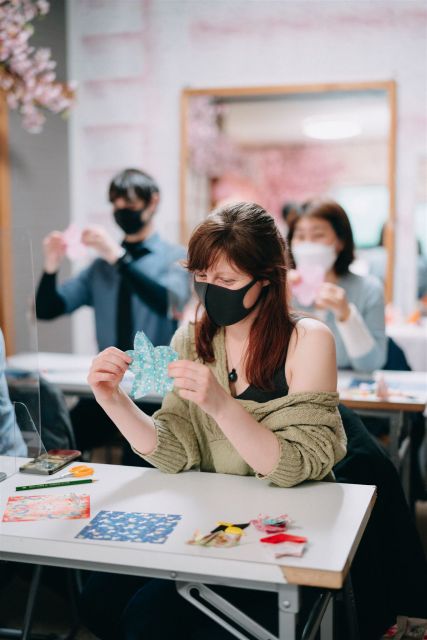
This is the kind of Tokyo experience I recommend when you want something hands-on that still feels cultural and thoughtful. You are not just copying a diagram. You are building a little object with care, learning why the shape matters, and getting feedback as you go.
The setting is practical: you meet at FEEP Shinjuku Higashi-guchi, a shared workspace with meeting booths on the 5th floor. Because it is designed for small groups, the pace is usually relaxed. That matters, since origami is all about slow accuracy, not speed.
Also, the timing is ideal for a busy day in Tokyo. A 90-minute class is long enough to finish multiple pieces, but short enough that you do not have to rearrange your whole itinerary.
More Craft Workshops in Tokyo
- Chopstick Making Workshop in Ginza
★ 4.8 · 1,366 reviews - Tokyo: Samurai Sword & Archery Class from Samurai Descendant
★ 5.0 · 603 reviews - Tokyo: Shinjuku Chopstick Making Class
★ 4.9 · 440 reviews
Meet Manami: an East Tokyo origami teacher who starts young
You will learn with Manami Watanabe, who comes from East Tokyo. The standout detail here is that she has been involved with origami since she was very young, starting at age 3. That early start shows in her teaching style: she does not just say fold here, fold there. She keeps the process understandable.
From what you can expect based on how the class is described, Manami connects technique to meaning. As you complete each piece, she shares history, stories, and cultural significance tied to the shapes you choose. For example, she is expected to talk about why the origami crane is so important in Japan.
I like this approach because it turns a craft class into a small cultural lesson. You finish with paper art, but you also leave with context you can actually remember on your next rainy evening back home.
Picking your designs: 3 to 5 pieces, with options at different levels
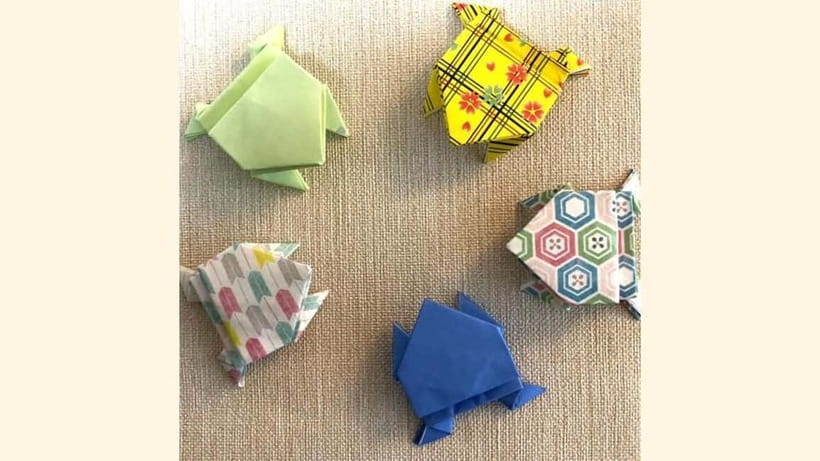
The class is designed so you can leave with several finished works. Expect to make 3 to 5 origami shapes during the 90 minutes, depending on the designs you pick and how quickly you’re comfortable with the folding.
Before you start folding, Manami typically showcases origami designs of various skill levels. You then choose patterns that interest you. That choice matters. If you pick something that sounds fun, you will stay motivated through the sometimes-fussy process of getting sharp creases.
What shapes might you see? Common examples associated with this class include items like a crane, a jumping frog, a lotus flower, an open box, and even a samurai helmet. Even if the exact menu varies by day, the structure stays the same: you select from multiple options, and you get a path that fits your comfort level.
One important note: the designs are not customized on site. So if you have a very specific list in mind, you will need to be okay with choosing from what is offered for that session.
The paper you choose changes the whole look
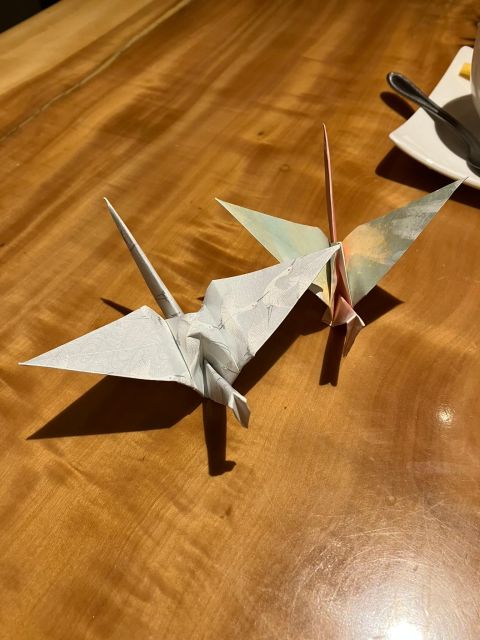
Origami can feel deceptively simple until you see how much paper choice affects the result. In this class, you can select from a variety of papers, including traditional and more modern designs.
You do not just get one generic sheet. The idea is that each shape can have its own paper, which can dramatically change the visual impact. This is also where the class feels especially “Tokyo.” You are surrounded by the idea that even everyday items can be chosen with aesthetic care.
You should expect the instructor to encourage you to pick papers that match the piece you’re making. If you like bold patterns, you can lean that way. If you prefer understated, traditional tones, you can do that too.
And since you are taking everything home, paper choice turns into a practical souvenir. These are not items that get folded into a bag and forgotten. They sit on a shelf because they look good, even after the class is over.
A different sort of day in Japan:
- Mt Fuji and Hakone 1-Day Bus Tour Return by Bullet Train
★ 5.0 · 26,383 reviews - 1-Day Tokyo Bus Tour
★ 5.0 · 14,250 reviews - Tokyo: TOKYO SKYTREE® Admission ticket
★ 4.5 · 11,192 reviews - Tokyo: teamLab Planets TOKYO Digital Art Museum Entry Ticket
★ 4.6 · 9,779 reviews
What happens in the 90 minutes: a practical folding rhythm
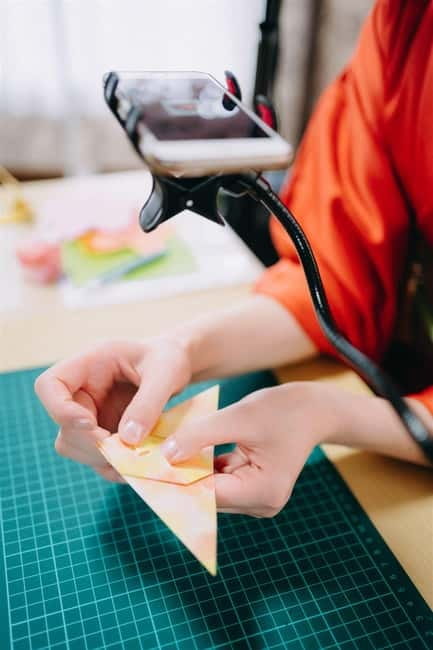
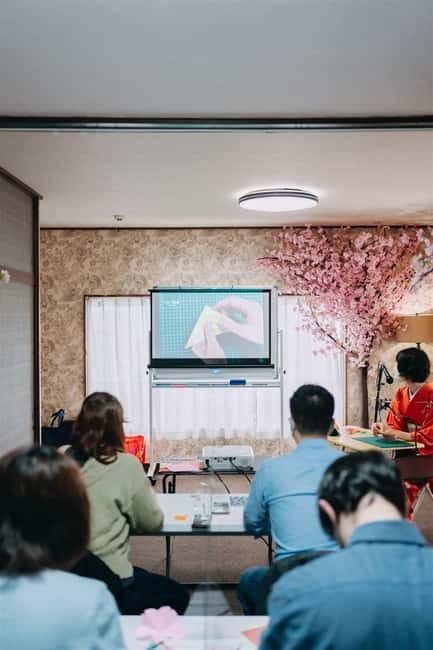
This workshop runs like a well-paced tutorial with room to ask questions. You are not dumped in front of a wall chart. You are guided through each fold with patience.
Here is the usual flow you should expect:
- Start with an overview of the designs and skill level choices. You decide what you want to make.
- Choose your paper(s) for each shape.
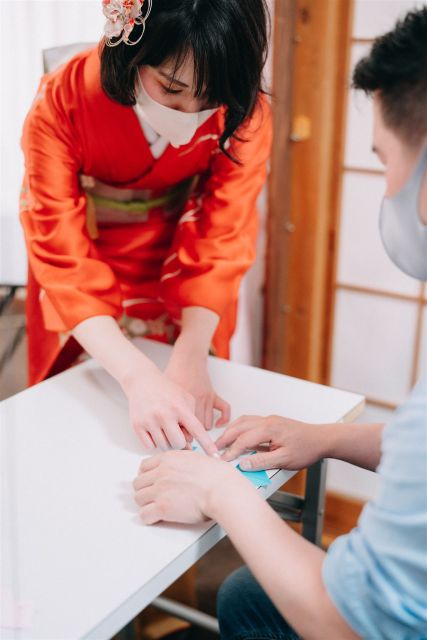
- Fold step-by-step, with Manami demonstrating the next crease and then guiding you through your turn.
- Adjust as you go. If your folds are off, you get respect and corrections. The class is structured so you can ask for help instead of guessing.
- Finish multiple pieces during the session and pack them in the small bags provided.
The big value is that the guidance is personal and incremental. Origami often fails when you skip a single crease. Here, the instructor’s job is to keep you from accidentally building the wrong foundation.
You can also use the moment at the end for selfies. That sounds small, but it helps you remember which piece you made from which moment, especially if you create more than one shape.
Stories and symbolism: why each shape matters
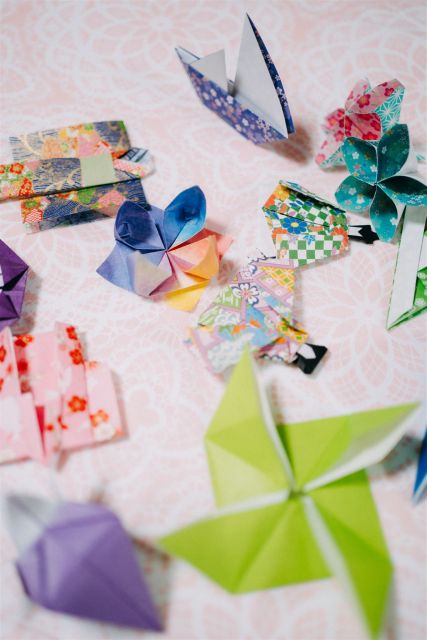
The cultural side of this class is not just trivia. Manami is expected to explain the history and the stories linked to each origami creation as you complete them.
If you’ve ever seen a Japanese paper crane hanging from a string, you already know origami can carry meaning beyond decoration. The class is designed to connect that symbolism to the folding process. So when you fold a crane, you are not only learning technique, you are also learning why people care.
This is one of the highly praised elements of the experience. Many people describe that the class feels calmer and clearer when the story comes alongside the steps. You understand what you’re doing, and you also understand why the tradition has lasted.
I also like that the storytelling is tied to the instructor’s perspective, not just a textbook description. Manami’s background and childhood connection to origami give the explanations a human feel, which makes it easier to stay engaged even if you’re a first-time folder.
Materials included, and why that boosts the value
At $58 per person for 90 minutes, it is fair to ask whether this is “worth it.” In Tokyo, many activities can look cheap until you add on the extras. Here, the included list is actually meaningful.
You get:
- Origami paper (traditional and modern varieties)
- Scissors (provided)
- Pens (provided)
- Small bags so you can bring your completed pieces home
- Water and some snacks
That package matters because it removes friction. You do not need to hunt for tools or bring supplies from your hotel. You can focus on learning, and you can choose better-looking paper without needing to shop first.
There is also an opportunity cost to consider. If you were to learn origami on your own, you might save money, but you would lose the slow, corrective guidance that prevents common mistakes. If you want to walk away with finished pieces that actually look right, the guided instruction is the real value.
Price is not the bargain headline here. The value is that you get multiple high-success creations with cultural context, in English, in a short, structured session.
Logistics in Shinjuku: where FEEP is and how not to waste time
You meet at FEEP Shinjuku Higashi-guchi, Shinseido Bldg. 5F, Shinjuku 3-29-11, Shinjuku-ku, Tokyo.
Nearest station is Shinjuku-sanchome (M09, F13, S02). It is also accessible from the east gate of JR Shinjuku station.
Two practical tips that will save you stress:
- The entrance is locked, so when you arrive, message the host once you reach the 5th floor.
- Give yourself a little buffer. Shinjuku station is large, and it is easy to lose a few minutes in the wrong corridor. This class is designed to move calmly, but you do not want to start late.
If you are the type who likes to check your route in advance, do it that day. The meeting point is a specific building floor, so being off by even one turn can add confusion.
Who this class suits best, and who should consider alternatives
This workshop is primarily for beginners. The class is designed for first-timers, which is great if you want a supportive pace and clear explanations.
If you have already folded many complex models and you’re looking for a high challenge, note that the options might feel too easy. Also, the instructor cannot customize the design choices on site. You pick from what is available for that session.
Age and care notes matter:
- Kids under age 7 are not allowed.
- If your group includes elderly guests or anyone who needs special care, you should let the organizers know in advance so the venue can be adjusted.
On the plus side, the activity is wheelchair accessible, and the instruction is in English, which makes it a friendly option if Japanese language is not your thing.
Should you book this Tokyo origami class with Manami?
Book it if you want a low-stress, beginner-friendly way to make real origami keepsakes with step-by-step help. I think it’s a particularly smart choice if you have never folded origami before, or if you want to avoid the common frustration of learning from a book and ending up with lopsided models.
Skip it or consider another style of class if you are an advanced folder who wants difficult patterns, or if you need specific designs that are not part of the offered set. Since customization is not available on site, you cannot force the session to match your exact wish list.
If you are in the Shinjuku area and you have 90 minutes to slow down, this is a fun, meaningful way to experience Tokyo from the inside, not just the streets outside. You leave with multiple pieces, you understand the symbolism behind them, and you get a story worth telling later.
FAQ
How long is the origami class in Tokyo?
The class lasts 90 minutes.
What is the price per person?
The price is $58 per person.
How many origami pieces will I make?
You can choose to make 3 to 5 origami shapes during the session.
What language is the instruction?
The instructor teaches in English.
What is included in the price?
Included are origami paper (traditional and modern), scissors, pens, small bags to bring your works home, plus water and some snacks.
Is pickup included from the train station?
No pickup at the train station is included. You will need to meet at the designated location.
Newly listed around Tokyo
- Tokyo private transfer for Yokohama Port★ 4.5 · 63 reviews
- Luxury Kimono Photoshoot at Ginza Tokyo★ 5.0 · 7 reviews
- Tokyo Allstar Food Tour★ 4.5 · 206 reviews
- Private One Day Nikko Tour with Bilingual driver★ 3.5 · 11 reviews
- Tokyo Art Aquarium Museum E-Ticket with optional Tokyo Metro Pass★ 5.0 · 17 reviews
- Tokyo: Best Ginza Food Tour at 3 Local Eateries★ 5.0 · 83 reviews
- PRIVATE tour in 180SX to Daikoku+++++★ 5.0 · 6 reviews
- Kabuki Talk★ 5.0 · 10 reviews
Japanese Craft Workshops, compared.
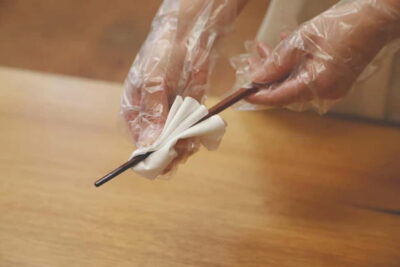
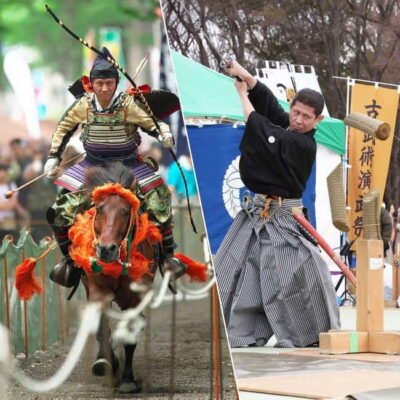
Samurai Sword & Archery Class from Samurai Descendant
Read our review →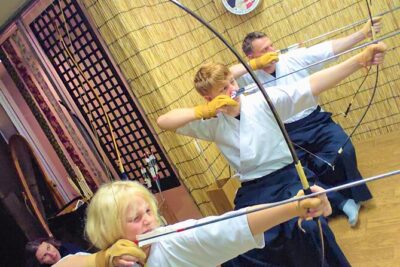
Japanesel Archery Experience HIROSHIMA CASTLE SHARAKU
Read our review →
Authentic knife making experience at a blacksmith in Kyoto
Read our review →
Browse the lists this tour appears in