Review · MORNING
Tokyo: Morning Sightseeing Bus Tour
A morning in Tokyo can feel like a firehose of sights, but this coach loop makes it manageable. I really like the English live guide that helps you understand what you are seeing, and I also like the hands-on matcha experience in Asakusa. The one thing to plan around is the tight schedule, it ends at Sensō-ji, so you will need to be ready to continue on your own after the tour.
You will cover a big slice of the city in about 210 minutes, moving by deluxe air-conditioned bus while still getting meaningful stops like Meiji Jingu Shinto Shrine and Asakusa’s Sensō-ji area. The ride is designed for comfort with Wi-Fi, a regularly ventilated coach, and an antibacterial coating, plus multilingual audio headsets if you want extra support.
In This Review
- Key things to know before you go
- Why a morning coach loop makes sense in Tokyo
- Meeting point, start time, and settling into the deluxe coach
- Meiji Jingu Shinto Shrine: your calm break inside the city
- Passing Harajuku, Omotesando, and the Diet Building from the bus
- Imperial Palace photo stop and choosing between East Garden or Nijubashi
- Akihabara and Ueno area glimpses, plus Kappa-Bashi food replicas
- Asakusa and Sensō-ji: Nakamise Avenue, the matcha break, and where the tour ends
- Price, comfort, and what $90 really buys you
- Who this Tokyo morning bus tour fits best
- Should you book this Tokyo morning bus tour?
- FAQ
- What is the duration of the Tokyo morning sightseeing bus tour?
- Where does the tour start?
- Where does the tour end?
- Is lunch included?
- What matcha is included?
- What languages are available for the audio guide?
Key things to know before you go
- Live English guide support: you get on-the-ground explanations, not just a soundtrack.
- Meiji Jingu Shinto Shrine stop: you learn shrine etiquette and take in the forest-like atmosphere.
- Imperial Palace photo moment: you get a look at key landmarks tied to Edo-era Tokyo.
- Asakusa tea break built into the plan: you try premium matcha plus options like gelato or matcha beer.
- Coach comfort: Wi-Fi, ventilation, and antibacterial coating for an easier morning.
- Tour ends in Asakusa: great if you plan to keep exploring, awkward if you needed a return drop-off.
Why a morning coach loop makes sense in Tokyo
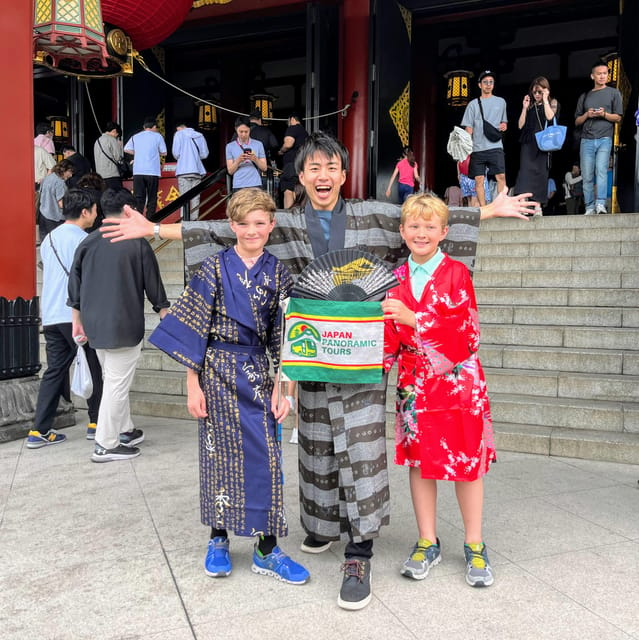
This is the kind of tour that helps you get your bearings fast. In one morning you hit major icons across different neighborhoods, then you finish where Tokyo traditional sightseeing really clicks, around Sensō-ji in Asakusa. The value here is not just the landmarks, it is the order and pacing, with time carved out for a shrine visit and a proper Asakusa hang.
I also like that the tour leans into “understand what you are seeing.” You are not only told where to look. The guide explains the traditional way of visiting a Shinto shrine, so your Meiji Jingu stop feels more meaningful than a quick photo sprint.
The trade-off is that this is not a slow, wandering day. It is designed to move, pass sights from the bus, and do a few focused stops. If you hate time pressure, or if you want long browsing breaks in multiple neighborhoods, you may feel rushed.
A few more Tokyo days to weigh up
- Mt Fuji and Hakone 1-Day Bus Tour Return by Bullet Train
★ 5.0 · 26,383 reviews - 1-Day Tokyo Bus Tour
★ 5.0 · 14,250 reviews - Tokyo: TOKYO SKYTREE® Admission ticket
★ 4.5 · 11,192 reviews
Meeting point, start time, and settling into the deluxe coach
The tour starts in central Tokyo at 8:00am. You have two possible starting points depending on your booking: Shinjuku near the Love statue, or a pickup option in Ginza at the Robert Indiana sculpture labeled Love. Either way, you are meeting early enough to beat some of the heaviest mid-morning crowds.
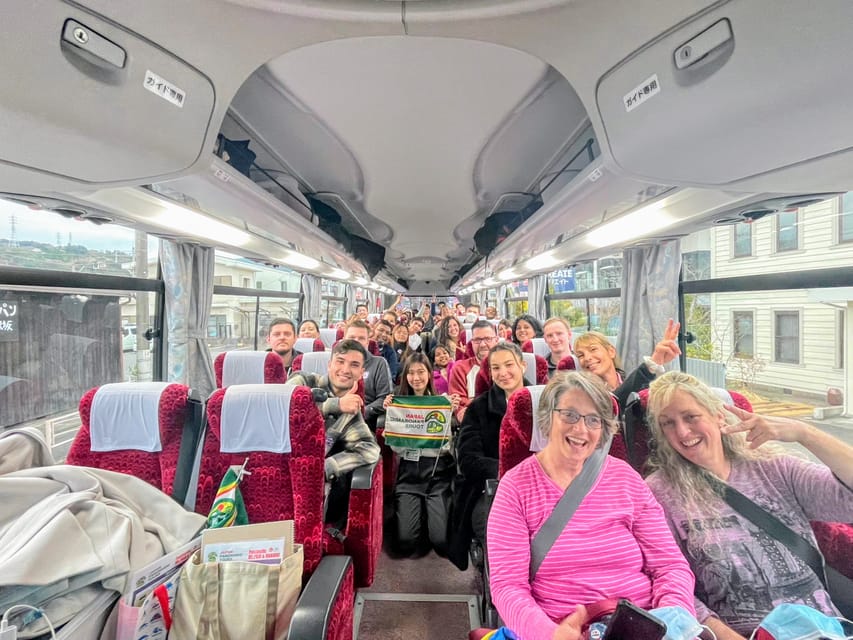
Once you are onboard, the logistics are straightforward. It is a comfortable air-conditioned coach, and the tour includes free Wi-Fi. The coach also has an antibacterial coating and is regularly ventilated, which matters on a crowded day when you just want to stay fresh and comfortable.
You should bring comfortable shoes, because even with the coach doing most of the work, you will step out for the shrine and the Asakusa area. One more practical point: you will handle loading and unloading luggage from the trunk yourself, including strollers or wheelchairs if applicable, so plan an extra minute if you are traveling with gear.
Meiji Jingu Shinto Shrine: your calm break inside the city
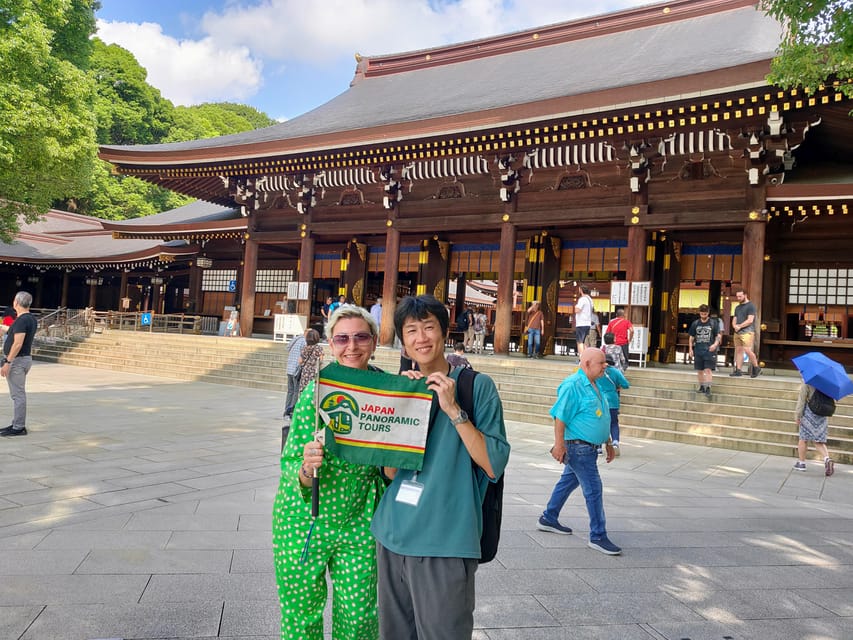
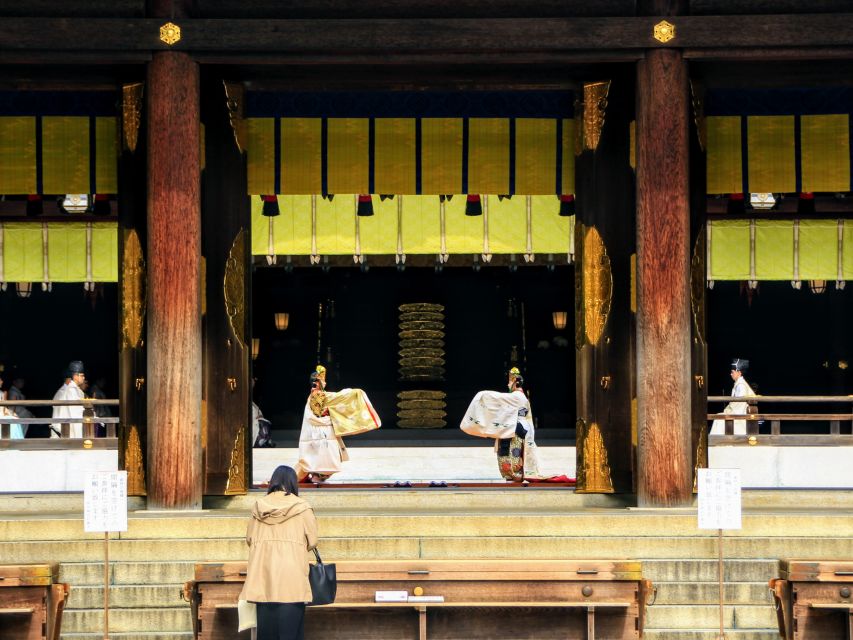
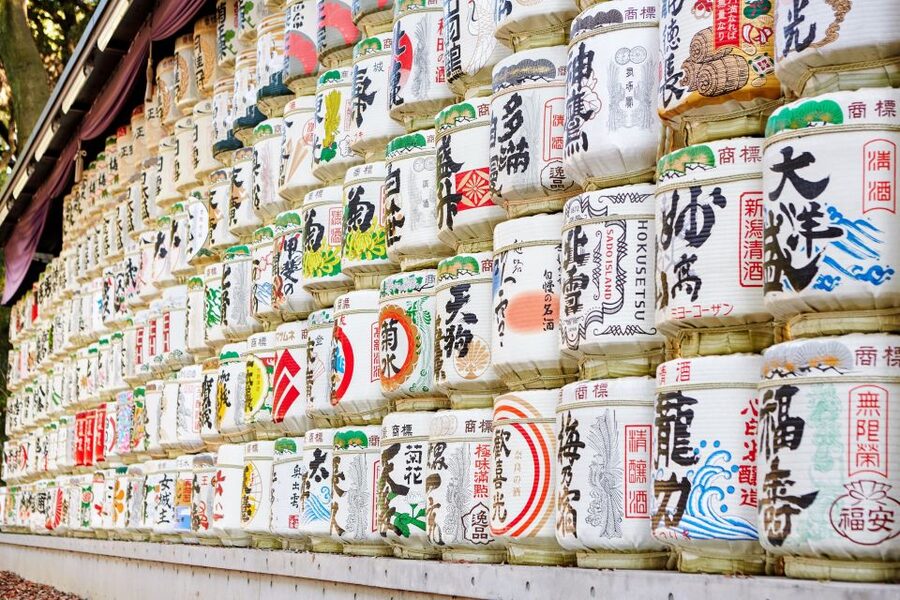
The first big stop is Meiji Jingu Shinto Shrine, one of Japan’s most famous shrines. The shrine is associated with Emperor Meiji and was built in 1921, and the key experience is how the grounds feel like they belong to a forest, not a city.
This is where the tour earns its place for first-timers. A coach can easily reduce shrines to a checklist item, but here you get time to slow down and absorb the atmosphere. The guide also explains the traditional way to visit a Shinto shrine, which helps you avoid the awkward feeling of not knowing what to do.
What to expect at this stop: a chance to walk in the shrine area, take photos, and settle your senses after the bus ride. It is also a useful contrast with the rest of the day, because later you will be looking at shopping streets, busy neighborhoods, and camera-friendly street scenes.
Passing Harajuku, Omotesando, and the Diet Building from the bus
After Meiji Jingu, the bus route becomes more of a “Tokyo snapshot.” You will pass by Takeshita Avenue in Harajuku, known for pop-culture fashion, and then head toward the Omotesando shopping district. You also get a pass by the National Diet Building, the Japanese parliament, with a symmetrical look built in 1936.
These segments are not meant to be long visits. They are meant to show you the neighborhoods in motion, so you can later decide what you want to revisit on your own. If you are the kind of traveler who likes to build an instinct for where things are, this bus passing section is handy.
A small consideration: passing sights from the coach means you do not control the pace. If you are hoping to do lots of shopping in these areas during the morning, you will probably need a separate time block later.
Still, this is smart for most people. You get the context without spending your limited morning on transport switches and last-minute decisions.
A different sort of day in Japan:
- Tokyo: teamLab Planets TOKYO Digital Art Museum Entry Ticket
★ 4.6 · 9,779 reviews - Mt Fuji & Hakone Cruise, Drum Show Bullet Train 1 Day from Tokyo
★ 4.0 · 7,413 reviews - Tokyo: Sumo Show Experience with Chicken Hot Pot and a Photo
★ 4.8 · 6,678 reviews - Tokyo: Shinjuku Food Tour (13 Dishes at 4 Local Eateries)
★ 5.0 · 6,603 reviews
Imperial Palace photo stop and choosing between East Garden or Nijubashi
Next comes Tokyo Imperial Palace, including a photo stop. The palace is also tied to Edo Castle, the historical foundation of Tokyo as it grew. Even if you do not spend hours on site, seeing this area anchors the morning with a major piece of Japan’s political and historical setting.
You will visit either the East Garden, with traditional Japanese garden design, or the Nijūbashi Bridge in the outer garden area. Which one you get can depend on conditions, so do not build your plan around a specific garden view.
This stop is a good place to slow down your brain. The palace grounds tend to feel more open and reflective than the louder commercial neighborhoods. Plus, having it as a photo stop means you can grab what you need quickly and keep the day on track.
One tip: if your priority is photography, have your camera ready before you step out. Photo moments can be brief, and you will want to use the time efficiently.
Akihabara and Ueno area glimpses, plus Kappa-Bashi food replicas
From the bus, you travel through areas that most visitors come to Tokyo to see. The route includes Akihabara, known for anime and the “otaku” culture scene, and it passes through Ueno, an area tied to one of Japan’s oldest parks.
Then you get a look at Kappa-Bashi market street. This is one of those places where Tokyo shows off its practical side. You can spot kitchen items like knives and various tools, plus extremely realistic food replicas that mimic dishes you might order in a restaurant.
This is another section where the value is context. The tour is not trying to make you a master of electronics stores or kitchen supply shopping in one morning. Instead, it shows you where the energy is, so you can return later if it matches your interests.
If you love gadgets, anime, or food culture, you will likely find the bus passing route a helpful teaser. Then you can decide how deep to go when you have time to browse at street level.
Asakusa and Sensō-ji: Nakamise Avenue, the matcha break, and where the tour ends
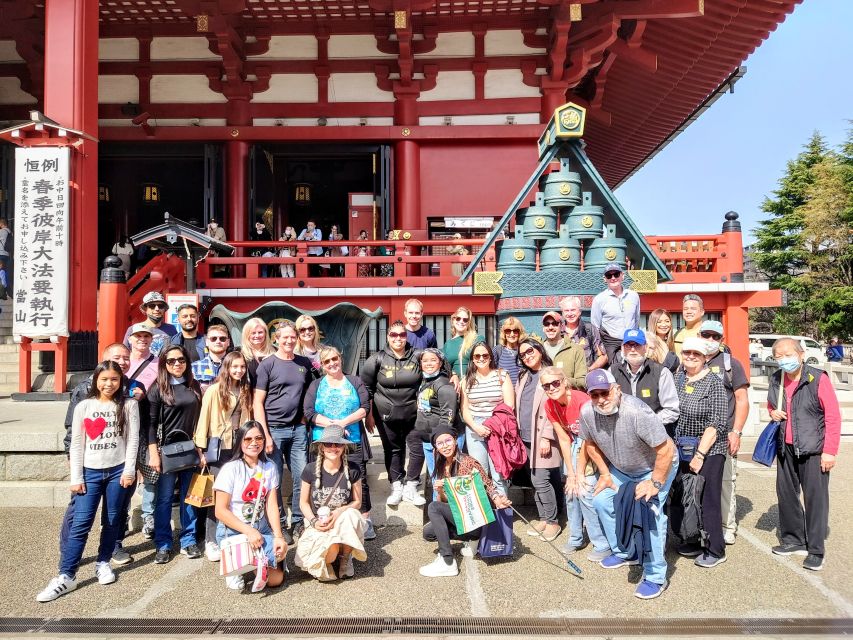
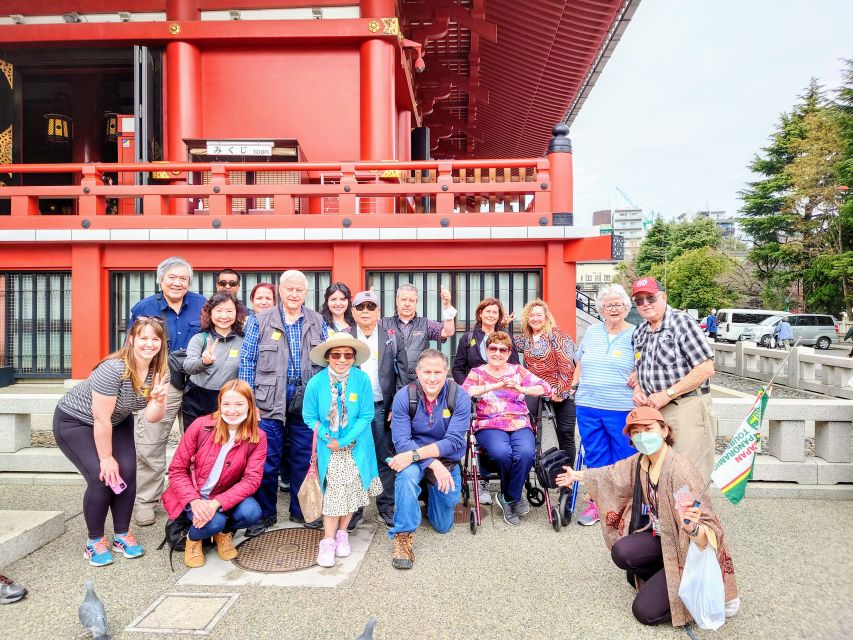
The tour finishes at Sensō-ji, and that is a big deal. Ending in Asakusa keeps your momentum going, because Sensō-ji and the surrounding streets are exactly where you want to stroll after a morning structured by bus and stops.
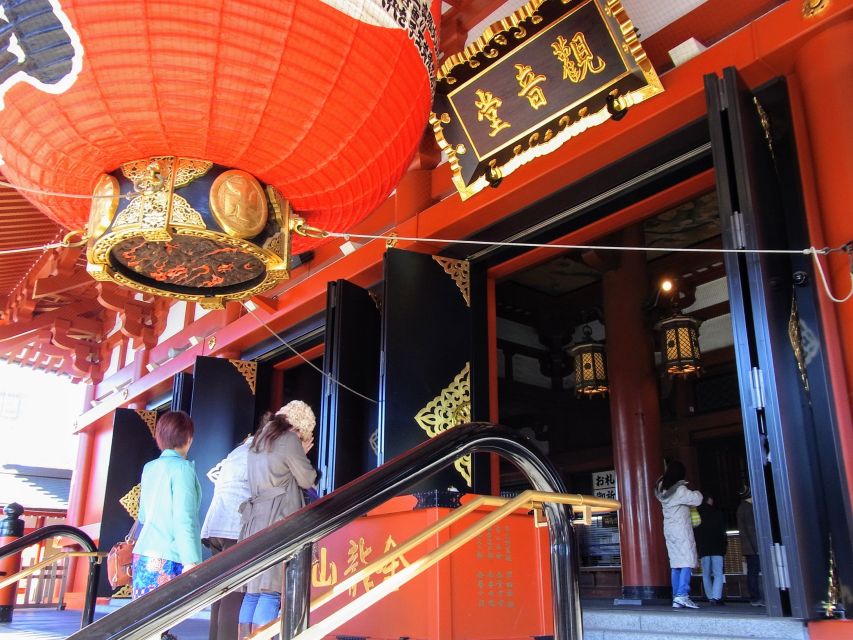
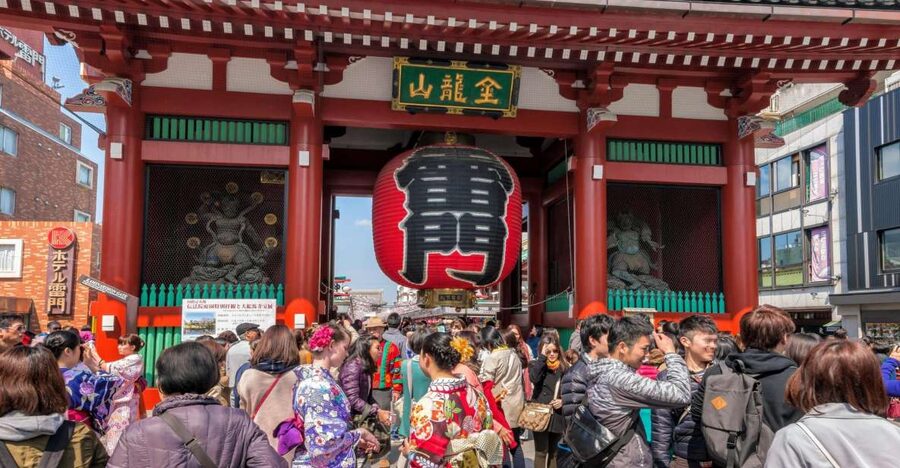
You will explore Asakusa and shop around Nakamise Avenue, then take photos around Kaminari-mon, the iconic red lantern gate. This is classic Tokyo sightseeing that feels distinct from modern districts, with a steady flow of people, food smells, and lots of small souvenir stands.
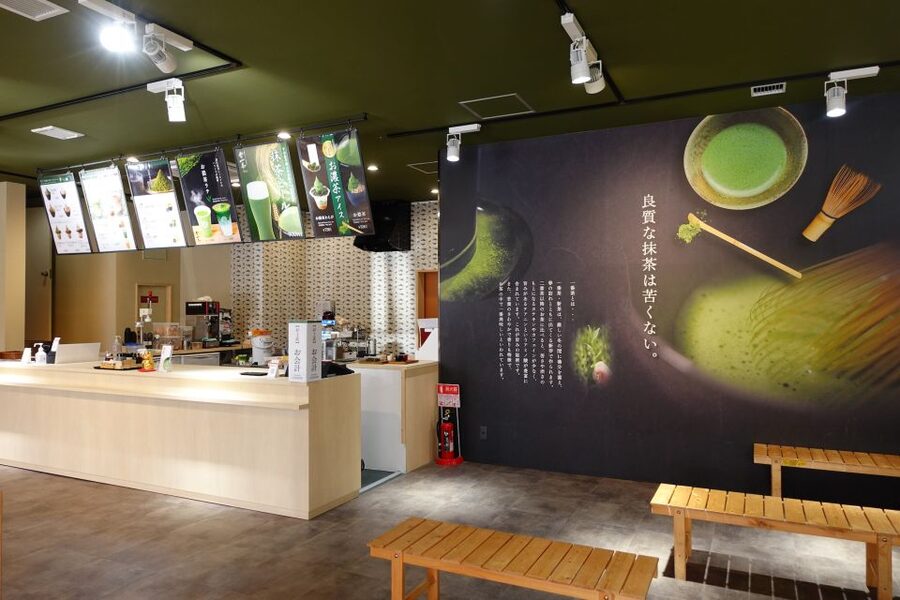
The highlight here is the included tea experience. The tour offers an authentic Uji matcha experience using premium matcha made from ichibancha, the first flush from Uji, Kyoto. You are tasting “not bitter matcha green tea,” so the flavor is smoother and more balanced than matcha that can lean bitter.
You also have options during the matcha portion: sweet matcha gelato or matcha beer. Even if you skip the extras, the main matcha drink is included, which makes this tour feel less like a sightseeing-only deal and more like a cultural food stop.
Practical expectation: this is where you can realistically linger. The tour ends here, and the program is designed so you can spend as much time as you want after the tour stops.
Price, comfort, and what $90 really buys you
At about $90 per person for roughly 210 minutes, this is priced as a value tour for “big sights, low hassle.” You are paying for transportation, a live English-speaking guide, audio support in multiple languages, and an included matcha service.
The cost is easiest to justify if you are new to Tokyo or short on time. With a morning schedule like this, you avoid the effort of stitching together multiple train rides across distant neighborhoods. And the matcha drink, plus the structured stops at Meiji Jingu and Asakusa, gives you more than just a window-view of Tokyo.
Also, the comfort factors add real value. The air-conditioned coach, Wi-Fi, ventilation, and antibacterial coating make a difference when you are doing a concentrated sightseeing block in the morning.
Where the price might feel less ideal: if you already know Tokyo well, if you enjoy independent planning, or if you will only care about one or two stops. In that case, you might get the same landmarks on your own for less.
Who this Tokyo morning bus tour fits best
This tour works best for you if:
- You want a guided first-pass through Tokyo’s top landmarks in one morning
- You like seeing multiple neighborhoods but hate planning logistics
- You want explanations, especially around the Shinto shrine etiquette
- You want a real matcha experience built into the schedule
It may not fit as well if:
- You need long independent shopping time in multiple districts
- You dislike being on a set schedule
- You need hotel drop-off at the end. This morning tour ends in Asakusa, at Sensō-ji.
Should you book this Tokyo morning bus tour?
Book it if you want a smart, guided sampler of Tokyo that ends in a great place to keep exploring. The mix of Meiji Jingu calm, Imperial Palace photo time, and Asakusa’s Sensō-ji finish plus premium Uji matcha makes this feel like more than a bus ride.
Skip it if you already have your morning planned around train lines, or if you want a slower, more flexible pacing with longer time in each neighborhood. This is a “see the highlights and move” kind of tour, and it is best when you can use that structure to your advantage.
FAQ
What is the duration of the Tokyo morning sightseeing bus tour?
The tour lasts 210 minutes.
Where does the tour start?
It can start in Shinjuku near the Love statue at 8:00am, or with a pickup option in Ginza at the Robert Indiana sculpture labeled Love. The exact meeting point can vary depending on the option booked.
Where does the tour end?
This morning tour ends in Asakusa, at Sensō-ji. The tour does not include extra drop-off service afterward.
Is lunch included?
No, lunch is not included.
What matcha is included?
You get a matcha drink as part of the experience, with an authentic Uji matcha offering. There are also options for sweet matcha gelato or matcha beer.
What languages are available for the audio guide?
An audio guide is included with headsets available in Spanish, French, Italian, German, Portuguese, and Ukrainian, and the tour also lists multilingual options including EN, FR, IT, ES, DE, PT, and UK.
Newly listed around Tokyo
- From Tokyo: Fujiyama Snow Resort Yeti Winter Ski Day Tour★ 4.6 · 29 reviews
- From Tokyo: Hakone Full Day Customizable Private Tour★ 5.0 · 15 reviews
- From Tokyo: Mount Fuji, Cruise and Sake Tour★ 3.9 · 36 reviews
- From Tokyo : Fujiyama Snow Resort Yeti Day Tour★ 3.2 · 6 reviews
- From Tokyo: Private Mt. Fuji and Hakone Tour by Car★ 4.9 · 63 reviews
- From Tokyo: Fuji Mountain Area – FujiQ – Lake Kawaguchiko – Chureito Pagoda★ 4.8 · 32 reviews
- From Osaka: Kyoto & Nara Highlights Day Tour (7 attractions)★ 4.7 · 10 reviews
- Tokyo: FC TOKYO Football Game at Ajinomoto Stadium★ 4.8 · 58 reviews
Morning, compared.
Kyoto Early Morning Tour with English-Speaking Guide
Read our review →Early Morning Tour with English-Speaking Guide
Read our review →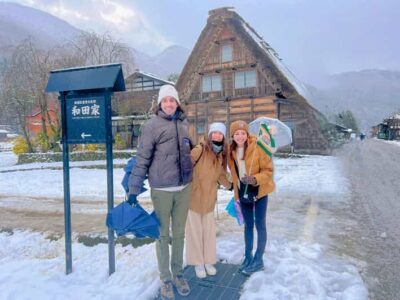
World Heritage Shirakawa-go Morning Guided Tour
Read our review →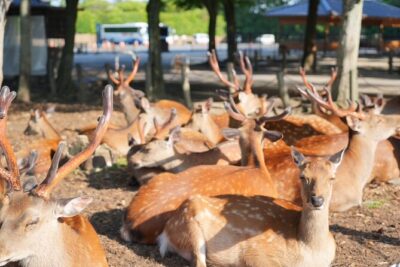
Nara Early Morning Tour (Kyoto or Osaka Departure Available)
Read our review →
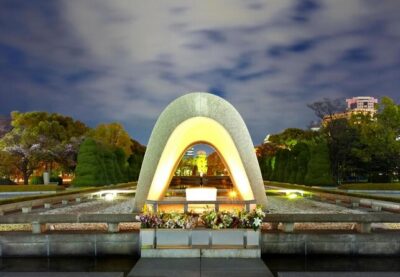
Hiroshima in a Nutshell: Morning Bike Adventure
Read our review →