
Review · FISH MARKET WALKS
Tokyo:Enjoy street food & Japanese food culture at Tsukiji Market
Step into Tsukiji, and the food story starts immediately. This 3-hour walk through the former wholesale area shows you how Japanese food culture works on the street, not just on menus, with tastings and a guide who ties it all together at places like Tsukiji Honganji Temple and Namiyoke Shrine.
I really liked two things most: the included snack tastings (seaweed, dried fish, roast beef sushi, and seafood options) and the way the guide explains what you’re eating and why it matters in everyday Japanese culture.
One thing to consider is logistics and comfort: it’s not wheelchair accessible, and you should be ready for moderate walking in a busy market setting.
In This Review
- Key things you’ll notice on this Tsukiji food walk
- Tsukiji Outside Market: why this food route still feels like the real thing
- 3 hours, mobile ticket, and a small group you can actually talk to
- Stop 1: Tsukiji Honganji Temple and the food-prayer mindset
- Stop 2: Tsukiji Jogai Market snacks you can actually compare
- How guides turn tastings into understanding (and why people mention dashi)
- Stop 3: 海幸橋棟 and your lunch moment
- Stop 4: Namiyoke Shrine, sea safety prayers with a market connection
- Price and logistics: what you really pay for and what you add on
- The walking reality: moderate fitness, not wheelchair accessible
- Who this Tsukiji tour suits best
- Practical tips to get the best out of the tastings
- Should you book this Tsukiji street food and Japanese culture tour?
- FAQ
- How long is the Tsukiji street food and culture tour?
- What snacks are included in the tour price?
- Is lunch included?
- What should I do if I have allergies?
- What is the group size for this tour?
- Is the tour wheelchair accessible?
- Can I get a full refund if I cancel?
Key things you’ll notice on this Tsukiji food walk
- Small group size (up to 6), so your guide can answer questions while you taste
- English-speaking guidance that connects snacks to culture, history, and even everyday cooking concepts like dashi
- A temple and shrine route (Honganji + Namiyoke) that frames Tsukiji as more than shopping
- Sea-focused tastings like oysters or sashimi plus dried fish and seasoned seaweed
- You build your lunch during the tour, but lunch cost is on you
Tsukiji Outside Market: why this food route still feels like the real thing
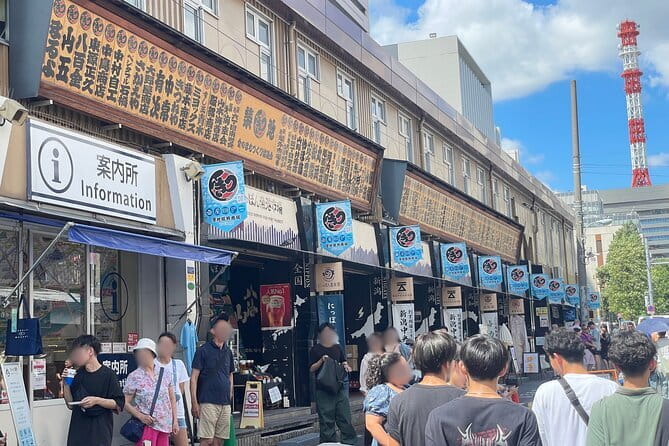
Tsukiji is famous for a reason. Even though the old inner wholesale market is gone, the Tsukiji area still functions like a food hub in the way it brings together vendors, cooks, and shoppers who care about ingredients. This tour leans into that. You’re not just walking by stalls to take photos. You’re learning how people buy, snack, and eat their way through the day.
What I like about this approach is that it’s practical. You taste items as you go, so you can instantly decide what you want more of for lunch. And you get context along the way, which is the difference between eating random bites and understanding what makes Japanese food click.
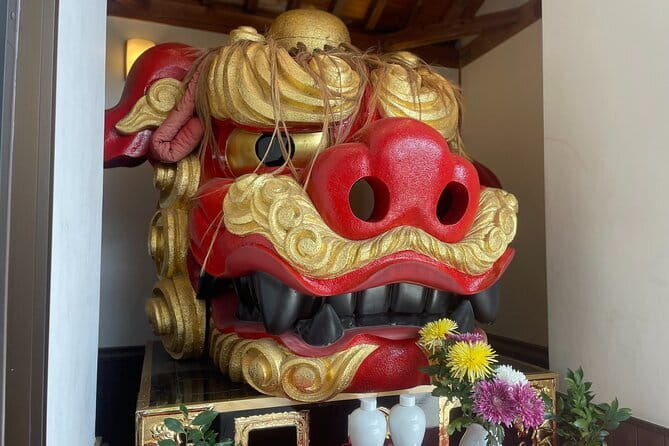
You’ll also get a sense of Tsukiji as a working food district with religious roots. Tsukiji Honganji Temple and Namiyoke Shrine aren’t decoration. They connect the food world to prayers and local tradition.
More Food Tours in Tokyo
- Tokyo: Shinjuku Food Tour (13 Dishes at 4 Local Eateries)
★ 5.0 · 6,603 reviews - Tokyo Tsukiji Fish Market Food and Culture Walking Tour
★ 5.0 · 3,184 reviews - Tokyo: Shinjuku Food Tour (15 Dishes and 4 Eateries)
★ 4.9 · 2,033 reviews
3 hours, mobile ticket, and a small group you can actually talk to
This is a short tour, about 3 hours, which matters because Tsukiji food districts can be sensory overload. A tight time window keeps the experience focused. You’ll be moving between stops: temple, snack tasting zone, lunch purchasing spot, then the shrine finish.
The group max is 6 people. That small number is a big value point because it usually means you won’t be stuck following a guide who’s talking only to the front row. It also makes it easier to ask food questions like what’s best to try if you want something less fishy, or how to think about flavors.
You’ll use a mobile ticket, and the meeting point is at 築地本願寺 正門 (Tsukiji, Chuo City). The tour ends at Namiyoke Shrine. You’ll also be near public transportation, so it’s easier to chain this with other parts of Tokyo.
Price-wise, $100.34 per person is not cheap for a 3-hour walk, but the included tastings help justify it. You also pay for an English-speaking guide who explains what you’re tasting, not just who walks you from A to B.
Stop 1: Tsukiji Honganji Temple and the food-prayer mindset
The tour starts at Tsukiji Honganji Temple, with about 20 minutes here and admission free. The building and decorations bring in architectural influences from other parts of Asia, so it feels different from the typical shrine-and-temple postcard you might expect. That matters because Tsukiji is not just a market. It’s a neighborhood with long-standing traditions.
From a food perspective, this first stop sets the tone. It helps you understand that the people working in food spaces often treat their work with respect and ritual. Even if you’re here only for snacks, you’ll get better context for why later you visit Namiyoke Shrine for sea safety prayers.
If you like tours where you’re not stuck staring at buildings for long, this start works. It’s brief enough to keep you moving, but it gives a real cultural frame before you start eating.
Stop 2: Tsukiji Jogai Market snacks you can actually compare
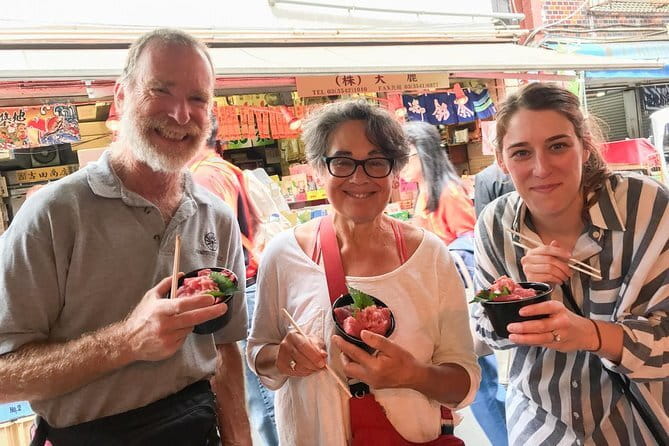
Next is the Tsukiji Jogai Market area, about an hour. This is where the tour shifts from cultural context to direct tasting.
You’ll buy a handful of snacks recommended by your guide, with options like:
- seasoned seaweed
- dried fish
- roast beef sushi
- oysters or sashimi
- bean snacks
This mix is useful. You’re not only eating seafood. You’re also getting items with different textures and flavor styles, so you can tell what you like before lunch. Dried fish and seasoned seaweed are great for understanding umami and salt balance. Oysters or sashimi helps you experience how freshness and preparation style affect flavor immediately.
A key practical tip: the tour includes some seafood and meat tasting items, so if you have allergies, tell the guide. The tour info specifically asks you to inform them of any other allergies, so don’t wait until you’re standing at a counter.
More Food Walks in Tokyo
- Tokyo Night Foodie Tour in Shinjuku – Seasonal Sushi, Wagyu Beef
★ 5.0 · 1,161 reviews - Shinjuku Izakaya Food Tour
★ 5.0 · 1,041 reviews - Eat and Drink Like a Local: Tokyo Ueno Food Tour-Taverns&Ramen
★ 5.0 · 957 reviews - Tokyo: Shibuya Food Tour (13 dishes and 4 Eateries)
★ 5.0 · 770 reviews
How guides turn tastings into understanding (and why people mention dashi)
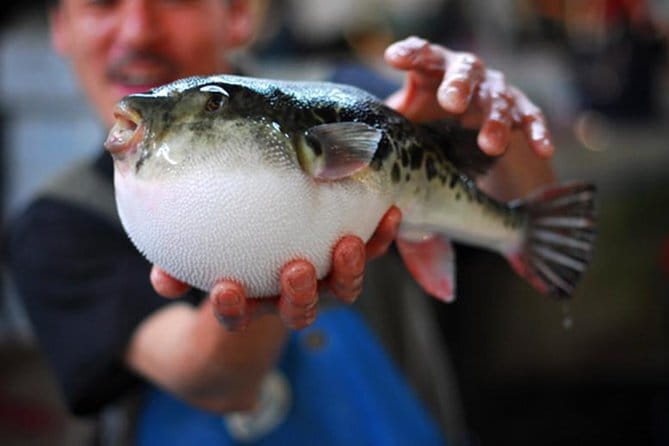
One of the strongest parts of this kind of Tsukiji tour is the guide’s food explanation. In the experiences I’ve seen, the best guides connect what you eat to Japanese cooking basics and daily culture.
You might hear references to dashi and the way it underpins many Japanese flavors. Even if you’re not planning to cook, that kind of explanation helps you taste more accurately. Instead of thinking, this is good, you start noticing why it tastes good: the saltiness, the sea notes, and the layered umami.
The guide experience is also where the tour differentiates itself. Names from past participants include Yoshi, Yuki, Hiro, and Haruka, and the theme is consistent: friendly, helpful, and ready to recommend what to try based on what you like. That personal guidance is especially valuable in a market where menu words and seafood types can blur together fast.
Stop 3: 海幸橋棟 and your lunch moment
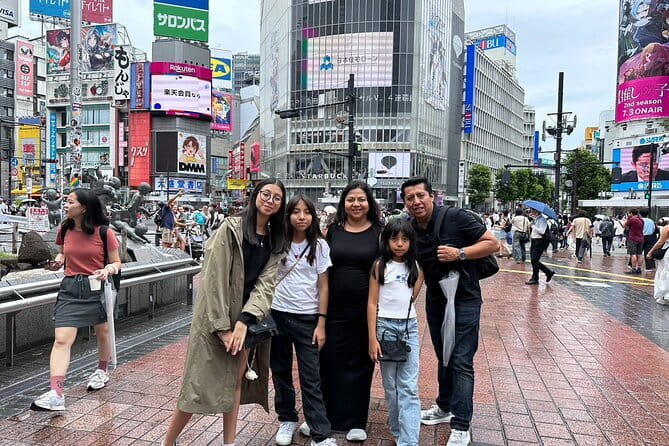
After snack tasting, you reach 築地魚河岸 海幸橋棟 for your lunch time, around 1 hour 10 minutes.
Here’s the key detail: lunch is not included, but the tour gives you a chance to purchase a boxed lunch or other lunch options at the location. The nice part is you can pair your lunch with the snacks you bought earlier, so you’re building a real Tsukiji-style meal rather than buying lunch with zero guidance.
Because lunch cost depends on your choices, your total spend can vary. But having the guide with you makes it easier to choose something that matches what you’ve already tasted. If you tried oysters earlier and liked that ocean-forward flavor, you can lean your lunch that direction. If the dried fish flavors surprised you in a good way, you might choose a lunch item that uses similar seasoning styles.
In terms of value, this is where your ticket stops feeling like just a tasting. It becomes a guided decision-making session for what to eat next.
Stop 4: Namiyoke Shrine, sea safety prayers with a market connection
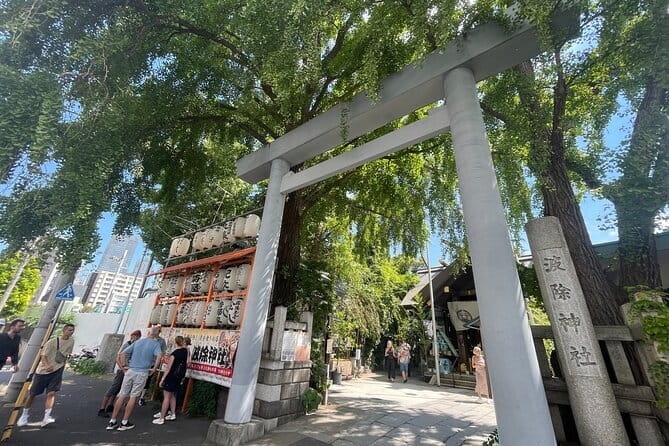
The final stop is Namiyoke Shrine, about 30 minutes. This shrine has been worshipped since the Tsukiji Market began, and it’s known for prayers for the safety of the sea.
That might sound abstract until you connect it to what you’ve been tasting. When you’re eating seafood snacks and discussing seafood preparation, the shrine suddenly feels relevant. It’s one of those moments where the cultural piece stops being background and starts matching the food.
If you’re the type of traveler who likes your photos to have meaning, this stop gives you that. And since the tour ends here, it’s also a convenient landing point to continue exploring the Tsukiji area on your own.
Price and logistics: what you really pay for and what you add on
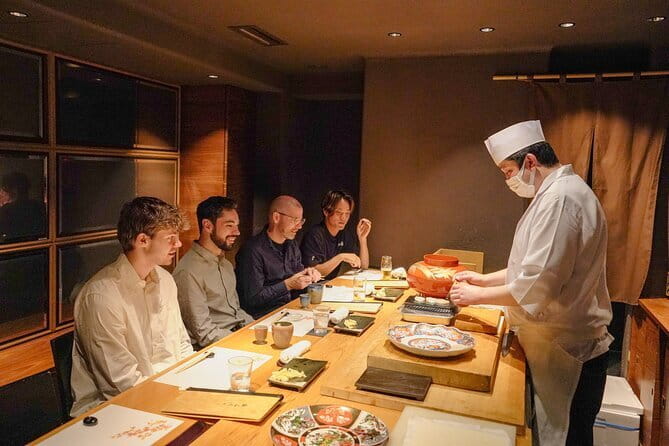
At $100.34 per person for roughly 3 hours, you’re paying for:
- an English-speaking guide
- guided snack tastings (seaweed, dried fish, roast beef sushi, and seafood options like oysters or sashimi, plus bean snacks)
- access to the scheduled stops in the Tsukiji area (temple and shrine admission is free)
What you don’t pay for:
- lunch
- shopping costs beyond the included snacks
That means your final spending depends on what you choose for lunch and whether you buy extra items. A smart way to manage this is to treat the included snacks as your flavor test drive. If you find something you love, you’ll know what direction to spend on for lunch. If you’re unsure, you can stay more conservative at the meal stage.
Also note the tour max is 6 people, so there’s a decent amount of attention per person. That’s part of the value, even if the overall price is higher than doing it alone.
The walking reality: moderate fitness, not wheelchair accessible
This tour is listed as not wheelchair accessible, and it expects moderate physical fitness. That doesn’t mean you need to be an athlete, but you should expect movement between stops and some time spent in areas where foot traffic can tighten up.
If you use mobility aids, you’ll want to think carefully before booking. The tour route includes market areas and shrine grounds, and there’s no promise of step-free access.
If you’re generally comfortable with walking and standing for a few hours, you’ll probably be fine. For comfort, wear shoes you can trust, because market ground surfaces can vary and you’ll want stable footing.
Who this Tsukiji tour suits best
This is a great pick if:
- you love street food and want structure, not just wandering
- you want Japanese food culture explained in plain language
- you’re okay with seafood-based tastings and want a guided way to choose
- you want a short Tokyo activity that feels like a real local food neighborhood
It’s especially suited for first-timers to Tsukiji area. The route is built to give you context plus tasting. You’re not left guessing what’s worth your time.
If you’re very sensitive to strong seafood smells or you avoid seafood entirely, this might feel limiting because the included snacks specifically include seafood options and also mention seafood and meat tastings. In that case, talk with the guide about what you can safely enjoy, but the tour design is clearly seafood-forward.
Practical tips to get the best out of the tastings
Here’s how to make this tour work smoothly for you:
- Tell the guide about any allergies before ordering anything. Included snacks can include seafood and meat.
- Be ready to try small portions first. That helps you compare flavors quickly and saves you money later at lunch.
- Go hungry but not starving. You’ll eat multiple snacks and then add lunch, so plan for a full meal day.
- Bring your curiosity. Ask what to expect from items like dried fish, seaweed, oysters, or sashimi, and you’ll get more out of the experience than just eating.
Should you book this Tsukiji street food and Japanese culture tour?
I’d book it if you want a structured Tsukiji food experience with an English-speaking guide who ties tastings to Japanese food culture. The strongest value is the combo of included snacks plus context at the temple and shrine stops. It also works well because it’s short, capped at 6 people, and you build your lunch based on what you liked.
I’d skip it if you’re only chasing the cheapest price or you prefer freedom without guidance. Also consider skipping if you have mobility constraints, since it’s not wheelchair accessible.
If you want Tsukiji to feel like more than a famous photo spot, this is a smart way to do it, with the flavor testing done for you and the cultural pieces in the right order.
FAQ
How long is the Tsukiji street food and culture tour?
The tour lasts about 3 hours.
What snacks are included in the tour price?
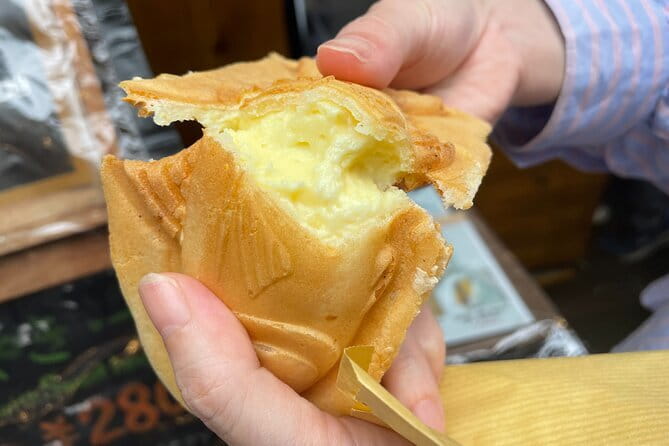
Included snacks can include seasoned seaweed, dried fish, roast beef sushi, oysters or sashimi, and bean snacks.
Is lunch included?
No. You can purchase your own lunch during the tour, and the lunch fee is not included.
What should I do if I have allergies?
The tour includes seafood and meat snacks. You should inform the guide about any allergies so they can help you with safe choices.
What is the group size for this tour?
The tour has a maximum of 6 travelers.
Is the tour wheelchair accessible?
No, this tour is not wheelchair accessible.
Can I get a full refund if I cancel?
Yes. You can cancel for a full refund up to 24 hours in advance. If you cancel less than 24 hours before the start time, the amount is not refunded.
More Market Walks in Tokyo
- Tokyo Sushi Making Class in Tsukiji with Professional Chef
★ 5.0 · 1,177 reviews - Tsukiji Fish Market: Street Food & Culture Walking Tour
★ 5.0 · 669 reviews - Tsukiji Fish Market Small-Group Food Walking Tour
★ 5.0 · 621 reviews - Tokyo: Tsukiji Fish Market Sushi Making Class with Pro Chef
★ 4.9 · 506 reviews
More Market Tours in Tokyo
- Tokyo: Tsukiji Fish Market Food and Walking tour
★ 5.0 · 1,724 reviews - Tokyo: Tsukiji Fish Market Guided Walking Tour
★ 4.9 · 1,397 reviews - Tsukiji Fish Market Guided Tour and Sushi Making with Pro Chef
★ 5.0 · 775 reviews - Tokyo: Tsukiji Fish Market Food and Culture Walking Tour
★ 4.7 · 757 reviews
Newly listed around Tokyo
- Private Tokyo Food Tour – A Journey Through Time Through Food★ 5.0 · 36 reviews
- Private Tokyo Tour with Licensed Guide & Vehicle (Max 15 persons)★ 5.0 · 107 reviews
- Private Tokyo Custom Half-Day Tour by Chartered Vehicle★ 4.5 · 13 reviews
- Private Tokyo Custom Full-Day Tour by Chartered Vehicle★ 5.0 · 16 reviews
- Private Outstanding Nikko Tour with English Speaking Driver★ 4.0 · 11 reviews
- Private Sightseeing to Mt Fuji and Hakone with English Driver★ 5.0 · 51 reviews
- Private Snow Monkeys park Day Trip From Tokyo or Nagano★ 4.5 · 26 reviews
- 4 Day Tour – Mount. Fuji, Tokyo, Hakone, Kamakura and Yokohama★ 5.0 · 19 reviews
Fish Market Walks, compared.
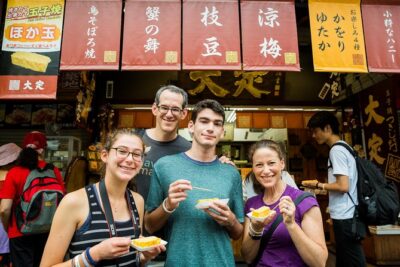
Tokyo Tsukiji Fish Market Food and Culture Walking Tour
Read our review →
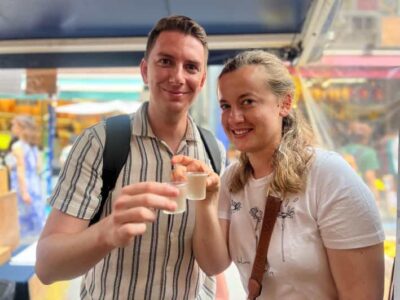
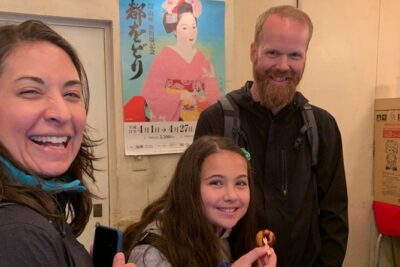
Nishiki Market Brunch Walking Tour (7 Tastings + Brunch)
Read our review →
Tokyo Sushi Making Class in Tsukiji with Professional Chef
Read our review →
Tsukiji Fish Market Guided Tour and Sushi Making with Pro Chef
Read our review →