
Review · SOBA & UDON MAKING CLASSES
Top-rated experience Includes soba noodle making and tempura
Sapporo tastes like flour and patience. This 90-minute class at 手打ち蕎麦もんど is a hands-on soba noodle making session that ends with you eating your own noodles, plus tempura from Japanese chefs. I love the step-by-step teaching, and I also love how naturally the meal flows into food culture and how to eat soba properly. The main drawback: it is very focused on cooking and eating, so if you want big sightseeing time, you will feel like you are “working” more than wandering.
Hokkaido is Japan’s biggest buckwheat producer, so learning soba here feels extra real, not like a studio demo. You do not need to bring anything, and the instructors use English and Japanese so you can follow along even if your Japanese is rusty.
You also get the soba tradition context, including its ties back to the Edo period around 1600, so the class is not just technique. The soba shop’s pitch is that it offers an authentic handmade soba experience not made for tourists, and the feedback I see from past students supports that it stays grounded and practical.
In This Review
- Key highlights worth circling
- Finding Hand-made Soba Mondo, then settling into a local rhythm
- The 75-minute cooking flow: dough, rolling, cutting, then tasting
- Eating soba the correct way, plus the tempura pairing lesson
- Tempura by a 10-year chef: crisp, timing, and why it works
- Why Hokkaido buckwheat and Edo-period soba culture matter
- Soba-yu after the meal: a quiet, very Japanese finishing custom
- Price and value: $83 for 90 minutes of real food craft
- Who this is best for, and who might prefer something else
- Should you book Handmade Soba Mondo in Sapporo?
- FAQ
- What is the duration of the soba making and tempura experience?
- Where does the experience take place?
- How do I get there?
- What is included in the price?
- Do I need to bring anything?
- Is the class only for adults?
- Are both hot and cold soba options available?
- What languages are used during the class?
- Is there a tempura component, and who prepares it?
Key highlights worth circling
- Handmade soba, from dough to hand-cut noodles
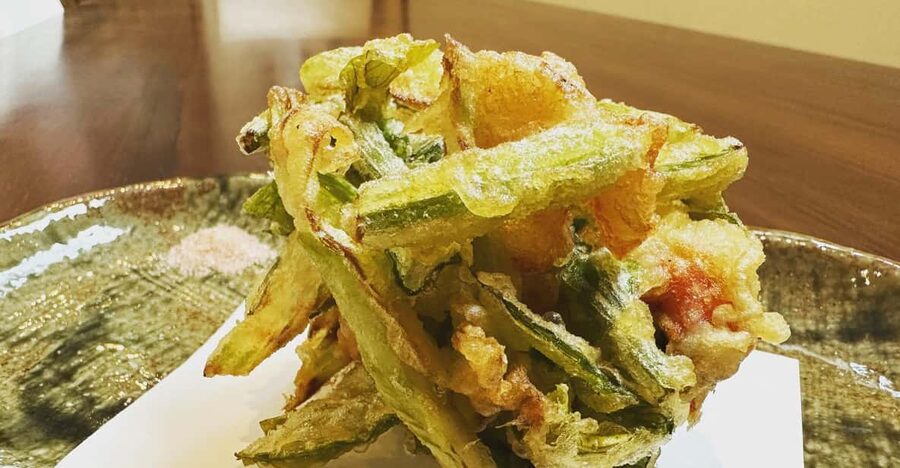
- Tempura prepared by a Japanese chef with 10+ years of experience
- Learn how to eat soba, not just how to cook it
- Buckwheat culture in Hokkaido, the real soba supply region
- Soba-yu after your meal, a uniquely Japanese finishing custom
Finding Hand-made Soba Mondo, then settling into a local rhythm
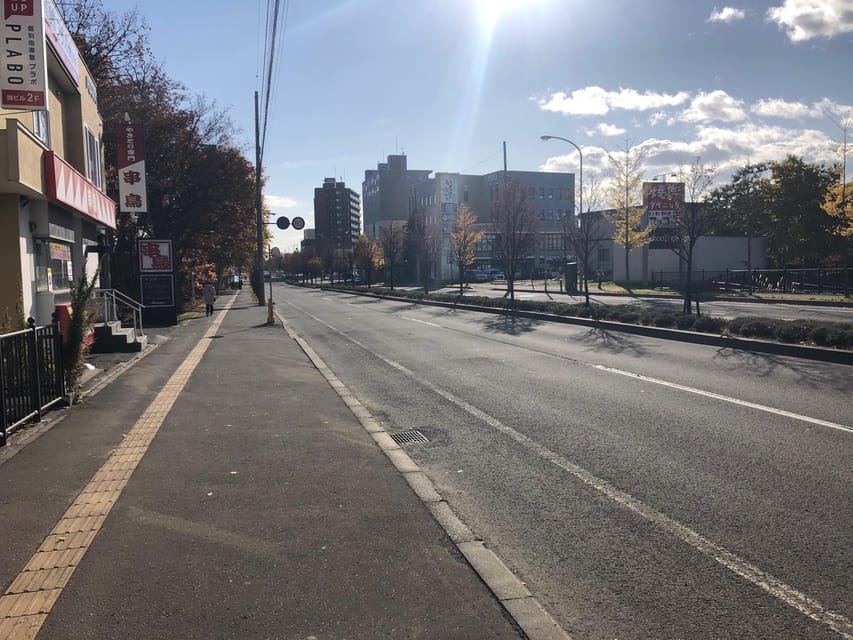
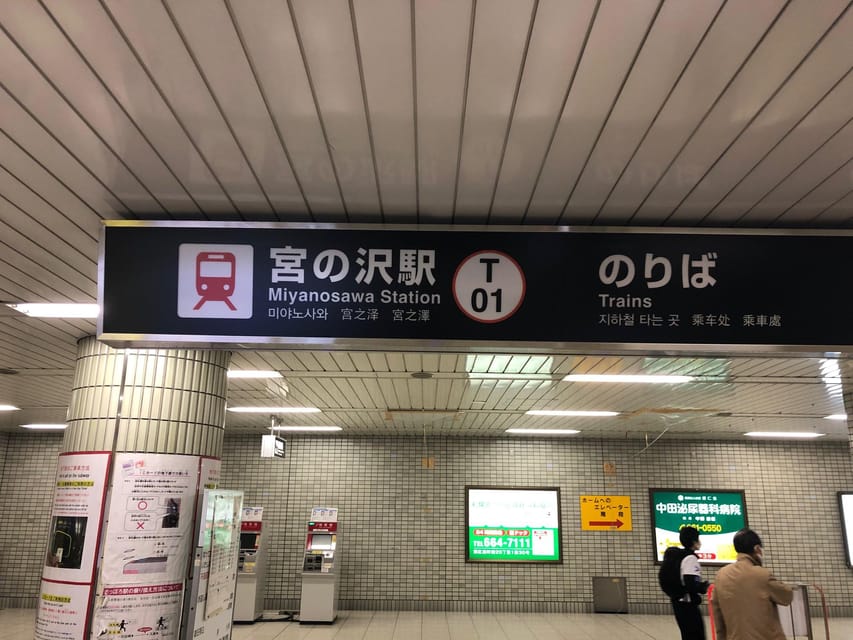
This experience happens in Sapporo at 手打ち蕎麦もんど, in a low-key neighborhood feel, not in a tourist strip. The address is 17-28, 6-chome, Hassamu 6-jo, Nishi-ku, Sapporo, and it is an easy walk, about 5 minutes from Exit 6 of Miyanosawa Station on the Sapporo Subway Tozai Line. If you are already using the subway in town, this is one of the simpler food activities to plug into your day.
I like that the shop is set up for locals first. That shows up in the pacing and expectations. You are expected to participate, but you are not being rushed through a script. The instructors are there to teach you what to do and why, and in the process they keep the experience fun, not stiff.
The class is designed for a private group, and it states it works for 2 or more adults. That matters because you tend to get more direct attention during hands-on cooking. The downside is that it can feel like a “real meal with a workshop price,” not a casual snack stop.
If you are a parent, you will probably appreciate that the environment can include children who want to help. One past student specifically called out their 10-year-old granddaughter as being able to participate fully, with patient step-by-step instruction.
Soba and Udon Making classes readers book most in Sapporo:
- Popular in SapporoExperience authentic hand-made soba at a real soba shop!
★ 5.0 · 77 reviews - Mondo’s most popular plan! Experience making soba noodles and the king of Japanese cuisine, tempura, in Sapporo!
★ 5.0 · 71 reviews - Experience Big soba knife Soba Making Class in Tokyo Kappabashi
★ 5.0 · 71 reviews
The 75-minute cooking flow: dough, rolling, cutting, then tasting
Your session is about 90 minutes total, with the cooking and meal portion described as 75 minutes. That timing is a sweet spot. Long enough to learn real steps, short enough that you are not sitting around waiting.
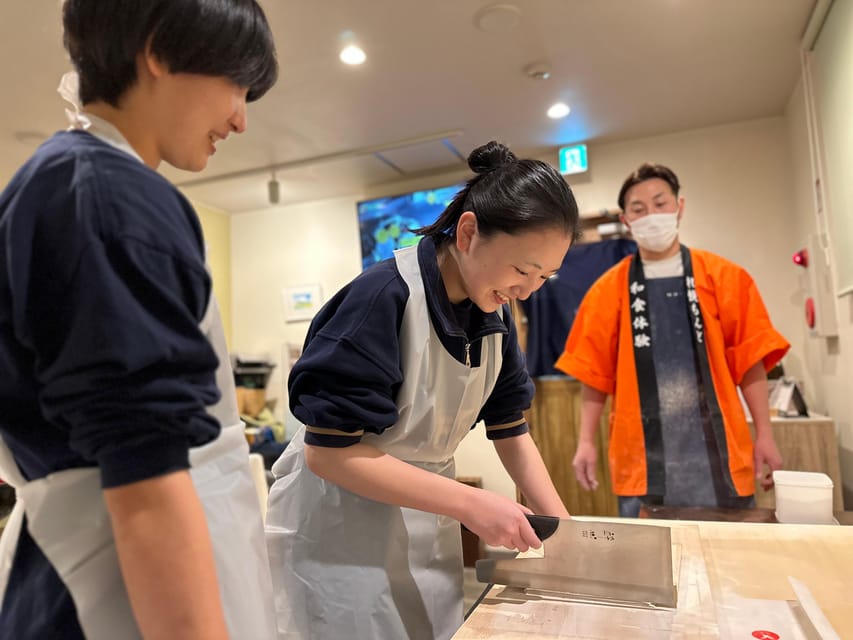
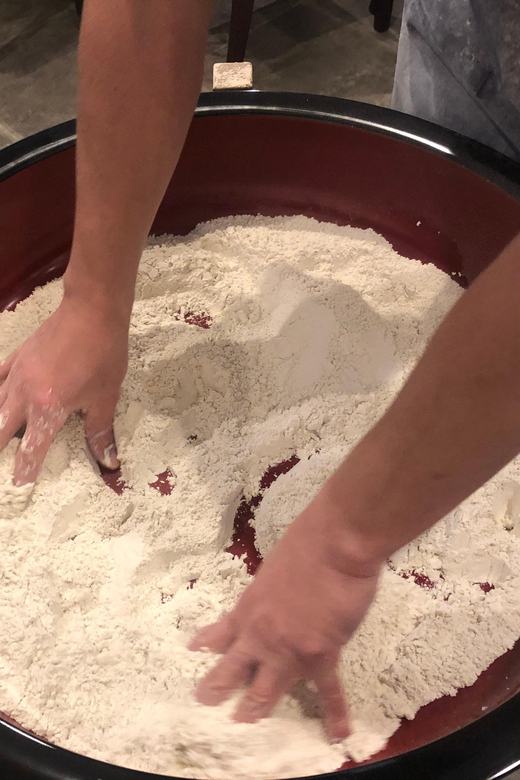
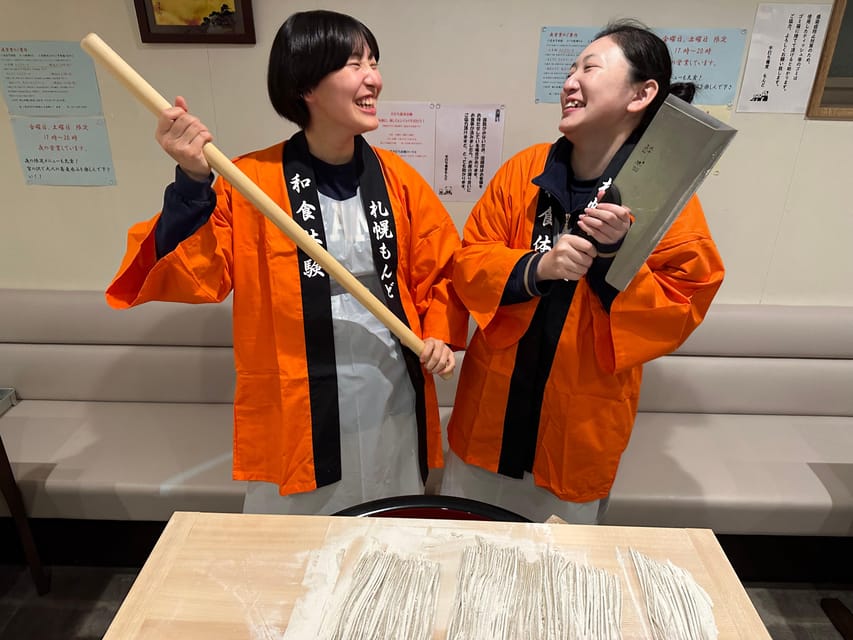
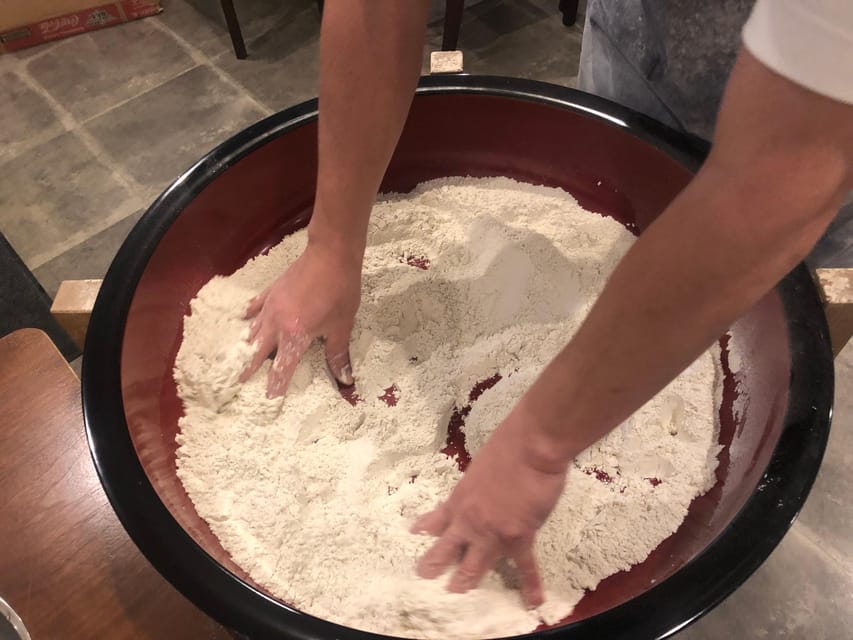
What you do starts with buckwheat flour and becomes dough. Then you roll it out and cut your own noodles by hand. The hand-cut part is where you learn the difference between “making food” and learning a craft. You feel the friction, the slight adjustments, and the way technique affects the final noodle shape. It also makes you slow down enough to notice texture, which is useful when you later try the soba and compare styles.
Then you taste what you made. The experience explicitly includes tasting of buckwheat noodles, with hot and cold choices mentioned in prior feedback. That is a nice touch because it helps you understand soba as a flexible meal, not one rigid format.
Practical tip: come hungry. You do not just get a bite at the end, you are meant to eat the amount of soba that is a normal lunch or dinner. You will get the best value if you treat this like your meal, not like a pre-dinner sampler.
Eating soba the correct way, plus the tempura pairing lesson
One of the strongest parts of this class is that it does not end at the cutting board. You also learn the proper way to eat soba. That matters because soba is not a “drink it and move on” noodle. The flavor changes with temperature, broth, and how you portion the eating.
You also learn how soba pairs with tempura, and specifically the concept of tempura soba. This is a smart lesson because the pairing is not just a chef’s idea, it is customary for Japanese people. So by the time you sit down to eat, you are not guessing. You have been taught what to try and in what order, and that turns the meal into a guided tasting rather than a free-for-all.
If you have ever had tempura that tasted great by itself but confusing when paired with another dish, this is where the class helps. You get a framework for how the salty and savory sides can balance the crisp, fried texture. It is also just satisfying to build your own “pairing memory” with noodles you made.
Tempura by a 10-year chef: crisp, timing, and why it works
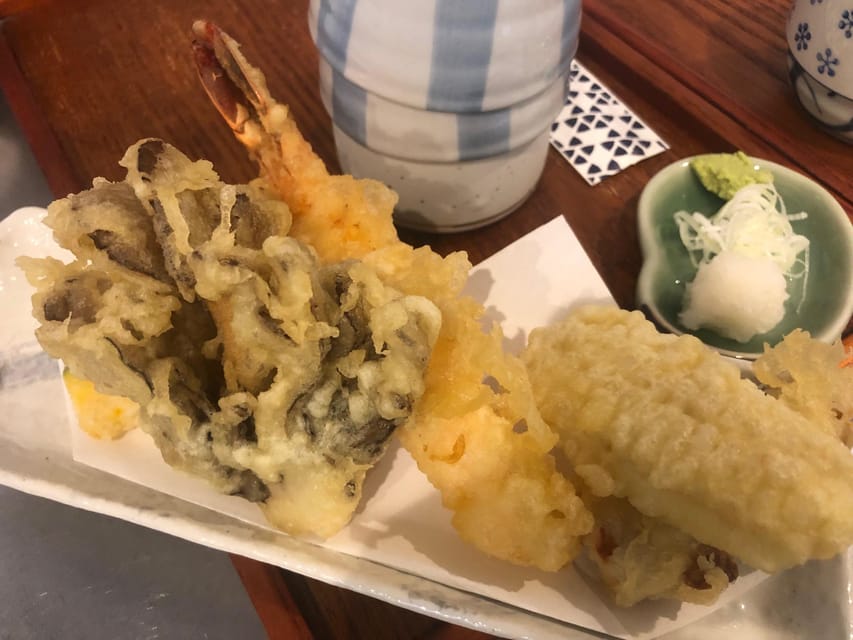
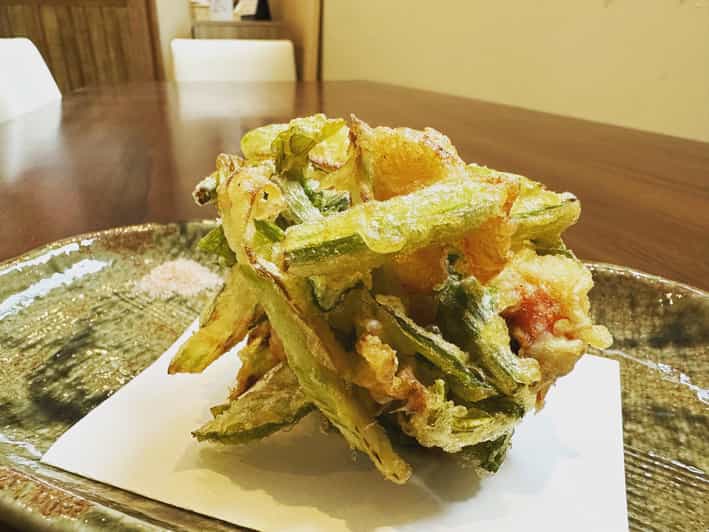
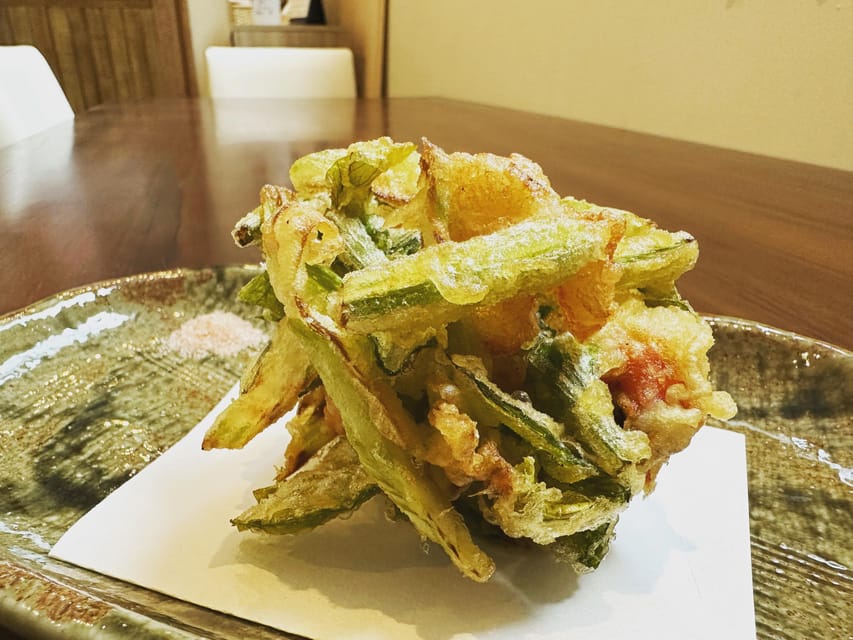
Tempura is included as part of the plan, prepared by a Japanese cuisine chef with over 10 years of experience. I like this detail because it signals that the tempura part is not an afterthought or a store-bought add-on. The class treats it as a serious component that belongs with soba.
Tempura brings heat and crunch to a noodle dish. That contrast is the practical reason it works, but the more interesting reason is cultural. The experience frames tempura and soba as natural companions. When you learn that pairing while you are actively eating, it clicks faster than reading about it later.
From the feedback, the tempura option gets a clear thumbs up, with one person recommending it strongly. That matches what you can expect logically: you are getting a second traditional craft food, and you are learning how to link it to your soba rather than choosing one and ignoring the other.
If you are someone who is cautious with fried food, this still might be manageable. You are not being asked to order a separate tempura set at an extra cost. It is tied into your meal plan.
A few more Sapporo days to weigh up
- Sapporo Bar Hopping Food Tour
★ 5.0 · 232 reviews - Hokkaido Seasonal: Lake Toya & Noboribetsu Jigokudani Valley
★ 4.7 · 173 reviews - Sapporo: Hokkaido, Noboribetsu and Lake Toya Day Tour
★ 4.1 · 88 reviews - Sapporo: Sumo Show Experience with Japanese food & Photo
★ 4.9 · 81 reviews
Why Hokkaido buckwheat and Edo-period soba culture matter
This class is built around the fact that Hokkaido produces a huge share of Japan’s buckwheat. That matters for your experience because soba is not just a dish. It is a regional food ecosystem. When you know you are learning with Hokkaido buckwheat, the craft feels grounded in place.
The experience also places soba culture back in time, noting Japanese cuisine traditions dating to around 1600 in the Edo period. Even if you do not want a lecture, that context changes how you view the process. When you are rolling dough and cutting noodles, it is easier to imagine the centuries of people doing the same basic work and refining technique.
The best way to think about this part: it is not trivia. It is meaning. When a shop teaches you history while you are working with ingredients, the story becomes part of your senses, not just facts on a page.
Soba-yu after the meal: a quiet, very Japanese finishing custom
After you eat, you get to discover soba-yu, described as a uniquely Japanese custom. This is one of those small end-of-meal moments that can make the experience feel complete. It is also a reminder that in Japan, meals often have rituals that do not look dramatic but feel intentional.
I like that this is not just “clean up and leave.” The class gives you one more element to learn. Even if you only enjoy it as a curiosity, you still walk away feeling like you learned something specific to soba culture, not just a general cooking technique.
Price and value: $83 for 90 minutes of real food craft
At $83 per person for 90 minutes, this is not a bargain-basement activity. But it also is not trying to be one. You are paying for multiple things at once: hands-on soba making, tasting, and tempura prepared by a chef, plus instruction in both English and Japanese.
Where the value gets strong is in what you leave with:
- You make noodles by hand, not just watch.
- You eat what you make as a normal lunch or dinner amount.
- You get guidance on how to eat soba and how to pair it with tempura.
In other words, you are paying for both the cooking experience and the meal. If you compare that to the cost of eating a similar traditional meal in Sapporo plus paying for a workshop, the price starts to feel more reasonable.
One consideration: it is a private group setup, and you may feel that cost more if you are coming as just two people. On the other hand, the private attention can help you actually get the steps right, which is the point.
Who this is best for, and who might prefer something else
This is a great fit if you:
- want a hands-on food experience that goes beyond watching
- like traditional Japanese flavors and craft cooking
- will enjoy learning the details of how to eat soba properly
- are okay with spending most of the time seated close to the cooking area, focusing on technique and tasting
It also looks family-friendly. One student highlighted that a 10-year-old could participate fully, which suggests the instructors are willing to pace instruction so children can join in.
You might choose a different activity if:
- your main goal is sightseeing and photo stops
- you dislike buckwheat or you are not open to trying a noodle made from it
- you want a quick snack experience rather than a meal-plus-class format
Should you book Handmade Soba Mondo in Sapporo?
I would book this if you want an authentic Sapporo food moment that you cannot get from a typical restaurant alone. The biggest reasons are the hands-on soba making, the fact that you eat the noodles you made, and the inclusion of tempura prepared by an experienced chef. Add the soba culture context, plus a custom like soba-yu after the meal, and the time feels like more than a cooking demo.
If you are the kind of traveler who likes learning by doing, this hits the mark. If you are hoping for a light, casual stroll through town, this is not that. But if you are hungry, curious, and ready to get your hands a little floury, this is a strong pick in Sapporo.
FAQ
What is the duration of the soba making and tempura experience?
The experience lasts 90 minutes.
Where does the experience take place?
It takes place at 手打ち蕎麦もんど in Sapporo. The address given is 17-28, 6-chome, Hassamu 6-jo, Nishi-ku, Sapporo, with the meeting at 手打ち蕎麦もんど.
How do I get there?
The shop is listed as a 5-minute walk from Exit 6 of Miyanosawa Station on the Sapporo Subway Tozai Line.
What is included in the price?
You will make buckwheat noodles, taste the soba, and eat tempura prepared by Japanese food artisans.
Do I need to bring anything?
No. The experience says you do not need to bring anything because they provide everything.
Is the class only for adults?
The experience states it is for a private group for 2 or more adults. It also includes past feedback showing children can participate, but the stated group type is 2 or more adults.
Are both hot and cold soba options available?
Hot and cold choices are mentioned in feedback, and the experience includes tasting of the soba you make.
What languages are used during the class?
The instructor provides English and Japanese.
Is there a tempura component, and who prepares it?
Yes. Tempura is prepared by a Japanese cuisine chef with over 10 years of experience.
Newly listed around Sapporo
- Hakodate Exploration Tour with Private Guide★ 4.5 · 9 reviews
- Hakodate 4hr Private Tour with Government-Licensed Guide★ 5.0 · 7 reviews
- Hakodate Rickshaw Tour★ 5.0 · 18 reviews
- Chitose Airport to Niseko Private Transfer | Licensed Driver★ 5.0 · 19 reviews
- SkyExpress Private Transfer: New Chitose Airport – Niseko (8 Pax)★ 5.0 · 15 reviews
- Sopporo: Hokkaido Shrine and Atama Daibutsu Full-Day Tour★ 4.8 · 12 reviews
- Silver Ring Workshop – Smith at Keio Plaza Sapporo★ 5.0 · 7 reviews
- Sapporo TV Tower Admission Ticket★ 4.7 · 21 reviews
Soba & Udon Making Classes, compared.
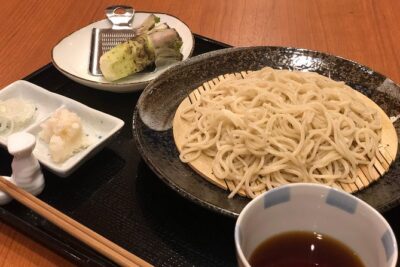
Popular in SapporoExperience authentic hand-made soba at a real soba shop!
Read our review →
Mondo’s most popular plan! Experience making soba noodles and the king of Japanese cuisine, tempura, in Sapporo!
Read our review →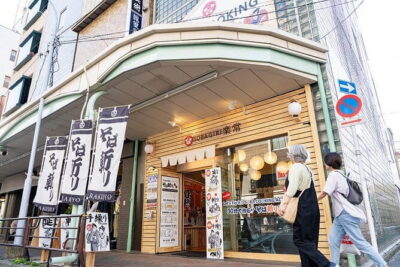
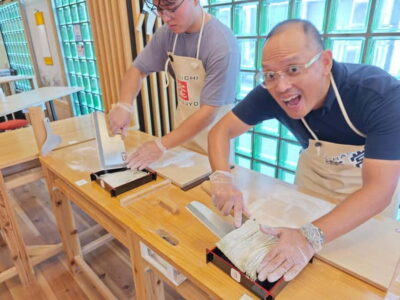
Experience Big soba knife Soba Making Class in Tokyo Kappabashi
Read our review →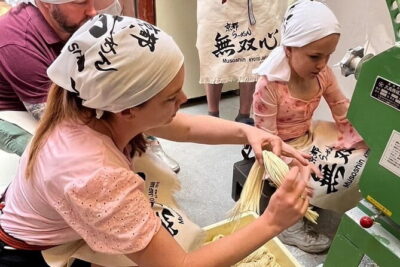
Made from flour in 30min! Ramen-noodle Making Experience!
Read our review →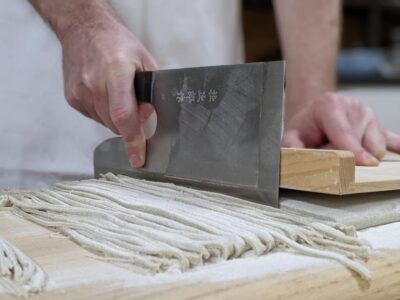
Matsumoto Castle Tour & Soba Noodle Making Workshop
Read our review →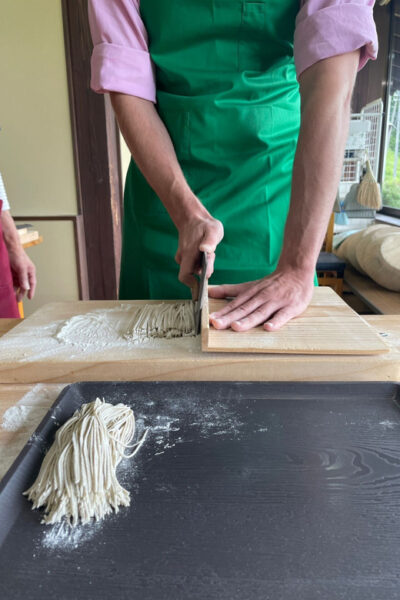
1-Day Togakushi: Soba making, Ninja Town and Hidden Shrines
Read our review →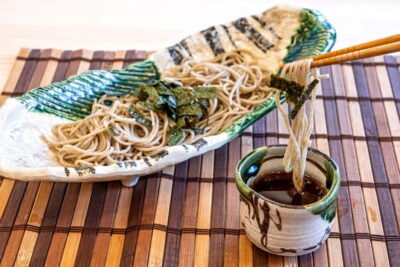
///Soba Making Experience///Use The BIG Soba-Knife!!
Read our review →Browse the lists this tour appears in