
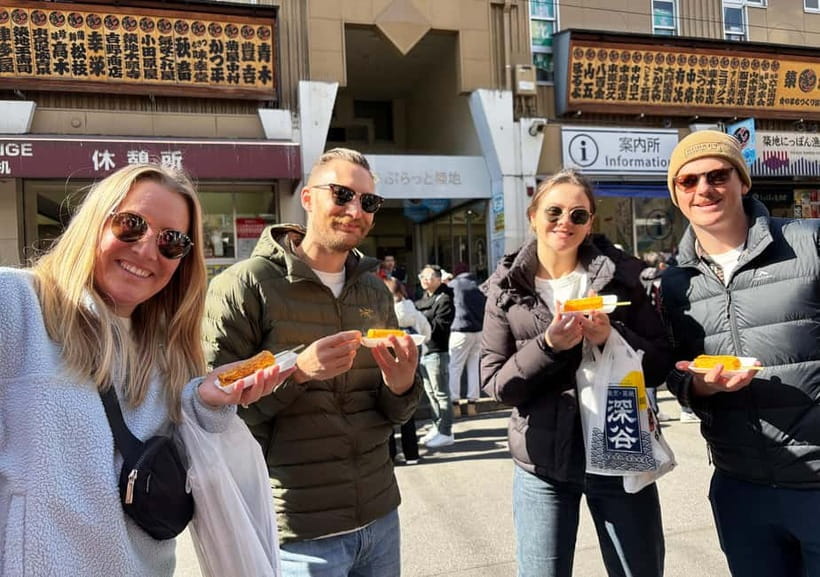
Review · FISH MARKET WALKS
Tsukiji Fish Market: Street Food & Culture Walking Tour
Fresh wasabi, right where Tokyo shops.
This Tsukiji Fish Market street food and culture walk connects the market to Japanese culinary thinking, starting at Tsukiji Hongan-ji and moving into the Outer Market. I like the way the stop at the temple sets a calmer tone before the sensory overload of seafood and spice.
My favorite part is the food focus, especially the special wasabi set that helps you taste sharper, cleaner, more tuna-like flavors. You’ll sample things like fresh tuna and wagyu, plus a range of traditional street foods guided by someone who helps you order what actually makes sense on the spot.
One thing to plan around: on Wednesdays, Sundays, and national holidays, about half the Outer Market shops may be closed, so the mix of tastings can feel different than other days.
In This Review
- Key moments worth knowing
- Tsukiji Hongan-ji: start the walk with a temple reset
- The Outer Market tasting route: tuna, wagyu, and quick-to-order street food
- Fresh wasabi set: why it changes the flavor of everything you try
- How artisans and vendors shape Japanese cuisine, one stall at a time
- Guide-led logistics: lines, timing, and how small groups keep it sane
- What happens on closures: Wednesdays, Sundays, and national holidays
- Price and value: why $22 can work (if you care about tastings)
- Who this tour fits best, and who might not love it
- Should you book this Tsukiji street food walk?
- FAQ
- How long is the Tsukiji Fish Market street food and culture walking tour?
- Where does the tour start and end?
- What is included in the $22 price?
- Is the guide available in English?
- Do I need cash?
- When are shops likely to be closed?
- Is the tour wheelchair accessible?
- Can I cancel, and is there a pay-later option?
Key moments worth knowing
- Tsukiji Hongan-ji start: you begin with culture before the market noise
- Special wasabi set: a guided upgrade to your tastings
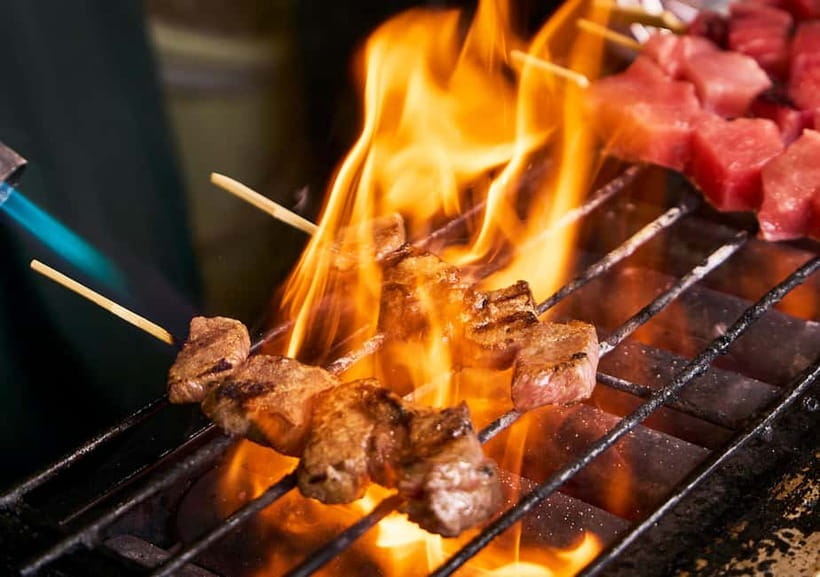
- Tuna and wagyu tastings: the kinds of bites you usually need insider help to find
- Guide-led vendor choices: you get pointed to stalls that fit your tastes
- Umami and preservation talk: explanations tied to flavor, not trivia
- Some days have fewer shops: closures can change what’s available in the Outer Market
Tsukiji Hongan-ji: start the walk with a temple reset
Your 2-hour experience starts at Tsukiji Hongan-ji (築地本願寺本堂). Before you hit seafood stalls, you get about 20 minutes at the temple, which matters more than it sounds. The temple stop gives you a visual and emotional “why” behind how food culture is treated in Japan, not just a place name to check off.
Look for the architecture and carvings when you’re inside. You’ll also get a little context from your guide, which helps you understand why people treat this area with respect even while commerce roars nearby.
A practical note: because this is a walking tour, you’ll want to wear shoes you can move in. The area is active, and the tour rhythm is designed for short stops and fast decisions.
More Food Tours in Tokyo
- Tokyo: Shinjuku Food Tour (13 Dishes at 4 Local Eateries)
★ 5.0 · 6,603 reviews - Tokyo Tsukiji Fish Market Food and Culture Walking Tour
★ 5.0 · 3,184 reviews - Tokyo: Shinjuku Food Tour (15 Dishes and 4 Eateries)
★ 4.9 · 2,033 reviews
The Outer Market tasting route: tuna, wagyu, and quick-to-order street food
Most of your time happens in the Tsukiji Outer Market, where the pace is practical: walk, stop, taste, repeat. The schedule gives you a guided stretch of about 80 minutes that includes food tasting and a market visit, then another short guided segment. That structure keeps you from getting lost or overspending.
I love this style because you do not have to guess what’s worth your yen. The guide points you toward stalls for a mix that can include fresh tuna, wagyu, and other classic street bites. In multiple guide-led reviews, the guides were praised for steering people to excellent choices without wasting time in the wrong places.
You’ll also see how locals shop with confidence. That part is hard to replicate if you try to DIY the first time you’re there. Even if you’re an experienced foodie, a good guide helps you read the market in real time.
What to expect taste-wise:
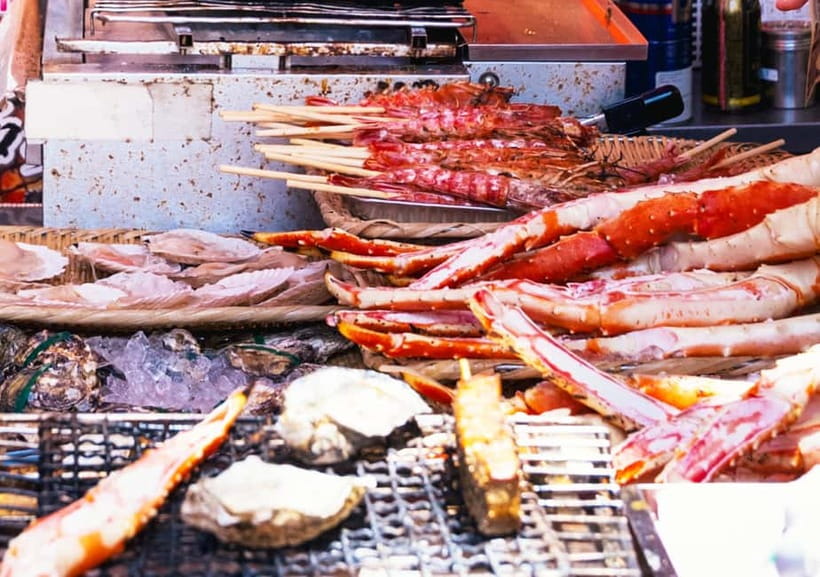
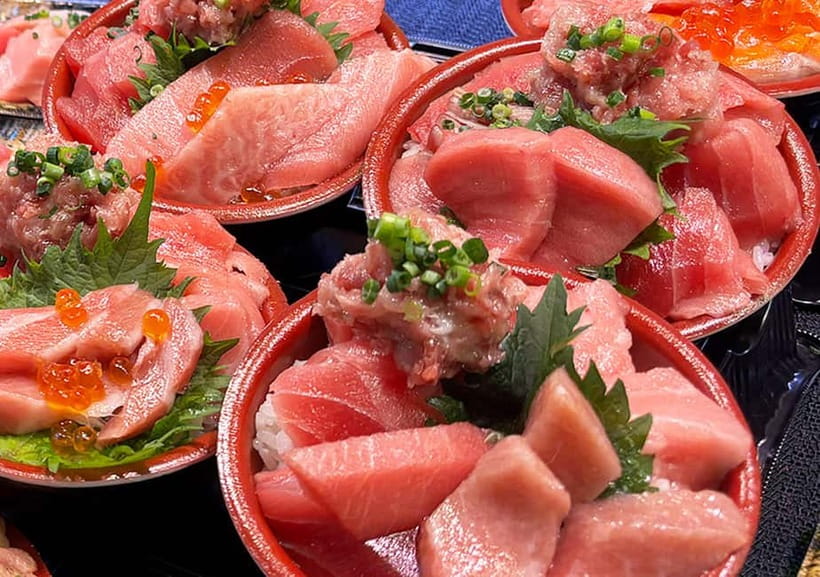
- Seafood-forward bites, often featuring tuna
- Grilled or prepared items you can sample quickly
- Meat bites that can include wagyu
- Traditional street foods that show up in Japanese everyday eating
Keep expectations realistic. You’re not dining at a single restaurant. You’re collecting small tastes, which is great if you want variety, but it can feel like “snacks” if you expected a full meal.
Fresh wasabi set: why it changes the flavor of everything you try
One highlight you should not skip is the special wasabi set provided with your tour. Wasabi is one of those ingredients that can taste totally different depending on freshness and how it’s handled. The guide’s wasabi setup helps you experience that difference in a very direct way.
In the tour framing, you’re also connecting wasabi to broader ideas like traditional preservation techniques that boost umami. That’s useful because it turns your tasting into a mini lesson. You’re not just eating, you’re learning why certain flavors land the way they do.
In reviews, fresh wasabi showed up as a memorable extra, even when people thought they already understood what wasabi tastes like. That’s the practical value: this tour nudges you into noticing details you’d likely miss while wandering alone.
How artisans and vendors shape Japanese cuisine, one stall at a time
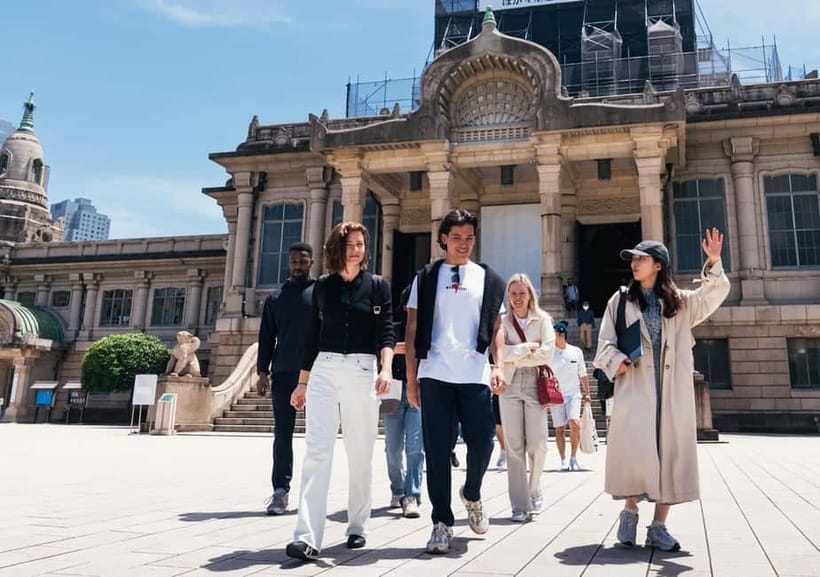
Tsukiji has long been linked with craftsmanship in Japanese cooking, and this tour gives you a taste of that mindset. The guide explains ingredients and cooking logic, with an emphasis on how the market supports Japanese cuisine day after day.
You’ll hear practical talk about what makes certain ingredients work together. The tour is built around “why this tastes like this,” including how traditional methods can enhance flavor depth.
This is where the guide’s role really matters. People often assume the market is only about raw seafood. It’s also about seasoning, sourcing, and technique. In guides’ feedback you’ll see the same theme: they help you understand the ingredient choices, not just the menu items.
One small but meaningful tip from reviews: guides often help you feel comfortable trying things you might normally skip. That emotional support can be the difference between timid tasting and a confident, fun market experience.
More Food Walks in Tokyo
- Tokyo Night Foodie Tour in Shinjuku – Seasonal Sushi, Wagyu Beef
★ 5.0 · 1,161 reviews - Shinjuku Izakaya Food Tour
★ 5.0 · 1,041 reviews - Eat and Drink Like a Local: Tokyo Ueno Food Tour-Taverns&Ramen
★ 5.0 · 957 reviews - Tokyo: Shibuya Food Tour (13 dishes and 4 Eateries)
★ 5.0 · 770 reviews
Guide-led logistics: lines, timing, and how small groups keep it sane
This is a small group tour with an English live guide. That small-group size is not just a comfort thing. It affects how smoothly the tastings happen, especially in a busy market setting.
A recurring praise in guide reviews is how well they handle the messy parts: ordering, moving you to the right stalls, and taking care of the “stand here, then wait” moments. Some guides were specifically mentioned for standing in lines so the group could keep moving and sampling.
You’ll also get advice you can use afterward in Tokyo. Multiple comments highlighted that the tour set people up with confidence for wandering the area on their own, because they learned what to look for and how to choose.
If your schedule is tight, this matters. A 2-hour guided walk is a “high learning, low wasted time” format, especially if you only have one morning or afternoon for Tsukiji.
What happens on closures: Wednesdays, Sundays, and national holidays
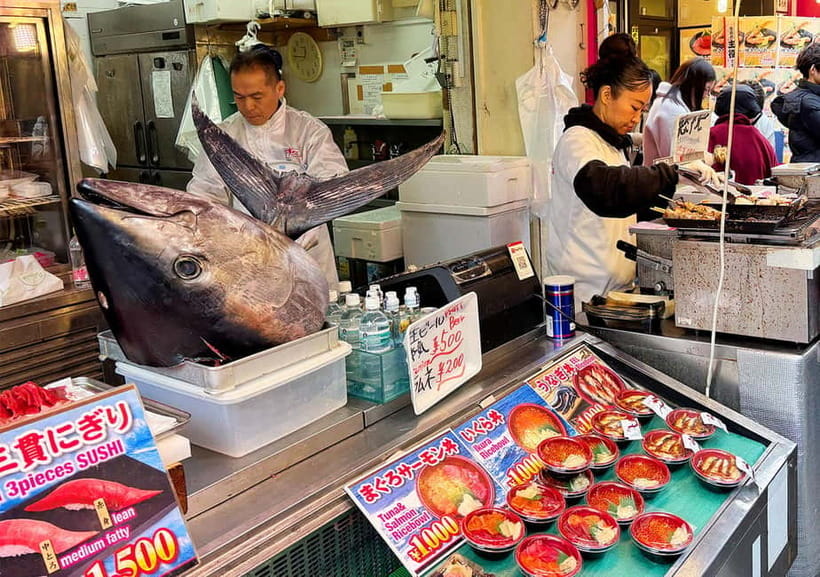
Plan for variability. The tour itself still runs as a tour, but about half of the Outer Market shops may be closed on Wednesdays, Sundays, and national holidays. The experience will differ from usual, even though some shops remain open and tours are still possible.
Here’s how I’d adjust your expectations:
- Treat the tastings as a best-effort mix, not a guaranteed checklist
- Be ready for fewer vendor options, which can change what you sample
- Lean into the parts of the tour that focus on culture and ingredient thinking, since those tend to hold up even when vendors are fewer
If you can choose days, picking a non-closure day usually gives you the fullest market feel. But if your dates land on a closure day, don’t cancel automatically. A guide-led route still helps you see the market correctly and taste what’s available.
Price and value: why $22 can work (if you care about tastings)
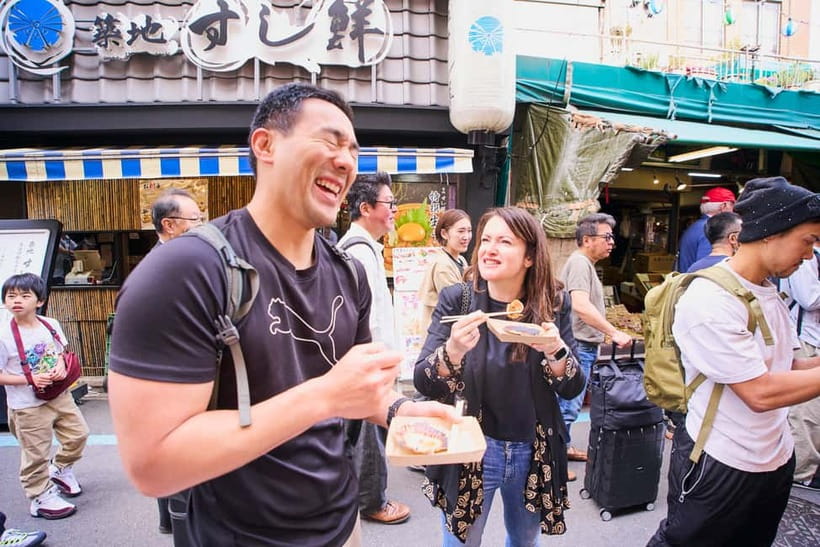
At $22 per person for 2 hours, this is priced like a focused experience rather than a full meal tour. The value comes from a few specific inclusions: guided time in the market area, Tsukiji Hongan-ji visit, and food tasting plus explanations about Japanese cooking and ingredients.
If you were to DIY it, you might spend that amount or more just trying to figure out where to eat and what to order. The guide removes the uncertainty. You get help selecting stalls and understanding what you’re tasting.
Also, the tour includes guided exploration of the fish market atmosphere through the Outer Market, which is hard to replicate on your own without spending time researching and still getting it wrong.
The practical math is simple: you’re paying for direction and flavor education, not for a single sit-down dinner. If you like sampling multiple items and learning how Japanese cooking logic connects to ingredients, this price makes sense.
Who this tour fits best, and who might not love it
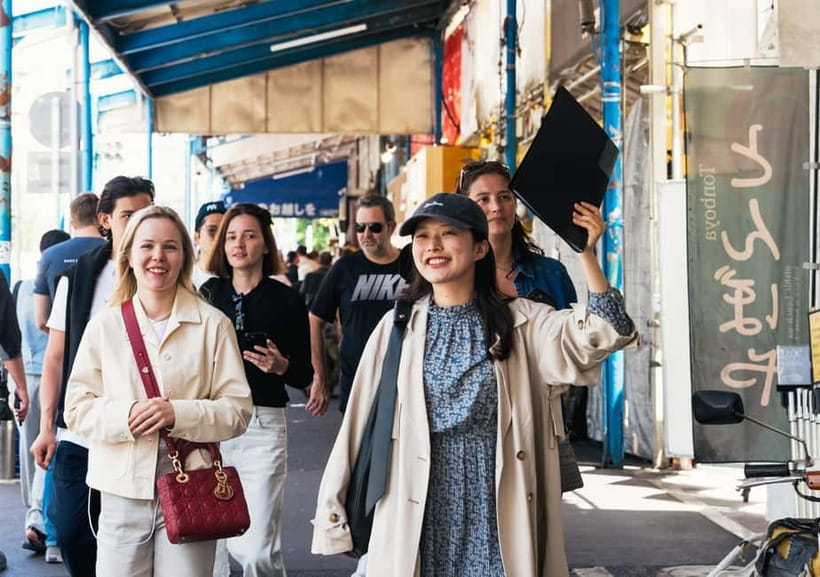
This tour fits you if:
- You want a first-timer friendly way to experience Tsukiji
- You like street food tastings more than a formal meal
- You want explanations about ingredients and flavor, not just photos
- You prefer a guide to manage vendor choices and timing
It might not be ideal if:
- You want a long, relaxed market hangout with tons of browsing time
- You’re expecting a guaranteed menu regardless of closures
- You dislike walking or standing for short periods during tastings
Good news for logistics-minded visitors: the tour is wheelchair accessible, and it’s offered in English. Also, the tour asks you to bring cash, so plan for that before you arrive.
From reviews, the experience tends to work especially well when you’re open-minded. People praised guides for helping them try items like tuna sushi, eel, grilled scallops, and skewers that they might have hesitated to order on their own.
Should you book this Tsukiji street food walk?
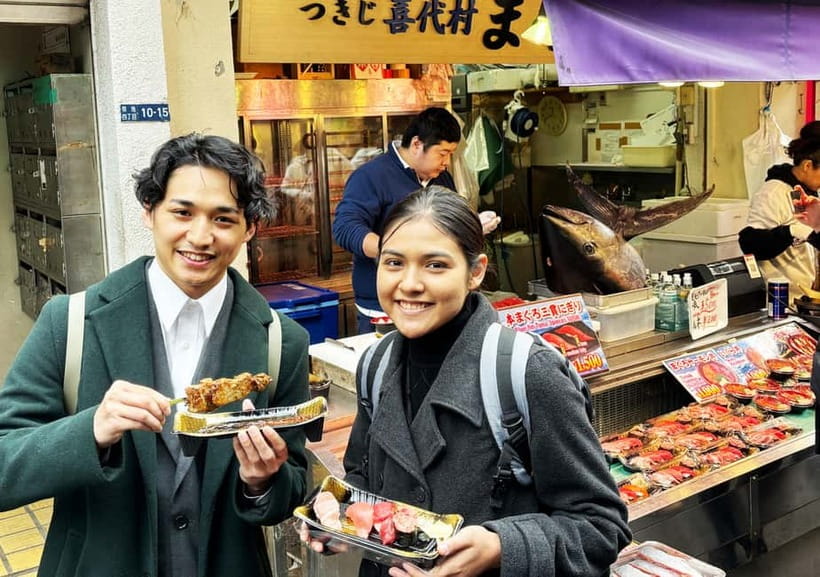
I’d book it if this is your kind of Tokyo morning or afternoon: short walk, guided stops, and tastings that come with real context. The combination of Tsukiji Hongan-ji plus the Outer Market route, along with the special wasabi set and ingredient explanations, gives you more than a list of foods. You get a flavor education you can carry into the rest of your trip.
If your dates include Wednesday, Sunday, or a national holiday, go in with flexibility. You may get a slightly different set of open stalls. Still, a guided approach helps you avoid the common Tsukiji problem, wandering without direction while hungry and overwhelmed.
If you want, tell me your travel dates and whether you’re staying near Ginza or Tokyo Station. I can suggest the best day timing for Tsukiji and how to pair it with nearby neighborhoods afterward.
FAQ
How long is the Tsukiji Fish Market street food and culture walking tour?
The tour lasts 2 hours.
Where does the tour start and end?
The tour starts at one of the provided starting locations, 築地本願寺本堂 (Tsukiji Hongan-ji), and drops you off at the same place.
What is included in the $22 price?
The tour includes a guided tour of Tsukiji Fish Market, exploration of the outer market, a visit to Tsukiji Hongwanji Temple, and insights into Japanese cooking and ingredients, along with food tasting during the Outer Market portion.
Is the guide available in English?
Yes. The tour offers a live guide in English.
Do I need cash?
Yes. The tour notes that you should bring cash.
When are shops likely to be closed?
On Wednesdays, Sundays, and national holidays, about half of the shops in the Tsukiji Outer Market may be closed, so the experience can differ from usual.
Is the tour wheelchair accessible?
Yes. The tour is listed as wheelchair accessible.
Can I cancel, and is there a pay-later option?
You can cancel up to 24 hours in advance for a full refund. You can also reserve now and pay later.
More Market Walks in Tokyo
- Tokyo Sushi Making Class in Tsukiji with Professional Chef
★ 5.0 · 1,177 reviews - Tsukiji Fish Market: Street Food & Culture Walking Tour
★ 5.0 · 669 reviews - Tsukiji Fish Market Small-Group Food Walking Tour
★ 5.0 · 621 reviews - Tokyo: Tsukiji Fish Market Sushi Making Class with Pro Chef
★ 4.9 · 506 reviews
More Market Tours in Tokyo
- Tokyo: Tsukiji Fish Market Food and Walking tour
★ 5.0 · 1,724 reviews - Tokyo: Tsukiji Fish Market Guided Walking Tour
★ 4.9 · 1,397 reviews - Tsukiji Fish Market Guided Tour and Sushi Making with Pro Chef
★ 5.0 · 775 reviews - Tokyo: Tsukiji Fish Market Food and Culture Walking Tour
★ 4.7 · 757 reviews
Newly listed around Tokyo
- Tokyo private transfer for Yokohama Port★ 4.5 · 63 reviews
- Tokyo Allstar Food Tour★ 4.5 · 206 reviews
- Luxury Kimono Photoshoot at Ginza Tokyo★ 5.0 · 7 reviews
- Tokyo Art Aquarium Museum E-Ticket with optional Tokyo Metro Pass★ 5.0 · 17 reviews
- Tokyo: Best Ginza Food Tour at 3 Local Eateries★ 5.0 · 83 reviews
- Private One Day Nikko Tour with Bilingual driver★ 3.5 · 11 reviews
- PRIVATE tour in 180SX to Daikoku+++++★ 5.0 · 6 reviews
- Kabuki Talk★ 5.0 · 10 reviews
Fish Market Walks, compared.
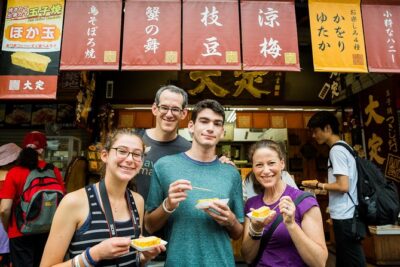
Tokyo Tsukiji Fish Market Food and Culture Walking Tour
Read our review →
Nishiki Market Brunch Walking Tour (7 Tastings + Brunch)
Read our review →
Tokyo Sushi Making Class in Tsukiji with Professional Chef
Read our review →
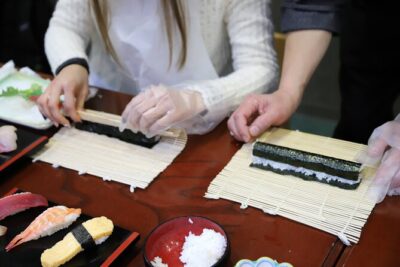
Tsukiji Fish Market Guided Tour and Sushi Making with Pro Chef
Read our review →