
Review · VEGAN & VEGETARIAN
Zen Buddhist Vegetarian(Shojin Ryori): Cooking Experience
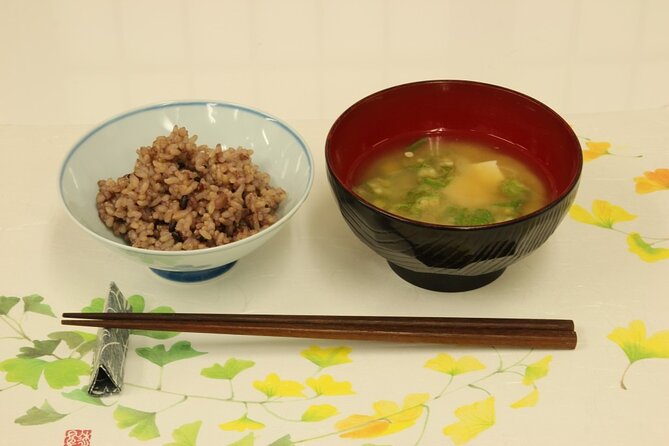
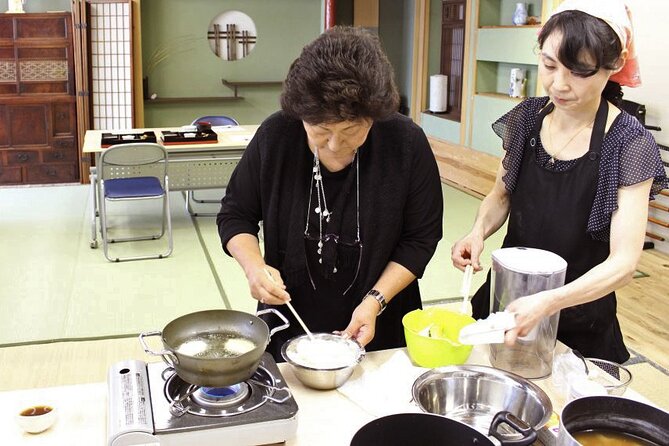
Zen vegetarian cooking turns Tokyo into a classroom. In a small group limited to eight people, you learn the cruelty-free ideas behind shojin ryori and then put those ideas into practice with classic Japanese vegetarian dishes. I also like that the pace feels personal, not rushed, so you can ask questions while your hands are busy.
I really enjoy that the class keeps the focus on technique you can repeat later, not just watching. With instructors Masue and Hiro guiding the process, you’ll learn time-tested staples like sesame tofu and dashi broth soup, plus vegetable tempura, then sit down to eat what you made. Reviews also point out the calm, slower rhythm of the experience, which is a nice change from the usual Tokyo sprint.
One thing to plan for: transportation to the venue is not included, so you’ll need to get yourself to Kikai Shinkō Kaikan near public transportation in Minato City. Once you’re there, the rest is handled.
In This Review
- Key highlights you’ll feel right away
- Shojin ryori in plain terms, and why it matters
- Getting to the meeting point near Shibakōen
- What the class setup feels like for beginners
- Cooking your way through shojin ryori staples
- Sesame tofu: learning texture and seasoning balance
- Dashi broth soup: understanding the role of broth
- Vegetable tempura: the crisp skill without the fish or meat focus
- Instructor help from Masue and Hiro
- Eating what you made, then slowing down with tea
- Optional Japanese tea pairings upgrade
- Price and value: what $114.67 buys you in Tokyo
- Who should book this (and who might want something else)
- Practical tips to make the most of your 2.5 hours
- Should you book this shojin ryori cooking experience?
- FAQ
- What time does the Zen Buddhist Vegetarian cooking experience start?
- How long is the cooking class?
- How large is the group?
- What dishes will I learn to make?
- Is transportation included to the venue?
- Are ingredients included?
- Can I add Japanese tea pairings to the meal?
Key highlights you’ll feel right away
- Small group size (max 8): more hands-on time, fewer people blocking the view of what to do next
- Shojin ryori philosophy: Zen Buddhist vegetarian methods developed over 700 years, explained in practical terms
- Cook recognizable Japanese staples: sesame tofu, dashi broth soup, vegetable tempura, and more
- Eat your work right after cooking: you’ll enjoy the meal you prepared, not just take notes
- Optional Japanese tea pairings: upgrade your lunch or meal with tea taken alongside your dishes
- Nationally accredited guide-interpreter: language support so the Zen ideas and cooking steps land clearly
Shojin ryori in plain terms, and why it matters
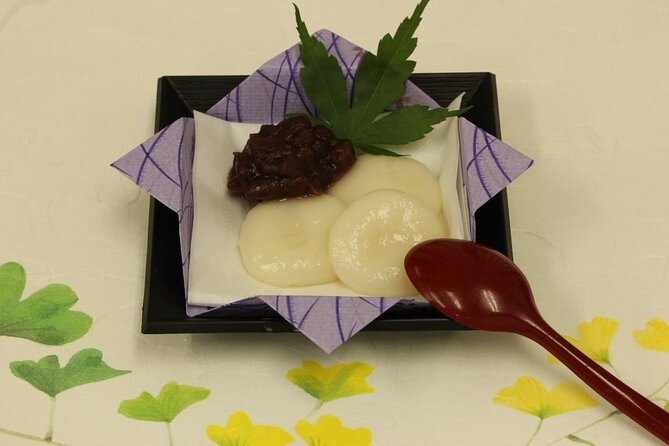
Shojin ryori is vegetarian cooking rooted in Zen Buddhist practice. The key idea is not just “no meat,” but how food supports discipline, clarity, and compassion. In this workshop, you’ll spend time learning the why behind the how, so the cooking steps feel connected instead of random.
That context is part of the value. Tokyo is famous for food built on fish, meat, and fast flavors, but this class gives you a different frame. You get to see Japanese technique through a cruelty-free lens, and you learn recipes that are designed to be steady, repeatable, and grounded.
The other big takeaway is mindset. Shojin ryori tends to prioritize simplicity and balance, so even if you’re not a big “vegetarian cooking” person, you’ll still recognize familiar comfort food shapes: tofu-based dishes, broth, and crisp tempura-style cooking.
More Cooking Classes in Tokyo
- Ramen & Gyoza Cooking Class in Tokyo with Local Supermarket Visit
★ 5.0 · 823 reviews - Tokyo: Easy Ramen Cooking Experience in Kabukicho, Shinjuku
★ 4.6 · 321 reviews - Ramen and Sushi Cooking Class with Sake Pairing Set in Tokyo
★ 5.0 · 291 reviews
Getting to the meeting point near Shibakōen
The session starts at 11:00 am at Kikai Shinkō Kaikan, 3-chōme-5-8 Shibakōen, Minato City. It ends back at the same meeting point, so you can plan the rest of your day without figuring out another transfer.
This venue location matters because it’s in an area where you can use public transportation easily. Since transportation is not included, you’ll want to arrive a bit early with your route figured out, especially if you’re pairing this with other Tokyo sights.
Also, you’ll be in a small group on a set schedule, so showing up on time helps everyone move through ingredients and cooking steps without delays.
What the class setup feels like for beginners
This is a cooking experience with a group cap of eight travelers, and that changes everything. In larger classes, you often watch from one side and hope the instructor notices your question. Here, the ratio is better, so you can get help while the cooking is happening.
You’re also not going in blind. The experience includes a nationally accredited tour guide-interpreter, plus a vegetarian cooking lesson and ingredients. That means you’re not juggling shopping time or translation gaps while trying to learn technique.
One more practical detail: the experience says most travelers can participate. So if you’re not confident in the kitchen, this is the kind of activity where you’ll still be able to contribute, follow along, and end up with a meal you can be proud of.
Cooking your way through shojin ryori staples
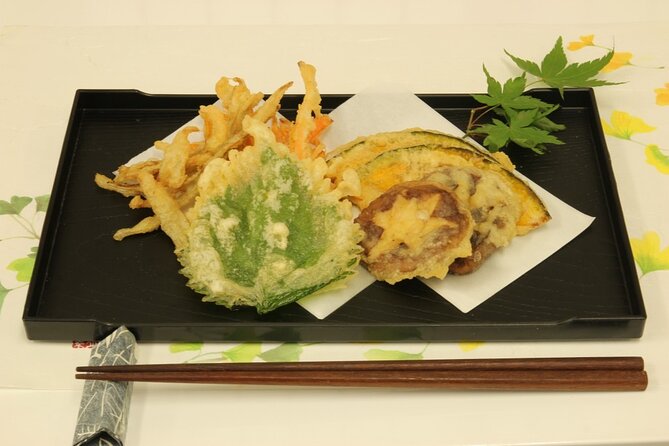
The heart of the workshop is the cooking portion, where you’ll learn a set of classic dishes tied to shojin ryori. The exact menu can shift slightly, but the staples listed include sesame tofu, dashi broth soup, and vegetable tempura.
A few more Tokyo days to weigh up
- Tokyo: Wagyu and 7 Japanese Dishes Cooking Class
★ 4.9 · 273 reviews - Tokyo Washoku 4-hour Cooking Class: From Market to Table
★ 5.0 · 253 reviews - Tokyo Cute Bento Cooking Class – Make a Kawaii Character Lunchbox
★ 5.0 · 126 reviews - Tokyo: Tsukiji Market Walking Tour & Sushi Cooking Class
★ 4.6 · 122 reviews
Sesame tofu: learning texture and seasoning balance
Sesame tofu is a great dish for learning shojin ryori thinking. Tofu is a neutral canvas, so your job is to create depth through sauce and seasoning rather than relying on meat or seafood flavor. Expect guidance on how to build that taste, and how to keep the texture appealing.
What you’re really practicing here is control. If you want to recreate this at home, you’ll remember that shojin ryori often rewards small adjustments: sauce thickness, seasoning balance, and the way tofu is treated.
Dashi broth soup: understanding the role of broth
You’ll also learn dashi broth soup. Broth-based dishes teach you a Japanese cooking lesson that many people miss when they only order soup: broth is the framework for everything else. Even when you keep ingredients vegetarian, broth determines comfort level, aroma, and how the meal flows.
From a practical point of view, the value is that you’ll take home a clearer sense of how to think about soup as structure, not just liquid. That helps you adapt recipes later when you’re using what you can find in your local store.
Vegetable tempura: the crisp skill without the fish or meat focus
Then comes vegetable tempura, where technique beats theory. Tempura is often associated with seafood, but in this class you’ll learn how vegetable ingredients can be the main event. You’ll get a chance to cook with Japanese methods while staying within the vegetarian approach.
For your at-home cooking, tempura is a high-reward skill. Even if you don’t make tempura often, understanding the process gives you confidence to try it for seasonal vegetables, tofu variants, or other plant-forward dishes.
Instructor help from Masue and Hiro
The cooking is taught with support from Masue and Hiro, and the tone matters. Reviews specifically mention their friendliness and patience, plus clear instruction and demonstrations. That’s exactly what you want in a class where you’re learning hands-on technique, not just sitting through a lecture.
If you tend to worry about making mistakes, you’ll probably breathe easier once you see how step-by-step the guidance is.
Eating what you made, then slowing down with tea
After cooking, you sit down to enjoy the meal you prepared. That part is bigger than it sounds. In some classes, the food is more like a sample. Here, you actually eat what you worked on, which means you can judge flavor balance, texture, and portion satisfaction.
This is also where the Zen connection becomes practical. The experience description and feedback both point to a quieter, slower rhythm. When you’re on a sightseeing schedule, that calm pause is rare and genuinely refreshing.
Optional Japanese tea pairings upgrade
You can also upgrade to include Japanese tea pairings with your meal. If you like food experiences that add another layer beyond taste, this is the upgrade to consider. Tea changes the way you perceive flavors, especially with sesame-rich dishes and crisp tempura, where contrast matters.
If you’re the type who likes learning how locals actually eat, tea pairing gives you a useful habit: you start thinking of meals as combinations, not items on a plate.
Price and value: what $114.67 buys you in Tokyo
At $114.67 per person, this workshop isn’t a bargain-basement activity. But the price makes sense when you look at what’s included and the small-group format.
You’re paying for:
- A guided, instructor-led cooking lesson (not just a demo)
- Ingredients provided for the dishes
- A nationally accredited guide-interpreter
- A group cap of eight, which improves hands-on time
- The meal you cook, plus optional tea pairing
In Tokyo, cooking classes can vary wildly in quality. This one feels built around value that’s hard to fake: real technique, a clear framework for shojin ryori, and eating what you cooked. For me, that combination is what you want if you’re trying to bring something back to home cooking rather than just collecting photos.
Also, the experience is reportedly booked on average about 24 days in advance, which is a sign it likely sells out during busy seasons. If you want a specific day, I’d plan ahead rather than hoping.
Who should book this (and who might want something else)
This is best for you if:
- You’re interested in Japanese cooking beyond sushi or ramen
- You want vegetarian food with technique, not just substitutions
- You like structured classes where you can actually recreate recipes later
- You want a calmer activity during a fast-paced Tokyo trip
It might not be the perfect fit if:
- You only want a hands-free food tasting tour where you do minimal cooking
- You’re expecting a meat-and-seafood-heavy Tokyo food experience
- You can’t manage getting to the meeting point on your own (transportation isn’t included)
The good news is that the workshop is designed so most travelers can participate, and the small group size supports that.
Practical tips to make the most of your 2.5 hours
This experience runs about 2 hours 30 minutes, starting at 11:00 am. That’s enough time to learn technique, cook, and sit down to eat without dragging.
To get the most out of it:
- Ask questions while you’re cooking, not after. If something feels unclear mid-step, speak up then.
- Plan to arrive on time at Kikai Shinkō Kaikan, since transportation isn’t part of the package.
- If you have dietary requirements or requests, send them in advance. The experience specifically asks for this, which helps the team prepare.
- If you enjoy meal pairing, consider the Japanese tea upgrade so you can compare how tea changes the taste experience.
Also, since you’re in a group of eight, you’ll likely be able to see what others are doing. Use that. When you compare your results with what’s happening at the next station, you learn faster.
Should you book this shojin ryori cooking experience?
If you’re in Tokyo and you want one activity that feels different from the usual food tour pattern, I think this is a strong choice. You get the Zen Buddhist vegetarian philosophy paired with real cooking skills, and you eat a meal that’s the end product, not an afterthought. The small group limit, plus patient instruction from Masue and Hiro, makes it especially worthwhile if you’re not an expert cook.
Book it if you care about learning and you want recipes you can recreate. Skip it only if you’d rather watch and taste than cook, or if you don’t want to handle getting yourself to the venue.
If that sounds like you, this is one of those travel trades where you leave with both a story and a practical skill.
FAQ
What time does the Zen Buddhist Vegetarian cooking experience start?
It starts at 11:00 am.
How long is the cooking class?
The duration is about 2 hours 30 minutes.
How large is the group?
The experience has a maximum of 8 travelers.
What dishes will I learn to make?
The workshop covers staples such as sesame tofu, dashi broth soup, vegetable tempura, and more.
Is transportation included to the venue?
No. Transportation to the venue is not included.
Are ingredients included?
Yes. The lesson includes vegetarian cooking instruction and ingredients.
Can I add Japanese tea pairings to the meal?
Yes, there is an optional upgrade that includes Japanese tea pairings while you eat.
More Vegan & Vegetarian in Tokyo
- Ramen & Dumpling Cooking in Tokyo with Chef/Vegan possible
★ 5.0 · 107 reviews - Vegan/Vegetarian Ramen and Gyoza by Bentoya cooking
★ 5.0 · 59 reviews - Tokyo: 2-Hour Vegan and Vegetarian Ramen Guided Walking Tour
★ 4.8 · 33 reviews - Shibuya Tokyo: Sushi Making Class (Vegan/Vegetarian/Halal)
★ 4.7 · 29 reviews
Newly listed around Tokyo
- From Tokyo: Top 5 Scenic Spots of Mount Fuji Full-Day Tour★ 4.5 · 67 reviews
- Historic Kamakura: Temples, Shrines and Street Food Private Walking Tour★ 5.0 · 6 reviews
- Authentic Kimono Culture Experience Dress, Walk, and Capture★ 5.0 · 57 reviews
- Private Departure Tour from Hotel/Airport/Cruise (5-6 Hrs)★ 5.0 · 6 reviews
- Creative Japanese Cooking in a Beautiful Tokyo Home with Makiko★ 5.0 · 7 reviews
- Personal Travel and Vacation Photographer Tour in Tokyo★ 5.0 · 19 reviews
- Narita Airport: One Way Private Transfer to Tokyo|Yokohama Hotels★ 4.5 · 69 reviews
- Discover the Secrets of Pachinko, Japan’s Traditional Game★ 5.0 · 11 reviews
Vegan & Vegetarian, compared.
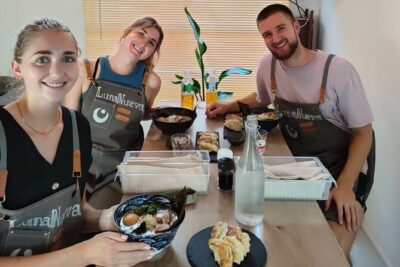
Ramen & Dumpling Cooking in Tokyo with Chef/Vegan possible
Read our review →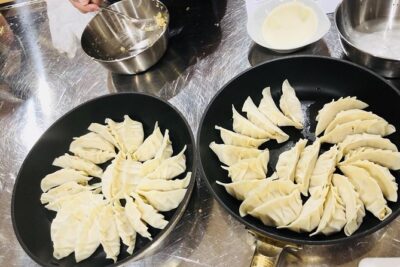
Vegan/Vegetarian Ramen and Gyoza by Bentoya cooking
Read our review →
2-Hour Vegan and Vegetarian Ramen Guided Walking Tour
Read our review →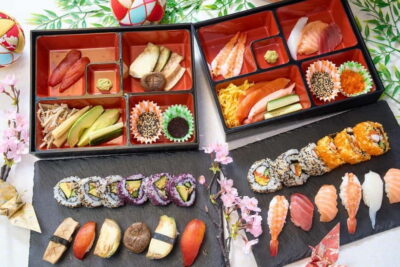
Shibuya Tokyo: Sushi Making Class (Vegan/Vegetarian/Halal)
Read our review →
Private Plant-Based Japanese Cooking Class – Kyoto Edition
Read our review →
Osaka Dotonbori: Vegan/Vegetarian Sushi Making Experience
Read our review →
Browse the lists this tour appears in