
Review · RAMEN TASTING TRIPS
Tokyo: 2-Hour Vegan and Vegetarian Ramen Guided Walking Tour
Tokyo ramen can be a puzzle, and this tour solves it quickly. You get a guided tasting of four mini vegan ramen bowls while walking the parts of town you will actually want to explore, Shibuya and Shinjuku. I like how it is not just food, it is food with clear context, including why Hokkaido and Tokyo matter in the ramen world.
Second, I really enjoy the customization part. Each bowl is vegan, and you can also pick non-vegan broth options if you are not strictly vegan, plus gluten-free noodles are available. You are basically able to tailor the ramen to how you eat, without the whole experience turning into a stressful negotiation.
One possible drawback: you are not going to be able to do this in a wheelchair. Also, you will need train fare for the ride between Shibuya and Shinjuku, so bring a transportation card or cash.
In This Review
- Key Highlights You’ll Care About
- Two Cities, Two Styles: Why This Tasting Works
- Four Mini Bowls of Vegan Ramen, Not One Long Surprise
- Hokkaido-Style Ramen Stop: What to Look For in the First Bowl
- Tokyo Tsukemen Stop: Dipping Ramen Changes Everything
- Shibuya Meets Shinjuku: Easy Train Hop, Real Tokyo Feel
- Price and Value: Is $96 Worth It?
- Who This Tour Fits Best (and Who Should Rethink It)
- What to Do Before and After for the Best Trip
- Should You Book This Vegan Ramen Walking Tour?
- FAQ
- How many ramen bowls are included?
- Is the ramen fully vegan?
- Can you accommodate gluten-free noodles?
- How long is the guided tour?
- How many ramen shops do you visit?
- Do I need to pay for train fare?
- Where do I meet the guide?
- Is the tour wheelchair accessible?
Key Highlights You’ll Care About
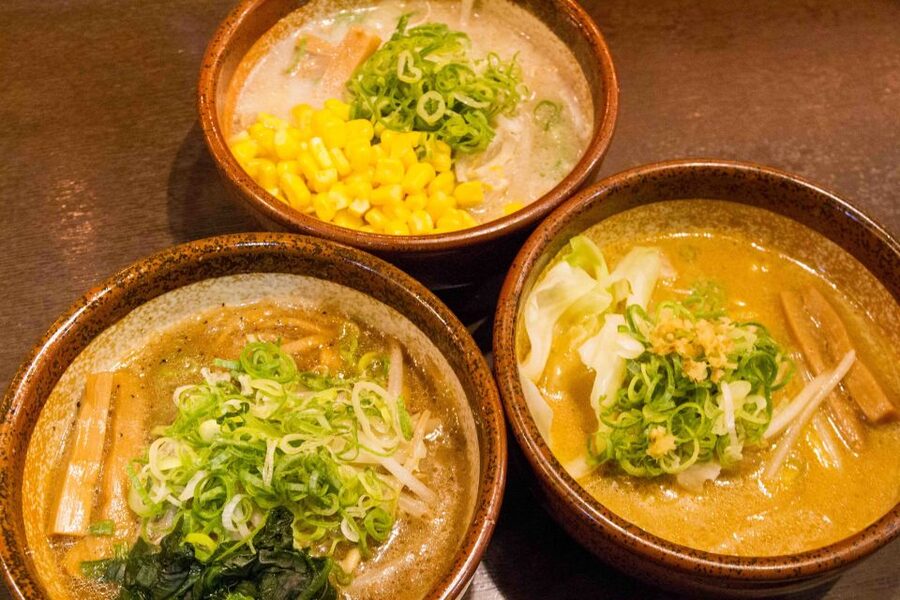
- Four mini bowls so you can try more than one style without feeling stuffed
- Hokkaido-style ramen history explained in plain language so it actually sticks
- Tokyo tsukemen style to see how dipping ramen changes the whole experience
- Diet flexibility, with vegan ramen at every stop, plus non-vegan broth and gluten-free noodles on request
- Two neighborhoods, two ramen shops, with a train hop so you get variety fast
Two Cities, Two Styles: Why This Tasting Works
The best ramen tastings do one thing well, they match the dish to the story. Here, the story is built around two major ramen “anchors” in Japan: Hokkaido for its local ramen identity, and Tokyo for its classic style, including tsukemen, dipping ramen.
I like that the tour does not treat ramen as one thing. Instead, you taste how different techniques and flavor approaches can land completely different results, even when the overall idea is the same: noodles, broth, toppings, and that satisfying umami pull.
And you will get that context while you are eating, not after. You will learn why Hokkaido has played a role in ramen history and the ramen world, then you will connect it to what you actually taste in front of you.
More Ramen Trips in Tokyo
- Eat and Drink Like a Local: Tokyo Ueno Food Tour-Taverns&Ramen
★ 5.0 · 957 reviews - Ramen & Gyoza Cooking Class in Tokyo with Local Supermarket Visit
★ 5.0 · 823 reviews - Tokyo: Mount Fuji and Hakone Full Day Tour with Ramen Making
★ 4.5 · 476 reviews
Four Mini Bowls of Vegan Ramen, Not One Long Surprise
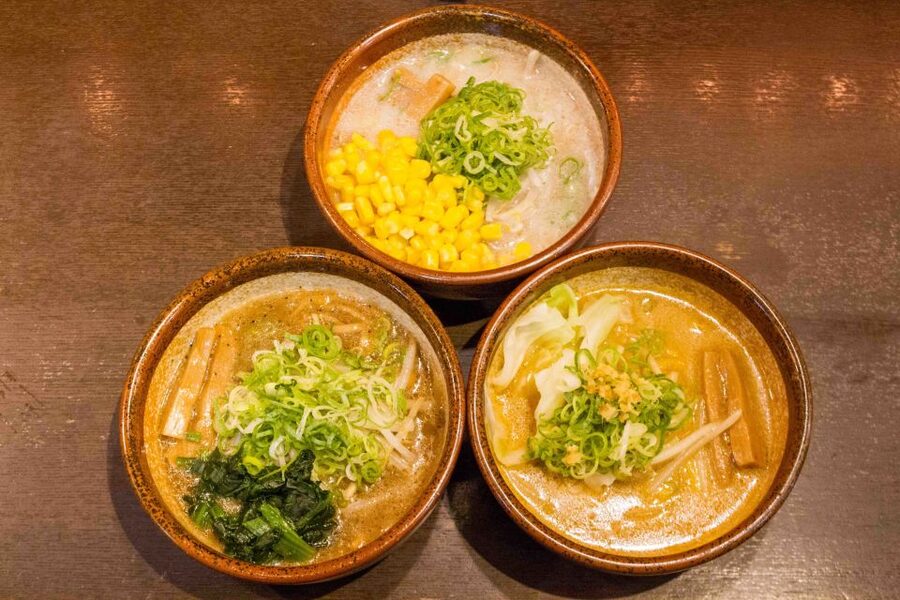
You get four mini bowls during the 2-hour experience. That matters more than it sounds. Full-size bowls can be a lot, and they make it hard to compare styles fairly. Mini bowls let you taste, reset your palate, and notice differences without getting lost in sheer volume.
Another practical win is that the tour is vegan-focused. The bowls are designed to be all vegan, but they also offer non-vegan broth options for each bowl if your group includes mixed dietary needs. That is a smart way to keep everyone at the table while still respecting different choices.
If gluten is an issue, this tour has a built-in pathway. Gluten-free noodles are available. I still suggest you confirm your preference when you order, because in Japan, noodle substitutions can vary by shop and kitchen process, but the option is explicitly part of the tour offering.
And yes, there is also one drink included. It is not a huge addition, but it keeps the pace steady during a two-stop tasting when you want water or something light to go with the flavors.
Hokkaido-Style Ramen Stop: What to Look For in the First Bowl
One of the two ramen shops specializes in Hokkaido-style ramen. That is your chance to understand what makes Hokkaido ramen feel different, especially when you are tasting a vegan version.
Since the tour is guided, you get more than a list of toppings. You get cues on what to pay attention to, like broth characteristics, noodle behavior, and the way toppings can change the flavor even when the base is plant-based.
At this stage of the tour, I think you should go into it with a comparison mindset. Taste the broth first, then notice how the noodles carry it. After that, check how any toppings amplify the overall balance. Mini bowls make this easy, because you can do the “taste, pause, compare” routine instead of forcing everything down in one go.
A fun detail from past participants: guides in this program tend to be ramen geeks who will answer picky questions without making you feel silly. People have shared experiences with guides like Brian and Frank, who focus on both flavor and how ramen is made, so you leave with a better mental model than you arrived with.
Tokyo Tsukemen Stop: Dipping Ramen Changes Everything
The second shop focuses on Tokyo tsukemen, dipping ramen. If you have never had tsukemen, the big idea is simple: the noodles and the dipping broth are treated differently than classic ramen, and that shifts how the meal unfolds.
Here is what you should watch for. Before you dip, look at the noodles and how they hold shape. When you dip, pay attention to whether the broth clings quickly or feels lighter on first contact. Then after the first few bites, notice how the flavor settles into the noodles, because that is where tsukemen really shows its personality.
This stop is valuable because it broadens your ramen vocabulary. By the end, you are not only saying, I liked ramen. You can explain why one style feels richer, brighter, or more intense, and that makes it easier to choose a restaurant on your own later.
If your group includes someone who is not strictly vegan, this is also where the “choice” element can matter. The tour design includes vegan ramen at every bowl, with the option of non-vegan broth choices for each, so the experience can stay consistent even with mixed preferences.
More Walking Tours in Tokyo
- Tokyo Tsukiji Fish Market Food and Culture Walking Tour
★ 5.0 · 3,184 reviews - Tokyo: Shinjuku Local Bar and Izakaya Guided Walking Tour
★ 4.9 · 1,794 reviews - Tokyo: Tsukiji Fish Market Food and Walking tour
★ 5.0 · 1,724 reviews - Tokyo: Asakusa Walking Tour with Sensoji Temple Visit
★ 4.8 · 1,583 reviews
Shibuya Meets Shinjuku: Easy Train Hop, Real Tokyo Feel
Your walk includes Shibuya and Shinjuku, two neighborhoods that can look totally different even if you are in Tokyo only a short time. The tour keeps you from wasting time guessing which area is better for a food stop, because it uses a two-shop plan across those neighborhoods.
Between the shops, you will take the train. The important practical point: train fare is not included. You will need your transportation card or cash for tickets. I recommend you have it ready before the group moves, so the pacing stays smooth and you are not scrambling at the station.
In terms of vibe, I like that the tour mixes big-city energy with real local dining. It is not a staged “attractions first” route. You are in the neighborhoods where ramen shops actually do business, which makes the meal feel more grounded.
If you are traveling solo, this format can also help you feel less lost. Two targeted areas, two focused tastings, and a guide to translate what you are seeing and eating is a strong way to get confident fast.
Price and Value: Is $96 Worth It?
At $96 per person for a 2-hour guided experience, you are paying for three things: expert guidance, multiple tastings, and convenience.
First, you get four mini bowls. That is the core value. If you were trying to do this on your own, you would spend time searching for vegan or vegetarian ramen that works for your dietary needs. Even when you find something, comparing styles across places without a plan is slow.
Second, the tour includes context. You learn about Hokkaido’s place in ramen history and how regional styles shaped what Tokyo and Hokkaido diners expect. That makes your future ramen ordering smarter, not just tastier.
Third, it is convenient. The tour handles the match between you and the right shops in the right neighborhoods, and it builds in the train hop so you do not have to plan it minute by minute.
Could you spend less by eating ramen independently? Sure. But you would likely spend more time sorting out vegan options, gluten-free swaps, and which shops match which ramen style. For many people, the time saved plus the structured tastings is the real bargain.
One more pricing note: the rating is very strong, 4.8 with 33 reviews. I treat that as a good signal that the tour consistently lands on the basics: taste, clarity, and smooth execution.
Who This Tour Fits Best (and Who Should Rethink It)
This tour is a great match if you:
- Love ramen but want variety without committing to full-size bowls
- Eat vegan, vegetarian, gluten-free, or you travel with mixed dietary needs
- Want a guide to explain ramen style differences, not just hand you a menu
- Prefer a guided plan through Shibuya and Shinjuku over wandering hungry with limited time
It is not suitable for wheelchair users, since the tour is not designed for that.
If you already know exactly which vegan ramen shops you want to try and you are happy making appointments and confirmations on your own, you might decide to eat independently. But if you would rather turn ramen into a guided, structured “taste and learn” experience, this plan is built for you.
Also, based on feedback from one participant, there is interest in halal ramen options if demand grows, because halal ramens exist. If that matters for you, it is worth asking ahead of time so you do not show up hoping for something the tour cannot reliably provide.
What to Do Before and After for the Best Trip
This tour is a smart way to start your ramen exploration, not just fit in one meal.
Before you go, scan your dietary needs. Decide whether you want to keep everything vegan, or if your group benefits from non-vegan broth options for specific bowls. Also think about whether you want gluten-free noodles every time or just one bowl for comparison.
After the tour, pick your favorite style. Then go back on your own to order a full bowl where it is best matched. One suggestion you will hear is to treat this as reconnaissance: the mini bowls help you choose where you want to return.
Finally, ask your guide questions. Past participants have described guides like Makayla and Sahori as fun and educational, and people also shared that guides were willing to answer a long list of food and Tokyo questions. I love that approach because it turns lunch into a mini city lesson.
Should You Book This Vegan Ramen Walking Tour?
Book it if you want a fast, guided ramen education in two major neighborhoods, with four vegan mini bowls and options for gluten-free noodles. The $96 price makes sense when you value time, structured tasting, and clear ramen style explanations while you are eating.
Skip it if mobility access is an issue, or if you prefer totally independent dining with no guidance. If that is you, plan your own vegan ramen routes instead and spend your budget on full bowls.
If you are on the fence, my advice is simple: if ramen is your “must-eat” category in Tokyo and you want to leave with both cravings and clarity, this is one of the most efficient ways to get there in only 2 hours.
FAQ
How many ramen bowls are included?
You will get 4 mini-bowls of ramen during the tour.
Is the ramen fully vegan?
The tour is designed around vegan ramen. Non-vegan broth options are available for each bowl if needed.
Can you accommodate gluten-free noodles?
Yes, gluten-free noodles are available.
How long is the guided tour?
The experience lasts 2 hours.
How many ramen shops do you visit?
You visit two ramen shops, one in Shibuya and one in Shinjuku.
Do I need to pay for train fare?
Yes. Train fare from Shibuya to Shinjuku is not included, so bring your transportation card or cash.
Where do I meet the guide?
Meet in front of Shibu Hachi Box, across from the Hachiko statue. The guide will be waiting more to the left under the word Shibu with a Tokyo Ramen Tours sign.
Is the tour wheelchair accessible?
No, this tour is not suitable for wheelchair users.
More Vegan & Vegetarian in Tokyo
- Shibuya Tokyo: Sushi Making Class (Vegan/Vegetarian/Halal)
★ 4.7 · 29 reviews - Tokyo Vegan Food Tour
★ 5.0 · 8 reviews - Modern Vegan Night Foodie Tour in Tokyo
★ 3.9 · 7 reviews - Tokyo: Vegetarian & Vegan Friendly Food Tour
★ 4.7 · 6 reviews
Newly listed around Tokyo
- Modern Vegan Night Foodie Tour in Tokyo★ 3.9 · 7 reviews
- Tokyo: Asakusa Night Waling & Food Tour★ 4.9 · 16 reviews
- Tokyo Vegan Food Tour★ 5.0 · 8 reviews
- Tokyo: Tsukiji Market Walking Tour & Sushi Cooking Class★ 4.6 · 122 reviews
- Tokyo: Tsukiji walk & sushi private tour with Uni Students★ 5.0 · 17 reviews
- Tokyo: Two Types of Japanese Sweets Making and Tea Ceremony★ 4.6 · 26 reviews
- Tokyo Tsukiji Food & Culture Private Tour Licensed Guide★ 4.9 · 28 reviews
- Tokyo: Tsukiji Fish Market Culture Tour with Sashimi Tasting★ 4.6 · 54 reviews
Ramen Tasting Trips, compared.

Ramen Cooking Class at Ramen Factory in Kyoto
Read our review →
Eat and Drink Like a Local: Tokyo Ueno Food Tour-Taverns&Ramen
Read our review →
Ramen & Gyoza Cooking Class in Tokyo with Local Supermarket Visit
Read our review →
Ramen Cooking Class at a Ramen Factory with Souvenir
Read our review →
Mount Fuji and Hakone Full Day Tour with Ramen Making
Read our review →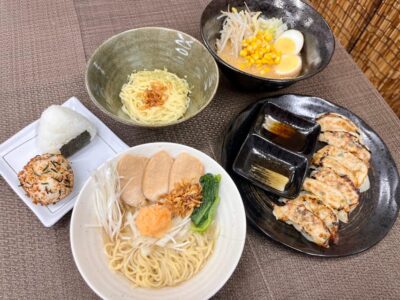

Five Must-See Highlights Walking Tour & Ramen Lunch
Read our review →Browse the lists this tour appears in