
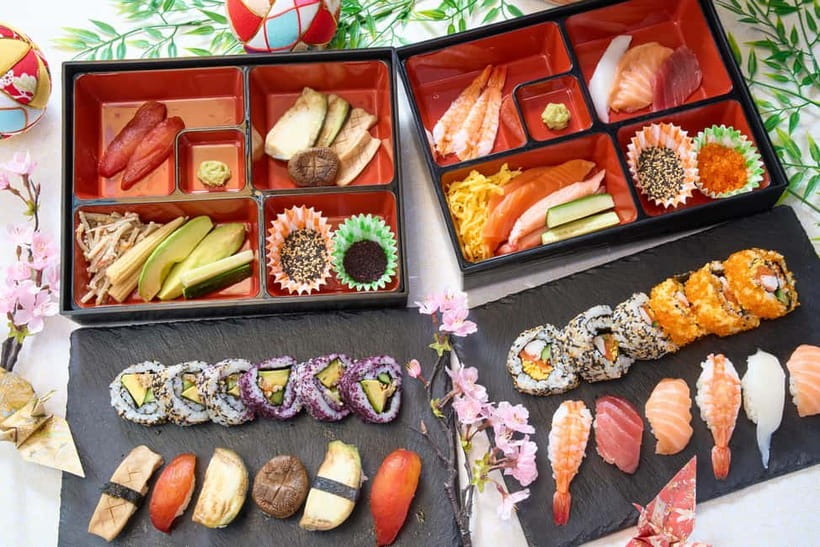
Review · SUSHI COOKING WORKSHOPS
Shibuya Tokyo: Sushi Making Class (Vegan/Vegetarian/Halal)
Sushi lessons in Shibuya for every diet. I love how English-speaking instructors like Momoyo (and Kaito) make the steps clear, plus you get to make real sushi, not just watch. The class focuses on vegan and vegetarian sushi using fresh ingredients, with halal and gluten-free options too.
One thing to plan for: the studio is small and easy to miss in Shibuya. A review note also suggests you should allow extra time to find the venue, even if it is a short walk from Shibuya Station.
In This Review
- Key Things That Make This Class Worth Your Time
- Why Shibuya Makes Sense for a Sushi Workshop
- The 90-Minute Flow: Quiz, California Rolls, and Nigiri You Make Yourself
- Vegan, Vegetarian, Halal Options That Still Feel Like Sushi
- What You Actually Take Home: Skills, Not Just Photos
- The Instructor Style: Friendly, Patient, and Clear in English
- Price and Value: Is $58 a Good Deal in Tokyo?
- Practical Tips for a Smooth Day in Shibuya
- Who This Class Is Best For
- Should You Book This Shibuya Sushi-Making Class?
- FAQ
- How long is the sushi-making class?
- Where is the class located?
- How much does it cost?
- Is the class taught in English?
- What diets are available?
- Can the menu be changed on the day of the activity?
- What will I make during the class?
- Is audio recording allowed?
- Should I book if I have allergies?
Key Things That Make This Class Worth Your Time
- English help you can actually use, guided step by step so beginners feel comfortable.
- A sushi history quiz first, so the culture context starts before you touch the rice.
- Hands-on rolling and nigiri, including California rolls and nigiri you make yourself.
- Inclusive choices, with vegan, vegetarian, halal-friendly, and gluten-free (normal) options available when you book.
- You eat what you make, with time to relax and enjoy your meal in a clean, focused workspace.
- Tools and ingredients provided, so you are not hunting for gear or special items in Tokyo.
Why Shibuya Makes Sense for a Sushi Workshop
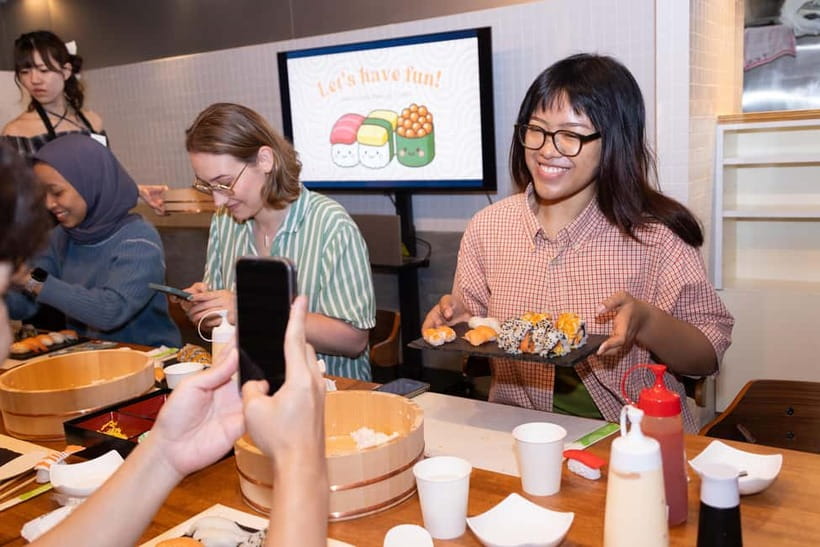
Shibuya is a smart setting for learning sushi because it is not a quiet, tucked-away tourist bubble. You get the real Tokyo feeling around you, then step into a focused cooking space where everything is explained in plain language. That contrast matters. Sushi can feel intimidating from the outside, like you need years of practice before you can even start. Here, you start with a short quiz and basic techniques, then work your way into rolling and shaping.
You also get a convenient base. The studio is about a 7-minute walk from Shibuya Station, which makes this class a natural fit even on a busy day of shopping, crossing famous streets, and grabbing dinner nearby.
And because the class is designed for vegan/vegetarian/halal diets (with gluten-free normal option available), it is not the usual Tokyo food experience that forces you to compromise. You can still learn sushi craft, not just substitute ingredients and hope for the best.
More Sushi Workshops in Tokyo
- Sushi Making Tokyo Roll and Authentic Japanese Sushi Class
★ 5.0 · 3,971 reviews - Tokyo: Roll and Authentic Sushi Making Class in Asakusa
★ 4.9 · 1,957 reviews - Tokyo: Sushi Making Class in a Happi Coat near a Famous Spot
★ 4.9 · 1,377 reviews
The 90-Minute Flow: Quiz, California Rolls, and Nigiri You Make Yourself
This is a 90-minute hands-on class, and the time structure is built to keep momentum. You do not spend the whole session waiting, and you do not get dumped into advanced technique with no runway.
First comes a fun warm-up. You take part in a sushi quiz about the history of sushi. It is not treated like a boring lecture. It works as a mental start button, plus it helps you understand why sushi is more than a roll. That context makes your later choices, like rice texture and toppings, feel more intentional.
Then the cooking portion starts. You learn key ingredient roles and receive practical tips for making sushi that tastes good and looks good. From there, you roll California rolls and you make nigiri, the iconic hand-pressed style. Nigiri is where sushi technique becomes real. Shaping has to be gentle, and the rice needs the right feel for the topping.
A useful detail is that the class includes a mix of learning and doing. You get guidance, then you repeat steps. If you are a total beginner, that repetition is what makes it stick. If you cook already, you still benefit because sushi has its own rules, especially with rice seasoning, handling, and portioning.
Finally, you eat what you made. That matters more than you might think. A cooking class is only half useful if it ends at the cutting board. Here, you get to taste the result immediately and understand what changed when you followed a tip.
Vegan, Vegetarian, Halal Options That Still Feel Like Sushi
If you are vegan or vegetarian in Japan, you already know the game can be tricky. Many places can do something plant-based, but it can be an afterthought. This class is different because it is built around vegan and vegetarian sushi from the start.
The ingredients reflect that. You use vegetables such as eggplant, mushroom, tomato, and avocado, and the class uses fresh seasonal ingredients for the plant-based options. That gives you sushi flavor without turning it into a salad roll.
Halal-friendly and gluten-free options are also available when you book. The big value for you is predictability. You tell them what you need ahead of time, and the class is set up to accommodate it rather than improvising at the last second.
One more practical point: menu changes cannot be accommodated on the day of the activity. So if you have multiple dietary needs or you are juggling allergies, plan carefully when you book. This is one of those times where being specific up front saves stress later.
What You Actually Take Home: Skills, Not Just Photos
Yes, you will take photos. The staff is happy to take pictures of your sushi before you eat, which is a nice touch because sushi can look gorgeous but also hard to replicate from memory.
But the real takeaway is technique. The class is designed so you learn how sushi is put together, not just how to copy one finished plate. You go through the steps for rolling and shaping, and you learn ingredient tips that affect taste.
Here is what you should expect to practice again later at home:
- Handling rice so it stays cohesive without turning gummy or dry
- Rolling so the shape holds and the bite stays balanced
- Pressing nigiri so the topping sits correctly without being crushed
- Building flavor through the ingredients you chose for your dietary option
Even if you never become a sushi-making machine, these basics make you a better sushi eater too. You start noticing how rice texture changes, how toppings behave, and why certain combinations just work.
And because you eat right after making your sushi, you get instant feedback. You learn what you did well and what you might want to adjust next time.
A few more Shibuya and Shinjuku Nightlife around Tokyo:
- Tokyo: Shinjuku Food Tour (13 Dishes at 4 Local Eateries)
★ 5.0 · 6,603 reviews - Tokyo Bar Hopping Tour in Shinjuku (All-You-Can-Drink + Dinner)
★ 5.0 · 3,587 reviews - Official Street Go-Kart in Shibuya
★ 5.0 · 3,435 reviews - Tokyo: Shinjuku Food Tour (15 Dishes and 4 Eateries)
★ 4.9 · 2,033 reviews
The Instructor Style: Friendly, Patient, and Clear in English
The vibe here is calm and approachable. Multiple class comments point to instructors who are friendly and patient, and the structure supports that. You are not thrown into confusion and left to guess.
Momoyo and Kaito show up in the class impressions as especially warm teachers. That is not just personality, it is practical teaching style. They guide you through each step in a way that makes the technique feel achievable. When you hear little stories about sushi culture while you work, it keeps the lesson from feeling like a checklist.
Because the instructor speaks English, you can ask questions without playing language roulette. That matters when you hit the tricky parts, like rice handling. Sushi is picky. You learn the rules, then you practice them with support.
The space also sounds well kept and clean, which helps. Cooking classes are easier to enjoy when you are not worrying about messy tables or chaotic setups.
Price and Value: Is $58 a Good Deal in Tokyo?
At $58 per person for 90 minutes, the price sits in the mid-range for Tokyo food experiences. The key question is value, and value here comes from four areas:
- Hands-on time
You do the work: rolling and nigiri, plus tasting right away.
- Inclusive ingredient planning
Vegan/vegetarian/halal-friendly and gluten-free options are part of the class design, not an extra. That saves you from hunting down substitutions elsewhere.
- All tools and fresh ingredients included
You are not paying for access to a kitchen with nothing provided. The class gives you everything you need to actually cook.
- English instruction and structure
An English-speaking instructor is real value in Tokyo. It reduces the chance you come away only with a vague memory of what happened.
If you are comparing it to DIY sushi making at home, the class is a bargain for learning faster, with less trial and error. If you are comparing it to a regular meal, it is more expensive than eating out. But it gives you a skill, a story, and a meal you make with your hands.
So I would call it a strong choice if you want something active and culturally grounded, and if your diet needs are part of the decision.
Practical Tips for a Smooth Day in Shibuya
Shibuya is easy once you know the grid, but the station area can still confuse you when you are juggling directions. Plan like this:
- Use the Shibuya Station area as your anchor point and give yourself a buffer, since the studio is a short walk but still in a busy neighborhood.
- Arrive a bit early so you can check in calmly, not sprint like you are late for a train.
- If you have dietary restrictions, communicate them when booking. The class accommodates multiple diets, but it does not support last-minute menu changes.
Two more small notes matter:
- Audio recording is not allowed, so do not plan on filming with sound. Pictures are fine, and the staff takes photos too.
- This class is about sushi craft, so wear something you can move in easily. Cooking gets hands-on, and you want to feel comfortable.
Who This Class Is Best For
This experience is a good match if:
- You want a hands-on food activity in Tokyo that does not require prior cooking skills
- You are traveling solo and want a friendly group setting with clear instruction
- You have vegan, vegetarian, halal-friendly, or gluten-free needs and want a class built around those options
- You want a cultural food experience in Shibuya without spending all evening searching for a restaurant that fits your diet
If you hate being in a shared workshop, you might find group energy distracting. But the class goal is relaxed and supportive, and the instructor guidance is meant to keep everyone on track.
Should You Book This Shibuya Sushi-Making Class?
I think you should book it if you want one of the more practical, memorable “Tokyo moments.” You learn sushi technique that you can repeat, you eat what you make, and the diet-friendly options are part of the plan, not an optional complication.
Skip it only if you need a strictly customized menu on the day of class. The class cannot adjust menus last minute, so planning matters. Also, if you are worried about finding the studio in Shibuya, give yourself extra time at the start.
If you are excited about learning sushi, even at beginner level, this is one of the easier ways to get hands-on with a very Japanese skill in a place that is easy to reach.
FAQ
How long is the sushi-making class?
The class lasts 90 minutes.
Where is the class located?
It is in the heart of Shibuya, Tokyo, about a 7-minute walk from Shibuya Station. The exact meeting point can vary depending on the option booked.
How much does it cost?
The price is $58 per person.
Is the class taught in English?
Yes. The instructor provides the class in English.
What diets are available?
You can choose vegan, vegetarian, halal-friendly, and gluten-free (normal) options, as indicated when booking.
Can the menu be changed on the day of the activity?
No, menu changes cannot be accommodated on the day of the activity.
What will I make during the class?
You will learn hands-on sushi-making for California rolls and nigiri.
Is audio recording allowed?
No, audio recording is not allowed.
Should I book if I have allergies?
The class supports dietary requirements, and you should indicate your restrictions when booking so the team can accommodate your needs.
More Vegan & Vegetarian in Tokyo
- Osaka Dotonbori: Vegan/Vegetarian Sushi Making Experience
★ 5.0 · 9 reviews
Newly listed around Tokyo
- Stand-Up Comedy in Shibuya (English)★ 4.2 · 27 reviews
- Join a Unique Cultural Ceremony at Tokyo’s Meiji Shrine★ 5.0 · 9 reviews
- Sightseeing Day Trip to Mount Fuji and Hakone Green Number★ 4.5 · 16 reviews
- Shinjuku: Golden Gai Food Tour★ 4.6 · 77 reviews
- Shinjuku Tokyo: Authentic Japanese Home-Style Culinary Class★ 4.9 · 125 reviews
- Shinjuku: bar hopping night tour at Japanese Izakaya★ 5.0 · 8 reviews
- Shinjuku: Explore the Hidden Local Bars – 3.5 Hours★ 4.7 · 41 reviews
- Tokyo: Authentic Japanese Dance Show ticket by professionals★ 4.7 · 17 reviews
Sushi Cooking Workshops, compared.
Sushi Making Tokyo Roll and Authentic Japanese Sushi Class
Read our review →
Roll and Authentic Sushi Making Class in Asakusa
Read our review →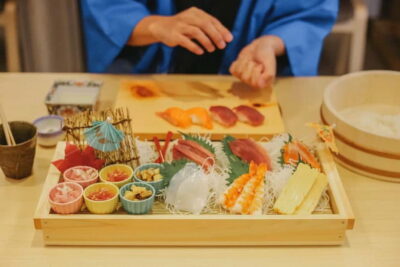
Sushi Making Class in a Happi Coat near a Famous Spot
Read our review →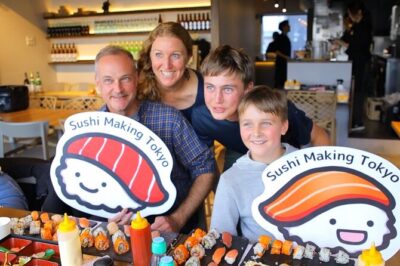
Sushi Making Tokyo! Popular Maki Sushi & Japanese Sushi(+Recipe!)
Read our review →
Tokyo Sushi Making Class in Tsukiji with Professional Chef
Read our review →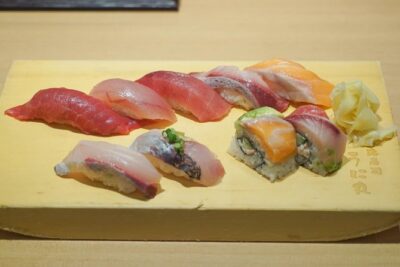
Tokyo Night Foodie Tour in Shinjuku – Seasonal Sushi, Wagyu Beef
Read our review →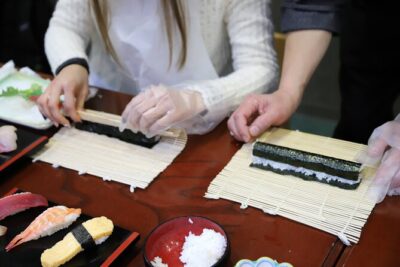
Tsukiji Fish Market Guided Tour and Sushi Making with Pro Chef
Read our review →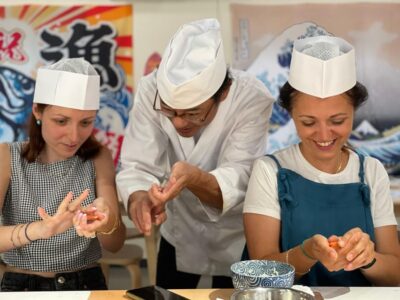
Tsukiji Fish Market Sushi Making Class with Pro Chef
Read our review →Browse the lists this tour appears in