
Review · RAMEN TASTING TRIPS
Vegan/Vegetarian Ramen and Gyoza by Bentoya cooking
Vegan ramen in a real Tokyo kitchen. This BentoYa class turns Japanese comfort food into a hands-on skill set, starting with shopping for basics and then cooking vegan ramen soup and gyoza in a small group. I like that the experience is practical, not just a demo, and you leave knowing what goes into the flavor, not only how to assemble a bowl.
One thing to consider: Japanese ramen often relies on fish-based dashi, and a vegetarian version needs smart swaps, so the taste will be its own style. The host, such as Kaori, is friendly and welcoming, and sessions are guided clearly (English comes through well), with support from co-hosts like Miwa.
In This Review
- Key Highlights You Should Know
- Why This Vegan Ramen and Gyoza Class Works
- Where It Starts in Komae and How the Timing Feels
- You Start With a Local Supermarket, Not a Mystery Pantry
- Building Vegan Ramen Soup From Scratch
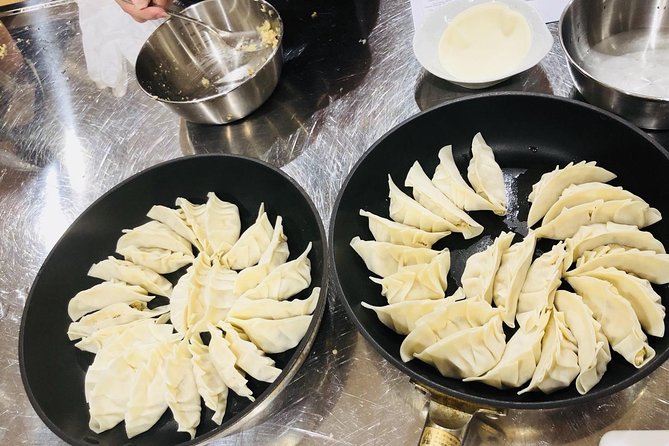
- Gyoza Hands-On: Dumplings, Seasoning, and Technique
- What You Actually Take Home
- Price and Value: Is $75 Worth It?
- Who Should Book This Class (and Who Might Skip)
- Booking and Logistics: What to Plan For
- Should You Book BentoYa Vegan Ramen and Gyoza?
- FAQ
- What will I learn to cook in the class?
- How long is the cooking experience?
- Where does the experience start, and where does it end?
- How many people are in the group?
- Do you visit a supermarket during the experience?
- What is the price per person?
- What are the scheduled hours for the experience?
- What happens if the weather is bad?
- Is there free cancellation?
Key Highlights You Should Know
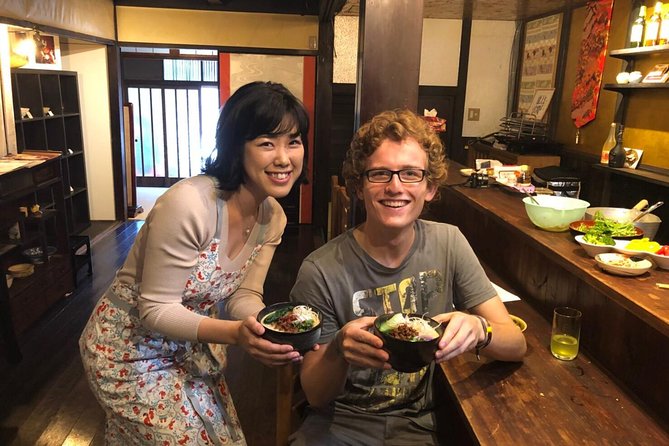
- Small group size (max 6), so you get hands-on help instead of watching from the edge
- Shopping for Japanese ingredients with your instructor, so you learn what to look for in stores
- Ramen soup from scratch, with the key challenge of vegetarian cooking in Japan explained
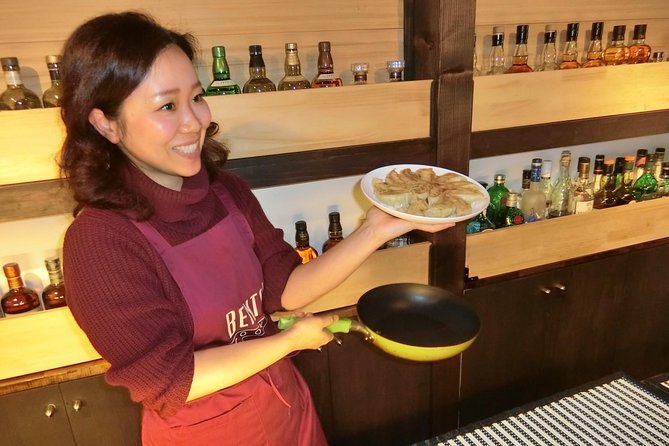
- Gyoza techniques focused on cutting, cooking, seasoning, and presentation
- Instruction files afterward, so you can recreate your vegan ramen and gyoza at home
Why This Vegan Ramen and Gyoza Class Works
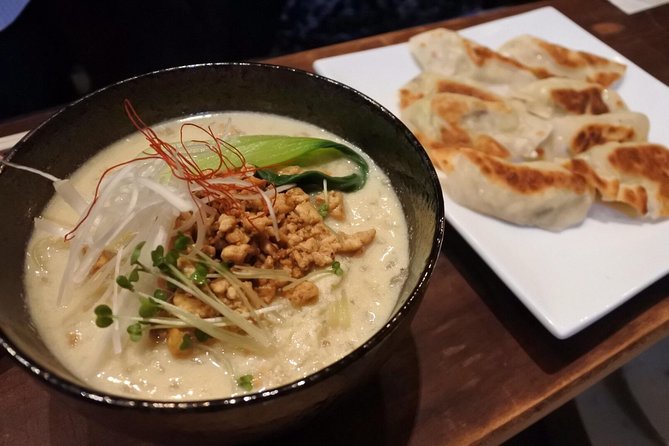
If you’ve ever tried ordering vegan ramen in Japan, you know it can be tricky. The backbone of many broths is dashi, usually made from bonito flakes, so true vegetarian cooking means thinking differently about soup. That is exactly what this class is built around, and it is also why the results feel rewarding, not like a compromise.
I also like the way the class makes Japanese cooking feel doable. You learn cutting and cooking techniques, plus how to season so the dish actually tastes finished. And because the group is small, you can ask questions while your hands are busy, which is when things finally click.
The other big win is that you are not just learning one recipe. You are learning how to build a system: ingredient choices, broth logic, and dumpling method. That matters because the best souvenirs from cooking classes are the ones that change what you can make at home.
More Cooking Classes in Tokyo
- Ramen & Gyoza Cooking Class in Tokyo with Local Supermarket Visit
★ 5.0 · 823 reviews - Tokyo: Easy Ramen Cooking Experience in Kabukicho, Shinjuku
★ 4.6 · 321 reviews - Ramen and Sushi Cooking Class with Sake Pairing Set in Tokyo
★ 5.0 · 291 reviews
Where It Starts in Komae and How the Timing Feels
You meet at Komae Station, at 1 Chome-7 Motoizumi, Komae, Tokyo 201-0013. The activity ends back at the meeting point, so you are not left figuring out transit after your meal.
The class runs within opening hours listed as 10:00 AM to 1:00 PM, with an approximate duration of 2 hours 30 minutes. So plan your day like a true morning activity, with a relaxed buffer afterward for shopping or a nearby café.
Small groups also affect the pace in a good way. With a maximum of 6 participants, you are likely to spend enough time at each station to actually practice, not just assemble.
You Start With a Local Supermarket, Not a Mystery Pantry
One of the most useful parts is the supermarket stop. You get to see Japanese basic ingredients up close and learn what they are used for. For vegan and vegetarian cooking in Japan, this matters because brands, labeling, and even ingredient forms can be different from what you expect back home.
Think of this step as your field guide. You can walk into a Japanese grocery later and know what you are looking for, like the ingredients that build body, aroma, and savory depth without fish-based dashi. You also get practice translating what you cooked into what you can buy.
If you love food markets or ingredient hunting, this portion will feel like a mini trip inside your main experience. And if you are short on time during your Tokyo stay, the tradeoff is that you are using class time for shopping, not sightseeing. Still, for most people, it is a smart use of money because it supports your long-term cooking goals.
Building Vegan Ramen Soup From Scratch
Ramen soup is where the class earns its name. Ramen is a noodle dish with a flavorful broth and toppings, but in Japan, getting vegetarian broth right can be the hard part because many versions depend on fish stock. This class directly addresses that challenge, and you learn how the broth is built from the ground up.
From what you are taught, you are not only mixing ingredients. You learn what each component is doing, then how to bring the soup to the right balance. The goal is for you to understand the logic, so you are not stuck repeating the exact same store-bought shortcuts at home.
I also appreciate that the instruction emphasizes technique, not just outcomes. Reviews highlight learning cutting and cooking techniques, seasoning, and presentation, and those skills translate well to other Japanese dishes too. Once you learn how to season for a vegan broth, you will start spotting the same flavor patterns across cooking.
More Ramen Trips in Tokyo
- Eat and Drink Like a Local: Tokyo Ueno Food Tour-Taverns&Ramen
★ 5.0 · 957 reviews - Tokyo: Mount Fuji and Hakone Full Day Tour with Ramen Making
★ 4.5 · 476 reviews - Tokyo: Ramen Tasting Tour with 6 Mini Bowls of Ramen
★ 4.9 · 432 reviews - Professional Ramen & Gyoza with Ramen Chef in a restaurant!
★ 5.0 · 223 reviews
Gyoza Hands-On: Dumplings, Seasoning, and Technique
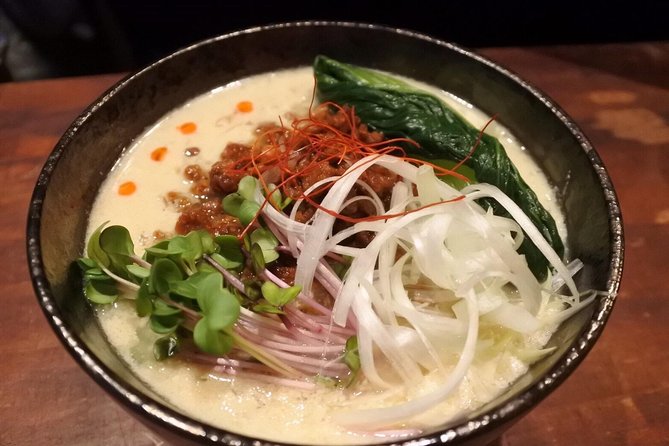
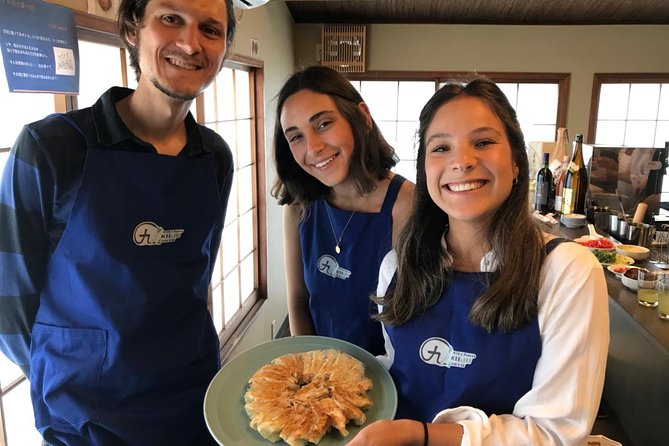
Gyoza are dumplings with minced stuffing, and they are one of the best foods to learn in a cooking class because you can see and adjust as you go. Dumplings reward good technique: the filling needs balance, and the cooking method affects texture.
In this class, you practice the steps that make gyoza more than a messy lump. You learn how to handle ingredients, how to season, and how to cook with enough attention to end up with a satisfying final result. You also get guidance on presentation, which might sound small, but it changes how your dumplings look on the plate and how confident you feel recreating them.
The overall vibe here is practical. You are not just learning what a gyoza should be. You are learning how to get there, which is the difference between eating your dish and owning your dish.
What You Actually Take Home
A cooking class is only as good as what you can repeat later. This one is designed for that. You get detailed instruction files afterward, which can be a lifesaver when you are cooking again at home and trying to remember exact steps.
I love that because it turns your class into a reference tool. Tokyo memories are nice, but food memories fade fast. Instruction files help you recreate the flavor, then tweak it based on what ingredients you can find locally.
You also leave with confidence. Reviews point to strong organization and clear teaching, including an emphasis on cutting and cooking techniques. The end result is not only tasty in the moment, it is built to be remade.
Price and Value: Is $75 Worth It?
At $75 per person for about 2 hours 30 minutes, the value depends on what you compare it to. If you only think of it as a meal, it can feel like a lot. If you think of it as a small-group, ingredient-guided cooking lesson with supermarket time and take-home instructions, it starts looking fair.
You get three things many standalone food experiences in Tokyo do not deliver at once:
- Ingredient guidance in a real Japanese context
- Hands-on practice with ramen and gyoza
- Materials you can use later, so your lesson keeps paying you back
Also, small group size matters. With a maximum of 6 participants, you are more likely to get personal help, and that reduces wasted time. When instruction is clearer and your mistakes are corrected quickly, you walk away with skills you can trust.
Who Should Book This Class (and Who Might Skip)
This is ideal if you:
- Want vegan or vegetarian Japanese cooking that works in the real world, not just at home
- Like hands-on food experiences and learning ingredients, not just watching
- Plan to cook after your trip and want a repeatable method
It may be less ideal if you:
- Only want a casual meal experience, with no interest in technique
- Expect the exact flavor profile of fish-based ramen, because vegetarian broth in Japan often requires different choices
That dashi reality is not a downside here. It is the point. If you go in knowing you are learning a vegetarian solution, you will get what you came for.
Booking and Logistics: What to Plan For
You receive confirmation within 48 hours, based on availability. Tickets are handled as a mobile ticket, and the meeting point is near public transportation, which keeps it easy to fit into your Tokyo day.
The experience also says it requires good weather. If weather is poor and it is canceled, you should expect an offer of a different date or a full refund. So keep one flexible slot in mind when you book.
Group size stays small, capped at 6 participants, which makes the teaching more personal and the kitchen time feel focused.
Should You Book BentoYa Vegan Ramen and Gyoza?
I think you should book if vegan ramen and gyoza are on your Tokyo hit list and you want more than a one-time meal. The best reason is that you learn the broth logic and the dumpling technique, and you get instruction files to help you repeat it at home. That is real value, because the skill travels back with you.
If you are curious but unsure, consider this: even if you do not cook often, you will still get a clear view of how Japanese vegetarian cooking tackles the dashi challenge. That alone makes the class interesting, and it can change how you order and judge vegetarian food in Japan afterward.
FAQ
What will I learn to cook in the class?
You will learn to make vegan or vegetarian Japanese food, including ramen soup from scratch and gyoza, which are dumplings with minced stuffing.
How long is the cooking experience?
The duration is approximately 2 hours 30 minutes.
Where does the experience start, and where does it end?
It starts at Komae Station and ends back at the same meeting point.
How many people are in the group?
The class has a maximum of 6 travelers.
Do you visit a supermarket during the experience?
Yes. You will go to a local supermarket to introduce Japanese basic ingredients.
What is the price per person?
The price is $75.00 per person.
What are the scheduled hours for the experience?
The listed opening hours are Monday through Sunday, 10:00 AM to 1:00 PM.
What happens if the weather is bad?
The experience requires good weather. If it is canceled due to poor weather, you will be offered a different date or a full refund.
Is there free cancellation?
Yes. You can cancel for a full refund up to 24 hours in advance of the experience start time.
More Vegan & Vegetarian in Tokyo
- Ramen & Dumpling Cooking in Tokyo with Chef/Vegan possible
★ 5.0 · 107 reviews - Tokyo: 2-Hour Vegan and Vegetarian Ramen Guided Walking Tour
★ 4.8 · 33 reviews - Shibuya Tokyo: Sushi Making Class (Vegan/Vegetarian/Halal)
★ 4.7 · 29 reviews - Zen Buddhist Vegetarian(Shojin Ryori): Cooking Experience
★ 5.0 · 9 reviews
Newly listed around Tokyo
- From Tokyo: Top 5 Scenic Spots of Mount Fuji Full-Day Tour★ 4.5 · 67 reviews
- Historic Kamakura: Temples, Shrines and Street Food Private Walking Tour★ 5.0 · 6 reviews
- Authentic Kimono Culture Experience Dress, Walk, and Capture★ 5.0 · 57 reviews
- Private Departure Tour from Hotel/Airport/Cruise (5-6 Hrs)★ 5.0 · 6 reviews
- Creative Japanese Cooking in a Beautiful Tokyo Home with Makiko★ 5.0 · 7 reviews
- Personal Travel and Vacation Photographer Tour in Tokyo★ 5.0 · 19 reviews
- Narita Airport: One Way Private Transfer to Tokyo|Yokohama Hotels★ 4.5 · 69 reviews
- Discover the Secrets of Pachinko, Japan’s Traditional Game★ 5.0 · 11 reviews
Ramen Tasting Trips, compared.
Ramen Cooking Class at Ramen Factory in Kyoto
Read our review →
Eat and Drink Like a Local: Tokyo Ueno Food Tour-Taverns&Ramen
Read our review →
Ramen & Gyoza Cooking Class in Tokyo with Local Supermarket Visit
Read our review →
Ramen Cooking Class at a Ramen Factory with Souvenir
Read our review →
Mount Fuji and Hakone Full Day Tour with Ramen Making
Read our review →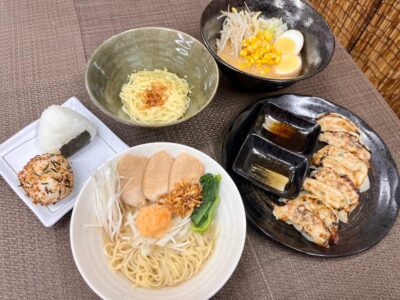

Five Must-See Highlights Walking Tour & Ramen Lunch
Read our review →Browse the lists this tour appears in