
Review · KAMAKURA TOURS
Enoshima Aquarium: Admission Ticket
Saltwater wonder without fuss. Enoshima Aquarium is built around the Sagami Bay and Pacific Ocean theme, so the exhibits connect instead of feeling random. I especially like the clear path from Sagami Bay into the deep-sea and jellyfish areas, and the hands-on-style programs that help you understand the ocean in a way that sticks. One thing to plan around is that crowding can affect entry, and on busy periods the aquarium can change operating flow, including occasional early closing.
You can see a wide range of marine life in a single day, and you get the extra bonus of seasonal displays and temporary events that keep it from feeling like the same aquarium every time. The exhibitions also lean into the emotional side, with themes of discovery and “healing,” using interactive explanations and shows to make the learning part feel light. A possible drawback is that if you arrive late or the venue has a special schedule shift, you might not get to every corner comfortably.
In This Review
- Key Things I’d Prioritize at Enoshima Aquarium
- Enoshima Aquarium Ticket: what you’re really buying
- How the aquarium is laid out, from Sagami Bay to deep sea
- Jellyfish and deep-sea creatures: the photo-worthy part that also teaches
- Shows, programs, and interactive learning that doesn’t feel heavy
- Seasonal exhibits and temporary events: plan your visit around dates
- Getting there on foot from Enoshima-area stations
- Hours, seasonal timing, and what crowding can do to your plan
- Luggage, lockers, and practical “save your energy” tips
- Cost and value: is $18 a good deal?
- Who should buy this aquarium ticket?
- Should you book Enoshima Aquarium tickets?
- FAQ
- What is included with an Enoshima Aquarium admission ticket?
- How long does a typical visit take?
- What are the opening hours?
- Where is the aquarium located compared to nearby stations?
- Are there any restrictions on luggage and photography?
- Can I get a discount if I have a disability?
- Is the ticket refundable?
Key Things I’d Prioritize at Enoshima Aquarium
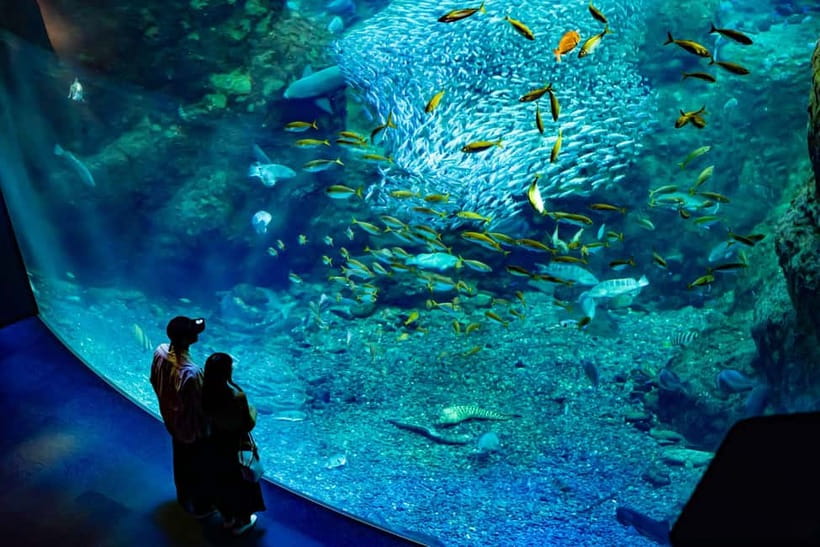
- Sagami Bay first, then deep sea, so the story of the Pacific Ocean builds as you walk
- Jellyfish and deep-sea creatures, which are fun even if you are not a hardcore aquarium person
- Explanations, shows, and programs, where you are encouraged to participate instead of just watch
- Seasonal exhibits and temporary events, so your visit can feel fresh
- Route planning matters, since some access can be restricted during crowding
Enoshima Aquarium Ticket: what you’re really buying
This is an admission ticket for Enoshima Aquarium in Honshu, Japan, valid for one day. At about $18 per person, it is a straightforward buy, and you are not paying for a guided tour or transportation. That can be good value if you like moving at your own pace and spending time where your interests pull you.
The aquarium’s main idea is the interconnectedness of life in the Pacific Ocean and the area around Sagami Bay. Instead of presenting animals as isolated facts, the layout nudges you to see how habitats link together. I like that because it makes the visit feel more like learning a system, not collecting photos.
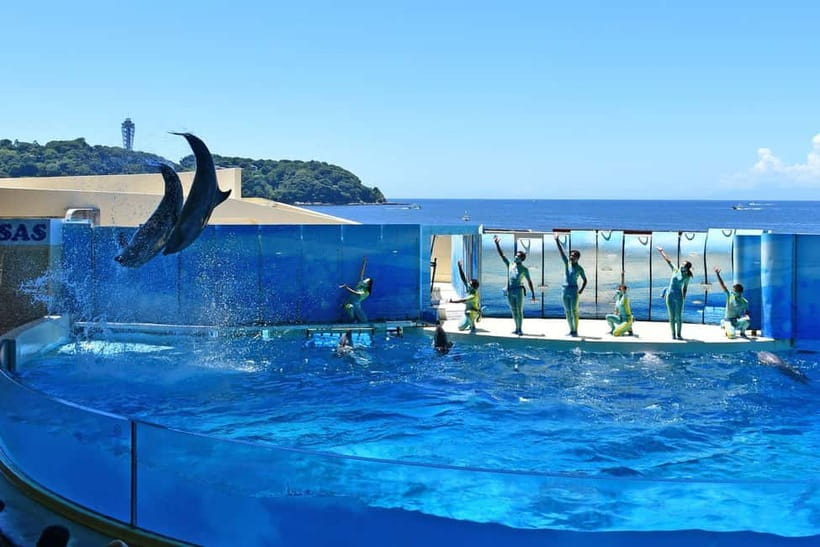
You should also expect the experience to include more than just glass tanks. The venue uses explanations, shows, and programs, plus some “seasonal and temporary” exhibits that add variety. If you enjoy interactive learning, this ticket fits your style well.
A few more Kamakura days to weigh up
- Naha: North Okinawa Sightseeing Tour & Churaumi Aquarium
★ 4.4 · 472 reviews - Tokyo: Art Aquarium Museum GINZA Entry Ticket
★ 4.5 · 278 reviews
How the aquarium is laid out, from Sagami Bay to deep sea
When you enter, the flow generally starts with exhibits focused on Sagami Bay. That opening matters, because it gives you a familiar reference point before the aquarium moves into deeper, stranger environments. It is a smart way to help your brain switch from “coastal sea life” to “deep-sea creatures” without whiplash.
From there, you typically move through areas that highlight the deeper sea, jellyfish, and other marine animals. The theme keeps returning to connections in the food web and the ocean’s surroundings, which makes the same tanks feel different depending on where you are in the route.
Here is what that means for your day:
- If you want the best big-picture understanding, linger in the Sagami Bay section first, then follow the path toward the deep sea.
- If you care most about jellyfish and dramatic-looking deep creatures, you can still enjoy the whole route, but you can plan your time so those rooms do not get rushed.
Jellyfish and deep-sea creatures: the photo-worthy part that also teaches
Jellyfish get a dedicated focus here, and that is usually the section where people slow down. They are mesmerizing to watch, but the key value is the learning angle: these exhibits fit into the overall message about how marine life fits together in the Pacific. Even if you do not read every label, the aquarium’s theme helps you understand what you are looking at.
The deep-sea creatures are the other main pull. Deep-sea displays tend to feel like a different planet, and that makes it easy to remember what you saw. More importantly, they support the aquarium’s goal of showing how life in the ocean changes with depth and conditions, instead of treating everything as the same environment.
I also like that the aquarium is not only about the “wow factor.” The exhibits come with explanations and programming that connect the animals to the idea of ocean surroundings and life systems. That turns the visit from a pass-through into something you can actually describe later.
Shows, programs, and interactive learning that doesn’t feel heavy
This aquarium leans into fun learning. You are encouraged to experience surprise and excitement, and the venue frames parts of the experience as healing. That sounds a bit marketing-ish, but in practice it often shows up as interactive explanations or short programs that break up the walk through tanks.
You can expect to find:
- Exhibits supported by explanations
- Shows and programs tied to marine life themes
- Activities that let you interact with the learning environment, not just observe
If you are traveling with kids, this kind of structure is usually a big win. It helps the day stay active and gives you built-in reasons to pause. If you are traveling solo or as a couple, it still helps, because it creates small rhythm changes so you are not staring at tanks for hours straight.
That said, keep your expectations realistic. This is still an aquarium, so you will spend plenty of time walking from exhibit to exhibit. The best approach is to treat it like a guided story, then add your own extra time where you actually want to linger.
A different sort of day in Japan:
- Tokyo: Kamakura & Enoshima Day Trip including Temple Tickets
★ 4.5 · 1,375 reviews - From Tokyo: Kamakura & Enoshima 1-Day Bus Tour
★ 4.5 · 189 reviews - Kamakura Historical Walking Tour with the Great Buddha
★ 5.0 · 129 reviews
Seasonal exhibits and temporary events: plan your visit around dates
One of the best ways to get more value out of your ticket is to time your visit when seasonal exhibits and temporary events are running. The aquarium regularly hosts attractive seasonal displays and short-term activities, so your experience can feel different from a visit in another month.
Because these change over time, you should check the aquarium’s official site right before you go. The opening hours also shift by season, so it pays to verify what “today” looks like for the venue.
A smart strategy is:
- If you can, plan around a date when you know a temporary event is listed.
- If you cannot, still arrive with the mindset that some exhibits might be rotating, which can be a pleasant surprise rather than a disappointment.
Getting there on foot from Enoshima-area stations
You do not need a complicated plan to reach the aquarium. It is close to multiple stations on the Enoshima side of Honshu, and the walks are short enough that you can choose based on where you are coming from.
You can aim for any of these:
- About a 3-minute walk from Katase Enoshima Station (Odakyu Enoshima Line)
- About a 10-minute walk from Enoshima Station (Enoshima Dentetsu Line)
- About a 10-minute walk from Shonan Enoshima Station (Shonan Monorail Line)
In other words, you can usually show up without stress. I like this setup because it makes the aquarium easy to pair with other Enoshima plans on the same day.
Hours, seasonal timing, and what crowding can do to your plan
The aquarium is open daily, with seasonal hours:
- March–November: 09:00–17:00
- December–February: 10:00–17:00
One practical caution: hours can change during spring holidays, summer holidays, year-end and New Year holidays, and events. So if you are visiting around Japanese holiday periods, treat the listed hours as a starting point, then confirm.
Crowding can also affect admission, so you may face restrictions. If you want a smooth visit, aim to arrive earlier in the day. That reduces the odds of waiting and helps you see more without feeling rushed.
Photography rules also matter for how you move around. Flash photography is prohibited in some exhibit areas, and tripods or selfie sticks may be restricted during busy times. If you use a camera rig, plan on doing quick, calm shots and not fighting the flow.
Luggage, lockers, and practical “save your energy” tips
You cannot bring large or long luggage inside the aquarium. That is normal for Japanese attractions, and it is why coin lockers matter. There are paid coin lockers available on the 2nd floor, so if you have bags you do not want to carry, use the lockers and travel lighter.
This one choice changes your whole experience. Carrying bags makes the walk slower and tiring, especially if you plan to move through multiple exhibit areas plus any seasonal event spaces.
If you are coming straight from transit, keep this in mind:
- Pack light if possible, and bring only what you need.
- If you have a larger bag, lock it up before you start the main route.
Cost and value: is $18 a good deal?
For many visitors, $18 is not the kind of price that makes you question it too much. But the real value comes from how much you get to experience in one day.
Here’s why I think the ticket can be worth it:
- The aquarium is themed in a way that builds understanding, not just a list of tanks.
- You get jellyfish and deep-sea creatures, plus multiple areas tied to Sagami Bay and the Pacific Ocean.
- You are not limited to static viewing, because explanations, shows, and programs add variety.
- Seasonal exhibits and temporary events can increase your return on the ticket.
The main risk is not the price. It is time. If you arrive late or hit an unusual scheduling day, you might not see everything you hoped for.
In one booking record, a person reported that the aquarium closed early for a private event and the change was not shared in advance. That is not something you can fully control, but it is a reminder to check the day-of status and plan for a cushion in your schedule.
Who should buy this aquarium ticket?
I would buy this ticket if you like animals but also like context. The aquarium’s design is about the relationships within the Pacific Ocean, so it works well for travelers who enjoy learning while walking.
It is also a solid choice for:
- Families who need short breaks and structured programs
- Couples who want an easy indoor outing without complicated logistics
- Solo travelers who want a calm day with lots of photo opportunities
If you are the type who hates reading any signage and only wants the biggest “wow” moments, you might still enjoy the jellyfish and deep-sea sections, but you may not get as much satisfaction from the theme and explanations.
Should you book Enoshima Aquarium tickets?
If your schedule is flexible and you want an easy, close-to-transit indoor attraction with a clear theme, I think it is a smart buy. The $18 price feels fair for a full-day aquarium experience, especially because you get seasonal and temporary variety plus programs that keep the visit active.
Book it if you can arrive with enough time to move through the Sagami Bay start and reach the jellyfish and deep-sea areas without rushing. Skip or adjust your expectations if you are traveling on peak holiday days, or if your plans are tight, because hours and admission flow can shift and crowding can change what feels comfortable.
If you want the best outcome, check the official site the day before for current hours and any event notes, then give yourself a little extra time on arrival. That way you get the best of what the aquarium is designed to do, story first, then the thrill of the deep.
FAQ
What is included with an Enoshima Aquarium admission ticket?
The ticket includes admission to Enoshima Aquarium. It is valid for one day.
How long does a typical visit take?
The experience is listed for 1 day, so you can plan on spending a full visit exploring multiple exhibit areas and any seasonal or temporary displays.
What are the opening hours?
Opening hours are seasonal: March–November, 09:00–17:00, and December–February, 10:00–17:00. Hours can change for holidays and events, so check the aquarium’s website close to your visit.
Where is the aquarium located compared to nearby stations?
It is about a 3-minute walk from Katase Enoshima Station (Odakyu Enoshima Line), about a 10-minute walk from Enoshima Station (Enoshima Dentetsu Line), and about a 10-minute walk from Shonan Enoshima Station (Shonan Monorail Line).
Are there any restrictions on luggage and photography?
Large or long luggage is not allowed inside. Coin lockers are available on the 2nd floor (paid). Flash photography is prohibited in some exhibit areas, and tripods or selfie sticks may be restricted during busy times.
Can I get a discount if I have a disability?
Yes. Half-price admission is available for disabled persons and one accompanying person each, with the required certificate presented onsite. High school students must present a student ID.
Is the ticket refundable?
No. This activity is non-refundable.
Newly listed around Kamakura
- Authentic Japanese Tea Ceremony Experience in Kamakura★ 4.5 · 8 reviews
- Kamakura Private Tour: Temples, Nature, and the Great Buddha★ 5.0 · 121 reviews
- Kamakura Historical Walking Tour with the Great Buddha★ 5.0 · 129 reviews
- From Tokyo: Kamakura & Enoshima 1-Day Bus Tour★ 4.5 · 189 reviews
- Tokyo: Kamakura & Enoshima Day Trip including Temple Tickets★ 4.5 · 1,375 reviews
Kamakura Tours, compared.
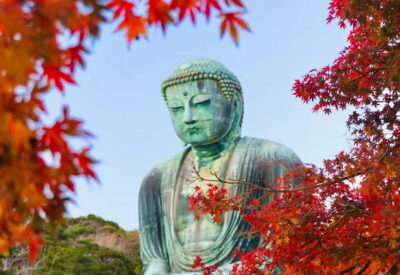
Kamakura & Enoshima Day Trip including Temple Tickets
Read our review →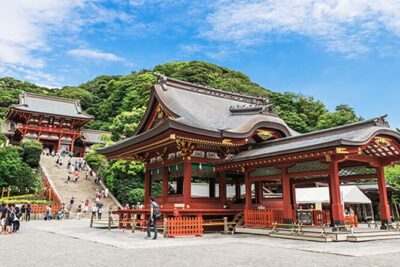
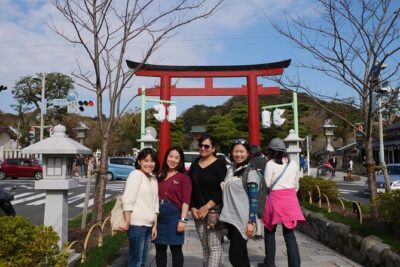
Kamakura Historical Walking Tour with the Great Buddha
Read our review →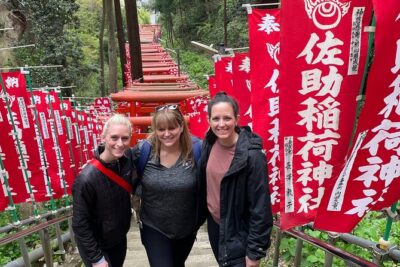
Kamakura Private Tour: Temples, Nature, and the Great Buddha
Read our review →
Authentic Japanese Tea Ceremony Experience in Kamakura
Read our review →Browse the lists this tour appears in