
Review · KAMAKURA TOURS
From Tokyo: Kamakura & Enoshima 1-Day Bus Tour
Kamakura and Enoshima make Tokyo feel smaller for a day. This bus tour strings together the big shrine hits, a legendary bronze Buddha, and a coastal island where the views can go wide and far. You also get guided commentary in English and Chinese, which helps you move through all the gates and statues with context.
I especially like the time-saving bus plan. You get roundtrip transportation and a clear sequence of stops, so you are not juggling trains and transfers all day. I also love how the tour can feel balanced, with guided moments at major sights and time to stroll Komachi Street and explore Enoshima on your own.
One drawback to plan for: the day runs long, and Enoshima can involve serious walking and stairs. If you are not a confident stair walker, you may find the island portion a bit more tiring than you expected.
In This Review
- Key Things To Know Before You Go
- What You’re Really Paying For: $66.05 of Time-Saving
- From Shinjuku To Kamakura: The Bus Ride That Sets Your Day
- Tsurugaoka Hachimangu Shrine and Komachi Street: Your Samurai-Era Starter Pack
- Kōtoku-in Great Buddha: Bronze, Outdoor, and Surprisingly Moving
- Hase-dera Temple: The Eleven-Headed Kannon and Garden Views
- Enoshima Island: Ocean Views, Benzaiten Shrines, and the Walk That Adds Up
- What you can expect on the island
- One reality check about stairs and timing
- Pacing and Comfort: Long Day, Short Stops, Real Logistics
- Seating and bus condition can vary
- Guides Make The Day: Omar, Chen, Yuki, and the Pro-Level Helpers
- Who This Tour Fits Best
- Should You Book This Kamakura and Enoshima Bus Tour?
- FAQ
- What’s included in the tour price?
- Is lunch included?
- How long is the day trip?
- Where do I meet the bus in Tokyo?
- When should I arrive at the meeting point?
- Which sights have entrance fees included?
- Will the tour run in rain or bad weather?
- Where does the tour end?
- Is there a luggage limit?
Key Things To Know Before You Go
- Two Tokyo pickup options give you flexibility, then you end back at Shinjuku Post Office (West Exit area).
- English and Chinese narration is part of the deal, and guides like Omar and Yuki get praised for clarity and energy.
- Tsurugaoka Hachimangu plus Komachi Street is a strong start, mixing spiritual space with easy shopping.
- Kōtoku-in Great Buddha and Hase-dera are the must-see temple stops, with included admission for both.
- Enoshima is the payoff for ocean views, Benzaiten shrines, and popular seaside gardens and viewpoints.
- You may have a lot of steps in Enoshima, and getting back to the bus can feel frantic if signs are unclear.
What You’re Really Paying For: $66.05 of Time-Saving
At $66.05 per person, this is not about fine-dining or luxury comfort. It is about buying back your day from Tokyo chaos. You pay for an air-conditioned bus, entrance fees for key stops, and a guide to help you understand what you are seeing without needing to study beforehand.
Here is what you get that matters in real life:
- Admission is included for Kōtoku-in (Great Buddha) and Hase-dera.
- Most other stops are listed as free to enter, so you are not hit with a stack of small ticket purchases.
- Lunch is not included, so your best value comes from using the free time well for food.
If you want a day trip that feels efficient and still leaves room to wander, this price is in the reasonable zone. If you want nonstop storytelling and zero walking, you might prefer a more tailored tour.
A few more Kamakura days to weigh up
- Tokyo: Kamakura & Enoshima Day Trip including Temple Tickets
★ 4.5 · 1,375 reviews - Kamakura Historical Walking Tour with the Great Buddha
★ 5.0 · 129 reviews - Kamakura Private Tour: Temples, Nature, and the Great Buddha
★ 5.0 · 121 reviews
From Shinjuku To Kamakura: The Bus Ride That Sets Your Day
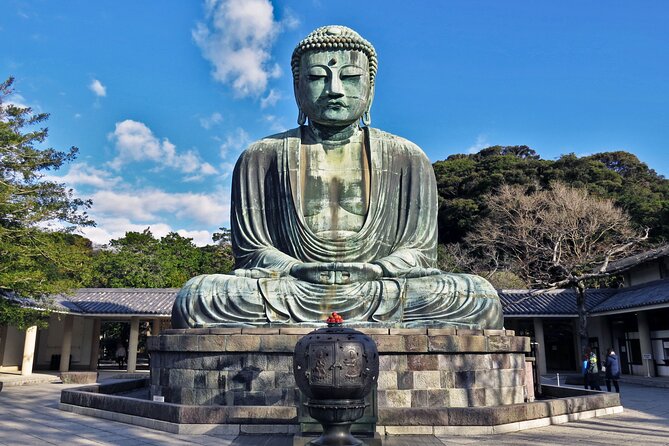
The tour starts and ends at Shinjuku Post Office. You should arrive about 10 minutes early and look for the guide holding a pale blue flag. The operator notes the guide and bus are tied to your specific meeting point, so arriving at the wrong location can mean you miss the tour.
The ride itself matters. This is a 9 to 10 hour day, so the bus time is real time, especially on the way back. One review even points out that the return drive can be long due to traffic, so bring a mindset for sitting, reading, and saving your energy for the walking parts.
Good news: the bus is described as clean, and at least one review mentions a modern bus with USB charging. That is a small thing, but it helps when your phone battery is your map, translation, and photo tool.
Finally, the tour departs on time and the schedule may shift due to weather or traffic. That is not unusual for day trips, but it is worth knowing so you do not build your personal timeline too tightly around it.
Tsurugaoka Hachimangu Shrine and Komachi Street: Your Samurai-Era Starter Pack
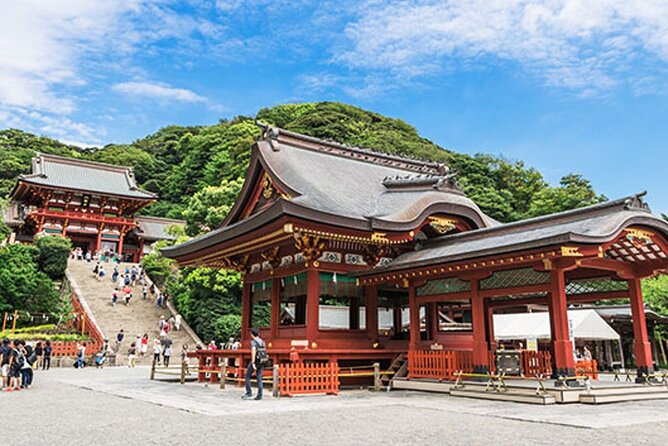
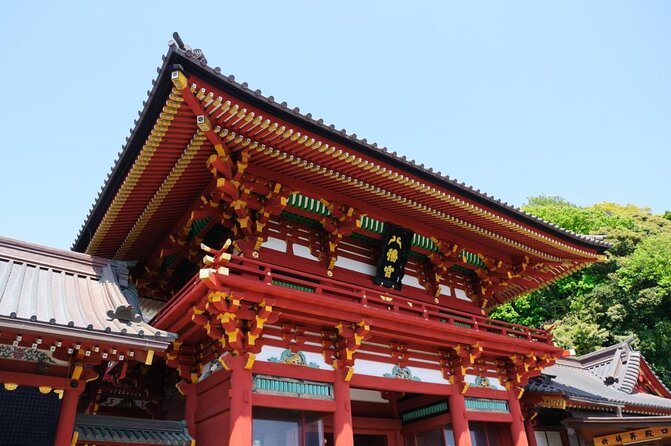
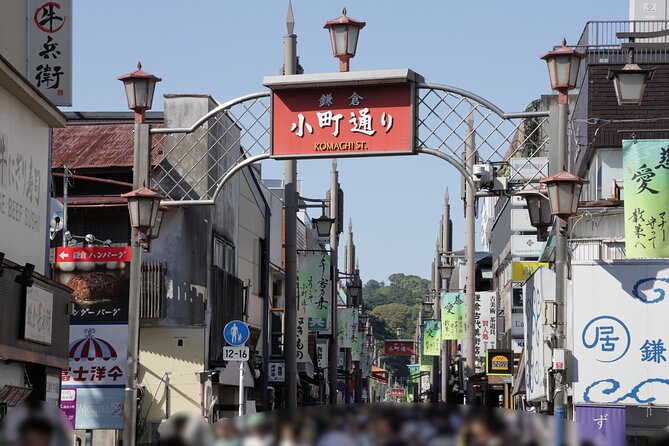
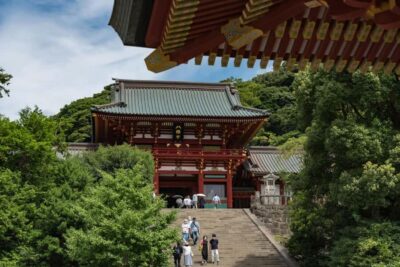
Your first real stop is Tsurugaoka Hachimangu Shrine, Kamakura’s premier shrine and spiritual heart. You come in through a grand torii gate and step into a quieter world than what you left in Tokyo. There are ponds with koi and a calm setting that makes the whole arrival feel like a reset.
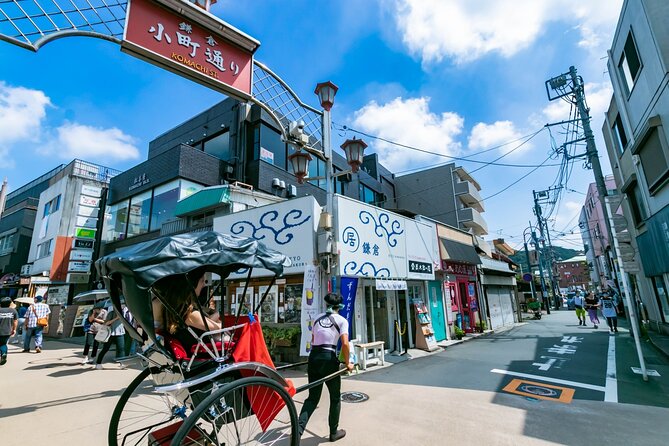
Then comes Komachi Street, a shopping lane right by the shrine area. This is one of those places where you can shop without getting lost in a maze. You will typically find Kamakura-themed snacks and souvenirs, plus lots of small handmade items. It is the kind of stop that works even if your group splits up for a bit.
What I like about this pairing is the flow:
- Shrine gives you the meaning and atmosphere.
- Komachi Street gives you an easy, low-stress way to enjoy the local side of Kamakura.
How long you get here matters too. You have about 2 hours at the start. That is enough time to see the highlights, snack, and still have some breathing room if you pause for photos.
Kōtoku-in Great Buddha: Bronze, Outdoor, and Surprisingly Moving
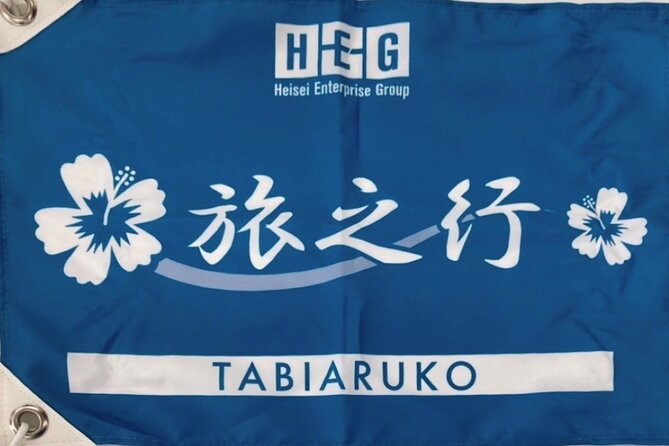
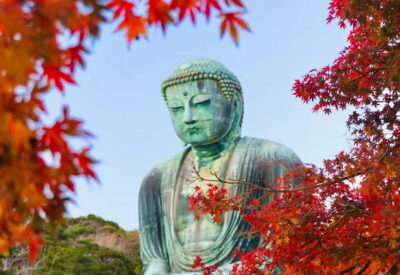
The tour moves from the shrine mood to one of Japan’s most iconic outdoor statues at Kōtoku-in. This is home to the Great Buddha of Kamakura, a bronze Amida Buddha sitting in the open sky. The main feeling here is scale. It is not just a statue you look at, it is something you stand with, surrounded by the outdoors and the temple grounds.
You get about 30 minutes, and admission is included. That short window is a plus if you hate museum-style pacing. It is also a consideration if you want long contemplation time. With only half an hour, you will want to decide in advance whether your priority is photos, walking the grounds, or just standing and letting it sink in.
One small practical point that shows how guides help: a review mentions the guide stepping in with a solution when a coin wasn’t ready at the Buddha site. It is a good reminder to carry small change and be ready for any site-specific needs.
A different sort of day in Japan:
- From Tokyo: Kamakura Full Day Tour with a Local Expert Guide
★ 4.6 · 43 reviews - From Tokyo: Kamakura Private Customize Tour by Luxury Van
★ 4.6 · 38 reviews - Kamakura: A Journey Through Medieval Japan (Walking Tour)
★ 4.9 · 26 reviews - Kamakura Half Day Tour with a Local Expert Guide
★ 4.4 · 23 reviews
Hase-dera Temple: The Eleven-Headed Kannon and Garden Views
Next up is Hase-dera Temple, famous for a large eleven-headed statue of Kannon, the Goddess of Mercy. Kannon statues are common in Japan, but Hase-dera’s version is a major draw, and the scale is part of why people keep coming back.
You have about 50 minutes, and admission is included. That extra time compared to Kōtoku-in helps. You can move at a normal pace, take in the key statue moments, and still have time for the grounds and nearby scenic spots.
One thing to plan for: temples in Kamakura often come with walkways, steps, and elevation. Even if you are not trekking, this stop will ask you to move. Wear shoes you can trust. This tour is not built for flip-flops.
Enoshima Island: Ocean Views, Benzaiten Shrines, and the Walk That Adds Up
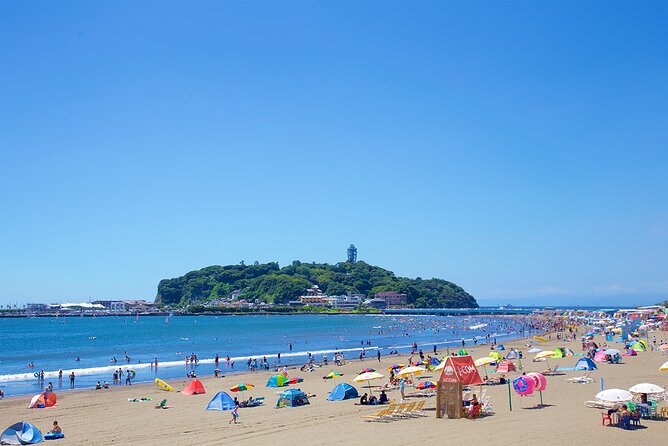
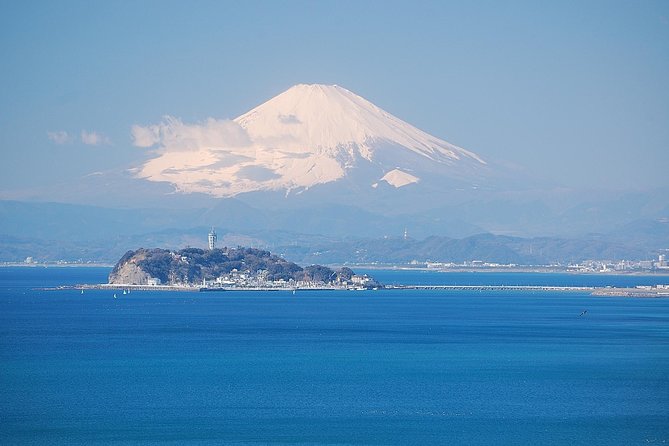
If you want the “oh wow” finish, Enoshima is the reason. The island sits west of Kamakura, and on clear days you can get big views, including the possibility of Mt. Fuji in the distance.
You are given about 2 hours here. Depending on what you choose to do inside that window, your time can feel perfect or slightly rushed. Enoshima covers a shrine complex experience, viewpoints, and garden areas, plus shopping and food options along the way.
What you can expect on the island
The tour details point you toward the Benzaiten shrine complex, tied to the goddess of music, wealth, and wisdom. You are also listed as passing through areas that include:
- multiple shrine pavilions within the Benzaiten complex
- Shirahata Shrine near Yanagihara Pond
- Zeniarai Benten Shrine, known for a money-washing tradition (zeniarai means coin washing)
- a connection to the Kamakura Museum of Literature setting
- the Samuel Cocking Garden area, including an observatory lighthouse (listed with a reopening date and height)
In plain terms: Enoshima is a mix of spiritual stops and scenic wandering. The kind of place where you will want photos, but you will also want time to drift.
One reality check about stairs and timing
Enoshima is not just flat strolls. One review describes frustration with stair-heavy navigation and unclear instructions around an escalator plan, including a cave area. Another review complains about needing to move fast to return to the bus.
So here is my practical advice: treat your Enoshima time as “move but not sprint.” If you want to explore everything, decide what matters most:
- If your top priority is ocean views, aim for the viewpoints and the garden areas first.
- If your priority is shrine-hopping, focus on the Benzaiten cluster and the coin-washing shrine, then build in time for one or two extras.
Also, keep an eye on where the bus is loading. If you end up far away, returning in rain and darkness can feel like a mini quest.
Pacing and Comfort: Long Day, Short Stops, Real Logistics
This tour is built around four big stop blocks:
1) Tsurugaoka Hachimangu and Komachi Street
2) Great Buddha (Kōtoku-in)
3) Hase-dera
4) Enoshima Island
The travel between them is part of the day. You may have plenty of free time at each stop, but you should still treat each block as timed. A few reviews praise the pacing as relaxing and well-paced, with enough time to eat and explore. Others complain about timing feeling off, especially when a traffic incident changed lunch timing in Enoshima.
So your decision should match your style:
- If you like clear structure and you enjoy a guided plan, you will likely like it.
- If you hate feeling rushed at any point, you should be mentally prepared for tighter moments, especially when conditions change.
Seating and bus condition can vary
Most experiences sound smooth and comfortable, including praise for a clean bus. But one review calls the bus very old and mentions seat placement near the wheel area, requiring a seat change. That suggests you might want to avoid assuming every ride will be identical.
If you have mobility needs, go in with flexibility. This tour involves walking and stairs. The data specifically notes one luggage item per person, stowed in the trunk and not accessible between stops, so pack light.
Guides Make The Day: Omar, Chen, Yuki, and the Pro-Level Helpers
The most consistent praise is about the guide experience. People repeatedly highlight guides by name, and the names that show up in the feedback include Omar, Chen, Yuki, Mitsi San, and Koji.
What you will likely feel in a good guide-led day:
- Clear instructions on where to explore and when to return
- Story context that helps you “read” what you see
- Friendly energy that keeps a long day from feeling heavy
One review credits the guide for quick thinking and proactive help, including resolving an entry payment coin issue at the Great Buddha and helping find missing participants by going beyond the usual time window. That is the kind of problem-solving that saves a trip, even if you never expect to need it.
Balanced note: at least one review says the tour felt more like transport and admission with little site history. That does not mean it is always like that, but it is a reminder that guide style can affect your satisfaction.
Who This Tour Fits Best
This is a good fit if you want:
- A low-stress day away from Tokyo without planning train routes
- A classic Kamakura sampler, including major shrine and temple highlights
- A coastal finale at Enoshima with chances for big views
- A day that mixes guided moments with time to shop and explore
It might be less ideal if you:
- Want a very deep, slow, lecture-style history experience
- Have trouble with lots of steps and stair navigation
- Get stressed when weather or traffic affects timing
Should You Book This Kamakura and Enoshima Bus Tour?
I think this is a solid choice if your goal is a well-structured day trip with the right mix of famous sights and free wandering. The included entrance fees to Kōtoku-in and Hase-dera help the value math, and the Enoshima portion is exactly the kind of Tokyo escape people hope for.
Book it if:
- You like the idea of guided commentary in English and Chinese
- You want enough time to shop on Komachi Street and still reach Enoshima
- You prefer “see the highlights” over “spend all day in one place”
Skip or reconsider if:
- You hate stair-heavy sightseeing and fast returns to a bus
- You need a guaranteed, long-form history talk at every stop
- You are extremely sensitive to schedule changes from traffic or weather
If you do book, come ready for walking, carry small change, and choose your priorities on Enoshima. Do that, and you will likely come home with photos, stories, and the simple satisfaction of having escaped the city for a day that moves at a human pace.
FAQ
What’s included in the tour price?
The tour includes an air-conditioned vehicle, all fees and taxes, entrance fees to Hase-dera and Kōtoku-in, and English/Chinese-speaking guide commentary.
Is lunch included?
No. Lunch is not included.
How long is the day trip?
The duration is about 9 to 10 hours.
Where do I meet the bus in Tokyo?
The meeting point listed is Shinjuku Post Office (1-chōme-8-8 Nishishinjuku, Shinjuku City). The tour also offers two centrally located pickup locations, depending on what you select.
When should I arrive at the meeting point?
Arrive about 10 minutes before departure. The guide and bus are assigned based on your specific meeting location.
Which sights have entrance fees included?
Entrance fees are included for Kōtoku-in (Great Buddha) and Hase-dera. Other stops in the tour details are listed as free or without additional admission requirements.
Will the tour run in rain or bad weather?
The tour departs regardless of weather or traffic conditions unless you are notified otherwise by the local operator.
Where does the tour end?
The tour ends at Shinjuku Post Office, and the tour notes there is only one drop-off point there. It also specifies the bus will not return to Ikebukuro.
Is there a luggage limit?
Yes. The tour allows one piece of luggage per person during the excursion, and it should fit in the vehicle trunk. Items stored in the trunk are not accessible between stops.
Newly listed around Kamakura
- Tokyo Yokohama Night View Tour With Kamakura And Enoshima★ 3.5 · 14 reviews
- Kanagawa: Kimono Rental in Kamakura Provided by RikaWafuku★ 4.8 · 8 reviews
- Kamakura: Great Buddha, Hase Temple, & Komachi Street Tour★ 5.0 · 11 reviews
- Oiso: Adventure Hike to See Mt. Fuji & Historic Coastal Walk★ 5.0 · 10 reviews
- Kamakura: Private History and Heritage Tour by Rickshaw★ 4.9 · 7 reviews
- Kamakura Private Custom Tour with Local Guide★ 5.0 · 7 reviews
- Kamakura: Walking Tour through the City of Samurai★ 4.9 · 12 reviews
- Kamakura: Half day Walking tour & Japanese sweets★ 5.0 · 11 reviews
Kamakura Tours, compared.
Kamakura & Enoshima Day Trip including Temple Tickets
Read our review →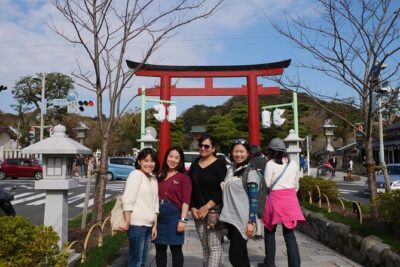
Kamakura Historical Walking Tour with the Great Buddha
Read our review →
Kamakura Private Tour: Temples, Nature, and the Great Buddha
Read our review →
Kamakura Full Day Tour with a Local Expert Guide
Read our review →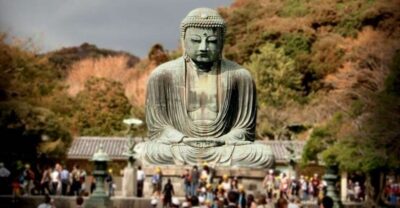
Kamakura: A Journey Through Medieval Japan (Walking Tour)
Read our review →
Kamakura Half Day Tour with a Local Expert Guide
Read our review →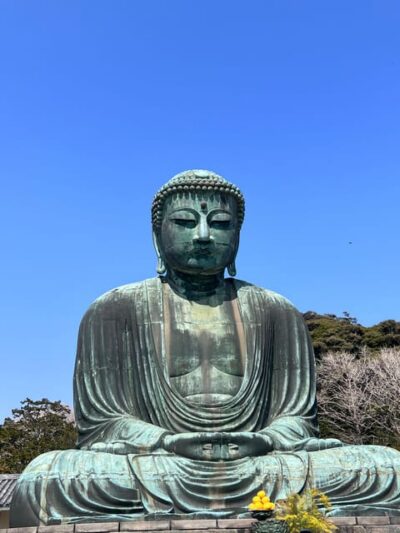
Kamakura and Enoshima: Private Guided Day Tour with Vehicle
Read our review →Browse the lists this tour appears in