
Review · KAMAKURA TOURS
Exciting Kamakura – One Day Tour from Tokyo
A temple day, minus the guesswork. This private Kamakura tour is built for people who want the highlights fast, with a guide taking you to a tight shortlist of temples and shrines, plus history as you go. I especially like the hotel pickup and drop-off, and I love having a private guide you can actually ask questions to.
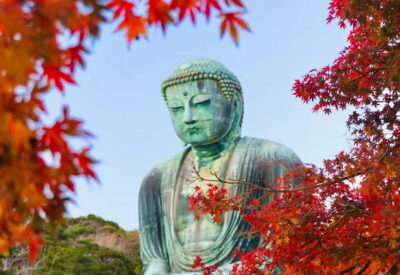
You’ll visit the coastal former capital’s most famous sights without burning time figuring out the order. Kotoku-in’s Great Buddha gives you an immediate wow moment, and Hase-dera adds gardens, statues, and views of the Pacific with a cave shrine you won’t find in the typical photo feed.
The one real consideration is pace and language fit. Kamakura is very walk-heavy, and if your guide’s English is limited or you get paired with someone who moves quickly, you may have fewer chances to ask your own questions.
In This Review
- Key highlights you’ll feel right away
- Why this Kamakura tour works better than DIY planning
- Price and logistics: what $145.31 really buys (and what to budget)
- Kotoku-in Great Buddha: the icon stop that sets the tone
- Hase-dera: hydrangeas, a cave shrine, and ocean views
- Hokoku-ji’s bamboo forest: a different kind of calm
- Tsurugaoka Hachimangu Shrine: shogunate power, warrior worship
- The guide factor: why people rave about Akira, Yumiko, Kono, and Yoshi
- Lunch, stamps, tea, and small extras you might not plan yourself
- Who should book this one-day Kamakura plan
- Should you book this Kamakura tour from Tokyo?
- FAQ
- What time does the Kamakura tour start?
- How long is the tour?
- Is hotel pickup and drop-off included?
- Is this tour private?
- Which stops are included during the day?
- Are entrance fees included?
- Is transportation included from Tokyo?
- How fit do I need to be?
- Are children allowed?
- Can I get a refund if I cancel?
Key highlights you’ll feel right away
- Hotel pickup and drop-off means your Tokyo morning stays easy
- Private, guide-led routing saves planning time and reduces wrong turns
- Great Buddha at Kotoku-in is the main landmark, and it’s timed well
- Hase-dera’s ocean views and hydrangea season make it memorable in June and July
- Hokoku-ji’s bamboo forest gives you a very different temple mood
- Tsurugaoka Hachimangu ties everything together with Kamakura shogunate heritage
Why this Kamakura tour works better than DIY planning
Kamakura can be tricky if you only have a few hours. The city is packed with temples, shrines, and quiet side paths, but you need good instincts to pick the right sequence. This tour solves that by having your guide move you between key places in a sensible order and explain what you’re seeing as you go.
I also like the vibe shift. You start in Tokyo’s energy, then slide into Kamakura’s older rhythm. Even when it’s a full day, the sights you hit feel like a calm interruption, not just a checklist.
One more plus: the private format. You’re not sharing your guide with strangers, so you can ask about practical stuff like where to eat, how to get around, or what to look for inside each site. In multiple experiences, guides helped with things like navigating train transfers, and even support for special diet needs like gluten-free lunch.
A few more Kamakura days to weigh up
- Tokyo: Kamakura & Enoshima Day Trip including Temple Tickets
★ 4.5 · 1,375 reviews - From Tokyo: Kamakura & Enoshima 1-Day Bus Tour
★ 4.5 · 189 reviews - Kamakura Historical Walking Tour with the Great Buddha
★ 5.0 · 129 reviews
Price and logistics: what $145.31 really buys (and what to budget)
The tour price is $145.31 per person, and that number mostly covers the human part: a professional guide, the private tour, and meeting at your hotel lobby. In other words, you’re paying to avoid the hardest part of a day trip, the planning friction.
Not included are two cost buckets you should budget for:
- Transportation in Japan: listed at about ¥2,720 per person
- Entrance fees: Kotoku-in (¥1,100), Hase-dera (¥400), and Hokoku-ji (listed at ¥300)
That means you should plan on roughly ¥4,100 extra per person for transit plus temple entries, before any lunch or shopping.
Also note the timing. The tour runs about 8 hours 30 minutes, with a 9:00 am start. Expect a full day where you’re moving, not lingering all day in one garden. You’ll be walking, and you’ll likely use trains plus local transport around Kamakura.
Kotoku-in Great Buddha: the icon stop that sets the tone
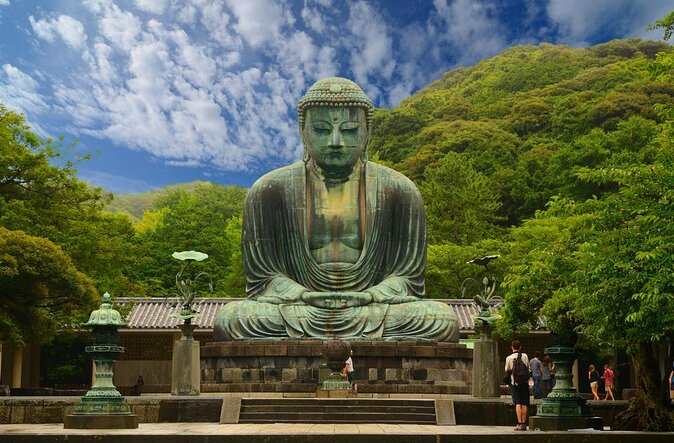
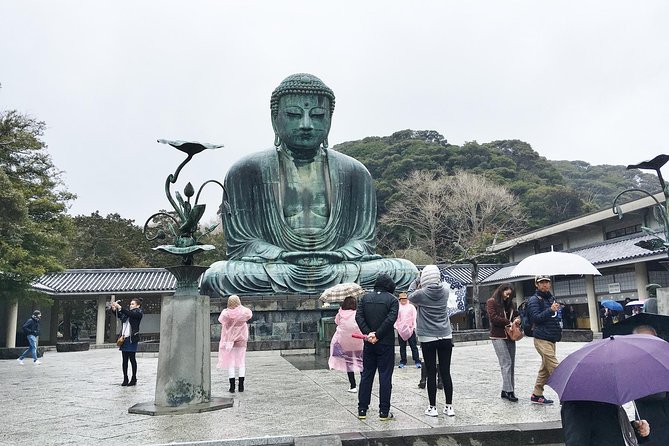
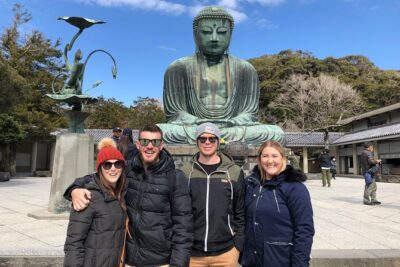
Kotoku-in, home of the Great Buddha of Kamakura, is where your day locks into focus. This landmark Buddha was built in the 13th century, and it’s the easiest way to understand why Kamakura gets called a temple city with personality.
Expect two things here:
- The scale hits fast. The bronze figure is the main event, and it’s a classic reason to come even if you’re only doing one day.
- You may be able to go inside. One experience called out walking inside the Buddha, which is amazing if you like unusual spaces. If you’re claustrophobic, it’s worth remembering before you commit.
The entrance fee is ¥1,100, and the stop is about one hour. If you’re the type who likes photos, give yourself a few minutes at the start so you’re not rushing at the end when the group starts moving.
Practical tip: wear shoes you can walk in for hours. Kamakura is not about museum floors, it’s about paths, stairs, and a lot of steps.
Hase-dera: hydrangeas, a cave shrine, and ocean views
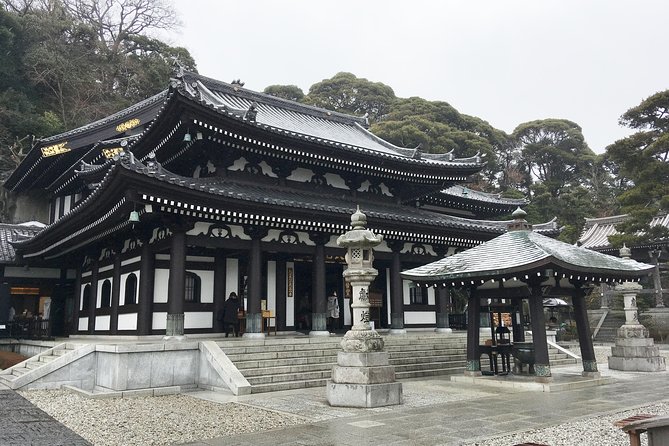
Hase-dera is where Kamakura turns scenic. This temple is traditionally associated with the 8th century, and the tour frames it as a place with Japanese garden touches, Buddha statues, and a unique cave shrine. You’ll also get views toward the Pacific Ocean, which makes the area feel bigger than the temples alone.
Here’s what you can realistically expect:
- A garden-and-statues experience, where the atmosphere matters as much as the main halls
- Viewpoints, including toward the coast
- That cave shrine element, which tends to be a standout for people who like odd, unexpected places
Timing is important. The tour note highlights hydrangeas in June and July, and multiple experiences praised hydrangee bloom as a highlight in that season. If you’re traveling in summer, this stop can feel like the payoff for the whole morning.
The entrance fee is ¥400, and the stop is about one hour. If you want time to slow down for photos, I suggest you do it early in the visit, because the group often keeps moving to protect the schedule.
A different sort of day in Japan:
- Kamakura Private Tour: Temples, Nature, and the Great Buddha
★ 5.0 · 121 reviews - Kamakura Walking Tour – The City of Shogun
★ 5.0 · 100 reviews - Kamakura 4hr Private Trip with Government-Licensed Guide
★ 5.0 · 58 reviews - From Tokyo: Kamakura Full Day Tour with a Local Expert Guide
★ 4.6 · 43 reviews
Hokoku-ji’s bamboo forest: a different kind of calm
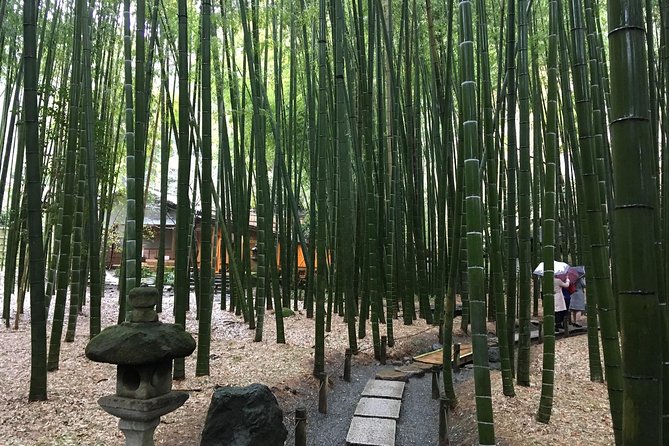
Hokoku-ji, also associated with the name Takedera, is a mood change. Instead of another “big statue” moment, you get a bamboo forest temple setting, which feels much more like walking into a quiet film scene.
The tour description frames this as different from other Kamakura temples, and that’s exactly how it plays. You’re there for atmosphere. The bamboo gives you shade and rhythm, and the whole area feels calmer than the more iconic stops.
The entrance fee is listed at ¥300, and the visit is about one hour. Bamboo tends to make people want to wander a bit, so if you like a slower pace, this is the place to breathe for a moment before the final shrine.
One caution: this tour still moves with a schedule. Even if Hokoku-ji feels slower, keep an eye on your guide so you don’t get left behind while you’re looking up at stems and lighting.
Tsurugaoka Hachimangu Shrine: shogunate power, warrior worship
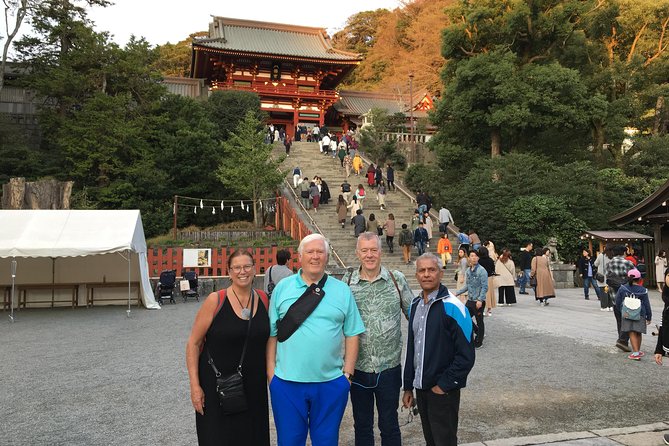
Tsurugaoka Hachimangu Shrine ties the day together. The tour explains it as the official guardian shrine of the Kamakura shogunate, worshiped by warriors as a deity of military spirit. That context matters because it changes how you read the site.
This isn’t just a pretty place to walk. The shrine helps you understand how Kamakura was not only temples and gardens, but also a power center shaped by leadership and warrior culture in Japan’s medieval era (the city was a former capital between the 12th and 14th centuries).
Good news: the entrance here is free in the tour listing. The stop is about one hour, which is enough time to see the main areas without turning the day into a marathon.
If you’re a history person, this is where the guide’s storytelling can really connect the dots. If you’re not, you’ll still get a sense of order and meaning from the shrine’s role in Kamakura.
The guide factor: why people rave about Akira, Yumiko, Kono, and Yoshi
This tour has one of those big truths: the day often rises or falls on the guide. The best experiences highlighted punctual hotel pickup, smooth navigation, and guides who take time to explain what you’re seeing in plain language.
A few names show up repeatedly across experiences:
- Akira (including Akira Kamada), praised for professional pacing and clear explanations
- Yumiko, praised for charm, helpfulness, and answering questions, including making lunch recommendations
- Kono-san, praised for good communication and helping with train navigation and even transit support like charging Pasmo cards in Tokyo
- Yoshi and Yoshio, praised for guiding through Tokyo station transfers and local routes without stress
That does not mean every guide will match your expectations perfectly. One experience mentioned a language barrier affecting the quality of the storytelling, and another noted a guide that moved too fast and did not always check that the group stayed together. So here’s my practical advice:
- At the start, ask one question right away. If you get a clear answer, you know you’re in the right hands.
- If the guide walks quickly, tell them early you want a slower pace for photos and questions.
- If English is the key, pay attention to how easily you can discuss what you’re seeing after the first stop.
Lunch, stamps, tea, and small extras you might not plan yourself
Lunch is often where a day trip either feels satisfying or just tiring. This tour is set up so your guide can help you find a solid local place. Some experiences mentioned small local restaurants in Kamakura and food like okonomiyaki, while others mentioned noodle spots recommended by guides.
Special diet help comes up in experiences too. One person credited the guide with finding a gluten-free option, which is worth remembering if you need that kind of support.
There were also small Kamakura-style extras that showed up in experiences:
- Goshuincho stamps: one family mentioned making sure their stamp book got signed at each stop
- A tea house moment that felt magical after walking all day
- A shop moment for making or buying a music box
Those extras may depend on timing and what your group wants. But the key point is that a guide can spot opportunities that you might not notice while rushing from map point to map point.
My advice: decide your lunch priority in advance. If you want something specific, tell your guide. If you’re flexible, let them choose, especially since they’ll know where the food fits the route and schedule.
Who should book this one-day Kamakura plan
This tour is a strong fit if you want:
- A temple-and-shrine day with context, not just photos
- A day trip that avoids the mental load of choosing transit routes and site order
- A private group format where you can ask questions
It’s also a good idea for people who want a calm contrast to Tokyo. Multiple experiences described the day as peaceful, with Kamakura’s coastal quiet feeling like a reset.
You should think twice if:
- You dislike long walks and steps. This is a moderately active day.
- You expect a super relaxed schedule with tons of free time at each site. It’s built to cover multiple highlights in one outing.
- You strongly need a particular language comfort level. One experience mentioned that a language barrier dampened the experience.
Should you book this Kamakura tour from Tokyo?
I’d book it if you want the highlights with less stress. The value is in the guide-led route, the hotel pickup, and the way the day connects icon sites like Kotoku-in with atmosphere stops like Hokoku-ji, then adds cultural context at Tsurugaoka Hachimangu.
If you’re the kind of traveler who loves to roam on your own, you might feel limited. But if you’d rather spend your energy looking at temples than reading transit apps, this is a smart trade.
Quick decision rule: If one day is all you have, and you want the best shot at getting it right, book it. If you have extra time in Kamakura and love slow wandering, you might do it on your own instead, then add a guide just for one or two sites.
FAQ
What time does the Kamakura tour start?
It starts at 9:00 am.
How long is the tour?
The tour runs about 8 hours 30 minutes.
Is hotel pickup and drop-off included?
Yes. Meeting is in your hotel lobby, with pickup and drop-off included.
Is this tour private?
Yes. It’s a private tour, so only your group participates.
Which stops are included during the day?
You’ll visit Kotoku-in, Hase-dera Temple, Hokoku-ji Temple, and Tsurugaoka Hachimangu Shrine.
Are entrance fees included?
No. Entrance fees are listed as extra: Kotoku-in (¥1,100), Hase-dera Temple (¥400), and Hokoku-ji Temple (¥300). Tsurugaoka Hachimangu is free.
Is transportation included from Tokyo?
Your transportation cost is listed separately, about ¥2,720 per person.
How fit do I need to be?
The tour notes a moderate physical fitness level is required.
Are children allowed?
Yes, but children must be accompanied by an adult.
Can I get a refund if I cancel?
The tour lists free cancellation up to 24 hours in advance for a full refund.
Newly listed around Kamakura
- Introducing all the Famous Spots in Kamakura and Enoshima!★ 5.0 · 7 reviews
- First time in Kamakura? Enjoy a Tour of All Must-sees!★ 5.0 · 15 reviews
- Kamakura 4hr Private Trip with Government-Licensed Guide★ 5.0 · 58 reviews
- Your Own HANKO Name Seal Activity in Kamakura.★ 5.0 · 24 reviews
- Kamakura Heritage Bike or Walk Tour with ex-Rickshaw guide★ 5.0 · 11 reviews
- Kamakura Walking Tour – The City of Shogun★ 5.0 · 100 reviews
- Japanese Sweets Making in Kamakura★ 5.0 · 6 reviews
- Kamakura Scenic Bike Tour★ 5.0 · 10 reviews
Kamakura Tours, compared.
Kamakura & Enoshima Day Trip including Temple Tickets
Read our review →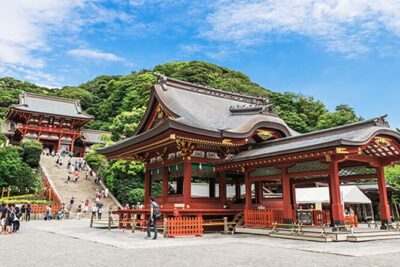
Kamakura Historical Walking Tour with the Great Buddha
Read our review →
Kamakura Private Tour: Temples, Nature, and the Great Buddha
Read our review →
Kamakura 4hr Private Trip with Government-Licensed Guide
Read our review →
Kamakura Full Day Tour with a Local Expert Guide
Read our review →
Browse the lists this tour appears in