
Review · KAMAKURA TOURS
Introducing all the Famous Spots in Kamakura and Enoshima!
Pack Kamakura into one smooth guided day. This private tour mixes temples and seaside views with a guide who handles train navigation between stops, so you spend less time puzzling out routes and more time looking around. I like the efficient pacing that still leaves you time to actually enjoy each place, and I like that the guide can personalize the plan to your interests. The main drawback to plan for is that big entrance fees are not included, and some stops may require cash.
You start at Kamakura Station at 10:00 am and finish at Enoshima Station, with about 7 hours total. That end point matters: it keeps you moving west toward the coast instead of backtracking, and it works nicely if you want Enoshima at the end for the sea-air mood shift.
In This Review
- Key Stops at a Glance
- Why This Kamakura and Enoshima Day Works So Well
- Starting at Kamakura Station, Ending at Enoshima Station
- Tsurugaoka Hachimangu and Komachidori: A Strong Day One
- Kotoku-in Great Buddha and Hasedera Flower Temple
- Enoshima Benzaiten Nakamise Street and Enoshima Shrine
- Enoshima Sea Candle Observatory Deck: The View Finale
- Guide Quality: Why Kiko, Higara, and Sandy Make It Better
- Price, Admissions, and Where the Extra Money Goes
- Food, Cash, and Comfort Tips That Actually Matter
- Should You Book This Private Day Tour?
- FAQ
- How long is the Kamakura and Enoshima private tour?
- What time does the tour start, and where does it end?
- Are admission fees included in the tour price?
- Do I need cash during the tour?
- Does the guide help with train travel between stops?
- What if the weather is bad on the day?
Key Stops at a Glance
- Train help that prevents missteps: your guide stays with you on the train between sites, so navigation stress stays low.
- First-class temple pair: Tsurugaoka Hachimangu, then later Kotoku-in and Hasedera, all in one day without rushing like crazy.
- Kamakura flavor along Komachi Street: an easy stretch of local snacks and souvenirs with time to wander.
- Enoshima’s shrine climb by outdoor escalator: you get the practical route up, and still reach the prayer and view payoff.
- Sea Candle for a wide open finale: a lighthouse-style observatory deck with panoramic views, and Mt. Fuji if conditions allow.
Why This Kamakura and Enoshima Day Works So Well
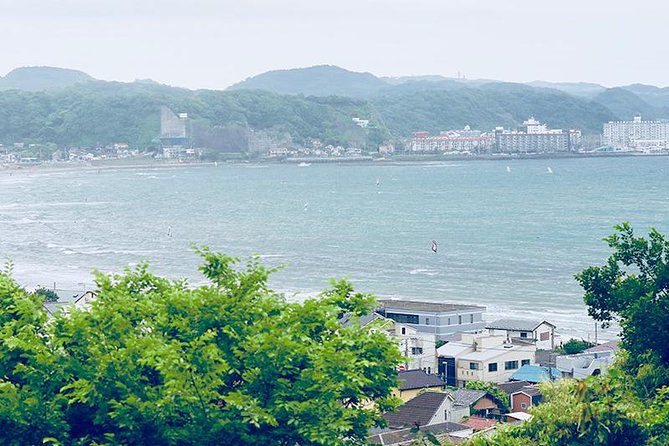
Kamakura and Enoshima can feel like two trips. This tour bundles them into one clean loop. You get sacred spaces in Kamakura, then you finish with Enoshima’s coastal rhythm and the big “Shonan” views.
The biggest win is that the schedule is structured. Instead of spending your morning studying train transfers and walking times, you follow a logical order: start with Tsurugaoka Hachimangu, move through Kamakura’s famous streets and temples, then transition to Enoshima for the shrine route and Sea Candle.
I also like the private angle. Yes, it is still a group-style tour in the sense that it follows a set list, but it is private for your party only. That means you can ask the guide for timing tweaks if you want more time at a temple garden or you want to cut a stop a bit short.
One practical consideration: it is an action-packed day with plenty of walking and steps. Wear comfortable shoes and expect you will be outside for long stretches, especially around the shrine complexes and coastal viewpoints.
A few more Kamakura days to weigh up
- Tokyo: Kamakura & Enoshima Day Trip including Temple Tickets
★ 4.5 · 1,375 reviews - From Tokyo: Kamakura & Enoshima 1-Day Bus Tour
★ 4.5 · 189 reviews - Kamakura Historical Walking Tour with the Great Buddha
★ 5.0 · 129 reviews
Starting at Kamakura Station, Ending at Enoshima Station
Your day kicks off at Kamakura Station (1-chōme-1-15 Onarimachi, Kamakura), with a 10:00 am start. The tour ends at Enoshima Station (Katasekaigan, 1-chōme8, 藤沢市片瀬海岸1-4-7). That matters because you are not returning to your starting point. You finish where the sea views and coastal energy are strongest.
The guide is part of the logistics solution. Between stops, the guide accompanies you on the train, which helps you keep your place in the day. It also reduces the usual first-timer headache, like losing track of platform changes or getting turned around at station exits.
You can also plan around the timing rhythm. The day includes a mix of short stops and longer wandering chunks. For example, you get 45 minutes for Tsurugaoka Hachimangu and a full 55 minutes for Komachidori, while Enoshima’s Sea Candle is a quick 20 minutes. That is a nice balance if you want both “see it” and “slow down and browse.”
One more thing to keep in mind: the weather can change the exact routes. If it is bad out, you might see adjustments to destinations or transportation. Bring a light layer and a way to stay dry.
Tsurugaoka Hachimangu and Komachidori: A Strong Day One
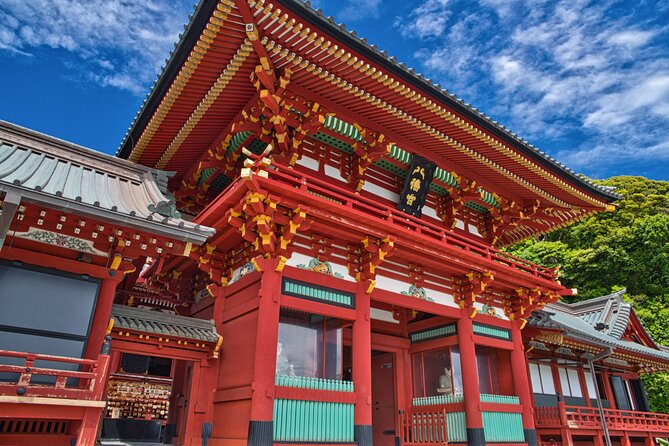
You start with Tsurugaoka Hachimangu Shrine for about 45 minutes. This shrine is tied to Japan’s Kamakura era and is known as a power spot. It is also associated with Minamoto no Yoritomo, often linked in popular history with Genji, which is part of why the site feels so tied to the era’s spirit. Even if you are not a shrine-nerd, you can tell this place holds major local meaning.
What I like here is the flow. You begin with a big landmark that sets the tone, then you move straight into an easy, fun wandering zone: Kamakura Komachidori, about 55 minutes. This is the street that runs from Kamakura Station toward Tsurugaoka Hachimangu, packed with restaurants and souvenir shops.
Komachidori is also where the “local food” angle becomes real. You will find snacks and treats that are specifically tied to Kamakura. The street is not just shopping. It is a chance to grab a casual bite, try something small, and build your appetite for the next temple blocks.
Practical tip: Komachidori is busy. Use the guide’s timing help, and do not feel you must check out every stall. Pick a couple of food items you can carry easily, then let the rest be bonus browsing.
Kotoku-in Great Buddha and Hasedera Flower Temple
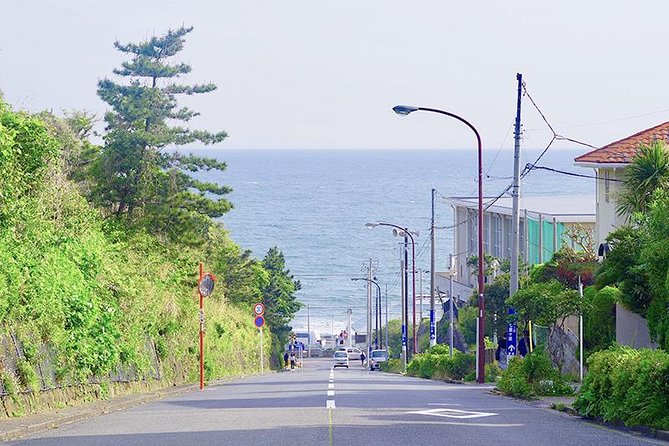
After Komachidori, the day shifts into the heavy hitters.
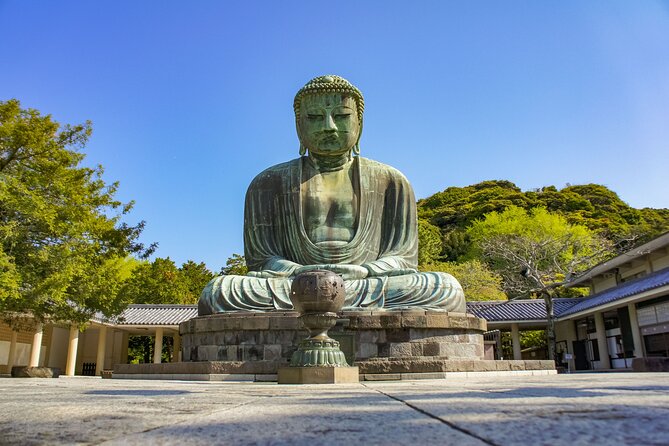
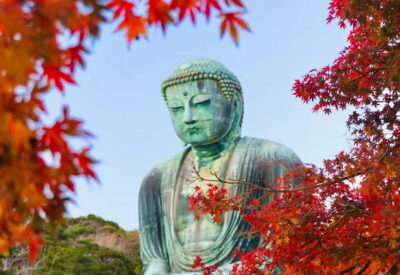
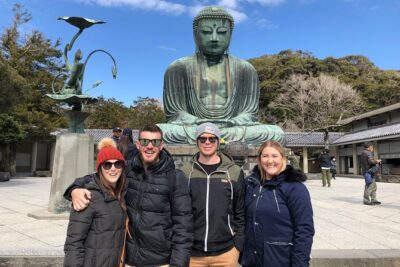
First is Kotoku-in (Great Buddha of Kamakura), around 25 minutes. The statue is over 11 meters tall, and you can actually go inside it. That detail matters. A huge Buddha statue is one thing. Access inside a structure that big is another, and it gives you a memorable change of perspective.
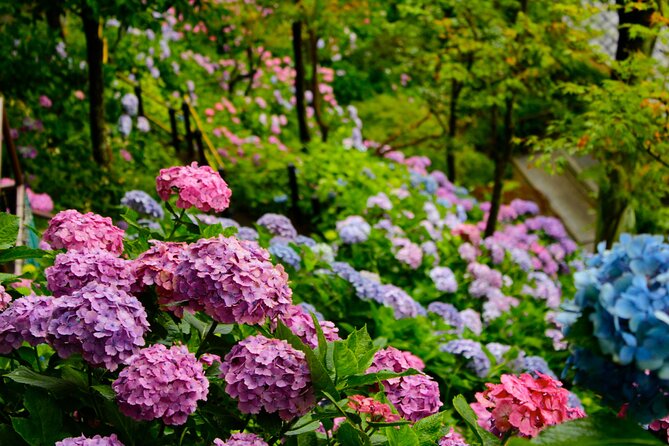
Then comes Hasedera Temple, roughly 50 minutes. This is also known as the Flower Temple, and it is famous for plants of all four seasons. The grounds are large, and you will be walking and climbing around various viewing areas. If you are the kind of traveler who likes “stroll paths and viewpoints,” this stop is a good match.
Here is how I think about these two stops together: Kotoku-in gives you a bold, iconic object. Hasedera gives you movement, gardens, and the satisfaction of exploring a big temple property without feeling trapped in one photo spot.
Potential drawback: both are popular. If you travel on a busy day, you might feel the crowds as you move between sections. This is where having a guide who keeps your group moving smartly helps.
A different sort of day in Japan:
- Kamakura Private Tour: Temples, Nature, and the Great Buddha
★ 5.0 · 121 reviews - Kamakura Walking Tour – The City of Shogun
★ 5.0 · 100 reviews - Kamakura 4hr Private Trip with Government-Licensed Guide
★ 5.0 · 58 reviews - From Tokyo: Kamakura Full Day Tour with a Local Expert Guide
★ 4.6 · 43 reviews
Enoshima Benzaiten Nakamise Street and Enoshima Shrine
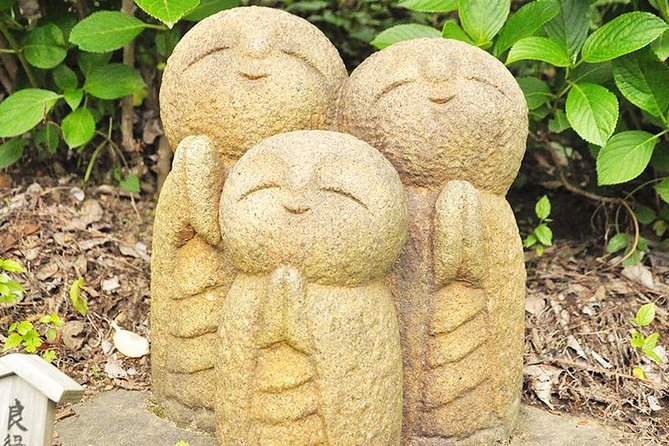
Now for the switch in atmosphere. Your Enoshima segment starts with Enoshima Benzaiten Nakamise Dori, about 20 minutes. This is a shopping street connecting into Enoshima’s shrine area. The focus is very snack-and-souvenir friendly, and you can look for specialties tied to Enoshima, like takosen and whitebait bowls.
Then you get Enoshima Shrine for 40 minutes. The shrine has a history of over 1000 years and is another power spot. This one has extra appeal because it is connected with praying for marriage, and you can feel the mix of faith and everyday tourism in a good way.
One practical highlight: you can ride Japan’s first outdoor escalator up to the top area. That is a huge help because it reduces the “all steps, all day” feeling. You still get the climb experience, but with less strain and more efficiency.
If you like a place with both spiritual and practical elements, this is the one. You get the traditional shrine setting, plus a modern touch that keeps the route manageable.
Enoshima Sea Candle Observatory Deck: The View Finale
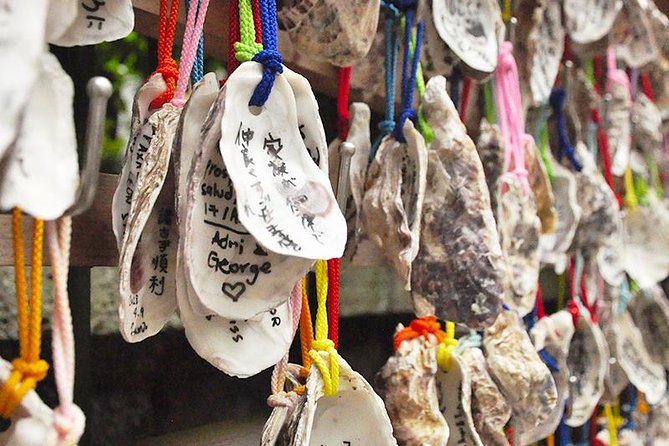
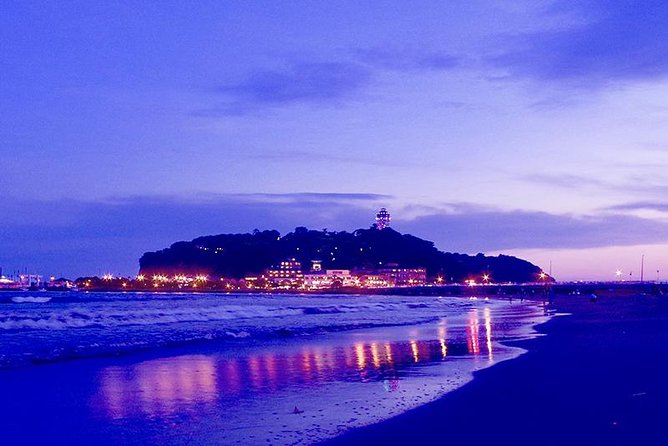
Your last active stop is Enoshima Sea Candle (the observatory deck), about 20 minutes. This is a lighthouse-style symbol of the Shonan area, and the big reason people come is the 360-degree panoramic views.
Mt. Fuji can appear from Enoshima if visibility is good, which is one of those “check the sky” moments that can make your finale feel extra rewarding. Even without Fuji, the broad sea view is still the point.
This stop also fits the day structure nicely. It is quick compared with Hasedera, but it feels like a proper ending. You finish with open space, sea air, and a big view to wrap the temple-heavy morning.
Guide Quality: Why Kiko, Higara, and Sandy Make It Better
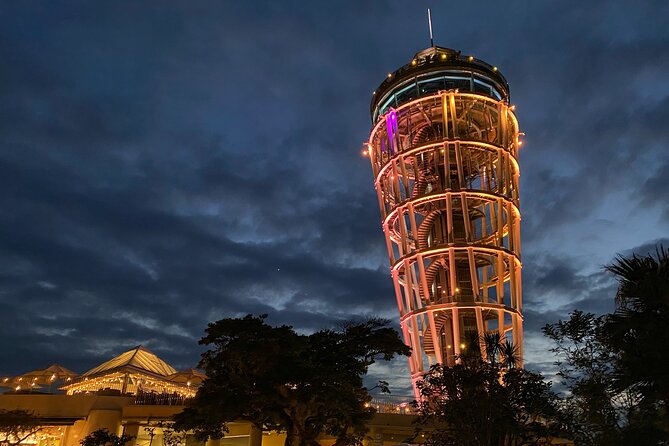
This is not just a list of places. The tour experience depends on the guide, and the standout praise from past groups is consistent.
One guide, Kiko, is noted for working closely with guests to personalize the day and focus on the high points when time is limited. That is important for this itinerary because you cannot slow down everywhere. A good guide helps you prioritize without making you feel like you are missing out.
Another guide, Higara, is praised for patiently explaining Japanese customs and for taking guests to authentic places to try local foods. That matters on streets like Komachidori and Nakamise Dori, where a little local context can turn shopping into a genuine food stroll.
And Sandy is mentioned for giving an overview of what would be visited and then gently reiterating the key interests until guests felt confident about what they wanted to skip. In a private setting, that kind of attention prevents the awkwardness of rushing or second-guessing.
So if you book, I’d treat the guide as part of the plan. Ask what you care about most: gardens, food, shrines, or photo viewpoints. Then you can enjoy the day instead of worrying about every minute.
Price, Admissions, and Where the Extra Money Goes
The tour price is $125.42 per person, and it runs about 7 hours. That price includes the tour guide and the private tour format, plus necessary expenses for the guide during the tour.
But do not ignore the extra costs. Entrance fees and some costs are not included. The listing also notes estimated tour costs around 2,510 JPY per person, with transportation, admission fees, and meal costs in that estimate. Separately, Kotoku-in entrance is listed at 1,050 JPY per person, and there is an additional 2,510 JPY per person entrance fee line for Kamakura and Enoshima.
Translation into practical budgeting: assume you will pay extra for temple entry and you should expect lunch costs. If you want to keep the day simple, plan to carry enough cash for admissions plus snacks and a meal.
Value-wise, this can still be a good deal if you want to cover a lot of major sites in one day without train stress. The guide’s help on trains and navigation is a time-saver you would otherwise spend figuring out yourself.
Also note the tour includes a mobile ticket and group discounts. Even if you never use the discount angle directly, it signals the tour is set up to run smoothly as a coordinated day.
Food, Cash, and Comfort Tips That Actually Matter
This day is built around walking between temple complexes and along shopping streets. So your “what to bring” list should be boring and effective.
- Comfortable clothing and shoes, because you will be walking a lot, with steps around shrine areas and Hasedera grounds.
- Bring cash, because some spots do not accept credit cards.
- Expect to pay for meals on the day. Around Komachidori and Nakamise Dori, you can snack as you go, then plan a bigger lunch break if you want one.
I also suggest you bring a small day bag that can hold a light rain layer. The weather can force route changes, and being prepared keeps you calm instead of improvising.
One more reality check: the stops are famous. That means crowds and queues can happen. The guide helps with pacing, but your job is still to stay flexible and keep moving.
Should You Book This Private Day Tour?
Book it if you want a structured day that covers major Kamakura and Enoshima highlights without spending your vacation on train planning. It is a strong fit for first-time visitors, travelers who value temple and shrine experiences, and anyone who likes mixing walking with food streets and sea views.
Skip or reconsider if you are traveling ultra-light on walking. This is not a sit-down sightseeing day. Even with the outdoor escalator at Enoshima Shrine, the overall route involves a lot of movement across shrine areas and temple grounds.
If you do book, message or ask your guide about your priorities early. If you care most about the gardens at Hasedera or the viewpoints from Sea Candle, tell them. Guides like Kiko, Higara, and Sandy have a proven pattern of adjusting the day so you feel you got the best parts in your limited time.
FAQ
How long is the Kamakura and Enoshima private tour?
The tour is approximately 7 hours.
What time does the tour start, and where does it end?
It starts at 10:00 am at Kamakura Station and ends at Enoshima Station.
Are admission fees included in the tour price?
Not all admissions are included. Kotoku-in has a listed entrance fee, and there are additional entrance fees for Kamakura and Enoshima.
Do I need cash during the tour?
Yes. Some stops do not accept credit cards, so bring cash.
Does the guide help with train travel between stops?
Yes. The guide accompanies you on the train between sites to avoid transportation confusion.
What if the weather is bad on the day?
If the weather is bad, the means of transportation, destinations, and routes may be changed.
Newly listed around Kamakura
- First time in Kamakura? Enjoy a Tour of All Must-sees!★ 5.0 · 15 reviews
- Kamakura 4hr Private Trip with Government-Licensed Guide★ 5.0 · 58 reviews
- Your Own HANKO Name Seal Activity in Kamakura.★ 5.0 · 24 reviews
- Kamakura Heritage Bike or Walk Tour with ex-Rickshaw guide★ 5.0 · 11 reviews
- Exciting Kamakura – One Day Tour from Tokyo★ 5.0 · 40 reviews
- Kamakura Walking Tour – The City of Shogun★ 5.0 · 100 reviews
- Kamakura Scenic Bike Tour★ 5.0 · 10 reviews
- Kamakura Bamboo Forest and Great Buddha Private Tour★ 5.0 · 12 reviews
Kamakura Tours, compared.
Kamakura & Enoshima Day Trip including Temple Tickets
Read our review →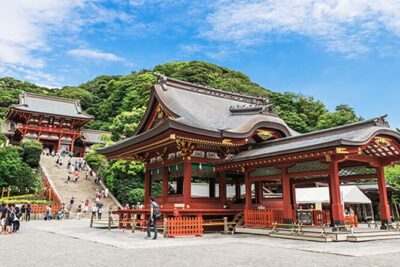
Kamakura Historical Walking Tour with the Great Buddha
Read our review →
Kamakura Private Tour: Temples, Nature, and the Great Buddha
Read our review →
Kamakura 4hr Private Trip with Government-Licensed Guide
Read our review →
Kamakura Full Day Tour with a Local Expert Guide
Read our review →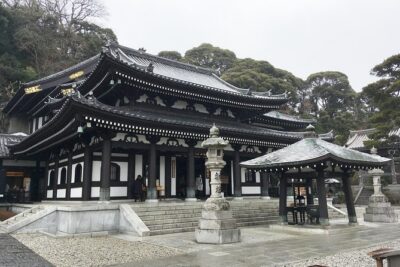
Browse the lists this tour appears in