
Review · LICENSED GUIDES & PRIVATE DRIVERS
Kamakura 4hr Private Trip with Government-Licensed Guide
Kamakura rewards smart planning. This private, half-day walk gives you easy navigation with a government-licensed guide and lets you choose the 2-3 stops you care about most, from the Great Buddha to hilltop views at Hasedera. Two things I especially like are the tight focus on top sights (no aimless wandering) and the way your guide helps you understand what you are seeing. One thing to consider: most temple and shrine entrance fees are not included, so you will want a little extra cash or card for tickets.
If you are coming from Tokyo, the biggest win is not just comfort. It is the confidence boost of meeting at Kamakura Station and getting a clear route on foot and via public transit, so you can spend your limited hours on the places that matter. I also like that the tour is truly private, so the pace can bend to your group, whether that means moving fast past crowds or slowing down for photos and side paths.
You’ll spend about four hours, with pick-up offered but done on foot, and the stops can be temple-heavy, nature-heavy, or a mix. Guides I have seen highlighted by past guests include Shinji, An, Hiro, Masako, Isao, and Yoshi, and they are praised for being flexible and helpful when trains get messy or kids need extra patience.
In This Review
- Key points to know before you go
- Price and Logistics: What You’re Really Paying For
- Meet Your Guide at Kamakura Station, Then Build Your Own Half-Day
- Entering the Samurai Past at Tsurugaoka Hachimangu Shrine
- Kotoku-in Great Buddha: The 11.4-Meter Icon You Will Remember
- Hasedera Temple: Hilltop Views and the Eleven-Headed Kannon
- Hokoku-ji Bamboo Grove: Small Paths, Big Quiet
- Zen Temples Circuit: Engaku-ji and Kencho-ji to Anchor Your Day
- The Smaller Temples: Hydrangeas, Coin-Washing, and Branch Stops
- Meigetsuin (Hydrangea Temple)
- Zeniarai Benten Shrine (Coin Washing)
- Hokoku-ji, then “Valley Quiet” Options
- Nichiren Hills and a Rare Nunnery: Ankokuronji to Eishoji
- Hiking Trails and Enoshima: Add Ocean Air Without Losing the Plot
- Kamakura Hiking Trails
- Enoshima Island
- What Your Guide Adds: Real-World Flexibility Matters
- So Who Is This For?
- Should You Book This Kamakura Private Trip?
- FAQ
- How long is the Kamakura private trip?
- Where do I meet my guide?
- Is this tour private or shared?
- Can I choose which attractions to visit?
- Are entrance tickets included?
- Does the tour include transportation?
- Is lunch included?
- What is the guide like?
- Is pickup offered?
- Can I cancel for a full refund?
Key points to know before you go
- Government-licensed English guide to keep you on track and explain what you see
- Pick 2-3 sites so the route matches your interests instead of forcing a fixed checklist
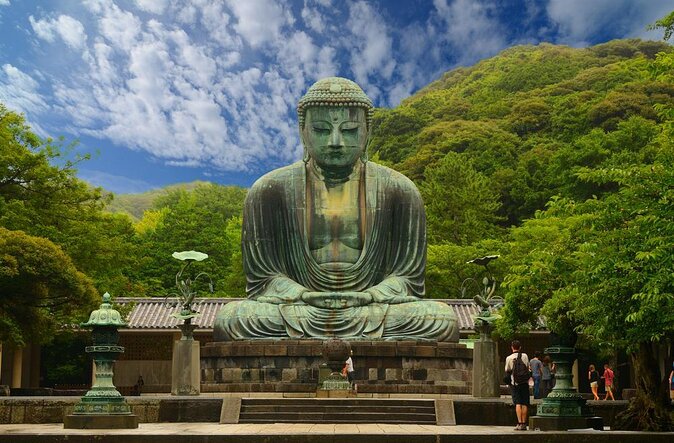
- Iconic anchors like the Great Buddha at Kotoku-in and the viewpoint from Hasedera
- A thoughtful walking plan with ocean air options like Enoshima and scenic Kamakura trails
- Most entrances are extra, so plan for tickets where needed
Price and Logistics: What You’re Really Paying For
At $108.99 per person for about four hours, this is not the cheapest way to see Kamakura. What you are paying for is not just someone walking beside you. You are paying for a licensed guide who helps you select the right mix, avoid wasting time, and interpret key sites on the spot.
Most attractions here are free to look at from the outside, but entrance tickets add up across temples. Some stops are marked free in the tour plan, like Tsurugaoka Hachimangu and several others, while many key Buddhist sites are not included. In plain terms, you can think of the guide as the main value, with tickets as the second cost layer you control.
One more logistics detail matters: this is a walking tour. Your guide meets you within a designated area near Kamakura Station, and you should expect a fair amount of steps and uphill bits, especially around the temples and viewpoints. If you have mobility limits, it is worth messaging first so you can choose stops that match your comfort level.
More Private Guides in Kamakura:
- Tokyo 6hr Private Tour with Government-Licensed Guide
★ 5.0 · 3,902 reviews - Kyoto Early Morning Tour with English-Speaking Guide
★ 5.0 · 1,427 reviews - Tokyo 4hr Private Tour with Government-Licensed Guide
★ 5.0 · 1,394 reviews
Meet Your Guide at Kamakura Station, Then Build Your Own Half-Day
The tour starts with a simple plan: meet at Kamakura Station and head out together on foot. From there, you choose 2-3 activities that fit your day, with options such as the Great Buddha, Hasedera Temple, Komachi Shopping Street, and other temple stops around town.
I like the “pick your priorities” style for one big reason. Kamakura has a lot of spiritual sites packed into a small area, and everyone has different taste. Some people want the big postcard icons. Others want Zen gardens, bamboo quiet, or a break near the sea.
You will also get practical help along the way. Several past guests highlighted how their guides handled train directions and even restaurant recommendations when plans shifted. That kind of local problem solving is what turns a half-day from stressful to smooth.
Entering the Samurai Past at Tsurugaoka Hachimangu Shrine
Tsurugaoka Hachimangu is often where first-timers get their bearings. The shrine is dedicated to Hachiman, the patron god of the Minamoto family and of samurai in general, and it ties into the deified spirit of Emperor Ojin.
Two reasons this stop works well early in the tour. First, it sets the historical tone before you jump into Buddhist temple art. Second, it is a good anchor for planning your walking route because it sits near the core of Kamakura’s visitor flow.
A practical tip: crowd levels can spike hard during New Year season. One guide tip I saw emphasized the same strategy that works in most old towns, visit the busiest landmark near the start of your day, so you spend less time in lines and more time actually looking.
Good news on admissions here: Tsurugaoka Hachimangu is listed with free admission in the plan, so you can focus your budget on the stops with tickets.
Kotoku-in Great Buddha: The 11.4-Meter Icon You Will Remember
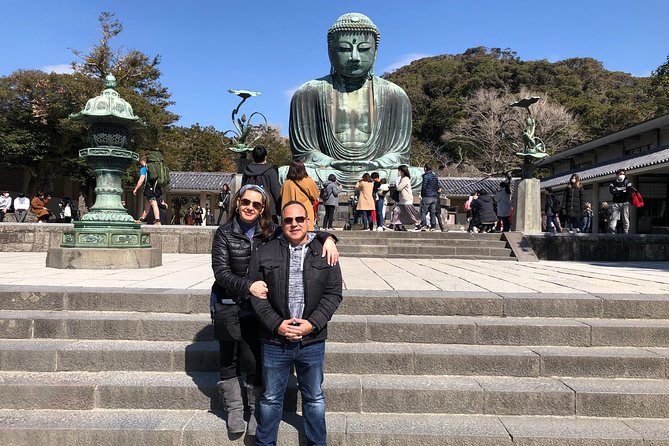
The Great Buddha of Kamakura sits at Kotoku-in Temple, and it is the kind of sight that makes your photos feel inadequate. This bronze statue of Amida Buddha stands about 11.4 meters tall, which is hard to grasp until you are in front of it.
This stop is not just big, it is also visually simple, which makes it a great use of limited time. You do not need to chase multiple rooms or interpret complex exhibits. Your guide can point out the religious context and help you understand why this is one of the most famous Buddha images in the region.
One consideration: admission for this stop is marked as not included. That does not mean it is expensive, it means you should treat it as a ticketed highlight rather than a free walk-by.
A few more Kamakura days to weigh up
- Tokyo: Kamakura & Enoshima Day Trip including Temple Tickets
★ 4.5 · 1,375 reviews - From Tokyo: Kamakura & Enoshima 1-Day Bus Tour
★ 4.5 · 189 reviews - Kamakura Historical Walking Tour with the Great Buddha
★ 5.0 · 129 reviews - Kamakura Private Tour: Temples, Nature, and the Great Buddha
★ 5.0 · 121 reviews
Hasedera Temple: Hilltop Views and the Eleven-Headed Kannon
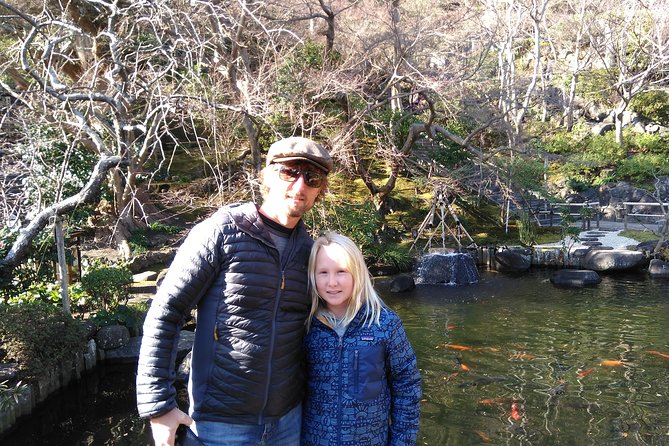
Hasedera is where Kamakura shifts from street-level icons to a dramatic sense of elevation. It is famous for its eleven-headed statue of Kannon, the goddess of mercy. The tour notes the statue height as 9.18 meters, and the image is described as a gilded wooden sculpture.
This is also one of the best stops for a “slow look.” The viewpoint aspect gives you a reason to linger, not just snap and leave. When a guide times your visit well, you get a calmer rhythm than you would if you were bouncing between sites on your own.
Like the Great Buddha, Hasedera admission is listed as not included in the tour plan. So yes, budget for tickets, but also know that this is one of the strongest reasons to pick Hasedera as one of your 2-3.
Hokoku-ji Bamboo Grove: Small Paths, Big Quiet
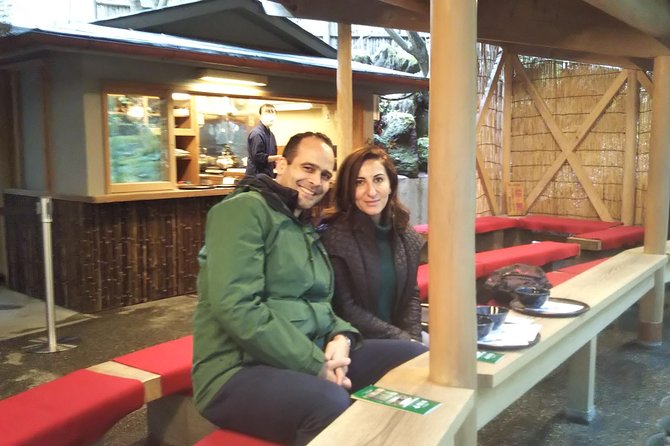
If you want a reset after shin-to-shin crowds, Hokoku-ji is the spot. It is best known for the bamboo grove behind the main hall, with over 2,000 dark green bamboo stalks. The tour description also notes narrow pathways through the bamboo, which is exactly the kind of experience that feels different from the main streets.
This is a stop that rewards guided context. Even if you already know bamboo groves are photogenic, your guide can help you understand how such spaces fit into temple atmosphere and how to look for details along the path.
Admission for Hokoku-ji is listed as not included. The good part is that it is often quick to enjoy, usually within a short time window, so it fits cleanly into a half-day route without chewing up your schedule.
Zen Temples Circuit: Engaku-ji and Kencho-ji to Anchor Your Day
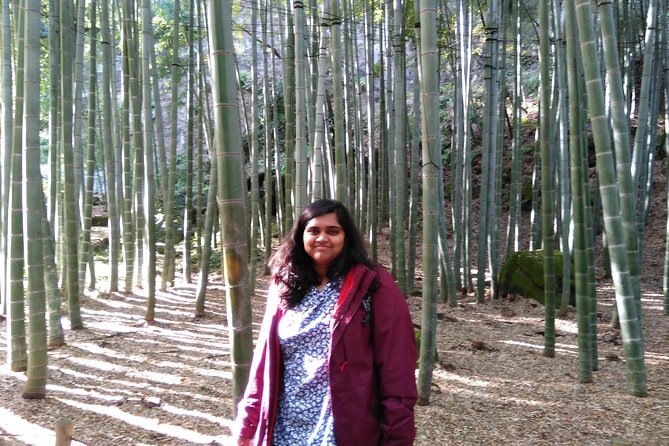
Kamakura is one of Japan’s key Zen temple clusters, and this tour gives you several ways to touch that world. Two “big anchors” are Engaku-ji and Kencho-ji, both part of the famed five great Zen temples.
Engaku-ji is described as one of the leading Zen temples in eastern Japan, and it is the number two of Kamakura’s five great Zen temples. It was founded by Hojo Tokimune in 1282. Kencho-ji is the number one of the five great Zen temples and is listed as the oldest Zen temple in Kamakura, founded by Hojo Tokiyori in 1253.
These are excellent picks if you like religious architecture, garden calm, and the idea that faith in Japan is often expressed through careful space rather than noise.
What I would watch for: Zen temple layouts can feel similar if you rush. That is where the guide time matters. Ask your guide what to notice, especially how the temple areas change as you move from outer grounds toward inner worship spaces.
Both Engaku-ji and Kencho-ji have admissions marked as not included in the plan, so add tickets to your mental math. Still, for many people this is the cultural core of Kamakura.
The Smaller Temples: Hydrangeas, Coin-Washing, and Branch Stops
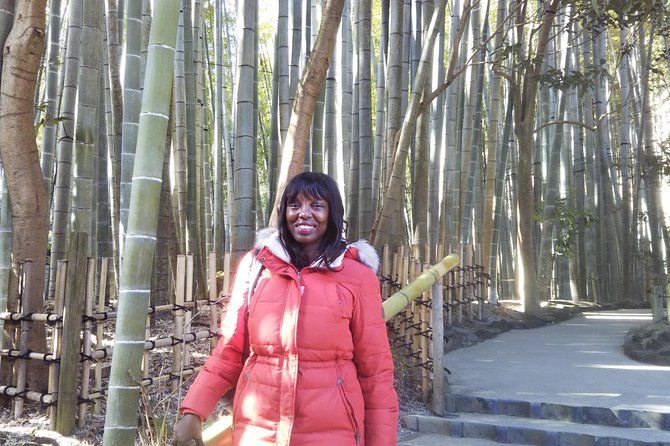
Once you have the big Zen anchors, the smaller temples can add variety. Here are some of the options in the tour plan that bring different moods.
Meigetsuin (Hydrangea Temple)
Meigetsuin is called Hydrangea Temple, or Ajisaidera, because hydrangea blooms abundantly on the grounds. Even if you are not traveling during bloom season, the name signals that the temple is tied to seasonal beauty.
Admission is not included in the plan, so treat it like a worthwhile ticket stop if you like garden-focused temple sites.
Zeniarai Benten Shrine (Coin Washing)
Zeniarai Benten is known for a fun ritual concept: people wash their money in a spring here. The tour plan notes that you might do this as part of a wish for money to return in the future, based on local belief.
Admission is marked free. That makes it an easy addition if you are choosing between two ticketed temples and want one lower-cost stop that still feels distinct.
Hokoku-ji, then “Valley Quiet” Options
The tour also lists other quieter temple choices, including Zuisen-ji, described as a branch temple of Engaku-ji located in a narrow valley surrounded by wooded hills. The point here is not only beauty, it is the change in tempo. A valley temple can feel like a breath out after a more crowded area.
Admission is not included for these smaller stops, but they can be ideal if your guide helps you string them together efficiently.
Nichiren Hills and a Rare Nunnery: Ankokuronji to Eishoji
If you want Kamakura beyond the Zen label, the plan includes Nichiren sect temples and an especially distinctive historical site.
Ankokuronji is described as a Nichiren sect temple, and the tour notes that Nichiren himself founded Ankokuronji around 1253 when he first came to Kamakura. It is located in the hills in the southeast of Kamakura, which usually means more uphill walking.
Myohonji is also listed as a Nichiren sect temple along the southeastern hills, founded in 1260 and noted for featuring a description in the plan that is cut off. Since the detail is incomplete, the safest way to approach this stop is to let your guide show you what is distinctive once you arrive, and decide on the spot whether it is worth your time.
Then there is Eishoji, described as the only surviving nunnery in Kamakura. It is located near Tsurugaoka Hachimangu. This is a strong “historical texture” stop because you are not just looking at a famous statue, you are encountering a living thread of temple identity that is rarer to see in many other areas.
Admission for these stops is listed as not included in the plan.
Hiking Trails and Enoshima: Add Ocean Air Without Losing the Plot
One reason I like this tour style is the flexibility to trade one temple stop for nature and sea air.
Kamakura Hiking Trails
The plan highlights hiking trails connecting atmospheric temples. Kamakura is described as surrounded by ocean in the south and wooded hills in other directions. Trails here make sense because they link sites and break up the “all temples, all day” feeling.
Admission here is marked free in the plan. The time tradeoff is walking, so you should only pick this if your group actually enjoys steps and outdoor pacing.
Enoshima Island
Enoshima is described as a short train ride west of Kamakura, connected to the mainland by bridge. It is described as pleasantly touristy and includes shrines and attractions.
Admission is marked free in the plan. In a four-hour day, this is a smart way to add a change of scenery, as long as your guide keeps transit efficient.
What Your Guide Adds: Real-World Flexibility Matters
Here is what stood out from past guide impressions I took seriously while planning how I would choose this tour.
If your train gets delayed, the start of the day can wobble. Multiple guests mentioned guides meeting them at the station even when arrivals were late, and then resetting the day so key stops still worked. That is the difference between a “ticket tour” and an actual guide-led experience.
Guides were also praised for tailoring routes, including choosing routes that fit family needs. One family-centered approach highlighted patience with kids and even helping with Japanese practice. Another praised guides who brought visual materials, like image booklets, to explain religious symbolism at each location.
One caution from a past review, if you start late in the day, you might end up walking along darker roads en route to dinner. That is not a reason to skip the tour, just a good reason to ask your guide for a comfortable route choice and maybe build a simple dinner plan near where you end.
So Who Is This For?
This works best for you if:
- You want a private half-day plan instead of fighting crowds and signage alone
- You like picking a few highlights, not checking boxes
- You care about context, not just sightseeing photos
- You value someone who can steer your day when trains, timing, or energy levels change
It may be less ideal if:
- You have a very strict budget and would rather self-guide
- You prefer a long day, because 4 hours naturally limits how many paid-ticket sites you can do
- You do not enjoy walking, since the tour is built around on-foot movement
Should You Book This Kamakura Private Trip?
Book it if you want Kamakura done with confidence. The mix of government-licensed guidance, a pick-your-own set of 2-3 priorities, and the chance to hit major anchors like the Great Buddha and Hasedera makes this a strong use of a half-day.
I would skip it or adjust your expectations if you want purely free sightseeing and no ticket spending, because many temples are marked as not included. Also, because it is a walking tour, decide up front which stops matter enough to justify the steps.
If you do book, send your guide a short note with your top 2 choices plus one optional wildcard. Guides in past experiences were praised for being flexible, and this is exactly the kind of tour where a tiny bit of pre-thinking pays off fast in comfort and satisfaction.
FAQ
How long is the Kamakura private trip?
The tour runs for about 4 hours.
Where do I meet my guide?
You meet your guide at Kamakura Station within a designated area.
Is this tour private or shared?
It is private. Only your group participates.
Can I choose which attractions to visit?
Yes. You can customize the tour by selecting 2-3 sites from the options provided.
Are entrance tickets included?
No. Entrance fees are not included, and the plan lists many stops as not included. A few stops are listed as free.
Does the tour include transportation?
Transportation fees are not included. The tour uses public transportation and walking.
Is lunch included?
No. Lunch is not included.
What is the guide like?
You get a licensed local English-speaking guide.
Is pickup offered?
Pickup is offered, and the tour notes pickup is on foot, with the start near Kamakura Station.
Can I cancel for a full refund?
Yes. Free cancellation is available if you cancel up to 24 hours in advance for a full refund.
Newly listed around Kamakura
- First time in Kamakura? Enjoy a Tour of All Must-sees!★ 5.0 · 15 reviews
- Introducing all the Famous Spots in Kamakura and Enoshima!★ 5.0 · 7 reviews
- Your Own HANKO Name Seal Activity in Kamakura.★ 5.0 · 24 reviews
- Kamakura Heritage Bike or Walk Tour with ex-Rickshaw guide★ 5.0 · 11 reviews
- Exciting Kamakura – One Day Tour from Tokyo★ 5.0 · 40 reviews
- Kamakura Walking Tour – The City of Shogun★ 5.0 · 100 reviews
- Kamakura Scenic Bike Tour★ 5.0 · 10 reviews
- Kamakura Bamboo Forest and Great Buddha Private Tour★ 5.0 · 12 reviews
Licensed Guides & Private Drivers, compared.
Tokyo 6hr Private Tour with Government-Licensed Guide
Read our review →
Kyoto Early Morning Tour with English-Speaking Guide
Read our review →
Tokyo 4hr Private Tour with Government-Licensed Guide
Read our review →
Kyoto 6hr Private Tour with Government-Licensed Guide
Read our review →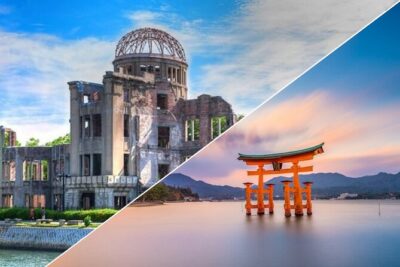
Hiroshima / Miyajima Full-day Private Tour with Government Licensed Guide
Read our review →Early Morning Tour with English-Speaking Guide
Read our review →
Tokyo Private Sightseeing Tour by Car- English speaking chauffeur
Read our review →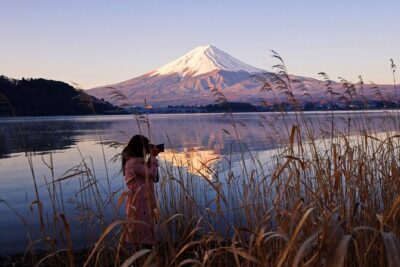
Mt Fuji Private Tour with English Speaking Driver
Read our review →Browse the lists this tour appears in