
Review · HISTORICAL TOURS
Kamakura Heritage Bike or Walk Tour with ex-Rickshaw guide
One morning in Kamakura feels like stepping back. This private bike or walking tour is built around the city’s key landmarks, guided by Ichi, a former rickshaw guide who knows the streets and stories. You also get a simple choice up front, bike or walk, with enough flexibility to shift your pacing during the 4-hour loop.
I love how much ground you cover without feeling rushed. You’ll spend time at the Kotoku-in Great Buddha and the bamboo grove of Hokoku-ji, plus you’ll add shrine stops that explain how Kamakura became a power center.
The main consideration is weather and fit. The tour depends on good conditions, and biking is not recommended for kids under 13 who cannot ride an adult-sized bike.
In This Review
- Key highlights you can plan around
- Why Kamakura works so well in a half-day
- Ichi’s former rickshaw guide style, and why it matters
- Kotoku-in to Hokoku-ji, Great Buddha and bamboo
- Tsurugaoka Hachimangu, Minamoto and Hojo, and Egara Tenjin
- Yuigahama Beach and Hase Temple’s coastline views
- Price and what you’re really paying for
- Bike vs walk: choose your style, then use it well
- Timing, weather, and a smoother day plan
- Should you book this Kamakura bike or walk tour with Ichi?
- FAQ
- How long is the Kamakura heritage bike or walk tour?
- Is this a private tour or a shared group?
- What sites are included in the route?
- Are entrance fees included?
- What should I budget for food during the tour?
- Where do I meet the guide?
- Does the tour end back at the meeting point?
- What’s the tour like for biking versus walking?
- Who is the tour not recommended for?
- What happens if the weather is bad?
Key highlights you can plan around
- A former rickshaw guide (Ichi) leads, with clear English and street-smart routing
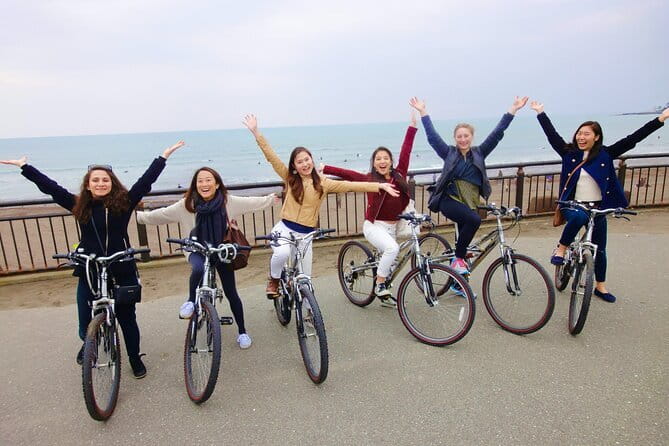
- Private, photo-focused pacing, with plenty of stops for pictures
- Great Buddha and Hokoku-ji entries included, so you avoid extra ticket math
- Bike or walk options, and you can tweak timing within the 4-hour window
- Seaside break at Yuigahama Beach, plus views around Hase Temple
- Good weather dependency, so bring rain gear and be ready to adjust
Why Kamakura works so well in a half-day
Kamakura is compact, but the history hits fast. In about four hours, this tour helps you see the famous sites and the quieter corners that connect them, without spending your entire day on train lines and transfers.
This is also a “you choose the effort” kind of tour. If you like gliding between stops, go bike. If you prefer slower walking and more time at each spot, switch to walking mode. The schedule is built with enough breathing room that your pace matters.
One practical advantage is that you return to the meeting point at the end. That means you’re not wondering how to get yourself back across town with tired legs and a camera full of photos.
A few more Kamakura days to weigh up
- Kamakura Historical Walking Tour with the Great Buddha
★ 5.0 · 129 reviews - Kamakura Walking Tour – The City of Shogun
★ 5.0 · 100 reviews - Kamakura: A Journey Through Medieval Japan (Walking Tour)
★ 4.9 · 26 reviews
Ichi’s former rickshaw guide style, and why it matters
The biggest difference here is the guide. Ichi isn’t just reading facts from a page. He’s been guiding people through these exact areas for years, and it shows in how he explains what you’re seeing as you move from one site to the next.
You’ll likely get two kinds of value at once. First, you’ll understand the big relationships between places, like how Kamakura’s political story connects to its shrines and temples. Second, you’ll get the small human details that make the sites feel less like checkboxes.
A repeated theme is that the route feels thoughtful, not random. People come away saying the sights were well connected, and that the explanations made the stops click. If you care about context, this tour is built for you.
And yes, the guide takes photos. That’s not a throwaway line. When someone else is working the camera while you stay present, you actually end up with more satisfying pictures instead of spending the day thinking about settings.
Kotoku-in to Hokoku-ji, Great Buddha and bamboo
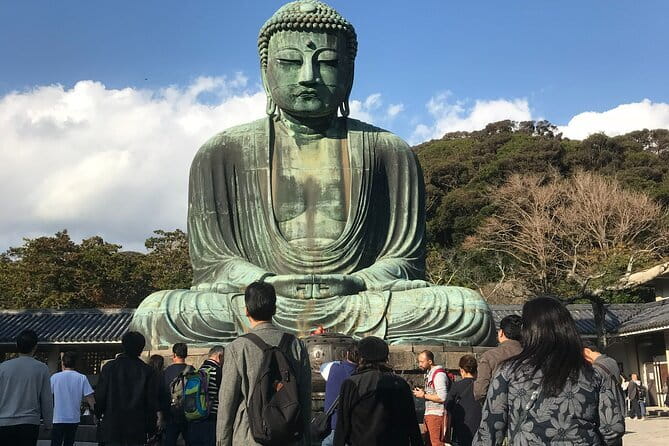
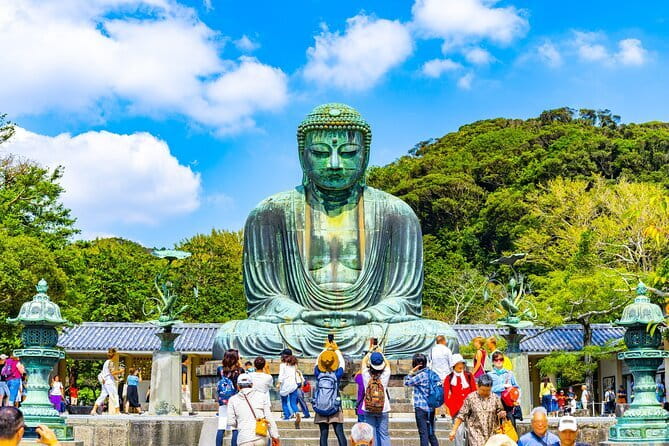
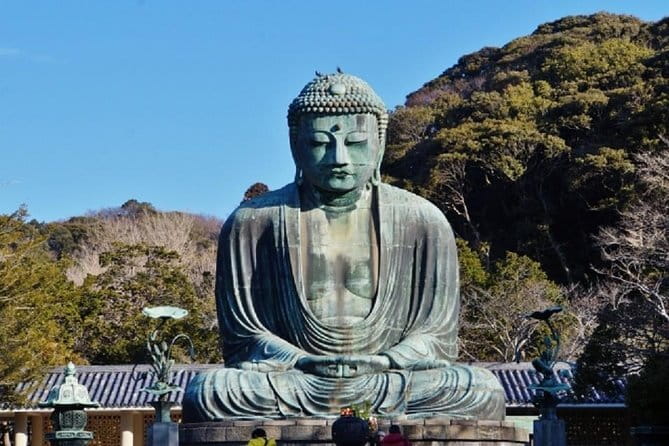
Stop 1 is Kotoku-in, home to the Great Buddha of Kamakura. The mood here is calm, and the timing is friendly: about 30 minutes. Because the admission is included, you can focus on the statue and the temple setting instead of managing tickets.
What you should know before you go: the Great Buddha is one of those places where scale changes your reaction. Up close, you notice form, age, and the way the site holds attention even in a busy day. You don’t need a long visit to get it, but you do want someone who can tell you what you’re looking at.
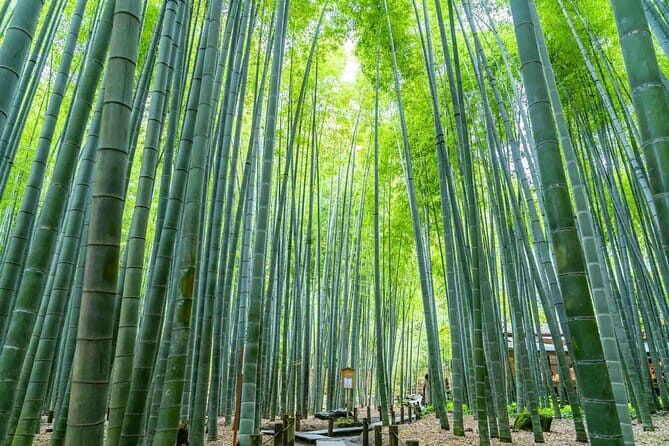
Stop 4 is Hokoku-ji, famous for its bamboo grove. This is the “slow down” moment in the loop, about 30 minutes, with admission included. The contrast is part of the magic: after busy-feeling landmarks, the bamboo gives you a quieter rhythm.
There’s also a chance to treat yourself. The optional green tea at the Hokoku-ji area is listed at 500 yen. Lunch is not included, so if you want a full meal, plan it separately, either before the tour or after.
If you’re wondering which stop you’ll remember most, for a lot of people it’s the shift into bamboo stillness. This tour gives you enough time to notice the details instead of rushing through photos and leaving.
Tsurugaoka Hachimangu, Minamoto and Hojo, and Egara Tenjin
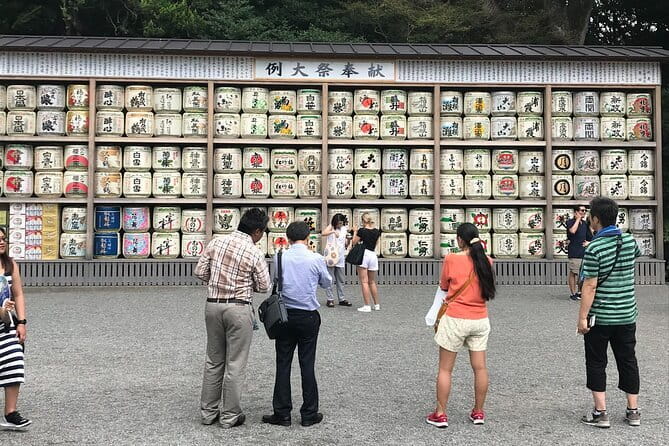
Stop 2 is Tsurugaoka Hachimangu Shrine, about 30 minutes, and entry is free. This is where Kamakura’s spiritual center becomes very visible. The grounds give you a strong sense of place, and it’s the kind of stop where a guide’s storytelling helps you connect the symbols to what they represent.
Stop 3 is much shorter, about 10 minutes: the grave of Minamoto no Sanetomo and Hojo Masako. This isn’t a long stroll stop, and you shouldn’t expect it to feel like a full museum visit. Instead, it works as a fast historical anchor, making the other sites feel less separate and more connected.
Then later you wrap with Egara Tenjin Shrine, about 10 minutes. It’s described as a serene shrine dedicated to Sugawara no Michizane, the deity of learning. Even with limited time, it’s a nice way to end the spiritual part of the day with a calmer tone.
One tip for shrine time: keep your expectations realistic. Ten minutes can feel short if you expect to read everything. The guide’s job is to point you to what matters, so you get the meaning without turning your trip into a homework assignment.
A different sort of day in Japan:
- Tokyo: Kamakura & Enoshima Day Trip including Temple Tickets
★ 4.5 · 1,375 reviews - From Tokyo: Kamakura & Enoshima 1-Day Bus Tour
★ 4.5 · 189 reviews - Kamakura Private Tour: Temples, Nature, and the Great Buddha
★ 5.0 · 121 reviews - Kamakura 4hr Private Trip with Government-Licensed Guide
★ 5.0 · 58 reviews
Yuigahama Beach and Hase Temple’s coastline views
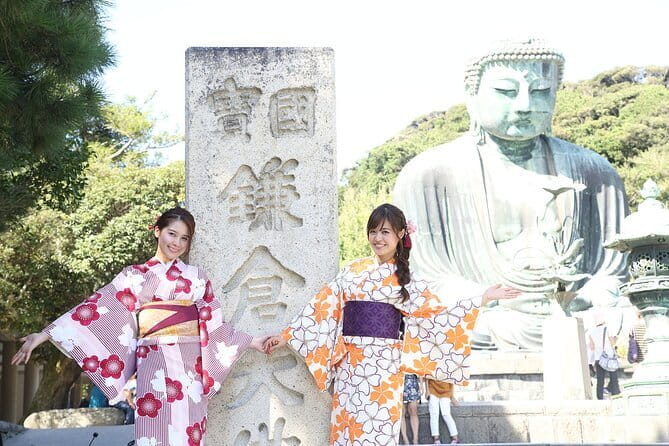
The tour includes a break at Yuigahama Beach, described as a relaxing seaside atmosphere. Your route here is flexible, you can ride or walk along the seaside road depending on your overall choice of bike or walking. There isn’t a strict time box listed, but it’s built into the flow as a reset.
In summer, the area gets busy. That’s not a dealbreaker. It just means your pacing matters more. If you want quieter moments, arrive with the idea that you may be weaving through crowds, and let your guide steer the timing.
After the beach, you head to Hasedera Temple for about 20 minutes. This stop is known for gardens and, importantly, views toward the coastline. You’ll also see mention of a 9.18-meter tall wooden statue of Kannon, the Goddess of Mercy. That statue detail matters because it signals that Hasedera is not just pretty scenery, it’s a real centerpiece.
Practical move here: wear shoes you can trust on temple paths. Even in good weather, temple grounds often involve uneven surfaces and stairs. If you’re on a bike, you’ll still want comfortable foot support for the walking parts.
Price and what you’re really paying for
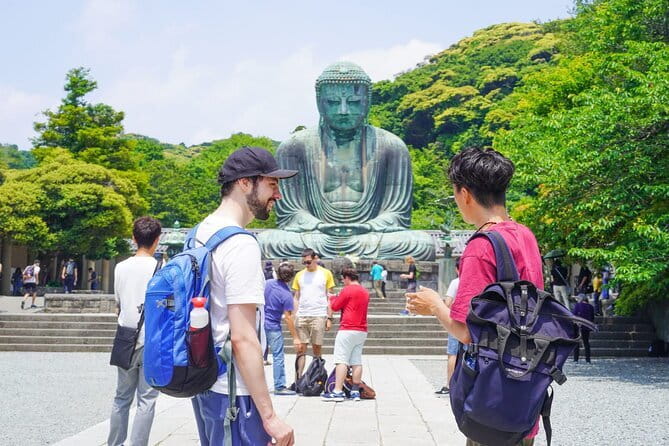
The price is $150.24 per person for about 4 hours. That’s not cheap, but it’s also not random pricing. You’re paying for a private guide, private routing, and the time savings of hitting multiple landmarks in one loop.
Two inclusion points improve value. The tour includes a professional guide, and it covers fees to enter the Buddha site and Hokoku-ji. For two of the most ticket-y moments on the route, you’re less likely to hit surprise costs.
Also, the private setup matters. You’re not waiting for a slow group or getting yanked along to match someone else’s pace. If you want more photos at the Great Buddha, you can ask. If you want Hokoku-ji to feel quieter, your guide can help you slow down within the time window.
One more detail that affects value: confirmation is received within 48 hours of booking, based on availability. This is a tour that gets booked ahead, with an average booking window of about 44 days. If you’re traveling during peak season, earlier booking is smart.
If you’re budget-minded, compare what you’d spend doing this on your own. Trains between sites add up, tickets add up, and you still need an efficient route so you don’t waste time. Paying for a guide here can be the difference between a scattered day and a well-connected circuit.
Bike vs walk: choose your style, then use it well
The tour offers either a leisurely bike ride or a walking tour. If you pick biking, it’s designed for covering more ground without making you feel like you’re doing a workout. The route timing suggests you’ll still spend meaningful time at each stop, not just rushing past everything from the seat.
If you walk, the tradeoff is slower movement between the same key sites. That can be a plus if you like lingering, reading, and adjusting your pace naturally. The tour is private, so you’re not stuck with a group pace.
One important constraint is age and bike fit. The tour notes that it’s not recommended for young travelers or children under 13 who cannot ride an adult-sized bike. If you’re traveling with kids, confirm bike suitability first.
My practical advice: decide based on comfort, not pride. You can always walk parts even in a bike day, but you can’t bike when your body or comfort says no. Go with what lets you stay present for the landmarks.
Timing, weather, and a smoother day plan
This experience requires good weather. If conditions are poor, you’ll be offered a different date or a full refund. Plan for that reality and pack accordingly.
If rain shows up, don’t panic. The guide approach is built around keeping the tour moving even when weather is less than ideal. Bring a light rain layer, and consider a small towel or wipe for camera gear.
For a smooth start, meet at Kamakura Station, 1-chōme, 1-15 Onarimachi, Kamakura, Kanagawa 248-0012. The tour notes it’s near public transportation, so you can arrive without complicated transfers. You’ll end back at the meeting point, which simplifies your final plans.
If you want a simple meal strategy, remember lunch isn’t included. The tour does mention optional green tea at Hokoku-ji, but it’s not a full food plan. Eat before or after, and let the tour stay focused on sights.
Should you book this Kamakura bike or walk tour with Ichi?
Book it if you want a focused way to see the classics plus a few connective story threads. Ichi’s role as a former rickshaw guide shows in how the route links places and explains them in a way that feels practical, not academic.
Skip it or choose another format if you’re traveling with very young kids who cannot ride an adult-sized bike, or if you’re the type who gets stressed by weather. Since the tour depends on conditions, you’ll want a little flexibility in your schedule.
If you’re pairing this with other Kamakura plans, treat it as your “spine day.” It hits Kotoku-in, Tsurugaoka Hachimangu, Hokoku-ji, Yuigahama Beach, Hase Temple, and Egara Tenjin in one efficient loop. That makes it an excellent way to get your bearings fast and then explore the rest at your own speed.
FAQ
How long is the Kamakura heritage bike or walk tour?
It runs about 4 hours.
Is this a private tour or a shared group?
It’s a private tour. Only your group participates.
What sites are included in the route?
You visit Kotoku-in (Great Buddha of Kamakura), Tsurugaoka Hachimangu Shrine, the Grave of Minamotono Sanetomo and Hojo Masako, Hokoku-ji, Yuigahama Beach, Hasedera Temple, and Egara Tenjin Shrine.
Are entrance fees included?
Fees to enter Kotoku-in and Hokoku-ji are included. Other listed stops like Tsurugaoka Hachimangu and the graves are listed as free.
What should I budget for food during the tour?
Lunch is not included. Green tea at Hokoku-ji is optional and listed at 500 yen.
Where do I meet the guide?
The meeting point is Kamakura Station, 1-chōme-1-15 Onarimachi, Kamakura, Kanagawa 248-0012, Japan.
Does the tour end back at the meeting point?
Yes, the activity ends back at the meeting point.
What’s the tour like for biking versus walking?
You can choose either a leisurely bike ride or a peaceful walking tour, and you can switch your schedule within the tour time frame to match your pace.
Who is the tour not recommended for?
It’s not recommended for young travelers or children under 13 who cannot ride an adult-sized bike.
What happens if the weather is bad?
The experience requires good weather. If it’s canceled due to poor weather, you’ll be offered a different date or a full refund.
More Cycling Tours in Kamakura
- Kamakura Scenic Bike Tour
★ 5.0 · 10 reviews - Hidden Kyoto E-Biking tour
★ 5.0 · 1,843 reviews - Tokyo Guided Small-Group Biking Tour
★ 5.0 · 1,250 reviews - Bike Tour Exploring North Kyoto plus Lunch
★ 5.0 · 1,087 reviews
Newly listed around Kamakura
- Introducing all the Famous Spots in Kamakura and Enoshima!★ 5.0 · 7 reviews
- First time in Kamakura? Enjoy a Tour of All Must-sees!★ 5.0 · 15 reviews
- Kamakura 4hr Private Trip with Government-Licensed Guide★ 5.0 · 58 reviews
- Your Own HANKO Name Seal Activity in Kamakura.★ 5.0 · 24 reviews
- Exciting Kamakura – One Day Tour from Tokyo★ 5.0 · 40 reviews
- Kamakura Walking Tour – The City of Shogun★ 5.0 · 100 reviews
- Kamakura Bamboo Forest and Great Buddha Private Tour★ 5.0 · 12 reviews
- Japanese Sweets Making in Kamakura★ 5.0 · 6 reviews
Historical Tours, compared.
World Heritage Shirakawa-go and Experience Tours from Kanazawa
Read our review →
World Heritage Kyoto & Nara Uji Authentic Matcha Experience
Read our review →
World Heritage Shirakawa-go Morning Guided Tour
Read our review →
Hiroshima Historical Walking Tour – Why A-Bomb was Dropped
Read our review →
Hiroshima Peace (Heiwa) Walking Tour at World Heritage Sites
Read our review →
Yanaka Walking Tour: Historic and Traditional District of Tokyo
Read our review →
Shinjuku Historical Walking Tour & Secret Backstreets
Read our review →Browse the lists this tour appears in