
Review · KAMAKURA TOURS
First time in Kamakura? Enjoy a Tour of All Must-sees!
Kamakura is a lot faster with a guide. This private, full-day circuit strings together the big-name temples and shrines, plus Komachi Street for food and shopping, without you guessing your way around. I especially like the undivided attention you get on a private tour, and the way your guide helps you time the day so you do not feel rushed between places. One heads-up, this is a walking-heavy 7.5-hour temple day, and you will want to plan for breaks.
What I like most is how each stop feels different, not just another photo stop. You start with a calm garden moment at Jomyo-ji, then switch gears to bamboo at Hokoku-ji, before moving into shrine history at Tsurugaoka Hachimangu. You also get practical advice on what to eat along Komachi Street, where you can find local snacks you may not be able to buy later.
The main drawback is simple: the price you pay is only part of the trip. Most entrance fees and meals are on you, and some sites do not take credit cards, so bring cash and keep expectations realistic for a full day of stairs and temple grounds.
In This Review
- Key things to know before you go
- First stops and best day structure from Kamakura Station
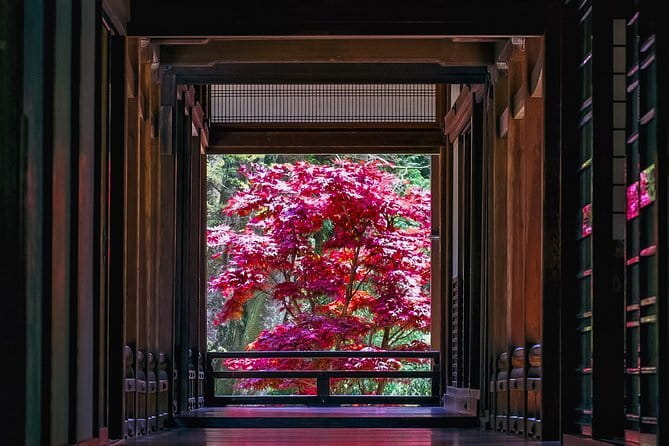
- Jomyo-ji Temple, matcha and a garden you can actually enjoy
- Hokoku-ji Bamboo Forest, quick photos with a great payoff
- Komachidori (Komachi Street), snacks and shopping that feel local
- Tsurugaoka Hachimangu Shrine, 1,000+ years of power-spot energy
- Meigetsuin (Hydrangea Temple), the round-window garden moment
- Kotoku-in Great Buddha, big enough to step inside
- Hasedera Flower Temple, seasons, stairs, and a slow walk
- Price and value, what you’re really paying for
- Logistics that can make or break your day
- How the guides shape the Kamakura experience
- Who should book this private Kamakura day tour
- Should you book this Kamakura temple circuit?
- FAQ
- How long is the Kamakura tour?
- Where is the meeting point?
- Does the tour end back at the meeting point?
- Is this tour private?
- What’s included in the price?
- What costs are not included?
- Do I need cash?
- What should I wear?
- Can the schedule change due to weather or closures?
- Is free cancellation available?
Key things to know before you go
- Private guide, your pace: only your group, so questions and detours feel easy instead of awkward
- Temples with distinct vibes: matcha garden calm, bamboo photos, hydrangea views, and a huge Buddha you can enter
- Komachi Street food guidance: your guide helps you choose local bites, not generic souvenirs
- Cash matters: some stops do not accept credit cards, so come prepared
- A long walk day: comfortable shoes are not optional for this route
- Weather and closures can shift stops: you may swap sites if conditions change
First stops and best day structure from Kamakura Station
This tour starts at Kamakura Station, right by Onarimachi (meeting point is Kamakura Station 1-chōme-1-15). The day is built like a guided walking loop, and that matters because Kamakura can feel spread out when you are on your own.
You begin at 9:00am and you end back at the meeting point. That start time is a big plus because you get to see temple and shrine areas earlier, when it is easier to move, pause, and take photos without weaving through crowds every few minutes.
A few more Kamakura days to weigh up
- Tokyo: Kamakura & Enoshima Day Trip including Temple Tickets
★ 4.5 · 1,375 reviews - From Tokyo: Kamakura & Enoshima 1-Day Bus Tour
★ 4.5 · 189 reviews - Kamakura Historical Walking Tour with the Great Buddha
★ 5.0 · 129 reviews
Jomyo-ji Temple, matcha and a garden you can actually enjoy
Your first temple stop is Jomyo-ji (about 40 minutes). This is a calmer way to begin the day, with a Japanese garden view and the chance to enjoy delicious matcha while you settle in.
I like this opening stop because it sets the tone. Instead of sprinting straight into the biggest landmarks, you get a quiet moment and a sense of how Kamakura temples often feel like small worlds, not just checkpoints.
A practical note: this is a garden experience first, so if you rush through, you will miss what makes Jomyo-ji special.
Hokoku-ji Bamboo Forest, quick photos with a great payoff
Next is Hokoku-ji (about 20 minutes). The headline here is the bamboo forest, one of Kamakura’s most famous photo spots when the lighting is right and visibility is good.
Since the time is shorter, you should treat this as a focused stop. If you want a few iconic shots, do that, then step back and look for the moments where the bamboo frames the view instead of just snapping the first angle.
If the weather is poor, bamboo can look dark and flat, so you will want your guide’s timing and route adjustments on that day.
Komachidori (Komachi Street), snacks and shopping that feel local
Then comes the lively stretch of Komachidori, also known as Komachi Street (about 1 hour, and admission is free). This main pedestrian area runs from Kamakura Station toward Tsurugaoka Hachimangu, packed with restaurants and souvenir shops.
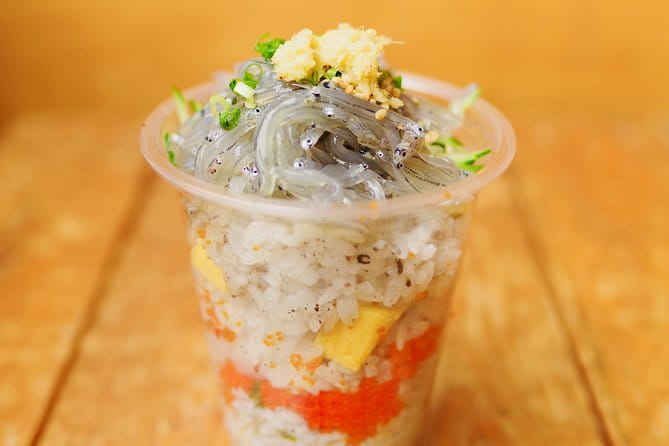
What I like here is that it is not just shopping. It is where Kamakura’s local food shows up in a concentrated way. Your guide gives top tips on where to eat, which saves you from doing trial-and-error while your legs are already warming up.
Plan to graze. The best strategy is to try small local bites instead of committing to one heavy meal in the middle of a temple day.
A different sort of day in Japan:
- Kamakura Private Tour: Temples, Nature, and the Great Buddha
★ 5.0 · 121 reviews - Kamakura Walking Tour – The City of Shogun
★ 5.0 · 100 reviews - Kamakura 4hr Private Trip with Government-Licensed Guide
★ 5.0 · 58 reviews - From Tokyo: Kamakura Full Day Tour with a Local Expert Guide
★ 4.6 · 43 reviews
Tsurugaoka Hachimangu Shrine, 1,000+ years of power-spot energy
You head to Tsurugaoka Hachimangu Shrine (about 45 minutes). This shrine has a history of over 1,000 years, and it is tied to Genji, who ruled during the Kamakura era.
If you care about how Japan’s shrines connect to real historical figures, this is a strong stop. It helps you see Kamakura as more than a scenic day trip, it is a place with a long storyline.
This is also one of those spots where a guide’s pacing really matters. You want time to take in the layout and details, not just walk past the main structures.
Meigetsuin (Hydrangea Temple), the round-window garden moment

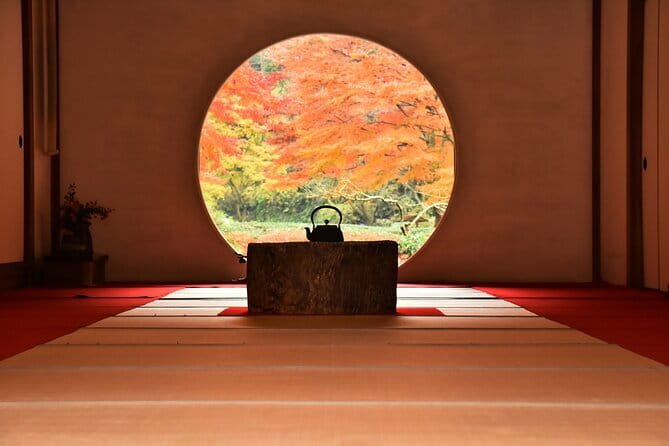
After the big shrine, you visit Meigetsuin, often called the Hydrangea Temple (about 30 minutes, and not included admission). The standout feature is one room with a large round window that frames the garden outside.
This is a great example of why a guided day works. Without guidance, you might see a room and move on. With help, you learn how to slow down and line up the view so you actually get that quiet, balanced feeling the temple is known for.
Season matters, too. Even if you are not there for peak hydrangeas, the garden view and the sense of silence still make the stop worthwhile.
Kotoku-in Great Buddha, big enough to step inside
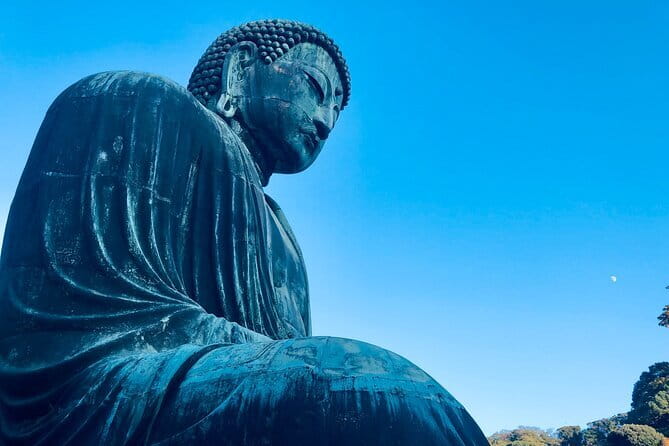
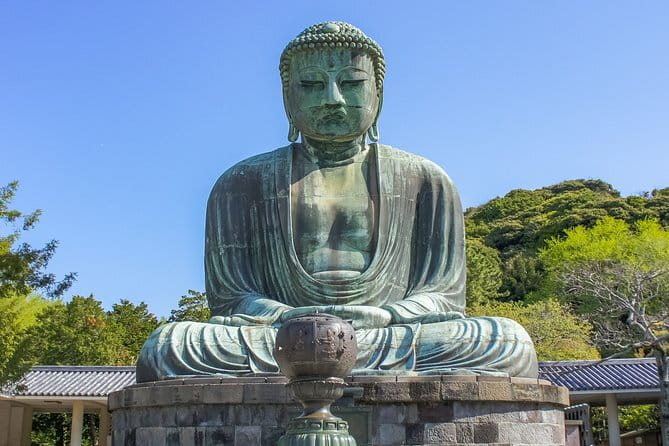
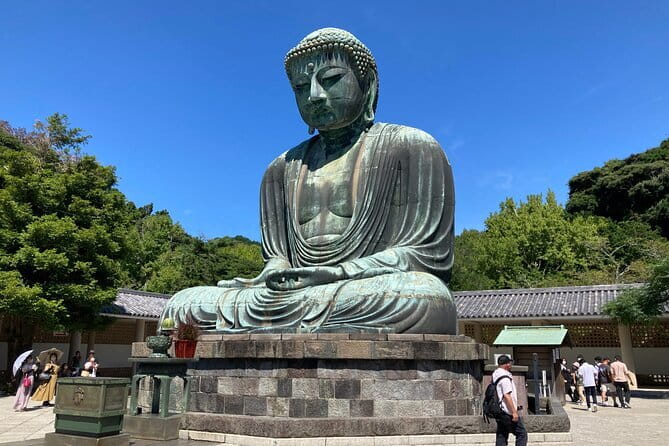
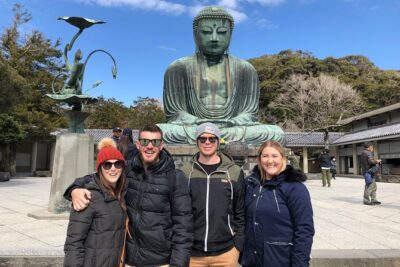
Then you reach Kotoku-in, home to the Kamakura Daibutsu (about 35 minutes, not included admission). The famous Buddha statue is more than 11 meters tall, and one of the best details is that you can even go inside.
I love stops like this because they change your scale. You stop thinking in smartphone size and start thinking in real-world size and craftsmanship.
If you are sensitive to heat, plan your timing. Interior areas can feel cooler than the open yard, but it depends on the day and conditions.
Hasedera Flower Temple, seasons, stairs, and a slow walk
Your final major temple stop is Hasedera (about 45 minutes, not included admission). It is nicknamed the Flower Temple because you can enjoy plants in all four seasons, and the grounds are large.
This stop is also about walking. There are many spots to see, and you will climb along the grounds and approach points that take time and energy. If you go into it with a ready mindset, it feels like a nature-and-temple stroll, not a checklist.
Bring water if you can. You do not want to hit the Hasedera stretch with empty energy.
Price and value, what you’re really paying for
The tour costs $143.71 per person for an approximately 7 hours 30 minutes day. That price includes a tour guide, the private tour format, and necessary expenses for the guide, but it does not include most site costs and food.
On top of that, you should budget an estimated 5,300 JPY per person for things like:
- Transportation: about 900 JPY
- Admission fees: about 2,650 JPY
- Meals: about 1,000 JPY
- Optional experience costs: about 660 JPY
To me, the value here is in saving you time and effort. Kamakura’s top sights are famous for a reason, but lining them up well takes research, and doing it well requires local context. Here, you pay for the guide’s flow and practical judgment, not for a bus ride packed with strangers.
Also consider the private format. You are not sharing the day with a random crowd, and that tends to make the history and photo stops feel more personal.
Logistics that can make or break your day
This tour uses a mobile ticket, and it is near public transportation. That sounds convenient because you are meeting at Kamakura Station anyway, so you can plan your route into town like a normal day.
Two practical reminders stand out:
- Cash is important. Some stops do not accept credit cards, so bring enough yen for admissions and meals.
- Comfortable clothing matters. You will be walking a lot, and several stops involve stairs and large grounds.
If weather is bad, routes and destinations may change. That is not a bad sign, it is reality in Japan’s coast-side cities. Your guide’s job is to keep the day moving while protecting your experience.
How the guides shape the Kamakura experience
One thing that shows up again and again with this provider is the guide’s role as a real person, not just a voice on a microphone. Guides like Akira, Yoshi, and Rumi are highlighted for strong local knowledge and for handling special situations with care.
I like that this tour is set up for real questions. When you can ask about why a shrine matters, or what to look for at a temple, you end up seeing more than just structures.
Also, guides are positioned to help with timing. If you arrive late to the meeting point, you might miss parts of the experience because the day depends on moving through several locations efficiently.
Who should book this private Kamakura day tour
This tour fits best if you are:
- A first-timer who wants the main Kamakura sights without guesswork
- Someone who likes temple and shrine history, not just quick photos
- A food-minded traveler who wants help choosing local bites on Komachi Street
- Traveling as a group that wants private pacing instead of a large group shuffle
If you are the type who hates walking, you may still enjoy parts of the day, but you should go in with a plan to slow down and take rest breaks. If you are traveling with mobility limits, you might find the grounds and stairs challenging since the tour is designed around temple walking.
Should you book this Kamakura temple circuit?
If you want a first-time Kamakura day that feels organized and meaningful, I think this is a strong pick. The mix of Tsurugaoka Hachimangu, the Kamakura Daibutsu, and Hasedera gives you major highlights in one loop, and the private guide adds real value by helping you connect the dots and pick good food.
Book it if you are ready for a long walking day and you can handle carrying cash for entrance fees. Skip it if you prefer a slower, single-area day where you mostly wander on your own, because this route is built for covering a lot of ground efficiently.
FAQ
How long is the Kamakura tour?
It runs for about 7 hours 30 minutes.
Where is the meeting point?
Meet at Kamakura Station, 1-chōme-1-15 Onarimachi, Kamakura, Kanagawa 248-0012, Japan.
Does the tour end back at the meeting point?
Yes, the activity ends back at the meeting point.
Is this tour private?
Yes. It is a private tour, and only your group participates.
What’s included in the price?
The tour guide, the private tour setup, and necessary expenses for the guide are included.
What costs are not included?
You should budget for estimated transport, admission fees, and meal costs, plus optional experience costs. The estimate given is 5,300 JPY per person total.
Do I need cash?
Yes. Some of the spots do not accept credit cards, so bring cash for admissions and food.
What should I wear?
Wear comfortable clothing because you will be walking a lot.
Can the schedule change due to weather or closures?
Yes. If weather is bad or a spot is temporarily closed, transportation, destinations, and routes may be changed.
Is free cancellation available?
Yes, you can cancel for a full refund up to 24 hours before the experience start time.
Newly listed around Kamakura
- Introducing all the Famous Spots in Kamakura and Enoshima!★ 5.0 · 7 reviews
- Kamakura Heritage Bike or Walk Tour with ex-Rickshaw guide★ 5.0 · 11 reviews
- Kamakura 4hr Private Trip with Government-Licensed Guide★ 5.0 · 58 reviews
- Your Own HANKO Name Seal Activity in Kamakura.★ 5.0 · 24 reviews
- Exciting Kamakura – One Day Tour from Tokyo★ 5.0 · 40 reviews
- Kamakura Walking Tour – The City of Shogun★ 5.0 · 100 reviews
- Kamakura Scenic Bike Tour★ 5.0 · 10 reviews
- Kamakura Bamboo Forest and Great Buddha Private Tour★ 5.0 · 12 reviews
Kamakura Tours, compared.
Kamakura & Enoshima Day Trip including Temple Tickets
Read our review →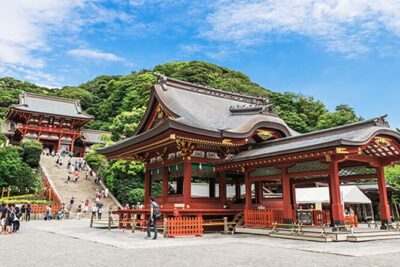
Kamakura Historical Walking Tour with the Great Buddha
Read our review →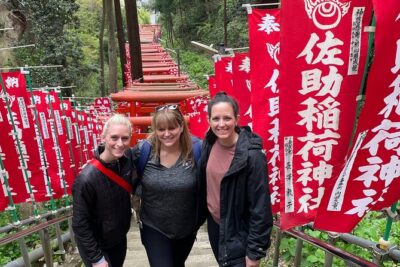
Kamakura Private Tour: Temples, Nature, and the Great Buddha
Read our review →
Kamakura 4hr Private Trip with Government-Licensed Guide
Read our review →
Kamakura Full Day Tour with a Local Expert Guide
Read our review →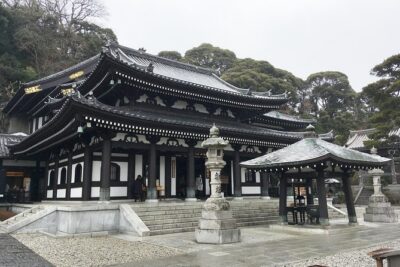
Browse the lists this tour appears in