
Review · KAMAKURA TOURS
From Tokyo: Kamakura Full Day Tour with a Local Expert Guide
Kamakura feels ancient, fast. I love the Great Buddha stop for the stories that make it more than a photo, and I love how the local guide turns a busy day into something understandable. The main catch is that food, transport, and paid temple or park entries are not included, so your total cost can creep up.
This tour is built for a smooth day of walking between major sights. You meet your guide in Tokyo or directly in Kamakura (so you can save time if you want), and the private format makes it easier to set a pace that fits your group, with guides like Florent (Flo) and Mike showing up as real examples of how personal and friendly the experience can feel.
You will also get the Kamakura vibe, not just landmarks. Expect a mix of shrine atmosphere, Zen temple calm, gardens, and scenic photo moments along the way. One practical consideration: the day is still a walking tour, and some temple approaches involve stairs, so plan with your knees and energy in mind.
In This Review
- Key things that make this Kamakura day tour work
- Why Kamakura works as a day trip from Tokyo
- Meeting your local expert guide in English and Japanese
- From Tokyo to Kamakura, photo stops and built-in flow
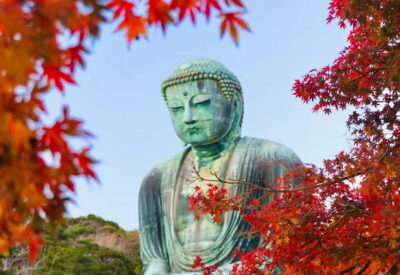
- Great Buddha: the story makes the size feel human
- Tsurugaoka Hachimangu Shrine and the feel of ceremony
- Zen temples and gardens when you want your pace to slow
- Shopping time that does not derail your day
- Price and what you really pay for at $116 per person
- Transportation, admissions, and meals: budget like a local, not a tourist
- Pacing, walking comfort, and who this tour fits best
- Guides really shape the experience
- Should you book the Kamakura full day tour from Tokyo?
- FAQ
- How long is the Kamakura full day tour from Tokyo?
- Where do we get picked up?
- Is this a private group tour?
- What languages are offered for the guide?
- What is included in the price?
- What is not included?
- Is the tour wheelchair accessible?
- Can I cancel and get a full refund?
- Who is the tour not suitable for?
Key things that make this Kamakura day tour work
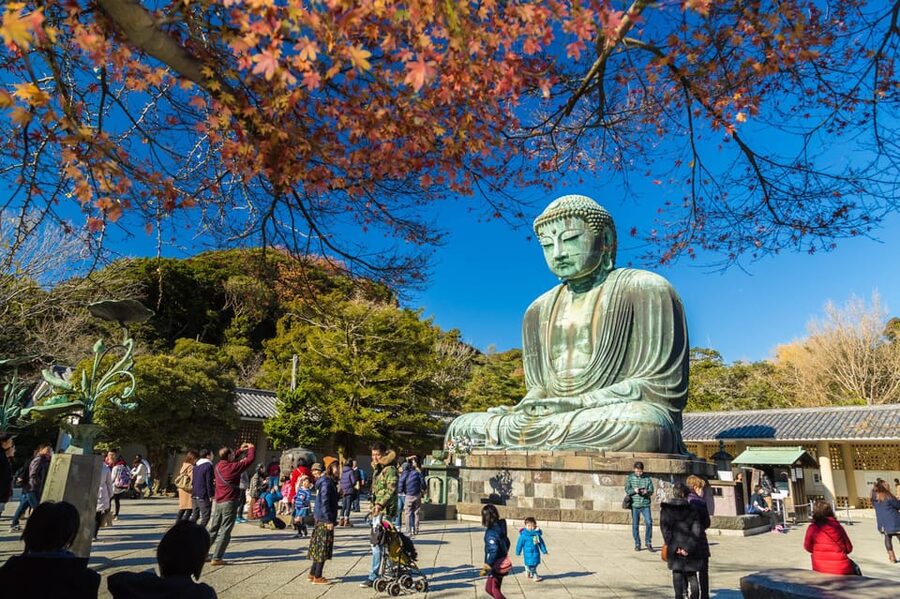
- Great Buddha with the why behind it, so you look longer than you meant to
- Tsurugaoka Hachimangu Shrine as the cultural anchor for your day
- Zen temples and garden scenery that slow the pace for a reset
- Route flexibility, with guides who can adjust how much shrine time you want
- Local food guidance that helps you avoid decision fatigue (and may lead to matcha treats)
- Short hops between highlights, which matters when you only have 8 hours
Why Kamakura works as a day trip from Tokyo
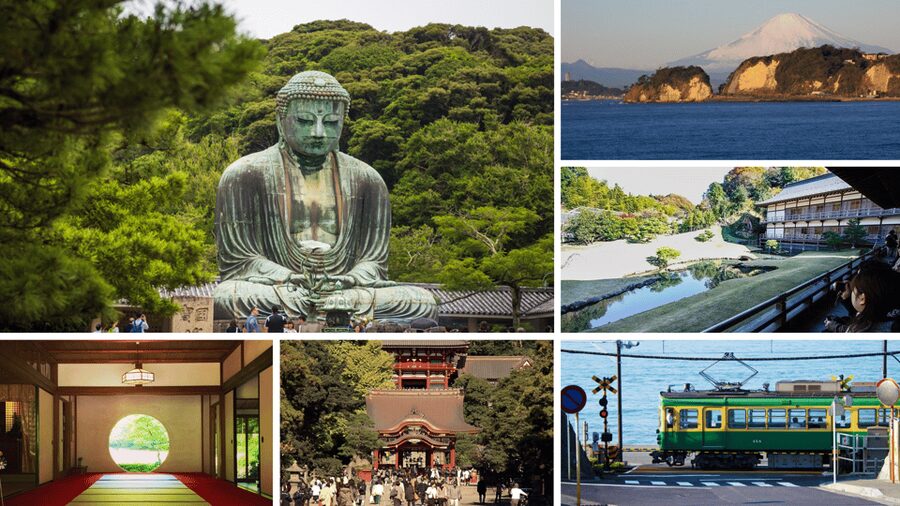
Kamakura is one of those places where the past feels close. It is not staged or museum-like, it is temple streets, shrine approaches, and seaside air, all packed into a day you can handle without a hotel move.
The best part for me is the way it rewards good guidance. A guide does not just point, they help you connect the dots, like why the Great Buddha is so central, and how the shrine and Zen spaces fit together as part of everyday Japan, not just tourist checklists.
You also get variety in one outing. In one day, you can go from a huge bronze statue to a shrine setting that feels ceremonial, then into calmer Zen temple grounds with garden views that give your legs a break without shrinking the experience.
A few more Kamakura days to weigh up
- Tokyo: Kamakura & Enoshima Day Trip including Temple Tickets
★ 4.5 · 1,375 reviews - From Tokyo: Kamakura & Enoshima 1-Day Bus Tour
★ 4.5 · 189 reviews - Kamakura Historical Walking Tour with the Great Buddha
★ 5.0 · 129 reviews
Meeting your local expert guide in English and Japanese
The tour is led by a live guide, and the experience is offered in English and Japanese. That matters more than it sounds, because the best moments in Kamakura are often the quiet ones, like a story tied to a statue, a tradition, or a layout you would miss on your own.
I like that you are not stuck waiting around for a meet-up mystery. You can meet your guide at your hotel in Tokyo, or you can meet in Kamakura to maximize your time on the ground. If you are planning around train schedules or want to spend more daylight exploring, that flexibility is genuinely useful.
The private group format is also a value point. If your group has different walking comfort, interests, or questions, a guide can shape the day around you. In real examples, guides such as Florent (often called Flo), Mike, John, Matias, and Brian have been described as friendly and passionate, and they tend to make time for questions instead of rushing to the next stop.
From Tokyo to Kamakura, photo stops and built-in flow
Your day starts with pickup in Tokyo, and then you head toward Kamakura. Along the way, you can expect photo stops and scenic views, plus guided sightseeing and walks that help you ease into the town instead of arriving and sprinting.
This is where a local guide earns their keep. The route between stops can feel straightforward on a map, but in real life you are dealing with crowds, sidewalks, and the right angles for photos. A guide helps you get oriented fast and reduces the backtracking that wastes time on a tight schedule.
And because the tour includes shopping time, you are not forced into an all or nothing day. You can browse for small souvenirs, local snacks, or thoughtful gifts without it turning into a distracting detour.
Great Buddha: the story makes the size feel human

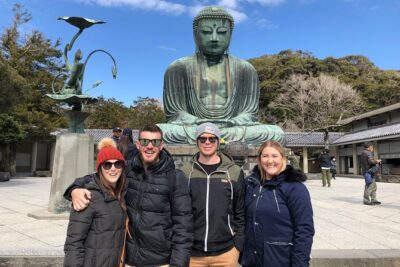
The Great Buddha stop is the big headline for a reason. Yes, it is visually impressive, but the payoff is when someone explains the context so you understand what you are looking at, not just how tall it is.
What I like about this stop is how guides can frame it in a way that makes sense even if you do not know any Japanese terms. For example, one guide, Mike, is noted for sharing the story behind a Buddha with multiple heads, including an eleven-headed detail that turns a look-and-move stop into a moment you remember later.
There is also a practical benefit here. When a guide sets expectations for what you will see, you spend less time asking where to go and more time actually looking. That is especially helpful in temple areas where pathways can branch and signs can be easy to miss when you are tired.
A different sort of day in Japan:
- Kamakura Private Tour: Temples, Nature, and the Great Buddha
★ 5.0 · 121 reviews - Kamakura Walking Tour – The City of Shogun
★ 5.0 · 100 reviews - Kamakura 4hr Private Trip with Government-Licensed Guide
★ 5.0 · 58 reviews - Kamakura Rickshaw Tour
★ 5.0 · 53 reviews
Tsurugaoka Hachimangu Shrine and the feel of ceremony
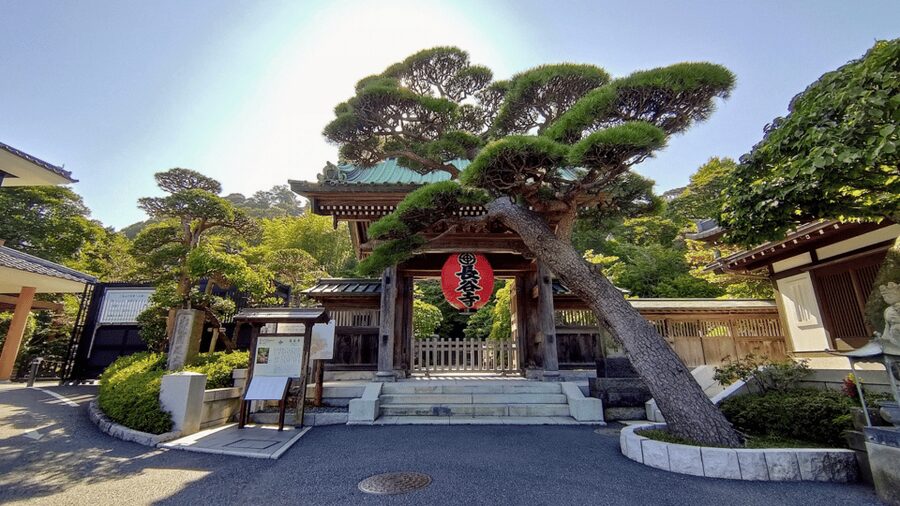
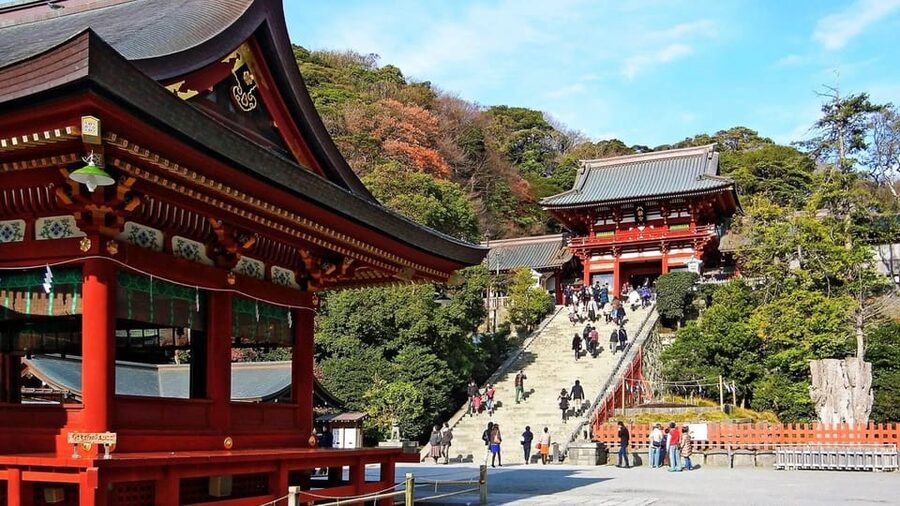
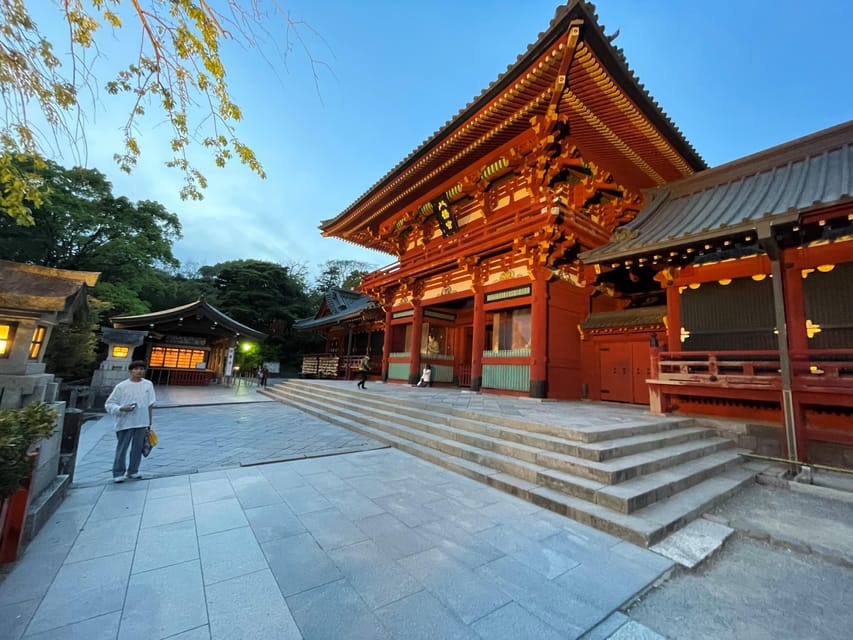
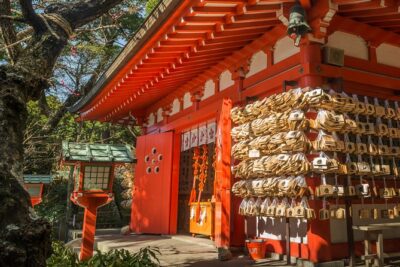
Tsurugaoka Hachimangu Shrine is a central stop, and it is more than a pretty building. You get a sense of Japan’s shrine culture, plus the rhythm of a place that has visitors, worshippers, and daily life all sharing the same pathways.
A good guide also helps you understand what makes this shrine important in the larger Kamakura story. You are not just collecting sights, you are learning how the town’s landmarks relate to each other.
One helpful detail for your expectations: the guide can adjust your preferences. On at least one day, a guide worked around guests who did not want too many shrine visits, keeping the day comfortable rather than stuffing in every possible stop.
Zen temples and gardens when you want your pace to slow
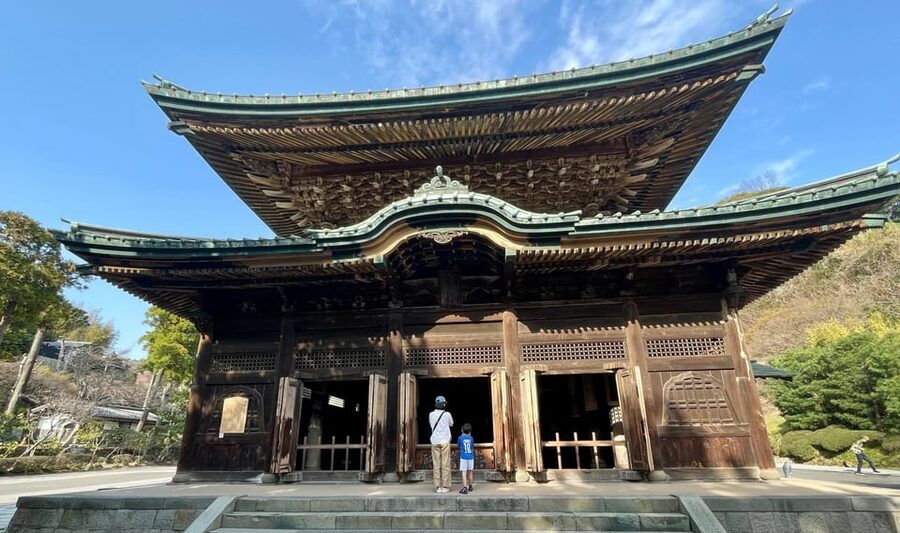
After the shrine, the day turns calmer. You will visit Zen temples and experience the atmosphere of temples surrounded by gardens. For me, this is the emotional middle of the tour, the point where the pace shifts from sightseeing mode to quiet observation.
Even if you are not a serious meditation person, Zen spaces can change how you walk through a place. Gardens add natural pauses. The guide’s narration can also turn small visual details into something meaningful, like why certain spaces are designed the way they are.
Be prepared for stairs or uneven surfaces. Some areas around Kamakura and nearby sights can involve steps, and one person noted that an Enoshima approach with stairs could be tough. You are on a walking day, so pack for it, take breaks as needed, and let your guide know early if you want fewer stairs.
Shopping time that does not derail your day
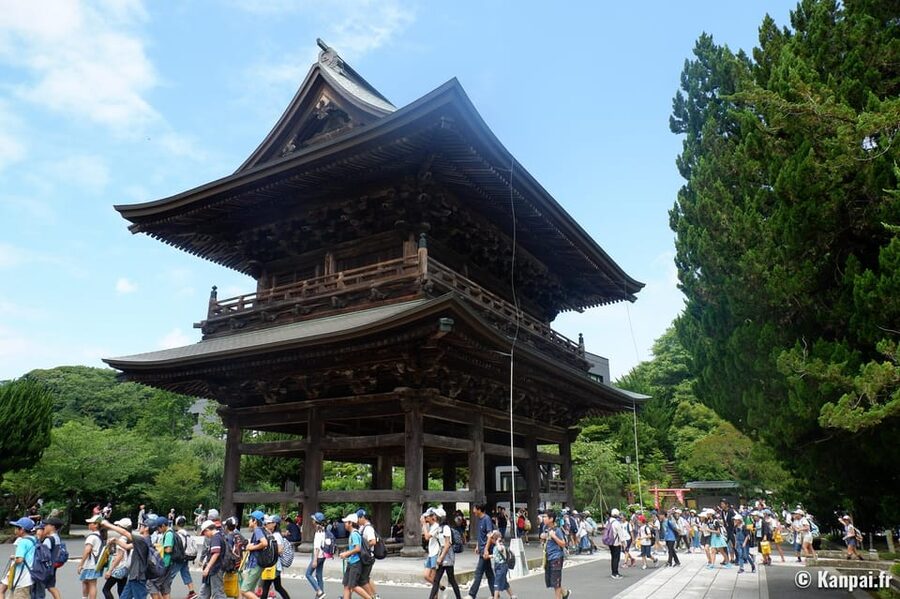
You get some time for shopping, and I like that it is part of the planned flow. Instead of one long free-for-all, you can browse with a guide nearby to help you find things that make sense, like small local items rather than random trinkets.
If your group loves snacks, your guide may also point you toward a traditional lunch option. One guide, Mike, is described as choosing a traditional restaurant, and matcha ice cream shows up as part of the food memory from one day. Food is not included on the tour, but thoughtful guidance can still save you from expensive, convenient choices.
Keep your expectations simple: this is not a dedicated market tour. It is a sightseeing day with a shopping window, so spend it on items that will actually bring you joy later.
Price and what you really pay for at $116 per person
At $116 per person for 8 hours, the price feels reasonable for what is included. You get a guide plus a walking tour built around major sights, and you also get the flexibility of a private group.
But here is the part you should plan for: food and drink are not included, transportation costs are not included, and parks and temples admission are not included. That means your total day budget depends on how you handle meals and what paid entries show up for the specific route on your date.
Think of the $116 as paying for guidance and time efficiency, not as a full day everything-included package. If you budget a sensible amount for trains, a mid-day meal, and a couple of admissions, the value picture becomes clearer fast.
Transportation, admissions, and meals: budget like a local, not a tourist
Transportation costs are not included, so you should expect to pay for your movement between Tokyo and Kamakura and any local transit during the day. Pickup is included in the sense that the tour starts from Tokyo, but the transit fares themselves are still on you.
Parks and temples admission are not included either. Some sights in Japan are free to wander, and others have a paid entry fee. You will not want surprises, so it is smart to carry cash or a card and assume at least a small set of paid stops.
Meals are also on you. That can sound annoying until you realize it gives you control. If you prefer familiar food, you can choose it. If you want to taste what the area offers, you can, and a guide can help with decisions so you do not end up eating the most expensive option just because it is nearest.
Pacing, walking comfort, and who this tour fits best
This is an 8-hour walking-based day. Even with a private group format, temple areas are rarely flat and smooth like office sidewalks. You will be walking, stopping, and taking in details, so bring comfortable shoes.
The tour is wheelchair accessible, which is a strong plus. That said, wheelchair accessibility does not automatically mean no stairs anywhere. If mobility is a concern, message the operator ahead of time and ask how the route handles steps or rough ground, then decide based on your comfort level.
Age note: the activity is not suitable for people over 95 years. That is likely tied to stamina and walking demands, so be honest with yourself about energy and mobility.
If you are traveling solo or as a couple and you want a guide to do the navigation and interpretation, this is a good match. If your group enjoys structured sightseeing with breathing room for questions and pacing, the private format helps a lot.
Guides really shape the experience
In a tour like this, the guide is the product. The most praised part of this experience is the quality and warmth of the local guides, with many days featuring guides described as friendly, understanding, and passionate.
Names that come up include Florent (often mentioned with strong enthusiasm), Mike (credited with excellent knowledge and thoughtful lunch choices), John (praised for being relaxed and pleasant), Matias (noted for answering questions), and Brian (with a personal connection story). Even when the route is similar, that guide personality changes how you experience the day.
What I value is adaptation. A guide can shift the number of shrine visits you do, adjust the plan based on what feels too much, and still keep the day coherent. That makes a big difference if your group has different interests or different energy levels.
Should you book the Kamakura full day tour from Tokyo?
Book it if you want a guided day focused on the key Kamakura icons: Great Buddha, Tsurugaoka Hachimangu Shrine, and Zen temples with garden scenery, all in a single 8-hour window. The private format and bilingual guide support make it easier to ask questions and move at a pace that works for your group.
Do not book it if you are expecting a fully priced package with meals, transport fares, and all admissions covered. Those are not included, so you need to budget for them. Also, if your mobility is limited, confirm the route details for wheelchair use and be clear about stair levels.
If you like practical sightseeing with real context, this tour is a strong choice. Kamakura is one of those places where a good guide turns a day of photos into a day of understanding, and you will feel that when you walk out remembering stories, not just locations.
FAQ
How long is the Kamakura full day tour from Tokyo?
It runs for 8 hours.
Where do we get picked up?
Pickup is in Tokyo, and you can also meet the guide in Kamakura if you prefer to start there.
Is this a private group tour?
Yes, it is listed as a private group.
What languages are offered for the guide?
The live tour guide is available in English and Japanese.
What is included in the price?
The guide and a walking tour are included.
What is not included?
Food and drink, transportation costs, and parks and temples admission are not included.
Is the tour wheelchair accessible?
Yes, the tour is listed as wheelchair accessible.
Can I cancel and get a full refund?
Free cancellation is available up to 24 hours in advance for a full refund.
Who is the tour not suitable for?
It is not suitable for people over 95 years.
Newly listed around Kamakura
- When Emperors Reigned and Shoguns Ruled★ 5.0 · 43 reviews
- Kamakura Rickshaw Tour★ 5.0 · 53 reviews
- Introducing all the Famous Spots in Kamakura and Enoshima!★ 5.0 · 7 reviews
- First time in Kamakura? Enjoy a Tour of All Must-sees!★ 5.0 · 15 reviews
- Kamakura 4hr Private Trip with Government-Licensed Guide★ 5.0 · 58 reviews
- Your Own HANKO Name Seal Activity in Kamakura.★ 5.0 · 24 reviews
- Kamakura Heritage Bike or Walk Tour with ex-Rickshaw guide★ 5.0 · 11 reviews
- Exciting Kamakura – One Day Tour from Tokyo★ 5.0 · 40 reviews
Kamakura Tours, compared.
Kamakura & Enoshima Day Trip including Temple Tickets
Read our review →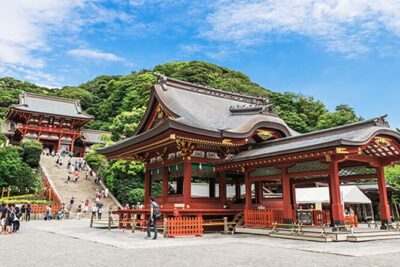
Kamakura Historical Walking Tour with the Great Buddha
Read our review →
Kamakura Private Tour: Temples, Nature, and the Great Buddha
Read our review →
Kamakura 4hr Private Trip with Government-Licensed Guide
Read our review →
Browse the lists this tour appears in