Review · KYOTO TOURS
Highlights & Hidden Gems With Locals: Best of Kyoto Private Tour
Kyoto feels personal in just three hours. I like the private setup, where you choose a start time and you move at your own pace with a local guide. I also like the mix of major sights and smaller, crowd-resistant stops, including Kiyomizu-dera with tickets handled. One caution: guide style and language can vary, and a couple of past experiences mentioned guides who were not fully fluent in Japanese.
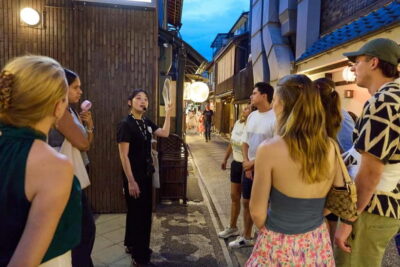
This is the kind of Kyoto walk that makes sense if you want fewer checkboxes and more context. You get a local perspective plus time to wander narrow streets without racing between landmarks. There’s also one local drink/tasting included, so you’re not just looking at Kyoto, you’re lightly tasting it too.
Guides named in strong feedback include David, Guia, Ted, Shohei, and Tiro. Many people loved the storytelling and the way the walk flowed through Gion, temple areas, and river views in a way that felt tailored.
In This Review
- Key things I found most useful about this Kyoto private tour
- Why this 3-hour Kyoto private tour feels like a smart plan
- Starting near Nakanocho: an easy jump into Kyoto’s old-street feel
- Kyoto Municipal Zoo area: what you get by starting off the main drag
- Yasaka Shrine area with Hokanji temple: Asuka period context in minutes
- Kongoji Temple and the folk faith of giving up one desire
- Kiyomizu-dera: why the ticket included part matters
- Coffee at Yasaka Shrine area, then Gion the real way
- Kamogawa River: the Kyoto classic you can actually enjoy without rushing
- Nishiki Market: 400 years of shopping for food and small souvenirs
- Included items, tickets, and the pacing trade-off
- Price and value: is $167.92 per person worth it?
- Who should book this Kyoto private tour, and who might want a different style
- Should you book this Kyoto private tour?
- FAQ
- How long is the Kyoto private tour?
- Is this tour private?
- Where do we meet, and where does the tour end?
- What is included in the price?
- Are there any temple tickets you still need to buy?
- Do I get hotel pick-up or drop-off?
- Can I choose the start time?
- Will I have time to shop at Nishiki Market?
- Is transportation required to get between stops?
- Is there a cancellation option if my plans change?
- Is the tour carbon offset?
Key things I found most useful about this Kyoto private tour
- Pick your start time for a route that fits your day, not the other way around
- Private, just your party so you can ask questions and adjust the pace
- Kiyomizu-dera tickets included so you spend less time sorting admissions
- Temple stops with specific cultural hooks, like the wish-surrender idea at Kongoji
- Gion and Kamogawa River on one route for geisha district atmosphere plus classic Kyoto river views
- Nishiki Market included for snack-and-souvenir browsing at a long-running food address
Why this 3-hour Kyoto private tour feels like a smart plan
Kyoto is huge in real life. Big-name spots are famous for a reason, but the lines and crowd flow can turn a day into a blur. This tour keeps it tight and walkable, about 3 hours, so you can actually absorb what you see.
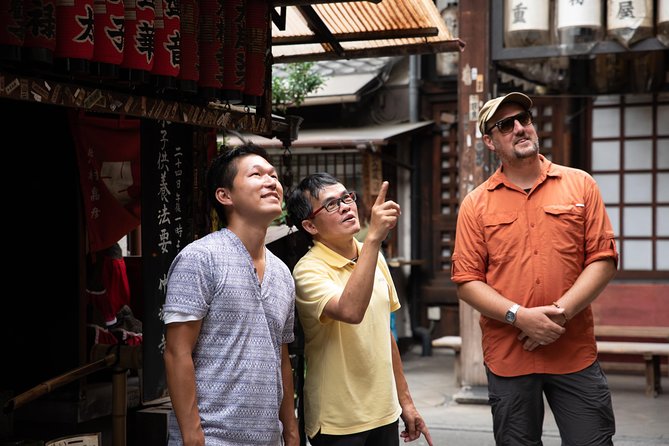
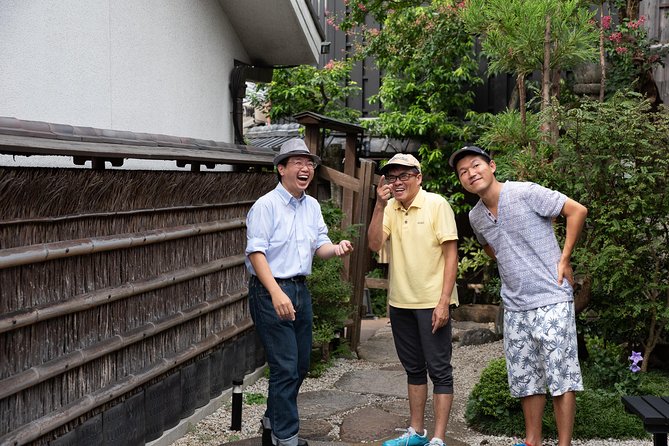
The private format is the real lever here. You do not have to accept a rigid group rhythm, and you can ask your guide to slow down when something grabs you, or speed up if you’d rather keep moving. That flexibility matters most around temple areas and Gion, where the best moments often come from small side streets and pauses.
The value question is fair too. At $167.92 per person, it is not a budget tour. But you are paying for a focused route, a local guide, and included items such as the Kiyomizu-dera admission and a local drink/tasting. If you want a guided plan that reduces guesswork and saves time, this can pencil out well.
A few more Kyoto days to weigh up
- PERFECT KYOTO 1-Day Bus Tour
★ 5.0 · 13,518 reviews - Kyoto: Fushimi Inari, Kinkakuji, Bamboo Grove 1 Day Bus Tour
★ 4.8 · 4,316 reviews - Kyoto: Tea Ceremony in a Traditional Tea House in Kiyomizu
★ 4.9 · 3,519 reviews
Starting near Nakanocho: an easy jump into Kyoto’s old-street feel
The meet point is 198 Nakanochō, Higashiyama Ward. The location is described as being near public transportation, which is helpful because you do not get hotel pickup or drop-off. You’ll want to be ready to walk from your transit stop.
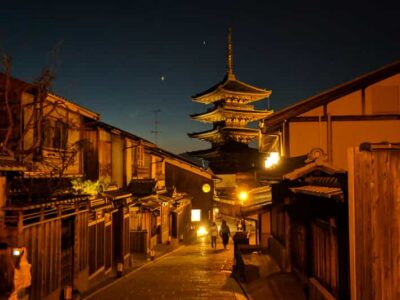
From here, the route opens with a pass-by of the Kyoto Municipal Zoo area. The attraction is not the zoo itself. The point is the neighborhood feel: narrow lanes, traditional pottery stores, and tea houses in a wood-built historic quarter. This is a classic Kyoto way to start, where the streets teach you the mood before the landmarks hit.
A practical note: this first stretch is a good time to set your expectations for walking. Kyoto’s best scenes are often on uneven sidewalks and small lanes. Comfortable shoes matter more than fancy outfits.
Kyoto Municipal Zoo area: what you get by starting off the main drag
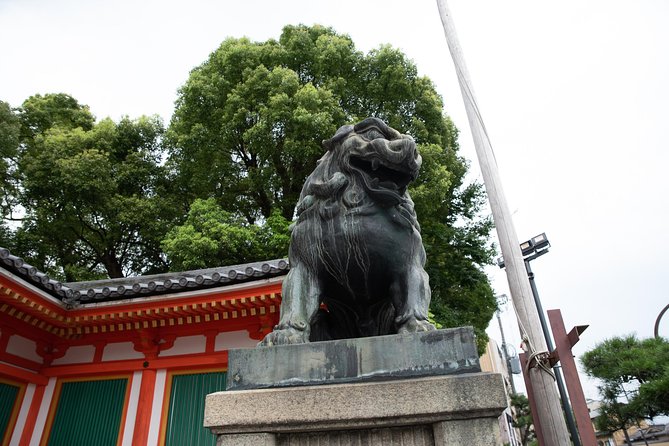
That zoo pass-by is a clever warm-up because it frames Kyoto in “neighborhood mode.” You’re not yet dealing with the crush of the most famous temple approaches, but you are already inside the kind of Kyoto street fabric people come to see.
If your time in Kyoto is limited, this early “street look” helps you calibrate. You’ll know what to look for later, like how wooden storefronts, pottery shops, and the rhythm of narrow lanes shape the whole Higashiyama experience.
The possible drawback is simple: if you expected major sightseeing at this stop, it’s more of a contextual introduction than a full attraction. Still, for a short tour, it works.
Yasaka Shrine area with Hokanji temple: Asuka period context in minutes
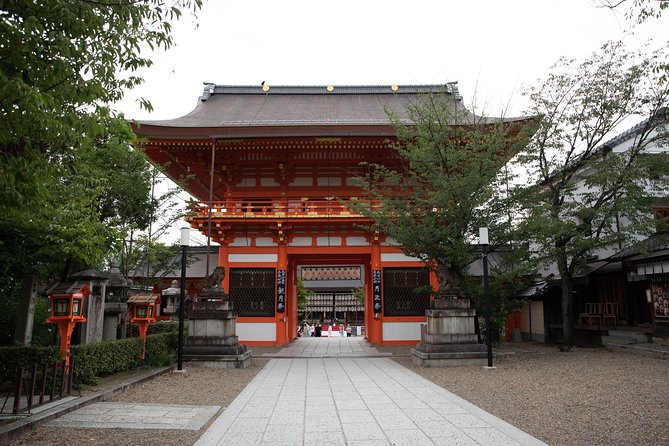
Next up is the Yasaka Shrine area, with the tour including Hokanji temple, described as being built in the Asuka period (538 to 710). That date range is not just trivia. It signals how old the religious landscape here is, and it helps you understand why Yasaka Shrine and its surrounding temple culture are treated as more than “pretty scenery.”
You’ll spend about 20 minutes in this stop. For many people, 20 minutes is enough time to see key features, listen to what your guide explains, and then keep moving without getting stuck.
Here’s what to watch for: in shrine and temple zones, details are distributed. Some of the most meaningful bits are not on the main path. A good guide helps you notice what to pay attention to, like building features, how the area feels, and what stories are tied to the places you’re seeing.
A different sort of day in Japan:
- Kyoto Geisha Walking Tour: Gion District & Hidden Gems
★ 4.7 · 3,273 reviews - Kyoto: Tea Ceremony Ju-An at Jotokuji Temple
★ 4.9 · 3,207 reviews - Kyoto: 45-Minute Tea Ceremony Lesson Experience
★ 4.3 · 2,378 reviews - Kyoto: Gion Geisha District Walking Tour – Stories of Geisha
★ 4.7 · 2,187 reviews
Kongoji Temple and the folk faith of giving up one desire
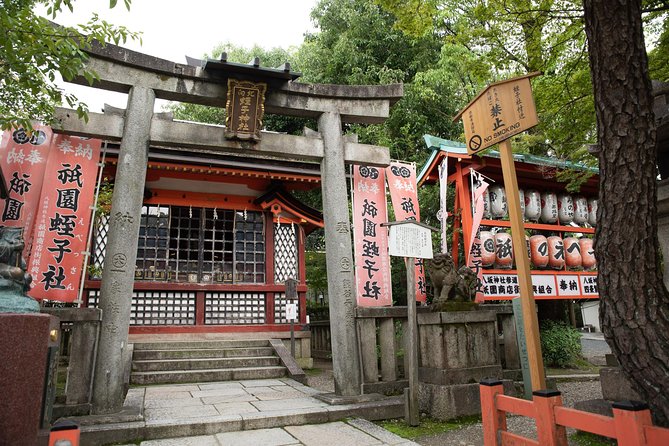
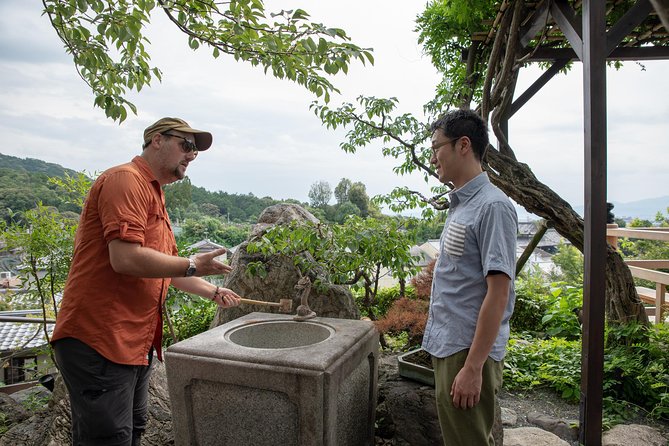
At Kongoji Temple, the tour focuses on a folk belief about wishes and sacrifice. The idea is that if you want a wish granted, you must sacrifice one desire. That is a strong example of why guided context matters in Kyoto.
A lot of Kyoto walking becomes a photo parade if you only look at architecture. But when someone explains the belief behind a place, the same scene starts to mean something. Even if you are not religious, the human logic of the practice can feel surprisingly grounded.
This stop is about 20 minutes, so it is efficient. You’ll likely get enough time for the message, a short look around, and then the next move.
Possible consideration: if you’re hoping for long temple meditation time, this tour is not that. It is a highlights-and-stories sprint. You’ll get interpretation, not a slow, reflective session.
Kiyomizu-dera: why the ticket included part matters
You then reach Kiyomizu-dera Temple, a landmark with foundations described as being over 1200 years old. This is your bigger anchor stop, scheduled for about 30 minutes.
The big value piece: tickets for Kiyomizu Temple are included. That means less time dealing with admissions on-site, and more time actually enjoying the place. For a short tour, that kind of time saved is not minor.
What you’ll likely feel at Kiyomizu-dera is elevation and drama. The temple sits on the slopes of Mt. Otowa in the Higashiyama range, which makes the surroundings part of the experience, not an afterthought.
One practical tip: because it is a temple area, expect some stairs and uneven ground. If you’re coming in hot from Nishiki Market or a long transit day, take a slower approach at your own pace. With a private guide, you can.
Coffee at Yasaka Shrine area, then Gion the real way
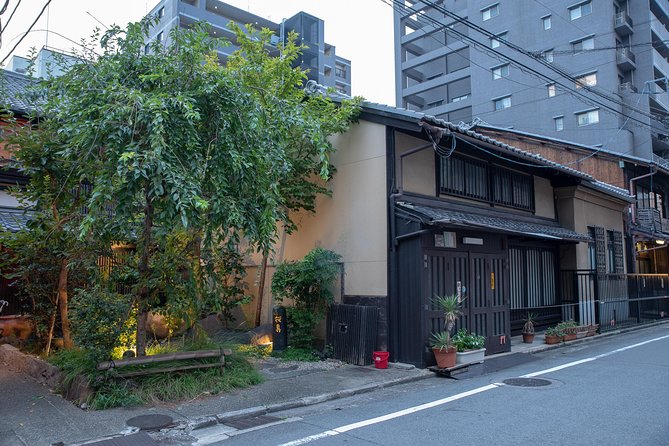
After Kiyomizu-dera, the route returns to the Yasaka Shrine area again, including a coffee stop. The tour description frames Yasaka Shrine as being founded over 1350 years ago, so the coffee break also doubles as a chance to reset and absorb a timeline.
Then comes Gion, Kyoto’s most famous geisha district. You’ll have about 20 minutes here. That short duration is intentional. In Gion, the best moments can be quick: a quiet side street, a glimpse of atmosphere, the way the neighborhood changes as you turn a corner.
You might also notice why this tour is positioned as a crowd-avoider. Strong feedback highlighted that guides took people through less visited parts of Gion rather than sticking only to the most obvious photo lanes. That difference can be huge, especially if your day overlaps with school groups or peak afternoon crowds.
If your hope is to see geisha up close: plan for reality. This area is famous, and sightings are never guaranteed. What you can count on is the neighborhood vibe and the architecture and street feel that made Gion iconic.
Kamogawa River: the Kyoto classic you can actually enjoy without rushing
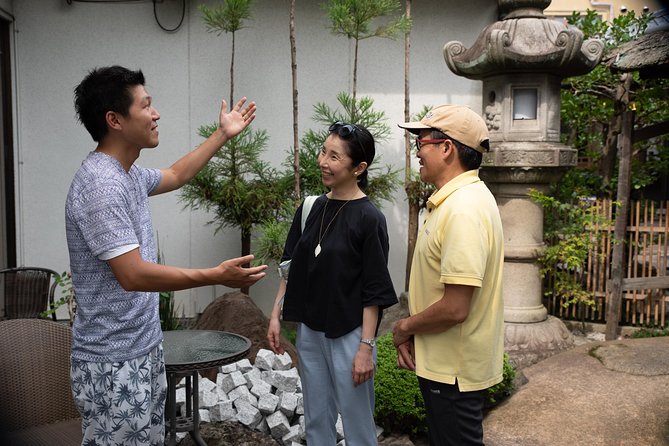
Next is the Kamogawa River, described as probably the most famous and popular river in Kyoto. You get about 20 minutes here.
This stop is valuable because it changes the pace. Temples and shrines keep drawing you upward and inward. A river view brings your body back to a horizontal rhythm, and it’s where you can breathe, take photos, and watch daily Kyoto life move.
Also, it is a good “linking” stop. The river sits between other major zones, so it helps the whole afternoon feel connected instead of chopped into unrelated tourist areas.
Practical consideration: it can be cooler in the shade near the water. If you’re visiting in shoulder season, bring a layer you can put on and off.
Nishiki Market: 400 years of shopping for food and small souvenirs
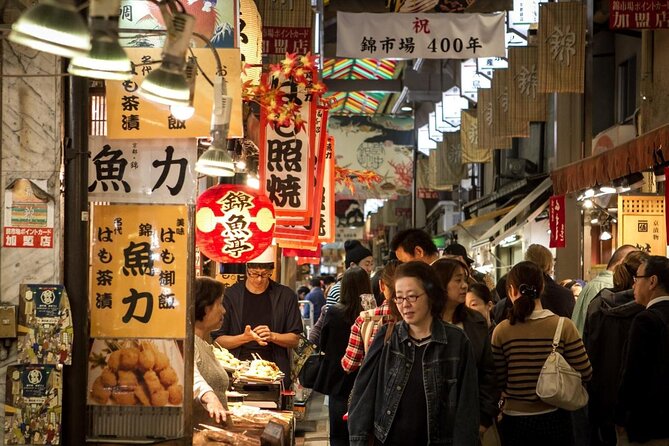
The tour ends with Nishiki Market Shopping District, a market described as 400 years old. You’ll have about 20 minutes for browsing.
This stop works best with a simple mindset: snack, sip, and browse lightly. Nishiki is built for edible curiosity. You can sample local goodies and shop for souvenirs without committing to a full meal.
If you have picky eaters in your group, private tours are handy. Your guide can steer you toward options that match your comfort level, and you can decide what to buy on the spot.
One downside to keep in mind: with only 20 minutes, you won’t cover everything. But that’s often fine. Consider this your “Kyoto flavors starter,” and then return on your own if something calls you back.
Included items, tickets, and the pacing trade-off
Here’s what is clearly included:
- Private tour with a local guide
- 1 local drink/tasting
- Tickets for Kiyomizu Temple included
And here’s what is not included:
- Hotel pick-up and drop-off
- Food and beverages beyond the listed drink/tasting
The rest of the stops are listed with free admission in the tour details, which helps keep the cost of doing the route manageable.
The pacing is the bigger trade-off: with a 3-hour plan, every stop has a short window. You get a structured walk with context, but you are not expected to linger for long. If you like slow museum-style time, you may feel slightly rushed. If you prefer a short, guided hit of Kyoto, it’s a good fit.
Price and value: is $167.92 per person worth it?
At $167.92 per person, this is a mid-priced private tour. You’re paying for:
- private guide time (not shared with strangers)
- route efficiency across multiple major zones in a short window
- included Kiyomizu tickets
- an included local drink/tasting
If you are comparing to doing Kyoto solo, the price can feel steep at first. But consider the friction you avoid. Kyoto has confusing walk times and crowd patterns. A good guide helps you choose the right turns and understand what you’re seeing, and that can be hard to recreate from a map alone.
The other value piece is flexibility. The option to select a start time means you can better match your energy levels and avoid getting trapped in a bad time slot. That matters more than people think.
Two “watch-outs” from the feedback patterns: most praise goes to guide storytelling and useful wandering through quieter parts of Gion, but a small number of comments criticized narration quality and the guide language fit. Since private tours hinge on the person leading it, I’d treat guide match as part of your decision.
Who should book this Kyoto private tour, and who might want a different style
This tour is a strong match if you:
- want a short guided plan that still explains what you’re looking at
- prefer less crowded walking through Gion and temple neighborhoods
- like getting a curated sense of Kyoto without the stress of map routing
- travel as a family or small group and want pace control
It may not be your best pick if you:
- want long temple time or deep inside-the-building visits (this is short)
- want a specific language experience, especially fully Japanese-led narration (it can vary by guide)
- expect a heavy food focus beyond the single included drink/tasting (Nishiki is more snack-and-browse)
Should you book this Kyoto private tour?
I’d book it if you want a reliable, time-smart way to hit Yasaka Shrine area, Kongoji, Kiyomizu-dera, Gion, Kamogawa River, and Nishiki Market in one smooth afternoon, with Kiyomizu tickets handled and a local guide to connect the dots. The high recommendation rate and the repeated praise for guides like David, Guia, Ted, Shohei, and Tiro are a good signal that the guiding style often lands well.
I would think twice if your top priority is a specific language-led, slow, fully immersive temple experience. A couple of past comments suggest guide fit can be uneven. If that matters to you, ask what language the guide will use and whether the tour will match your expectations for storytelling depth.
FAQ
How long is the Kyoto private tour?
It runs for about 3 hours.
Is this tour private?
Yes. It is described as private, with only your party and your local guide.
Where do we meet, and where does the tour end?
The meeting point is 198 Nakanochō, Higashiyama Ward, Kyoto, 605-0075, Japan. The tour ends back at the meeting point.
What is included in the price?
The included items are a private tour, a local guide, 1 local drink/tasting, and tickets for Kiyomizu Temple.
Are there any temple tickets you still need to buy?
Kiyomizu-dera Temple tickets are included. Other stops listed include free admission.
Do I get hotel pick-up or drop-off?
No. Hotel pick-up and drop-off are not included.
Can I choose the start time?
Yes. You can choose a start time that suits you.
Will I have time to shop at Nishiki Market?
You get about 20 minutes at Nishiki Market Shopping District for browsing, sampling local goodies, and shopping for souvenirs.
Is transportation required to get between stops?
The meeting point is near public transportation, and the tour is structured around walking between stops. The details say near public transportation, but hotel pickup is not included.
Is there a cancellation option if my plans change?
Yes. Free cancellation is offered, with full refund if you cancel at least 24 hours before the experience starts.
Is the tour carbon offset?
Yes. The tour is listed as CO2 neutral, with carbon emissions offset.
Newly listed around Kyoto
- Kyoto Samurai Discovery Samurai Sword Test Cutting Training★ 5.0 · 132 reviews
- Kyoto Sake Brewery Tour with Lunch★ 4.5 · 12 reviews
- Kyoto Sagano Insider: Rickshaw and Walking Tour★ 5.0 · 15 reviews
- Private Food & Sake Tour in Central Kyoto with Sake Sommelier★ 5.0 · 24 reviews
- Ramen Gyoza Onigiri Japanese Cooking Class in Kyoto★ 5.0 · 44 reviews
- Kyoto Rickshaw Tour★ 5.0 · 210 reviews
- Kyoto Ramen Tour★ 5.0 · 22 reviews
- Kyoto Portrait Tour with Kimono★ 5.0 · 48 reviews
Kyoto Tours, compared.
Fushimi Inari, Kinkakuji, Bamboo Grove 1 Day Bus Tour
Read our review →
Tea Ceremony in a Traditional Tea House in Kiyomizu
Read our review →
Kyoto Geisha Walking Tour: Gion District & Hidden Gems
Read our review →
Gion Geisha District Walking Tour – Stories of Geisha
Read our review →