
Review · HISTORICAL TOURS
Hiroshima: History and Hidden Gems Tour
Atomic history hits hard in Hiroshima. This 3-hour walk strings together the Peace Memorial Park sites and a skip-the-line museum start, with Awais keeping the story clear and humane as you move.
I love the tight pacing, starting with the museum and then flowing across monuments, bridges, and landmark remnants so it feels connected, not random. I also love that Awais adapts in real time, including rain-friendly shelter moments, while still keeping you on track for the key stops.
One thing to consider, it is a lot of walking through very meaningful places. Plan for comfortable shoes and a little extra time, since the experience can run slightly longer than the stated 3 hours depending on conditions and your pace.
In This Review
- Key things I’d prioritize on this Hiroshima tour
- Value for $57: what you get in 3 hours
- Starting at the Hiroshima Peace Memorial Museum
- Peace Memorial Park monuments: from national memorials to personal memorials
- Aoi Bridge and the Atomic Bomb Dome: the famous parts, made readable
- Hiroshima Castle inside: history without queue fatigue
- Shukukeien Garden: a 16th-century reset after the heavy stops
- Who this tour suits best, and who should adjust expectations
- Practical tips so your walk feels easier
- Should you book this Hiroshima history and quieter-sights walking tour?
- FAQ
- Where does the tour start?
- How long is the tour?
- Is the guide available in English?
- Which major sites are included?
- Does the tour skip ticket lines?
- Where does the tour end?
- Is the tour wheelchair accessible?
- What should I bring for the walk?
- Can I cancel for a refund?
- Can I reserve now and pay later?
Key things I’d prioritize on this Hiroshima tour
- English-speaking guide Awais who explains the WWII and atomic-bomb impact in a patient, straightforward way
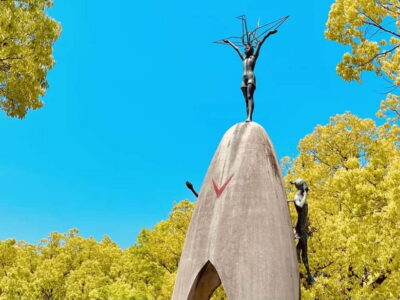
- Peace Memorial Park sequencing that connects the museum to monuments like the Hiroshima National Peace Memorial and the Children’s Peace Monument
- Smart time use, including skipping ticket lines and routing that helps you avoid queues
- Major landmarks in one loop, from Aoi Bridge to the Atomic Bomb Dome area
- A contrast stop after the heavy sites, Hiroshima Castle and then Shukukeien Garden’s calm 16th-century atmosphere
- Weather and comfort awareness, with safety briefings and practical adjustments when it rains
Value for $57: what you get in 3 hours
For $57 per person, this is built for people who want more than a quick photo circuit. You get an English-speaking guide, a focused walk across Hiroshima’s best-known and most emotionally important sites, plus access that includes skipping the ticket line.
The big value is not just that you visit places. It is that you visit them in an order that makes sense, so the story stays coherent from the Peace Memorial Museum into Peace Memorial Park, then on to surviving landmarks like the Atomic Bomb Dome. That matters in Hiroshima, where the meaning of each site changes depending on what you learned just before it.
This tour also feels respectful of your time. There is no souvenir-shop detour, so you spend your limited hours on what brought you here: the sights, the context, and the architecture.
More History Tours in Hiroshima
- Hiroshima Historical Walking Tour – Why A-Bomb was Dropped
★ 4.8 · 893 reviews - Hiroshima Peace (Heiwa) Walking Tour at World Heritage Sites
★ 5.0 · 872 reviews - Miyajima Half-day Trip Historical Walking Tour
★ 5.0 · 284 reviews
Starting at the Hiroshima Peace Memorial Museum
You kick off at the Hiroshima Peace Memorial Museum. It is both a photo stop and a guided visit, then you transition into Peace Memorial Park right after, keeping your understanding fresh instead of fragmented.
The museum sets the tone. Expect personal accounts, memorial context, and the kind of WWII history that hits differently when it is explained in a steady, compassionate way. With Awais as your guide, the experience stays structured, and you are not left to translate everything on your own while trying to absorb an overwhelming subject.
If you are trying to decide whether you should go with a guide for the museum, this is where it pays off. A self-guided visit can be powerful, but it can also be disorienting because the museum covers a lot of ground quickly. Here, the pacing is designed to help you connect what you see to what you will see next.
Practical tip: this area can be crowded and hot or rainy depending on the season. Wear shoes you trust, and bring a hat if the sun shows up. The tour includes guidance and movement between indoor and outdoor spaces, so you want to stay comfortable.
Peace Memorial Park monuments: from national memorials to personal memorials
After the museum, you move into Peace Memorial Park, which is more than a park. It is a symbol of global peace and the devastation caused by atomic bombs, and the guide helps you read the spaces instead of just walking through them.
You will pass major markers including the Hiroshima National Peace Memorial, then continue to the Children’s Peace Monument. That shift matters. The park moves from large-scale national remembrance to the intensely human scale of what children experienced and how that memory is preserved.
One reason this walk feels meaningful is that you are not only seeing monuments. You are learning how the memorials relate to one another geographically and emotionally. You also get a safety briefing and time for scenic viewpoints along the way, so the walk is not only intense, it is also organized.
A key stop here is the Atomic Bomb Memorial Burial Mound. The route passes it, and it also appears again later. That repeat visit is useful because it gives you a second chance to take in the setting from a different angle and to re-center your understanding before heading toward the most famous remaining landmark.
Also on the route, you visit the Korean Atomic Bomb Victims Cenotaph. Including this memorial is important because Hiroshima history reaches beyond a single national story. Even if you know the basics going in, the guide can help you see why this cenotaph belongs in the same remembrance landscape as the other major monuments.
Aoi Bridge and the Atomic Bomb Dome: the famous parts, made readable
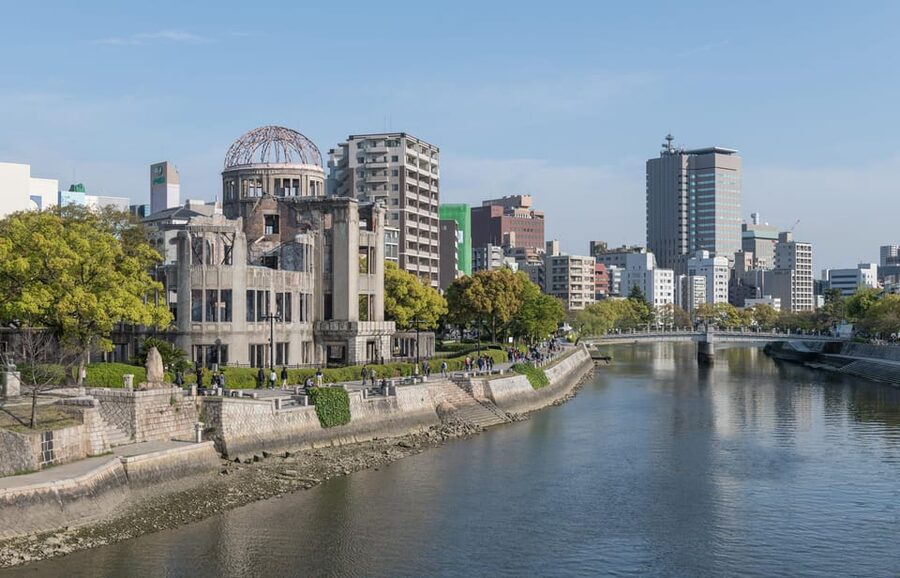
Next comes the route’s most famous section: the area around Aoi Bridge and then the Atomic Bomb Dome. These are the images you have probably seen in photos, but standing in the space is a different experience, and the guide helps you interpret the layout and why these structures endured.
Aoi Bridge is a natural pause point. As you walk, you get context for what you are seeing and how the memorial area is arranged around it. It is one of those places where it is easy to think only in pictures, but the guide brings it back to real-world geography and human impact.
Then you reach the Atomic Bomb Dome, likely the single most recognizable survivor from the blast area. The guided approach helps you avoid the common trap of treating it like a landmark with a story on the side. Instead, it becomes the center of a connected route that started back at the museum.
In some guides’ hands, this can feel like a lecture. Here, the guide’s style comes through in how he keeps the narrative moving while still making space for questions. You are not rushed from stop to stop, which is important because the subject matter does not feel light.
A few more Hiroshima days to weigh up
- Hiroshima: History of Hiroshima Group Walking Tour
★ 4.8 · 266 reviews - Hiroshima: Peace Walking Tour of World Heritage Sites
★ 4.9 · 190 reviews - Hiroshima: Miyajima Private Cultural Tour by Ferry
★ 4.9 · 72 reviews - Hiroshima History Tour : A-Bomb Dome, Peace Memorial & City
★ 5.0 · 43 reviews
Hiroshima Castle inside: history without queue fatigue
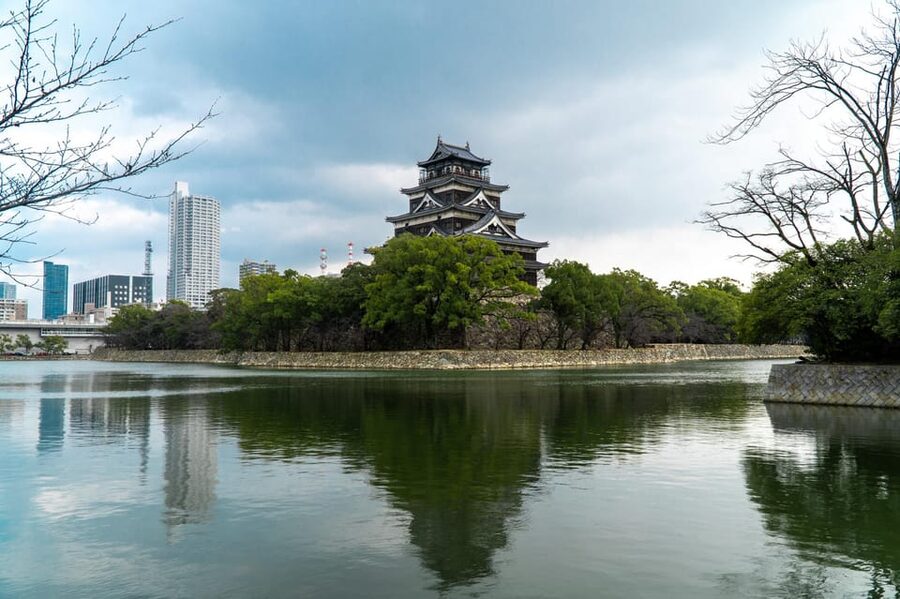
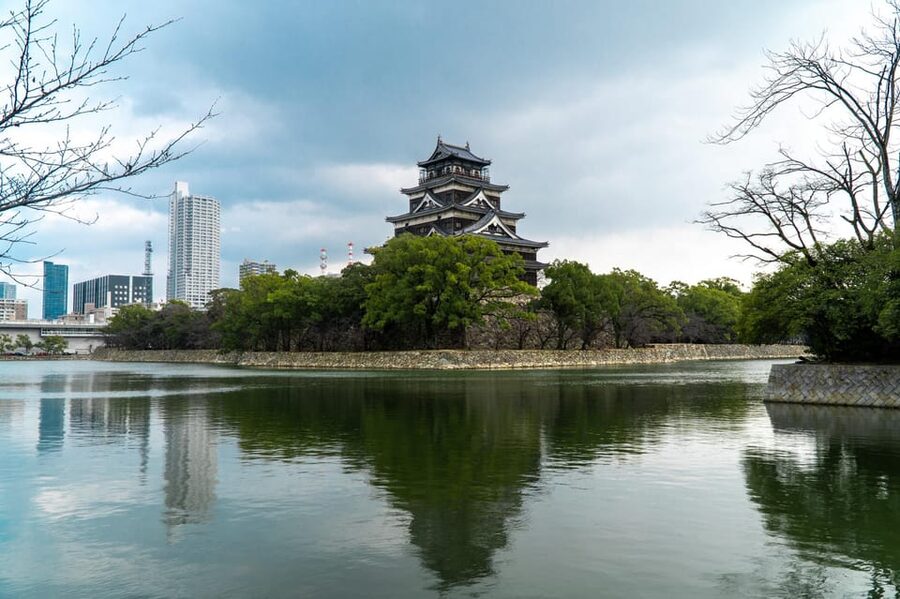
After the park and atomic sites, the tour shifts toward a more classic Hiroshima landmark: Hiroshima Castle. The plan is to see it by going inside rather than waiting in line, which is a smart move if you are on a tight schedule.
Inside the castle area, you get a more historical view than you would from just looking at the exterior. It is a change of pace, but not a break from context. You are moving from remembrance into the city’s broader story of places, power, and architecture.
This stop also helps rebalance your day. After the museum and memorials, it is easier to handle the rest of the route when you have something that feels like you can breathe, look closely, and focus on buildings and design rather than only on tragedy.
If you get a bit tired by this point, that is normal. This tour does not pretend the topic is easy. It simply offers a route that keeps you moving with purpose rather than draining you with chaos.
Shukukeien Garden: a 16th-century reset after the heavy stops
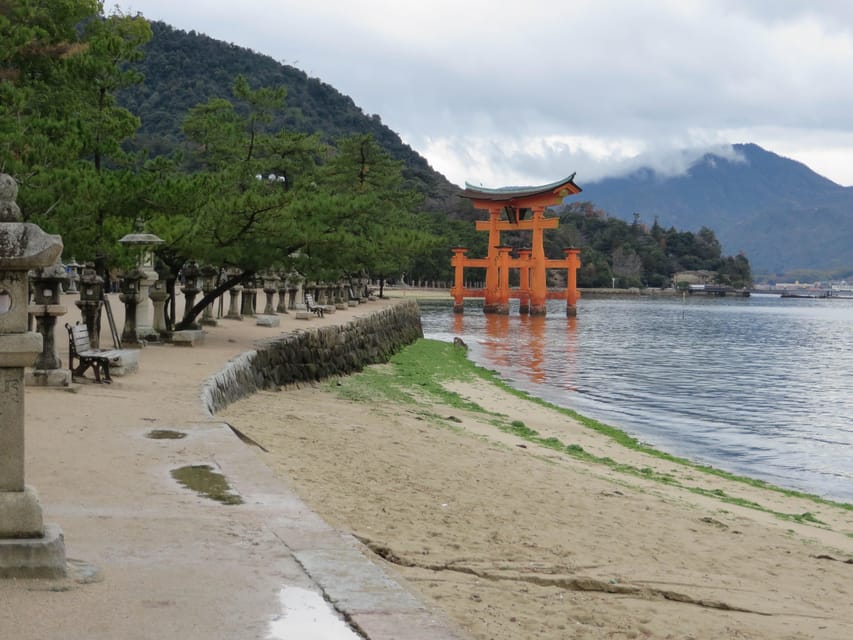
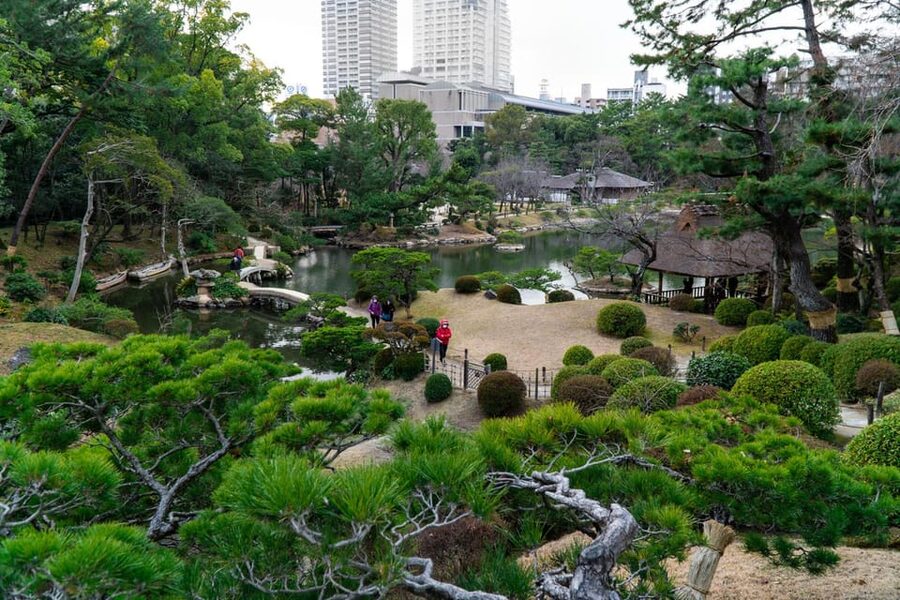
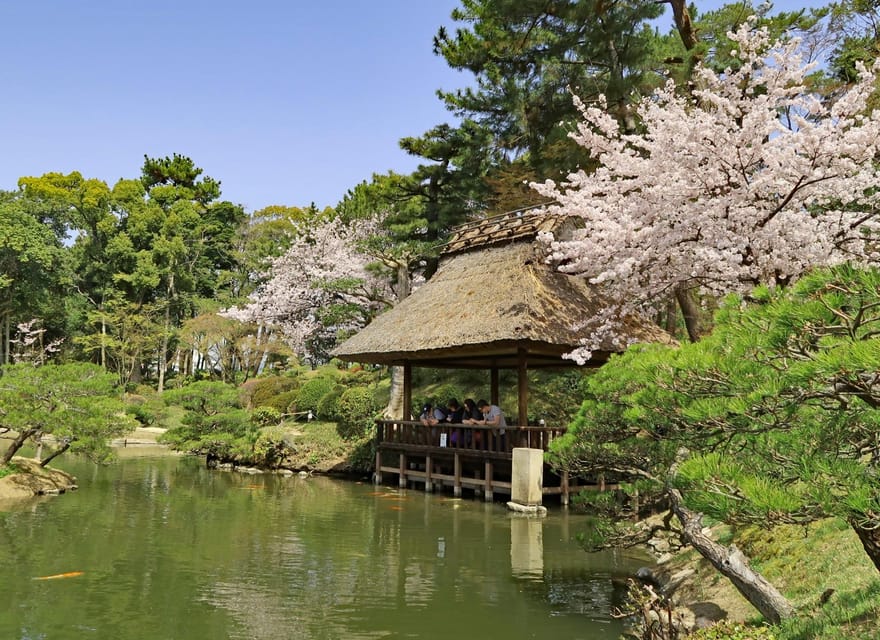
Then you head to Shukukeien Garden, described as the oldest garden from the 16th century. This is where you catch a glimpse into the past and the present in the same space, and where the tour gives you a calmer, slower moment to process everything you have learned.
You will take in the garden’s striking architecture and hear the history from your guide. It is not just strolling. The guided approach helps you notice what you might otherwise miss, like how garden design shapes movement and viewpoint.
This stop is also a practical win. If you are visiting Hiroshima as part of a longer Japan trip, it gives you variety beyond memorial sites. You still learn something, but it is learning with shade, paths, and scenery instead of only memorial plaques.
The tour includes drop-off possibilities at Shukukeien Garden and also back at the Hiroshima Peace Memorial Museum area, so the end of your walk can fit your plans. If you want to keep exploring immediately, finishing near Shukukeien can be convenient.
Who this tour suits best, and who should adjust expectations
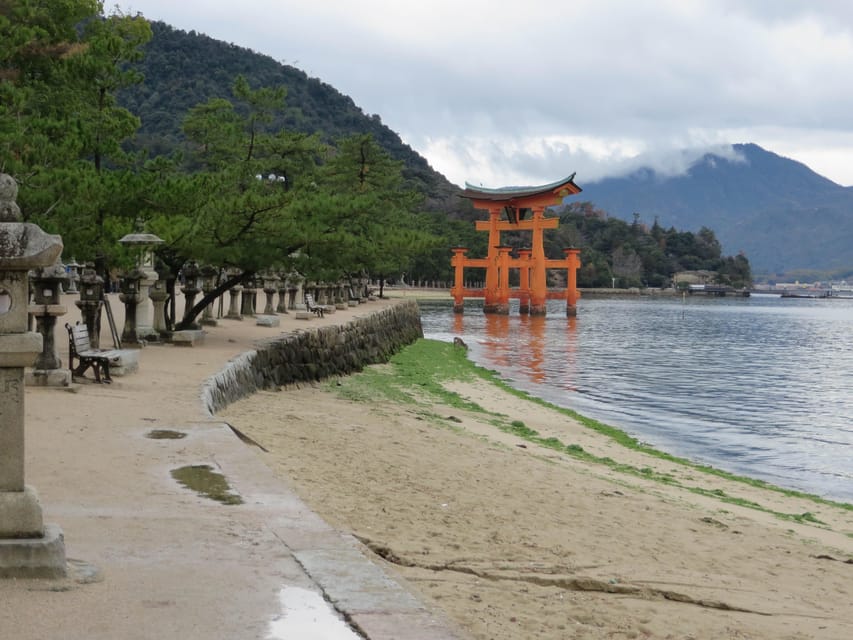
This is a strong fit for you if:
- You want a guided, English-language narrative through the Peace sites, not a silent museum day.
- You prefer a planned route that reduces decision fatigue when you have limited time in Hiroshima.
- You want major landmarks covered in one half-day, including the Peace Memorial Museum, the park monuments, the Atomic Bomb Dome area, Hiroshima Castle, and Shukukeien Garden.
It might not be your best choice if:
- You need a slower pace with lots of downtime, because the route is built around walking between multiple stops.
- You want a light, casual sightseeing day with minimal emotional weight. This tour focuses on remembrance and history, and it stays on that track.
One more planning note: the tour duration is listed as 3 hours, but some experiences can run longer. If you have tight timing for later reservations, give yourself a buffer.
Practical tips so your walk feels easier
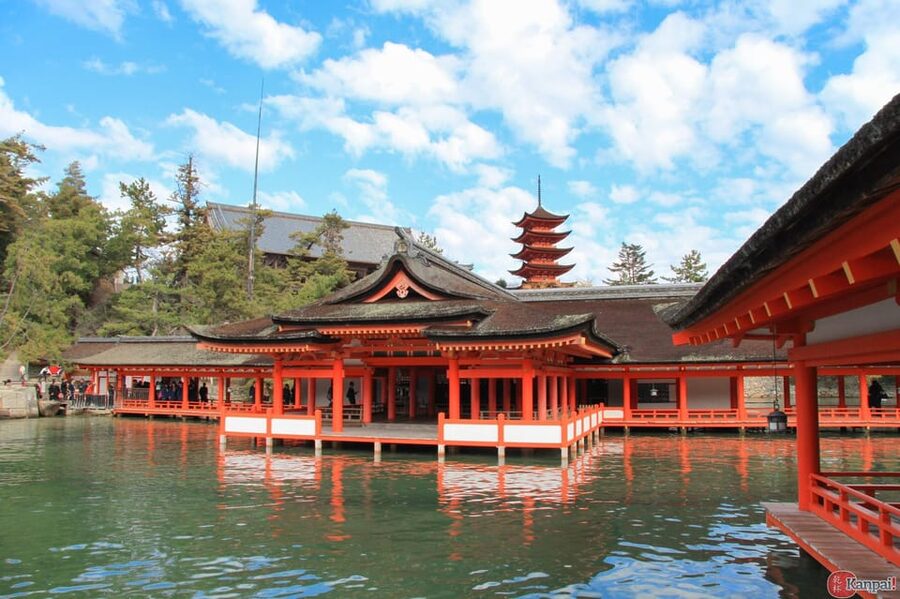
Bring the basics, because the route is outdoors for portions. Comfortable shoes matter most, and a hat and sunscreen are smart choices if the weather is sunny.
If rain shows up, you are not stuck. Awais has experience adjusting the flow so you still see the key points while keeping everyone sheltered at intervals. That kind of practical flexibility turns a miserable day into a manageable one.
If you need to take a break, you can also ask. The guide’s approach includes accommodating pace and comfort, including adapting timing if you have to shorten the museum visit. That is a real advantage when your group has different energy levels.
Should you book this Hiroshima history and quieter-sights walking tour?
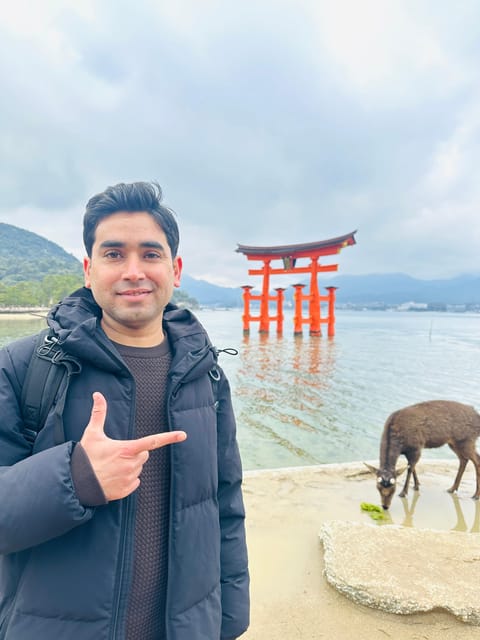
If you are visiting Hiroshima for the Peace sites and you want your day to make sense, I think this is an easy yes. For the price, you are buying time, structure, and an English guide who keeps the story readable without turning it into something cold or overly scripted.
I would book it if you value:
- A guided sequence from the museum into Peace Memorial Park, then onward to landmarks like the Atomic Bomb Dome
- A day plan that includes both remembrance and a restorative stop at Shukukeien Garden
- Someone like Awais who communicates with patience and answers questions in a way that feels respectful
Skip it only if you already know you want a self-guided visit, or if you cannot handle the walking and the emotional weight that comes with Hiroshima’s core memorial sites.
FAQ
Where does the tour start?
The tour starts at the Hiroshima Peace Memorial Museum. You can also choose a meeting point if you prefer.
How long is the tour?
It lasts about 3 hours.
Is the guide available in English?
Yes. The tour includes an English-speaking live guide.
Which major sites are included?
You’ll visit the Hiroshima Peace Memorial Museum and Peace Memorial Park, plus key memorial stops in the park area such as the Hiroshima National Peace Memorial, Children’s Peace Monument, Atomic Bomb Memorial Burial Mound, Aoi Bridge, Korean Atomic Bomb Victims Cenotaph, and the Atomic Bomb Dome. The tour also includes Hiroshima Castle and Shukukeien Garden.
Does the tour skip ticket lines?
Yes. The experience includes skip-the-ticket-line access.
Where does the tour end?
There are drop-off locations at Shukukeien Garden and also at the Hiroshima Peace Memorial Museum area.
Is the tour wheelchair accessible?
Yes, it is listed as wheelchair accessible.
What should I bring for the walk?
Bring comfortable shoes, a hat, sunscreen, and weather-appropriate clothing.
Can I cancel for a refund?
Yes. You can cancel up to 24 hours in advance for a full refund.
Can I reserve now and pay later?
Yes. The option to reserve now and pay later is available.
Newly listed around Hiroshima
- Hiroshima/Miyajima Private Custom Tour with Local Guide★ 5.0 · 134 reviews
- Hiroshima: Tour of Atomic Bomb Dome & Peace Memorial Museum★ 5.0 · 20 reviews
- Hiroshima:Guided Virtual Tour/PEACE PARK TOUR VR★ 5.0 · 29 reviews
- Hiroshima: Miyajima Private Cultural Tour by Ferry★ 4.9 · 72 reviews
- Hiroshima: Private Walking Tour with a Local★ 4.6 · 70 reviews
- Hiroshima: Peace Walking Tour of World Heritage Sites★ 4.9 · 190 reviews
- Hiroshima Private Day Tour★ 4.8 · 6 reviews
- Hiroshima: Peace Park, Castle, and Mitaki Temple E-Bike Tour★ 4.8 · 11 reviews
Historical Tours, compared.
World Heritage Shirakawa-go and Experience Tours from Kanazawa
Read our review →
World Heritage Kyoto & Nara Uji Authentic Matcha Experience
Read our review →
World Heritage Shirakawa-go Morning Guided Tour
Read our review →
Hiroshima Historical Walking Tour – Why A-Bomb was Dropped
Read our review →
Hiroshima Peace (Heiwa) Walking Tour at World Heritage Sites
Read our review →
Yanaka Walking Tour: Historic and Traditional District of Tokyo
Read our review →
Shinjuku Historical Walking Tour & Secret Backstreets
Read our review →Browse the lists this tour appears in