
Review · HISTORICAL TOURS
Hiroshima: Peace Walking Tour of World Heritage Sites
Hiroshima hits differently on foot. This Hiroshima Peace Walking Tour strings together the city’s most important World Heritage and peace landmarks, guided by locals who know the stories behind the sights. You’ll also get hands-on peace symbolism with paper crane making at Orizuru Tower.
Two things I really like here. First, the tour’s focus on real Hiroshima voices, not just dates and artifacts, so the Hiroshima Peace Memorial Museum lands with context. Second, you get more than memorial stops, you finish the morning with skyline views and a calm, hopeful activity that breaks the heaviness.
One consideration: the museum can be crowded, and that can make an already emotional topic feel even more intense. If you tend to get overwhelmed in big rooms, plan to take small pauses when you can.
In This Review
- Key highlights you should care about
- Meeting in Kamiya-cho, then easing into a serious day
- Shirakami-sha Shrine: a small, grounding start
- Hiroshima Peace Memorial Museum: why a guide changes everything
- Peace Memorial Park and the guided walk-through effect
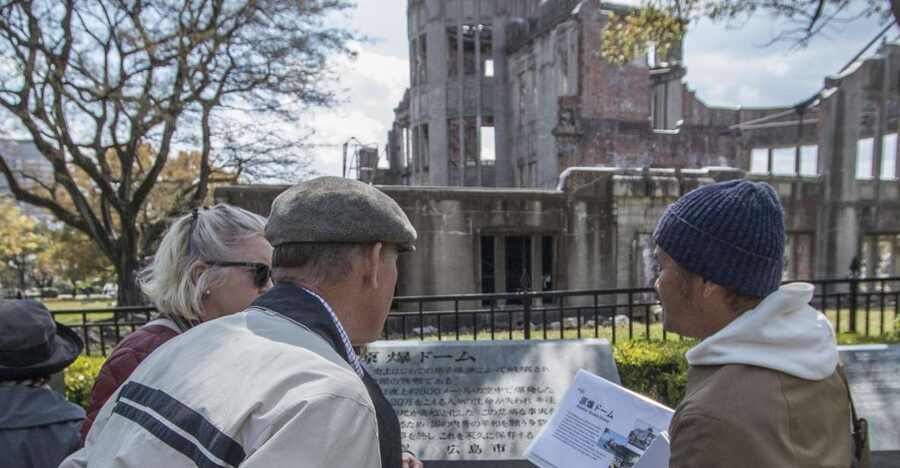
- Atomic Bomb Dome: the UNESCO moment with context
- Orizuru Tower and the paper crane ritual for peace
- Aorigi Tree: a stop that turns history into hope
- Lunch at Akushu Cafe in Orizuru Tower
- Price and value: is $92 fair for a half-day peace walk?
- Group size, timing, and what to do if you get emotional
- Who this tour suits, and who should choose something else
- Should you book this Hiroshima Peace Walking Tour?
- FAQ
- Where do I meet the guide for this Hiroshima tour?
- Is the tour offered in English?
- How long is the Hiroshima Peace Walking Tour?
- Which major sites are included on the tour?
- Is lunch included?
- Are vegetarian meals available?
- Is this tour suitable for gluten intolerance?
- Can I book with flexible plans?
- What happens if I am late to the meeting point?
Key highlights you should care about
- Local storytelling at the Hiroshima Peace Memorial Museum, not just a standard walkthrough
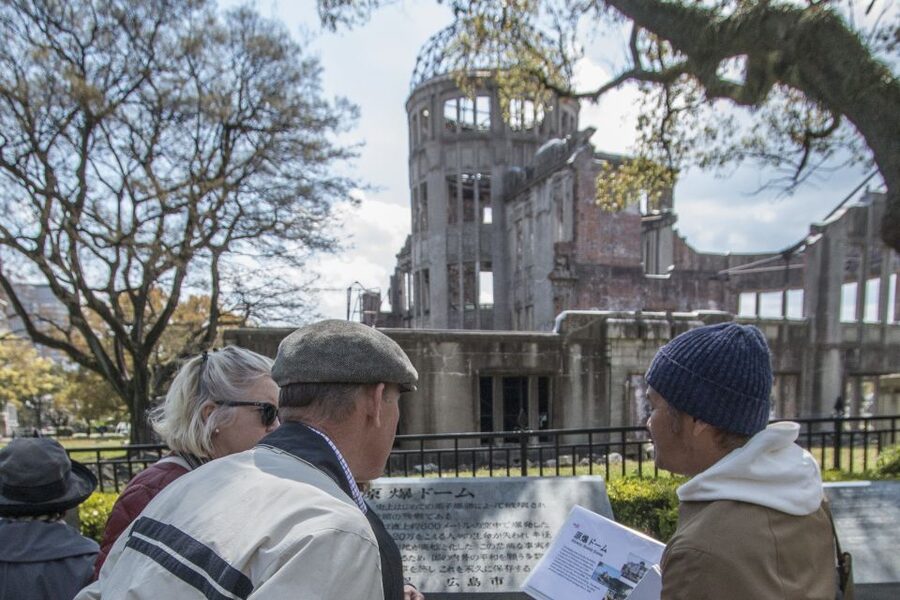
- UNESCO Atomic Bomb Dome visit with a guide to connect what you see to what it means
- Orizuru Tower views plus a peace-making craft (folding a crane and making a wish)
- Aorigi Tree stop, known for symbolizing hope after the bombing
- Lunch is included, with Hiroshima-style okonomiyaki pancake at the end
- Small group or private options, so questions and pacing feel more human
Meeting in Kamiya-cho, then easing into a serious day
The meeting point is easy to find: in front of the mont-bell store near Kamiya-cho-nishi Station, just a one-minute walk from the station. Look for the guide holding an orange sign that says Magical Trip Tour. This matters because Hiroshima’s Peace area is compact, and being early keeps the whole schedule smooth.
Once you’re with your guide, the tone shifts fast, in a good way. You’re not just stepping into a checklist. You’re stepping into a guided conversation about how Hiroshima remembers, how people rebuilt, and what that means now. Guides include English-speaking locals, and in past groups, names like Etsko, Yasue, Yuji, Kaz, Kippei, Angela, and Tommy have shown up with strong, caring narration.
The tour runs about 270 minutes. That’s long enough to see the key sites and do the peace activities, but short enough that you’re not stuck all day in memorial spaces.
More History Tours in Hiroshima
- Hiroshima Historical Walking Tour – Why A-Bomb was Dropped
★ 4.8 · 893 reviews - Hiroshima Peace (Heiwa) Walking Tour at World Heritage Sites
★ 5.0 · 872 reviews - Miyajima Half-day Trip Historical Walking Tour
★ 5.0 · 284 reviews
Shirakami-sha Shrine: a small, grounding start
Before the Peace Memorial sites, the tour begins with a visit to Shirakami-sha Shrine for about 25 minutes. This is a smart warm-up. Hiroshima’s peace story is heavy, and temples and shrines help you slow down and get your footing, literally and emotionally.
At a shrine, you usually get a sense of local ritual and place, and your guide can explain proper etiquette and what the space means. One reviewer highlighted that their guide walked them through temple protocol, which can make a difference in Japan, especially if you’re unsure what to do.
This stop is also a nice contrast: you’re moving through daily cultural life, not only memorial markers. It’s a gentle setup for what comes next.
Hiroshima Peace Memorial Museum: why a guide changes everything
The Hiroshima Peace Memorial Museum is the emotional center of the tour, and you’ll spend about an hour there with a guided visit included. Museum time can be overwhelming even when you know the basics, because the exhibits are designed to confront what happened, not soften it.
Here’s where the guide matters most. Reviewers repeatedly praised guides like Etsko, Kaz, Yasue, Angela, Yuki, Yuji, Naoya, and Hiro for adding personal and local context that you might not notice on your own. One reviewer mentioned their guide was considerate when they became emotional, and that kind of pacing is worth paying for.
What you should expect inside:
- A clear explanation of the atomic bomb’s horror and the immediate aftermath
- Stories about how people coped and rebuilt
- A message that turns tragedy into a commitment to peace
If you’re traveling with kids or teens, it can still work, but you’ll want to be honest with yourself about the emotional load. A few reviewers said this was a top highlight even for teenagers, mostly because the guide helped turn museum overwhelm into understanding.
Peace Memorial Park and the guided walk-through effect
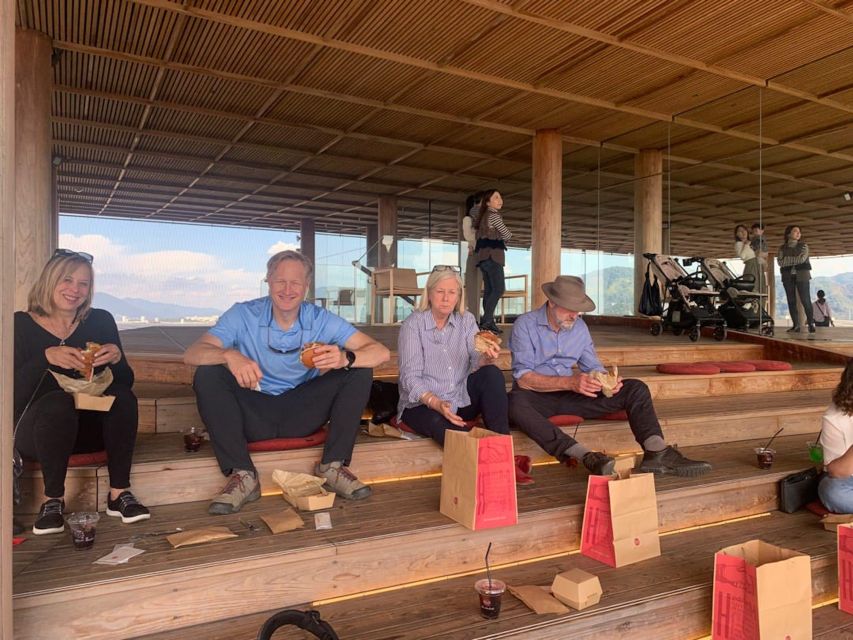
After the museum, you continue into Hiroshima Peace Memorial Park, also with guided time. One hour here helps you connect the museum’s story to the physical city space that carries it.
A park visit is different from an indoor museum. Outdoors, you can see sightlines and how memorials relate to streets and surrounding areas. Your guide’s job is to point out what you might otherwise miss: where the city puts remembrance, how it keeps the message visible, and what parts symbolize resilience.
This is also where the tour’s pacing starts to feel intentional. The day is heavy, but it doesn’t feel chaotic. You’re guided from one “meaning point” to the next, so you keep moving while still processing.
More Walking Tours in Hiroshima
- Hiroshima City 4hr Private Walking Tour with Licensed Guide
★ 5.0 · 437 reviews - Hiroshima Walking Tour Why A Bomb was dropped to Hiroshima
★ 5.0 · 347 reviews - Hiroshima: History of Hiroshima Group Walking Tour
★ 4.8 · 266 reviews - Hiroshima: Food and Culture Guided Walking Tour with Dinner
★ 4.9 · 212 reviews
Atomic Bomb Dome: the UNESCO moment with context
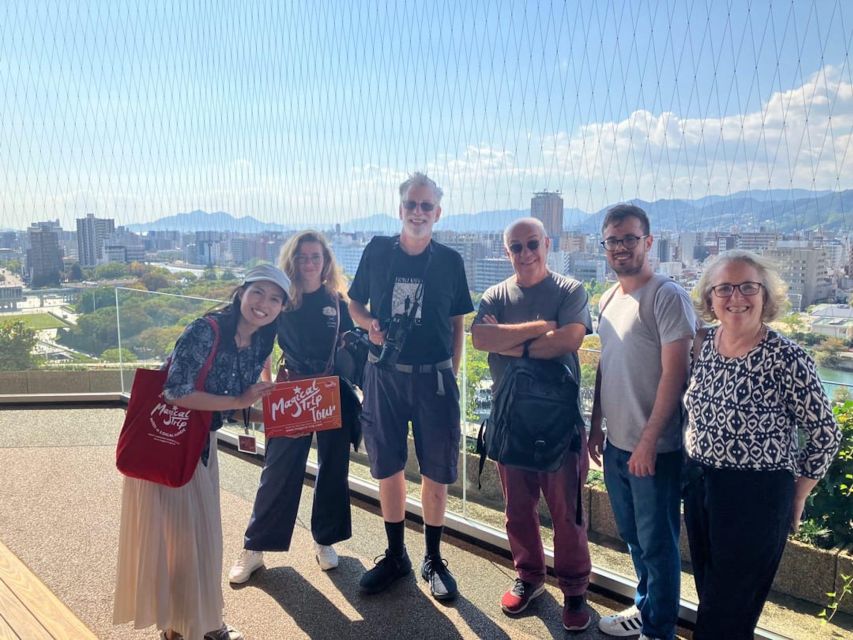
Next is the Atomic Bomb Dome, a UNESCO-listed site, visited with a guide for about an hour. This is one of those places where the building itself does not need extra drama. It already has it built in.
What you gain with a guide is the connection between:
- The structure and its preservation
- What it represents in the larger story
- How Hiroshima frames remembrance today
Many reviewers called the tour emotional, and a common theme was that their guide helped them understand what they were seeing instead of just staring at a landmark. If you come with questions, this is a good stop to ask them. It’s also a good time to slow down your photos and actually look at the edges and surroundings, since the dome’s setting is part of why it hits.
Orizuru Tower and the paper crane ritual for peace
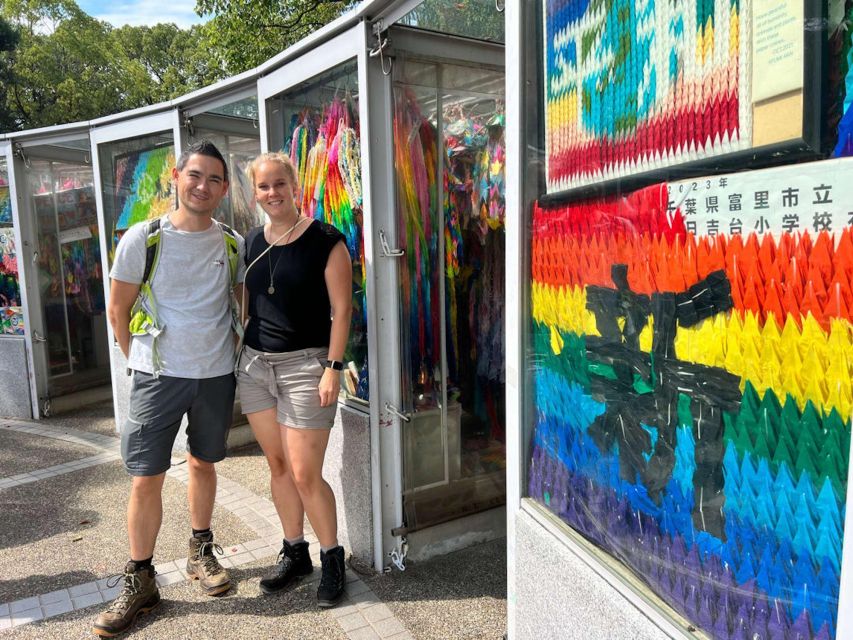
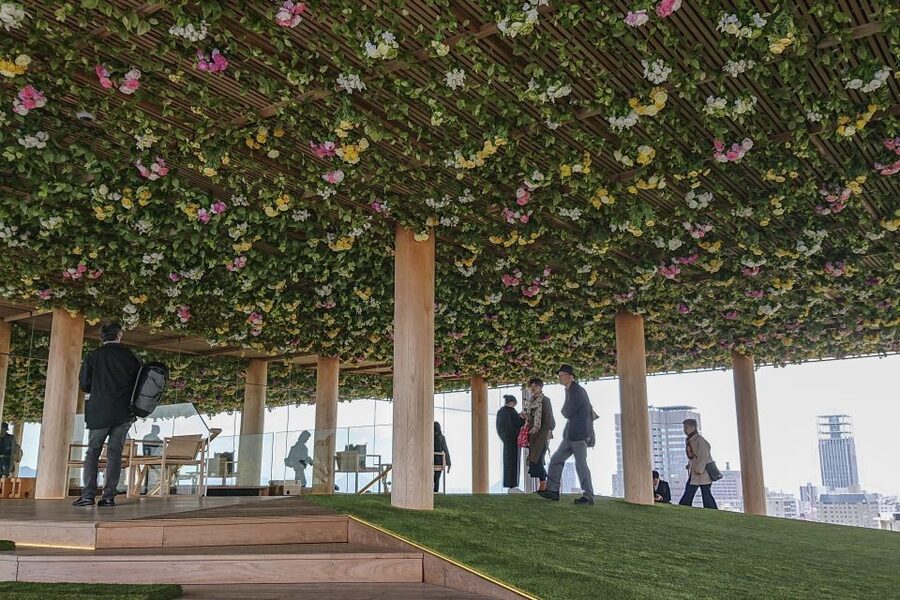
After the main memorial stops, the tour shifts into a lighter, hopeful mode at Hiroshima Orizuru Tower. You’ll reach it after the rest of the Peace route, and the time there includes a lunch window plus an observatory visit.
Orizuru Tower is known for a simple but powerful idea: making a paper crane (origami) as a symbol of peace. During the tour, you’ll learn how to make one and make a wish for peace. Several reviews highlighted this moment as a memorable “human” activity after the museum heaviness.
Then there’s the view. You’ll feel the city open up from the observatory area, a wide-angle break from the memorial focus. That wide view matters psychologically. Hiroshima is not only a place of loss. It’s a working city, rebuilding and continuing.
One reviewer even described watching their crane spiral down into the collection, which is exactly the sort of small visual detail that makes the symbolism land.
Aorigi Tree: a stop that turns history into hope
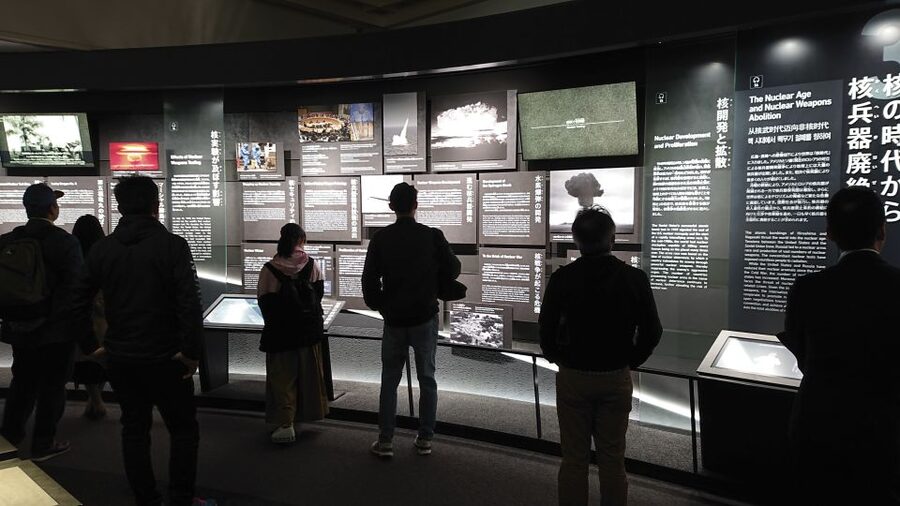
The tour also includes a stop at the Aorigi Tree, known for bringing hope after the atomic bomb. Even without extra theatrics, this kind of location does something important for your brain. It shifts you from thinking only about destruction to thinking about survival, recovery, and the will to keep growing.
Your guide’s job here is to connect the story to the broader theme of peace building. That’s why this stop is more than a quick photo. It’s part of the tour’s arc: museum horror, city remembrance, then the quiet evidence of life continuing.
If you’re the type who needs context before you feel comfortable at a site, your guide should help you slow down and understand why this tree is so meaningful.
Lunch at Akushu Cafe in Orizuru Tower

Lunch is included, and it happens at Akushu Cafe inside Hiroshima Orizuru Tower. The included meal is often described as Hiroshima’s famous okonomiyaki pancake dish. For me, that’s a big value point in the overall price, because you’re not left hunting for food right after a heavy museum experience.
A practical note: vegetarian options can be limited. One key detail is that most Japanese restaurants are not fully set up for vegetarian menus, so vegetarian choices on the tour are limited. Also, if you have dietary requests or allergies, you need to inform the team at least one day before the tour. On the day, changes may not be possible.
If gluten matters, this tour is not suitable for people with gluten intolerance, so you’ll want to plan a different activity.
Price and value: is $92 fair for a half-day peace walk?
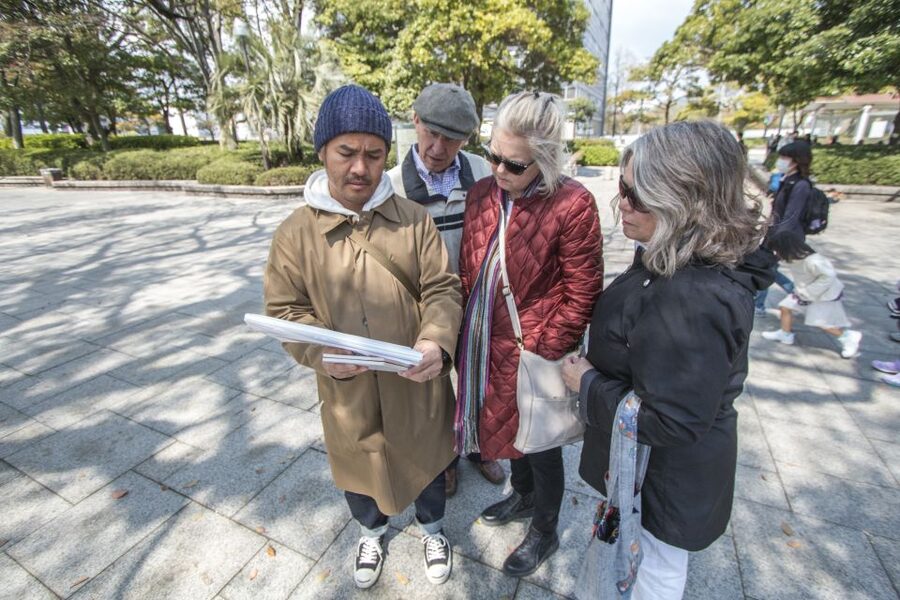
At $92 per person, this isn’t an impulse buy, but it also isn’t overpriced for what you’re getting. You’re paying for:
- English live guidance across multiple major sites
- Included museum and Orizuru Tower entry
- Lunch included
- Tour photos
The real value is the guide layer. If you visit the museum and dome on your own, you’ll still see the sights, but you’ll miss the translation between artifacts, story, and meaning. The guides here are repeatedly praised for clarity, attention to questions, and sensitivity when emotions run high.
Also, the tour length is about 4.5 hours. That’s long enough to do real site connections, but not so long that you’re mentally cooked. In a place like Hiroshima, that balance helps.
Group size, timing, and what to do if you get emotional
This tour is offered as private or small groups. That matters more than it sounds. In memorial spaces, you don’t want to be stuck behind a wall of people. Reviewers often pointed out the experience felt personal, with guides making space for questions and even taking photos for the group.
Pace-wise, the schedule is tight in the best way: you move between key locations without wasting time figuring things out. Still, emotionally, the museum is a lot. One reviewer said their guide let them move at their own pace and was considerate when they needed a break. If you need a breather, speak up early.
A few practical tips:
- Wear comfortable shoes. You’re walking through a cluster of sites.
- Bring a small tissue pack or anything you need to feel comfortable. The day can be emotional.
- Keep your phone charged. Photos are included, but you may want your own too.
Who this tour suits, and who should choose something else
This is best for you if you:
- Want Hiroshima Peace Memorial Museum explained clearly with local context
- Care about visiting UNESCO sites with someone who can connect them
- Prefer guided structure when the topic is heavy
- Like a “meaningful activity” after memorial time, like folding cranes
It may not be the best fit if you:
- Have gluten intolerance (this tour is not suitable)
- Need strict allergy-free meals, because the tour cannot guarantee allergy-free food or accommodate all dietary restrictions
If you’re a history nerd, you’ll get facts. If you’re not, you’ll still get meaning and a human perspective. Many reviews said it worked even for people who were not nuclear-weapons focused, because the tour threads in local culture and recovery, not only the headline event.
Should you book this Hiroshima Peace Walking Tour?
I’d book it if you want a structured, humane guide-led experience that hits both sides of Hiroshima: the heartbreak and the recovery. The $92 price makes sense because you’re paying for interpretation, not only entry tickets.
I would hesitate if you’re extremely sensitive to crowded indoor spaces, because the museum can be busy. I’d also plan carefully if you have diet restrictions, especially gluten intolerance, since vegetarian options are limited and the tour cannot promise allergy-safe meals.
If you’re ready for a sobering morning with a hopeful ending, this tour is one of the most direct ways to see the UNESCO Peace sites and understand what Hiroshima wants you to carry forward.
FAQ
Where do I meet the guide for this Hiroshima tour?
Meet in front of the mont-bell store near Kamiya-cho-nishi Station, about a one-minute walk from the station. Look for the guide holding an orange sign with the local partner name.
Is the tour offered in English?
Yes. The live tour guide provides English.
How long is the Hiroshima Peace Walking Tour?
The duration is 270 minutes (about 4.5 hours).
Which major sites are included on the tour?
You’ll visit the Hiroshima Peace Memorial Museum and Peace Memorial Park, and see the Atomic Bomb Dome (UNESCO). You also go to Hiroshima Orizuru Tower, and the tour includes time at Shirakami-sha Shrine.
Is lunch included?
Yes. Lunch is included, and it is served at Akushu Cafe inside Hiroshima Orizuru Tower. The meal is Hiroshima okonomiyaki pancake dish.
Are vegetarian meals available?
Vegetarian options are limited. You should inform the operator at least one day before the tour if you have dietary requests or allergies. The tour cannot guarantee allergy-free meals.
Is this tour suitable for gluten intolerance?
No. It is not suitable for people with gluten intolerance.
Can I book with flexible plans?
Yes. You can reserve now and pay later.
What happens if I am late to the meeting point?
If you arrive more than 15 minutes late from the meeting time (10 minutes before the tour), you cannot join and no refund or reschedule is offered.
More Historical Tours in Hiroshima
- Hiroshima: History and Hidden Gems Tour
★ 4.9 · 81 reviews - Hiroshima: Miyajima Private Cultural Tour by Ferry
★ 4.9 · 72 reviews - Hiroshima History Tour : A-Bomb Dome, Peace Memorial & City
★ 5.0 · 43 reviews - Hiroshima & Miyajima Island Private Tour: History & Culture
★ 5.0 · 26 reviews
Newly listed around Hiroshima
- Hiroshima/Miyajima Private Custom Tour with Local Guide★ 5.0 · 134 reviews
- Hiroshima: Tour of Atomic Bomb Dome & Peace Memorial Museum★ 5.0 · 20 reviews
- Hiroshima:Guided Virtual Tour/PEACE PARK TOUR VR★ 5.0 · 29 reviews
- Hiroshima: Miyajima Private Cultural Tour by Ferry★ 4.9 · 72 reviews
- Hiroshima: Private Walking Tour with a Local★ 4.6 · 70 reviews
- Hiroshima Private Day Tour★ 4.8 · 6 reviews
- Hiroshima: Peace Park, Castle, and Mitaki Temple E-Bike Tour★ 4.8 · 11 reviews
- Hiroshima Peace Memorial Park: A Guided Tour★ 4.9 · 16 reviews
Historical Tours, compared.
World Heritage Shirakawa-go and Experience Tours from Kanazawa
Read our review →
World Heritage Kyoto & Nara Uji Authentic Matcha Experience
Read our review →
World Heritage Shirakawa-go Morning Guided Tour
Read our review →
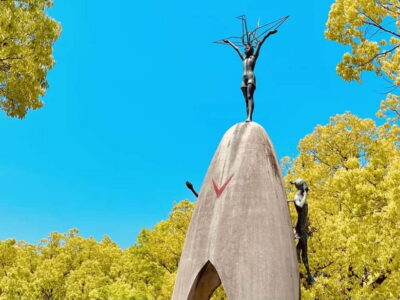
Hiroshima Historical Walking Tour – Why A-Bomb was Dropped
Read our review →
Hiroshima Peace (Heiwa) Walking Tour at World Heritage Sites
Read our review →
Yanaka Walking Tour: Historic and Traditional District of Tokyo
Read our review →
Shinjuku Historical Walking Tour & Secret Backstreets
Read our review →Browse the lists this tour appears in