
Review · FISH MARKET WALKS
Inside Tokyo’s Kitchen: Tsukiji Market, Food & Culture Tour
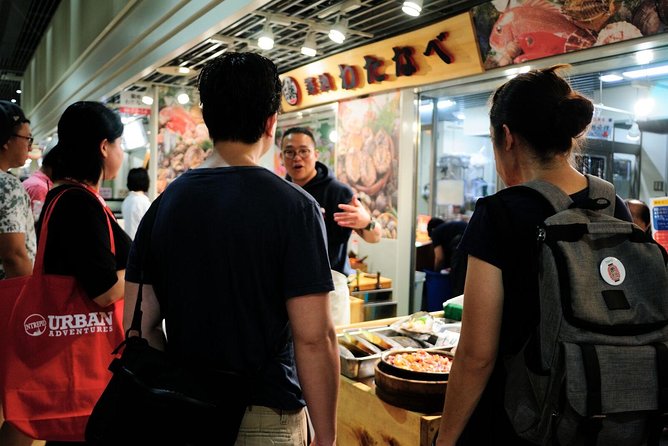
Tsukiji, but calmer and friendlier. This Tsukiji Outer Market food and culture walk pairs fresh bites with shrine stops, so you see why Tokyo eats the way it does, not just what to swallow. You get a smaller, guided route that helps you move with confidence through one of the city’s most famous food zones.
I love the small group of six, because the guide can actually slow down and answer questions while you’re standing in the middle of the action. I also like that the tastings include freshly made sushi and sweet treats like wagashi, not only random snack sampling that leaves you hungry.
One thing to consider: the food portion is real, but it is not a heavy all-you-can-eat meal, and the timing of when you eat can feel uneven if you are expecting constant bites the whole time.
In This Review
- Key things I’d circle on your plan
- Why Tsukiji Outside the Chaos Feels More Like Tokyo
- Kabuki Inari Shrine Start, a Calm Breather Before the Bites
- Tsukiji Outer Market, 2 Hours of Walking with Real Food Stops
- What I think makes the Outer Market walk valuable
- A realistic note on food volume
- Namiyoke Inari Shrine Finish, Then a Quick Way Back to Transit
- Price, What You Really Get for $83.35
- Vegetarian and vegan note (important)
- Guide Names, and the Moments That Make This Tour Memorable
- Timing, Shoes, and the Stuff That Keeps the Tour Stress Low
- Who This Tour Suits Best
- Should You Book This Tsukiji Outer Market Food and Culture Tour?
- FAQ
- How long is the Tokyo Tsukiji Market food and culture tour?
- How many people are in the group?
- Where do we meet, and where does the tour end?
- What food is included in the tour?
- Are vegetarian or vegan options available?
- Is the tour suitable for children?
- What should I wear during the market visit?
- Is this tour ticket-based for mobile devices?
- Does the price include drinks or tips?
- Is free cancellation offered?
Key things I’d circle on your plan
- Small group size (max 6) keeps the pace human in narrow market lanes
- Fresh sushi plus wagashi sweets means you taste both savory and sweet Tokyo
- Shrine stops at Kabuki Inari and Namiyoke Inari add culture without turning it into a lecture
- Outer Market focus helps you avoid the overwhelm of a much larger area
- Vegetarian and vegan options exist, but selections may be limited
Why Tsukiji Outside the Chaos Feels More Like Tokyo
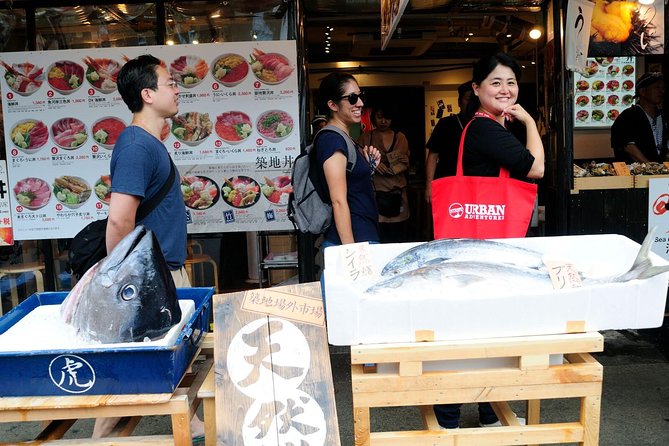
Tsukiji is one of those places that can go either way. If you show up solo with no plan, you can end up rushing from stall to stall, eating whatever is easiest to grab, and still missing the good rhythm of the area.
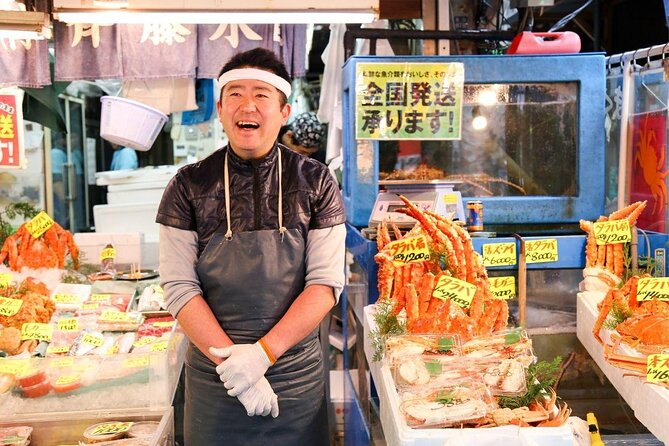
This style of tour keeps you in the outer market lane, where you can actually taste and learn while you walk. That matters because Tsukiji is not just a food court. It is a whole system, from how fish is handled to how shops present snacks that fit into a fast city day.
You also get the benefit of interpretation. A local guide can point out what you are looking at and why it matters, so the market feels less like random activity and more like a story you can follow.
More Food Tours in Tokyo
- Tokyo: Shinjuku Food Tour (13 Dishes at 4 Local Eateries)
★ 5.0 · 6,603 reviews - Tokyo Tsukiji Fish Market Food and Culture Walking Tour
★ 5.0 · 3,184 reviews - Tokyo: Shinjuku Food Tour (15 Dishes and 4 Eateries)
★ 4.9 · 2,033 reviews
Kabuki Inari Shrine Start, a Calm Breather Before the Bites
The tour begins at the Kabuki Theatre area, meeting near Kabukiza and the Kabuki Inari Shrine. Before you even hit the food, you get a short orientation to Kabuki, Tokyo’s famous drama and dance tradition, plus a look at the theatre architecture.
This start works because it sets the mood. Tsukiji is loud and fast, but the shrine stop gives you a moment to slow your brain down. You also get a cultural entry point that is not food-flavored trivia, it is a way to understand how Tokyo layers tradition into daily life.
In practical terms, this is also a useful timing move. Starting near a major theatre area is easier than guessing a market corner, and it sets you up to spend your energy on tasting, not navigation.
Tsukiji Outer Market, 2 Hours of Walking with Real Food Stops
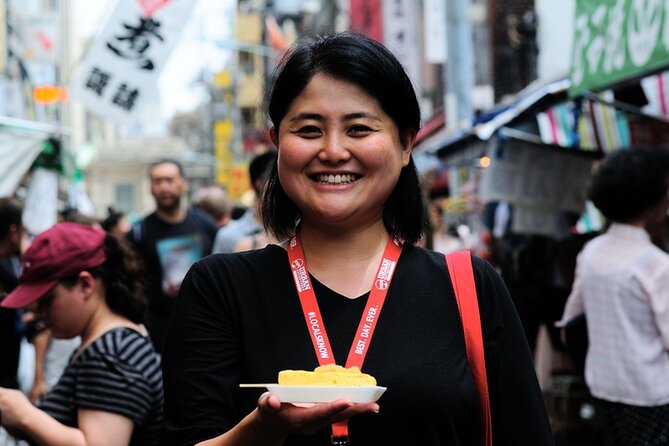
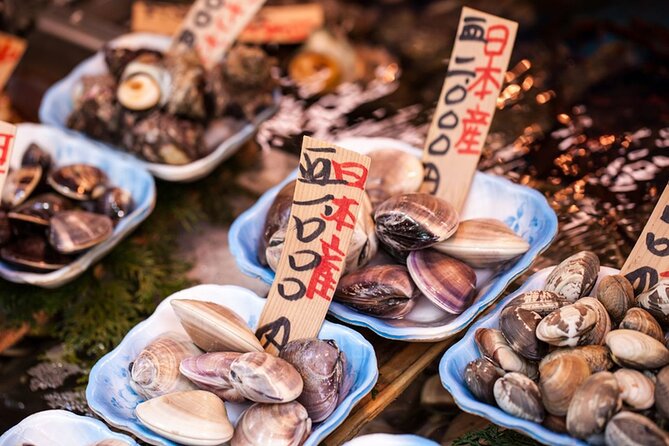
Most of the tour time is in the Tsukiji Outer Market. You walk narrow alleys where you will see seafood, vegetables, and snack stalls packed into tight spaces. The pace is designed for sampling, so you are not stuck with only photos and window shopping.
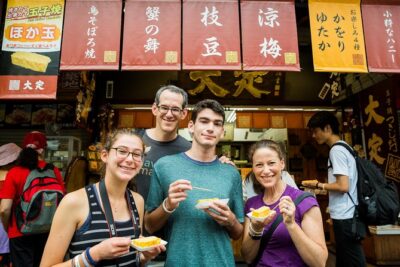
The tastings are a highlight. You can expect fresh sushi, Japanese snacks, and Kawaii wagashi sweets. That mix is smart because it covers three Tokyo basics: seafood quality, snack culture, and the “small sweet” tradition that fits into market browsing.
A few examples guests have described include things like tuna nigiri, tamagoyaki (Japanese omelette), and fish cake, plus bites such as dried anchovies and sweetened rice balls. Some tours also include moments like tasting freshly prepared wasabi, and one standout description involved a guide grinding real wasabi yourself using a small tool. Not every group will get the exact same items, but the overall pattern is consistent: you taste multiple styles, not just one repeated roll.
What I think makes the Outer Market walk valuable
You get practical learning at standing-still pace. A good guide will help you interpret what you see, not just list ingredients. You learn what to look for, what terms mean at a stall, and how snacks fit into a workday in Tokyo.
It also helps for first timers. Tsukiji can be overwhelming even when you are trying to do it right. Having a short route focus, plus someone translating what the stallkeepers and signage are implying, keeps you from overthinking every purchase.
More Market Tours in Tokyo
- Tokyo: Tsukiji Fish Market Food and Walking tour
★ 5.0 · 1,724 reviews - Tokyo: Tsukiji Fish Market Guided Walking Tour
★ 4.9 · 1,397 reviews - Tsukiji Fish Market Guided Tour and Sushi Making with Pro Chef
★ 5.0 · 775 reviews - Tokyo: Tsukiji Fish Market Food and Culture Walking Tour
★ 4.7 · 757 reviews
A realistic note on food volume
The tour includes tastings, but it is not built like a full meal tour where you leave stuffed with no hunger later. Some guests have noted that there is not an endless stream of food, and timing can feel odd if you are expecting constant snack stops. If that is you, I suggest planning to eat a proper meal after the tour, not during.
Namiyoke Inari Shrine Finish, Then a Quick Way Back to Transit
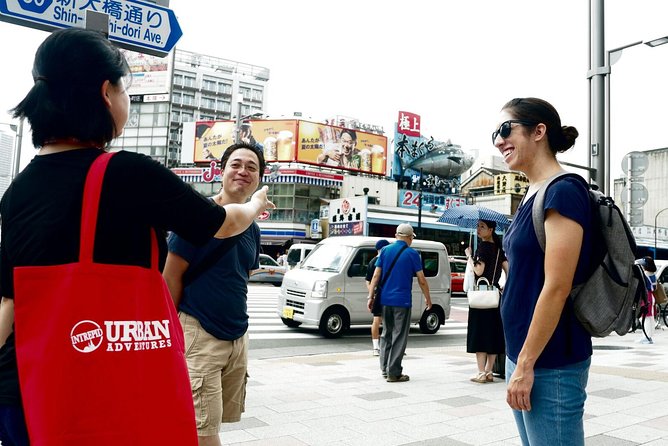
The last stop is Namiyoke Inari Shrine, a calmer end point near Tsukiji Fish Market access from Tsukiji Station on the Hibiya Tokyo Metro Line. The shrine visit is brief, but it adds a meaningful emotional reset after the market energy.
You will enjoy its tranquil atmosphere and its connection to local tradition and history, then finish with a short walk to the nearest station. This makes the ending feel smoother than some tours that dump you in the middle of a crowd with no clear exit.
It is also a good “mental bookmark.” When you leave the shrine area, you can connect what you just ate to the bigger picture of Tokyo, where food sites and spiritual spaces share proximity and purpose.
Price, What You Really Get for $83.35
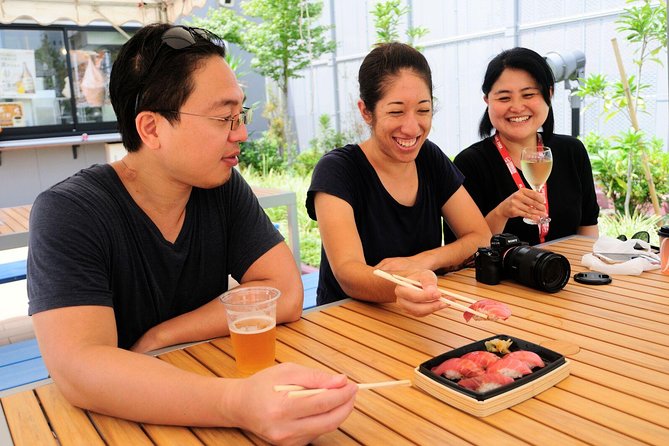
At $83.35 per person for about 3 hours, this is not cheap, but it can be good value if you treat it like a guide-supported tasting and culture walk, not a buffet deal.
Here is what drives the value:
- Guided sampling of multiple bite types, including fresh sushi
- Small-group format limited to six, which usually means less waiting and more attention
- Cultural context via two shrine stops, plus a Kabuki-related start
For comparison, if you try to replicate this alone, you can spend the day wandering and still end up with one or two decent bites while missing the best parts. With a guide, you usually trade some freedom for efficiency and interpretation.
If you are on a tight food budget, you may prefer to skip paid tastings and just sample at your own pace. If you want quality guidance, language help, and a course through Tsukiji that feels manageable, this price can make sense.
Vegetarian and vegan note (important)
Vegetarian and vegan options are available, but the food selection can be limited. If you eat this way, I recommend telling your guide clearly in advance and being ready to be flexible with what you can get within a market day.
Guide Names, and the Moments That Make This Tour Memorable
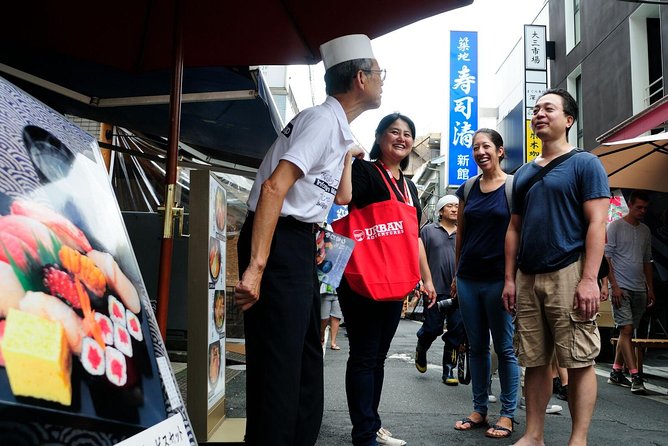
One reason this tour earns such strong ratings is the way guides create hands-on moments. Several guide names have shown up in descriptions, including Mihari, Yuri, Shino, Aya, and Koz. I cannot guarantee any specific guide on your date, but the pattern is clear: the best groups focus on explanation plus memorable tasting details.
Examples from guests include:
- Getting wasabi prepared in a way that makes the flavor feel more alive
- Seeing a fresh tuna preparation moment and then understanding how it turns into sushi
- Getting unexpected entertainment at a sushi spot, plus a more festive feel than you might expect in a market stop
- Tasting a mix that can include tuna sashimi and assorted nigiri or rolls, depending on what is available
That is why this tour can feel more special than a simple “walk and eat.” You get small storytelling moments attached to the food itself.
Timing, Shoes, and the Stuff That Keeps the Tour Stress Low
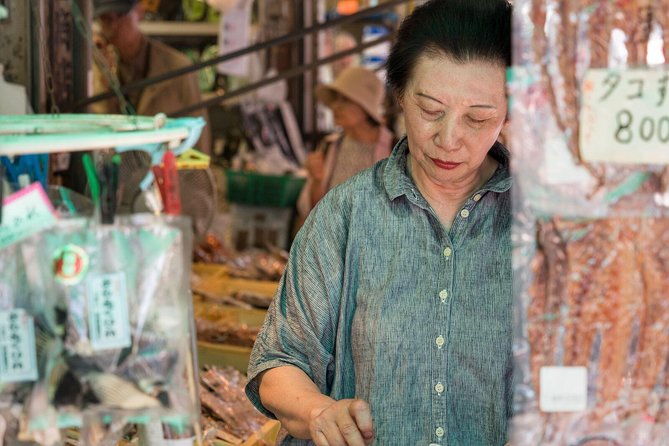
Tsukiji market floors can be wet, so closed-toe shoes are required, and sneakers are recommended. This is not a cosmetic detail. If your feet hurt, you will feel every minute of the walk, and the market is not designed for slow sightseeing.
I also suggest planning for early arrival. One guest had trouble finding the meeting spot and needed to message a host, and even a small delay can throw off a short tour window. Give yourself buffer time, check the meeting location carefully, and arrive with your route brain turned on.
Once you are in the market, go with an open order mentality. If you are too rigid about what you want, you may miss the point of tastings that are guided by what is fresh and what the stalls can offer at that moment.
Finally, bring your appetite mindset. Many descriptions mention leaving full or at least satisfied, and the tastings span sweet and savory. If you expect a sit-down restaurant experience, you may be surprised by the snack-to-tasting flow.
Who This Tour Suits Best
This is a strong fit if you:
- Want to experience Tsukiji Outer Market without the stress of figuring it out alone
- Love sushi and seafood, but also enjoy Japanese sweets like wagashi
- Prefer a small-group pace with easier questions and translation help
- Like pairing food with culture, not only eating
It might be less ideal if you:
- Want a long, full meal with tons of variety and constant stops
- Are expecting a perfectly consistent tasting list every time
- Hate walking through narrow lanes, even with a guide
Should You Book This Tsukiji Outer Market Food and Culture Tour?
I think you should book if your priority is a guided Tokyo food experience that keeps Tsukiji manageable and teaches you what you are eating and seeing. The combination of small group, fresh sushi plus wagashi, and shrine stops at Kabuki Inari and Namiyoke Inari is a practical way to get more out of your morning than wandering alone.
Skip it, or adjust your expectations, if you are looking for an all-you-can-eat format or a long sitting meal. This is a focused tasting walk, and the smart move is to treat it as part of your day’s food plan, not your only meal.
If you do book, wear sneakers, arrive early for the meeting spot near Kabukiza, and come hungry but patient. That is the recipe for getting the most out of Tsukiji with the least stress.
FAQ
How long is the Tokyo Tsukiji Market food and culture tour?
It runs for about 3 hours.
How many people are in the group?
The tour has a maximum group size of six travelers.
Where do we meet, and where does the tour end?
The tour starts at Kabuki Inari Shrine at 4 Chome-12 Ginza, Chuo City, Tokyo, near Kabukiza, and it ends at Tsukiji Fish Market area accessible from Tsukiji Station.
What food is included in the tour?
You get freshly made sushi, local snacks, and wagashi sweets. Drinks and additional food are not included.
Are vegetarian or vegan options available?
Yes, vegetarian and vegan options are available, though the food selection may be limited.
Is the tour suitable for children?
Yes, it is child-friendly. Children under 6 can join for free.
What should I wear during the market visit?
Wear closed-toe shoes because the inner market floors can be wet. Sneakers are recommended.
Is this tour ticket-based for mobile devices?
Yes, you receive a mobile ticket.
Does the price include drinks or tips?
No, drinks and additional food are not included, and tips or gratuities for your guide are also not included.
Is free cancellation offered?
Yes, you can cancel for a full refund up to 24 hours before the experience starts.
More Shopping Tours in Tokyo
- Tokyo Food Tour Taste Fresh Delights at Tsukiji Market
★ 5.0 · 429 reviews - Tokyo Tsukiji Fish Market Tour and Sushi Making Lesson
★ 5.0 · 390 reviews - Tsukiji Fish Market: Street Food & Culture Walking Tour
★ 4.8 · 259 reviews - Tokyo Washoku 4-hour Cooking Class: From Market to Table
★ 5.0 · 253 reviews
More Market Walks in Tokyo
- Tokyo Sushi Making Class in Tsukiji with Professional Chef
★ 5.0 · 1,177 reviews - Tsukiji Fish Market: Street Food & Culture Walking Tour
★ 5.0 · 669 reviews - Tsukiji Fish Market Small-Group Food Walking Tour
★ 5.0 · 621 reviews - Tokyo: Tsukiji Fish Market Sushi Making Class with Pro Chef
★ 4.9 · 506 reviews
Newly listed around Tokyo
- Mount Fuji One Day Private Customizable Tour With English Driver★ 5.0 · 8 reviews
- Tokyo by Night Photography Tour (Private Option Available)★ 5.0 · 151 reviews
- Unlimited Local Night《ALL-YOU-CAN-DRINK》Find Sinjuku Hidden Gems!★ 5.0 · 119 reviews
- Tokyo Zen Meditation at Private Temple with Monk★ 5.0 · 178 reviews
- Tokyo WB. Studio Tour Harry Potter’s Creation E-Ticket Optional★ 4.0 · 22 reviews
- Tokyo Private dinner with Geisha★ 5.0 · 10 reviews
- Tokyo West-Side Cycling & Food Tour★ 5.0 · 214 reviews
- Tokyo Food and Culture tour (Shibuya and Harajyuku)★ 5.0 · 15 reviews
Fish Market Walks, compared.
Tokyo Tsukiji Fish Market Food and Culture Walking Tour
Read our review →
Nishiki Market Brunch Walking Tour (7 Tastings + Brunch)
Read our review →
Tokyo Sushi Making Class in Tsukiji with Professional Chef
Read our review →
Tsukiji Fish Market Guided Tour and Sushi Making with Pro Chef
Read our review →Tsukiji Fish Market Food and Culture Walking Tour
Read our review →Browse the lists this tour appears in