Review · SUSHI COOKING WORKSHOPS
Tokyo Tsukiji Fish Market Tour and Sushi Making Lesson
Tsukiji is chaos, organized for you. I love how a guide turns Tsukiji Outer Market into a place you can actually read, not just wander. I also love the hands-on sushi part, where you learn by doing, then eat what you make.
One possible drawback: this tour skips the tuna auction, so it is for the market walk plus cooking, not early-morning auction spectacle.
The whole thing runs in a small group, capped at max 6 travelers, so you get real answers, like when guides such as Miho, Akiko, or Lucy calmly steer the class through the noise.
In This Review
- Quick Takeaways Before You Go
- Starting at Tsukiji Hongan-ji Temple, Before the Seafood Storm
- Tsukiji Outer Fish Market With an English Guide, Not a Random Walk
- What You Actually Try at the Market (Examples You Can Expect)
- The Short Temple Break That Makes the Market Feel Less Overwhelming
- ABC Cooking Travel Studio, Where the Lesson Actually Happens
- Your Washoku Cooking Class: Sushi Roll and Tamagoyaki, Plus Sides
- Lunch Is Part of the Payoff, With Drinks Included
- Price and Value: Is $99.49 a Fair Deal?
- Group Size, Guide Style, and Why Small Matters
- Practical Tips for a Smooth Tsukiji Morning
- Who Should Book This Tour (and Who Should Skip It)
- FAQ
- Where does the tour start?
- How long is the experience?
- Will the guide speak English?
- What will I cook in the class?
- Is tuna auction watching included?
- What happens at the end of the lesson?
- What is the group size?
- What is the minimum age and height requirement?
- Should You Book This Tour?
Quick Takeaways Before You Go
- Tsukiji Outer Market, guided and sampled: you get smart stops and tasting guidance, not just a photo walk
- Real cooking instruction at ABC Cooking Travel: a structured studio lesson with apron and teaching time built in
- Washoku focus: you learn traditional Japanese techniques through two recipes, usually including sushi and tamagoyaki
- Small-group feel: with a maximum of 6 people, questions do not get lost
- Lunch is part of the payoff: you finish by eating the dishes you made, with drinks offered
- Seasonal ingredient changes: what you cook and taste can vary, so do not expect one fixed menu
Starting at Tsukiji Hongan-ji Temple, Before the Seafood Storm
Most food tours in Tokyo start at a subway stop and end at a restaurant. This one starts with something calmer: Tsukiji Hongan-ji Temple.
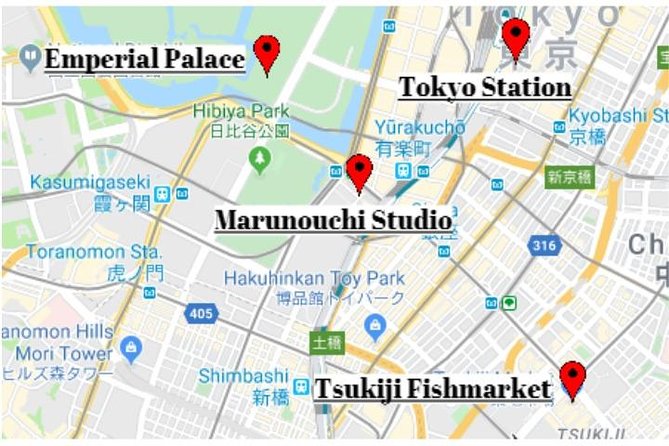
You meet at the temple entrance area (3-chōme-15-1 Tsukiji). The short visit gives you a breather before the market throws everything at you. It is not a long stop, but it helps the experience feel grounded in the neighborhood, not just in seafood trivia. The temple is known for architecture that mixes influences you might associate with South Asia and India on the outside, then surprises once you’re inside.
If you like travel days that start with a small cultural “reset,” this first stop is a good match. If you want only food and nothing else, you may find it short and slightly optional. Either way, it sets the tone.
More Market Tours in Tokyo
- Tokyo Tsukiji Fish Market Food and Culture Walking Tour
★ 5.0 · 3,184 reviews - Tokyo: Tsukiji Fish Market Food and Walking tour
★ 5.0 · 1,724 reviews - Tokyo: Tsukiji Fish Market Guided Walking Tour
★ 4.9 · 1,397 reviews
Tsukiji Outer Fish Market With an English Guide, Not a Random Walk
Then you move into the market lanes. Even when you have read about Tsukiji, it still hits you in the face. Fish, seafood cuts, dried goods, and stalls stacked shoulder-to-shoulder make it feel like a living warehouse.
What makes this part work is the guide. A good host helps you connect what you’re seeing to what it means. In the past, guides like Miho and Akiko have guided people through vendor choices and tasting spots, explaining what is worth trying and what you can safely skip. That matters because Tsukiji is not one single market experience. It is a maze of different stall types, and it is easy to waste time wandering the wrong direction.
You also get real-time context. A guide can point out ingredients you might not recognize and explain how Japanese cooks think about freshness, texture, and seasonality. I like that you do not have to translate everything yourself. Your brain is free to just look, learn, and taste.
Timing-wise, you should plan for about 70 minutes in the outer market area. The overall tour runtime is roughly 3 hours, so the guide keeps things moving. This is not a slow stroll. It is a “see the important stuff, sample the goods, then cook” format.
What You Actually Try at the Market (Examples You Can Expect)
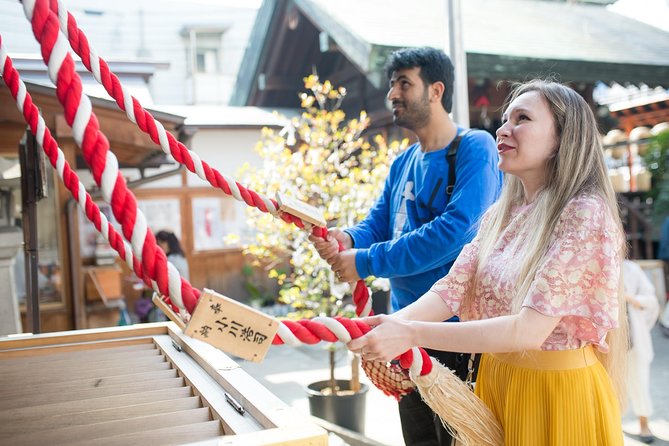
One of the top reasons people love this tour is the market tasting component. You are not only looking. You are trying small bites as you go.
What you taste can change with season and what vendors have available, but the kinds of items you might run into include:
- dried seafood bites (like dried scallops)
- dried snacks (some sessions include dried soy beans)
- seafood items you may recognize and others you may not
- sweets such as red bean mochi with strawberries, when the session calls for it
- more unusual tasting items, like dried crab-style snacks
In other words, the samples are not just “a little seafood.” They are a mix of what the outer market is good at selling and snacking on. That is useful if you want to understand Japanese food shopping beyond sushi restaurants.
A practical tip: go in with a reasonable appetite. You will be eating lunch later at the studio. Still, if you arrive too full, the market tastings can feel like an effort instead of fun.
The Short Temple Break That Makes the Market Feel Less Overwhelming
A 5-minute temple stop might sound like filler. It is not, at least not for most people.
Here’s why it helps: Tsukiji outer market is loud, crowded, and visually intense. A quick cultural pause gives your senses a place to reset. It also breaks up the flow so the experience does not become one long sprint. The temple stop makes the day feel like an actual itinerary, not a single long queue of “look, eat, go.”
If you are traveling with kids (minimum age is 9) this kind of pacing can be a big deal. It gives everyone time to breathe, ask questions, and then refocus for the cooking class.
More Market Walks in Tokyo
- Tokyo Sushi Making Class in Tsukiji with Professional Chef
★ 5.0 · 1,177 reviews - Tsukiji Fish Market Guided Tour and Sushi Making with Pro Chef
★ 5.0 · 775 reviews - Tokyo: Tsukiji Fish Market Food and Culture Walking Tour
★ 4.7 · 757 reviews - Tsukiji Fish Market: Street Food & Culture Walking Tour
★ 5.0 · 669 reviews
ABC Cooking Travel Studio, Where the Lesson Actually Happens
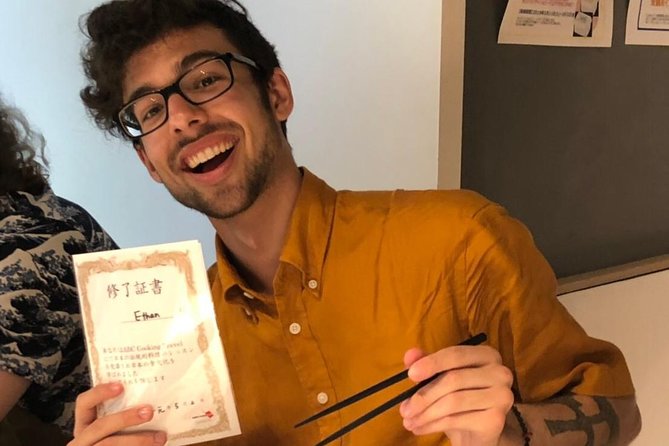
After the market walk, you head to ABC Cooking Travel. Transportation between the market and the cooking studio is included.
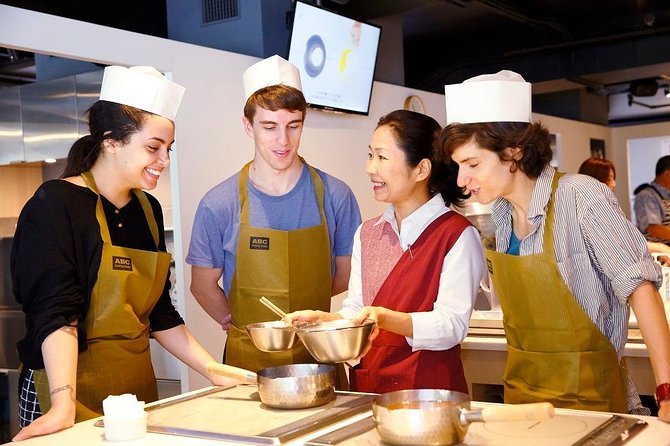
This move matters, even if you are tempted to stay in the market. You lose the spontaneity of browsing Tsukiji, but you gain structure. In the studio, you can learn techniques at a realistic pace. The space is set up for teaching, with multiple cooking stations, and you are not fighting the market for attention or time.
ABC Cooking Travel is part of a larger network, with more than 150 studios in the region. That scale shows in the organization. It is not a tiny home kitchen. It is a professional cooking-school setup designed to teach many people in a consistent way.
A small detail that sounds minor but helps: you get an apron and drinking water at the studio. When you’re doing knife work and rolling sushi, it keeps things comfortable.
Your Washoku Cooking Class: Sushi Roll and Tamagoyaki, Plus Sides
Now for the fun part. You will learn two washoku recipes, traditionally Japanese home-style cooking methods. The session typically includes:
- a sushi roll (plus the related steps to assemble and roll)
- tamagoyaki, the Japanese-style rolled omelet
- side dishes that go with the main items
In past classes, people have mentioned making things like tamagoyaki variations, nigiri-style components, miso soup, and Japanese stock. You should expect some variation depending on season and ingredient availability. The tour notes that cooking ingredients may differ from what you see in advertising photos.
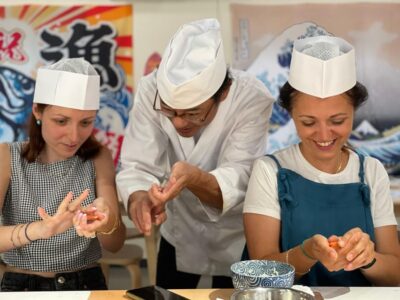
This is where the small group advantage really pays off. With fewer people, the instructor can correct technique without turning the class into a lecture. In good sessions, the teaching feels patient and step-by-step. People have praised instructors for being encouraging and organized, even when learning basics.
Still, set your expectations. Two different feedback themes show up:
- Most people love the hands-on portion and leave wanting to recreate it at home.
- If you already know sushi well, or if you expect deep explanations about Japanese sushi tradition and market sourcing, you might wish for more context.
So think of this as a practical cooking lesson first, not a sushi history seminar.
Lunch Is Part of the Payoff, With Drinks Included
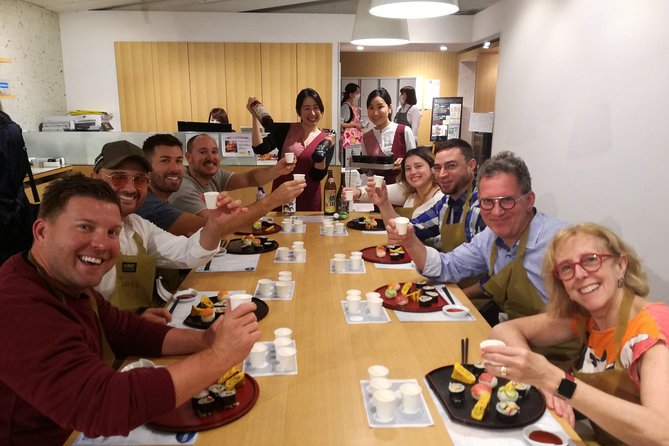
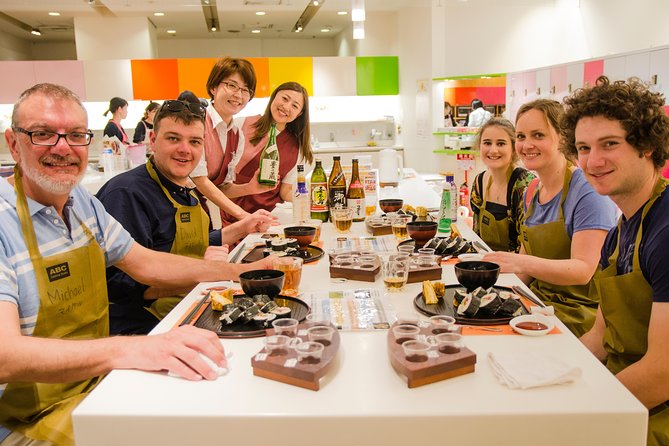
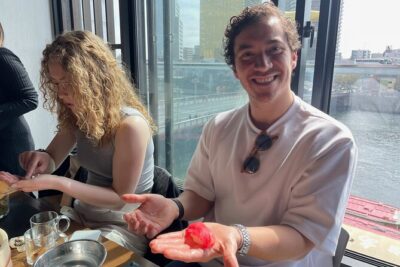
At the end, you eat what you made. You sit down for lunch and enjoy the results of the lesson.
The meal is paired with your choice of wine, plum sake, or soft drinks. That pairing matters more than it sounds. When you taste a dish you made an hour earlier, your brain finally understands what the flavors and textures are supposed to do. Wine or plum sake also turns the class from “workshop” into “celebration,” which is exactly the mood you want after market walking and rolling sushi.
A small practical note: if you’re sensitive to alcohol, pick soft drinks. The session offers options, so you do not have to guess.
Price and Value: Is $99.49 a Fair Deal?
For $99.49 per person, you are basically paying for two experiences bundled into one smooth morning:
- a guided outer market walk with sampling guidance
- a hands-on cooking lesson at a professional studio, with lunch
You also get the practical extras: English-speaking guide support, transportation between stops, apron use, and water. If you were doing these separately, you would likely spend comparable money on a market tour plus a separate sushi class.
Where value really shows is in the “guided plus coached” combo. In Tsukiji, wandering alone can turn into decision fatigue. In sushi making, watching alone can leave you unsure what you did wrong. This format addresses both. Even if you have some market experience already, an instructor-driven lesson gives you repeatable skills.
The only time the price might feel high is if you strongly expect buying ingredients for the cooking lesson, or if you want a long market session with lots of time to shop. This experience is designed around learning and tasting, not major shopping.
Group Size, Guide Style, and Why Small Matters
This tour runs with a maximum of 6 people. That small group size is not a marketing detail. It changes how the day feels.
You get:
- better pacing, with fewer people blocking sightlines at stalls
- more time for questions
- more individualized correction during cooking
- more flexibility to stop at vendors that match your curiosity
In the feedback, people often name their guides: Miho, Akiko, Lucy, Nobu, Shitomi, and others. The common thread is that guides were friendly, clear, and able to explain what you are seeing and tasting. When English is strong, it also helps you feel confident asking, not just collecting random bites.
Practical Tips for a Smooth Tsukiji Morning
A few things can make or break your experience, and they are worth planning for.
First, expect to stand and move. The market part is walking through busy aisles, and then you shift to a studio kitchen. Wear comfortable shoes. Go light on anything you do not want to manage.
Second, plan for session-to-session changes. The tour notes that ingredients may differ based on the season and arrival status. That is normal in cooking. The best move is to show up curious, not stubborn about a specific menu item.
Third, know what is allowed. Strollers and luggage are not allowed. This is mainly for comfort and safety in crowded areas and in the studio.
Fourth, use your “ask” power. The tour information says you can request alternate ingredients. If you have dietary needs, bring them up early so the class can adapt.
Finally, remember the big expectation point: there is no tuna auction watching. If that is your number one Tsukiji dream, you will need a different type of tour.
Who Should Book This Tour (and Who Should Skip It)
This is a great choice if:
- you want a guided Tsukiji Outer Market experience with tasting help
- you want to learn sushi and tamagoyaki through actual hands-on cooking
- you like small-group classes where questions are welcomed
- you want lunch included, tied to what you cooked
It may not be your best pick if:
- you only care about tuna auction action
- you want lots of free time to shop and compare raw ingredients on your own
- you expect an ultra-deep dive into sushi tradition and market anthropology, because this is a cooking-first format
If you are traveling with older kids, the structure can be a win. The lesson gives everyone a clear task, and the final meal rewards that effort.
FAQ
Where does the tour start?
You meet at Tsukiji Hongan-ji Temple, 3-chōme-15-1 Tsukiji, Chuo City, Tokyo.
How long is the experience?
It runs about 3 hours.
Will the guide speak English?
Yes. The tour includes an English-speaking guide.
What will I cook in the class?
You learn two washoku recipes. The session typically includes a sushi roll and tamagoyaki (Japanese rolled omelet), plus side dishes.
Is tuna auction watching included?
No. Tuna auction watching is not included.
What happens at the end of the lesson?
You finish by eating the dishes you made for lunch, with your choice of wine, plum sake, or soft drinks.
What is the group size?
The experience has a maximum of 6 travelers.
What is the minimum age and height requirement?
The minimum age is 9 years old, and the minimum height is 4.2 ft (130 cm).
Should You Book This Tour?
Yes, if you want the practical mix of guided market sampling plus a real sushi-and-tamagoyaki lesson, with lunch at the end. The small group size, English guide support, and structured studio teaching make it a strong value for $99.49.
Skip it only if tuna auction viewing is your main goal, or if you want long, independent time shopping in the market. For most people who love food and want skills you can repeat at home, this is a solid Tokyo morning plan.
More Sushi Workshops in Tokyo
- Sushi Making Tokyo Roll and Authentic Japanese Sushi Class
★ 5.0 · 3,971 reviews - Tokyo: Roll and Authentic Sushi Making Class in Asakusa
★ 4.9 · 1,957 reviews - Tokyo: Sushi Making Class in a Happi Coat near a Famous Spot
★ 4.9 · 1,377 reviews - Sushi Making Tokyo! Popular Maki Sushi & Japanese Sushi(+Recipe!)
★ 5.0 · 1,314 reviews
More Shopping Tours in Tokyo
- Tsukiji Fish Market Small-Group Food Walking Tour
★ 5.0 · 621 reviews - Tokyo: Tsukiji Fish Market Sushi Making Class with Pro Chef
★ 4.9 · 506 reviews - Tokyo Food Tour Taste Fresh Delights at Tsukiji Market
★ 5.0 · 429 reviews - Tsukiji Fish Market: Street Food & Culture Walking Tour
★ 4.8 · 259 reviews
Newly listed around Tokyo
- Tokyo private transfer for Yokohama Port★ 4.5 · 63 reviews
- Luxury Kimono Photoshoot at Ginza Tokyo★ 5.0 · 7 reviews
- Tokyo Allstar Food Tour★ 4.5 · 206 reviews
- Tokyo Art Aquarium Museum E-Ticket with optional Tokyo Metro Pass★ 5.0 · 17 reviews
- Tokyo: Best Ginza Food Tour at 3 Local Eateries★ 5.0 · 83 reviews
- Private One Day Nikko Tour with Bilingual driver★ 3.5 · 11 reviews
- PRIVATE tour in 180SX to Daikoku+++++★ 5.0 · 6 reviews
- Kabuki Talk★ 5.0 · 10 reviews
Sushi Cooking Workshops, compared.
Sushi Making Tokyo Roll and Authentic Japanese Sushi Class
Read our review →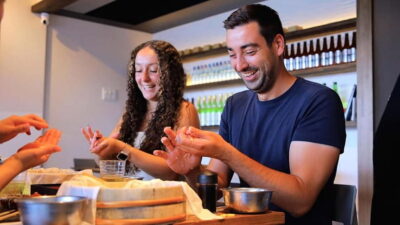
Roll and Authentic Sushi Making Class in Asakusa
Read our review →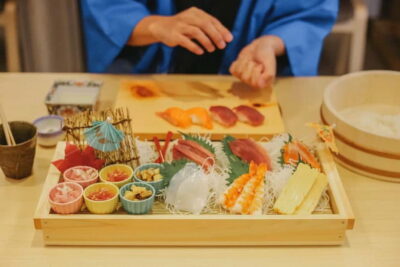
Sushi Making Class in a Happi Coat near a Famous Spot
Read our review →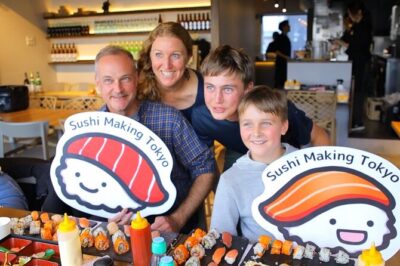
Sushi Making Tokyo! Popular Maki Sushi & Japanese Sushi(+Recipe!)
Read our review →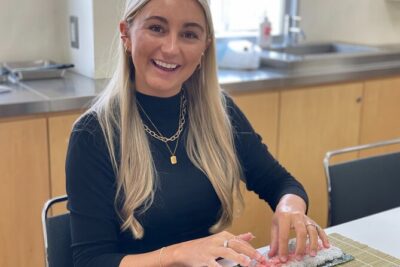
Tokyo Sushi Making Class in Tsukiji with Professional Chef
Read our review →
Tokyo Night Foodie Tour in Shinjuku – Seasonal Sushi, Wagyu Beef
Read our review →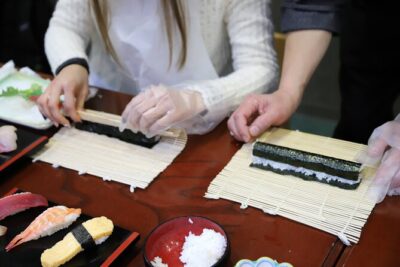
Tsukiji Fish Market Guided Tour and Sushi Making with Pro Chef
Read our review →