
Review · SOBA & UDON MAKING CLASSES
///Soba Making Experience///Use The BIG Soba-Knife!!
Making soba sounds fancy, but this class in Asakusa is built for fast success, even if you have never held a soba knife before. I like the focus on speed and technique, you get cutting practice and then you actually eat your noodles, not just watch. I also like the wide flavor menu, including vegan and walnut options, plus a free drink to keep the mood relaxed. The main drawback to plan around is that you need to arrive on time, because the whole session runs on a tight 50 minute rhythm.
There is also something reassuring about the setting: a spacious open kitchen studio in Kappabashi, where you can see what’s happening and where photos are part of the experience. If you are traveling with very young kids, note the class is not suitable for children under 2 years, so you may want to rethink timing or choose a different activity.
In This Review
- Quick Hits Before You Go
- Cutting Soba Noodles on Kappabashi’s Kitchen Tool Street
- What the 50 Minutes Actually Feels Like
- The Big Soba Knife Challenge (And Why It Helps)
- Shinshu Buckwheat From Nagano: Why It Matters
- From Cutting to Eating: The Open Kitchen Setup
- Flavor Menu You Can Build Around, Including Vegan
- The Free Drink and Why It Changes the Mood
- Staff Guidance, Photos, and Language Support That Actually Works
- Price and Value: $57 for a Skill Plus a Meal
- Who This Soba Class Fits Best (And Who Might Not)
- Should You Book SOBAGIRI楽常 Soba Making in Asakusa?
- FAQ
- How long is the soba making experience?
- What is the price per person?
- What do I do during the class?
- Are any drinks included?
- Do they offer vegan or non-meat options?
- Where do I meet for the experience?
- Is the experience wheelchair accessible?
Quick Hits Before You Go
- The big soba knife makes it feel like real noodle cutting, not a toy demo.
- A tight 30 minutes of making, then you roll into boiling and eating right away.
- Shinshu buckwheat from Nagano is the base, which matters for flavor and texture.
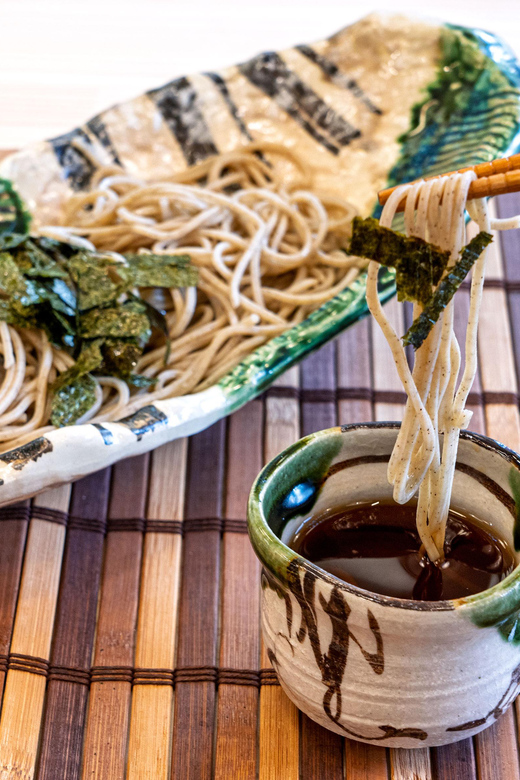
- Lots of flavors like wagyu sukiyaki, vegan soba, walnut dressing, plus hot and cold zaru style.
- Free one drink and all-you-can-eat snacks keep the class from feeling like just a lesson.
- Up to 25 people, so you get a lively group vibe without feeling cramped.
Cutting Soba Noodles on Kappabashi’s Kitchen Tool Street
This soba making experience happens in the Honshu area of Japan, centered in Asakusa, and more specifically around Kappabashi, the place where cooking tools and food-related specialties crowd together. The location is handy for pairing with a temple and street wandering, because you’re in the Asakusa orbit. You can even plan it as a “do one hands-on food thing, then shop” afternoon.
The meeting point is easy to spot once you know the landmark: the studio is diagonally across from a food sample specialty store with a large beetle objet d’art on Kappabashi Kitchenware Street. That beetle is the kind of thing you do not forget, and it helps if you are using Google Maps.
The studio itself is a spacious open-air ground floor setup, and the experience can handle up to 25 participants at once. That size is big enough to feel like an event, but small enough that the process stays organized. In the session, you roll, cut, and then eat what you make, so the pacing needs to be tight. That’s why arriving close to the reception time matters.
Soba and Udon Making classes readers book most in Tokyo:
- Experience Big soba knife Soba Making Class in Tokyo Kappabashi
★ 5.0 · 71 reviews - Made from flour in 30min! Ramen-noodle Making Experience!
★ 4.8 · 24 reviews - Popular in SapporoExperience authentic hand-made soba at a real soba shop!
★ 5.0 · 77 reviews
What the 50 Minutes Actually Feels Like
Time here is the whole design. The experience runs about 50 minutes, but what you do inside that window is structured so you do not burn your day waiting around.
Here is the flow in plain terms:
- You meet around 10 minutes before the start time for reception.
- You do soba trebia for about 5 minutes, then stretching for 10 minutes.
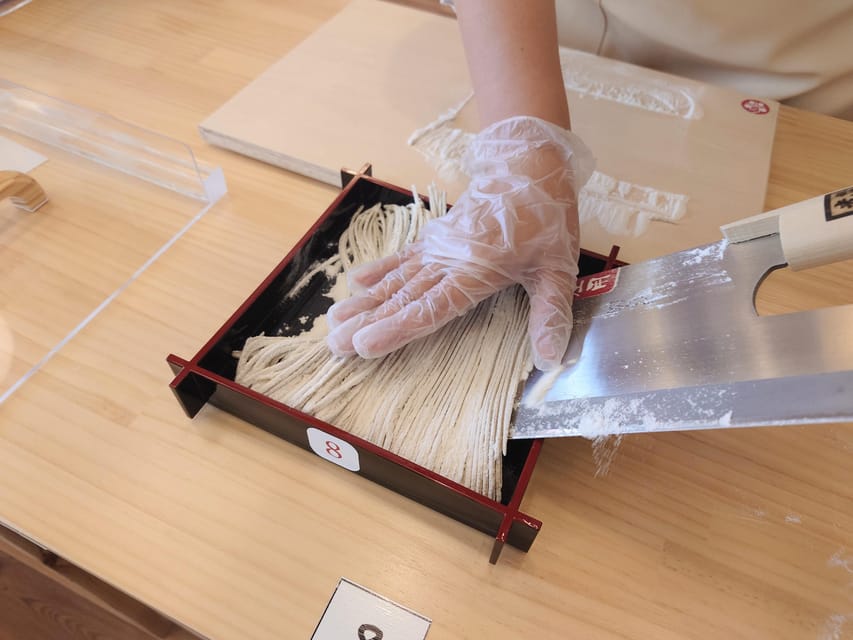
- You move into cutting for around 10 minutes.
- You get photo time.
- Staff boil the noodles immediately.
- Then you eat.
The reason this timing works for most people is that it limits the chances you will grow bored or anxious. Instead of spending most of the class on instruction, you are cutting quickly, then eating quickly, which makes the whole experience feel like a food moment, not a classroom exercise.
I also like that the process is broken into steps. Cutting noodles without help can feel intimidating, but stretching and prep time make the action feel more physical and more doable. It’s still a challenge, just not an overwhelming one.
If you’re the type who likes photos, you’re covered. There is a photo time built into the session, which helps if you want evidence that you really did the cutting, not just ate noodles.
The Big Soba Knife Challenge (And Why It Helps)
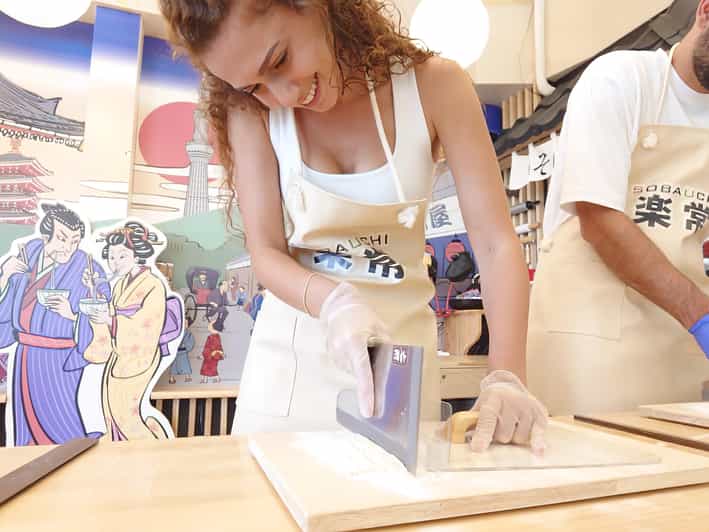
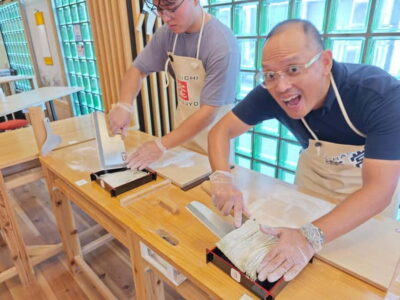
The star tool is the big soba knife, made specially for soba cutting. This is not about elegance. It is about control and speed. You are challenged to make thin, long soba noodles, and the class uses a smart technique designed to help you produce fine noodles within the allotted time.
That “big knife” detail might sound gimmicky, but it actually helps your success. With a proper blade for the task, you are more likely to get consistent strips rather than mangling edges. The class also emphasizes rolling, cutting, and then eating right away, so you learn by doing.
One more important ingredient detail: you work with soba noodles made from buckwheat flour, and the class highlights that wheat flour is not used in the soba cutting experience. For many people, that is part of the appeal of soba itself. You’re not just making a snack, you’re learning a food craft grounded in a specific ingredient tradition.
I’ll be honest, you will not leave a professional noodle artisan. But you will leave with noodles that feel real, and that’s what makes the class worth your time.
Shinshu Buckwheat From Nagano: Why It Matters
The class uses high-quality buckwheat flour from Shinshu, in Nagano Prefecture. Nagano is known for being flavorful for soba, and in practice that matters because buckwheat flavor shows up in your final bite. If the base ingredient is good, your homemade effort tastes more convincing.
This is one of those subtle travel food points that changes the experience. If you used mediocre flour, your noodles would likely taste flat, and then the whole cutting-and-eating ritual would feel less rewarding. With better buckwheat as the foundation, even a beginner’s noodles can taste like soba, not just like something you shaped.
Staff boil your noodles immediately after you finish cutting. That fast turnaround also helps. Freshly cut soba has a different feel than noodles you wait too long to cook. Here, the class design protects that freshness, so your work becomes dinner.
A few more Tokyo days to weigh up
- Mt Fuji and Hakone 1-Day Bus Tour Return by Bullet Train
★ 5.0 · 26,383 reviews - 1-Day Tokyo Bus Tour
★ 5.0 · 14,250 reviews - Tokyo: TOKYO SKYTREE® Admission ticket
★ 4.5 · 11,192 reviews - Tokyo: teamLab Planets TOKYO Digital Art Museum Entry Ticket
★ 4.6 · 9,779 reviews
From Cutting to Eating: The Open Kitchen Setup
After you cut, staff handle the boiling right away. That’s a smart handoff. Cooking thin noodles at the wrong moment or for too long can ruin texture, and letting staff do it means you can focus on the craft portion and still end up with noodles that are actually pleasant to eat.
The eating space is right there in the shop experience. You do not have to go hunt for a restaurant or return to a different location for the meal. That convenience is a big part of why this works as a standalone activity in Asakusa.
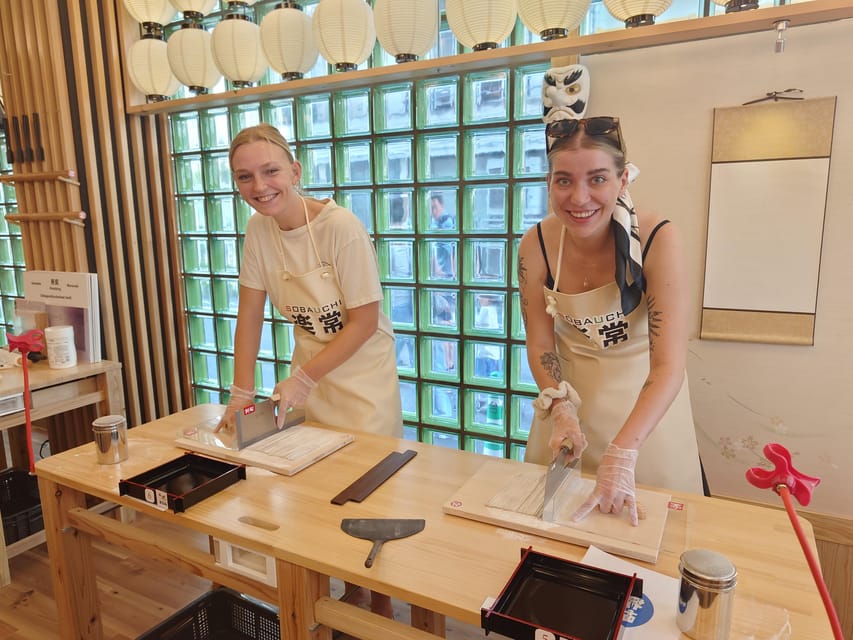
The interior decor is another plus. You can tell the studio expects photos because the space is photogenic and roomy. People like Maricon from Japan specifically pointed out how friendly the staff are and that they guide you step-by-step. GetYourGuide traveler feedback also highlighted smooth guidance during the early steps, which lines up with how the class is structured.
If you are traveling in a group, this is also worth noting: the studio can fit up to 25 participants comfortably, so you are not shoulder-to-shoulder in a narrow hallway. It feels like an event with enough breathing room for everyone to participate.
Flavor Menu You Can Build Around, Including Vegan
Here’s the fun part. You don’t just eat plain soba and go home. Your noodles become a base for multiple flavors, and the menu is designed for variety across diets.
The flavor list includes:
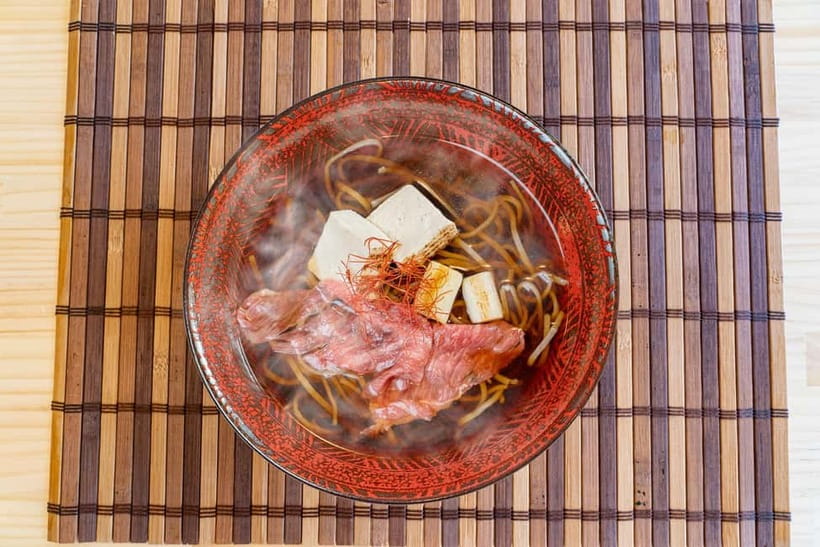
- Wagyu Beef Sukiyaki Soba
- Oyako Chicken Yonaki Soba
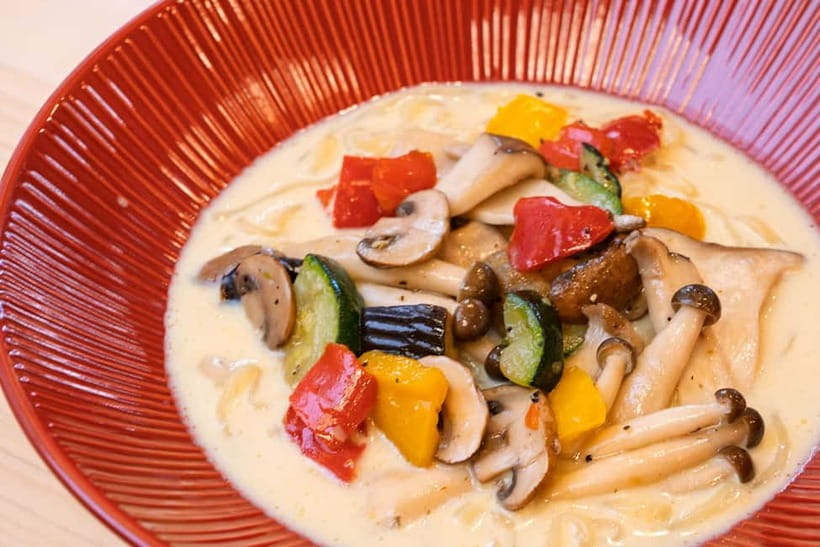
- Tofu Vegan Soba
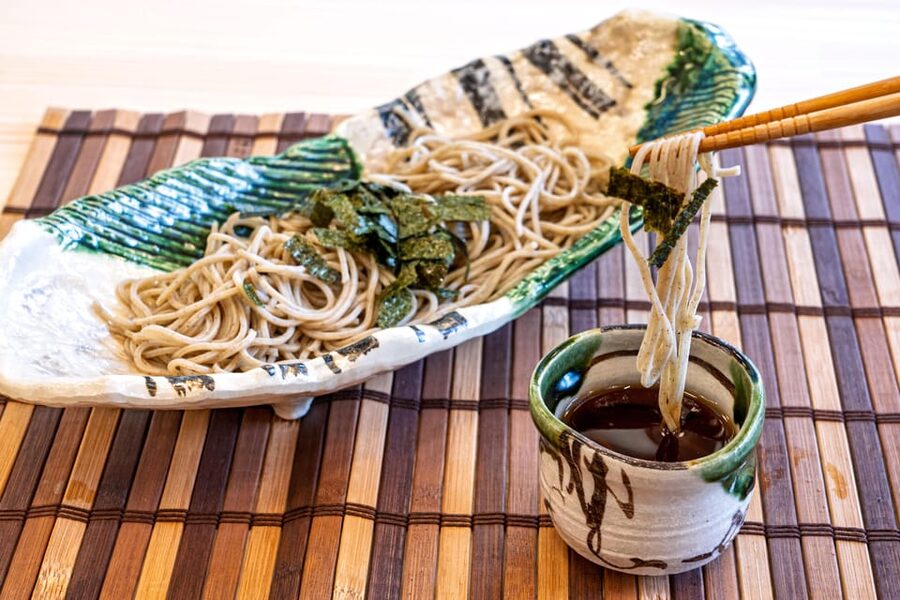
- Cold Zaru Soba
- Soba with Walnut dressing
- Tomato Salad Soba
- Soba with grated pork shabu
- Shrimp Salt Soba (hot or cold)
There are also popular picks tied to the season and demand. Wagyu Sukiyaki Soba ranks first, vegan soba is right near the top, and walnut soba does well too.
I like that the class gives you choices so you can match the meal to your mood. If you want something comforting, wagyu sukiyaki or chicken is a great route. If you want lighter refreshment, cold zaru or tomato salad soba can feel easier after sightseeing.
Then there’s the “beyond dinner” aspect. The eating space includes all-you-can-eat Japanese snacks from proud Japanese manufacturers. You are not limited to one small plate. That snack factor turns the meal into a more relaxed, hangout-style payoff after the hands-on work.
The Free Drink and Why It Changes the Mood
One drink is included, and you can choose from options like beer, sake, highball, lemon sour, juice, non-alcoholic beer, and other selections. That sounds like a small perk, but it changes how you experience the class.
Soba classes can feel technical and focused. With a drink included, the tone shifts toward social and celebratory, especially if you are traveling with a partner or friends. It also makes it easier to try different flavors without worrying about extra costs.
A practical tip: pick a drink that helps you enjoy the menu you chose. For example, if you go for richer options like sukiyaki, something crisp can balance the meal. If you go for cold zaru, a lighter drink can keep the experience feeling refreshing.
Staff Guidance, Photos, and Language Support That Actually Works
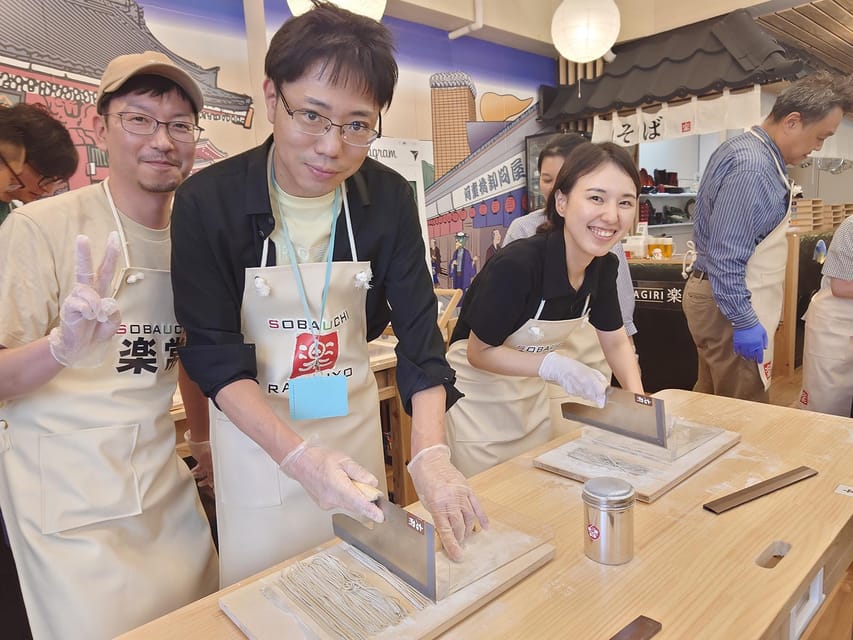
This is where the experience earns its high marks. Massimo from France rated the personnel and the whole setup as top tier, and it matches the way the class is organized: people are actively guiding you through each step rather than throwing you into the cutting station alone.
Maricon from Japan also noted that it is easy to find using Google Maps and that staff guide every step, plus they take plenty of photos. That matters because many food experiences in Japan are hands-on, but not all are photogenic in a structured way. Here, photos are part of the event.
One more detail that can make or break an English-friendly class is language support. MomaMaNo from Germany pointed out that even if owners did not have deep English for every instruction, they used a translator app and it caused no real problems. That’s exactly what you want to hear. You can relax and focus on the cutting rather than worrying you will miss key steps.
In other words: yes, you will participate. But you will not be left guessing.
Price and Value: $57 for a Skill Plus a Meal
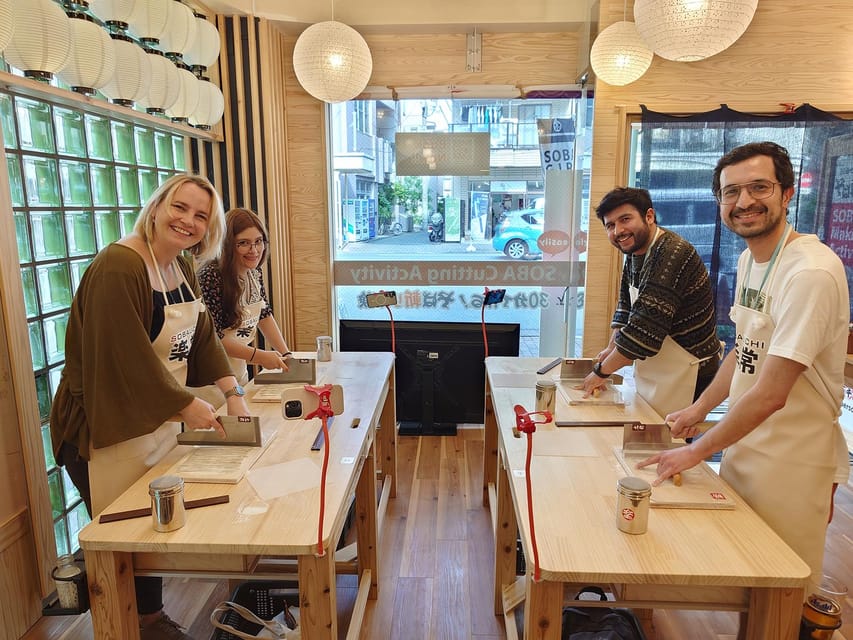
At $57 per person, the cost is not the cheapest way to eat noodles in Asakusa. But you are paying for two things that many food experiences separate: a real technique lesson and an actual meal built around your work.
You get:
- Soba making experience using the big soba knife
- Dining on soba you cut yourself
- One free drink
- All-you-can-eat snacks in the eating space
For me, the value calculation comes down to this: you are not only buying food, you are buying a short craft session with immediate results. You participate, you eat what you made, and you get extras like snacks and a drink. That combo is why this price can feel fair.
Also, the schedule is efficient. In 50 minutes, you cover prep, cutting, photos, boiling handoff, and eating. If you’re sightseeing and want a “single stop” that feeds you and gives you a story, this format is ideal.
Who This Soba Class Fits Best (And Who Might Not)
This class is especially well-suited if you want hands-on food fun in Asakusa without turning it into a half-day project.
Based on the session vibe and how the shop handles groups, it fits:
- Couples who want a shared activity with a clear payoff on the plate
- Families with kids old enough to participate comfortably (it does have the under-2 limitation)
- Friends in small to mid-size groups, since the studio is set for up to 25
If you’re a solo traveler, you can still enjoy it, but the main value is the social energy and the shared tasting of different flavors. Also, you should be comfortable eating multiple flavor styles in one sitting, because the class encourages variety.
If you hate short, timed activities and you need long breaks to feel calm, this might feel a bit fast. The session is designed for momentum.
Should You Book SOBAGIRI楽常 Soba Making in Asakusa?
If you want an Asakusa food experience that is more than a meal, I think this is a strong choice. The big soba knife, the Shinshu buckwheat focus, and the fast “cut then eat” flow make it feel like real learning with real payoff. Add in the free drink, the snack spread, and the helpful guidance, and it becomes an easy yes for most people.
I would book it if:
- You want hands-on cooking fun in a short time window
- You like the idea of multiple soba flavors, including vegan options
- You care about smooth instructions in English-supported format
I would skip or reconsider if:
- You are traveling with a child under 2 years
- You dislike structured time blocks
- You only want a quick bowl of soba and nothing else
If your goal is a memorable, practical food story you can tell later, this one delivers.
FAQ
How long is the soba making experience?
The experience runs about 50 minutes.
What is the price per person?
The price is $57 per person.
What do I do during the class?
You do hand prep, stretch, then practice rolling and cutting soba noodles with a large knife made for soba, and you eat the noodles you cut.
Are any drinks included?
Yes. One drink is free, with options that include beer, sake, highball, lemon sour, juice, and non-alcoholic beer.
Do they offer vegan or non-meat options?
Yes. Vegan soba and tofu vegan soba are on the flavor menu.
Where do I meet for the experience?
Meet diagonally across from a food sample specialty store with a large beetle objet d’art on Kappabashi Kitchenware Street.
Is the experience wheelchair accessible?
Yes, the experience is wheelchair accessible.
Newly listed around Tokyo
- Tokyo private transfer for Yokohama Port★ 4.5 · 63 reviews
- Luxury Kimono Photoshoot at Ginza Tokyo★ 5.0 · 7 reviews
- Tokyo Allstar Food Tour★ 4.5 · 206 reviews
- Tokyo: Best Ginza Food Tour at 3 Local Eateries★ 5.0 · 83 reviews
- Private One Day Nikko Tour with Bilingual driver★ 3.5 · 11 reviews
- Tokyo Art Aquarium Museum E-Ticket with optional Tokyo Metro Pass★ 5.0 · 17 reviews
- PRIVATE tour in 180SX to Daikoku+++++★ 5.0 · 6 reviews
- Kabuki Talk★ 5.0 · 10 reviews
Soba & Udon Making Classes, compared.
Popular in SapporoExperience authentic hand-made soba at a real soba shop!
Read our review →
Mondo’s most popular plan! Experience making soba noodles and the king of Japanese cuisine, tempura, in Sapporo!
Read our review →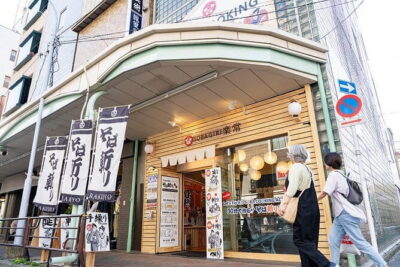
Experience Big soba knife Soba Making Class in Tokyo Kappabashi
Read our review →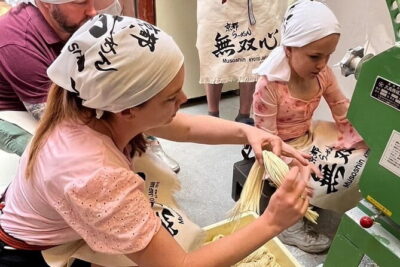
Made from flour in 30min! Ramen-noodle Making Experience!
Read our review →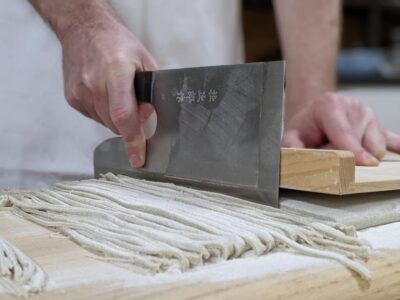
Matsumoto Castle Tour & Soba Noodle Making Workshop
Read our review →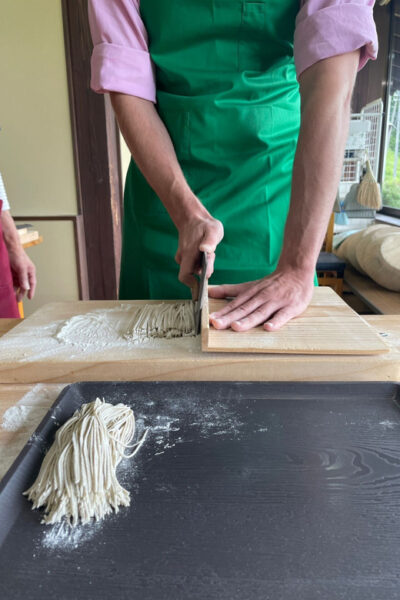
1-Day Togakushi: Soba making, Ninja Town and Hidden Shrines
Read our review →
Top-rated experience Includes soba noodle making and tempura
Read our review →Browse the lists this tour appears in