
Review · WORKSHOPS
Japanese Fan Painting Workshop ~ in a Tokyo Flower Shop
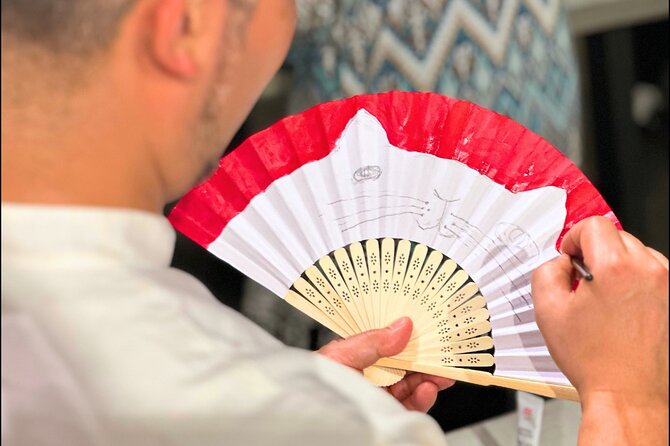
Two hours. One fan. In a Tokyo flower shop in Chiyoda, you’ll learn the craft, then paint your own design in a peaceful break from the city.
What I like most is the beginner-friendly guidance and the chance to pick your fan shape, size, and colors before you paint. You’re also in a small group vibe, which makes it easy to chat with like-minded artsy visitors.
One consideration: if you’re expecting an all-day studio class or advanced art instruction, the 2-hour format may feel short and basic for your goals.
In This Review
- Key Points Worth Knowing Before You Go
- A Calm Tokyo Stop in Chiyoda, Not Another Street-Sprint
- Your Folding Fan Becomes the Canvas (and the Practical Souvenir)
- Learn the Cultural Role Before You Paint
- Step-by-Step Painting Time, from First Sketch to Final Touches
- 1) Choose your fan and plan your motif
- 2) Paint with guidance, not guesswork
- 3) Keep it relaxing
- 4) Finish with photos and a strong sense of completion
- What You Take Home (and Why It Feels Like More Than a Craft)
- Price and Value for a 2-Hour Tokyo Workshop
- Who Should Book This Fan Painting Workshop, and Who Might Not
- Should You Book It?
- FAQ
- How long is the Japanese Fan Painting Workshop?
- Where does the workshop take place?
- What do you do during the workshop?
- Are materials provided?
- How big is the group?
- Can I cancel for a full refund?
Key Points Worth Knowing Before You Go
- Chiyoda flower shop setting keeps the workshop calm, not chaotic.
- Small group size (max 20) makes it easier to get personal help.
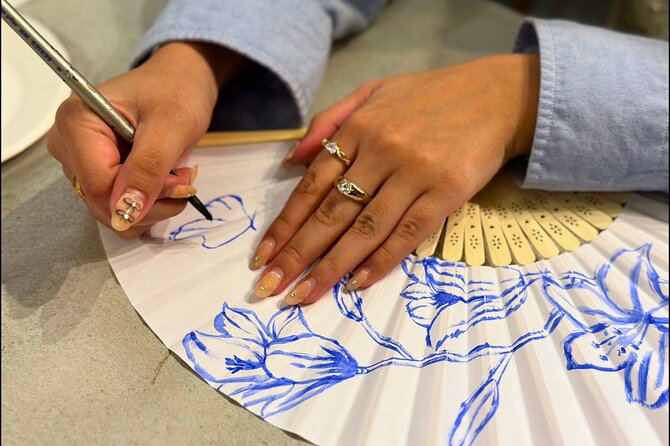
- Traditional motifs or your own design gives you creative control.
- Materials are provided, from paints to brushes, so you can focus on the fun part.
- You’ll get tips for painting on an irregular surface, which matters on folding fans.
- Guidance from Ruby and her team is patient, welcoming, and works well for first-timers.
A Calm Tokyo Stop in Chiyoda, Not Another Street-Sprint
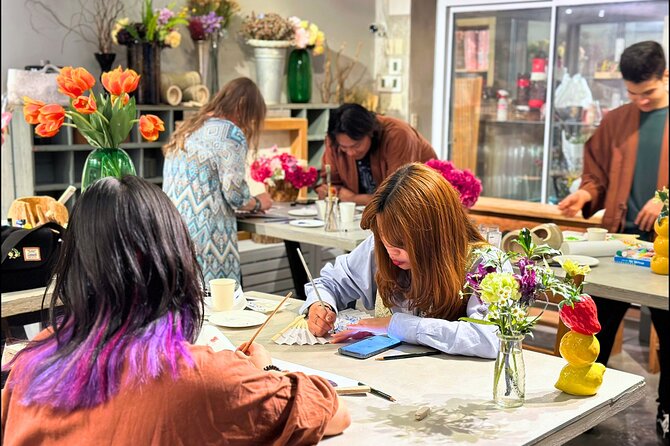
This workshop is a simple idea with a surprisingly good payoff: trade the usual Tokyo sightseeing crush for a quiet creative session inside a flower shop. The meeting point is Park House Chiyoda Kojimachi, 6-chōme 46, Chiyoda City (Kōjimachi area), and the activity ends back at the same place.
Why that matters: Tokyo can feel loud and fast, especially if you’re bouncing between popular neighborhoods. Here, you’re stepping into a space built for slowing down. The shop itself is described as gorgeous and flower-filled, which sets the mood right away. Instead of searching for a landmark, you’re arriving at a place designed for making something.
The format is also easy to plan around. You’re looking at about 2 hours total, and it’s capped at 20 people, so it doesn’t turn into a big factory line. Confirmation comes at booking, and you use a mobile ticket. It’s also near public transportation, so you’re not stuck with a long, awkward “last mile” walk.
If you want your Tokyo day to include one peaceful moment that still feels cultural and hands-on, this location and timing do that job.
A few more Tokyo days to weigh up
- Mt Fuji and Hakone 1-Day Bus Tour Return by Bullet Train
★ 5.0 · 26,383 reviews - 1-Day Tokyo Bus Tour
★ 5.0 · 14,250 reviews - Tokyo: TOKYO SKYTREE® Admission ticket
★ 4.5 · 11,192 reviews
Your Folding Fan Becomes the Canvas (and the Practical Souvenir)
The key object here is the Japanese folding fan. You don’t just decorate it and walk away. Each participant chooses from different fan shapes, sizes, and colors, and that selection becomes part of your final look.
Then the fan does two things at once:
- It’s your painting surface.
- It’s a cooling tool for warm months, which means your souvenir actually gets use, not just shelf display.
That dual purpose is a big part of the value. In a lot of workshops, you’re paying for a decoration. In this one, you’re making something designed for everyday handling.
You also get choices in style. There’s room for traditional motifs like cherry blossoms, koi fish, and scenic scenes, but you can also do your own design. That’s important because fan painting can feel more intimidating if you think you need to copy a master. Instead, the workshop approach gives you options so you’re not locked into one look.
And yes, the fan shape is an irregular surface. That’s not a small detail. Painting on a curved, folded object has its own logic, and good instruction helps you avoid the most common frustrations like streaky edges or paint that sits oddly on folds.
Learn the Cultural Role Before You Paint
A fan in Japan is not just an accessory. In the workshop, you’ll learn about the history and significance of fan painting in Japanese culture. That context gives your design meaning beyond decoration.
You’ll hear about how fans show up in daily life and tradition, and why motifs became a natural fit for fan art. The workshop doesn’t ask you to be a scholar. It keeps the explanation practical and connected to what you’re doing with your brush.
This is also where the instructor guidance really matters, especially if you’re a beginner. One review highlights that even people with zero confidence in art were guided with patience and kindness. Another mentions getting helpful advice specifically for painting on an irregular surface using acrylic and water-based paints.
So you’re not just getting supplies. You’re getting the “how to think about this” part too:
- what motifs are common and why they work,
- how to handle color and detail on a fan,
- how to approach brushwork when the surface isn’t flat.
If you love travel experiences that give you a cultural thread you can carry home, this part is one of the best uses of your time.
Step-by-Step Painting Time, from First Sketch to Final Touches
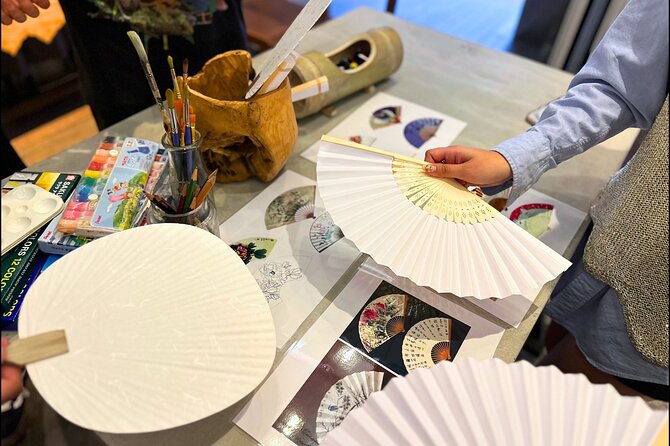
Once you arrive, you’re welcomed into the flower-filled space and guided through the process. The workshop structure is built to keep momentum. You pick your fan, then you start painting with instructor support.
Here’s what you can expect during the hands-on part:
A different sort of day in Japan:
- Tokyo: teamLab Planets TOKYO Digital Art Museum Entry Ticket
★ 4.6 · 9,779 reviews - Mt Fuji & Hakone Cruise, Drum Show Bullet Train 1 Day from Tokyo
★ 4.0 · 7,413 reviews - Tokyo: Sumo Show Experience with Chicken Hot Pot and a Photo
★ 4.8 · 6,678 reviews - Tokyo: Shinjuku Food Tour (13 Dishes at 4 Local Eateries)
★ 5.0 · 6,603 reviews
1) Choose your fan and plan your motif
You’ll select the fan shape, size, and colors first. That choice affects the look of everything that follows. If you like bolder designs, you may choose a fan that feels like it can handle more color and larger shapes. If you prefer delicate detail, you can lean into that too.
The workshop offers traditional options like cherry blossoms and koi fish. You can also create your own design, which is great if you’re traveling with a sketchy idea and want permission to make it yours.
2) Paint with guidance, not guesswork
Your instructor will walk you through techniques and tips so you can make the most of the uneven surface. Fans force you to think differently than painting on paper or canvas.
One useful tip mentioned in a review: advice for painting on an irregular surface using acrylic and water-based paints. That tells you the workshop isn’t just “paint and hope.” It’s practical, especially around how the materials behave on folds and curves.
3) Keep it relaxing
This is not a timed art exam. Reviews describe the vibe as a quiet afternoon with helpful advice, and there’s a sense that the workshop is meant to be relaxing rather than stressful.
You’ll likely move through your design step-by-step, with corrections or suggestions when needed. Since the group max is 20, the instructor can actually help rather than shout instructions across the room.
4) Finish with photos and a strong sense of completion
At the end, you’ll have time to look over your fan and take pictures. That matters more than you might think. A workshop souvenir can feel less satisfying if you rush the final reveal. Here, you’re given a chance to appreciate what you made.
What You Take Home (and Why It Feels Like More Than a Craft)
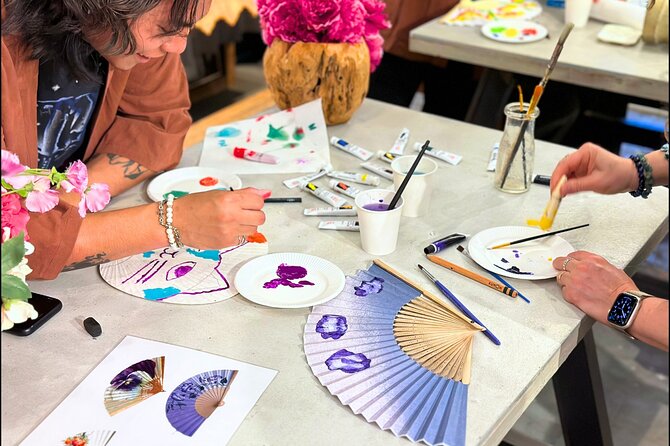
The obvious take-home item is your finished fan, painted by you. But the better “value” story is what you’ll feel when you use it.
Because you’re making something functional, it doesn’t end up as a forgotten postcard replacement. You can actually use it in warm weather, or at least keep it as a tactile reminder that you made it, not bought it.
Also, you’re walking away with a cultural connection. Knowing the role fans played in Japanese culture changes the souvenir from a generic decoration to something you understand. It’s one of those travel wins that adds meaning to a small object.
If you’re the type who likes bringing home something personal and well-made, this hits that sweet spot. Reviews reflect that too, with beginners praising how kind and patient the instruction was, and with others enjoying the calm pace and the practical painting help.
Price and Value for a 2-Hour Tokyo Workshop
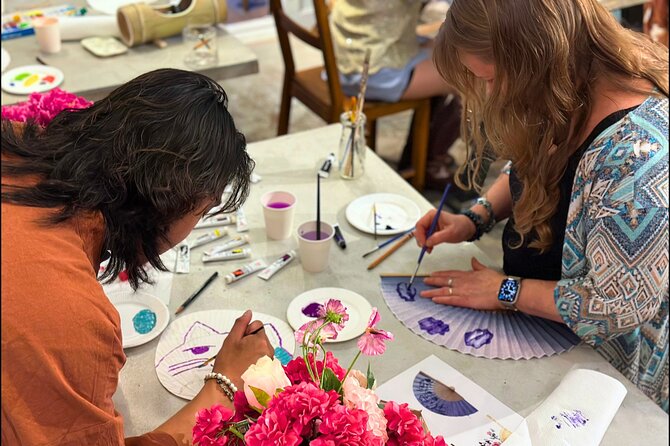
The price is $60.00 per person for about 2 hours, and you’ll use a mobile ticket. It’s booked around 47 days in advance on average, which suggests it’s popular enough that you shouldn’t leave it to the last minute.
Is it good value? For me, it comes down to three things you do not have to manage yourself:
1) You’re paying for guidance so you don’t waste time fighting the materials.
2) Supplies are provided, including paints and brushes.
3) You leave with a functional souvenir you can actually use.
In other words, this isn’t just “pay for an activity.” It’s pay for a structured, coached creative session with an outcome.
Group size helps too. A cap of 20 means you’re less likely to feel ignored. That’s a big deal in workshops, where quality often depends on whether you get correction when you need it.
If you’re watching costs tightly, compare your plan. A $60 craft can feel pricey if you’re only looking for entertainment. But if you want a calm cultural experience, beginner help, and a usable item at the end, it’s a solid use of an afternoon.
Who Should Book This Fan Painting Workshop, and Who Might Not
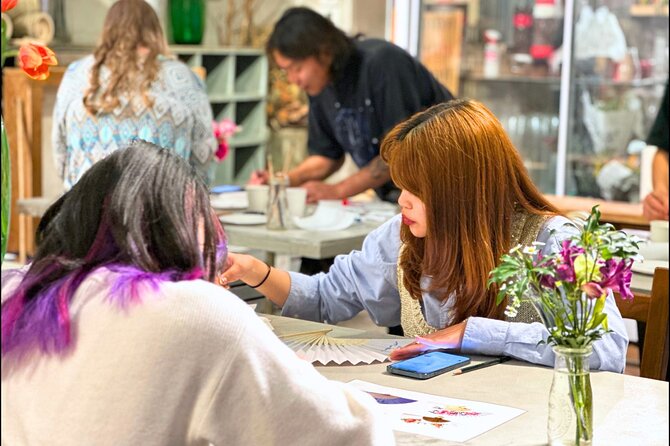
This workshop is a great fit if you:
- want a break from Tokyo’s hectic sightseeing pace,
- like hands-on cultural activities,
- are traveling as a couple, friends, or solo and want a small-group vibe,
- are a beginner who needs patience and practical tips.
It’s also a smart choice if you enjoy low-stress creativity. The workshop environment is described as tranquil, and the guidance is clearly supportive. You don’t have to arrive with serious art skills.
Who might consider skipping? If you’re looking for a high-level art bootcamp with lots of advanced technique instruction, the 2-hour format and beginner-leaning pace might not satisfy. One review mentioned that the overall time was nice but that they had done quite a few works already, which hints that repeat workshop-goers may want a more challenging level.
And one more quick thought: if you’re the type who gets bored unless every moment is packed with big sights, this is intentionally slower. It’s designed for calm, so bring the right mindset.
Should You Book It?
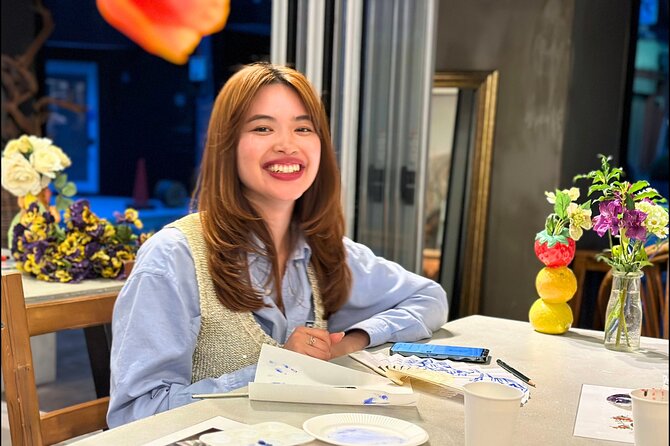
If you want one Tokyo activity that feels peaceful, creative, and culturally connected, I’d book the Japanese fan painting workshop. The combination of a flower-shop setting, small group size, and patient instruction from Ruby and her team makes it a strong choice for beginners and for people who want something different from the usual tourist list.
Book it especially if you like the idea of leaving with a souvenir that’s both beautiful and functional. The fan is small, personal, and useful, which is exactly the kind of travel memory I prefer.
If that sounds like your style, go for it. Then keep the rest of your day light, so you can enjoy the calm atmosphere instead of racing the clock.
FAQ
How long is the Japanese Fan Painting Workshop?
The workshop lasts about 2 hours.
Where does the workshop take place?
You meet at Park House Chiyoda Kojimachi in Tokyo (6-chōme 46, Kōjimachi). The experience ends back at the meeting point.
What do you do during the workshop?
You choose a fan and paint your design with help from an instructor. The session covers traditional motifs and the role fans have in Japanese culture.
Are materials provided?
Yes. The workshop provides the materials you need, including paints and brushes.
How big is the group?
The group size is capped at a maximum of 20 travelers.
Can I cancel for a full refund?
Yes. Free cancellation is available up to 24 hours in advance for a full refund. If you cancel less than 24 hours before the start time, the amount paid is not refunded.
Newly listed around Tokyo
- Private Tokyo Food Tour – A Journey Through Time Through Food★ 5.0 · 36 reviews
- Private Tokyo Tour with Licensed Guide & Vehicle (Max 15 persons)★ 5.0 · 107 reviews
- Private Tokyo Custom Full-Day Tour by Chartered Vehicle★ 5.0 · 16 reviews
- Private Tokyo Custom Half-Day Tour by Chartered Vehicle★ 4.5 · 13 reviews
- Private Outstanding Nikko Tour with English Speaking Driver★ 4.0 · 11 reviews
- Private Sightseeing to Mt Fuji and Hakone with English Driver★ 5.0 · 51 reviews
- Private Snow Monkeys park Day Trip From Tokyo or Nagano★ 4.5 · 26 reviews
- 4 Day Tour – Mount. Fuji, Tokyo, Hakone, Kamakura and Yokohama★ 5.0 · 19 reviews
Workshops, compared.
Sushi Making Tokyo Roll and Authentic Japanese Sushi Class
Read our review →

Roll and Authentic Sushi Making Class in Asakusa
Read our review →
Ramen Cooking Class at Ramen Factory in Kyoto
Read our review →
Sushi Making Class in a Happi Coat near a Famous Spot
Read our review →

Tokyo Sushi Making Class in Tsukiji with Professional Chef
Read our review →
Ramen & Gyoza Cooking Class in Tokyo with Local Supermarket Visit
Read our review →Browse the lists this tour appears in