
Review · WORKSHOPS
Japanese flower arranging (Ikebana) Experience/Workshop in Tokyo
Tokyo can be loud. This class gives your hands something gentle to do. You get personalized instructor guidance and the calm focus of ikebana, plus you receive photos from the session to keep the memory. One thing to plan for, though, is that the container and the kenzan (the pin holder) are not included in the price, so if you want a finished, display-ready piece at the end, you may buy those.
I like that the teaching style is friendly and practical, not stiff. You’ll learn where ikebana came from and why flowers mattered to people, then you use that context to create something that feels like you. It is also a short, easy-to-fit activity if you’re trying to make the most of limited time in central Tokyo.
In about 1 hour 30 minutes, you’ll make an arrangement with provided tools and flowers, in a florist studio near public transportation (often in a local flower shop setting). The group stays small, max 15 people, and kids and families are welcome. Pets are welcome too, and service animals are allowed.
In This Review
- Key things I think you should know
- What you are really buying for $100 in Tokyo
- Where you will do ikebana in Tokyo (and why the location matters)
- The 90 minutes: how the workshop usually flows
- 1) Welcome and instructor guidance
- 2) A dose of history and flower meaning
- 3) Tools, materials, and the first arrangement steps
- 4) Building your own style, including asymmetry
- 5) Finishing and photos
- Why the class teaches ikebana like self-expression, not strict rule-following
- Photos included: a small perk that makes a big difference
- What you get, what you might buy, and how that affects value
- Included
- Not included (but available)
- Who this ikebana workshop is best for
- Tips to get the most from your session
- Should you book this ikebana workshop in Tokyo?
- FAQ
- How long is the ikebana workshop?
- What is included in the $100 per person price?
- Do I need to bring my own container or kenzan?
- Is the workshop held in a small group?
- Can kids or families join?
- Are pets allowed?
Key things I think you should know
- Small group attention: expect real feedback as you build your arrangement
- Mindful break from Tokyo: a hands-on activity that helps you slow down
- Free, playful approach: you learn tradition and then use the same tools for self-expression
- Photos included: you’ll share pictures taken during the workshop
- Everything you need to start is provided: tools and flowers are included
- Extra purchase options: containers and kenzan are available if you want to take a finished display home
What you are really buying for $100 in Tokyo
At $100 per person for about 90 minutes, this workshop is priced like a “do it now” experience. You are not paying for a museum ticket or for time spent watching someone else work. You are paying for three things that matter when you travel:
First, you pay for hands-on teaching. Ikebana is not hard to start, but it can feel hard to get right without a guide. The instructor helps you shape the arrangement, choose how to angle stems, and understand what matters visually.
Second, you pay for materials and structure. You get the tools and flowers needed to create your arrangement, and you are guided step by step through the process. That’s a big deal if you do not want to spend your Tokyo time hunting supplies or translating craft instructions.
Third, you pay for a real memory package. The class includes photos shared after the event, so you leave with something more than just a vague mental snapshot.
The one cost consideration is simple: containers and kenzan are not included. The good news is they are available to buy, so you can decide based on how much you love your finished work.
A few more Tokyo days to weigh up
- Mt Fuji and Hakone 1-Day Bus Tour Return by Bullet Train
★ 5.0 · 26,383 reviews - 1-Day Tokyo Bus Tour
★ 5.0 · 14,250 reviews - Tokyo: TOKYO SKYTREE® Admission ticket
★ 4.5 · 11,192 reviews
Where you will do ikebana in Tokyo (and why the location matters)
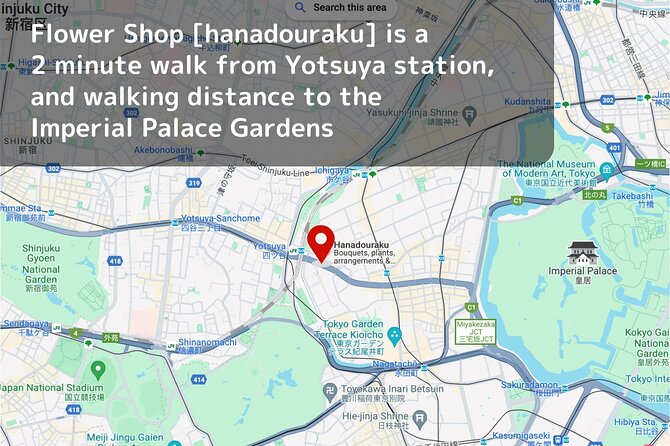
This workshop starts and ends at a specific meeting point in Chiyoda City, Kōjimachi (near public transportation). That matters because ikebana is best done when you are not stressed about getting across the city. The timing is short, so efficient access helps.
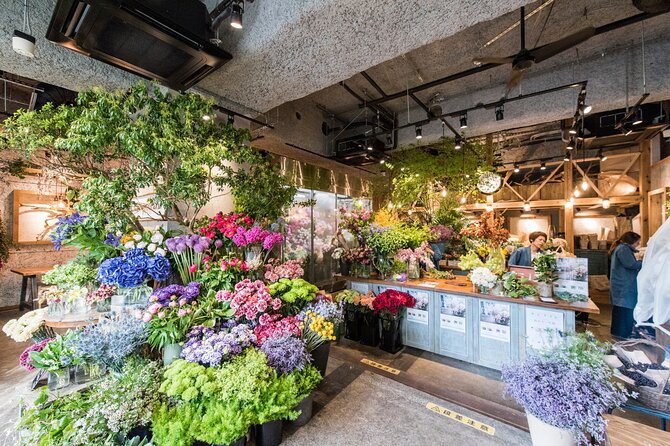
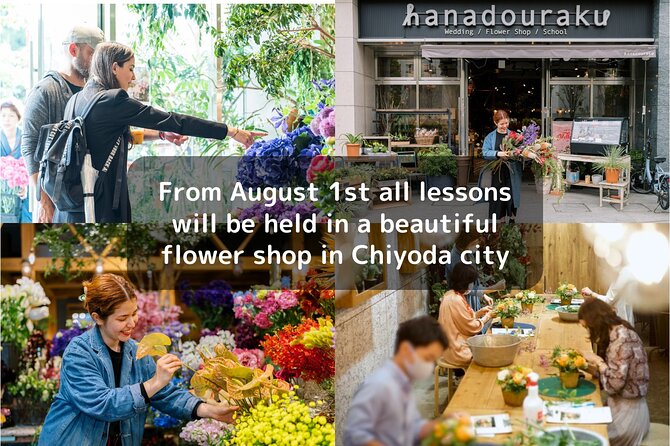
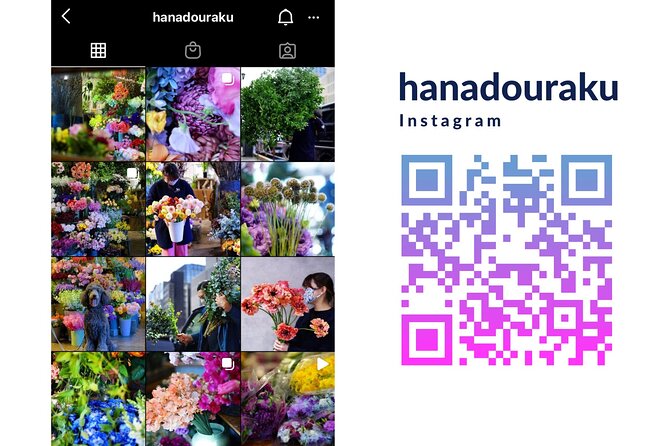
The class also happens inside a florist-type setting, which gives you a strong contrast to outside streets. You’ll be surrounded by flowers and foliage while you work. In the past, this has included well-regarded local florist spaces, such as hanadouraku, which helps explain why people describe the environment as relaxed and welcoming.
If you are short on time, this setup is also friendly for first-timers. You can fit it into an itinerary without losing half a day to transit.
The 90 minutes: how the workshop usually flows
The session is about 1 hour 30 minutes, and it feels designed for momentum. Here is how the time typically breaks down based on what’s taught and what’s included.
1) Welcome and instructor guidance
You’ll start with a quick introduction and direction on what you will create. The instructor will share how ikebana works conceptually and what you should pay attention to while arranging. People often highlight how helpful and kind the guidance feels, and how smoothly it comes through in English when that is needed.
You do not need any prior skill. The class is set up for most people to participate.
A different sort of day in Japan:
- Tokyo: teamLab Planets TOKYO Digital Art Museum Entry Ticket
★ 4.6 · 9,779 reviews - Mt Fuji & Hakone Cruise, Drum Show Bullet Train 1 Day from Tokyo
★ 4.0 · 7,413 reviews - Tokyo: Sumo Show Experience with Chicken Hot Pot and a Photo
★ 4.8 · 6,678 reviews - Tokyo: Shinjuku Food Tour (13 Dishes at 4 Local Eateries)
★ 5.0 · 6,603 reviews
2) A dose of history and flower meaning
Next comes the “why.” You’ll learn history and context around ikebana, plus how flowers have carried meaning across time. Some sessions also focus on symbolism and on how to think about stems, angles, and balance.
This part matters because it shifts ikebana from craft project to form of communication. Even if you ignore the deeper theory, it still helps you make better design choices.
3) Tools, materials, and the first arrangement steps
All necessary tools and equipment are provided. That includes the ikebana tools you use to place stems securely and shape the composition.
Then you start arranging with guidance. Many students come in thinking they need perfect rules to succeed. In this class, you’re encouraged to use a traditional toolkit while keeping the end result playful and expressive.
4) Building your own style, including asymmetry
Ikebana often includes the idea that balance is not about mirror symmetry. Some people specifically enjoy working with asymmetry while arranging on a kenzan. You can expect coaching as you work, so even if it looks intimidating at the start, the process becomes more manageable as you go.
5) Finishing and photos
When you finish your arrangement, the session wraps up back at the meeting point. During the workshop, photos are taken and shared afterward, so you can keep a clear record of what you made, plus a group memory of the class.
If you want to take your creation home as a display piece, keep in mind that containers and kenzan are not included in the price. Buying them is optional and available.
Why the class teaches ikebana like self-expression, not strict rule-following
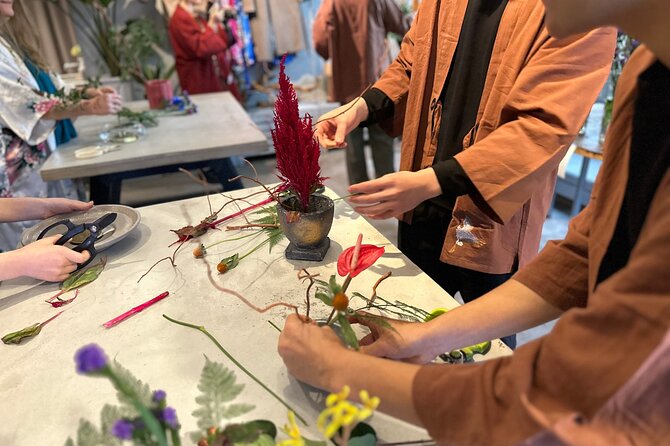
A lot of flower arranging traditions can feel intimidating because they sound rule-heavy. This workshop keeps the history and philosophy, then turns down the pressure.
You are taught the tools and the thinking behind ikebana, but the instructor emphasizes self-expression and a more free, playful way of arranging. That is exactly what makes the workshop approachable for:
- First-timers who want to understand the basics without feeling graded
- Travelers who want a relaxing craft activity, not a test
- Families and kids, since the focus can stay creative and hands-on
There’s also a mental-health angle here that feels practical. Instead of rushing through Tokyo sights, you slow down with your hands. You stop worrying about what to do next and focus on one small, real task.
Photos included: a small perk that makes a big difference
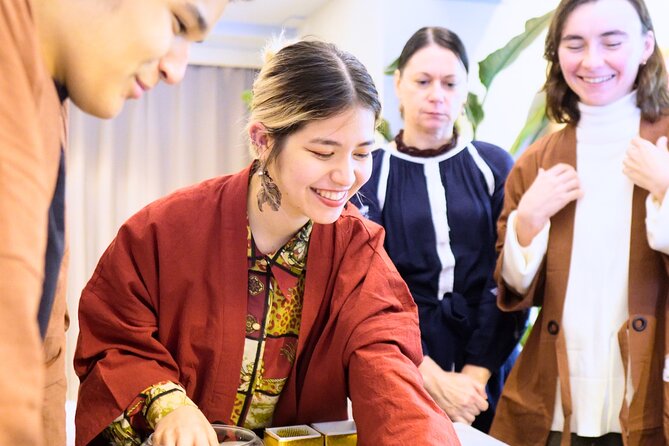
It is easy to forget your best travel moments until later. The photo sharing is one of those quiet inclusions that actually matters.
You’ll get photos of you and your group while you work, and you will be able to take home the memory of both your arrangement and your participation in a creative activity. Even if you do not plan to post everything online, having actual pictures helps you remember details like stem choices and the overall shape you created.
This is also a nice option if you are traveling with friends or family and want a shared activity that still looks good in photos.
What you get, what you might buy, and how that affects value
Included
- Use of ikebana tools
- Flowers used in your arrangement
- Sharing of photos taken during the event
- Pets welcome
- Service animals allowed
That is a strong “start-to-finish” package. You do not need to bring anything craft-related.
Not included (but available)
- Containers used in the arrangement
- Kenzan used in the arrangement
This is the one place where value becomes personal. If you want a finished piece for display at home, plan on possibly purchasing these. If you mainly want the experience and you do not care about a long-lasting container setup, you might be able to keep your focus on the class itself.
Either way, you are not surprised at the end with unclear extras. The class provides the core materials and tools, and the rest is optional.
Who this ikebana workshop is best for
This workshop is ideal if you fit one of these profiles:
- You want a short Tokyo activity you can actually finish during a busy day
- You like hands-on learning, not just sightseeing
- You want something culturally rooted, with history and meaning, but without heavy formal pressure
- You travel with kids or you want a friendly family activity that still feels meaningful
- You want a calm break that helps you reset after crowded streets
It also works well for small groups and even solo travelers. A smaller group setting usually means you can get feedback faster and adjust your arrangement while you are still shaping it.
Tips to get the most from your session
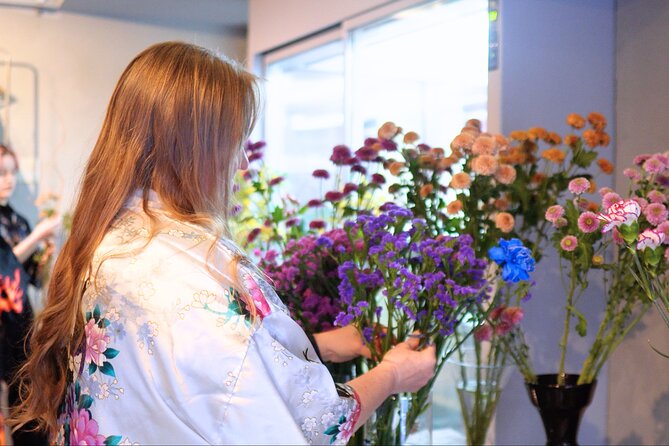
Since the class is designed to be easy to follow, your job is mostly to stay curious. A few practical moves make it even better:
- Pay attention to the guidance on angles and spacing. That is where ikebana often looks most “intentional.”
- Ask if you can try a different direction for a stem. That simple change can transform the balance of your arrangement.
- If you think you might want a display at home, look at container and kenzan options near the end of class so you can decide while the materials are still fresh.
- If you are bringing family or kids, focus on letting them make choices early. The playful approach works best when you do not overcorrect the first draft.
Should you book this ikebana workshop in Tokyo?
Yes, book it if you want a high-value craft experience that is short, approachable, and genuinely guided. The strong points are the small-group attention, the calm mindful pace, and the included photos that help you remember your work. At this price, the workshop feels fair because you get tools, flowers, instruction, and a guided creative outcome.
Skip it or think twice if you only want a “no extra purchases” souvenir. Containers and kenzan are available but not included, so you may pay more if you want to take a finished display home.
FAQ
How long is the ikebana workshop?
It is approximately 1 hour 30 minutes.
What is included in the $100 per person price?
The price includes use of ikebana tools, flowers used in your arrangement, and sharing of photos taken during the event.
Do I need to bring my own container or kenzan?
No. Containers and kenzan are not included in the price, but they are available for purchase.
Is the workshop held in a small group?
Yes. The workshop has a maximum of 15 travelers, and you receive personalized advice from your instructor.
Can kids or families join?
Kids and families are welcome.
Are pets allowed?
Pets are welcome, and service animals are allowed.
Newly listed around Tokyo
- Private Tokyo Food Tour – A Journey Through Time Through Food★ 5.0 · 36 reviews
- Private Tokyo Tour with Licensed Guide & Vehicle (Max 15 persons)★ 5.0 · 107 reviews
- Private Tokyo Custom Full-Day Tour by Chartered Vehicle★ 5.0 · 16 reviews
- Private Tokyo Custom Half-Day Tour by Chartered Vehicle★ 4.5 · 13 reviews
- Private Outstanding Nikko Tour with English Speaking Driver★ 4.0 · 11 reviews
- Private Sightseeing to Mt Fuji and Hakone with English Driver★ 5.0 · 51 reviews
- Private Snow Monkeys park Day Trip From Tokyo or Nagano★ 4.5 · 26 reviews
- 4 Day Tour – Mount. Fuji, Tokyo, Hakone, Kamakura and Yokohama★ 5.0 · 19 reviews
Workshops, compared.
Sushi Making Tokyo Roll and Authentic Japanese Sushi Class
Read our review →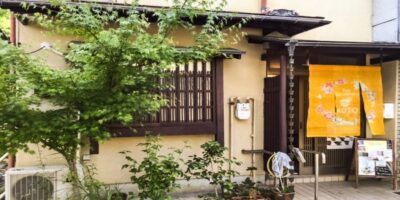
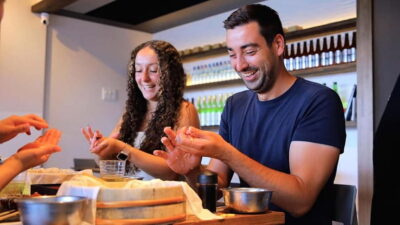
Roll and Authentic Sushi Making Class in Asakusa
Read our review →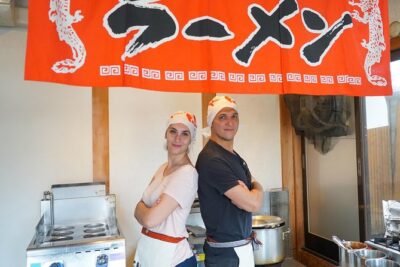
Ramen Cooking Class at Ramen Factory in Kyoto
Read our review →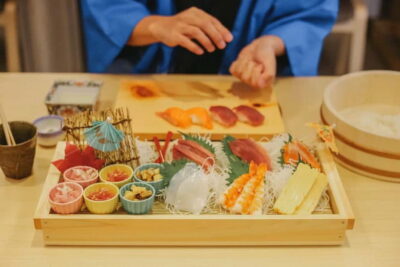
Sushi Making Class in a Happi Coat near a Famous Spot
Read our review →

Tokyo Sushi Making Class in Tsukiji with Professional Chef
Read our review →
Ramen & Gyoza Cooking Class in Tokyo with Local Supermarket Visit
Read our review →Browse the lists this tour appears in