
Review · WORKSHOPS
Japanese paper Notebook and Mizuhiki Belt Bookmark Workshop
Tiny paper skills, big meaning. This workshop turns traditional Japanese stationery into something personal and usable, with a focus on washi notebook making and mizuhiki knots for a belt bookmark. I love that you get to choose your paper and colors, then leave with a finished A6 notebook you can actually use. I also like how the mizuhiki instruction treats knots like a craft skill, not a party trick. One possible drawback is that this is detail work, so if you want a fast, photo-only experience, you may feel a little trapped by the careful steps.
You’ll be guided by an instructor who teaches in Japanese and English, in a private group setting. During the class you’ll also slow down with tea and sweets, which makes the whole session feel less like a production line and more like a calm craft afternoon.
The experience is run by Washi labo TOKYO in Honshu, and it’s designed for people age 10 and up. If you’re bringing kids, plan on patience, because the fun is in taking your time and getting the small steps right.
In This Review
- Key things you’ll notice right away
- Paper You Touch, Choices You Actually Make
- The Washi Notebook Making Part: From Flat Paper to a Real Cover
- Mizuhiki Bookmark Belt: Knots With a 680-Year Backstory
- Tea and Sweets, Not a Side Quest
- Safety First, Sharp Tools Included
- Timing, Pace, and What 150 Minutes Feels Like
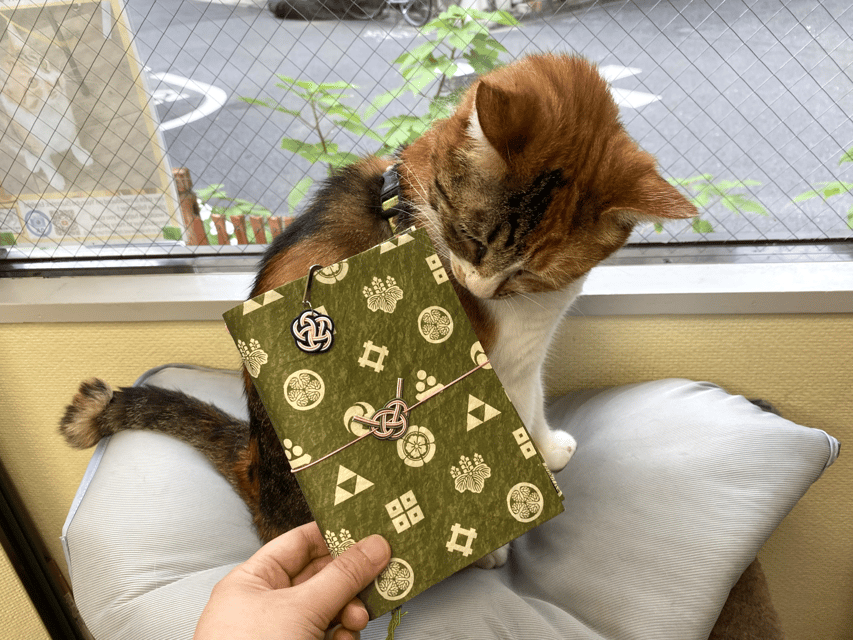
- The Studio Bonus: Cat Mascot Photo Moment
- Price and Value: What $113 Actually Covers
- Who Should Book This Workshop
- A Few Practical Tips Before You Go
- Should You Book This Japanese Paper Notebook and Mizuhiki Belt Workshop?
Key things you’ll notice right away
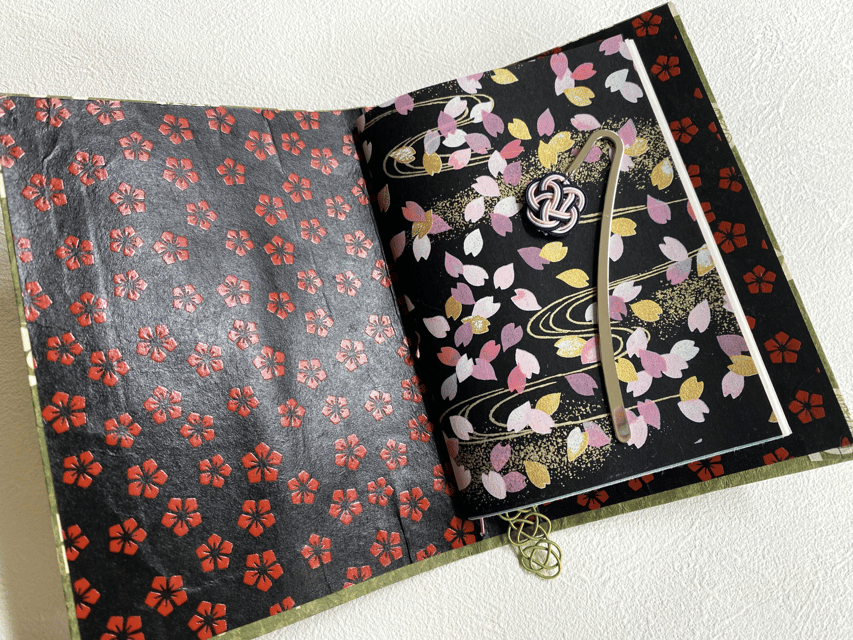
- You build an A6 washi notebook with a cover, paper choices, and a finished keepable you can write in.
- You learn mizuhiki knot technique for a notebook belt and bookmark, with an option to try a slightly tougher knot if you already know basics.
- Tea and sweets are part of the flow, not a rushed add-on between craft steps.
- Safety gets real attention, since the work uses sharp tools and you’ll be shown how to handle them safely.
- The studio has a cat mascot, and you can take a photo if you’re into that kind of bonus.
Paper You Touch, Choices You Actually Make
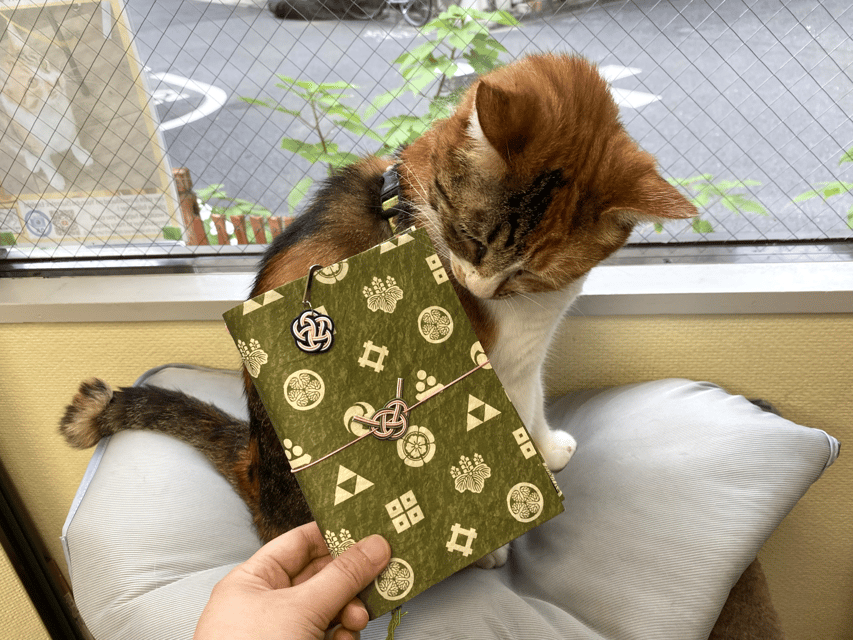
This class starts with the kind of decision that makes the final notebook feel like yours. You pick the Japanese washi paper you want to work with, and then you shape it into an A6 notebook with a cover. That matters because washi is not just a sheet, it has a texture and weight that changes how it folds and how it looks once assembled.
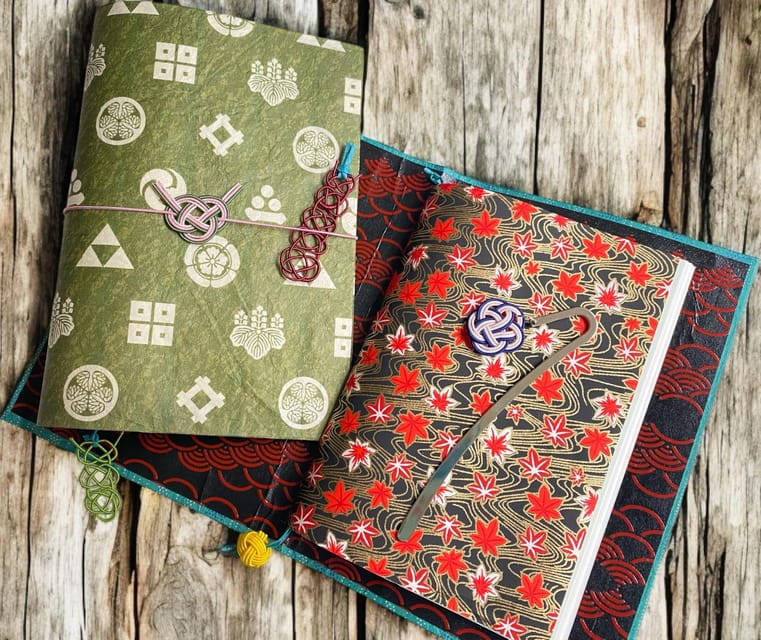
If you like junk journals, traveler-style notebooks, or just having a dedicated place for notes, you’ll probably love the outcome. The workshop style leans practical. You’re not making a museum piece that only looks good on a shelf, you’re making stationery you can use right away.
One helpful point for first-timers: the class is private. That means you can ask questions without waiting for a big group to catch up. It also means the instructor can adjust their help when your hands need a little extra guidance.
A few more Tokyo days to weigh up
- Mt Fuji and Hakone 1-Day Bus Tour Return by Bullet Train
★ 5.0 · 26,383 reviews - 1-Day Tokyo Bus Tour
★ 5.0 · 14,250 reviews - Tokyo: TOKYO SKYTREE® Admission ticket
★ 4.5 · 11,192 reviews
The Washi Notebook Making Part: From Flat Paper to a Real Cover
After choosing your paper, you’ll make an A6 size notebook. Expect to learn the sequence for creating the cover, then assembling the notebook so it looks neat and feels solid when you open and close it.
Even if you’ve never folded paper crafts before, the structure is friendly. You’re guided step-by-step, which keeps you from guessing. You also get the feeling that the materials are chosen for this exact purpose, since the class provides the required workshop materials rather than asking you to bring your own supplies.
A subtle benefit is how the process slows your thinking. Crafting with washi nudges you to notice small differences, like how the paper flexes or how edges align. For travel-minded people, this is one of the best ways to take home culture that isn’t just a picture on your phone.
Mizuhiki Bookmark Belt: Knots With a 680-Year Backstory
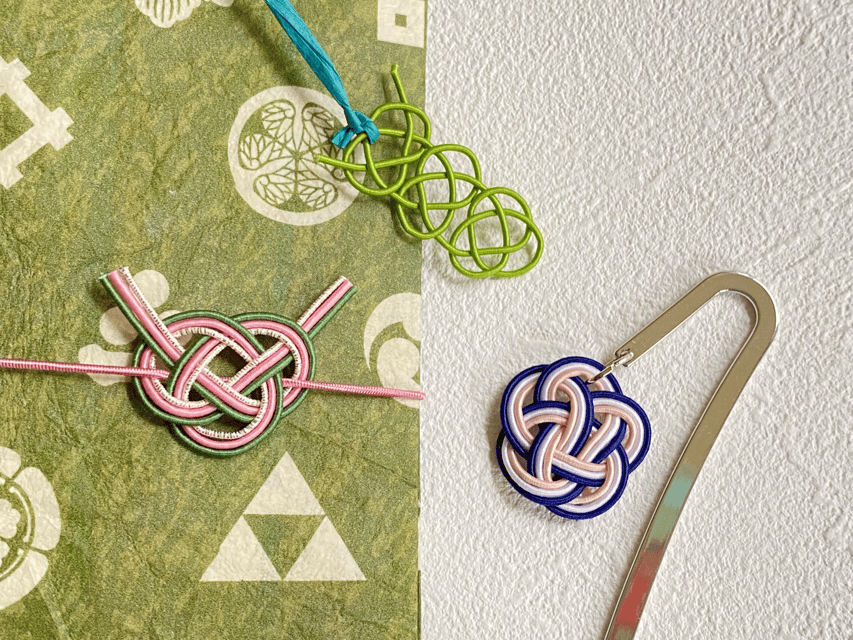
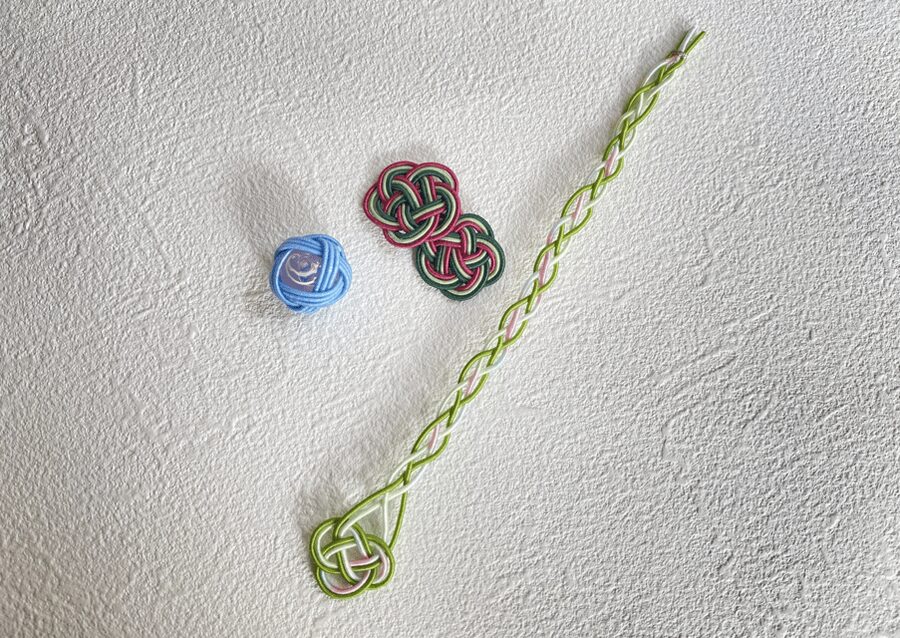
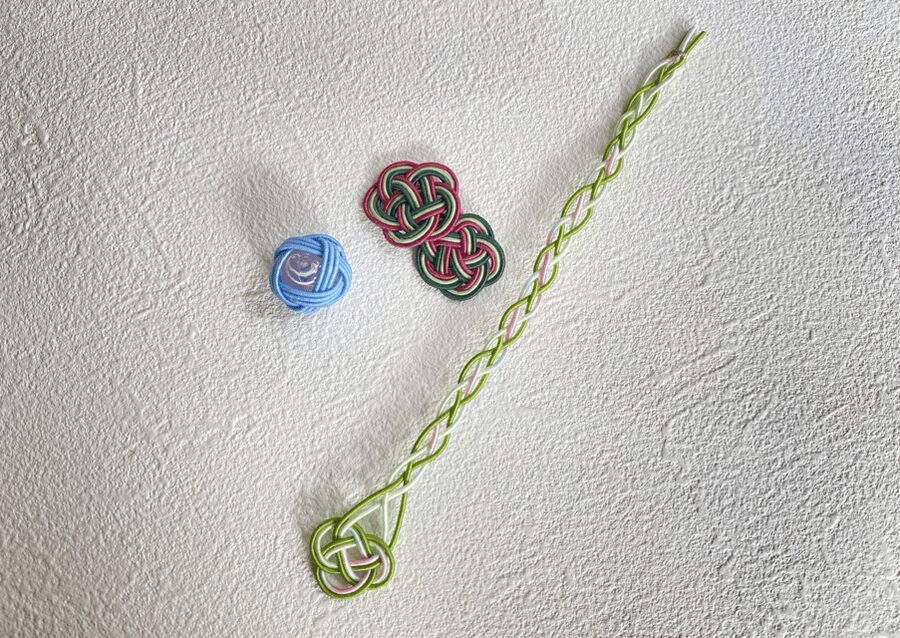
The second half is mizuhiki, a traditional paper string craft that’s been used for about 680 years. You’ll make a notebook belt and bookmark, then you’ll learn three knots as part of the set.
This isn’t taught like complicated rope tricks. It’s taught like a craft technique, with an emphasis on making clean, consistent knots. One review also highlighted a focus on Awaji knots, and that matches the way mizuhiki is often taught, knot by knot, until your hands start to remember the motion.
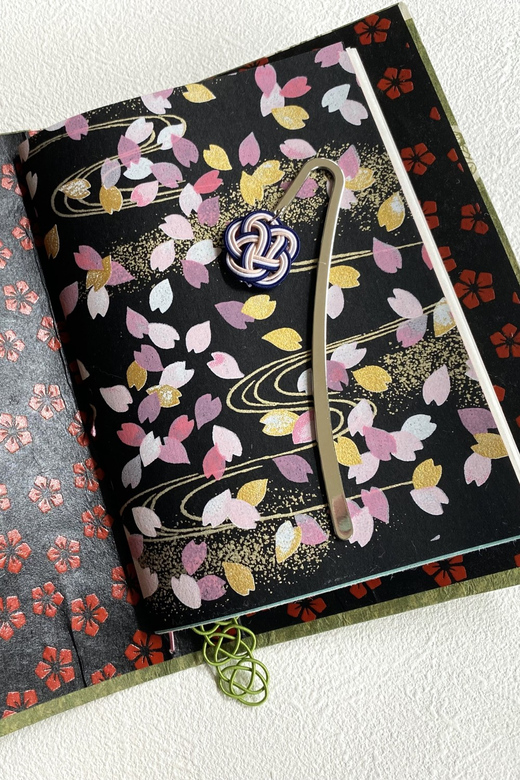
What you end up with is both functional and meaningful. The bookmark belt can hold your place while the knotwork gives the notebook a signature look. It also connects the craft to real Japanese life, since mizuhiki still shows up today in wedding and funeral ceremonies.
If you already know basic knots, you can try a slightly more difficult knot. That’s a nice option because it keeps the class from feeling too simple for people who come in with some skill.
Tea and Sweets, Not a Side Quest
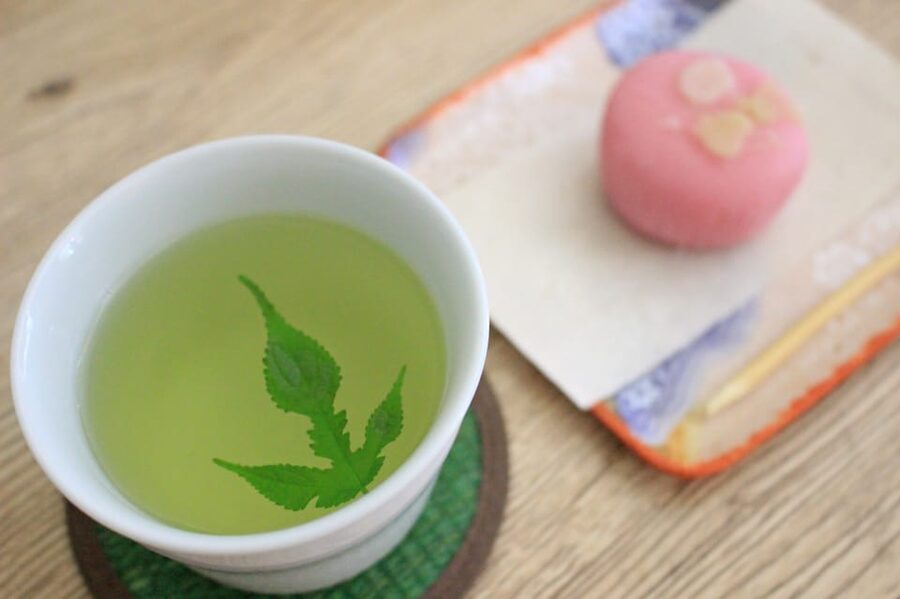
Most craft workshops include snacks, but here it feels like part of the rhythm. You get tea and sweets during the session, which gives your hands and brain a break between knot steps.
You’re also likely to notice the tea is light and refreshing, the kind that doesn’t overpower the calm mood of the room. For travel planning, that matters because you’re working with your hands for a while. If you arrive hungry, you’ll want that sugar and fluid so you can stay focused.
The tea and sweets element also makes the workshop more than a craft demo. You’re learning while you’re also being hosted, which is the difference between watching something and being part of it.
A different sort of day in Japan:
- Tokyo: teamLab Planets TOKYO Digital Art Museum Entry Ticket
★ 4.6 · 9,779 reviews - Mt Fuji & Hakone Cruise, Drum Show Bullet Train 1 Day from Tokyo
★ 4.0 · 7,413 reviews - Tokyo: Sumo Show Experience with Chicken Hot Pot and a Photo
★ 4.8 · 6,678 reviews - Tokyo: Shinjuku Food Tour (13 Dishes at 4 Local Eateries)
★ 5.0 · 6,603 reviews
Safety First, Sharp Tools Included
Paper crafts often sound gentle, but this one involves sharp tools. The good news is that you’re given guidance on how to use them safely.
I like when safety instruction is explicit. It signals that the workshop expects real participation, not just sitting and watching. If you’re worried about doing something wrong, know that the instructor is there to guide your technique and help you slow down in the right places.
That also means the class is more appropriate for attentive beginners rather than people who want to rush. If you’re calm, you’ll probably do well. If you’re impulsive with your hands, you may feel frustrated until you settle into the pace.
Timing, Pace, and What 150 Minutes Feels Like
The class runs 150 minutes. In practice, the notebook portion can take time because you’re assembling and adjusting so it looks right. One person noted it took about 2 hours to complete the entire notebook, which gives you a realistic sense of pace.
This is not a one-and-done craft where you finish in 30 minutes and head out. You’re building a notebook plus knotwork, so you need to be mentally available for the full session.
The good part is pacing. People describe the workshop as well-paced, and the private format supports that. You can move through each step without feeling like you’re falling behind the group.
The Studio Bonus: Cat Mascot Photo Moment
Yes, there’s a cat. If you like cats, you can take a picture with it at the studio.
It’s a small thing, but it adds warmth to the experience. Workshops can feel stiff, especially when you’re in a new environment. A mascot moment gives you an easy, friendly entry into the space.
Also, seeing a mascot can help you pick up on the studio’s personality. You’re not stepping into a cold classroom. You’re entering a craft space with character.
Price and Value: What $113 Actually Covers
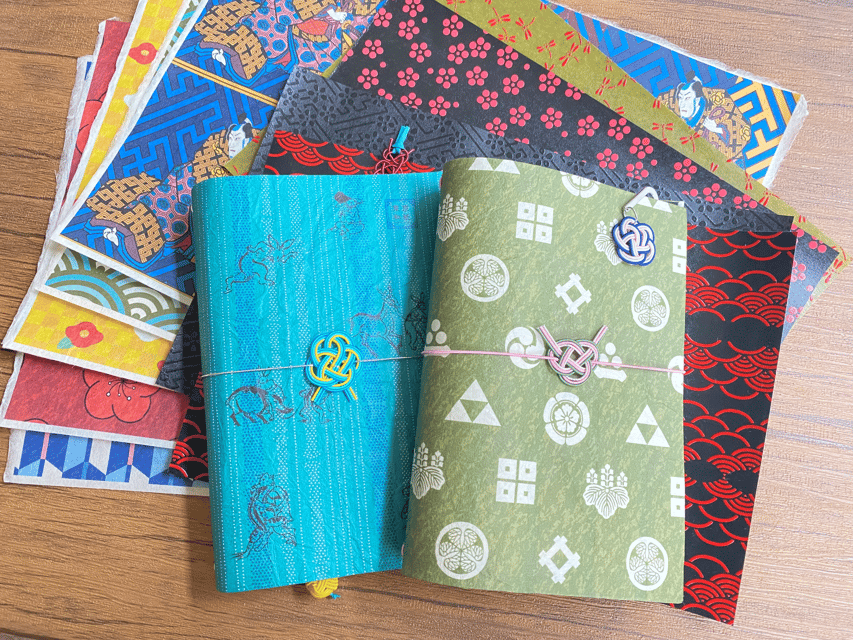
At $113 per person for about 150 minutes, you’re paying for more than a craft. You’re paying for instructor time, private group attention, and premium materials.
The class includes:
- Coffee or tea
- A friendly instructor
- Required workshop materials
It does not include transportation to the store. That means you’ll want to factor in how you’ll get there. Once you account for that, the value becomes clearer.
Here’s why the price makes sense. You leave with tangible items: an A6 washi notebook plus a mizuhiki bookmark belt. That’s not just a souvenir, it’s a skill you can recognize the next time you see knotwork in Japan.
You’re also learning technique, not just decoration. Washi paper choices, notebook assembly, and knot sequences are all teachable skills. Even if you never repeat the workshop at home, you’ll understand what goes into the craft and why Japanese stationery can feel so special.
Private group pricing can be higher, but this is one of those cases where it helps. You get individual feedback when your knots or folds need correction.
Who Should Book This Workshop
This is a great fit if you:
- Want a hands-on cultural activity that produces something you can use
- Like crafts, especially paper arts and knotwork
- Prefer calm, slower experiences over rapid sightseeing
- Want a private class where questions are welcome
It’s also a smart choice for date-day travel. The class is often described as more intimate than typical sightseeing, and it naturally creates a shared project you can talk about while you work.
For kids, the age minimum is 10. One family brought kids around 10 and 12 and found the instructor patient with the more challenging parts. If your child likes making things and can sit through careful steps, they’ll likely enjoy it. If they need constant motion, consider whether the knotwork pace will feel too slow.
A Few Practical Tips Before You Go
- Wear comfortable clothes. You’ll be working at a table for a while.
- Expect concentration. Mizuhiki is small, and neat knots take attention.
- If you already know basic knots, mention it when you arrive so you can try the more difficult option.
- Bring a calm mindset for sharp tools. Safety guidance is provided, but your focus still matters.
If you’re the kind of traveler who loves the how and not just the what, this class will feel satisfying. You’re learning a Japanese craft tradition you can actually hold.
Should You Book This Japanese Paper Notebook and Mizuhiki Belt Workshop?
I think you should book it if your ideal Japan experience includes hands-on making, not just photos. You’ll get premium materials, a private instructor, and two craft outcomes: a washi notebook and mizuhiki belt bookmark with real cultural roots.
Skip it if you’re short on time, easily impatient with detailed work, or you want a sightseeing-heavy day. This is a slow craft experience, and the value is in doing it carefully.
If you’re traveling with someone you want to connect with, this is also an easy yes. You’ll share a guided project, enjoy tea and sweets together, and take home keepsakes that feel more personal than almost any souvenir.
Newly listed around Tokyo
- Tokyo: Personalized Private 6-Hour Tour★ 4.7 · 22 reviews
- NO DIET CLUB – Unique local food tour in Tokyo !★ 5.0 · 16 reviews
- From Tokyo:Nikko Full Day Tour w/Hotel Pickup by Private Car★ 5.0 · 10 reviews
- Nikko in Style: Luxury private Day Tour with English guide★ 5.0 · 9 reviews
- 【NEW】Shibuya Tea Ceremony Tokyo-Chaan★ 5.0 · 9 reviews
- From Narita Airport: Private Layover or Transit Guided Tour★ 4.8 · 29 reviews
- Nagano/Tokyo: Snow Monkey Private Day Tour At Lowest Rate★ 4.7 · 44 reviews
- Nagano: World’s Edge Tateyama Kurobe Alpine Route Tour★ 4.9 · 11 reviews
Workshops, compared.
Sushi Making Tokyo Roll and Authentic Japanese Sushi Class
Read our review →
Roll and Authentic Sushi Making Class in Asakusa
Read our review →
Ramen Cooking Class at Ramen Factory in Kyoto
Read our review →
Sushi Making Class in a Happi Coat near a Famous Spot
Read our review →

Tokyo Sushi Making Class in Tsukiji with Professional Chef
Read our review →
Ramen & Gyoza Cooking Class in Tokyo with Local Supermarket Visit
Read our review →Browse the lists this tour appears in