
Review · MATCHA & TEA CEREMONY SESSIONS
Kenrokuen Tea Ceremony Experience in Kanazawa
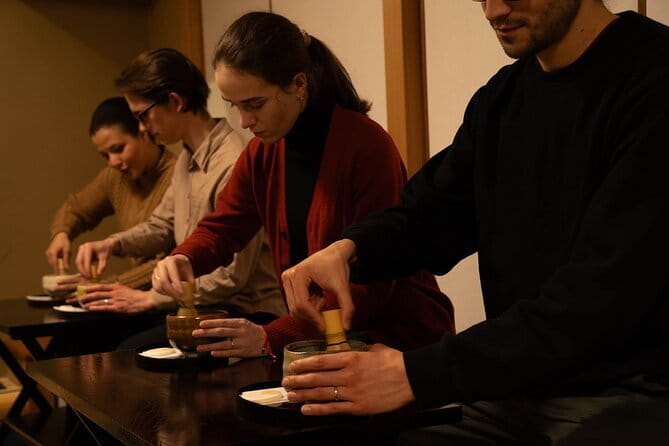
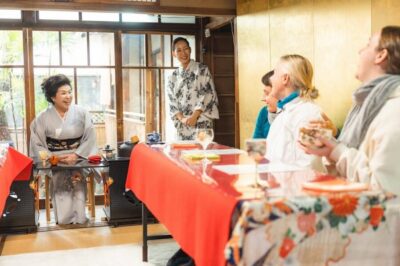
A garden setting makes this tea ceremony feel extra special. You get a hands-on lesson in Japanese tea culture right inside Kenrokuen grounds, with a tea master guiding the steps from first whisk to last sip. The experience is also built for real participation, not just watching, and you’ll use traditional utensils as you learn the flow of the ritual.
I like that the instruction is clear and structured, so you actually understand what you’re doing, not just what you’re tasting. I also like the intimate setup, with a small group and the chance to make matcha yourself. One thing to consider: you must arrive on time, because being more than 10 minutes late can cancel your reservation.
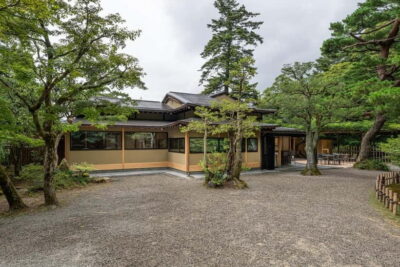
You’ll meet the guide at Kenrokutei (a historic tea-room space where important guests were entertained in the past). Then you follow the master’s demo, practice the movements and utensil use, drink the tea you made, and pair it with wagashi sweets from a well-regarded confectioner. For anyone worried about sitting on the floor, there is a standing-style option, which helps a lot. The main drawback is logistics: Kenrokuen admission is separate, so you should budget for that entry fee too.
In This Review
- Key Points at a Glance
- Kenrokuen Tea Room: Why This Setting Makes the Lesson Stick
- Meeting at Kenrokutei: What to Do Before You Sit Down (or Stand)
- Tea Master Demo: The Flow You’ll Be Glad You Understand
- Your Matcha Moment: Utensils, Whisking Foam, and Learning Through Doing
- Wagashi and Matcha Pairing: Why the Sweets Matter
- Duration, Group Size, and Timing: The Practical Stuff That Affects Your Experience
- Price and Value: Is $39.40 Worth It?
- Who Should Book This Tea Ceremony in Kanazawa?
- Should You Book It? My Decision Guide
- FAQ
- Is Kenrokuen admission included in the tea ceremony ticket?
- How long does the tea ceremony take?
- Where do I meet for the ceremony?
- What happens if I arrive late?
- Can I do the ceremony if I have trouble sitting on the floor?
- How old do you have to be to join?
- Do you offer translation?
Key Points at a Glance

- Hands-on matcha-making: you get to try whisking and preparing the tea yourself
- Clear, step-by-step guidance: you learn the meaning behind the movements and roles in the ceremony
- Kenrokuen grounds at Kenrokutei: a memorable, historic meeting setting inside the garden area
- Wagashi included: sweet pairings that work with your matcha, not afterthought snacks
- Small group size: capped at 4 travelers, which keeps the mood calm and personal
- Standing-style option available: good if floor seating is hard for you
Kenrokuen Tea Room: Why This Setting Makes the Lesson Stick
Kenrokuen is already a top Kanazawa draw, and pairing it with a tea ceremony gives you more than a photo op. The garden context matters because tea culture is about attention and timing, not speed. When you’re learning how to prepare matcha, the calm rhythm of the setting helps everything feel more coherent.
This experience also takes place at Kenrokutei, which the meeting info calls a historic location where important guests were hosted in the past. That kind of setting puts you in the right headspace. You’re not only learning a recipe, you’re learning a practiced ritual that has been performed in refined spaces.
You’ll likely appreciate that the format is built around participation. You don’t just watch someone pour matcha. You practice the steps, you drink what you make, and you get a photograph at the end to remember the moment. That last part is small, but it helps you capture the experience without fumbling around your phone at the wrong time.
More Tea ceremonies in Kanazawa:
- Kanazawa: Kenrokuen Tea Ceremony Experience
★ 4.8 · 1,139 reviews - Kanazawa: Samurai, Matcha, Gardens and Geisha Full-Day Tour
★ 4.9 · 75 reviews - Full-Day Tour from Kanazawa: Samurai, Matcha, Gardens and Geisha
★ 5.0 · 68 reviews
Meeting at Kenrokutei: What to Do Before You Sit Down (or Stand)
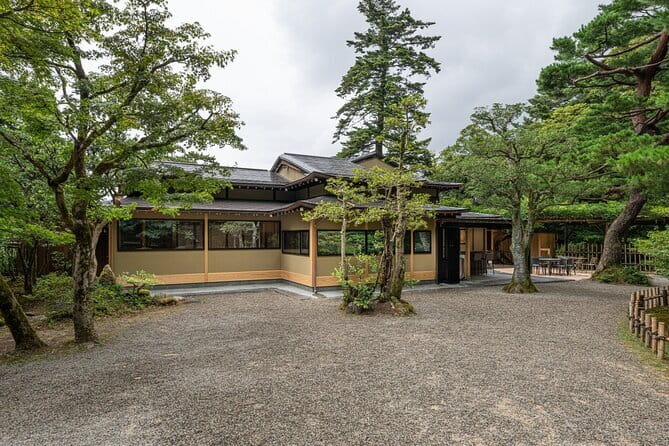
Your meeting point is 1-20 Kenrokumachi, Kanazawa. The key detail is that you’re meeting inside the Kenrokuen area at Kenrokutei, so plan to use the garden entrance to get in first. Kenrokuen admission is required separately, and the tea ceremony ticket does not cover it.
Bring two practical items: your phone for the mobile ticket, and a bit of patience while you find the correct spot inside the complex. Kenrokutei is part of a larger garden facility, so it’s worth arriving early enough to confirm you’re at the right desk.
Then there’s the timing rule. If you arrive more than 10 minutes late, your reservation can be canceled. That’s stricter than some activities, so treat this like a train connection: show up with buffer time. This is one of those policies that can turn a great plan into a frustrating afternoon, so I’d rather you overestimate your travel time than risk it.
Good news: the experience is mindful about comfort. The info specifically says you can choose a standing-style tea ceremony if you have difficulty sitting on the floor. That means you can still participate without forcing your body into a position that makes learning harder.
Tea Master Demo: The Flow You’ll Be Glad You Understand
The ceremony starts with a demonstration by the tea master. This is where the structure of the whole experience matters. You learn the parts that make tea ceremony feel different from simply making a drink: the pacing, the order, and the purpose behind utensil handling.
The guide gives you instructions on how to use the traditional utensils. This matters because tea ceremony tools are not random kitchen items. Each utensil has a job and a proper way to touch it, and the lesson focuses on the practical mechanics you need to get it right during your turn.
From the reviews, a top praised aspect is how the hosts explain not only what to do, but also the background spirit of the ritual. That doesn’t just sound nice. It changes how you experience the tea when you’re holding the bowl and whisk. When you understand the role of gestures and timing, the ceremony stops feeling like theater and starts feeling like a lived tradition.
The demo also sets expectations for the tone. Tea ceremony can look formal and quiet from the outside, but your instructors are described as engaging, with some humor and interaction. That blend helps if you’re nervous about doing it wrong. You’ll know you’re expected to learn, not perform perfectly.
Your Matcha Moment: Utensils, Whisking Foam, and Learning Through Doing
After the demonstration, you try making tea yourself. This is the heart of why this experience is worth your time.
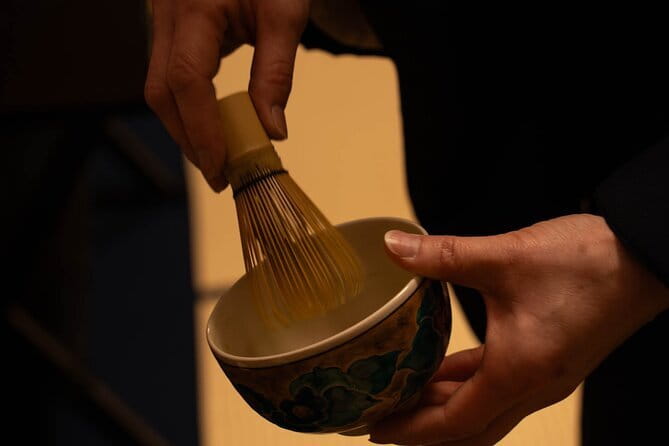
You’ll practice the steps with the utensils and then drink the matcha you made. The hands-on part is where most of the value lands for people. A tea ceremony is one of those experiences where watching only tells you the basics, but doing it gives you the real feel for the technique.
One detail that comes through strongly in the feedback is the excitement around getting the matcha to come out with a foamy texture. That’s a skill you can actually notice, and it’s satisfying because it’s visible in the cup. When the foam forms, you immediately feel like you mastered something, even if you’re new.
You’ll also learn how each movement fits the flow of the ceremony. That includes the way you handle items like the cha bowl and how you transition between steps. The practical lesson here is not memorizing a dance. It’s understanding the logic: prepare carefully, move calmly, and keep your attention on what you’re doing right now.
And yes, you get a photograph at the end. It’s the kind of closure that makes the 50 minutes feel complete, instead of cutting off the moment when the lesson ends.
A few more Kanazawa days to weigh up
- World Heritage Shirakawa-go and Experience Tours from Kanazawa
★ 5.0 · 4,049 reviews - Kanazawa Half Day Tour (Private Guide)
★ 5.0 · 361 reviews - Kanazawa Full Day Tour (Private Guide)
★ 5.0 · 323 reviews - 1 Day Private Charter Tour to Shirakawa-go & Takayama
★ 4.5 · 253 reviews
Wagashi and Matcha Pairing: Why the Sweets Matter
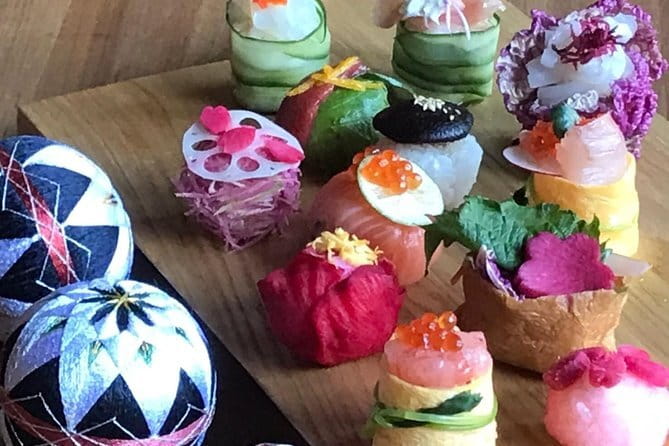
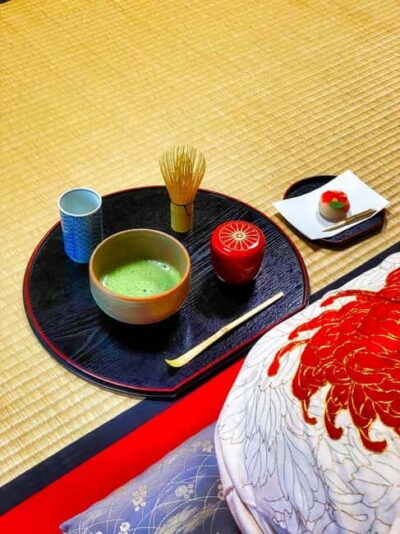
The experience includes wagashi sweets made by a distinguished confectioner. You’ll eat traditional wagashi as part of the ceremony break, paired alongside the matcha.
This is more than a snack. In tea culture, sweets are part of the balance. They soften the matcha experience and give your palate a counterpoint. Even if you don’t normally seek out Japanese sweets, this kind of pairing helps you appreciate matcha beyond bitterness and green flavor.
Several reviews specifically call out that the treats were delicious and that the matcha was a highlight. That’s useful if you’re deciding whether a tea ceremony is worth it for food alone. Here, it’s not just tea. It’s also a planned sweet component that supports the ceremony pace.
The info doesn’t spell out the number of wagashi pieces, but one Japanese-language review notes receiving two kinds of sweets and two types of tea during the experience. Since that detail isn’t listed in the core description, you should treat it as possible, not guaranteed, but it does suggest the breaks are thoughtful and not skimpy.
Duration, Group Size, and Timing: The Practical Stuff That Affects Your Experience
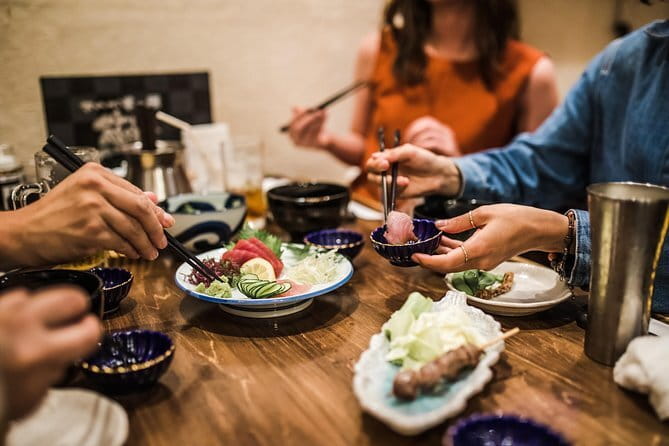
Plan for about 50 minutes. That’s short enough to fit into your garden day without wrecking your schedule, but long enough to actually learn and practice. It is not a half-day immersion class, so don’t expect it to replace other Kenrokuen time, like strolling the paths for photos and seasonal scenes.
Group size is capped at 4 travelers, which is a big deal for quality. Smaller groups typically mean quieter pacing, more attention from the host, and less waiting your turn. If you’re the type of traveler who worries about speaking up or doing something wrong, this small cap is one of the best signals that you’ll be comfortable.
You should also pay attention to the quiet environment. The event uses other groups, and the goal is to keep the ceremony quiet and enjoyable. That ties into translation too: if you need translation services, the info says you must make a PRIVATE reservation by email to avoid disturbing others. Translation in a group ritual is a sensitive topic, so follow the instructions rather than trying to wing it.
Age note: participants must be 7 years or older. That’s good for knowing the atmosphere will be appropriate for adult-level focus, even if kids can attend with the right comfort level.
Finally, there’s the separate garden fee. Kenrokuen admission is 320 yen, and your tea ceremony ticket does not include it. So your true cost is the ceremony price plus the garden entry. It’s not hard, but it’s easy to forget when you’re budgeting in advance.
Price and Value: Is $39.40 Worth It?
The price is $39.40 per person, booked on average about 10 days in advance, with a mobile ticket. That pricing is fairly typical for a hands-on cultural activity in a high-demand spot like Kenrokuen, but the real question is what you’re paying for.
Here’s where the value shows up:
- You get a guided lesson in utensil use and ceremony flow, not a quick tasting
- You make the tea yourself and drink it, which is where most of the learning happens
- Wagashi is included, so you aren’t buying extras to make it feel complete
- The small group cap supports a calmer, more personal experience
- You receive a photograph at the end, adding a real memory you can share
The two value-killers to keep in mind are also clear:
- Kenrokuen admission is separate (320 yen)
- The punctuality rule is strict, and being late can end your reservation
If you come prepared and on time, the cost lines up well with what you get in a 50-minute window. If you’re arriving in Kanazawa on a chaotic day and don’t control your schedule, you might feel the pinch if the reservation is canceled due to lateness.
Who Should Book This Tea Ceremony in Kanazawa?
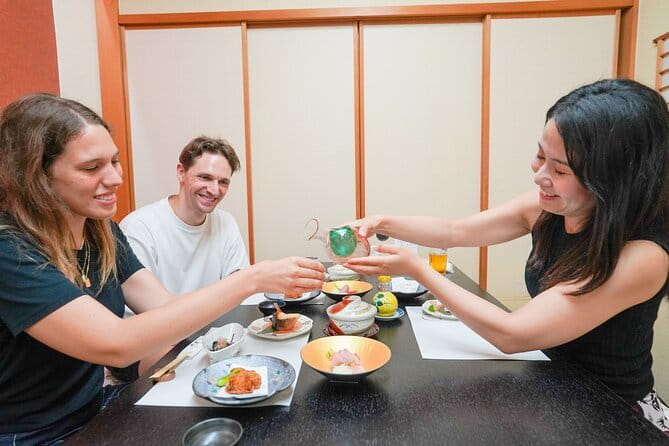
This is a strong fit if you want a culture activity that is structured, calm, and practical. You’ll get the most out of it if you like learning through doing, and if you enjoy traditions that make you slow down for a moment.
It’s also a great choice if you’re curious about Japanese tea culture but don’t want to get lost in theory. The ceremony is built for beginners. The hosts explain process and history and then hand you the tools to try it yourself.
You should also consider it if you’re traveling with a small group or as a solo traveler who still wants personal guidance. The max of 4 keeps the experience from turning into a crowded production line.
If sitting on the floor is difficult, choose the standing-style option. That means you can still participate fully instead of feeling trapped by posture.
Should You Book It? My Decision Guide
I’d book this tea ceremony if you want a well-paced introduction to Japanese tea culture inside one of Kanazawa’s most famous settings. The combination of hands-on matcha-making, clear step-by-step guidance, and included wagashi makes it more than a simple show.
Skip or think twice if your schedule is tight and you can’t reliably arrive on time, because the 10-minute late cancellation rule is real. Also double-check your budget since Kenrokuen admission is an extra 320 yen.
If you’re looking for one “learn something and do it” activity in Kanazawa, this is a very good candidate. You’ll leave with practical knowledge, a tea you made yourself, sweets that fit the ritual, and a photo that captures the moment without stress.
FAQ
Is Kenrokuen admission included in the tea ceremony ticket?
No. You need a separate Kenrokuen entrance ticket. The tour ticket does not include admission.
How long does the tea ceremony take?
It runs for about 50 minutes.
Where do I meet for the ceremony?
Meet at 1-20 Kenrokumachi, Kanazawa, Ishikawa 920-0936, Japan. The activity ends back at the meeting point.
What happens if I arrive late?
Please be punctual. If you arrive more than 10 minutes late, your reservation will be canceled.
Can I do the ceremony if I have trouble sitting on the floor?
Yes. You can choose a standing-style tea ceremony if sitting on the floor is difficult for you.
How old do you have to be to join?
Participants must be 7 years or older.
Do you offer translation?
If you need translation services, you must make a PRIVATE reservation by email to avoid disturbing others.
Newly listed around Kanazawa
- Private Tour of Shirakawago and Gokayama from Kanazawa★ 5.0 · 50 reviews
- Taste of Kanazawa (Food tasting in Omicho Market & Higashi Chaya)★ 5.0 · 58 reviews
- Kanazawa private 1 day/Photoshoot by professional photographer★ 5.0 · 33 reviews
- Private Tour of Shirakawago from Kanazawa (Half Day)★ 5.0 · 24 reviews
- Private Tour Kanazawa, Shirakawago, Hida Furukawa,Takayama★ 5.0 · 108 reviews
- Private Ring Craft Experience in Kanazawa★ 5.0 · 22 reviews
- Noto Full Day Driving Tour (Private Car)★ 5.0 · 6 reviews
- Noto peninsula 1 day/Photoshoot with professional photographer★ 5.0 · 9 reviews
Matcha & Tea Ceremony Sessions, compared.
Tea Ceremony in a Traditional Tea House in Kiyomizu
Read our review →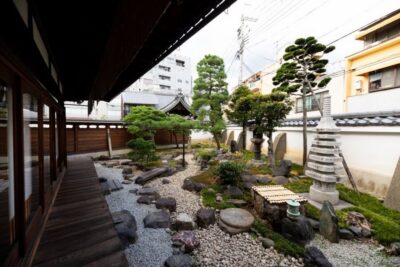
World Heritage Kyoto & Nara Uji Authentic Matcha Experience
Read our review →
Browse the lists this tour appears in