
Review · MATCHA & TEA CEREMONY SESSIONS
Kyoto: Table-Style Tea Ceremony at a Kyo-Machiya
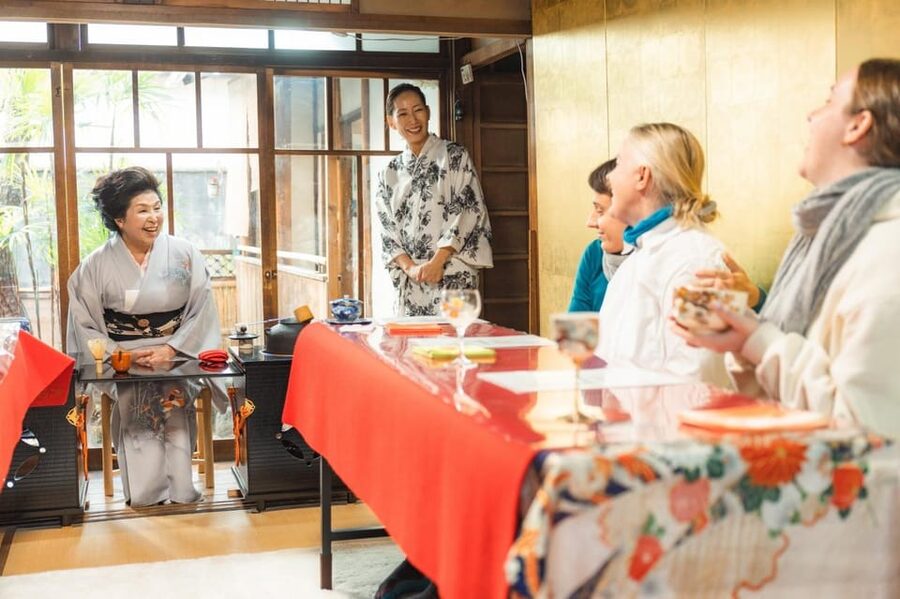
Your knees will thank you. This Kyoto tea ceremony keeps you off the floor with a table-and-chair setup, inside a 100-year-old kyo-machiya. You still get the full ritual, plus hands-on time making matcha, doing calligraphy, and arranging flowers.
What I like most is how the hosts teach the meaning behind the small actions, not just the steps. You’ll also enjoy photo-friendly moments with props and the chance to make creamy frothy matcha with a bamboo whisk.
One consideration: it is not suitable for wheelchair users, and even without kimono, you should expect some walking to and around the townhouse.
In This Review
- Key things to know before you go
- A 100-Year-Old Kyoto Townhouse in Southern Kyoto
- Table and Chair Tea Ceremony, Plus the Purification Moment
- Welcome Drinks, Matcha Whisking, and Latte Art
- Calligraphy With Your Name in Kanji or Hiragana
- Flower Arranging and the Etiquette Behind the Aesthetics
- Kimono Rental, Photo Props, and What to Plan for
- How to Get There and Pair It With Fushimi Inari or Uji
- Price, Group Size, and Value for Your 90 Minutes
- Should You Book This Table-Style Tea Ceremony in Kyoto?
- FAQ
- How long is the tea ceremony workshop?
- What is the price per person?
- Is the tea ceremony done on the floor?
- What language are the guides/instructors?
- Is kimono rental included?
- What can I do during the ceremony?
- What is the keepsake from calligraphy?
- Is hotel pickup included?
- Can wheelchair users participate?
- Can I get to the area from Kyoto quickly?
Key things to know before you go
- Chair-and-table comfort so you can focus on the tea instead of the floor
- Make your own matcha using the bamboo whisk for that thick, frothy texture
- Calligraphy with your name in kanji or hiragana, with a scroll or envelope keepsake
- Tea ceremony flower arranging that adds a visual, seasonal touch
- Optional kimono rental for the full Kyoto look and extra photo fun
- Southern Kyoto location near sake town streets, easy to pair with Fushimi Inari or Uji
A 100-Year-Old Kyoto Townhouse in Southern Kyoto
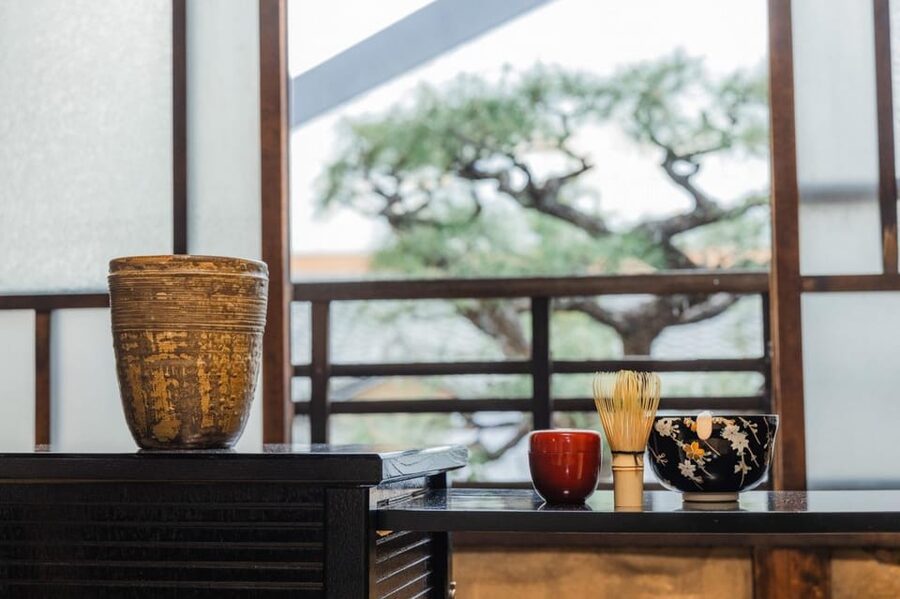
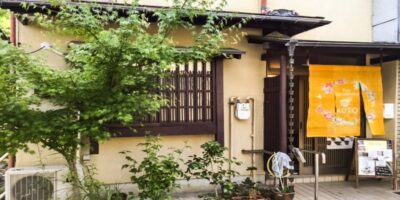
This experience happens in southern Kyoto, in an area locals associate with sake, casual dining, and shopping streets. The setting matters, because you are not doing tea in a generic room. You’re in a +100-year-old traditional townhouse that feels like Kyoto daily life, not a stage set.
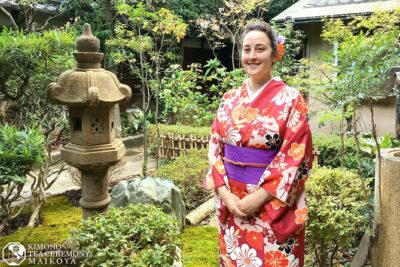
Before you even start the tea, you get time to settle in and take in the house. You can stroll around and notice the architecture, including old Buddhist and Shinto altars, plus antiques. It’s the kind of atmosphere that makes etiquette feel less like rules and more like respect for a place.
You’ll also start with welcome drinks, such as sake or juice, plus Japanese tea. That first sip helps you drop the pace right away, which is a big deal in a ceremony where timing and attention matter.
More Tea Ceremonies in Kyoto
- Kyoto: Tea Ceremony in a Traditional Tea House in Kiyomizu
★ 4.9 · 3,519 reviews - Kyoto: Tea Ceremony Ju-An at Jotokuji Temple
★ 4.9 · 3,207 reviews - Kyoto: 45-Minute Tea Ceremony Lesson Experience
★ 4.3 · 2,378 reviews
Table and Chair Tea Ceremony, Plus the Purification Moment
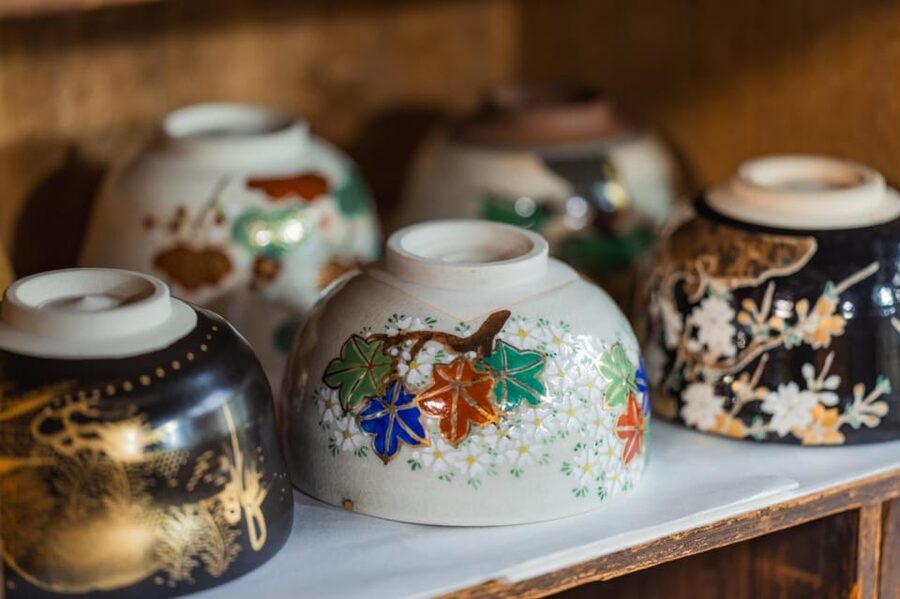
The core twist here is simple: you experience the tea ceremony sitting in chairs, not on the floor. That changes the vibe immediately. You can sit upright, watch what your instructor is doing, and try the movements without the usual knee battle.
You’ll also get a purification moment in the garden. Think of it like a shrine-style reset: you cleanse yourself before stepping into the tea space. It’s quiet and practical, and it sets the mindset for everything that follows.
Then you’ll learn how the tea ceremony developed in Japan, Japanese spirit, and manners. You are shown this through a PowerPoint presentation, which makes the cultural background easy to follow in English. After that, you move from explanation to doing, with guided steps for the tea process.
One practical note: the ceremony is 90 minutes total, so it stays focused. You’re not stuck in a long lecture, and you still get plenty of hands-on time.
Welcome Drinks, Matcha Whisking, and Latte Art
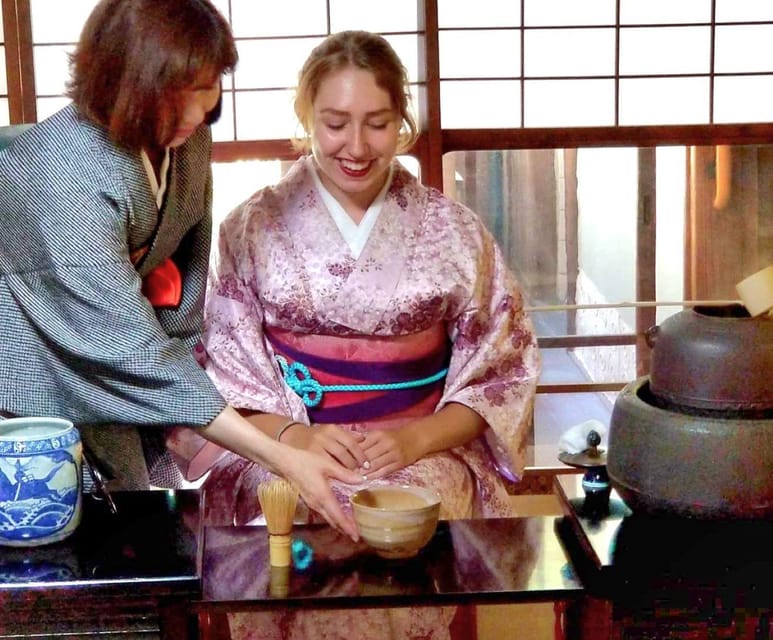
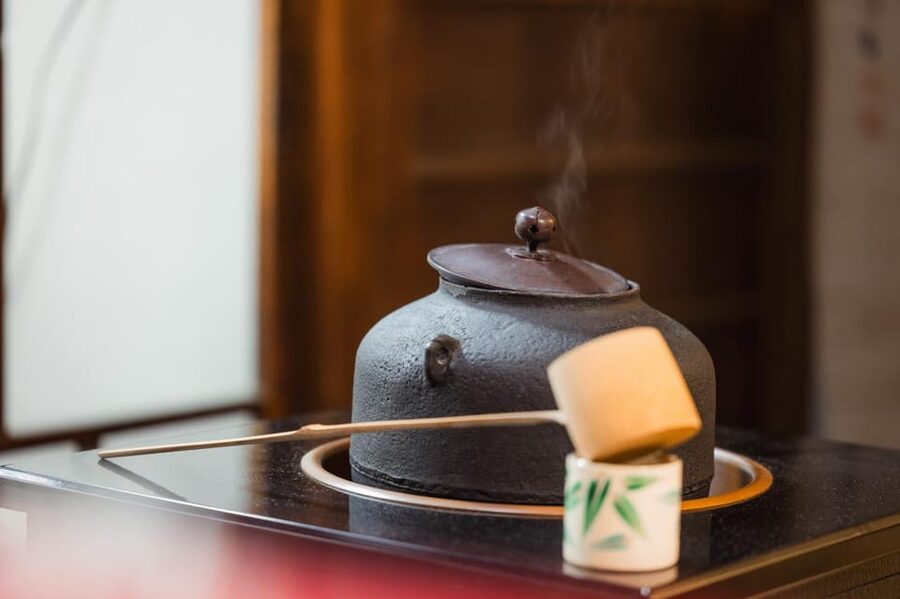
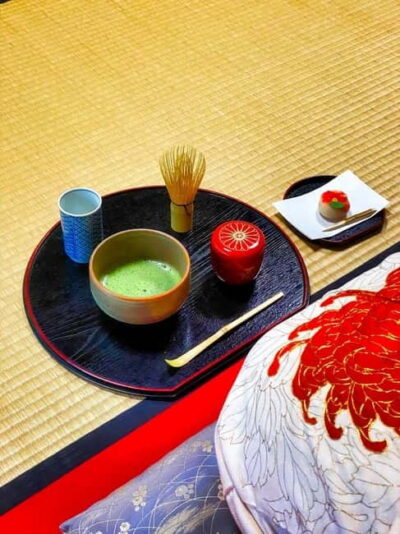
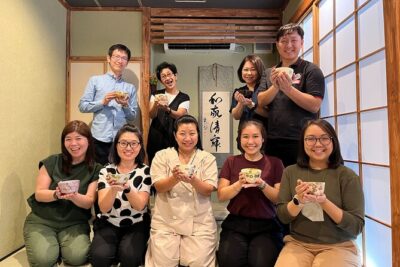
Matcha is the star, and you actually make it. You’ll learn how to prepare creamy, frothy matcha with the bamboo whisk, not just watch someone else do it. The hosts guide you step by step until you get that thick texture that makes matcha feel smooth and rich.
Before you make your own cup, you get traditional sweets for the tea ceremony. These are not just snacks. In a proper rhythm, the sweetness helps balance bitterness and makes the tea taste more rounded as you learn the process.
There’s also a fun twist: latte art using thick tea. It’s not about being a barista contest winner. It’s about slowing down, learning control, and having a visual payoff when you pour.
On top of that, you get photo-friendly moments. You can take photos and videos in the garden or around the townhouse while using props like umbrellas, folding fans, and a katana-style sword prop. Even if you’re not a big “photo” person, it gives you a low-pressure way to capture the experience without interrupting the ceremony flow.
Calligraphy With Your Name in Kanji or Hiragana
This is one of the most memorable parts because it becomes personal. You’ll write your name in Japanese, using kanji or hiragana, and then take home a keepsake: either a hanging scroll or an envelope with your name written in Japanese characters.
Calligraphy here is not treated like a hard exam. The guides walk you through how to hold and move, and the experience includes dedicated time for you to try. If you’ve ever worried that you’ll look clumsy with a brush, this is the kind of activity where the focus stays on the gesture and respect, not perfect strokes.
Many people love this because it turns a cultural moment into an object you can display later. It’s also an easy souvenir to understand from day one, since it literally shows your name in Japanese.
If you want a photo that looks genuinely Kyoto, plan to do it after your calligraphy session. The keepsake plus your kimono look makes a nice pairing.
A different sort of day in Japan:
- PERFECT KYOTO 1-Day Bus Tour
★ 5.0 · 13,518 reviews - Kyoto: Fushimi Inari, Kinkakuji, Bamboo Grove 1 Day Bus Tour
★ 4.8 · 4,316 reviews - Kyoto Geisha Walking Tour: Gion District & Hidden Gems
★ 4.7 · 3,273 reviews - Kyoto: Gion Geisha District Walking Tour – Stories of Geisha
★ 4.7 · 2,187 reviews
Flower Arranging and the Etiquette Behind the Aesthetics
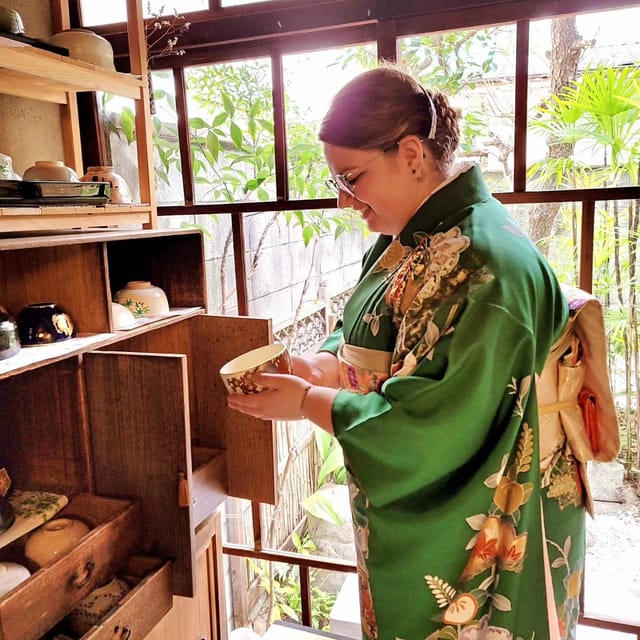
Your program includes a tea ceremony flower arranging experience, which often links to the same idea you’ll hear under ikebana. The goal is not just pretty flowers. It’s learning how placement, balance, and simplicity reflect the season and the mood of the tea moment.
What makes this valuable for you is how it reinforces etiquette. The ceremony isn’t only about drinking. It’s about noticing details and communicating a kind of calm hospitality through form.
The hosts guide you through the steps, and you end up with a small composition to remember the session. Even if you normally skip hands-on craft workshops, this one tends to click because it stays connected to the tea setting you’re already learning.
If you’re the type who likes cultural experiences with a practical outlet, this is the part that lets you bring the aesthetics home in a tangible way.
Kimono Rental, Photo Props, and What to Plan for
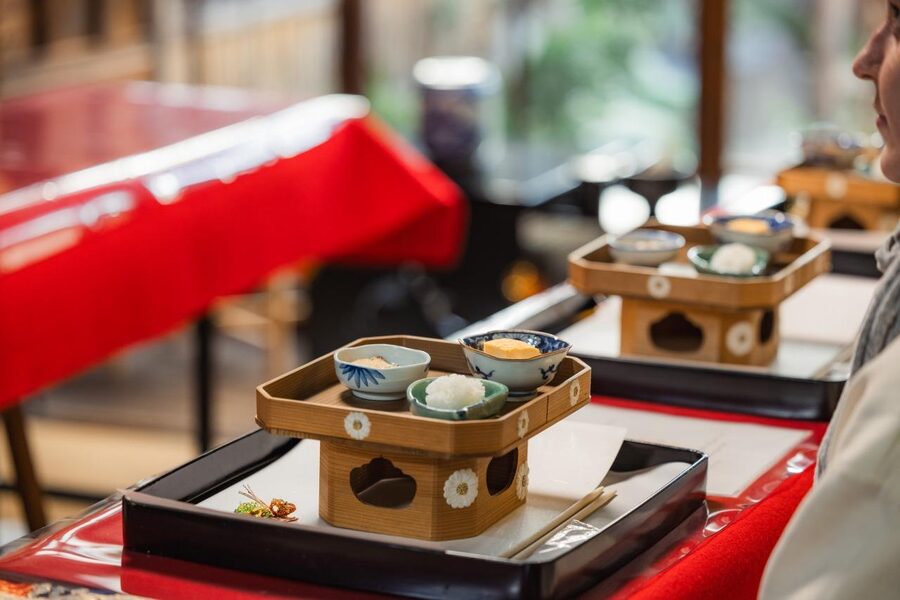
If you choose the kimono option, you add a layer of atmosphere that’s hard to replicate otherwise. The hosts help you get dressed, and many participants also mention the kimono and styling look especially beautiful on camera. It’s a full visual change, and it makes the townhouse feel even more time-warped.
You should plan your timing if you select kimono. You need to arrive 30 minutes before the experience begins so you have time for dressing. If you’re the kind of traveler who likes to arrive five minutes late and breathe through chaos, this option is still doable, but you’ll want to show up early.
This activity uses photo-friendly props, including umbrellas, folding fans, and a katana-style sword prop. Those are most fun when you’re in kimono, because the images look like they belong in a Kyoto storybook.
Important health consideration: for pregnant guests, the guidance is to refrain from wearing a kimono for health and safety reasons.
How to Get There and Pair It With Fushimi Inari or Uji
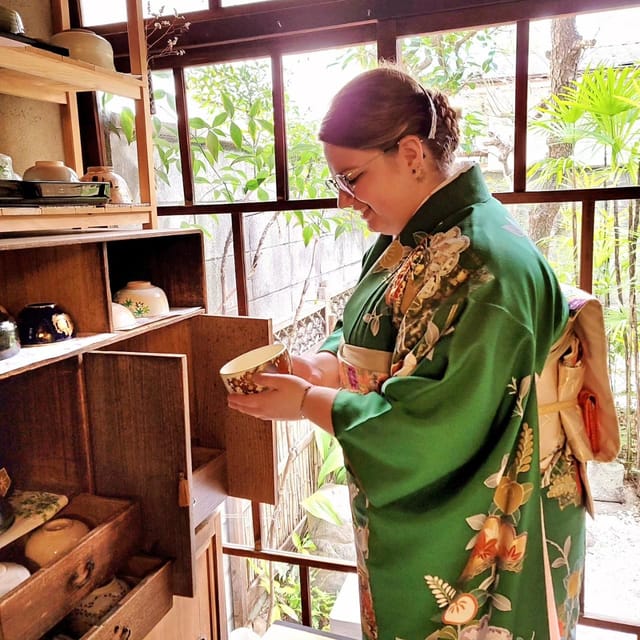
The meeting point is on the outskirts of Kyoto, about 20 minutes by train. From Kintetsu Kyoto Station, you take an express train for about 15 minutes to Kintetsu Momoyama-Goryo-mae Station. From Keihan Gion-Shijo Station, you get off at Fushimi-Momoyama Station. Then you head west on the Otesuji shopping arcade, walk about 3 minutes, and turn right at landmarks like Mizuho Bank or the Rakuten mobile shop.
If you’re coming from Momoyama Station on JR, you head northwest, pass a shrine called Gokogu on the right in about 300 meters, then continue on the Otesuji arcade. After about 2 minutes, you’ll see an old Kyoto townhouse with a blue curtain on the right.
This southern Kyoto location is also great for building a mini day plan. It’s convenient for Fushimi Inari Shrine and Uji, and those are easy adds on. Osaka is about 40 minutes by express train, and Nara is around 50 minutes, so this experience can slot into a longer itinerary without swallowing your whole day.
Price, Group Size, and Value for Your 90 Minutes
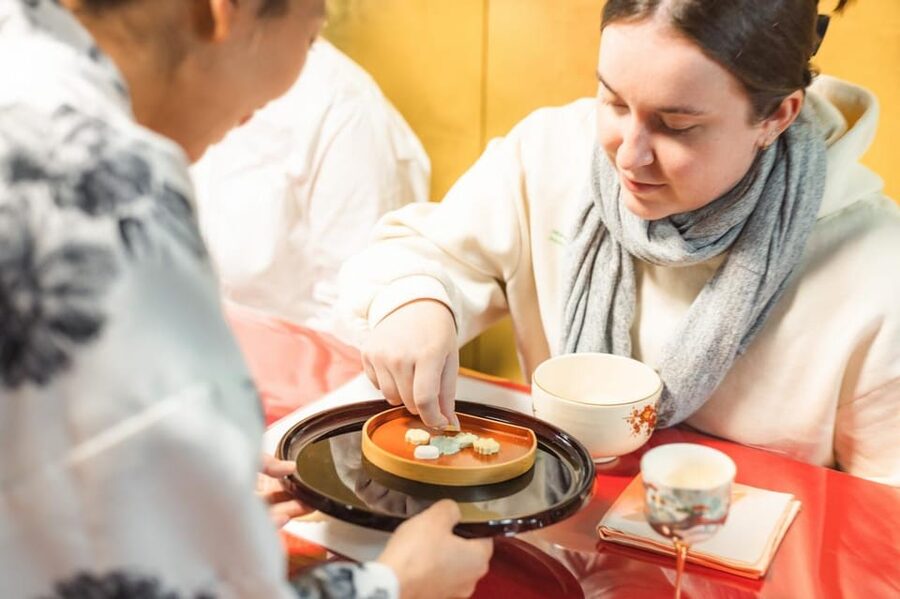
The price is $45 per person for a 90-minute experience, with an English instructor and options for private or small groups. The value isn’t just that you get tea. You get the full sequence: welcome drinks, traditional sweets, table-style ceremony instruction, matcha-making practice, latte art, calligraphy with a keepsake, and a flower arranging activity.
That’s why the $45 feels reasonable. If you tried to piece together kimono, workshop-style activities, and a guided ceremony separately, it usually adds up fast. Here, it’s built as one package, and the time stays tight at 90 minutes so you get a lot without feeling rushed.
Also, this one has strong social proof, with a 4.9 rating from 1,211 reviews. That kind of volume usually means the operation runs smoothly, especially on teaching and hospitality.
No hotel pickup is included, so you’ll want to handle the last-mile walk yourself. On the plus side, it’s a neighborhood setup, so you’re free to eat and shop before or after.
Should You Book This Table-Style Tea Ceremony in Kyoto?
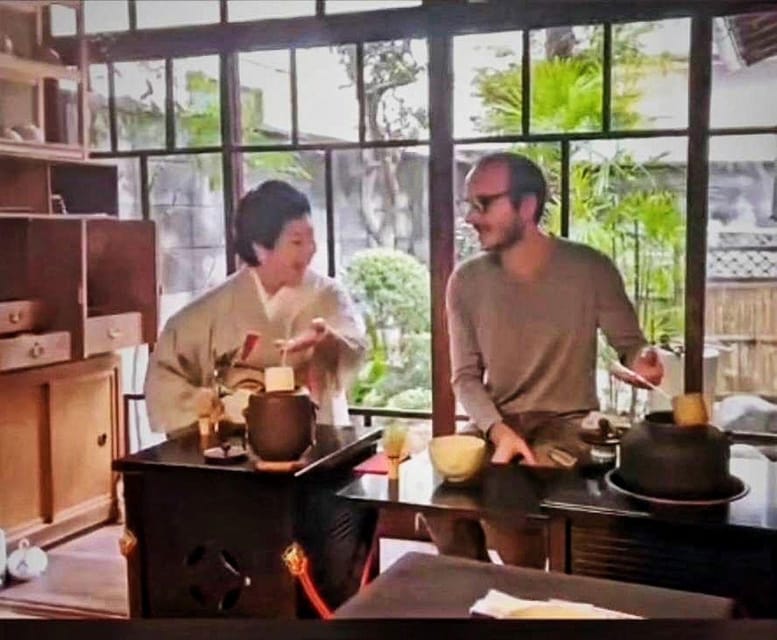
Book it if you want a Kyoto experience that’s both hands-on and culturally grounded. The chair-and-table format is a big advantage, especially if you’re not excited about spending 90 minutes on the floor. The matcha-making, calligraphy keepsake, and flower arranging make this more than a quick performance.
Skip or reconsider if you use a wheelchair, since this is not suitable for wheelchair users. Also, if you prefer only sightseeing with zero structured activities, you might find the instructional parts take up more time than you’d like.
My practical recommendation: if you can handle arriving a bit early, seriously consider the kimono option. It’s not only for photos. It helps you feel the setting and makes the whole experience feel more like Kyoto daily life inside that old townhouse.
FAQ
How long is the tea ceremony workshop?
The duration is 90 minutes.
What is the price per person?
The price is listed as $45 per person.
Is the tea ceremony done on the floor?
No. This is a table-style tea ceremony where you sit on chairs instead of on the floor.
What language are the guides/instructors?
The instructor is English.
Is kimono rental included?
Kimono rental is included only if you select the kimono option. If you choose it, you should arrive 30 minutes before the experience starts.
What can I do during the ceremony?
You can enjoy welcome drinks and traditional sweets, learn the tea ceremony steps, make matcha with a bamboo whisk, do calligraphy, and participate in a flower arranging experience. Latte art using thick tea is also included.
What is the keepsake from calligraphy?
You’ll receive a hanging scroll or an envelope with your name written in Japanese kanji or hiragana.
Is hotel pickup included?
No. Hotel pickup and drop-off are not included.
Can wheelchair users participate?
The activity is not suitable for wheelchair users.
Can I get to the area from Kyoto quickly?
Yes. The meeting point is about 20 minutes by train from central Kyoto areas, and Osaka and Nara are reachable by express train in about 40 to 50 minutes.
Newly listed around Kyoto
- Taste of Nishiki Market Walking Food Tour with Local guide★ 5.0 · 17 reviews
- Kyoto: Sushi Making Class with Sushi Chef★ 4.8 · 64 reviews
- Simple Plan with Maiko★ 4.4 · 10 reviews
- Shibori Furoshiki Course at Kyoto Shibori Museum★ 5.0 · 21 reviews
- Kyoto: City Secrets eBike Tour★ 4.9 · 196 reviews
- Sacred Pathways: Discover the Philosopher’s Path of Kyoto★ 4.9 · 20 reviews
- Private Tour to Monkey Park and Arashiyama Highlights★ 5.0 · 22 reviews
- Private Nara Tour from Osaka – Meet at Your Hotel★ 5.0 · 22 reviews
Matcha & Tea Ceremony Sessions, compared.
Tea Ceremony in a Traditional Tea House in Kiyomizu
Read our review →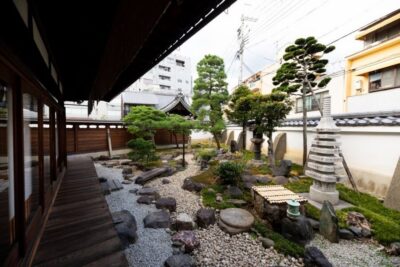
World Heritage Kyoto & Nara Uji Authentic Matcha Experience
Read our review →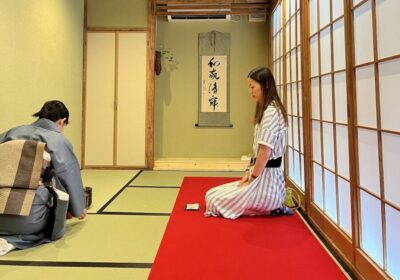
Browse the lists this tour appears in