
Review · BAMBOO GROVE WALKS
Kyoto Arashiyama Bamboo Forest & Scenery Customized Private Tour
Bamboo crowds, then calmer temples. This private 4-hour Kyoto walk in Arashiyama and Sagano helps you match the day to your interests, with a guide who can explain what you’re seeing as you go. I especially love the focus on route customization, so you can choose 2 to 3 key stops instead of ticking boxes. I also like that it’s built around iconic sights like the Togetsukyo Bridge and world-famous temple gardens.
One watch-out: this is a walking tour with no hotel pickup and no private van included, so you’ll get themselves to JR Saga-Arashiyama Station on your own, and you should be ready for steady walking (rain or shine).
In This Review
- Key things to know before you go
- Kyoto’s Arashiyama and Sagano: why this half day feels different
- Price and logistics: what $132 gets you, and what to budget
- Meeting at Saga Arashiyama Station: how the day actually starts
- Choosing your 2 to 3 stops: a smarter Arashiyama strategy
- Togetsukyo Bridge: the easy win photo moment
- Tenryu-ji Temple and Okochi Sanso Garden: Zen gardens with real atmosphere
- Jojakko-ji, Nisonin, and Giōji: temple views built for the hillside
- Nembetsu-ji and Otagi Nenbutsu-ji: Sagano’s heavy, memorable side
- Toriimoto traditional buildings: a free walk through old Sagano
- Monkey Park Iwatayama: nature break with wild macaques
- Bamboo Forest Street: how to enjoy the famous section without losing your day
- Your guide matters: English, pacing, and the little extras
- Who should book this Arashiyama private tour?
- Should you book this Kyoto Arashiyama Bamboo Forest tour?
- FAQ
- Where does the tour meet?
- Is this a private tour?
- How long is the tour?
- Can I customize which stops we visit?
- Are entrance fees included?
- Do we get a van or hotel pickup?
- Does the tour run in bad weather?
- Can I cancel for a full refund?
Key things to know before you go
- Pick 2 to 3 places based on what you care about most, not what fits someone else’s schedule
- Licensed English speaking guide who can connect the dots between temples, gardens, and neighborhood life
- Classic Arashiyama views in a tight loop, starting and ending back at Saga Arashiyama Station
- Some admissions are extra, while spots like Togetsukyo Bridge, Bamboo Forest Street, and Toriimoto are free
- You’ll walk through very different Kyoto moods, from the bamboo corridor to hilltop temple viewpoints and quieter Sagano lanes
Kyoto’s Arashiyama and Sagano: why this half day feels different
Most first-timers hit a few big names in Kyoto and call it a day. This is better for people who want to slow down and actually read the place, because Arashiyama and Sagano feel like their own little world. You start along the JR Saga Arashiyama side of town, then you move through riverside views, temple gardens, and hillside sites where the foot traffic often changes block by block.
The best part is the private format. You’re not trapped in a giant group pace, and you can steer toward what you want: zen gardens at Tenryu-ji, autumn-focused maple areas like Jojakko-ji, or a quieter, more offbeat temple day that includes places such as Adashino Nembetsu-ji and Otagi Nenbutsu-ji.
And yes, the bamboo forest is famous for a reason. But even if you get your photos, the day does more than “bamboo and done.” The route is designed to mix the obvious icons with lesser-seen corners of Sagano.
A few more Bamboo Grove walks around Kyoto:
- Kyoto: Fushimi Inari, Kinkakuji, Bamboo Grove 1 Day Bus Tour
★ 4.8 · 4,316 reviews - Osaka/Kyoto:Kinkakuji,Arashiyama,FushimiInariShrine,NaraPark
★ 4.1 · 1,596 reviews - Kyoto/Osaka: Nara, Fushimi Inari Taisha, Arashiyama Bus Tour
★ 4.7 · 1,275 reviews
Price and logistics: what $132 gets you, and what to budget
At about $132.14 per person, you’re paying for a private, customized, English guided walking experience around Arashiyama and Sagano. You also get a licensed local guide and the flexibility to use public transit or taxis between stops when the route calls for it.
What’s not included matters for value. Entrance fees are optional and not included, both for you and for the guide. In practice, you’ll likely pay for a few temple or garden stops such as Tenryu-ji Temple and Okochi Sanso Garden, while some major photo stops like Togetsukyo Bridge and Bamboo Forest Street are free.
Also, remember the tour is walking-focused. There’s no hotel pickup, and there’s no private van included. So if you’re staying elsewhere in Kyoto, plan on getting yourself to Saga Arashiyama Station first. The upside is that it keeps the tour flexible and grounded in the neighborhoods rather than shuttling you around.
Meeting at Saga Arashiyama Station: how the day actually starts
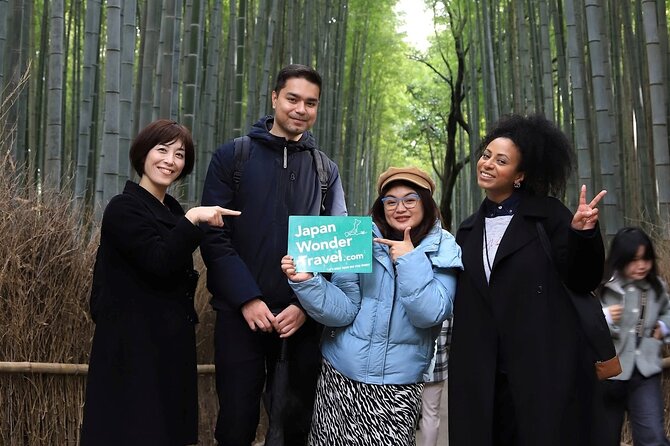
You meet your guide at JR Saga-Arashiyama Station, in front of a ticket gate. That’s important because it sets expectations. You’re not being whisked in from your hotel. You’re starting where the area begins, which makes the route feel local right away.
From there, the guide builds your walk based on your preferences, and the tour runs about 4 hours. You’ll do a moderate amount of walking, so comfortable shoes are not optional. Think supportive sneakers, not thin flats. This area includes some hillside routes, and even when the walking is manageable, temple stairs add up.
Your tour ends back at the meeting point, which is convenient when you want to keep the rest of your day simple. Rain or shine is also the rule. If the sky opens up, your guide can still keep the route moving, though you may want a light rain layer.
Choosing your 2 to 3 stops: a smarter Arashiyama strategy
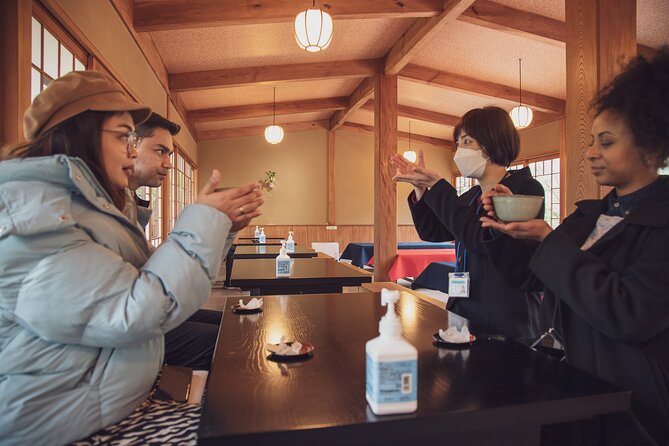
Because the tour is customized, the best way to “win” the day is to decide what you’re chasing before you meet your guide. Ask for a mix that matches your energy level and your season.
Here are three solid combos you can use as a starting point:
- Classic icon day: Togetsukyo Bridge, Tenryu-ji, plus Bamboo Forest Street
- Garden and actor’s villa: Tenryu-ji, Okochi Sanso Garden, then a quieter temple like Nisonin
- Sagano quieter corners: Toriimoto Traditional Buildings Preservation Area, then Adashino Nembetsu-ji or Otagi Nenbutsu-ji, and finish with the bamboo corridor
This matters because Arashiyama can get crowded around the most famous shots. When your guide can steer you to a smoother sequence, you spend more time actually enjoying each place and less time inching forward.
A few more Kyoto days to weigh up
- PERFECT KYOTO 1-Day Bus Tour
★ 5.0 · 13,518 reviews - Kyoto: Tea Ceremony in a Traditional Tea House in Kiyomizu
★ 4.9 · 3,519 reviews - Kyoto Geisha Walking Tour: Gion District & Hidden Gems
★ 4.7 · 3,273 reviews - Kyoto: Tea Ceremony Ju-An at Jotokuji Temple
★ 4.9 · 3,207 reviews
Togetsukyo Bridge: the easy win photo moment
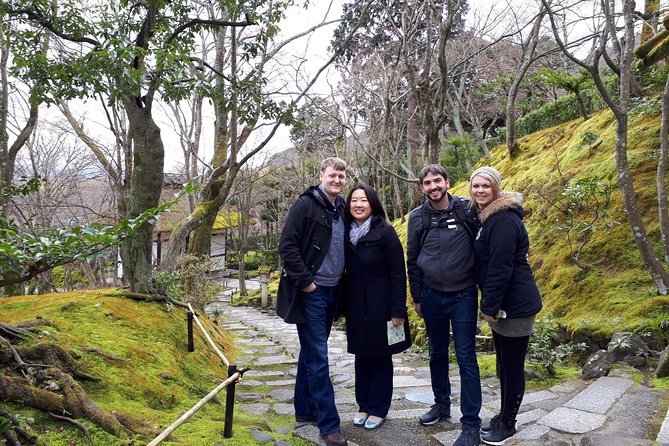
Togetsukyo Bridge is the iconic Arashiyama view that sells the area fast. It’s built over the Katsura River and stretches 155 meters long, so you get a classic frame with the mountains in the background.
This stop is also useful because it works like a warm-up. Before you start temple hopping, you’re getting oriented to the river and the surrounding hills. That helps later when gardens and hillside temples make more sense.
Admission is listed as free, so it’s a low-cost, high-reward moment. If you’re bringing a camera, this is one of those places where you can take a few photos from different angles without feeling like you’re spending half your trip stuck at a single spot.
Practical tip: if you care most about scenery photos, ask your guide whether the order of the day can give you softer light or fewer crowds at the bridge.
Tenryu-ji Temple and Okochi Sanso Garden: Zen gardens with real atmosphere
If you pick only one temple garden, Tenryu-ji Temple is a strong bet. It’s one of Kyoto’s best-known Zen temples and a UNESCO World Heritage Site. The garden is designed to feel different across seasons, with the plantings and flowers shifting the mood.
Tenryu-ji is also a good choice if you like calm spaces where you can slow down. Your guide can help you interpret what you’re looking at, so it feels less like wandering and more like understanding.
From there, Okochi Sanso Garden is a great second garden stop if your schedule allows. Denjiro Okochi, a famous actor of samurai films, spent about 30 years building this villa garden, covering 19,800 square meters. The grounds often pair well with seasonal colors, including cherry blossoms in spring and fall foliage in autumn.
Admission is not included for both of these, so budget for tickets. But garden time is the kind of sightseeing that pays off, especially if you’re visiting outside peak season.
Jojakko-ji, Nisonin, and Giōji: temple views built for the hillside
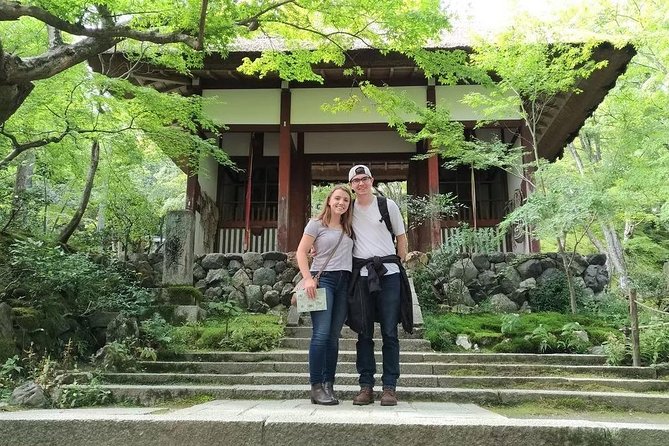
If your timing lines up with autumn color, or you just love hilltop temples, this trio is the reason people come back to Arashiyama more than once.
Jojakkoji Temple sits on the hillside of Mt Ogura. It’s known for about 200 old maple trees, which turn red, orange, and yellow during autumn. Even if you visit in a different season, the hillside setting gives you a sense of how the temple grounds relate to the surrounding slopes.
Next, Nisonin is a quieter-feeling option on the route. It’s described as a temple surrounded by beautiful landscapes that have survived for 1200 years, and it’s also associated with autumn foliage. This one is worth choosing if you want less of the big sight-energy and more of the gentle pause.
Then there’s Giōji Temple, known as the temple of tragic love. It connects the grounds to a story about a lady dancer who lost favor and later became a nun after heartbreak. That adds a human element to what you’re looking at, and it can make the stop feel more vivid than just another garden photo.
One consideration: these hillside sites can mean more stairs and uphill walking. If you’re short on mobility, tell your guide at the start so the day can be adjusted.
Nembetsu-ji and Otagi Nenbutsu-ji: Sagano’s heavy, memorable side
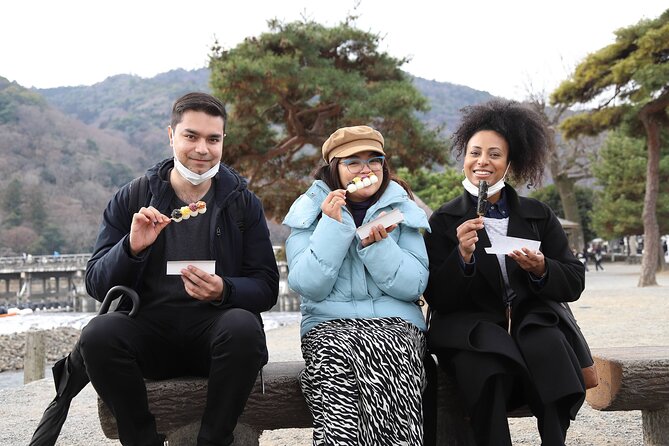
Not every temple stop needs to be upbeat. Adashino Nembetsu-ji Temple and Otagi Nenbutsu-ji Temple add a quieter, more contemplative chapter to the day.
Adashino Nembetsu-ji is connected to burial practices in the area going back to ancient times, starting with wind burial and later shifting to earth burial. The setting includes a stone Buddha dedicated for mourning and the idea of separation lasting forever. It’s not the kind of place you rush.
Otagi Nenbutsu-ji goes back to the 8th century, but its modern story includes disruption during World War II and later damage from a typhoon in 1950. The result is a site with a sense of survival and change.
Admission is not included for these stops, so tickets will add up if you choose both. Still, this is one of the best ways to make your Arashiyama day feel more like learning and less like only sightseeing.
If you prefer a lighter mood, you might choose one of these instead of both.
Toriimoto traditional buildings: a free walk through old Sagano
Not everything important here requires a ticket. Saga Toriimoto Traditional Buildings Preservation Area is listed as free, and it’s located at the far end of Sagano, about 600 meters along Atago Highway leading to Atago Shrine.
What makes Toriimoto special is the texture. You’re seeing farmhouse-style buildings with thatched roofs and a more rural rhythm than you get near the main bamboo corridor. It’s a good break in the middle of temple-heavy sightseeing, and it gives your photos variety without costing extra.
This is also a helpful stop if you want less walking intensity than a hillside temple day. It’s still a walk, but it feels more like strolling.
If your group wants more time for photos or snacks, Toriimoto is a natural place for a short pause because it’s easy to understand from the street.
Monkey Park Iwatayama: nature break with wild macaques
Monkey Park Iwatayama adds a different kind of Kyoto day. The park is described as having around 120 Japanese macaques living in the wild. It’s full of nature, and the monkeys can be seen throughout the year.
This stop can be a win if you love animals and you enjoy a bit of outdoor time between temples. It also helps diversify the day’s pacing. Instead of focusing only on indoor garden viewing, you’re outside with views and movement.
Admission is not included, so factor in the ticket. Also, expect some walking up and around the park area. If you’re traveling with kids or people who get tired easily, check with your guide early so you don’t make the whole afternoon climb-heavy.
Bamboo Forest Street: how to enjoy the famous section without losing your day
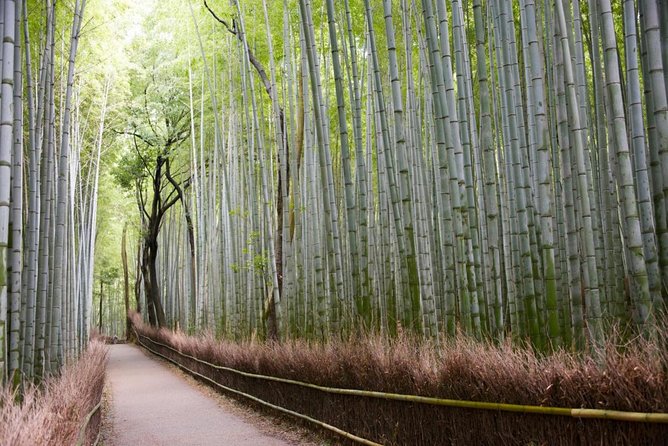
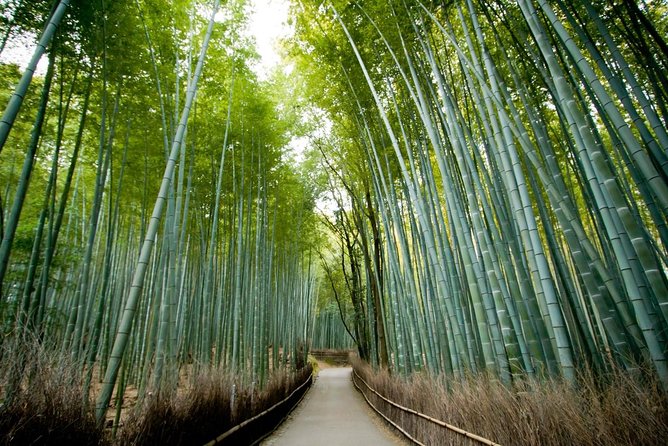
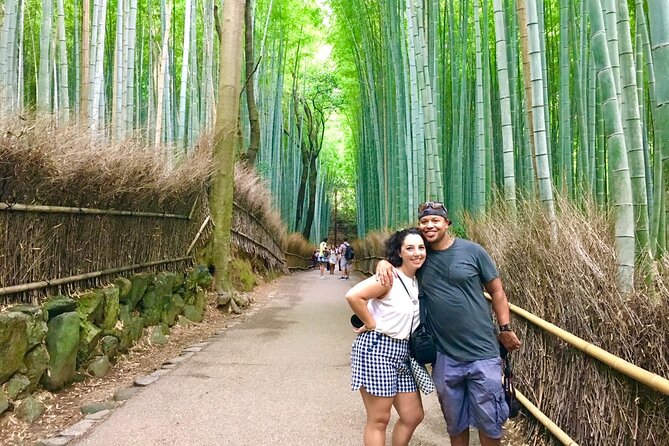
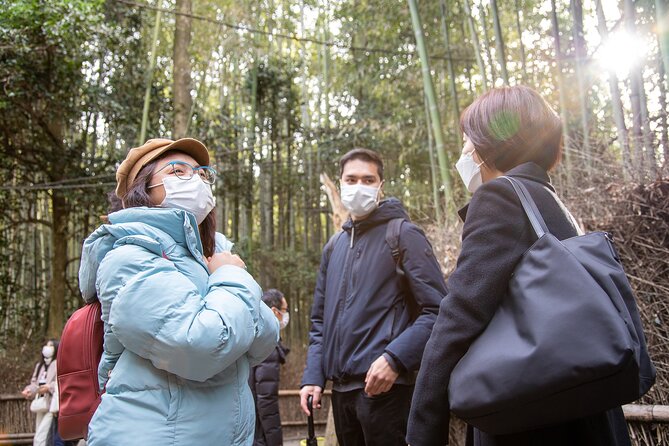
Then comes the main event: Bamboo Forest Street. This is one of Kyoto’s biggest attractions, with thousands of tall bamboo towering in the area. Even if you’ve seen photos online, the real thing has a scale that pictures don’t fully explain.
Admission is free, which is nice because you can spend your money on ticketed gardens instead. The downside is obvious: it can be crowded. When crowds build, it’s easy to treat the bamboo like a photo checkpoint.
That’s exactly where a private guide helps. Your guide can suggest where to linger, where to pause for better angles, and how to keep the day from feeling like you’re rushing. The bamboo area works best when you slow down for 10 minutes and let your eyes adjust to the sound and light.
My practical advice: if you want fewer crowds, ask about timing and how the route can be ordered so you’re not stuck waiting. Also, bring a phone strap or camera support if you’re moving, because you’ll be stopping often.
Your guide matters: English, pacing, and the little extras
This tour’s biggest strength is the human factor. The guide is licensed, speaks English, and can tailor the route so you’re not just looking at famous spots but also understanding why they matter.
In the feedback I read, guides like Takuma Goda, Osamu, Nao, Fuji, Yasuna, and Kazu were praised for clear English and for answering questions with patience. Akiko and Yumiko also came up as guides who helped people feel comfortable and looked after, including adding extra help when someone needed practical items like an adapter.
That kind of care makes a difference in a place as scenic as Arashiyama. It can turn a day of walking into a day of conversations, little context bits, and smoother pacing when the area gets busy.
One strategy: at the meeting point, tell your guide your must-sees and your limits. Then let them propose the 2 to 3 stop plan. You’ll usually get a route that makes sense in real walking time, not just in theory.
Who should book this Arashiyama private tour?
Book it if:
- You want a private, flexible Kyoto day built around Arashiyama bamboo forest plus temples and gardens
- You’d rather choose 2 to 3 meaningful stops than do a long checklist
- You enjoy asking questions and learning on the move, not only at ticket counters
Skip or reconsider if:
- You strongly prefer a car-based tour. This one is mostly walking, and you handle getting to the station
- You have limited mobility and want minimal stairs. Some hillside temple stops can be harder
This is a great fit for couples, small families, and solo travelers who want personal attention without sacrificing the chance to see Kyoto’s signature sights.
Should you book this Kyoto Arashiyama Bamboo Forest tour?
Yes, if you want a calm, guided half day where you control the mix of bamboo, gardens, and quieter Sagano corners. The price feels fair for a private guide who can handle the pacing and help you choose the best stops for your interests.
I’d book it especially if Tenryu-ji and the bamboo forest are on your list, but you also want at least one less obvious stop. The route options like Okochi Sanso Garden, Jojakkoji, and the thoughtful Nembetsu-ji and Otagi Nenbutsu-ji sites give the day depth.
If you do book, go in with comfy shoes, a flexible mindset, and a short wishlist. Then your guide can do the real magic, which is turning a famous area into a personal Kyoto day.
FAQ
Where does the tour meet?
Meet your guide at JR Saga-Arashiyama Station in front of a ticket gate.
Is this a private tour?
Yes. It is a private tour, and only your group participates.
How long is the tour?
The tour runs for about 4 hours.
Can I customize which stops we visit?
Yes. Based on your preferences, you will visit select sites in the Arashiyama and Sagano area, and you can choose 2 to 3 places to visit.
Are entrance fees included?
Entrance fees are not included. Optional entrance fees may apply for you and the guide.
Do we get a van or hotel pickup?
No. There is no private van included and hotel pick-up is not included. Public transportation or local taxis may be used between spots.
Does the tour run in bad weather?
Yes. The tour takes place rain or shine.
Can I cancel for a full refund?
Yes. You can cancel up to 24 hours in advance for a full refund. Canceling less than 24 hours before the start time is not refundable.
Newly listed around Kyoto
- Zen Meditation for Life in Kyoto★ 5.0 · 10 reviews
- Kyoto: Zen Meditation at a Private Temple with a Monk★ 5.0 · 25 reviews
- Kyoto Private Customizable Day Tour with Guide and Vehicle★ 5.0 · 52 reviews
- Private Wagyu Beef Tour with a Local Guide★ 5.0 · 6 reviews
- Kyoto: Gion Geisha District & Sake-in-Hand Walking Tour★ 5.0 · 37 reviews
- Your Private Vacation Photography Session In Kyoto★ 5.0 · 110 reviews
- Private Guided Traditional Buddhist Cooking in Japan★ 5.0 · 16 reviews
- Private Pewter Sake Cup Experience with a Kyoto Artisan★ 5.0 · 31 reviews
Bamboo Grove Walks, compared.
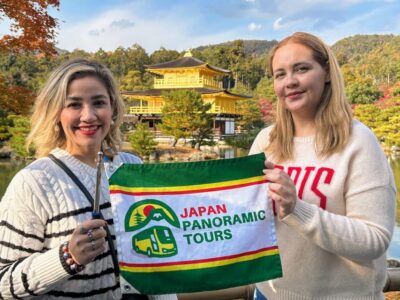
Fushimi Inari, Kinkakuji, Bamboo Grove 1 Day Bus Tour
Read our review →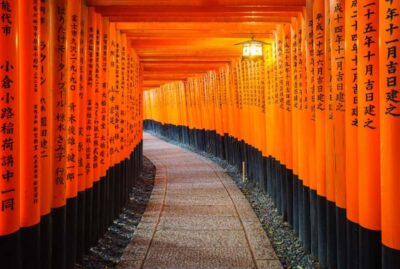
Osaka/Kyoto:Kinkakuji,Arashiyama,FushimiInariShrine,NaraPark
Read our review →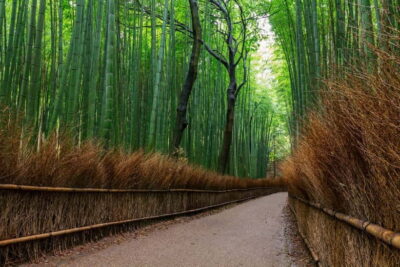
Kyoto/Osaka: Nara, Fushimi Inari Taisha, Arashiyama Bus Tour
Read our review →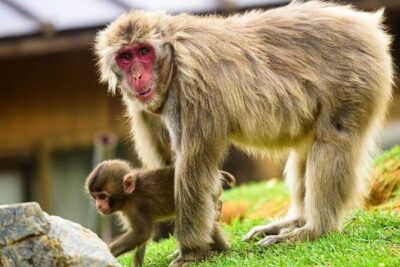
Kyoto Arashiyama Walking Tour: Bamboo, Monkeys, Gardens & Secrets
Read our review →
Arashiyama Bamboo, Temple, Monkeys, or Secret Sake Brewery
Read our review →
Osaka/Kyoto: Arashiyama, Nara & Fushimi Inari Shrine w/Lunch
Read our review →
Nijo, Kinkaku-ji, Arashiyama, Kiyomizu & Fushimi Inari
Read our review →
Kyoto Ghost Tour: Dark Tales, Urban Legends, Bamboo Forest Night
Read our review →Browse the lists this tour appears in