
Review · BAMBOO GROVE WALKS
Kyoto Arashiyama Rickshaw Tour with Bamboo Forest
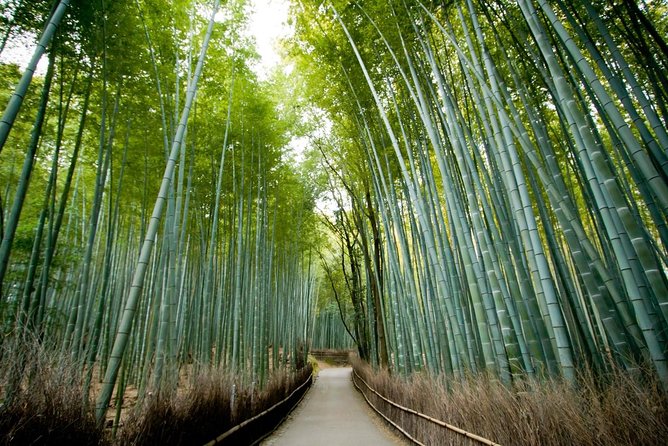
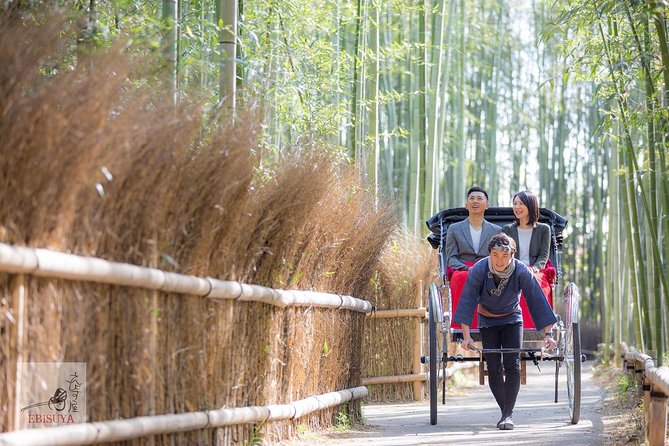
A rickshaw turns the Arashiyama Bamboo Forest into a smooth ride. You get pulled through Kyoto’s famous bamboo lanes, then step out for the spots you cannot reach by rickshaw. I especially like the early morning start, and I love how the guides mix sightseeing with practical photo coaching so you leave with shots that feel like you planned it.
One thing to factor in: you still do some walking, including a stretch with a steep slope, and the bamboo path where rickshaws go can be only part of the time. So if your whole goal is zero foot traffic and zero sharing of paths, set expectations before you go.
In This Review
- Key things to know before you go
- Why the Arashiyama Bamboo Forest feels different from a rickshaw
- Rickshaw ride basics: how much time you actually spend out of the seat
- Bamboo Forest Street and the shrine photo stops you will remember
- The walk to the most famous bamboo section, and how to plan for the slope
- Haiku-poet cottage and shrine atmosphere: the calm bonus stops
- Guides make or break this kind of tour
- Comfort, timing, and weather: the practical stuff
- Price and value: what $86.88 gets you, and what it does not
- Who should book this rickshaw tour
- Should you book the Kyoto Arashiyama Bamboo Forest rickshaw tour?
- FAQ
- How long is the Kyoto Arashiyama rickshaw tour?
- What is included in the tour price?
- Are temple and shrine admission fees included?
- Is this a private tour?
- Do I need to walk during the tour?
- Does the tour run in bad weather?
- Can I get a refund if I cancel?
Key things to know before you go
- Private group experience in Arashiyama, so your guide can steer the stops based on your selected time
- Early start advice matters, because this area is popular and the tour is set up to help you beat crowds
- Rickshaw comfort plus guided walking, including a walk up and down a steep slope to the most famous section
- Shrines and photo breaks along the way, like Nonomiya Shrine and a small photo park stop
- Photo help from the guide, with many guides known for taking great pictures and coaching phone panoramas
Why the Arashiyama Bamboo Forest feels different from a rickshaw
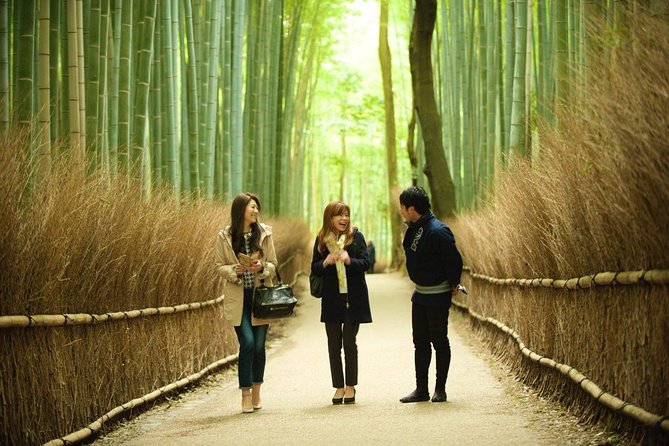
Kyoto’s Arashiyama Bamboo Forest is one of those places everyone puts on the list. The tricky part is that it is also one of those places where crowds can turn your experience into more of a waiting game.
This tour helps you dodge some of that by starting early, when light looks better and the flow of people is calmer. You also get shade while you ride. Even if you are not a big fan of guided tours, being pulled through the bamboo makes the area feel instantly more relaxed and cinematic.
The second reason I like this format is that it is not just a ride and a camera snap. You get a guide who talks you through what you are seeing, and multiple guides in the experience are praised for English skills and photo results. Some names that come up a lot include Ocean, Yoshi, Shota, Hikaru, and Kiko, each noted for friendly, energetic guiding and strong photo abilities. That matters because you can spend time in the forest and still leave with mediocre pictures, or you can get help choosing angles and timing.
A few more Bamboo Grove walks around Kyoto:
- Kyoto: Fushimi Inari, Kinkakuji, Bamboo Grove 1 Day Bus Tour
★ 4.8 · 4,316 reviews - Osaka/Kyoto:Kinkakuji,Arashiyama,FushimiInariShrine,NaraPark
★ 4.1 · 1,596 reviews - Kyoto/Osaka: Nara, Fushimi Inari Taisha, Arashiyama Bus Tour
★ 4.7 · 1,275 reviews
Rickshaw ride basics: how much time you actually spend out of the seat
The core of the experience is the rickshaw segment, where your guide pulls you along bamboo lanes that are set aside for rickshaws. This is the part that makes the forest feel like it is happening around you instead of being something you have to push through on foot.
That said, you are not sitting the whole time. The plan includes getting off for the most famous part of the bamboo forest that rickshaws cannot reach, and that walk includes a steep slope with some up and down. You also do a bit of on-foot time for the best forest views.
So think of the day as a mix: ride for comfort and speed through the main corridors, then walk briefly when it counts. If you can handle short walking stretches, the tradeoff is worth it because you get access to the key viewing area.
Bamboo Forest Street and the shrine photo stops you will remember
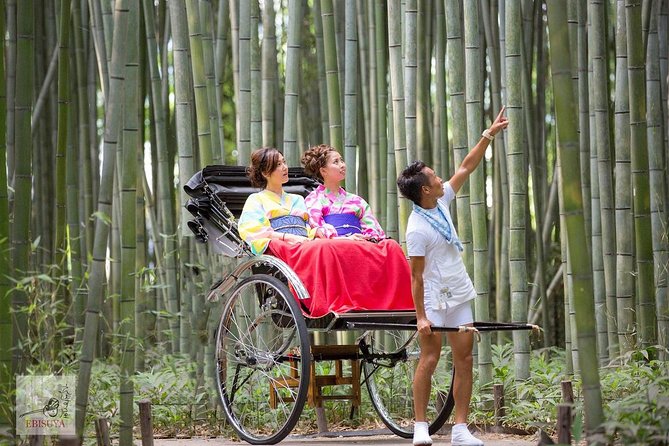
As you head into the bamboo area, the experience starts with the bamboo forest street stretch, where you ride through the green lanes reserved for rickshaws. This is where you get your first real sense of scale, those towering stalks feeling close and tall at the same time.
Then you transition into the first sightseeing rhythm break. You pass by Nonomiya Shrine and there is a photo stop in a small park. It is brief, but it is a useful pause to reset your eyes and camera. Also, a shrine stop adds context. Bamboo here is not just scenery, it is woven into everyday Kyoto spaces.
A Shinto shrine tucked in the bamboo forest also appears in the stop flow, so you are not only chasing images. You are seeing how people connect spiritual sites with seasonal and natural settings.
One practical note: if your priority is photos with fewer people, your best chance is usually at the quieter edges and during transition moments, not in the middle of the densest crowd flow. This tour timing and stop structure help you do that better than a self-guided scramble.
The walk to the most famous bamboo section, and how to plan for the slope
This is the moment the tour earns its keep. You get off the rickshaw and walk to the most famous part of the bamboo forest that cannot be accessed by rickshaw. The walk includes going up and down a steep slope, so your legs will get a small test.
The upside is that this is often the area with the best “forest floor to sky” feeling. From a standing and walking viewpoint, bamboo stalks look taller, and paths feel more intimate. You also get chances for photos when your position changes, like turning a corner or climbing slightly, which can make your images look far less like snapshots.
The downside is obvious: if you have mobility concerns, this is the part to think about first. It is not a long hike, but it is not flat either. If you are traveling with older parents, knee issues, or anyone who struggles on slopes, I would treat this as a must-assess segment.
Also, because the goal is a better experience, not just speed, you should wear grippy shoes. You will feel it most during that slope portion.
A few more Kyoto days to weigh up
- PERFECT KYOTO 1-Day Bus Tour
★ 5.0 · 13,518 reviews - Kyoto: Tea Ceremony in a Traditional Tea House in Kiyomizu
★ 4.9 · 3,519 reviews - Kyoto Geisha Walking Tour: Gion District & Hidden Gems
★ 4.7 · 3,273 reviews - Kyoto: Tea Ceremony Ju-An at Jotokuji Temple
★ 4.9 · 3,207 reviews
Haiku-poet cottage and shrine atmosphere: the calm bonus stops
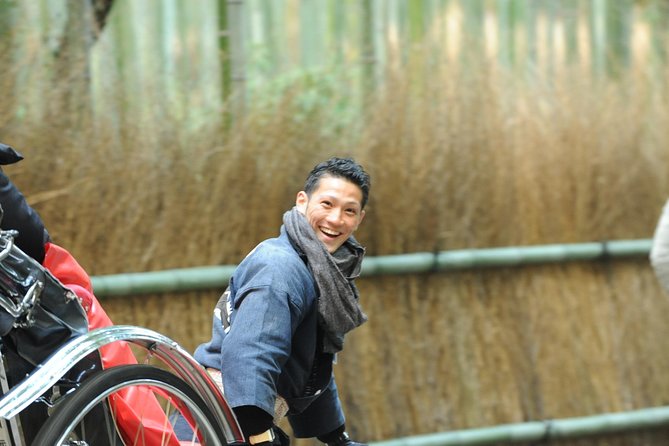
After you finish the walking highlight, the tour shifts back into bamboo visuals and then adds a couple of atmosphere stops. You pass through the bamboo grove again for great pictures, then you move on to a cottage connected to a famous haiku poet.
The cottage is described as built in a traditional pastoral style, with a straw thatched roof. That detail matters because it keeps the experience grounded in the way Kyoto blends art, literature, and daily life with natural scenery. Instead of being only a bamboo photo set, you get a sense of why bamboo inspired writers and poets in the first place.
Depending on your selected tour duration, you may also have room to customize attractions with your operator. That is helpful if you want more shrine time, or if you want to focus strictly on the bamboo forest and keep the rest light.
Guides make or break this kind of tour
If you have done any guided tours in Japan, you know the guide can be the whole difference between ok and great. Here, the guide role gets even more important because a big part of your success is photo timing and choosing where to stand without getting blocked.
Many guides are praised for English clarity and for being fun and informative. Names that show up repeatedly include Ocean and Kei for friendly, helpful guiding; Yoshi and Shota for respectful, detail-rich commentary; Hikaru for fluent communication and care; Kiko for finding perfect spots and capturing great bamboo shots; Kazuma for knowledge and charm; Daichi for standout explanations; Shin and Aki for energetic guiding and strong picture results.
One theme across the praise is that guides are not only telling you facts. They are also taking care of you in the small ways that matter, like making sure you end up at good angles and helping your group get panorama-style phone photos. If you care about photos, this is where you benefit the most, because you can spend time in the bamboo on your own and still not know where to stand.
Comfort, timing, and weather: the practical stuff
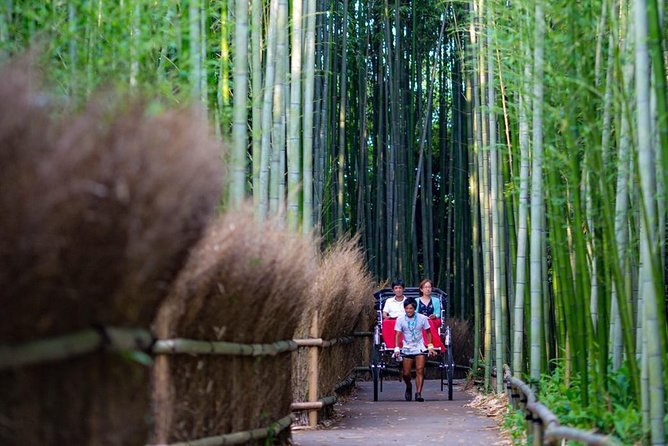
Timing is the big lever here. The experience strongly suggests starting early in the morning to avoid crowds. That is not just marketing talk. Bamboo corridors get congested, and once the thick crowd wave arrives, it becomes harder to get clean photos and easier to feel stuck.
Weather is covered too. The tour runs rain or shine. That is a real advantage in Kyoto, where weather can flip quickly. Snow was even mentioned in one experience as making the bamboo feel extra beautiful, with staff pushing through and keeping it enjoyable.
The other comfort factor is how the rickshaw works. The seats are measured at 74 cm (about 29.1 inches) in width, and the rickshaw can accommodate up to two adults side by side. So if you are traveling as a couple, you should feel pretty secure in that side-by-side arrangement.
If it is hot, this tour also tends to feel easier than long walking in open sun, since you have shaded ride time and breaks while you switch from rickshaw to foot segments. One review specifically mentions cold towels in hot weather, which you might appreciate even if you bring your own water.
Price and value: what $86.88 gets you, and what it does not
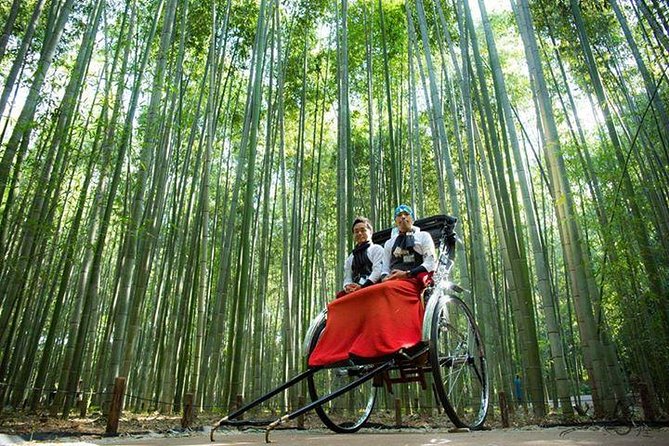
At $86.88 per person for a 1 to 2 hour experience, you are paying for the private rickshaw ride plus a guide who handles the timing, route choices, and photo help. In an area where crowd control matters, that is not a small thing. You are buying time savings, comfort, and better viewing.
The price includes the use of the rickshaw, all fees and taxes, and gratuities. That last part is practical. In Japan, tipping rules can feel unclear to visitors, so having gratuities handled for you removes a common anxiety.
What is not included is admission fees for temples and shrines, and your transport to and from the meeting place. So budget a bit for any shrine or temple entry you choose during the tour. Also plan to arrive a little early so you do not lose time, since arriving late can cut into your tour duration.
If you are doing Arashiyama in a tight schedule, this is also a “high impact” use of time. The bamboo forest is the main event, and you get structured access to the best parts without spending hours figuring it out.
Who should book this rickshaw tour
This is a great match if you want a guided bamboo forest visit with comfort, photo help, and a bit of shrine and literature flavor mixed in. It is also a good pick if you do not want to do the whole experience on foot, because the ride helps you conserve energy.
You will also like it if you value private group time. Since it is only your group, you are not competing with constant shuffling of strangers at each stop, and your guide can adjust the flow based on your selected duration.
It may be less suitable if you need to avoid steep slopes. The walk segment includes going up and down a steep slope, so anyone with mobility limitations should think carefully before booking.
Also, if you are pregnant in the first 16 weeks, the tour is not recommended based on the provided guidance. And with children, note the seating rules: kids 6 years and older must have a seat and pay the same price as adults, and children 5 years and under can ride for free if they sit on an adult’s lap.
Should you book the Kyoto Arashiyama Bamboo Forest rickshaw tour?
I think this is a strong book for most people doing Kyoto for the first time, especially if Arashiyama is on your top list. The combination of rickshaw comfort, early timing to avoid the worst crowd crush, and guide-led photo help is exactly what makes this experience feel worth the money.
Book it if you want to see the bamboo forest without turning your day into a long, hot walking session. You’ll also benefit if you care about photos, because guides here are known for getting great shots and coaching phone panoramas.
Skip or reconsider if you cannot do a steep-slope walk segment, or if you are expecting the rickshaw to cover every single moment in the bamboo lanes. The best moments include on-foot time, even if it is brief.
If you want Kyoto to feel effortless for an hour or two, this is one of the more practical ways to do Arashiyama.
FAQ
How long is the Kyoto Arashiyama rickshaw tour?
The tour lasts about 1 to 2 hours total, depending on the duration you select.
What is included in the tour price?
The price includes the rickshaw, all fees and taxes, and gratuities.
Are temple and shrine admission fees included?
No. Admission fees for temples and shrines are not included.
Is this a private tour?
Yes. It is listed as private, so only your group participates.
Do I need to walk during the tour?
Yes. You get off the rickshaw to walk to parts of the bamboo forest, including a segment with a steep slope.
Does the tour run in bad weather?
Yes. The tour takes place rain or shine.
Can I get a refund if I cancel?
You can cancel for a full refund up to 24 hours in advance of the experience start time.
Newly listed around Kyoto
- Taste of Nishiki Market Walking Food Tour with Local guide★ 5.0 · 17 reviews
- Kyoto: Sushi Making Class with Sushi Chef★ 4.8 · 64 reviews
- Simple Plan with Maiko★ 4.4 · 10 reviews
- Shibori Furoshiki Course at Kyoto Shibori Museum★ 5.0 · 21 reviews
- Kyoto: City Secrets eBike Tour★ 4.9 · 196 reviews
- Sacred Pathways: Discover the Philosopher’s Path of Kyoto★ 4.9 · 20 reviews
- Private Tour to Monkey Park and Arashiyama Highlights★ 5.0 · 22 reviews
- Private Nara Tour from Osaka – Meet at Your Hotel★ 5.0 · 22 reviews
Bamboo Grove Walks, compared.
Fushimi Inari, Kinkakuji, Bamboo Grove 1 Day Bus Tour
Read our review →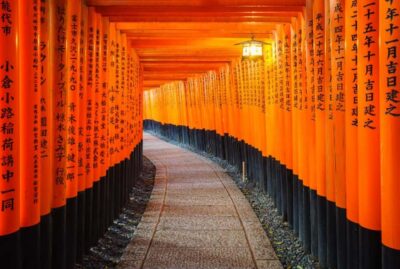
Osaka/Kyoto:Kinkakuji,Arashiyama,FushimiInariShrine,NaraPark
Read our review →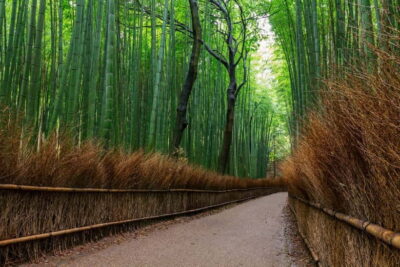
Kyoto/Osaka: Nara, Fushimi Inari Taisha, Arashiyama Bus Tour
Read our review →
Kyoto Arashiyama Walking Tour: Bamboo, Monkeys, Gardens & Secrets
Read our review →
Arashiyama Bamboo, Temple, Monkeys, or Secret Sake Brewery
Read our review →
Osaka/Kyoto: Arashiyama, Nara & Fushimi Inari Shrine w/Lunch
Read our review →
Nijo, Kinkaku-ji, Arashiyama, Kiyomizu & Fushimi Inari
Read our review →
Kyoto Ghost Tour: Dark Tales, Urban Legends, Bamboo Forest Night
Read our review →Browse the lists this tour appears in