
Review · GEISHA DISTRICT WALKS
Kyoto Gion: 2-Hour Geisha Culture & Photogenic Walking Tour
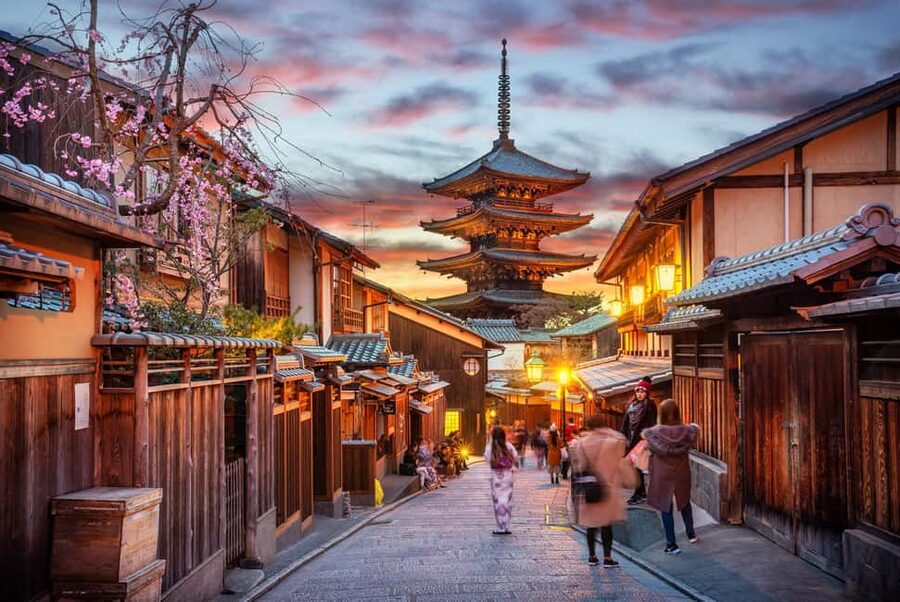
That first glimpse could happen fast in Gion. This 2-hour walking tour in Kyoto pairs geisha culture with quiet backstreets, so you’re not just recycling the same postcards. I like that it starts in scenic Gion Shirakawa and ends on Hanamikoji Street, where your timing might line up with an evening engagement.
Two things I’d bet on for you: a real shot at spotting a geisha and stops that go beyond the obvious, including Nonomiya Shrine and Edo-period townhouses. One thing to consider, though, is that geisha sightings are never guaranteed, because you’re viewing them in real life, not on cue.
The guide experience matters here, and that’s where Local Guide Stars earns trust. In particular, I’m glad this tour can be led by Uta, who stays present, answers questions well, and brings strong local context.
In This Review
- Key Things You’ll Notice on This Kyoto Gion Tour
- Gion Shirakawa Meets Old Kyoto Reality
- Chasing a Geisha Sighting, Without Losing Your Mind
- Nonomiya Shrine and the Love-Prayer Stop You’ll Remember
- Edo-Period Townhouses and Family Crests: The Details That Make Kyoto Feel Real
- Hanamikoji Street: Where Timing Helps and Curiosity Wins
- The Guide Experience: Why Uta’s Presence Changes the Tour
- Rain, Walking Shoes, and Simple Rules That Keep You Comfortable
- Price and Value at $27 for a Geisha-Culture Walk
- Who Should Book This Tour (and Who Might Want a Different Plan)
- Should You Book Kyoto Gion Geisha Culture & Photogenic Walking Tour?
- FAQ
- How long is the Kyoto Gion Geisha Culture walking tour?
- How much does the tour cost?
- Where does the tour start?
- Where does the tour end?
- What is included in the tour price?
- Is hotel pickup or drop-off included?
- What languages are available?
- Are flash photos allowed?
- What should I bring?
- Is the tour suitable for wheelchair users or mobility impairments?
- Does the tour run in rain?
- Can I pay later and reserve first?
- What is the cancellation window?
Key Things You’ll Notice on This Kyoto Gion Tour
- Gion Shirakawa start with willow trees, tea houses, and stone-paved paths that set the tone immediately
- A guide who answers your questions, including geisha culture and what you’re seeing as you walk
- Nonomiya Shrine for love prayers, plus a visit to a 1,000-year-old shrine site
- Edo-period townhouses and family crests, so you see old Kyoto details up close
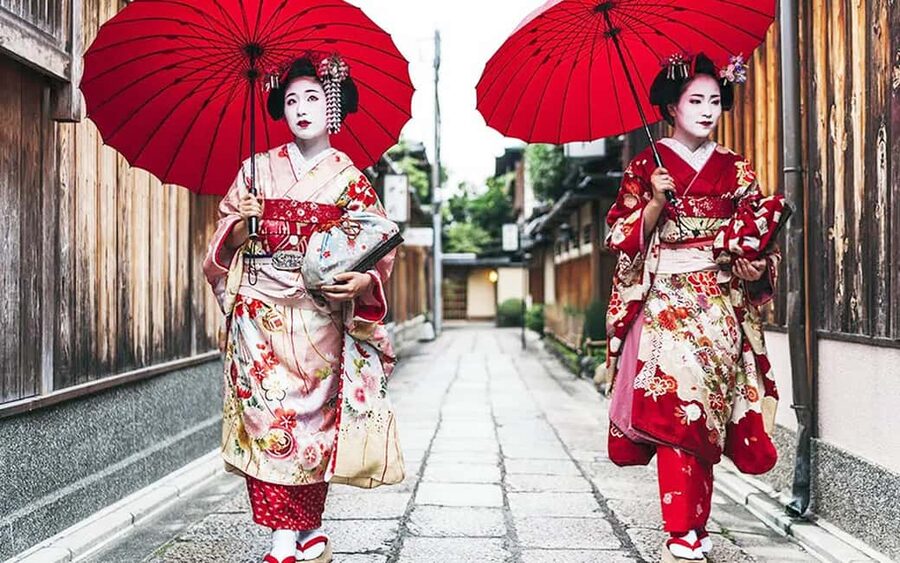
- Hanamikoji Street finish in the geisha district, where you might catch a geisha on her way out
- No flash photography, so your photos stay respectful and temple rules stay simple
Gion Shirakawa Meets Old Kyoto Reality
The tour begins at Gion Shirakawa, and that matters more than you might think. This riverside stretch is lined with willow trees and traditional tea houses, with stone-paved paths that feel distinctly “walkable Kyoto,” not just scenic-from-a-bus Kyoto. Right away, you get oriented to the area’s layout, which makes the rest of the walk feel easier and more meaningful.
I like this kind of start because it helps you slow down. You’re in a part of the city where details matter, like the way the streets fold away from the main flow and how the buildings frame small views. Even if you’re there for geisha culture, you’ll find yourself looking at architecture and street texture, because the guide is pointing out what’s there rather than asking you to guess.
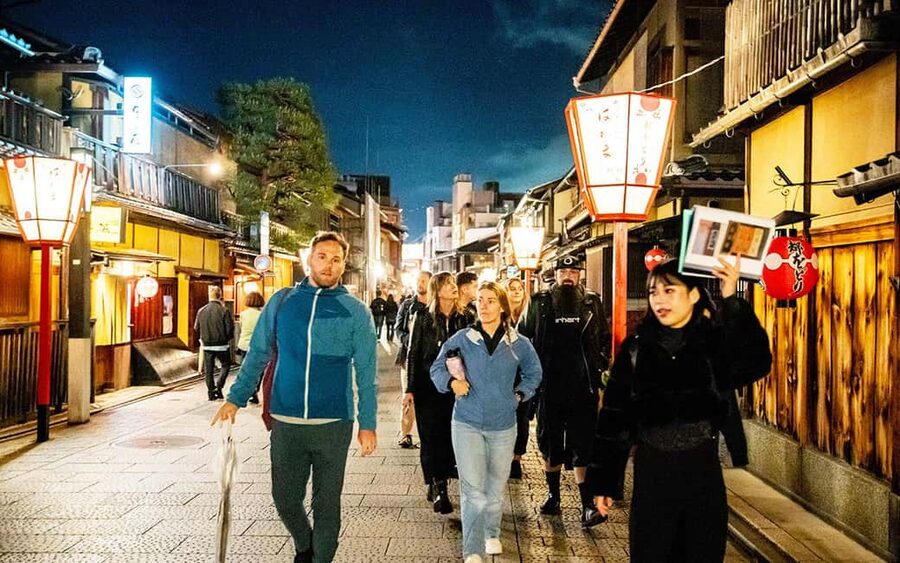
Logistically, you’ll be meeting your guide at the address listed for the activity, and the guide will be holding a sign that says Local Guide Stars. Expect a normal walking pace and keep your camera ready, since photography is allowed, but you’ll want to avoid flash inside temples.
More Walking Tours in Kyoto
- Kyoto Geisha Walking Tour: Gion District & Hidden Gems
★ 4.7 · 3,273 reviews - Kyoto: Gion Geisha District Walking Tour – Stories of Geisha
★ 4.7 · 2,187 reviews - Night Walk in Gion: Kyoto’s Geisha District
★ 4.5 · 2,003 reviews
Chasing a Geisha Sighting, Without Losing Your Mind
The headline promise is simple: you might spot a real geisha. That’s exciting, but it’s also where you should set expectations. This is a walking tour in a working district, so sightings depend on timing, foot traffic, and whether someone is out heading to an evening engagement.
That’s why ending on Hanamikoji Street is a smart move. Hanamikoji Street is described as the heart of Kyoto’s geisha district, and the tour is designed to put you there at the right moment of the day. When someone passes by, it’s quick, so you’ll want to stay alert without stepping into people’s space.
Here’s the cultural payoff you can count on even if you never see a geisha up close: the guide explains the strict training geisha go through, along with the grace of their dances and the craftsmanship behind kimonos and hairstyles. In other words, your visit doesn’t collapse into a single photo moment. You’re also learning how the look you’re seeing is built.
If you care about photos, remember the rule you can control: no flash photography inside temples. Plan to use natural light or standard camera settings.
Nonomiya Shrine and the Love-Prayer Stop You’ll Remember
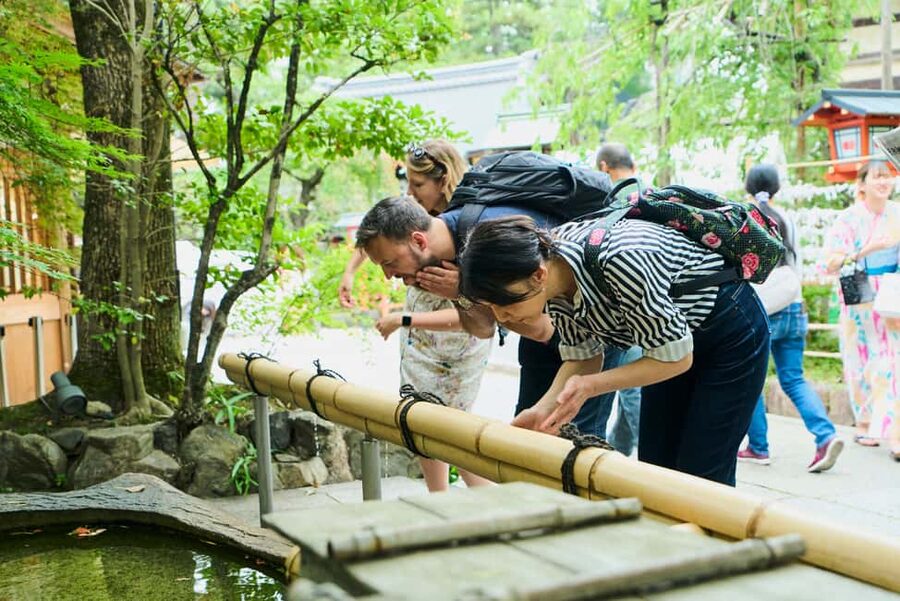
One highlight here is Nonomiya Shrine, a place to pray for love in Kyoto. That kind of stop adds a different flavor to the tour, because it shifts from sightseeing into a cultural action that locals take seriously. Even if you’re not making a personal prayer, it’s a good moment to slow down and notice how these spaces feel compared with the surrounding streets.
You’ll also visit a 1,000-year-old shrine, which adds another layer. Kyoto is full of historic layers, but a shrine stop with that kind of age anchors your walk in the city’s long timeline. It helps you understand why Gion is more than a stage set. The streets may feel stylish and photogenic, but the spiritual and historical roots run deep.
A practical note: photography is allowed, but flash photography is not permitted inside temples. So if you want a good shot, do what works best in Japan’s shrine and temple light: keep your distance, hold steady, and let ambient light do the job.
Edo-Period Townhouses and Family Crests: The Details That Make Kyoto Feel Real
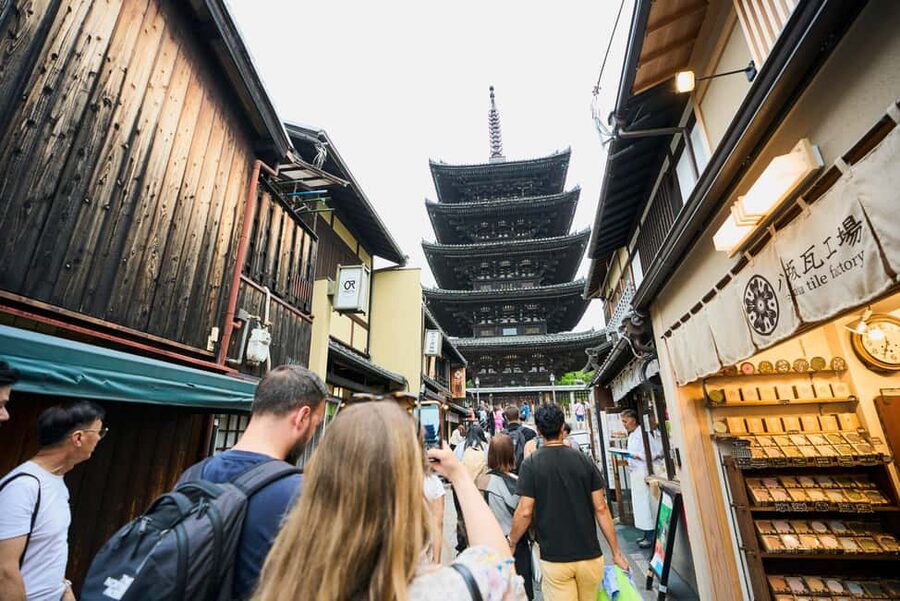
Between the riverside views and the geisha district finish, you’ll pass through quieter backstreets with fewer tourists. This is where the “hidden alley” part earns its keep. You’re not rushing down one main road and calling it culture. Instead, the walk brings you into lanes where old Kyoto details stay visible.
A key included element is that your guide covers Gion’s hidden alleys and family crests. Those crests show up on building details and design choices, and they connect architecture to family identity. You might not notice them at first on your own, but with the guide pointing things out, the streets start to read like a story.
You’ll also see Edo-period wooden townhouses. That’s another big value point. Edo-period architecture isn’t just a look, it’s a snapshot of how people lived, built, and arranged everyday life. When you can connect the look of a townhouse to the cultural explanations from your guide, it stops being scenery and becomes context.
The main benefit for you is perspective. Old buildings only feel meaningful when you understand what you’re seeing. This tour spends time on that, rather than making you “move along” too fast.
Compare these Geisha District walks in Kyoto:
- Best of Kyoto: Gion, Geisha, Pagodas & Cobblestones
★ 4.9 · 2,058 reviews - Kyoto Night Foodie Tour in Gion (9+ dishes + 6 Sake tastings)
★ 5.0 · 1,762 reviews - Kyoto Gion Geisha District Walking Tour – The Stories of Geisha
★ 5.0 · 1,441 reviews - Kyoto: Gion Magical Night Walking Tour with Geisha Insights
★ 4.9 · 1,286 reviews
Hanamikoji Street: Where Timing Helps and Curiosity Wins
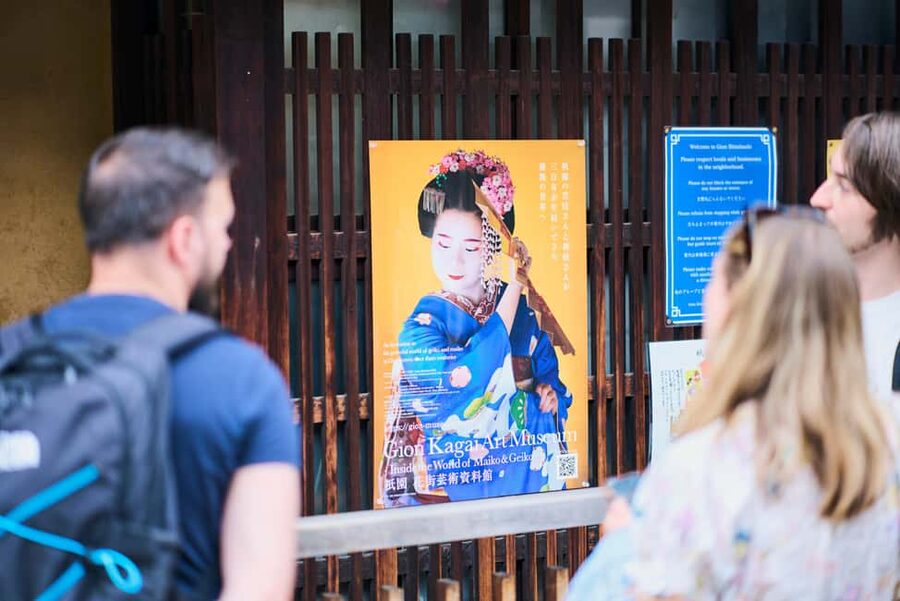
The tour ends back at the meeting point, but your final walking chapter is on Hanamikoji Street, described as the heart of the geisha district. This is the part most people hope turns up the goosebumps: you may catch a glimpse of a geisha on her way to an evening engagement.
Even if you don’t see one, Hanamikoji is still worthwhile. It’s the geisha district’s pulse point, and the street’s role in the area’s identity becomes clear as you walk it with your guide’s cultural explanations fresh in your mind. You’re not just scanning for performers. You’re noticing the training, the craft behind the outfits, and how the district functions as a living cultural space.
I also like that the guide talks about what makes geisha presentation so precise, including the craftsmanship behind kimonos and hairstyles. That helps you look past surface-level glamour. You start to see artistry, discipline, and design decisions that are easy to miss when you’re only thinking about taking a picture.
The Guide Experience: Why Uta’s Presence Changes the Tour
The strongest recurring praise is the guide experience itself. Uta is specifically mentioned as present throughout, and that’s a big deal on a walking tour. When your guide stays engaged, you get real answers, not just a few preplanned facts.
The effect is practical. You’ll move with purpose because you’re hearing what matters in each street segment. When someone is ready to answer your questions, the tour becomes interactive. That also helps if you’re trying to decode what you’re seeing, like family crest placement or what different historic areas suggest about old Kyoto life.
If this is your first trip to Kyoto, that kind of guide-led framing makes everything easier. If it’s your second or third trip, it still helps because it directs your attention to details you would likely overlook solo.
And since the tour is in English, you can focus on the cultural meaning rather than translating everything yourself in the moment.
Rain, Walking Shoes, and Simple Rules That Keep You Comfortable

This tour runs even in rain, so plan for weather. Bring an umbrella or raincoat. Kyoto drizzle can be persistent, and you’ll be happiest if you’re not improvising mid-walk.
For your comfort, wear comfortable walking shoes. You’ll be on stone-paved paths and quiet backstreets, which can feel slippery when wet. You should also bring water and sunscreen for the walk. Even on cooler days, sun reflects off street surfaces and you might be surprised how fast you warm up while walking.
Photography is allowed, but flash photography is not permitted inside temples. That’s a simple rule, but it affects your shot planning. If you’re photographing, keep your settings natural light friendly, and don’t push for flash shots in temple areas.
Price and Value at $27 for a Geisha-Culture Walk
At $27 per person, this tour is positioned as an affordable way to get more out of Gion than a self-guided wander. You’re paying for two things: expert guidance and access to the parts of the neighborhood that reward a slower, more observant pace.
The included items are not huge extras, but they’re meaningful: a guided tour of Gion’s hidden alleys and family crests. That means your money goes into interpretation. Without that, family crests and Edo-period details are easy to miss, and you’d be stuck taking photos without fully understanding what gives them value.
Also, this is a 2-hour walking tour. The time investment is short enough to pair with other Kyoto plans without feeling like you scheduled your whole day around one stop.
The drawback on value is simple: there’s no hotel pickup and drop-off. You’ll need to get to the meeting point on your own. If you’re already near Gion or downtown, that’s fine. If you’re far out, factor in your commute time.
Who Should Book This Tour (and Who Might Want a Different Plan)
This tour makes the most sense if you want a mix of geisha culture explanations and street-level Kyoto experiences. It’s especially good if you like photography, because you’ll get scenic areas like Gion Shirakawa and the geisha district atmosphere of Hanamikoji Street.
It’s also a smart fit if you enjoy learning in context. The tour doesn’t just point at places, it explains training, performance arts, and the craftsmanship behind kimonos and hairstyles. That helps your photos feel less random and more connected.
A clear limitation: it’s not suitable for people with mobility impairments and not for wheelchair users. Since it’s a walking tour with temple and street areas, choose it only if you can comfortably handle uneven paths and weather.
And remember the practical expectation: you might spot a geisha, but it’s not a guaranteed show. If you’re booking for the hunt, go for it. If you need certainty, you’ll want a different style of experience.
Should You Book Kyoto Gion Geisha Culture & Photogenic Walking Tour?
I’d book this if your goal is to see Gion as a real neighborhood, not just a checklist. The $27 price is reasonable for what you get, especially the guide-led focus on hidden alleys, family crests, shrine visits, and the cultural explanations that turn street views into understanding.
I’d skip it or reconsider if you cannot do steady walking, or if you’re hoping for guaranteed geisha sightings. The tour’s whole charm relies on real-life timing. You’re there for a chance, plus deeper context.
If you’re lucky enough to be guided by Uta, based on past experiences, you’ll probably get the kind of Q&A and attention that makes the difference between a decent walk and a memorable one.
FAQ
How long is the Kyoto Gion Geisha Culture walking tour?
It is a 2-hour tour.
How much does the tour cost?
The price is $27 per person.
Where does the tour start?
The meeting point is at 105-1 Hashimoto-cho, Shimogyo-ku, Kyoto-shi, Kyoto. The guide will be holding a sign that says Local Guide Stars.
Where does the tour end?
The activity ends back at the meeting point.
What is included in the tour price?
It includes a guided tour of Gion’s hidden alleys and family crests.
Is hotel pickup or drop-off included?
No, hotel pickup and drop-off are not included.
What languages are available?
The tour is offered in English.
Are flash photos allowed?
Flash photography is not permitted inside temples. Photography is allowed otherwise.
What should I bring?
Bring comfortable walking shoes and sunscreen. You should also bring water for the walk. For rain, bring an umbrella or a raincoat.
Is the tour suitable for wheelchair users or mobility impairments?
No, it is not suitable for people with mobility impairments, and it is not suitable for wheelchair users.
Does the tour run in rain?
Yes, the tour takes place even in the rain.
Can I pay later and reserve first?
Yes, Reserve & Pay Later is available, so you can book your spot and pay nothing today.
What is the cancellation window?
You can cancel up to 24 hours in advance for a full refund.
Newly listed around Kyoto
- Taste of Nishiki Market Walking Food Tour with Local guide★ 5.0 · 17 reviews
- Kyoto: Sushi Making Class with Sushi Chef★ 4.8 · 64 reviews
- Simple Plan with Maiko★ 4.4 · 10 reviews
- Shibori Furoshiki Course at Kyoto Shibori Museum★ 5.0 · 21 reviews
- Kyoto: City Secrets eBike Tour★ 4.9 · 196 reviews
- Sacred Pathways: Discover the Philosopher’s Path of Kyoto★ 4.9 · 20 reviews
- Private Tour to Monkey Park and Arashiyama Highlights★ 5.0 · 22 reviews
- Private Nara Tour from Osaka – Meet at Your Hotel★ 5.0 · 22 reviews
Geisha District Walks, compared.
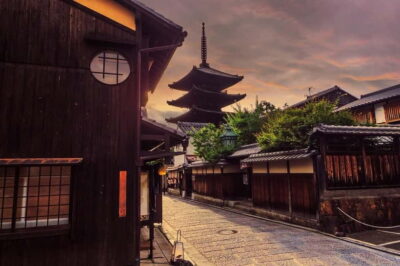
Kyoto Geisha Walking Tour: Gion District & Hidden Gems
Read our review →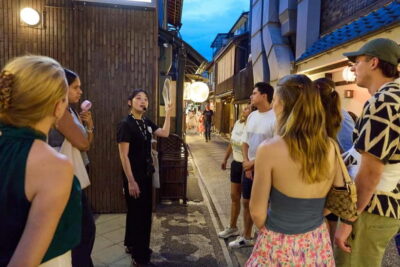
Gion Geisha District Walking Tour – Stories of Geisha
Read our review →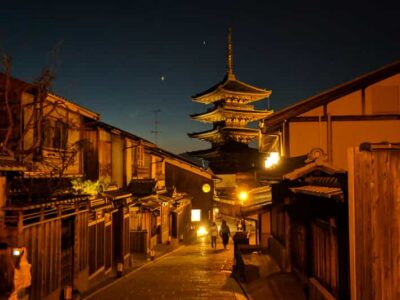
Best of Kyoto: Gion, Geisha, Pagodas & Cobblestones
Read our review →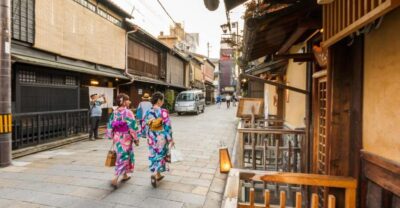

Kyoto Night Foodie Tour in Gion (9+ dishes + 6 Sake tastings)
Read our review →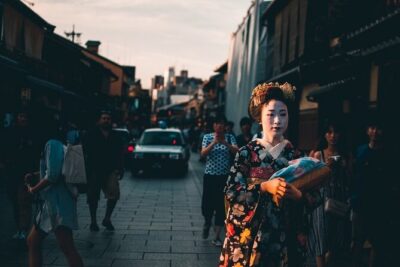
Kyoto Gion Geisha District Walking Tour – The Stories of Geisha
Read our review →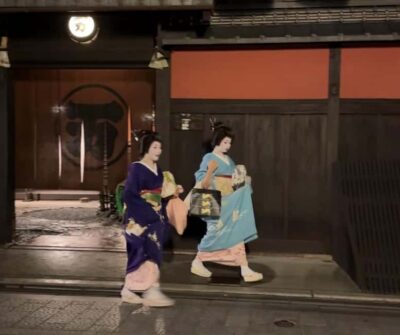
Gion Magical Night Walking Tour with Geisha Insights
Read our review →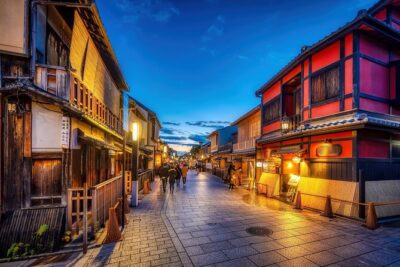
Kyoto Gion Night Walk & Geisha District Guided Tour
Read our review →Browse the lists this tour appears in