
Review · GEISHA DISTRICT WALKS
Kyoto: Gion Walking Tour
Gion feels personal with the right guide. In two hours I liked how the walk connects real Gion hanamachi details to what you see on the street, and I loved the small group size that keeps your questions coming. One thing to set your expectations for: a maiko or geiko sighting is not guaranteed.
What makes this tour work so well is the guide, often people like Jose or Saskia, who seem genuinely excited to explain what you are looking at. You do not just march from landmark to landmark. You stop often, use visuals on an iPad, and get practical context for Kyoto, Japan, and everyday life.
In This Review
- Quick hits before you lace up
- Why Gion here feels different than a photo stop
- Meeting your guide by the Disney Store in Shijo-Kawaramachi
- Pontocho alleys and the Kamogawa mood from Kaburenjo to Sanjo Ohashi
- From Yamato-dori to Gion-Kobu: learning the street logic
- Gion-Kobu’s Shiragawa side and Tatsumi Jinja pauses
- Gion-Higashi and Yasaka Shrine, where the Gion name comes from
- Maiko and Geiko spotting: what you can control, and what you can’t
- Price and value for $35, plus what you bring to the experience
- What to bring and how to pace yourself on the walk
- Who should book this Gion walking tour, and who might not
- Should you book it?
- FAQ
- How long is the Kyoto Gion Walking Tour?
- What areas of Gion are included?
- Is maiko or geiko spotting guaranteed?
- Does the tour include Hanamikoji-dori?
- Where do we meet the guide?
- What languages are offered?
- How far do you walk?
- Is there any flexibility if my plans change?
Quick hits before you lace up
- Three hanamachi areas covered in just 2 hours: Pontocho, Gion-Kobu, and Gion-Higashi
- Pontocho alley time plus Kamogawa atmosphere, including Kaburenjo and nearby statues
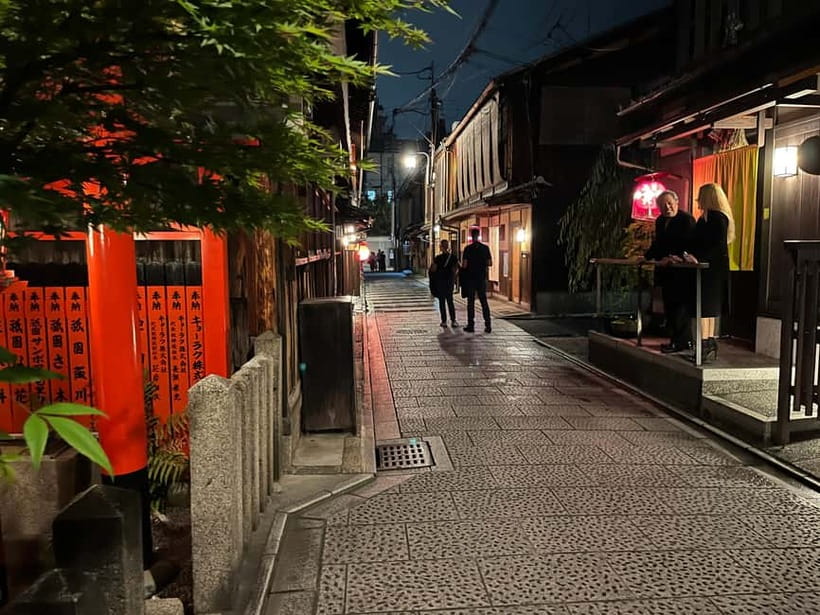
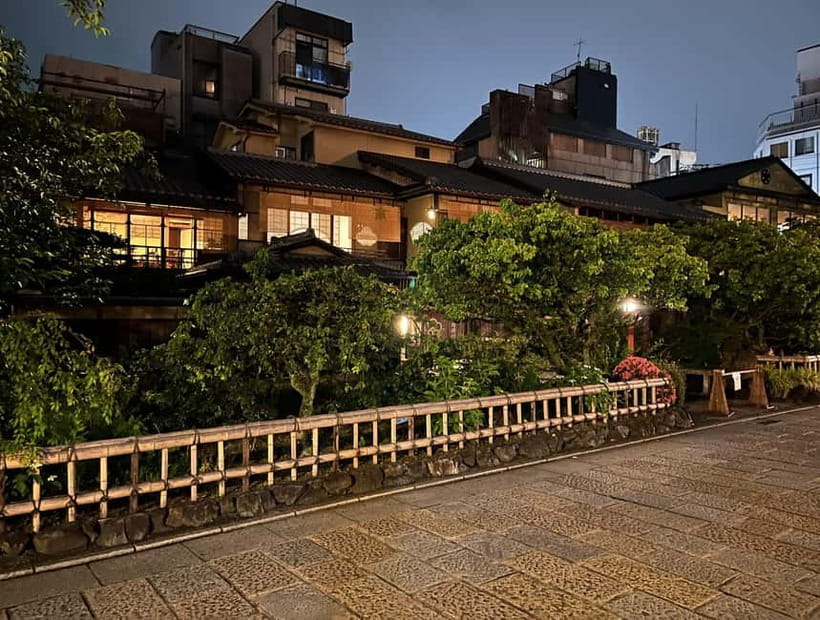
- Gion-Kobu streets like Gion Shinbashi-dori and Shiragawa, with explanations of hanamachi routines
- Shrine focus at Yasaka (Gion’s namesake), with background on the Gion Festival if timing allows
- Up to 6 people keeps the pace calm and your questions answerable
- Hanamikoji-dori is not included, so plan your own walk if that street is a must for you
Why Gion here feels different than a photo stop
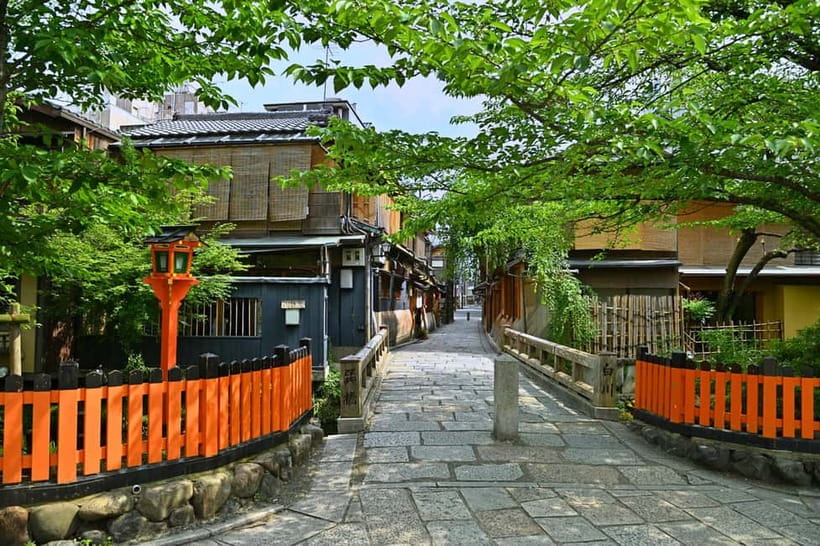
Gion is famous for performance and tradition, but the district is really about daily life, rules of etiquette, and how neighborhoods preserve their identity. This tour does not try to sell you a fantasy. It helps you read the area like a story written in wood, stone, and small street details.
I like that the guide frames Gion as more than the entertainment district on postcards. You learn how hanamachi fit into Kyoto’s long timeline, including where the name Gion connects to Yasaka Shrine. The best part is that you do not have to already know the terms. You can ask, and the guide can explain what you are seeing right now.
You also get a practical walking path through parts of Gion that many visitors miss when they stick to the busiest lanes. The route is about 3.3 km (roughly 2 miles), so it feels doable without turning your afternoon into a full workout.
More Walking Tours in Kyoto
- Kyoto Geisha Walking Tour: Gion District & Hidden Gems
★ 4.7 · 3,273 reviews - Kyoto: Gion Geisha District Walking Tour – Stories of Geisha
★ 4.7 · 2,187 reviews - Night Walk in Gion: Kyoto’s Geisha District
★ 4.5 · 2,003 reviews
Meeting your guide by the Disney Store in Shijo-Kawaramachi
Your tour starts in a very specific spot, in front of the Disney Store in Kyoto Shijo-Kawaramachi. The guide will be sitting and holding an iPad with an image linked to Get Your Guide, so it is easy to spot the right person.
This matters more than you might think. Gion is easy to wander in circles, especially if you arrive from a busier area. Starting at a clear meeting point helps you get the right pace from the first minute.
The tour is also built for conversation. You are not just listening while walking. You can ask questions about anything you notice, or anything you are curious about in Japan. That question time shows up in the vibe: people leave feeling like they talked through the city, not just watched it pass.
And if language matters for you, this one has live guides in Spanish, Dutch, French, and English.
Pontocho alleys and the Kamogawa mood from Kaburenjo to Sanjo Ohashi
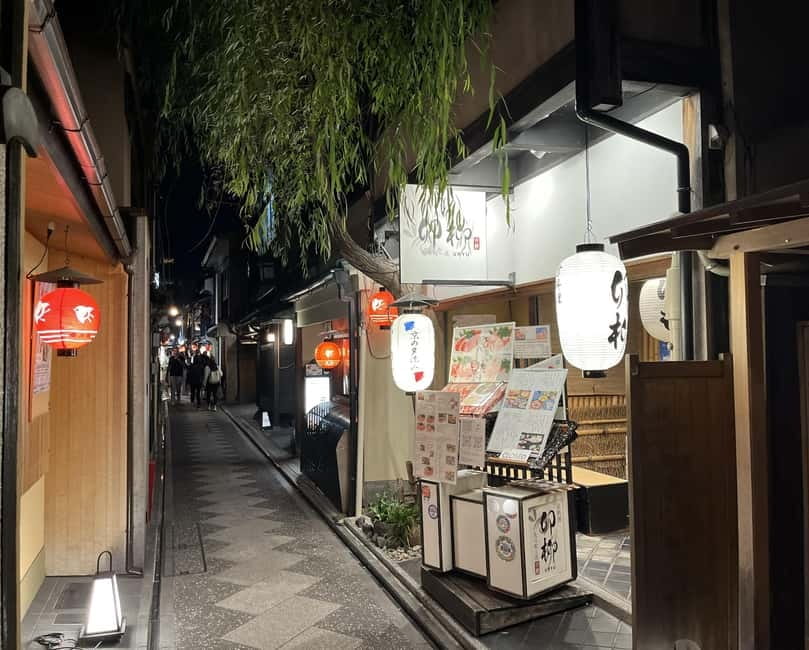
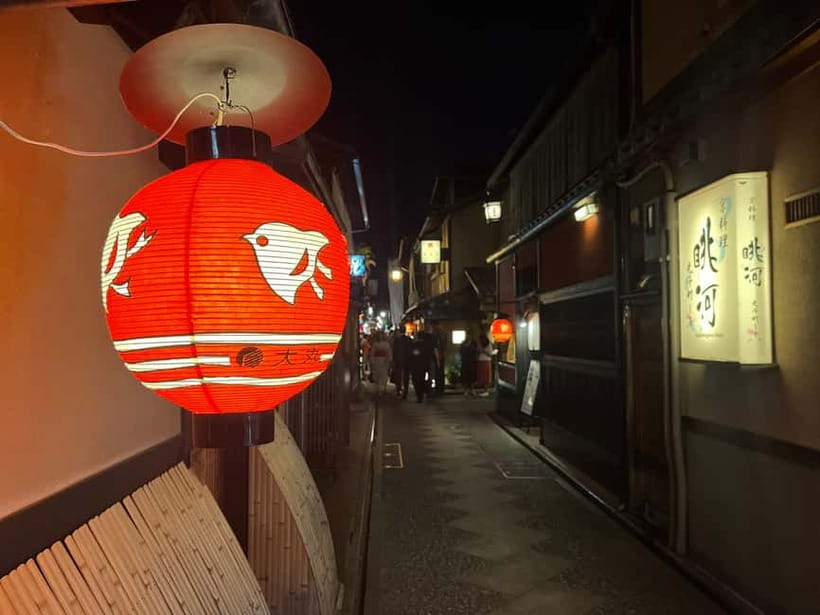
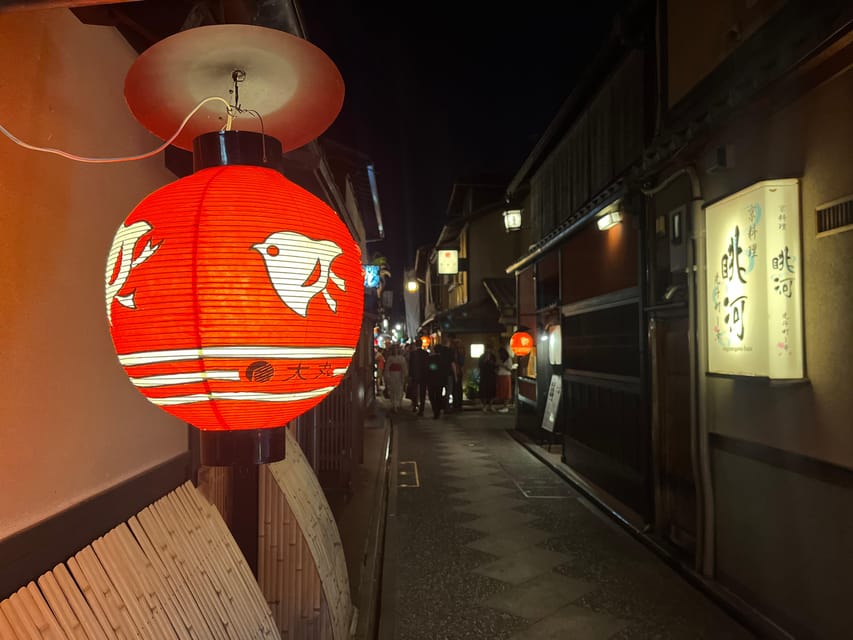
You begin in Pontocho, which is a good choice because it teaches you how to look at Gion before the guide starts naming every street. The pace in these narrow lanes is slow in a good way. You have time to notice architecture, the way shops and homes face the street, and the small signs that tell you where you are.
A stop at Pontocho Kaburenjo sets the tone. From there you head toward the river area, and the guide connects the geography to the neighborhood feel. Kamogawa is not just scenery here. It is part of how people historically moved, met, and did business.
You may also spot the Yagi-san and Kita-san statues, which become a jumping-off point for stories. That is a pattern on this tour: the guide uses visible details to explain bigger themes like how Kyoto neighborhoods formed and why certain places mattered.
Then you reach Sanjo Ohashi. Bridges are great teaching points because they give you a “look back” moment. You can see how the area sits together, not as separate attractions, but as one connected district.
If you like walking tours that make you feel oriented fast, this opening section is strong. It gets your eyes trained early.
From Yamato-dori to Gion-Kobu: learning the street logic
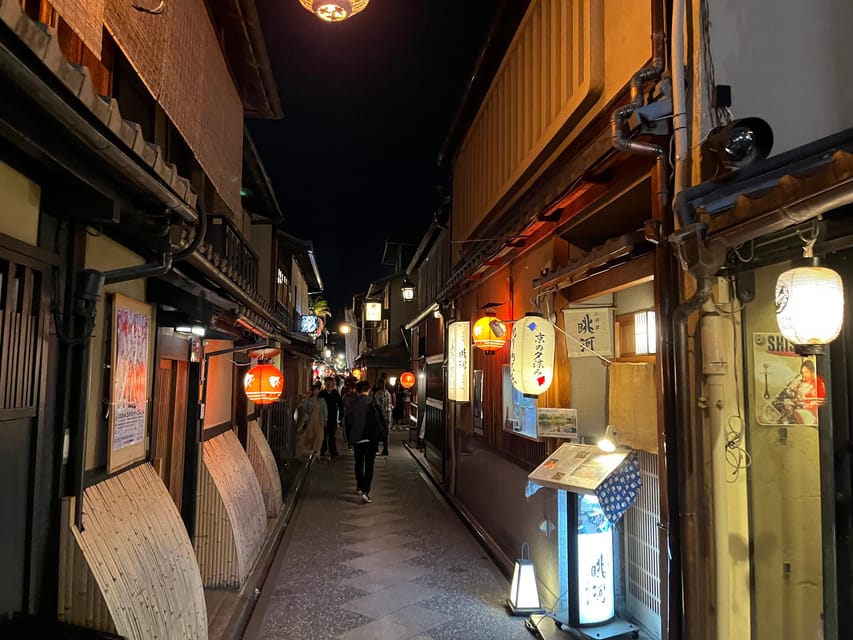
After crossing into Gion-Kobu, the tour shifts from river mood to hanamachi structure. You move along streets like Gion Shinbashi-dori, and the guide uses those lanes to explain how hanamachi work.
This is where the tour’s value gets real for me. You will learn about Maiko and Geiko lifestyle, including practices and daily routines. You also get the background that makes those terms make sense in context, rather than as trivia.
You’ll also be in parts of Gion where the setting still feels residential. That is important. Many tours rush through the most photographed corridors and miss the lived-in character.
One practical note: Hanamikoji-dori is not included. If you have your heart set on walking that specific street, treat this tour as a smart complement, not a substitute.
Compare these Geisha District walks in Kyoto:
- Best of Kyoto: Gion, Geisha, Pagodas & Cobblestones
★ 4.9 · 2,058 reviews - Kyoto Night Foodie Tour in Gion (9+ dishes + 6 Sake tastings)
★ 5.0 · 1,762 reviews - Kyoto Gion Geisha District Walking Tour – The Stories of Geisha
★ 5.0 · 1,441 reviews - Kyoto: Gion Magical Night Walking Tour with Geisha Insights
★ 4.9 · 1,286 reviews
Gion-Kobu’s Shiragawa side and Tatsumi Jinja pauses
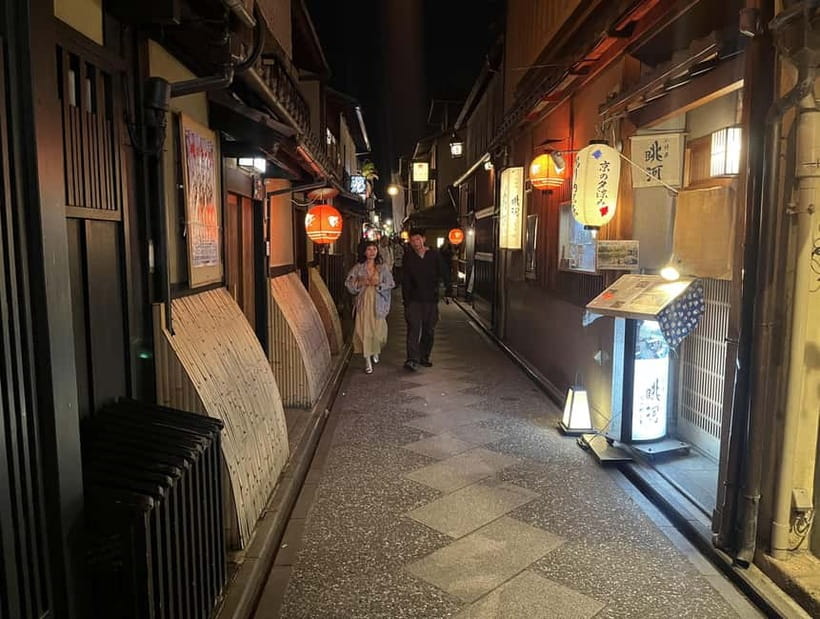
Gion-Kobu continues with stops around Gion Shiragawa and then toward Tatsumi Jinja. Shrines can feel like a break from the main story, but on this tour they become part of the cultural explanation.
Tatsumi Jinja is not just a pretty photo point. The guide ties it back to how Kyoto’s religious sites are woven into neighborhood identity. You also get to experience how quiet pockets can be right next to busy streets.
The walk then includes Tatsumi Hashi, another “micro vantage point” that helps you understand how different parts of the district relate. Even if you are not a history buff, these short transitions help your brain map the area. You start recognizing what you see when you wander on your own later.
The guides also tend to stop frequently for small talks and explanations. In the real world, that means you are not stuck sprinting to keep up. It is calmer, more conversational, and it gives you time to ask follow-ups while the details are still fresh.
Gion-Higashi and Yasaka Shrine, where the Gion name comes from
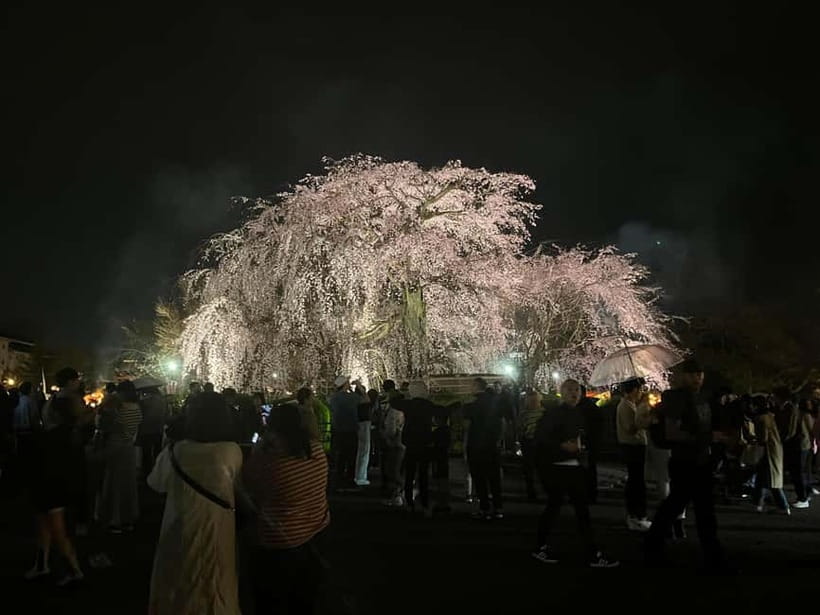
The final stretch moves into Gion-Higashi and then toward Yasaka Shrine. This is a key part of the tour, because the district name connects to this shrine area. You get an explanation of that origin, and if time allows, you may hear more about the Gion Festival, one of Japan’s biggest and most important festivals with roots in the Gion district more than 1100 years ago.
What I like here is the “why” behind the location. It is easy to treat shrines as separate stops. This guide makes it feel like the district’s identity is tied to ritual, community, and seasonal tradition.
Even if you are not planning to return at another time, this segment gives you a bigger frame. Afterward, Gion stops looking like a place you visited and starts looking like a place you understood.
Maiko and Geiko spotting: what you can control, and what you can’t
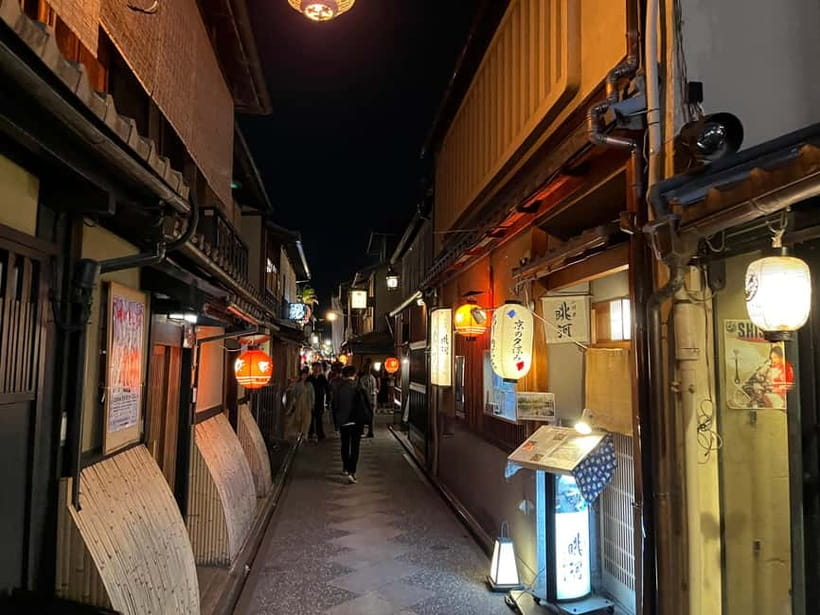
Let’s be honest: part of the reason people come to Gion is the possibility of seeing maiko or geiko. On this tour, a sighting cannot be guaranteed.
But here is how I think about it. You are not paying for a guaranteed celebrity encounter. You are paying for a better read on the streets. The guide teaches you what to notice and how to interpret what you are seeing, so if you do spot someone, you are more likely to understand the context rather than just snapping a picture and moving on.
Also, your question style improves over time. Once you learn a few terms and routines, you can ask smarter follow-ups. People consistently highlight that guides answer a lot of questions and never seem bored by curiosity. That is where the “personal” part of this tour really shows up.
Price and value for $35, plus what you bring to the experience
At $35 per person for 2 hours, the price is fair if you want a guided interpretation of Gion rather than a self-guided wander. You are paying for three things: a route through multiple hanamachi areas, a guide who can explain what you see, and a small group size capped at 6.
What you should know: no amenities are provided. That means you should come prepared with water and sun protection. Also, wear comfortable shoes, because this is a walking tour with about 3.3 km of route.
One smart value add: for the 9:45 and 12:30 departures, you may include a free visit to the Gion Gallery if you want to extend your time. If you like museum-style context or want a quick indoor companion to the walk, ask your guide at the start about whether you can add it.
Finally, the cherry blossom season note matters if you visit in late March to early April. The route shifts slightly to showcase sakura around Gion. If you are scheduling around that, this tour can fit nicely into a blossom-focused itinerary.
What to bring and how to pace yourself on the walk
Here is what I recommend you pack based on how the tour is set up and what weather can do in Kyoto:
- Comfortable shoes for 3.3 km of walking
- A sun hat and sunscreen
- An umbrella, just in case
- Water, because no amenities are provided
The other pacing tip is simple: arrive ready to stop and look. This is not a “keep moving every second” tour. The guide frequently uses an iPad for videos or photos to help explain what you are seeing, and that works best when you are not hurrying past every stop.
Also, go in with questions. You will enjoy this much more if you treat it like a conversation. If you are shy about asking, start with easy observations, like the kind of woodwork you notice on machiya-style houses or why a shrine area feels like it belongs to the neighborhood.
Who should book this Gion walking tour, and who might not
I think this tour is a great fit if:
- You want a guided introduction to Gion’s structure, not just its most photographed corners
- You care about culture and daily life, especially hanamachi routines
- You prefer small groups, so your questions actually get answered
- You enjoy walking with explanations that connect streets, architecture, and tradition
You might want to skip it or pair it with other time on your own if:
- You are mainly chasing one specific street like Hanamikoji-dori, since it is not included
- You need a guaranteed maiko or geiko sighting, because that cannot be promised
Should you book it?
Yes, I would book this tour if you want to walk Gion with context. The standout strengths are the small group size, the way the guide adapts to your interests, and the sheer amount of explanation you get for 2 hours. People also consistently praise guides like Jose and Saskia for energy and for answering lots of questions without rushing you.
Just go in with realistic expectations on sightings, bring the right walking gear, and be ready to look closely. If you do that, you will leave with Gion that feels less like a set of streets and more like a place with rules, rhythms, and history you can actually follow.
FAQ
How long is the Kyoto Gion Walking Tour?
The tour lasts 2 hours.
What areas of Gion are included?
You visit three of the five hanamachi areas: Pontocho, Gion-Kobu, and Gion-Higashi. You also include spots like Yasaka Shrine.
Is maiko or geiko spotting guaranteed?
No. A maiko and/or geiko sighting cannot be guaranteed.
Does the tour include Hanamikoji-dori?
No. Hanamikoji-dori is not included in the itinerary.
Where do we meet the guide?
Meet in front of the Disney Store – Kyoto Shijo-Kawaramachi. The guide will be sitting and holding an iPad with the Get Your Guide image.
What languages are offered?
The live tour guide is available in Spanish, Dutch, French, and English.
How far do you walk?
The route is about 3.3 km, roughly 2 miles.
Is there any flexibility if my plans change?
Yes. You get free cancellation up to 24 hours in advance for a full refund, and you can reserve now and pay later.
Newly listed around Kyoto
- Taste of Nishiki Market Walking Food Tour with Local guide★ 5.0 · 17 reviews
- Kyoto: Sushi Making Class with Sushi Chef★ 4.8 · 64 reviews
- Simple Plan with Maiko★ 4.4 · 10 reviews
- Shibori Furoshiki Course at Kyoto Shibori Museum★ 5.0 · 21 reviews
- Kyoto: City Secrets eBike Tour★ 4.9 · 196 reviews
- Sacred Pathways: Discover the Philosopher’s Path of Kyoto★ 4.9 · 20 reviews
- Private Tour to Monkey Park and Arashiyama Highlights★ 5.0 · 22 reviews
- Private Sake Tasting in Central Kyoto — 1 Group Only★ 5.0 · 11 reviews
Geisha District Walks, compared.
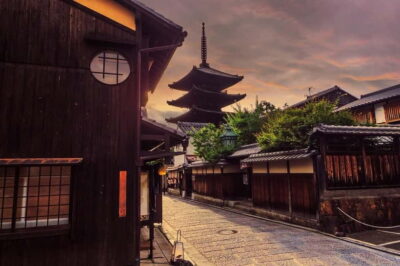
Kyoto Geisha Walking Tour: Gion District & Hidden Gems
Read our review →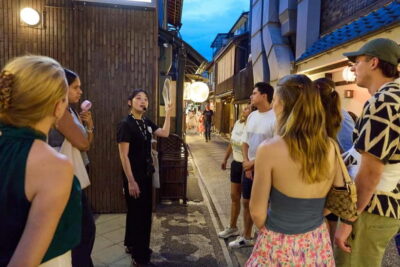
Gion Geisha District Walking Tour – Stories of Geisha
Read our review →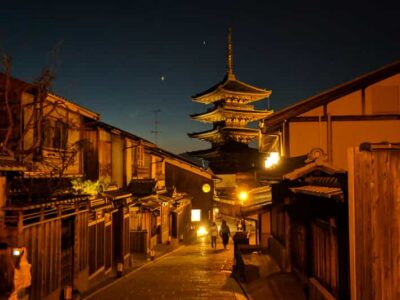
Best of Kyoto: Gion, Geisha, Pagodas & Cobblestones
Read our review →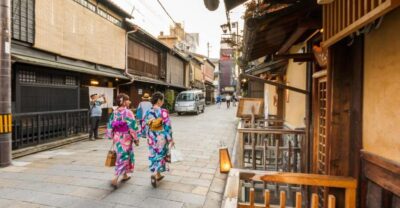

Kyoto Night Foodie Tour in Gion (9+ dishes + 6 Sake tastings)
Read our review →
Kyoto Gion Geisha District Walking Tour – The Stories of Geisha
Read our review →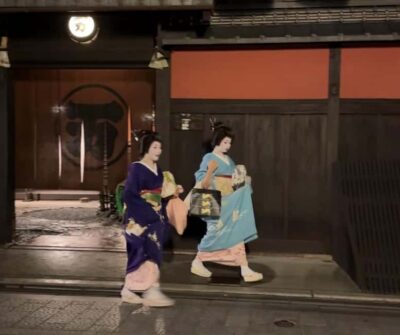
Gion Magical Night Walking Tour with Geisha Insights
Read our review →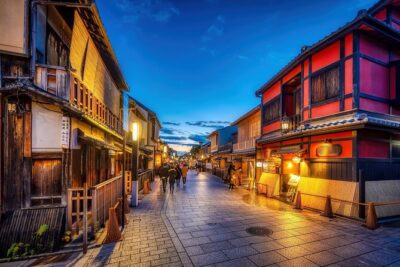
Kyoto Gion Night Walk & Geisha District Guided Tour
Read our review →Browse the lists this tour appears in